
Have you ever heard someone say We need to get all our ducks in a row and hit the ground running and wondered why the sentence sounds a little strange? The problem may be a mixed metaphor. A metaphor compares one thing with another to create a clear picture but a mixed metaphor combines images that do not naturally belong together.
People search for mixed metaphors examples because the mistake can be hard to spot. Each part of a sentence may sound normal on its own yet the images clash when they are put together. You may see mixed metaphors in everyday conversations essays speeches books news writing social media posts and even business communication.
The good news is that mixed metaphors are easy to understand once you know what to look for. This guide explains what a mixed metaphor is, shows more than original examples and gives simple corrections. Youll also learn when mixed metaphors are acceptable, when they weaken your writing, and how to avoid them. This guide is updated for 2026.
Definition & Meaning
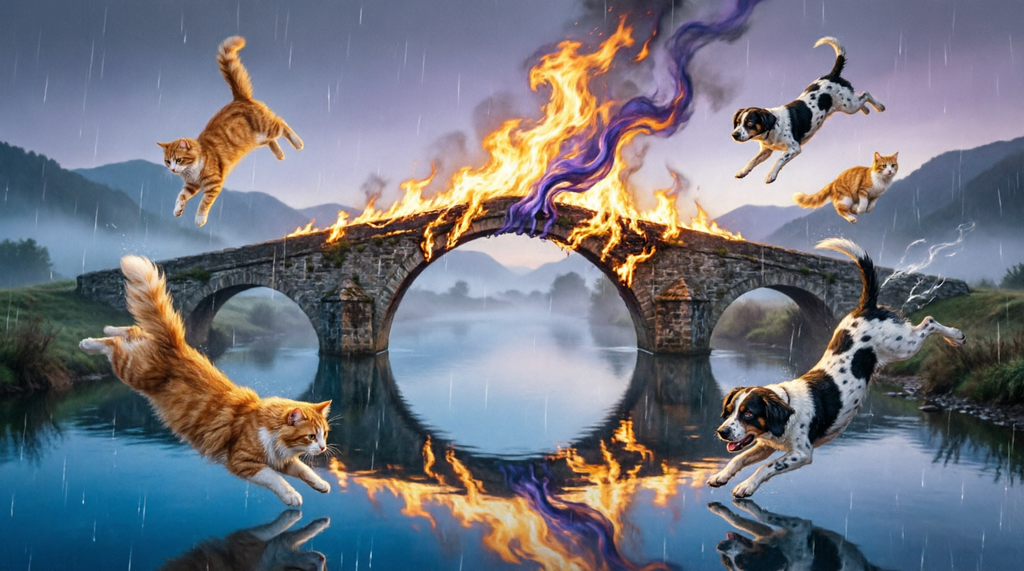
A mixed metaphor happens when a sentence combines two or more different metaphorical images that do not fit together logically. Each metaphor may work by itself, but putting them together creates a confusing or unintended picture. For example, “We need to iron out the details and get the ball rolling” mixes the image of ironing with the image of a rolling ball.
Simple definition
A mixed metaphor is a combination of two or more metaphors whose images clash or do not naturally belong together.
A metaphor helps readers picture an idea.
For example:
“She is the backbone of the team.”
The person is not literally a backbone. The metaphor compares her to something that provides support.
Now look at this:
“She is the backbone of the team, and she keeps all the wheels turning.”
Both metaphors are understandable. But if the sentence keeps piling up unrelated images, the reader has to switch from one mental picture to another.
That is where mixed metaphor problems often begin.
A simple way to spot one
Ask yourself:
“What picture does this sentence create?”
If the sentence makes you imagine a ship, then suddenly a horse, then a kitchen, the metaphors may be mixed.
Quick summary table
| Term | Meaning | Example |
|---|---|---|
| Metaphor | A comparison that describes one thing as another | “He is a rock.” |
| Mixed metaphor | Two or more conflicting metaphorical images | “He is a rock who keeps the wheels flying.” |
| Dead metaphor | A common metaphor people may no longer notice | “The foot of the mountain” |
| Extended metaphor | One metaphor developed across several sentences | A whole speech comparing life to a journey |
| Simile | A comparison using “like” or “as” | “She runs like the wind.” |
| Literal language | Words used in their direct meaning | “She runs every morning.” |
Mixed metaphor vs. ordinary metaphor

A normal metaphor creates one main image:
“Our team is a well-oiled machine.”
The reader can easily picture a machine working smoothly.
A mixed metaphor might say:
“Our team is a well-oiled machine, and we need to plant the seeds and steer the ship.”
Now three different images appear:
- a machine
- a garden
- a ship
The sentence may still be understandable, but the images compete with one another.
Why We Use Mixed Metaphors Examples
Mixed metaphor examples help readers learn to recognize conflicting images in real sentences. They are useful for students, teachers, editors, writers, speakers, and anyone who wants clearer English. Studying examples works better than memorizing a definition because you can see exactly where the images collide and how a small change can repair the sentence.
Practical purpose
People study mixed metaphors to:
- improve writing
- edit essays
- make speeches clearer
- avoid confusing comparisons
- understand common grammar and style mistakes
- recognize humorous mixed metaphors
- improve creative writing
- write better emails
- make professional communication sound polished
Everyday usage
You may hear mixed metaphors when people speak quickly.
For example:
“We need to nip this problem in the bud before it gets out of hand.”
This sentence is actually a mixed metaphor.
“Nip it in the bud” comes from gardening.
“Get out of hand” comes from the idea of something becoming difficult to control.
The two expressions are common enough that many speakers do not notice the mixture.
Writing
In school or professional writing, mixed metaphors can distract the reader.
Compare:
“The new plan gives us a strong foundation for future growth.”
with:
“The new plan gives us a strong foundation, puts wind in our sails, and opens the floodgates for growth.”
The second sentence uses several images at once. It may sound energetic, but it can become cluttered.
Speaking
Mixed metaphors are especially common in spontaneous speech because people combine familiar expressions without planning them.
That does not always make the speaker unclear.
Sometimes it simply makes the sentence funny.
School
Teachers may point out mixed metaphors when students combine unrelated comparisons in essays.
A student might write:
“The character was a storm that planted the seeds of fear.”
“Storm” and “planted seeds” create different images.
A cleaner version would be:
“The character was a storm that spread fear.”
Social media
Social media is full of playful mixed metaphors.
For example:
“This new update threw a wrench into the boat and opened a can of worms.”
The sentence is clearly not meant as formal writing. The strange combination may even be part of the joke.
Professional communication
In business writing, clarity usually matters more than cleverness.
Instead of:
“We need to get this train back on track and put the wheels in motion before the deadline closes its jaws.”
write:
“We need to get this project back on track before the deadline.”
Quick Tip: One strong metaphor is often more effective than three weak ones.
60+ Mixed Metaphors Examples
The examples below show common types of mixed metaphors. Some are deliberately exaggerated so the problem is easy to see. Others resemble the kind of accidental combinations people make in everyday English.
For each example, you’ll see the meaning, why the images clash, a corrected version, and guidance on usage.
1. Get the Ball Rolling and Iron Out the Details
Mixed metaphor:
“Let’s iron out the details and get the ball rolling.”
Meaning: The speaker wants to solve the small problems and begin the project.
Real explanation:
“Iron out” creates an image of removing wrinkles from fabric. “Get the ball rolling” creates an image of starting a ball moving. Both expressions are standard idioms, but they use unrelated physical images.
Better version:
“Let’s sort out the details and get the project started.”
When to use it: Casual speech where the mixed image is harmless.
When NOT to use it: Formal writing where precise style matters.
Alternatives:
- “Let’s settle the details and begin.”
- “Let’s finalize the plan and move forward.”
- “Let’s clear up the details before we start.”
Difficulty: Easy
Tone: Neutral
2. Nip It in the Bud Before It Gets Out of Hand
Mixed metaphor:
“We need to nip this problem in the bud before it gets out of hand.”
Meaning: Stop a problem before it becomes difficult to control.
Real explanation:
“Nip it in the bud” comes from gardening. “Get out of hand” suggests something becoming uncontrollable.
Better version:
“We need to stop this problem before it grows.”
When to use it: Everyday conversation.
When NOT to use it: Formal writing when you want one consistent image.
Alternatives:
- “We need to stop the problem early.”
- “We need to deal with this before it grows.”
- “We need to prevent the situation from getting worse.”
Difficulty: Easy
Tone: Neutral
3. Plant the Seeds and Steer the Ship
Mixed metaphor:
“The new policy will plant the seeds and steer the ship toward success.”
Meaning: The policy is supposed to create future growth and guide the organization.
Real explanation:
“Plant the seeds” creates a gardening image. “Steer the ship” creates a nautical image.
Better version:
“The new policy will guide the company toward success.”
When to use it: Creative writing if the mixture is intentional.
When NOT to use it: Business reports.
Alternatives:
- “The policy will lay the groundwork for success.”
- “The policy will guide the company.”
- “The policy will help the company grow.”
Difficulty: Easy
Tone: Neutral
4. Hit the Nail on the Head and Open the Floodgates
Mixed metaphor:
“Her comment hit the nail on the head and opened the floodgates.”
Meaning: Her comment was accurate and caused a large response.
Real explanation:
“Hit the nail on the head” uses a hammering image. “Open the floodgates” uses a water image.
Better version:
“Her comment was exactly right and sparked a huge response.”
When to use it: Informal speech.
When NOT to use it: Formal analytical writing.
Alternatives:
- “Her comment was exactly right.”
- “Her comment triggered a strong response.”
- “Her comment opened up a major debate.”
Difficulty: Easy
Tone: Neutral
5. Get Back on Track and Put Out Fires
Mixed metaphor:
“We need to get the project back on track and put out the fires.”
Meaning: The project has problems that need to be fixed.
Real explanation:
“Back on track” creates a railroad image. “Put out fires” creates an emergency image.
Better version:
“We need to fix the project’s problems and get it moving again.”
When to use it: Casual workplace speech.
When NOT to use it: Formal reports.
Alternatives:
- “We need to solve the problems.”
- “We need to get the project moving again.”
- “We need to address the major issues.”
Difficulty: Easy
Tone: Neutral
6. A Double-Edged Sword That Opens Doors
Mixed metaphor:
“The new rule is a double-edged sword that opens doors for everyone.”
Meaning: The rule has both advantages and disadvantages while creating opportunities.
Real explanation:
A double-edged sword belongs to the world of weapons. “Opens doors” creates a doorway image.
Better version:
“The new rule has both benefits and drawbacks, but it also creates opportunities.”
When to use it: Informal discussion.
When NOT to use it: Academic writing unless carefully controlled.
Alternatives:
- “The rule has benefits and drawbacks.”
- “The rule creates new opportunities.”
- “The rule has both positive and negative effects.”
Difficulty: Easy
Tone: Neutral
7. Keep Your Eyes on the Prize and Stay in the Same Boat
Mixed metaphor:
“Keep your eyes on the prize while we all stay in the same boat.”
Meaning: Everyone should stay focused and share the same situation.
Real explanation:
“Eyes on the prize” creates a competition image. “Same boat” creates a sailing image.
Better version:
“Stay focused while we work through this together.”
When to use it: Friendly conversation.
When NOT to use it: Formal business writing.
Alternatives:
- “Stay focused and work together.”
- “Keep working toward the goal.”
- “Let’s stay united.”
Difficulty: Easy
Tone: Informal
8. Bite the Bullet and Cross That Bridge
Mixed metaphor:
“We’ll bite the bullet and cross that bridge when we get there.”
Meaning: Face a difficult task now and deal with another problem later.
Real explanation:
“Bite the bullet” comes from an old image of enduring pain. “Cross that bridge” creates a travel image.
Better version:
“We’ll face the current problem and deal with the next one later.”
When to use it: Casual conversation.
When NOT to use it: Formal writing.
Alternatives:
- “We’ll face the problem now.”
- “We’ll deal with the next issue later.”
- “We’ll handle each problem as it comes.”
Difficulty: Easy
Tone: Informal
9. Put All Your Eggs in One Basket and Keep Your Fingers Crossed
Mixed metaphor:
“We’ve put all our eggs in one basket, so now we’ll keep our fingers crossed.”
Meaning: We have taken a big risk and hope things work out.
Real explanation:
The egg image and crossed-fingers image are unrelated.
Better version:
“We’ve taken a big risk, so now we can only hope it works.”
When to use it: Casual speech.
When NOT to use it: Serious professional analysis.
Alternatives:
- “We’ve taken a major risk.”
- “We have no backup plan.”
- “We can only hope for the best.”
Difficulty: Easy
Tone: Informal
10. Walk a Fine Line and Keep the Wheels Turning
Mixed metaphor:
“The manager must walk a fine line while keeping the wheels turning.”
Meaning: The manager must balance difficult demands while continuing the work.
Real explanation:
“Walk a fine line” creates a balancing or walking image. “Keep the wheels turning” creates a machine image.
Better version:
“The manager must balance competing demands while keeping the work moving.”
When to use it: General communication.
When NOT to use it: Formal writing if several metaphors appear nearby.
Alternatives:
- “The manager must maintain a careful balance.”
- “The manager must handle competing demands.”
- “The manager must keep operations moving.”
Difficulty: Moderate
Tone: Neutral
11. Throw Fuel on the Fire and Open a Can of Worms
Mixed metaphor:
“His comment threw fuel on the fire and opened a can of worms.”
Meaning: His comment made the situation worse and created more problems.
Real explanation:
One metaphor uses fire. The other uses a container full of worms.
Better version:
“His comment made the situation worse and created new problems.”
When to use it: Informal conversation.
When NOT to use it: Formal reports.
Alternatives:
- “His comment made things worse.”
- “His comment created more problems.”
- “His comment escalated the situation.”
Difficulty: Easy
Tone: Informal
12. The Tip of the Iceberg That Opened a Can of Worms
Mixed metaphor:
“That complaint was only the tip of the iceberg and opened a can of worms.”
Meaning: The complaint revealed a much larger problem.
Real explanation:
The iceberg image suggests hidden problems beneath the surface. The worm-can image suggests many new problems appearing at once.
Better version:
“That complaint revealed a much larger problem.”
When to use it: Informal speech.
When NOT to use it: Formal academic writing.
Alternatives:
- “That complaint revealed deeper issues.”
- “That was only the beginning.”
- “The complaint exposed a larger problem.”
Difficulty: Easy
Tone: Neutral
13. Weather the Storm and Plant New Roots
Mixed metaphor:
“The company must weather the storm and plant new roots in the market.”
Meaning: The company must survive difficulty and establish itself in a new market.
Real explanation:
“Weather the storm” creates a weather image. “Plant new roots” creates a tree image.
Better version:
“The company must survive the difficult period and establish itself in the new market.”
When to use it: Creative business writing.
When NOT to use it: Technical reports.
Alternatives:
- “The company must survive the downturn.”
- “The company must establish a stronger position.”
- “The company must adapt to the market.”
Difficulty: Moderate
Tone: Neutral
14. The Foundation of Success and the Wind in Our Sails
Mixed metaphor:
“This program will build the foundation of success and put wind in our sails.”
Meaning: The program will create stability and increase momentum.
Real explanation:
“Foundation” suggests construction. “Wind in our sails” suggests a sailing ship.
Better version:
“This program will create a strong foundation for future success.”
When to use it: Speeches where colorful language is intentional.
When NOT to use it: Scientific or technical writing.
Alternatives:
- “The program will create a strong base for growth.”
- “The program will build momentum.”
- “The program will support future success.”
Difficulty: Moderate
Tone: Neutral
15. Drive the Point Home and Keep It on the Rails
Mixed metaphor:
“The speaker drove the point home and kept the debate on the rails.”
Meaning: The speaker made the point clearly and kept the discussion controlled.
Real explanation:
“Drive the point home” suggests driving something toward a destination. “On the rails” creates a train image.
Better version:
“The speaker made the point clearly and kept the debate focused.”
When to use it: Informal analysis.
When NOT to use it: Formal reports with strict style requirements.
Alternatives:
- “The speaker made the point clearly.”
- “The speaker kept the debate focused.”
- “The speaker stayed on topic.”
Difficulty: Moderate
Tone: Neutral
16. Raise the Bar and Lay the Groundwork
Mixed metaphor:
“The new standard raises the bar and lays the groundwork for excellence.”
Meaning: The new standard increases expectations and prepares for better results.
Real explanation:
“Raise the bar” uses a physical bar as a standard. “Lay the groundwork” uses a construction image.
Better version:
“The new standard raises expectations and prepares the organization for better results.”
When to use it: Professional communication when the mixture is not distracting.
When NOT to use it: When you want one extended image.
Alternatives:
- “The new standard raises expectations.”
- “The new standard creates a stronger foundation.”
- “The new standard improves performance.”
Difficulty: Moderate
Tone: Formal
17. A Roadblock That Throws a Wrench Into the Plan
Mixed metaphor:
“The budget cut is a roadblock that throws a wrench into our plan.”
Meaning: The budget cut creates a major problem.
Real explanation:
A roadblock belongs to travel. A wrench belongs to mechanical work.
Better version:
“The budget cut creates a major obstacle for our plan.”
When to use it: Casual workplace speech.
When NOT to use it: Formal financial documents.
Alternatives:
- “The budget cut creates an obstacle.”
- “The budget cut threatens the plan.”
- “The budget cut creates a serious problem.”
Difficulty: Easy
Tone: Neutral
18. Keep the Ship on Track
Mixed metaphor:
“The captain must keep the ship on track.”
Meaning: The captain must keep the operation moving correctly.
Real explanation:
A ship can be kept on course, while a train travels on a track. “Keep the ship on track” mixes those images.
Better version:
“The captain must keep the ship on course.”
When to use it: Never necessary; “on course” is clearer.
When NOT to use it: Professional or polished writing.
Alternatives:
- “Keep the ship on course.”
- “Keep the project on track.”
- “Stay on course.”
Difficulty: Easy
Tone: Neutral
19. Steer the Company in the Right Direction
This one is not necessarily a mixed metaphor.
Example:
“The CEO needs to steer the company in the right direction.”
Meaning: The CEO needs to guide the company.
Real explanation:
The sentence uses one clear guiding image. The company is treated like something that can be steered.
Better version:
The original is already clear.
When to use it: Business writing and speech.
When NOT to use it: Highly technical documents where literal language may be preferred.
Alternatives:
- “Guide the company.”
- “Lead the company.”
- “Move the company forward.”
Difficulty: Easy
Tone: Neutral
Lesson: Not every sentence containing two familiar idioms is automatically a serious mixed metaphor. Context matters.
20. The Project Is a Train With a Strong Foundation
Mixed metaphor:
“The project is a train with a strong foundation.”
Meaning: The project has a stable base and is moving forward.
Real explanation:
A train and a foundation belong to different physical images.
Better version:
“The project has a strong foundation and is moving forward.”
When to use it: Avoid unless writing creatively.
When NOT to use it: Business or academic writing.
Alternatives:
- “The project has a strong foundation.”
- “The project is moving forward.”
- “The project is on solid ground.”
Difficulty: Easy
Tone: Neutral
21. Open the Floodgates and Build a Bridge
Mixed metaphor:
“The new policy opened the floodgates and built a bridge between the two groups.”
Meaning: The policy created many opportunities and improved communication.
Real explanation:
The first image is uncontrolled water. The second is construction.
Better version:
“The new policy created opportunities and improved communication between the two groups.”
Alternatives:
- “The policy encouraged cooperation.”
- “The policy created new opportunities.”
- “The policy strengthened the relationship.”
Difficulty: Moderate
Tone: Neutral
22. Throw Your Hat Into the Ring and Catch the Wave
Mixed metaphor:
“She threw her hat into the ring and caught the wave of public support.”
Meaning: She entered a competition and gained support.
Real explanation:
One image is a contest ring. The other is a wave.
Better version:
“She entered the race and gained strong public support.”
Alternatives:
- “She entered the competition.”
- “She gained public support.”
- “She joined the race.”
Difficulty: Moderate
Tone: Informal
23. A Fork in the Road and a Door of Opportunity
Mixed metaphor:
“We have reached a fork in the road and a door of opportunity.”
Meaning: We have reached a decision point with a new opportunity.
Real explanation:
A fork in the road suggests choices. A door suggests an opportunity or entrance.
Better version:
“We have reached a turning point and a new opportunity.”
Alternatives:
- “We have reached a decision point.”
- “A new opportunity has appeared.”
- “We are at an important turning point.”
Difficulty: Easy
Tone: Neutral
24. Break the Ice and Set the Stage
Mixed metaphor:
“The joke broke the ice and set the stage for the meeting.”
Meaning: The joke made people comfortable and prepared them for the meeting.
Real explanation:
“Break the ice” uses an ice image. “Set the stage” uses a theater image.
Better version:
“The joke helped everyone relax before the meeting.”
Alternatives:
- “The joke helped everyone relax.”
- “The joke created a friendly mood.”
- “The joke made the meeting easier to start.”
Difficulty: Easy
Tone: Neutral
25. Read Between the Lines and See the Bigger Picture
This is often acceptable, rather than a serious mixed metaphor.
Example:
“You need to read between the lines and see the bigger picture.”
Explanation:
The two expressions use different images, but they are conventional and communicate clearly.
Better version:
The original can remain as written.
When to use it: Everyday and professional communication.
When NOT to use it: If the surrounding paragraph already contains many unrelated metaphors.
Alternatives:
- “Look beyond the obvious details.”
- “Consider the larger meaning.”
- “Look at the situation as a whole.”
Difficulty: Moderate
Tone: Neutral
26. Light at the End of the Tunnel and Turn the Corner
Example:
“We can finally see the light at the end of the tunnel and turn the corner.”
Explanation: Both expressions describe reaching the end of a difficult period. The images differ, but they work together naturally enough in ordinary speech.
Better version:
“We can finally see an end to this difficult period.”
When to use it: Conversation.
When NOT to use it: When writing demands strict metaphor consistency.
Alternatives:
- “We are nearing the end.”
- “Things are improving.”
- “The difficult period is ending.”
Difficulty: Moderate
Tone: Neutral
27. Carry the Torch and Build Momentum
Mixed metaphor:
“The younger team will carry the torch and build momentum for the next generation.”
Explanation: “Carry the torch” suggests continuing a tradition. “Build momentum” suggests physical movement.
Better version:
“The younger team will continue the tradition and create momentum for future growth.”
Alternatives:
- “Continue the tradition.”
- “Build on past success.”
- “Create momentum.”
Difficulty: Moderate
Tone: Neutral
28. Keep the Ball Rolling and Stay on the Same Page
This is generally acceptable.
Example:
“Let’s keep the ball rolling and make sure we stay on the same page.”
Explanation: The images differ, but both expressions are highly conventional. The sentence remains easy to understand.
Better formal version:
“Let’s continue the work and make sure everyone agrees on the plan.”
When to use it: Meetings and casual workplace speech.
When NOT to use it: Formal reports.
Alternatives:
- “Let’s continue the work.”
- “Let’s make sure everyone agrees.”
- “Let’s move forward with the plan.”
Difficulty: Moderate
Tone: Informal
29. Put the Pieces Together and Hit the Ground Running
Mixed metaphor:
“Once we put the pieces together, we can hit the ground running.”
Explanation: “Put the pieces together” creates a puzzle image. “Hit the ground running” creates a running image. Both are familiar and the sentence is clear, but the images change.
Better version:
“Once we understand the plan, we can start immediately.”
Alternatives:
- “Once everything is clear, we can begin.”
- “Once we finish planning, we can move quickly.”
- “We can start as soon as the pieces are in place.”
Difficulty: Moderate
Tone: Neutral
30. Build Bridges and Open the Floodgates
Mixed metaphor:
“The agreement will build bridges and open the floodgates of cooperation.”
Explanation: Bridges suggest connection. Floodgates suggest a large flow of water.
Better version:
“The agreement will strengthen cooperation between the groups.”
Alternatives:
- “The agreement will build stronger relationships.”
- “The agreement will encourage cooperation.”
- “The agreement will bring the groups closer.”
Difficulty: Moderate
Tone: Neutral
31. Take the Bull by the Horns and Plant Your Flag
Mixed metaphor:
“We need to take the bull by the horns and plant our flag in this market.”
Meaning: Act boldly and establish a strong position.
Explanation: The sentence moves from an animal image to a territory image.
Better version:
“We need to act boldly and establish a strong position in this market.”
Alternatives:
- “We need to act decisively.”
- “We need to establish ourselves.”
- “We need to take a strong position.”
Difficulty: Moderate
Tone: Informal
32. Burn Bridges and Close the Door
This is often acceptable.
Example:
“I don’t want to burn bridges, but I think we should close the door on this deal.”
Explanation: The images are different, but the two expressions work naturally in context. The sentence is not necessarily an error.
More literal version:
“I don’t want to damage the relationship, but I think we should end negotiations.”
Difficulty: Moderate
Tone: Neutral
33. Put a Lid on It and Draw a Line
Mixed metaphor:
“We need to put a lid on the argument and draw a line under the issue.”
Explanation: “Put a lid on” uses a container image. “Draw a line” uses a writing image.
Better version:
“We need to end the argument and close the issue.”
Alternatives:
- “We need to end the argument.”
- “We need to close the issue.”
- “We need to stop discussing it.”
Difficulty: Moderate
Tone: Neutral
34. The Writing Is on the Wall and the Ship Has Sailed
Mixed metaphor:
“The writing is on the wall, and the ship has sailed.”
Meaning: The outcome is clear, and the opportunity has passed.
Explanation: One image is writing on a wall. The other is a departing ship.
Better version:
“The outcome is clear, and the opportunity has passed.”
Alternatives:
- “The outcome is now clear.”
- “We missed the opportunity.”
- “It is too late to change the situation.”
Difficulty: Easy
Tone: Informal
35. Add Fuel to the Fire and Pour Salt Into the Wound
Mixed metaphor:
“His comment added fuel to the fire and poured salt into the wound.”
Meaning: His comment made an already painful situation worse.
Explanation: Fire and wounds are separate images.
Better version:
“His comment made an already painful situation worse.”
Alternatives:
- “His comment made things worse.”
- “His comment increased the tension.”
- “His comment added to the problem.”
Difficulty: Easy
Tone: Neutral
36. Keep Your Head Above Water and Find Solid Ground
This is usually acceptable.
Example:
“The family is trying to keep its head above water and find solid ground.”
Explanation: Both metaphors describe surviving difficulty and finding stability. The images are different but conceptually connected.
Better formal version:
“The family is trying to survive the crisis and regain financial stability.”
Difficulty: Moderate
Tone: Neutral
37. A Storm Is Brewing and the Train Is Leaving the Station
Mixed metaphor:
“A storm is brewing, and the train is leaving the station on this issue.”
Meaning: Trouble is coming, and events are moving quickly.
Explanation: Weather and trains create competing images.
Better version:
“Trouble is coming, and events are moving quickly.”
Alternatives:
- “A difficult situation is developing.”
- “Things are moving quickly.”
- “We need to act before it is too late.”
Difficulty: Easy
Tone: Neutral
38. Throw Cold Water on the Idea and Pull the Plug
Mixed metaphor:
“The committee threw cold water on the idea and pulled the plug.”
Explanation: The first image uses water to reduce enthusiasm. The second suggests stopping a machine or removing power.
Better version:
“The committee rejected the idea and ended the project.”
Alternatives:
- “The committee rejected the idea.”
- “The committee canceled the project.”
- “The committee decided not to continue.”
Difficulty: Easy
Tone: Neutral
39. Keep the Fire Burning and Stay on Course
Mixed metaphor:
“We must keep the fire burning while staying on course.”
Explanation: The first metaphor uses fire. The second uses navigation.
Better version:
“We must maintain our motivation and stay focused on our goal.”
Alternatives:
- “Stay motivated.”
- “Stay focused.”
- “Keep working toward the goal.”
Difficulty: Easy
Tone: Neutral
40. A Mountain to Climb and a Road to Build
Mixed metaphor:
“We have a mountain to climb and a road to build.”
Explanation: The first image involves climbing. The second involves construction.
Better version:
“We face a difficult challenge and must create a clear path forward.”
Alternatives:
- “We face a difficult challenge.”
- “We have a long way to go.”
- “We need to create a clear plan.”
Difficulty: Easy
Tone: Neutral
41. Break New Ground and Keep the Engine Running
Mixed metaphor:
“The company wants to break new ground and keep the engine running.”
Explanation: “Break new ground” comes from exploration or farming. “Keep the engine running” comes from machinery.
Better version:
“The company wants to explore new markets while maintaining steady operations.”
Alternatives:
- “Explore new markets.”
- “Continue expanding.”
- “Maintain steady operations.”
Difficulty: Moderate
Tone: Professional
42. The Key to Success and the Roadmap to Growth
This is generally acceptable.
Example:
“Good communication is the key to success and the roadmap to growth.”
Explanation: The metaphors differ, but they can coexist without creating a confusing picture.
Clearer version:
“Good communication is essential for success and growth.”
Difficulty: Moderate
Tone: Professional
43. Open Doors and Sow the Seeds
Mixed metaphor:
“The scholarship opens doors and sows the seeds of a brighter future.”
Explanation: “Open doors” uses an entrance image. “Sow the seeds” uses farming.
Better version:
“The scholarship creates opportunities for a brighter future.”
Alternatives:
- “The scholarship creates opportunities.”
- “The scholarship supports future success.”
- “The scholarship gives students new opportunities.”
Difficulty: Easy
Tone: Neutral
44. Turn the Page and Get the Wheels Turning
Mixed metaphor:
“We need to turn the page and get the wheels turning.”
Explanation: The first metaphor uses a book. The second uses a machine.
Better version:
“We need to move on and begin the next stage.”
Alternatives:
- “We need to move forward.”
- “We need to begin the next stage.”
- “We need to make a fresh start.”
Difficulty: Easy
Tone: Neutral
45. Keep the Momentum and Put Down Roots
Mixed metaphor:
“The startup needs to keep its momentum and put down roots in the community.”
Explanation: Momentum suggests movement. Roots suggest a plant staying in one place.
Better version:
“The startup needs to continue growing and establish itself in the community.”
Alternatives:
- “Continue growing.”
- “Establish a strong local presence.”
- “Build a lasting presence.”
Difficulty: Moderate
Tone: Professional
46. Fight an Uphill Battle and Build a Bridge
Mixed metaphor:
“The group is fighting an uphill battle while building a bridge to its critics.”
Explanation: The sentence combines a battle image with a construction image.
Better version:
“The group faces strong opposition while trying to improve its relationship with critics.”
Alternatives:
- “The group faces strong opposition.”
- “The group is trying to improve relations.”
- “The group is working to overcome resistance.”
Difficulty: Moderate
Tone: Neutral
47. Weather the Storm and Find a Way Out of the Maze
Mixed metaphor:
“We must weather the storm and find a way out of the maze.”
Explanation: The first image is weather. The second is a maze.
Better version:
“We must survive the crisis and find a solution.”
Alternatives:
- “We must overcome the crisis.”
- “We need to find a solution.”
- “We need to work through the problem.”
Difficulty: Easy
Tone: Neutral
48. Throw a Lifeline and Build a Ladder
Mixed metaphor:
“The program throws a lifeline to struggling families and builds a ladder out of poverty.”
Explanation: Lifeline and ladder are separate rescue images.
Better version:
“The program helps struggling families escape poverty.”
Alternatives:
- “The program supports families in need.”
- “The program creates paths out of poverty.”
- “The program helps families become financially stable.”
Difficulty: Moderate
Tone: Formal
49. A Chain Reaction That Opens the Door
Mixed metaphor:
“The first mistake started a chain reaction and opened the door to more failures.”
Explanation: “Chain reaction” uses linked physical events. “Opened the door” uses an entrance image.
Better version:
“The first mistake triggered a series of failures.”
Alternatives:
- “The mistake caused further problems.”
- “The mistake triggered more failures.”
- “The mistake had a chain effect.”
Difficulty: Easy
Tone: Neutral
50. Dig Yourself Into a Hole and Lose the Plot
Mixed metaphor:
“By making excuses, he dug himself into a hole and lost the plot.”
Explanation: “Dig himself into a hole” uses a physical hole. “Lost the plot” comes from storytelling.
Better version:
“By making excuses, he made his situation worse and lost sight of the main issue.”
Alternatives:
- “He made the situation worse.”
- “He lost sight of the main issue.”
- “His excuses created more problems.”
Difficulty: Easy
Tone: Informal
51. Put the Plan on Ice and Move the Goalposts
Mixed metaphor:
“They put the plan on ice and moved the goalposts.”
Explanation: One image involves freezing something. The other comes from sports.
Better version:
“They delayed the plan and changed the requirements.”
Alternatives:
- “They postponed the plan.”
- “They changed the requirements.”
- “They delayed the project.”
Difficulty: Easy
Tone: Neutral
52. A Breath of Fresh Air and a Shot in the Arm
Mixed metaphor:
“The new manager was a breath of fresh air and a shot in the arm.”
Explanation: The first image involves air. The second involves an injection.
Better version:
“The new manager brought fresh energy to the team.”
Alternatives:
- “The manager brought new energy.”
- “The manager refreshed the team.”
- “The manager gave the team a boost.”
Difficulty: Easy
Tone: Informal
53. Keep the Wolf From the Door and Put Out the Flames
Mixed metaphor:
“The charity helps families keep the wolf from the door and put out the flames of poverty.”
Explanation: The first metaphor uses a wolf. The second uses fire.
Better version:
“The charity helps families meet basic needs and escape poverty.”
Alternatives:
- “The charity helps families survive.”
- “The charity supports families in need.”
- “The charity helps reduce poverty.”
Difficulty: Moderate
Tone: Formal
54. Catch the Tiger by the Tail and Ride the Wave
Mixed metaphor:
“The company caught the tiger by the tail and rode the wave of demand.”
Explanation: The first metaphor involves controlling a dangerous animal. The second involves surfing or water.
Better version:
“The company took a major risk and benefited from strong demand.”
Alternatives:
- “The company took a major risk.”
- “The company benefited from rising demand.”
- “The company capitalized on market growth.”
Difficulty: Moderate
Tone: Neutral
55. Cut Through the Noise and Light a Fire
Mixed metaphor:
“The report cuts through the noise and lights a fire under the team.”
Explanation: The first image involves cutting. The second involves fire.
Better version:
“The report clarifies the issue and motivates the team.”
Alternatives:
- “The report makes the issue clear.”
- “The report motivates the team.”
- “The report encourages action.”
Difficulty: Easy
Tone: Neutral
56. See the Big Picture and Put the Puzzle to Bed
Mixed metaphor:
“We need to see the big picture and put this puzzle to bed.”
Explanation: “Big picture” comes from visual art. “Puzzle” creates a problem-solving image, while “put to bed” creates a sleeping image.
Better version:
“We need to understand the whole situation and solve the problem.”
Alternatives:
- “Look at the whole situation.”
- “Solve the problem.”
- “Understand the larger issue.”
Difficulty: Moderate
Tone: Neutral
57. Lay the Cards on the Table and Draw a Line in the Sand
This is often acceptable, although it contains two distinct images.
Example:
“Let’s lay the cards on the table and draw a line in the sand.”
Explanation: One image comes from cards; the other comes from marking a boundary. The images do not literally fit together, but both expressions are established and commonly understood.
Clearer version:
“Let’s be honest about our position and set a clear boundary.”
Difficulty: Moderate
Tone: Neutral
58. Get Your Ducks in a Row and Steer the Ship
Mixed metaphor:
“We need to get our ducks in a row and steer the ship toward success.”
Explanation: The first image involves arranging ducks. The second involves controlling a ship.
Better version:
“We need to organize our plans and guide the company toward success.”
Alternatives:
- “Get organized and move forward.”
- “Prepare properly and lead the company.”
- “Organize the plan and stay focused.”
Difficulty: Easy
Tone: Neutral
59. Put the Pieces on the Right Track
Mixed metaphor:
“We need to put all the pieces on the right track.”
Explanation: “Pieces” suggests a puzzle. “Track” suggests a train or path.
Better version:
“We need to put all the pieces together.”
Alternatives:
- “Put everything together.”
- “Organize the information.”
- “Get the plan in order.”
Difficulty: Easy
Tone: Neutral
60. Plant the Flag and Keep the Ball Rolling
Mixed metaphor:
“The company wants to plant its flag in the new market and keep the ball rolling.”
Explanation: “Plant the flag” suggests claiming or establishing territory. “Keep the ball rolling” suggests continuing movement.
Better version:
“The company wants to establish itself in the new market and continue growing.”
Alternatives:
- “Establish a presence.”
- “Continue expanding.”
- “Grow its market position.”
Difficulty: Easy
Tone: Professional
61. Hit the Ground Running and Build a Strong Foundation
This combination is usually acceptable.
Example:
“The new team hit the ground running and built a strong foundation for future success.”
Explanation: The sentence uses a running image and a construction image, but the two ideas do not create an absurd or confusing picture. Each describes a different part of the team’s progress.
Clearer formal version:
“The new team started quickly and created a strong basis for future success.”
Difficulty: Moderate
Tone: Neutral
62. Keep Your Head Above Water and Climb the Ladder
Mixed metaphor:
“The company is trying to keep its head above water while climbing the ladder of success.”
Explanation: The first image is swimming or surviving a flood. The second is climbing a ladder.
Better version:
“The company is trying to survive the difficult period while moving toward greater success.”
Alternatives:
- “Survive the difficult period.”
- “Work toward greater success.”
- “Improve its position.”
Difficulty: Moderate
Tone: Neutral
63. Throw in the Towel and Turn the Page
This is usually acceptable.
Example:
“After years of failure, he decided to throw in the towel and turn the page.”
Explanation: The images differ, but they both support the idea of ending one period and moving on.
Clearer version:
“After years of failure, he decided to give up and move on.”
Difficulty: Moderate
Tone: Neutral
64. The Root of the Problem Is a Roadblock
Mixed metaphor:
“Poor planning is the root of the problem and a roadblock to success.”
Explanation: The first metaphor uses plant roots. The second uses a blocked road.
Better version:
“Poor planning is the main cause of the problem and an obstacle to success.”
Alternatives:
- “Poor planning is the main cause.”
- “Poor planning is an obstacle.”
- “Poor planning prevents success.”
Difficulty: Easy
Tone: Neutral
65. Put Your Best Foot Forward and Open the Floodgates
Mixed metaphor:
“The campaign puts its best foot forward and opens the floodgates of support.”
Explanation: The first image involves walking. The second involves water.
Better version:
“The campaign presents its strongest message and attracts widespread support.”
Alternatives:
- “Present your strongest side.”
- “Attract strong support.”
- “Create widespread interest.”
Difficulty: Moderate
Tone: Neutral
66. A Needle in a Haystack and a Drop in the Ocean
Mixed metaphor:
“Finding the missing file is like finding a needle in a haystack and a drop in the ocean.”
Explanation: The first image is a haystack. The second is an ocean. Both suggest something difficult to find, but combining them weakens the comparison.
Better version:
“Finding the missing file is like finding a needle in a haystack.”
Alternatives:
- “It will be very difficult to find.”
- “It is almost impossible to locate.”
- “Finding it will take time.”
Difficulty: Easy
Tone: Neutral
67. Put Out Feelers and Cast a Wide Net
Mixed metaphor:
“We should put out feelers and cast a wide net for investors.”
Explanation: “Put out feelers” suggests using senses or antennae to detect a response. “Cast a wide net” comes from fishing.
Better version:
“We should contact potential investors and search widely.”
Alternatives:
- “Contact potential investors.”
- “Reach out to investors.”
- “Search widely for investors.”
Difficulty: Moderate
Tone: Professional
68. Cross the Finish Line and Lay Down Roots
Mixed metaphor:
“After crossing the finish line, the company can lay down roots overseas.”
Explanation: The first image is a race. The second is a plant.
Better version:
“After completing the expansion, the company can establish a lasting presence overseas.”
Alternatives:
- “Complete the expansion.”
- “Establish a presence overseas.”
- “Build a lasting operation abroad.”
Difficulty: Moderate
Tone: Professional
69. Keep the Momentum Alive and Water the Seeds
Mixed metaphor:
“The campaign needs to keep the momentum alive and water the seeds of change.”
Explanation: Momentum is movement, while seeds belong to gardening.
Better version:
“The campaign needs to maintain its progress and encourage change.”
Alternatives:
- “Maintain progress.”
- “Encourage change.”
- “Build support for change.”
Difficulty: Moderate
Tone: Neutral
70. The Sky Is the Limit and the Road Is Wide Open
This is generally acceptable.
Example:
“For young entrepreneurs, the sky is the limit and the road is wide open.”
Explanation: Two images are used, but they reinforce the same broad idea of opportunity.
Clearer version:
“Young entrepreneurs have many opportunities ahead.”
Difficulty: Moderate
Tone: Inspirational
Real-Life Conversations
Mixed metaphors often happen naturally in conversation. People rarely stop to plan every metaphor they use, so familiar expressions can blend together.
Conversation 1: Friends
Maya: How is your new job going?
Jordan: Pretty well. I just need to iron out a few details and get the ball rolling.
Maya: You mean you need to fix a few things and get started?
Jordan: Exactly.
Maya: Then just say that. You’re mixing two pictures.
Jordan: Fair point. I guess my brain is mixing metaphors.
🎯 Lesson: When two unrelated images appear together, replace them with one clear idea.
Conversation 2: Student and Teacher
Student: “The character was a storm that planted the seeds of fear.”
Teacher: What picture do you want the reader to imagine?
Student: A storm spreading fear.
Teacher: Then keep the storm image. You could write, “The character was a storm that spread fear throughout the town.”
Student: That sounds much clearer.
Teacher: It does. One strong image is enough.
🎯 Lesson: Keep the metaphor that best expresses your main idea.
Conversation 3: Office Meeting
Manager: We need to get this project back on track and put out these fires.
Sam: Should we say, “We need to solve the problems and get the project moving again”?
Manager: Yes. That’s clearer for the report.
Sam: I think the original works when we’re just talking.
Manager: Agreed. In conversation it’s fine, but the report should be more precise.
🎯 Lesson: Context matters. A mixed metaphor that sounds natural in speech may be less suitable for formal writing.
Conversation 4: Family
Dad: We need to nip this problem in the bud before it gets out of hand.
Lena: So we need to stop it before it grows?
Dad: Exactly.
Lena: Why not just say that?
Dad: Because I’ve been using idioms for forty years.
Lena: And mixing them for forty years.
Dad: Fair enough.
🎯 Lesson: Mixed metaphors are often accidental because people combine familiar idioms without noticing.
Conversation 5: Social Media
Alex: This app update threw a wrench into the boat and opened a can of worms.
Chris: That boat sounds very confused.
Alex: I meant it caused a lot of problems.
Chris: Then say that.
Alex: “The update caused a lot of problems.”
Chris: Much better. Less boat. Fewer worms.
🎯 Lesson: Humor can make a mixed metaphor fun, but clarity is better when the message matters.
Everyday Usage
Mixed metaphors appear in many forms of English. The key question is not simply, “Does this sentence contain two metaphors?” The better question is:
“Do the metaphors work together clearly, or do they create a confusing picture?”
Conversation
Mixed metaphors are common in spontaneous speech.
“We need to get back on track and put out the fires.”
This may sound completely normal in conversation.
People often care more about getting their meaning across than maintaining one perfect metaphor.
Writing
Writers should be more careful.
A sentence in an essay may look awkward if it jumps between several images:
“The policy planted the seeds, opened the floodgates, and put the wheels on the road.”
A cleaner sentence is:
“The policy created opportunities for future growth.”
Books
Authors may deliberately mix metaphors for character voice.
A confused character might say:
“We’re sailing down this road with no brakes.”
That may be intentional.
In fiction, unusual language can reveal personality.
Movies
Screenwriters sometimes use mixed metaphors for humor.
A character may say something ridiculous because the joke depends on the conflicting images.
The mistake becomes part of the character’s voice.
Poetry
Poetry allows much more freedom.
A poet may deliberately combine images that would normally seem unrelated.
For example:
“The moon was a locked door, and the night carried its key.”
This is not automatically a bad mixed metaphor. Poetry often depends on unexpected connections.
Emails
Professional emails usually benefit from simple language.
Instead of:
“Let’s put our heads together, get the train back on the road, and open the floodgates.”
write:
“Let’s discuss the issue and agree on the next steps.”
Text messages
Texting is more relaxed.
A friend might write:
“That exam threw me under the bus and kicked me while I was down.”
The mixed images are exaggerated, but the meaning is easy to understand.
Creative captions often use playful metaphors.
For example:
“New chapter, fresh roots, full speed ahead.”
This mixes books, plants, and movement. In a short social caption, that may be a deliberate stylistic choice.
Longer posts should use fewer competing images.
If the post discusses a serious subject, one clear metaphor can make the message stronger.
X
Short posts reward clear, memorable language.
A mixed metaphor can become confusing because there is little space to explain what you mean.
Professional posts often use metaphors about:
- growth
- leadership
- journeys
- teamwork
- building
- momentum
Choose one main image when possible.
For example:
“Good leadership builds a strong foundation for the team.”
That is cleaner than combining five business metaphors in one sentence.
School assignments
Teachers generally expect students to use metaphors carefully.
If your essay has a serious academic purpose, check every metaphor and ask:
- What image am I creating?
- Does another metaphor appear in the same sentence?
- Do the images fit?
- Could I say the idea more clearly?
Writing Tips
The easiest way to avoid a mixed metaphor is to choose one main image and stay with it.
1. Choose one metaphor
Suppose you’re writing about a difficult project.
You could use a journey metaphor:
“The project has taken a difficult turn, but we are still moving forward.”
Or a construction metaphor:
“The project has a strong foundation, but we still have work to do.”
Both work.
You do not need both.
2. Watch for familiar idioms
Mixed metaphors often happen when writers combine two idioms automatically.
For example:
“We need to get this issue back on track and nip it in the bud.”
Both idioms are familiar.
But they come from different images.
A simpler version is:
“We need to fix this issue before it gets worse.”
3. Formal vs. informal English
Informal:
“We need to get this train back on track and put out some fires.”
This may be perfectly understandable in conversation.
Formal:
“We need to address the problems and restore the project schedule.”
Formal writing usually benefits from direct language.
4. Speaking vs. writing
People naturally mix metaphors while speaking.
That does not mean every mixed metaphor is a serious error.
Speech is spontaneous.
Writing gives you time to revise.
Before publishing an article, report, essay, or email, read the sentence aloud. If the image suddenly changes, consider rewriting it.
5. British vs. American usage
Mixed metaphors are found in both British and American English.
The basic concept is the same.
Some idioms are more common in one variety of English, but the problem of conflicting metaphors is not specific to either variety.
6. Children vs. adults
Children often create unusual metaphors naturally.
That can be a good part of language development.
For teaching, do not simply tell a child, “That’s wrong.”
Ask:
“What picture are you trying to create?”
Then help the child choose one image.
7. Professional communication
In business writing, ask whether the metaphor adds useful meaning.
If it does, keep it.
If it only makes the sentence sound clever, remove it.
For example:
“The new plan gives us a clear path forward.”
This is simple and effective.
8. Creative writing
Creative writers have more freedom.
A mixed metaphor can be intentional.
The important difference is control.
An accidental mixed metaphor confuses the reader.
A deliberate mixed metaphor can surprise the reader for a reason.
Pro Tip
Don’t remove every metaphor just because two images appear in a paragraph. Look at the overall meaning and effect.
Common Mistakes
| Mistake | Reason | Correct version | Practical explanation |
|---|---|---|---|
| “Keep the wheels on track.” | Car/train images combine | “Keep the project on track.” | Use “track” for the project. |
| “Plant the ship.” | Plant + ship conflict | “Steer the ship.” | Stay with the nautical image. |
| “Water the fire.” | Garden + fire conflict | “Put out the fire.” | Use one image. |
| “Climb the road.” | Climbing + travel conflict | “Travel down the road.” | Roads are traveled. |
| “Sail through the mountain.” | Sailing + mountain conflict | “Climb the mountain.” | Choose the intended image. |
| “Put the train on a foundation.” | Train + construction | “Build a strong foundation.” | Use construction language. |
| “Plant the wheels.” | Garden + machine | “Get the wheels moving.” | Keep the machine image. |
| “Throw fuel on the bridge.” | Fire + bridge | “Burn the bridge.” or “Fuel the conflict.” | Choose one metaphor. |
| “Open the floodgates and plant roots” | Water + plant | “Create opportunities for growth.” | Use direct language. |
| “Catch the road by the horns.” | Road + animal | “Take the bull by the horns.” | Keep the original idiom. |
Common mistake: Assuming every two metaphors are wrong
Not every sentence containing two metaphors is a bad mixed metaphor.
For example:
“We need to build trust and strengthen our foundation.”
The two images are related. Both suggest creating something stable.
The bigger problem is when the reader is forced to jump between unrelated pictures.
Common mistake: Thinking mixed metaphors are always grammatically incorrect
A mixed metaphor is usually a style and meaning problem, not a basic grammar error.
The sentence may have perfect grammar and still sound awkward.
Common mistake: Removing all figurative language
You do not need to avoid metaphors completely.
Metaphors can make writing vivid.
The goal is to use them deliberately and clearly.
Common mistake: Fixing the metaphor but losing the meaning
Suppose the original sentence is:
“The plan threw a wrench into the works and opened a can of worms.”
The writer means:
“The plan created unexpected problems.”
A good correction should preserve that meaning.
Practice Exercise
Rewrite each sentence so that the mixed metaphor becomes clearer. You can replace the metaphors with one consistent metaphor or use direct language.
1.
“We need to get this project back on track and plant the seeds for success.”
2.
“The new rule opened the floodgates and built a bridge to better communication.”
3.
“We need to bite the bullet and get the ball rolling.”
4.
“Her speech hit the nail on the head and opened a can of worms.”
5.
“The company needs to weather the storm and put down roots.”
6.
“The manager must walk a fine line and keep the wheels turning.”
7.
“We have reached a fork in the road and opened a new door.”
8.
“The first mistake threw fuel on the fire and opened the floodgates.”
9.
“The team needs to keep its head above water and climb the ladder.”
10.
“The campaign broke new ground and kept the ball rolling.”
Suggested answers
1. “We need to get this project back on track and move toward success.”
2. “The new rule improved communication and created new opportunities.”
3. “We need to face the challenge and get started.”
4. “Her speech was exactly right and caused a major discussion.”
5. “The company needs to survive the difficult period and establish itself.”
6. “The manager must balance competing demands and keep the work moving.”
7. “We have reached a turning point and found a new opportunity.”
8. “The first mistake made the situation worse and caused more problems.”
9. “The team needs to survive the difficult period and improve its position.”
10. “The campaign created new opportunities and continued to gain momentum.”
Multiple Choice Questions
1. What is a mixed metaphor?
A. A metaphor used in poetry
B. Two conflicting metaphorical images combined
C. A comparison using “like”
D. A literal statement
Answer: B
2. Which sentence contains a clear mixed metaphor?
A. “She is a bright star.”
B. “The plan has a strong foundation.”
C. “We need to plant the seeds and steer the ship.”
D. “The child runs quickly.”
Answer: C
3. Which is the best correction?
“We need to get the project back on track and plant the seeds.”
A. “We need to get the project back on track.”
B. “We need to get the project back on track and water the road.”
C. “We need to plant the project.”
D. “We need to sail the project.”
Answer: A
4. Are all mixed metaphors grammatical errors?
A. Yes
B. No
C. Only in American English
D. Only in British English
Answer: B
5. Why are mixed metaphors often confusing?
A. They always use difficult words.
B. They change the mental image unexpectedly.
C. They are always too long.
D. They contain incorrect spelling.
Answer: B
6. Which sentence uses one clear metaphor?
A. “The project is a ship on a strong foundation.”
B. “The project is a train sailing toward success.”
C. “The project is a journey with several difficult turns.”
D. “The project is a tree racing down the road.”
Answer: C
7. When can a mixed metaphor work?
A. Never
B. When it is deliberate and creates a useful effect
C. Only in reports
D. Only in exams
Answer: B
8. Where are accidental mixed metaphors especially common?
A. Spontaneous speech
B. Dictionaries
C. Mathematical formulas
D. Address labels
Answer: A
9. What should a writer ask when checking a metaphor?
A. “Is it the longest sentence?”
B. the image stay clear?”
C. “Does it use a comma?”
D. it contain a verb?”
Answer: B
10. Which sentence is clearest?
A. “Let’s plant the train and open the floodgates.”
B. “Let’s solve the problem and move forward.”
C. “Let’s water the wheels.”
D. “Let’s sail the foundation.”
Answer: B
Answer Key
- B
- C
- A
- B
- B
- C
- B
- A
- B
- B
Related Terms
Understanding related language terms makes mixed metaphors easier to recognize.
| Term | Meaning | Example |
|---|---|---|
| Metaphor | Direct comparison without “like” or “as” | “He is a rock.” |
| Simile | Comparison using “like” or “as” | “He is strong like a rock.” |
| Mixed metaphor | Conflicting metaphorical images | “Plant the seeds and steer the ship.” |
| Extended metaphor | One metaphor developed over several lines or paragraphs | A speech comparing life to a journey |
| Dead metaphor | A metaphor so common that people may not notice it | “Foot of the mountain” |
| Idiom | A fixed expression whose meaning is not always literal | “Break the ice” |
| Analogy | Comparison used to explain an idea | “Learning is like building a house.” |
| Personification | Giving human qualities to nonhuman things | “The wind whispered.” |
| Cliché | An overused expression or idea | “Time heals all wounds.” |
| Literal language | Words used in their direct meaning | “The road is wet.” |
Mixed metaphor vs. extended metaphor
This difference is especially important.
An extended metaphor stays with one main image.
For example, a writer might compare a business to a ship:
“The company has weathered several storms. Its captain has changed course, but the crew remains focused on the destination.”
The writer stays inside the nautical world.
A mixed metaphor might suddenly say:
“The company has weathered several storms and planted new roots on the road to success.”
Now the images move from weather to plants to travel.
Mixed metaphor vs. cliché
A cliché is an expression that has been used so often that it may feel unoriginal.
A mixed metaphor is about conflicting images.
A sentence can be both.
For example:
“At the end of the day, we need to get all our ducks in a row and steer the ship.”
It contains familiar expressions and multiple images.
Mixed metaphor vs. idiom
An idiom can contain a metaphor, but an idiom is not automatically a mixed metaphor.
“Break the ice.”
This is a single established expression.
The problem begins when another unrelated metaphor is attached in a way that creates confusion.
How to Avoid Mixed Metaphors in Your Own Writing
Use this five-step check before you publish.
Step 1: Circle figurative expressions
Look for phrases such as:
- hit the nail on the head
- get the ball rolling
- plant the seeds
- weather the storm
- open the floodgates
- build bridges
- move the goalposts
- stay on track
- break the ice
Step 2: Picture each expression
Ask what physical scene each phrase creates.
Does it involve:
- water?
- fire?
- animals?
- sports?
- travel?
- buildings?
- gardening?
- machines?
Step 3: Look for competing scenes
If the sentence jumps from a garden to a ship to a football field, you probably have too many images.
Step 4: Keep the strongest image
Choose the metaphor that best communicates your idea.
Step 5: Read it aloud
Your ear often catches a mixed metaphor before your eyes do.
If the sentence sounds strange, stop and ask:
FAQs:
What is a mixed metaphor?
A mixed metaphor combines two or more metaphorical images that do not naturally fit together. For example, “plant the seeds and steer the ship” moves from a gardening image to a sailing image. The sentence may still be understandable, but the images compete. A writer can usually fix it by choosing one metaphor or replacing the metaphors with direct language.
What is an example of a mixed metaphor?
A simple example is, “We need to get this project back on track and nip it in the bud.” “Back on track” creates a train or travel image, while “nip it in the bud” creates a gardening image. A clearer version is, “We need to fix this project before the problem gets worse.”
Are mixed metaphors always bad?
No. Accidental mixed metaphors can make writing confusing, but deliberate mixtures can be useful in comedy, fiction, poetry, or casual speech. The key is whether the writer controls the effect. If the combination creates an interesting image or joke, it may work. If readers become confused about the intended picture, it should probably be revised.
How do I identify a mixed metaphor?
Look for figurative expressions close together and ask what physical picture each one creates. If one expression makes you imagine a garden and the next makes you imagine a ship, you may have a mixed metaphor. Then ask whether the different images support each other or pull the reader in different directions.
How do you correct a mixed metaphor?
First, identify the main idea. Next, decide which metaphor best expresses that idea. Keep that metaphor and remove the competing image. You can also replace both metaphors with direct language. For example, “plant the seeds and steer the ship” can become “create a strong foundation for future growth.”
What is the difference between a metaphor and a mixed metaphor?
A metaphor makes one comparison, such as “Her voice is music.” A mixed metaphor combines different metaphorical comparisons, such as “Her voice is music that plants seeds and sails across the highway.” The first creates one clear image. The second forces the reader to switch between unrelated images.
Can mixed metaphors be used in creative writing?
Yes. Creative writers often use unusual combinations on purpose. Poetry, fiction, comedy, and advertising may deliberately break normal expectations. The important thing is control. An intentional mixed metaphor should create a clear effect, such as humor, surprise, or emotional tension, rather than simply resulting from careless editing.
Are mixed metaphors common in everyday speech?
Yes. People often use familiar idioms automatically, especially when speaking quickly. Someone may begin with one expression and finish with another because both are familiar. This does not always cause serious confusion. In casual conversation, listeners usually understand the intended meaning from context.
Are mixed metaphors wrong in academic writing?
They are best avoided when they make an argument unclear. Academic writing usually values precision, so a chain of unrelated metaphors can distract readers. However, one carefully chosen metaphor can make an abstract idea easier to understand. If a metaphor does not add clarity, direct wording is usually the safer choice.
Is “the wheels are on track” a mixed metaphor?
It can be. “Wheels” suggest a vehicle, while “on track” usually suggests a train or a figurative path. The phrase is understandable, but “the project is on track” or “the wheels are turning” keeps the image cleaner. The best choice depends on what you actually want to say.
Final Thoughts:
Mixed metaphors are easier to understand once you stop looking only at the words and start looking at the pictures behind the words. A metaphor creates an image in the reader’s mind. When two unrelated images collide the sentence can become awkward or confusing.
The simplest solution is usually to choose one strong image and stay with it. If you are writing something formal direct language is often even better.
Don’t be afraid of metaphors. They make English vivid, memorable and expressive. Just make sure your images are working together rather than pulling your reader in different directions.

Kiara is a passionate English language writer, vocabulary researcher, and content creator with over 5 years of experience in writing about word meanings, definitions, phrases, expressions, slang, and everyday English. As an experienced writer and researcher, she enjoys turning confusing words and unfamiliar expressions into clear, simple, and easy-to-understand explanations.