

Sylvia Plath’s Metaphors looks playful at first. The speaker calls herself an elephant a house a melon a loaf and other strange things. Yet behind the humor is a much deeper idea: pregnancy has changed the speaker’s body identity and sense of control.
The poem is also a puzzle. The opening tells us that the speaker is a riddle in nine syllables. That clue matters because the poem has nine lines, and each line has nine syllables. The number nine points toward the nine months of pregnancy. The poem’s form therefore, is part of its meaning not just a container for it.
People often search for the meaning of Metaphors by Sylvia Plath because the poem can seem confusing if read only at the literal level. Why is the speaker an elephant? Why does she become a house a melon money and a cow? What does the train mean?
The answer becomes clearer when the images are read together. They describe a woman whose women body feels large unfamiliar valuable useful trapped and increasingly separate from her old identity.
The poem was written in 1959 and later appeared in The Colossus and Other Poems first published in 1960. Literary scholarship has often focused on its connection between pregnancy and identity especially the tension between becoming a mother and maintaining a sense of self.
This guide updated for 2026, explains the poem in simple English, explores its metaphors one by one, examines its themes and structure, and gives you practical material for class discussion essays exams and literary analysis.
Definition & Meaning
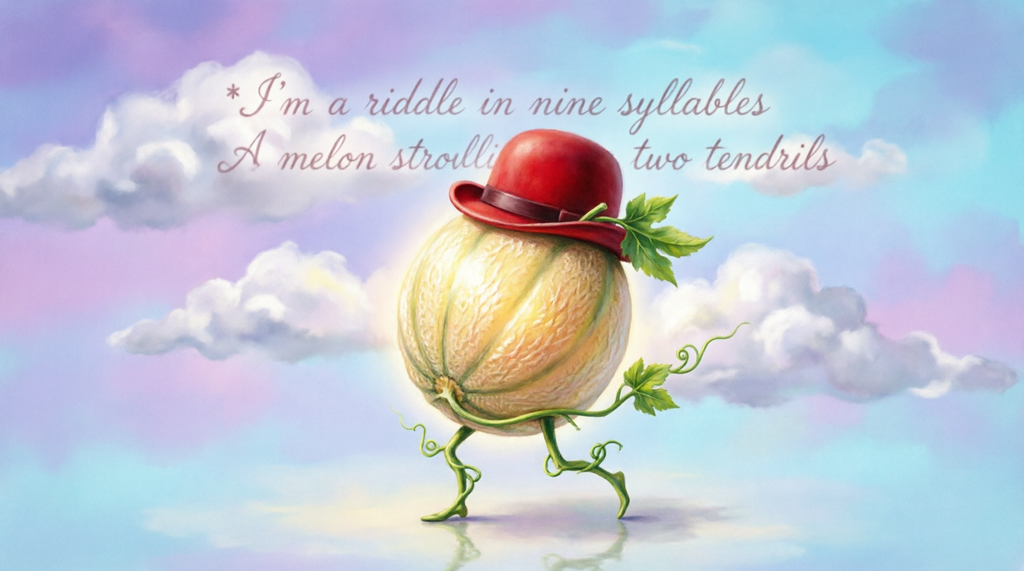
“Metaphors” by Sylvia Plath is a poem about pregnancy, changing identity, and the strange feeling of carrying another life inside your body. Plath presents pregnancy indirectly through a series of unusual metaphors. The speaker sees herself as large, useful, valuable, awkward, and trapped. The nine-line, nine-syllable structure acts as a clue to the nine months of pregnancy.
Simple definition
In simple terms, “Metaphors” describes a women woman who is trying to understand what pregnancy has done to her body and identity.
Instead of saying, “I am women and I feel strange,” Plath turns the speaker into a series of objects and creatures.
That choice makes the poem more interesting, but it also reveals something important.
The speaker does not seem completely comfortable with her new identity.
She can see the humor in her situation. At the same time, she feels that pregnancy is taking over her body and reducing her to a role.
What is the basic meaning?
The simplest answer is:
The poem uses a riddle made of metaphors to describe pregnancy and the speaker’s mixed feelings about becoming a mother.
The poem contains humor, wonder, discomfort, anxiety, and a sense of being trapped.
It is therefore misleading to call the poem simply a “happy poem about pregnancy.”
It is also too simple to call it a poem that “hates motherhood.”
The speaker’s feelings are ambivalent. She can recognize the strange beauty of pregnancy while also feeling uncomfortable about what it is doing to her body and identity.
Why is it called “Metaphors”?
The title tells us how to read the poem.
A metaphor directly connects two unlike things. For example, saying someone is “a rock” does not mean that person has literally become stone. It means the person is being described through qualities associated with a rock, such as strength or firmness.
Plath uses this technique again and again.
The speaker never simply explains her pregnancy.
Instead, she makes the reader solve it.
Quick summary table
| Element | Meaning |
|---|---|
| Poet | Sylvia Plath |
| Poem | “Metaphors” |
| Main subject | Pregnancy |
| Main idea | Pregnancy changes the speaker’s body and sense of identity |
| Central device | Metaphor |
| Form | One nine-line stanza |
| Key number | Nine |
| Nine lines | Suggest nine months |
| Nine syllables per line | Reinforces the pregnancy clue |
| Tone | Playful, ironic, uneasy, anxious |
| Speaker | A women woman |
| Main conflict | Personal identity vs. maternal role |
| Major theme | Transformation |
| Other themes | Body image, motherhood, uncertainty, loss of control |
| Ending | Suggests pregnancy cannot simply be reversed |
Quick Takeaway
If you need one sentence for an exam:
Sylvia Plath’s “Metaphors” uses a series of playful but uneasy images to portray pregnancy as a physical transformation that also challenges the speaker’s identity and sense of control.
Why We Use “Metaphors” by Sylvia Plath

Students, teachers, and poetry readers study “Metaphors” because the poem shows how figurative language can express a complicated human experience without stating it directly. It is especially useful for studying metaphor, imagery, symbolism, tone, poetic structure, pregnancy, identity, and the relationship between form and meaning.
Practical purpose
The poem gives readers a good example of how a poet can hide the central subject in plain sight.
The speaker does not announce the answer immediately.
Instead, she gives clues.
Each new image adds another piece of the puzzle.
That makes the poem useful for learning how to read poetry beyond its literal meaning.
Everyday reading
When you read a metaphor, ask:
What two things are being connected?
Then ask:
Why did the writer choose that particular image?
That second question is often more important.
For example, saying the speaker is an elephant emphasizes size and heaviness. Saying she is a house emphasizes the body as a container or shelter.
The images do not all mean exactly the same thing.
Together, they create a fuller emotional picture.
In writing
The poem is useful for students learning how metaphors can:
- describe physical change
- show emotions
- reveal conflict
- create imagery
- hide an answer inside a puzzle
- make a familiar experience seem strange
- connect form to subject
- communicate several meanings at once
In speaking
You might explain the poem to a classmate like this:
“The speaker is women, but instead of saying that directly, Plath describes her through different metaphors. The nine lines and nine syllables give us the clue.”
That is a clear and accurate basic explanation.
In school
Teachers may ask questions such as:
- What is the answer to the riddle?
- Why does Plath use nine?
- What does the elephant represent?
- Why is the speaker compared to a house?
- What does the “fat purse” suggest?
- Why does the poem end with a train?
- Is the speaker happy about pregnancy?
- How does form support meaning?
- What is the tone?
- What does the poem suggest about identity?
This guide addresses each of those questions.
On social media
The poem is also useful when explaining the difference between literal meaning and figurative meaning.
A short social-media explanation could be:
“Sylvia Plath’s ‘Metaphors’ turns pregnancy into a riddle. The nine-line, nine-syllable form hints at nine months, while each strange image shows a different feeling about the women body.”
In professional communication
The poem itself is literary rather than professional, but its lesson applies to communication generally.
A strong metaphor can explain an abstract idea quickly.
The key is to make sure the comparison helps the reader instead of confusing them.
Main Section: 60 Examples from “Metaphors”
The poem has only a small number of central metaphoric images, so the 60 examples below do not pretend that Plath wrote 60 separate metaphors. Instead, they break the poem into 60 useful interpretive points. This gives students enough detail for close reading without inventing meanings that are not supported by the poem.
Example 1: The Speaker as a Riddle
Meaning: The speaker describes herself as a puzzle.
Real explanation: The poem does not reveal pregnancy directly. The reader must discover it by following the clues.
Sample sentence: The speaker is presented as a riddle because her pregnancy must be solved through metaphor.
When to use it: Use this point when discussing the poem’s central structure.
When NOT to use it: Do not say the speaker is literally confused about whether she is women .
Alternatives: puzzle, mystery, enigma
Difficulty: Easy
Tone: Neutral
Example 2: The Number Nine
Meaning: Nine points toward the nine months of pregnancy.
Real explanation: The poem contains nine lines, and each line contains nine syllables. The repeated number strongly connects the poem’s form to pregnancy.
Sample sentence: The number nine works as a structural clue to pregnancy.
When to use it: Use it in essays about form and symbolism.
When NOT to use it: Do not claim that nine has only one possible meaning in all of Plath’s work.
Alternatives: nine-month clue, gestational symbol, structural clue
Difficulty: Easy
Tone: Neutral
Example 3: The Nine-Line Form
Meaning: The poem’s shape mirrors pregnancy.
Real explanation: Nine lines suggest nine months, turning the poem itself into a small model of the experience being described.
Sample sentence: Plath makes the nine-line form part of the poem’s pregnancy imagery.
When to use it: Literary analysis and exams.
When NOT to use it: Do not treat the line count as accidental.
Alternatives: formal symbolism, structural metaphor, poetic design
Difficulty: Medium
Tone: Formal
Example 4: Nine Syllables Per Line
Meaning: Every line repeats the number nine.
Real explanation: This makes the riddle more tightly controlled. The poem is about a body that feels increasingly out of control, yet the poem itself is carefully controlled.
Sample sentence: The strict syllable pattern creates order around the speaker’s emotional uncertainty.
When to use it: When discussing form versus content.
When NOT to use it: Avoid calling it a traditional fixed meter.
Alternatives: syllabic structure, formal control, nine-syllable pattern
Difficulty: Medium
Tone: Formal
Example 5: The Speaker as an Elephant
Meaning: The speaker feels huge and heavy.
Real explanation: Pregnancy has changed her body so much that she compares herself to a very large animal.
Sample sentence: The elephant image emphasizes the speaker’s sense of physical bulk.
When to use it: When analyzing body image.
When NOT to use it: Do not say the speaker literally thinks she looks exactly like an elephant.
Alternatives: enormous body, heavy body, oversized figure
Difficulty: Easy
Tone: Neutral
Example 6: Elephant as Humor
Meaning: The image creates a comic effect.
Real explanation: Calling yourself an elephant is exaggerated. That exaggeration makes the description funny while also revealing discomfort.
Sample sentence: Plath uses comic exaggeration to make the speaker’s physical discomfort easier to express.
When to use it: Tone analysis.
When NOT to use it: Do not describe the entire poem as purely comic.
Alternatives: comic exaggeration, self-mockery, playful imagery
Difficulty: Medium
Tone: Neutral
Example 7: Elephant as Maternal Imagery
Meaning: The elephant can also suggest motherhood.
Real explanation: Elephants are strongly associated with family groups and long gestation, so the image can carry more than simple size. This is an interpretation, not a fact the poem directly explains.
Sample sentence: The elephant may suggest both physical size and the long maternal process of pregnancy.
When to use it: Advanced interpretation.
When NOT to use it: Do not present this possible association as the poem’s only meaning.
Alternatives: maternal image, animal symbolism, gestational association
Difficulty: Hard
Tone: Formal
Example 8: The “Ponderous House”
Meaning: The women body becomes a heavy house.
Real explanation: A house is large, physical, and able to contain other things. This makes it a natural image for a women body.
Sample sentence: The house metaphor turns the speaker’s body into a container.
When to use it: When discussing pregnancy as containment.
When NOT to use it: Do not reduce the metaphor to “the speaker is fat.”
Alternatives: container, shelter, dwelling
Difficulty: Easy
Tone: Neutral
Example 9: House as Container
Meaning: The body carries another life.
Real explanation: A house contains people, while the women body contains a developing baby.
Sample sentence: The house image emphasizes the speaker’s role as a physical space for another life.
When to use it: Theme of motherhood.
When NOT to use it: Avoid saying the speaker has no identity beyond being a container without discussing the poem’s irony.
Alternatives: vessel, shelter, living space
Difficulty: Medium
Tone: Formal
Example 10: House as Weight
Meaning: The word “ponderous” stresses heaviness.
Real explanation: The image is not only about size. It also suggests physical burden.
Sample sentence: The heavy house reflects the speaker’s growing physical burden.
When to use it: Body and pregnancy analysis.
When NOT to use it: Do not claim pregnancy is always experienced as a burden.
Alternatives: heaviness, physical load, weight
Difficulty: Easy
Tone: Neutral
Example 11: House as Identity
Meaning: The speaker may feel that her body has become her entire identity.
Real explanation: A house is usually defined by what it contains and what happens inside it. The metaphor hints at the speaker being defined by pregnancy.
Sample sentence: The house metaphor suggests that the speaker risks being known only through her maternal role.
When to use it: Identity analysis.
When NOT to use it: Do not say the poem proves every women woman feels this way.
Alternatives: maternal identity, social role, reduced identity
Difficulty: Hard
Tone: Formal
Example 12: The Melon
Meaning: The speaker compares herself to a large round fruit.
Real explanation: A melon has a rounded shape, which echoes the shape of a women belly.
Sample sentence: The melon image focuses on the roundness created by pregnancy.
When to use it: Physical imagery.
When NOT to use it: Do not claim the melon represents only the baby.
Alternatives: round fruit, swollen shape, curved body
Difficulty: Easy
Tone: Neutral
Example 13: Melon on Two Tendrils
Meaning: The speaker imagines her legs as thin supports beneath a large body.
Real explanation: The contrast between the large melon and thin tendrils creates a comic picture of pregnancy.
Sample sentence: The melon and tendrils exaggerate the contrast between the speaker’s belly and legs.
When to use it: Imagery and tone.
When NOT to use it: Do not read “tendrils” as literal botanical anatomy.
Alternatives: thin legs, fragile supports, vine-like legs
Difficulty: Medium
Tone: Neutral
Example 14: The Melon as a Living Object
Meaning: The speaker imagines herself almost like a moving piece of fruit.
Real explanation: This removes some of her normal human identity and replaces it with a strange physical image.
Sample sentence: The melon metaphor makes the speaker’s body seem unfamiliar and almost absurd.
When to use it: Alienation analysis.
When NOT to use it: Do not call the image purely negative.
Alternatives: objectification, physical transformation, strange body
Difficulty: Medium
Tone: Formal
Example 15: The Red Fruit
Meaning: The red fruit suggests the baby and fertility.
Real explanation: Fruit often carries ideas of growth, nourishment, reproduction, and life. The color red can add associations of blood and vitality.
Sample sentence: The fruit image connects pregnancy with growth and new life.
When to use it: Symbolism.
When NOT to use it: Avoid claiming one fixed symbolic meaning.
Alternatives: fertility symbol, growing life, living fruit
Difficulty: Medium
Tone: Formal
Example 16: Fruit as Something Valuable
Meaning: The fruit can be seen as the valuable thing inside a container.
Real explanation: In the poem, the speaker repeatedly appears as a container holding something valuable. This helps build the idea that pregnancy may cause her to see herself as secondary.
Sample sentence: The fruit image contributes to the poem’s concern with value and identity.
When to use it: Advanced analysis.
When NOT to use it: Do not say Plath clearly declares the baby is more valuable than the mother.
Alternatives: precious content, inner value, valuable life
Difficulty: Hard
Tone: Formal
Example 17: Ivory
Meaning: Ivory suggests something precious held inside the speaker.
Real explanation: Ivory is valuable and comes from an elephant. Because the elephant and ivory images appear close together, Plath creates a chain of related images.
Sample sentence: Ivory adds an idea of value to the elephant metaphor.
When to use it: Close reading.
When NOT to use it: Do not treat ivory simply as a literal pregnancy substance.
Alternatives: precious material, valuable substance, treasure
Difficulty: Medium
Tone: Formal
Example 18: The Connection Between Elephant and Ivory
Meaning: Two images connect physically and symbolically.
Real explanation: The elephant produces ivory, while the women speaker is carrying something precious. The images therefore reinforce one another.
Sample sentence: The elephant and ivory create a linked metaphor of size and value.
When to use it: Detailed literary analysis.
When NOT to use it: Avoid claiming the baby is literally compared to ivory without explaining the larger image.
Alternatives: linked imagery, image chain, symbolic connection
Difficulty: Hard
Tone: Formal
Example 19: Fine Timbers
Meaning: Timbers suggest strong material used to build a structure.
Real explanation: The image continues the poem’s movement toward objects, materials, and containers.
Sample sentence: The timber image adds strength and construction to the poem’s physical imagery.
When to use it: When discussing the poem’s building imagery.
When NOT to use it: Do not claim the speaker literally compares the baby to wood alone.
Alternatives: building material, strong structure, framework
Difficulty: Hard
Tone: Formal
Example 20: Body as Architecture
Meaning: Pregnancy is repeatedly described through structures.
Real explanation: The house and timber images make the body seem built rather than simply alive.
Sample sentence: Architectural images turn pregnancy into a process of construction.
When to use it: Theme of transformation.
When NOT to use it: Avoid calling the poem an architectural poem.
Alternatives: constructed body, framework, structure
Difficulty: Hard
Tone: Formal
Example 21: The Loaf of Bread
Meaning: The speaker becomes a loaf rising in an oven.
Real explanation: Bread expands as it rises. This gives a humorous image of the women body becoming larger.
Sample sentence: The bread metaphor emphasizes physical growth.
When to use it: Body imagery.
When NOT to use it: Do not say the baby is literally bread.
Alternatives: rising loaf, growing mass, expanded body
Difficulty: Easy
Tone: Neutral
Example 22: Yeasty Rising
Meaning: Yeast makes bread expand.
Real explanation: The image captures the idea of something growing from within.
Sample sentence: The yeast image reflects the mysterious internal growth of pregnancy.
When to use it: Growth and transformation.
When NOT to use it: Avoid turning the metaphor into a scientific description of fetal development.
Alternatives: internal growth, expansion, rising
Difficulty: Medium
Tone: Neutral
Example 23: Pregnancy as Fermentation
Meaning: The bread image makes pregnancy feel like a natural process of expansion.
Real explanation: Fermentation causes change from within. This fits the speaker’s experience of a body changing in ways she cannot fully control.
Sample sentence: The bread metaphor presents pregnancy as an internal process of transformation.
When to use it: Advanced interpretation.
When NOT to use it: Do not claim Plath intended a biological comparison.
Alternatives: transformation, internal change, organic growth
Difficulty: Hard
Tone: Formal
Example 24: Growth Without Full Control
Meaning: The loaf grows whether the speaker chooses it or not.
Real explanation: The metaphor helps express the tension between a planned life event and a body that now follows its own physical process.
Sample sentence: The rising loaf suggests growth that continues beyond conscious control.
When to use it: Theme of control.
When NOT to use it: Avoid saying the pregnancy was necessarily unwanted.
Alternatives: loss of control, automatic growth, bodily change
Difficulty: Medium
Tone: Formal
Example 25: The Fat Purse
Meaning: The speaker compares herself to a full purse.
Real explanation: A purse carries valuable objects. The image therefore combines bodily fullness with the idea of carrying something precious.
Sample sentence: The purse metaphor makes the speaker’s body seem like a container holding something valuable.
When to use it: Value and containment.
When NOT to use it: Do not reduce the image to money alone.
Alternatives: container, holder of value, full purse
Difficulty: Easy
Tone: Neutral
Example 26: Money Inside the Purse
Meaning: Money suggests value.
Real explanation: The baby can be interpreted as something valuable inside the speaker, while the speaker becomes the container.
Sample sentence: The money metaphor introduces the idea that pregnancy can make the mother feel like a holder of value rather than a person with independent value.
When to use it: Identity analysis.
When NOT to use it: Do not claim Plath says children have a financial value.
Alternatives: precious cargo, stored value, treasure
Difficulty: Hard
Tone: Formal
Example 27: Newly Minted Money
Meaning: New coins suggest something newly created.
Real explanation: A newly made coin is fresh, complete, and valuable. The image fits the idea of new life.
Sample sentence: Newly minted money suggests the freshness and value of the unborn child.
When to use it: New life and creation.
When NOT to use it: Avoid saying the baby is simply “money.”
Alternatives: newly created, fresh value, new life
Difficulty: Medium
Tone: Formal
Example 28: The Purse as a Body
Meaning: The body becomes a container.
Real explanation: A purse holds things inside it. This continues one of the poem’s strongest patterns: the speaker’s body is repeatedly imagined as something containing another thing.
Sample sentence: The purse image reinforces the idea of the women body as a container.
When to use it: Structure and identity.
When NOT to use it: Do not say this proves the speaker feels completely worthless.
Alternatives: vessel, container, holder
Difficulty: Easy
Tone: Neutral
Example 29: “A Means”
Meaning: The speaker feels like a means to an end.
Real explanation: A means is something used to reach another goal. This is one of the poem’s most serious ideas because it suggests that the speaker feels reduced to her reproductive function.
Sample sentence: The speaker fears becoming merely a means through which another life comes into being.
When to use it: Central theme of identity.
When NOT to use it: Do not assume she rejects the baby.
Alternatives: instrument, vehicle, tool
Difficulty: Medium
Tone: Formal
Example 30: Mother as Instrument
Meaning: The speaker may feel used by a larger process.
Real explanation: Calling herself a “means” strips away personal importance. She becomes part of a process instead of the main subject.
Sample sentence: The word suggests anxiety about losing individual identity.
When to use it: Feminist or identity-based analysis.
When NOT to use it: Do not claim the poem is simply a political statement.
Alternatives: instrument, function, reproductive role
Difficulty: Hard
Tone: Formal
Example 31: The Stage
Meaning: A stage is a place where someone else performs.
Real explanation: This image can suggest that the speaker’s body has become a setting for another life.
Sample sentence: The stage metaphor suggests that the speaker feels pushed into a supporting role.
When to use it: Identity and motherhood.
When NOT to use it: Do not claim “stage” has only one meaning.
Alternatives: platform, setting, backdrop
Difficulty: Medium
Tone: Formal
Example 32: Stage as Supporting Role
Meaning: The speaker may feel less important than the life developing inside her.
Real explanation: On a stage, the setting supports the actors. This can reflect the speaker’s fear that her own identity is becoming secondary.
Sample sentence: The stage image captures the speaker’s fear of becoming background rather than the central character of her own life.
When to use it: Strong essay point.
When NOT to use it: Avoid claiming motherhood always erases identity.
Alternatives: supporting role, backdrop, secondary position
Difficulty: Hard
Tone: Formal
Example 33: The Cow in Calf
Meaning: The speaker compares herself to a women cow.
Real explanation: This is one of the poem’s bluntest images. It moves from clever objects toward an animal valued partly for reproduction.
Sample sentence: The cow image reduces the speaker to a visibly women body.
When to use it: Objectification and identity.
When NOT to use it: Do not call it a literal statement about women.
Alternatives: breeding animal, women animal, reproductive body
Difficulty: Medium
Tone: Formal
Example 34: Cow as Loss of Individuality
Meaning: The animal image makes the speaker feel less human.
Real explanation: Compared with the earlier elegant images of money and architecture, the cow is more earthy and blunt.
Sample sentence: The cow metaphor makes the speaker’s loss of individuality especially sharp.
When to use it: Tone shift.
When NOT to use it: Avoid saying Plath is insulting women women generally.
Alternatives: dehumanization, objectification, loss of identity
Difficulty: Hard
Tone: Formal
Example 35: The Cow as Fertility
Meaning: A women cow is associated with reproduction.
Real explanation: The image makes pregnancy practical and physical rather than romantic.
Sample sentence: The cow image presents pregnancy as a biological condition rather than an idealized experience.
When to use it: Realistic reading.
When NOT to use it: Do not say this is the poem’s only attitude toward pregnancy.
Alternatives: fertility, reproduction, biological motherhood
Difficulty: Medium
Tone: Neutral
Example 36: Green Apples
Meaning: The apples suggest sourness, youth, and possible discomfort.
Real explanation: Green can mean unripe. Apples can also suggest appetite, temptation, and physical sensation.
Sample sentence: The green apples add a sharp, almost comic image of bodily discomfort.
When to use it: Symbolism.
When NOT to use it: Do not insist that the apples represent one specific event.
Alternatives: unripe fruit, sour apples, green fruit
Difficulty: Medium
Tone: Neutral
Example 37: Green as “Not Ready”
Meaning: Green can suggest immaturity or unreadiness.
Real explanation: An unripe fruit has not fully developed. This can echo the speaker’s emotional uncertainty about entering motherhood.
Sample sentence: The green apples may suggest that the speaker does not feel fully ready for what is coming.
When to use it: Advanced interpretation.
When NOT to use it: Present it as a possible reading, not an absolute fact.
Alternatives: immature, unripe, unfinished
Difficulty: Hard
Tone: Formal
Example 38: Apples as Physical Appetite
Meaning: Eating a bag of apples suggests physical appetite and bodily sensation.
Real explanation: The image is funny but also uncomfortable. It gives the reader a physical sense of fullness.
Sample sentence: The apples extend the poem’s theme of bodily fullness.
When to use it: Physical imagery.
When NOT to use it: Do not make the whole image about hunger.
Alternatives: appetite, fullness, physical craving
Difficulty: Easy
Tone: Neutral
Example 39: The Bag
Meaning: A bag holds many things.
Real explanation: The bag continues the poem’s repeated container imagery.
Sample sentence: The bag reinforces the idea of the speaker carrying something inside herself.
When to use it: Pattern analysis.
When NOT to use it: Avoid treating every container image as identical.
Alternatives: container, holder, vessel
Difficulty: Medium
Tone: Formal
Example 40: The Body as Container
Meaning: Several metaphors make the speaker’s body a container.
Real explanation: House, purse, bag, and similar images all suggest something held inside something else.
Sample sentence: Plath repeatedly turns the women body into a container for another life.
When to use it: One of the strongest essay themes.
When NOT to use it: Do not say the speaker has no personality beyond the container image.
Alternatives: vessel, shelter, receptacle
Difficulty: Medium
Tone: Formal
Example 41: The Train
Meaning: The train represents an unavoidable journey.
Real explanation: Once the speaker boards the train, she cannot simply get off. This strongly suggests that pregnancy has reached a point of no easy return.
Sample sentence: The train represents the irreversible movement toward childbirth.
When to use it: Ending analysis.
When NOT to use it: Do not claim it represents a literal train journey.
Alternatives: journey, process, forward movement
Difficulty: Easy
Tone: Neutral
Example 42: The Train as Time
Meaning: The train can represent time moving forward.
Real explanation: Pregnancy progresses toward birth. Like a train moving along a track, the process continues.
Sample sentence: The train metaphor turns pregnancy into a journey through time.
When to use it: Structure and ending.
When NOT to use it: Avoid claiming this is the only possible interpretation.
Alternatives: passage of time, progression, movement
Difficulty: Medium
Tone: Formal
Example 43: The Train as No Return
Meaning: The speaker cannot simply return to her former state.
Real explanation: The ending gives the poem a more serious tone. The earlier jokes become harder to laugh at because the process is now unavoidable.
Sample sentence: The train image turns pregnancy into an irreversible journey.
When to use it: Tone and ending.
When NOT to use it: Do not claim the speaker literally regrets pregnancy.
Alternatives: point of no return, inevitability, irreversibility
Difficulty: Medium
Tone: Formal
Example 44: Movement
Meaning: The poem shifts constantly from one image to another.
Real explanation: The speaker is never described in only one way. The rapid changes mirror the changing body.
Sample sentence: The movement from elephant to house to fruit to bread creates a sense of constant transformation.
When to use it: Form and imagery.
When NOT to use it: Do not call the poem disorganized.
Alternatives: transformation, progression, shifting imagery
Difficulty: Medium
Tone: Formal
Example 45: Humor
Meaning: Humor protects the speaker from direct emotional exposure.
Real explanation: The images are strange and funny, but the humor often hides discomfort.
Sample sentence: Plath uses humor as a way of expressing anxiety about pregnancy.
When to use it: Tone analysis.
When NOT to use it: Do not say the speaker is simply joking.
Alternatives: comic tone, irony, playful language
Difficulty: Medium
Tone: Formal
Example 46: Anxiety Beneath Humor
Meaning: The jokes have a darker emotional layer.
Real explanation: The poem becomes increasingly concerned with being used, reduced, and unable to escape the process.
Sample sentence: The poem’s humor gradually exposes anxiety about identity.
When to use it: Main theme.
When NOT to use it: Avoid calling the poem purely depressing.
Alternatives: unease, fear, emotional tension
Difficulty: Easy
Tone: Neutral
Example 47: Body Image
Meaning: The speaker is highly aware of her changing body.
Real explanation: Nearly every major image gives the reader a physical picture of size, shape, fullness, or weight.
Sample sentence: Plath makes body image central to the speaker’s experience of pregnancy.
When to use it: Theme questions.
When NOT to use it: Do not diagnose the speaker’s mental health.
Alternatives: physical self-image, bodily awareness, appearance
Difficulty: Easy
Tone: Neutral
Example 48: Loss of the Old Body
Meaning: The speaker’s familiar body has changed.
Real explanation: The strange comparisons suggest that she no longer recognizes herself in the same way.
Sample sentence: The metaphors show the speaker struggling to recognize her changing body.
When to use it: Identity analysis.
When NOT to use it: Avoid saying she permanently loses her body.
Alternatives: bodily change, altered self-image, transformation
Difficulty: Medium
Tone: Formal
Example 49: Identity
Meaning: The poem asks who the speaker is after pregnancy changes her.
Real explanation: The speaker keeps becoming objects rather than remaining a stable “I.”
Sample sentence: The poem explores identity by repeatedly replacing the speaker with metaphoric images.
When to use it: Central essay theme.
When NOT to use it: Do not claim the speaker has no identity at all.
Alternatives: selfhood, individuality, personal identity
Difficulty: Easy
Tone: Formal
Example 50: Transformation
Meaning: The speaker continually changes shape.
Real explanation: Elephant, house, melon, loaf, purse, cow, and other images show different versions of the same body.
Sample sentence: The changing metaphors imitate the speaker’s physical transformation.
When to use it: Form and imagery.
When NOT to use it: Do not describe the speaker as magically changing forms.
Alternatives: change, metamorphosis, development
Difficulty: Easy
Tone: Neutral
Example 51: Objectification
Meaning: The speaker sometimes sees herself as an object.
Real explanation: A house, loaf, purse, and stage are things rather than people.
Sample sentence: Object imagery suggests that pregnancy can make the speaker feel separated from her own personhood.
When to use it: Advanced thematic analysis.
When NOT to use it: Do not state that Plath believed all motherhood is objectifying.
Alternatives: depersonalization, object imagery, reduced personhood
Difficulty: Hard
Tone: Formal
Example 52: Value Versus Worth
Meaning: The poem repeatedly places valuable things inside containers.
Real explanation: Ivory and newly minted money carry obvious ideas of worth. Yet the container holding them may seem less important.
Sample sentence: Plath creates tension between the value of what the speaker carries and the value of the speaker herself.
When to use it: Strong essay argument.
When NOT to use it: Do not claim the baby is consciously valued above the mother.
Alternatives: worth, preciousness, importance
Difficulty: Hard
Tone: Formal
Example 53: Pregnancy as Occupation
Meaning: Pregnancy seems to take over the speaker’s physical existence.
Real explanation: The metaphors describe the entire body rather than one small part of it.
Sample sentence: Pregnancy appears to occupy the speaker’s whole physical identity.
When to use it: Identity and body analysis.
When NOT to use it: Avoid treating the image as a medical claim.
Alternatives: bodily occupation, total transformation, physical takeover
Difficulty: Hard
Tone: Formal
Example 54: Pregnancy as Mystery
Meaning: The speaker does not openly name the experience.
Real explanation: The reader must solve the poem before understanding what has happened to her.
Sample sentence: Pregnancy becomes a mystery that the reader uncovers through metaphor.
When to use it: Opening and structure.
When NOT to use it: Do not say the speaker herself does not know what pregnancy is.
Alternatives: puzzle, secret, mystery
Difficulty: Easy
Tone: Neutral
Example 55: The Poem as a Puzzle
Meaning: Form and imagery work together as clues.
Real explanation: The number nine, bodily images, growth imagery, and final journey gradually reveal the answer.
Sample sentence: Plath turns the entire poem into a puzzle whose solution is pregnancy.
When to use it: Introduction or conclusion.
When NOT to use it: Do not suggest that solving the puzzle removes all ambiguity.
Alternatives: riddle, coded poem, literary puzzle
Difficulty: Easy
Tone: Neutral
Example 56: Form Versus Emotion
Meaning: The poem is tightly controlled even though the speaker feels uncertain.
Real explanation: Nine lines and nine syllables create formal order around a changing body.
Sample sentence: The poem’s strict structure contrasts with the speaker’s unstable sense of self.
When to use it: High-quality literary essays.
When NOT to use it: Do not call the poem metrically regular.
Alternatives: formal control, structural tension, controlled form
Difficulty: Hard
Tone: Formal
Example 57: No Traditional Rhyme Scheme
Meaning: The poem relies more on rhythm and syllable count than end rhyme.
Real explanation: The strict nine-syllable pattern gives structure without forcing the poem into a conventional rhyme scheme.
Sample sentence: Plath controls the poem through syllable count rather than a fixed rhyme pattern.
When to use it: Form analysis.
When NOT to use it: Do not invent a regular rhyme scheme.
Alternatives: unrhymed structure, syllabic form, free-verse structure
Difficulty: Medium
Tone: Formal
Example 58: The Rapid Metaphors
Meaning: Images arrive quickly.
Real explanation: The speaker moves from one comparison to another without stopping to explain each one.
Sample sentence: The rapid succession of metaphors creates a feeling of mental and physical movement.
When to use it: Style analysis.
When NOT to use it: Do not say the images are random.
Alternatives: image chain, rapid imagery, metaphor sequence
Difficulty: Medium
Tone: Formal
Example 59: The Ending Changes the Mood
Meaning: The final image is more serious than many earlier images.
Real explanation: The train gives the poem a stronger sense of inevitability.
Sample sentence: The ending transforms the poem from playful self-description into a meditation on an unavoidable future.
When to use it: Conclusion.
When NOT to use it: Do not call the ending hopeless without qualification.
Alternatives: darker ending, serious turn, tonal shift
Difficulty: Medium
Tone: Formal
Example 60: The Central Meaning
Meaning: All the images point back to pregnancy and identity.
Real explanation: The poem works because the metaphors are not isolated jokes. They create one connected portrait of a woman experiencing physical growth and emotional uncertainty.
Sample sentence: The central meaning of “Metaphors” lies in the tension between pregnancy as new life and pregnancy as a challenge to personal identity.
When to use it: Final essay paragraph.
When NOT to use it: Do not reduce the poem to one emotion such as happiness or sadness.
Alternatives: central theme, overall meaning, controlling idea
Difficulty: Easy
Tone: Formal
Real-Life Conversations
The best way to understand “Metaphors” is to imagine how its ideas might come up in ordinary conversation. These examples show how students, teachers, friends, and writers might discuss the poem without using overly technical language.
Conversation 1: Two Students
Maya: I don’t get why the poem is about pregnancy. She never says she’s women.
Daniel: That’s the point. It’s a riddle.
Maya: So the elephant and the house are clues?
Daniel: Yes. They’re ways of describing how her body feels during pregnancy.
Maya: And why nine?
Daniel: Nine months. There are also nine lines, with nine syllables in each line.
Maya: Oh. So the form is another clue.
Daniel: Exactly.
🎯 Lesson: The poem hides its subject inside its metaphors and structure.
Conversation 2: Student and Teacher
Student: Is the poem saying Plath didn’t want to be a mother?
Teacher: That’s too simple.
Student: Why?
Teacher: The speaker has mixed feelings. Some images are playful. Others suggest discomfort and loss of identity.
Student: So she’s not simply happy or unhappy?
Teacher: Right. Good poetry can hold both feelings at once.
🎯 Lesson: The poem expresses ambivalence rather than one simple emotion.
Conversation 3: Friends Discuss the Ending
Aisha: The train at the end feels strange.
Noah: I think it means she can’t get off the pregnancy journey.
Aisha: So it’s about having no way back?
Noah: That’s one strong reading. The train keeps moving forward.
Aisha: That makes the ending darker than the beginning.
Noah: Exactly. The jokes don’t feel quite as light anymore.
🎯 Lesson: The final image adds inevitability to the poem.
Conversation 4: Exam Preparation
Teacher: What is the strongest theme in “Metaphors”?
Student: Pregnancy.
Teacher: That’s the subject. What is the deeper theme?
Student: Identity?
Teacher: Good. Explain it.
Student: The speaker’s body changes because of pregnancy, and she worries that she is becoming only a container or means for another life.
Teacher: Much better.
🎯 Lesson: A strong answer moves from subject to deeper meaning.
Conversation 5: A Social-Media Discussion
Lena: Someone said the poem is just about body image.
Sam: That’s part of it, but not all of it.
Lena: What else is there?
Sam: Identity, motherhood, value, control, and the strange feeling of being changed by something happening inside your own body.
Lena: So the metaphors show different parts of the same experience.
Sam: Exactly.
🎯 Lesson: The metaphors work together instead of having completely separate meanings.
Everyday Usage
“Metaphors” is mainly used in literature classes, essays, poetry discussions, and literary analysis. Its language is not ordinary everyday speech, but its ideas—body image, identity, change, uncertainty, and motherhood—can be discussed in many everyday settings.
Conversation
In normal conversation, you probably would not describe yourself as “a ponderous house.”
Instead, you might say:
“I feel like my body has changed so much that I barely recognize it.”
Plath turns that ordinary feeling into poetry.
Writing
Students can use the poem when discussing:
- metaphor
- symbolism
- tone
- identity
- motherhood
- body image
- poetic structure
- imagery
- speaker and persona
- ambiguity
Books
Literary readers often study Plath alongside other poets who use intense personal imagery.
The Academy of American Poets describes metaphor as a central part of figurative language because it creates connections between unlike things and gives readers a new way to see an experience.
Movies
The poem’s technique also resembles a visual montage.
Imagine a film showing:
- an elephant
- a house
- a melon
- bread rising
- a purse
- a train
The viewer would gradually understand that all the images point toward one human experience.
Poetry
This is where the poem matters most.
Plath demonstrates that a poet does not have to explain an emotion directly.
Instead of saying:
“I am frightened by how much pregnancy has changed me.”
the poet builds an image system that lets the reader feel that change.
Emails
You would not normally use Plath’s metaphors in a work email.
However, the underlying lesson applies:
Choose an image only when it makes your meaning clearer.
Text messages
A casual text might say:
“My schedule is a train right now. No stops.”
That uses the same basic metaphorical idea of unstoppable movement, even though the language is not Plath’s.
A short literary post could say:
Sylvia Plath’s “Metaphors” turns pregnancy into a nine-part riddle, using strange images to explore body, identity, and control.
A longer post might focus on the contrast between humor and anxiety.
X
A short post could focus on the nine-by-nine structure:
Nine lines. Nine syllables each. A riddle whose answer is pregnancy.
The poem is less likely to appear directly on LinkedIn, but its lesson about communication is useful:
A strong metaphor can make an abstract idea concrete.
School assignments
For a school essay, avoid writing:
“The elephant means pregnancy.”
That is too basic.
A stronger sentence is:
“The elephant metaphor exaggerates the speaker’s physical size while also helping reveal her discomfort with a body that no longer feels familiar.”
That sentence explains what the image does and why it matters.
Writing Tips
The best way to write about “Metaphors” is to connect each image to a larger idea rather than simply listing what the metaphors represent. Strong analysis explains how Plath’s images, nine-line structure, tone, and ending work together to explore pregnancy and identity.
Best situations
Use the poem when discussing:
- pregnancy in literature
- women’s identity
- body image
- motherhood
- metaphor
- symbolism
- poetic structure
- irony
- ambiguity
- transformation
Formal vs. Informal
Formal:
Plath’s use of container imagery suggests that the speaker experiences pregnancy as a transformation of both body and identity.
Informal:
The speaker feels like her body has become a container for someone else.
Both communicate the same basic idea.
The first is better for an academic essay.
Speaking vs. Writing
When speaking, keep your explanation simple:
“The speaker is women, and the strange metaphors show how her body and identity are changing.”
When writing, add evidence and analysis.
British vs. American usage
The literary interpretation does not change significantly between British and American English.
The poem was written by an American poet, but it has been widely studied in English-language classrooms around the world.
Children vs. Adults
For younger students, focus on:
- The speaker is women.
- She uses metaphors instead of saying it directly.
- There are nine lines.
- Each line has nine syllables.
- Nine suggests nine months.
Older students can explore:
- gender roles
- identity
- objectification
- ambivalence
- bodily autonomy
- form and content
- historical context
Professional communication
Do not copy Plath’s deliberately strange metaphors into formal workplace writing.
Instead, learn from her precision.
A professional metaphor should help the reader understand something.
Creative writing
If you want to imitate the technique, do not copy Plath’s images.
Choose one experience and describe it through a chain of related images.
For example, instead of writing:
“I am nervous.”
you might build a sequence around:
- a locked door
- a ticking clock
- a bridge
- a suitcase
The images can gradually reveal the emotion.
Pro Tip
When analyzing a metaphor, use this four-step formula:
Image → Literal quality → Emotional meaning → Larger theme
For example:
Elephant → large/heavy → uncomfortable body → changing identity
That simple method produces much stronger literary analysis.
Common Mistakes
The biggest mistake readers make with “Metaphors” is treating every image as if it has one fixed dictionary meaning. Plath’s images overlap and build on one another. A good analysis allows more than one reasonable interpretation while still connecting the evidence to the poem’s central concerns.
| Mistake | Reason | Correct version | Practical explanation |
|---|---|---|---|
| Saying the poem is only about pregnancy | Pregnancy is the subject, not the entire meaning | Say it also explores identity and control | Move from subject to theme |
| Saying every metaphor means the baby | Many images describe the speaker herself | Explain whether the image describes body, baby, or relationship | Read context |
| Calling the poem happy | Humor does not equal happiness | Describe the tone as mixed | Notice darker images |
| Calling it completely negative | Some images are playful and valuable | Mention ambivalence | Balance your reading |
| Ignoring the number nine | Nine is a major structural clue | Discuss nine lines and nine syllables | Form supports meaning |
| Saying it has a regular rhyme scheme | It does not depend on a fixed rhyme pattern | Focus on syllable structure | Check the poem’s form |
| Saying the speaker is literally an elephant | It is metaphor | Explain the comparison | Separate literal and figurative meaning |
| Saying “stage” means only theater | The image has broader identity implications | Discuss supporting role or setting | Look for context |
| Treating the cow image as an insult to all mothers | The poem is about one speaker | Keep interpretation contextual | Avoid overgeneralizing |
| Saying green apples have one exact meaning | Symbolism can be layered | Discuss possible meanings | Use cautious language |
| Ignoring the ending | The train changes the tone | Analyze inevitability | Endings often matter |
| Assuming speaker = Plath in every detail | A poetic speaker is not automatically identical to the poet | Say “the speaker” unless biography supports the claim | Separate poet and persona |
| Calling every image a symbol | Metaphor, image, and symbol are related but not identical | Name the device accurately | Use literary terms carefully |
| Summarizing without analyzing | “She is women” is not enough | Explain what the metaphors reveal | Always answer “why?” |
| Overusing biography | Biography can replace close reading | Start with the poem itself | Evidence should come from the text |
Practice Exercise
Use these exercises to move from simple identification to real literary analysis. The goal is not merely to name a metaphor but to explain what it contributes to the poem.
Part A: Identify the idea
- Why does the number nine matter?
- What does the elephant image emphasize?
- Why is the speaker compared to a house?
- What does the melon image suggest about body shape?
- Why is bread a useful image for pregnancy?
- What does the purse suggest about carrying something valuable?
- Why is the word “means” important?
- What does the stage suggest about the speaker’s role?
- Why is the cow image more blunt than some earlier images?
- What does the train suggest about the future?
Part B: Rewrite simple sentences
Rewrite each sentence as a stronger literary-analysis sentence.
- The speaker is women.
- She feels big.
- The elephant is funny.
- The house shows her body.
- The melon shows her stomach.
- The money is valuable.
- The speaker feels used.
- The cow shows pregnancy.
- The train shows time.
- The poem has nine lines.
Model answers
- The speaker’s pregnancy is revealed indirectly through a chain of metaphors and structural clues.
- The elephant metaphor exaggerates the speaker’s physical size and suggests discomfort with her changing body.
- The elephant image creates humor while also exposing the speaker’s unease about bodily transformation.
- The house metaphor presents the women body as a large container for another life.
- The melon image emphasizes the rounded shape of the women body.
- The money metaphor introduces the idea of value and raises questions about the speaker’s own value within motherhood.
- The word “means” suggests that the speaker fears being reduced to a function rather than recognized as an individual.
- The stage metaphor suggests that the speaker may feel like a supporting setting for another life.
- The cow metaphor presents pregnancy in blunt biological terms and intensifies the speaker’s sense of reduced individuality.
- The nine-line structure connects the poem’s form with the nine-month period of pregnancy.
Multiple Choice Questions
1. What is the main subject of “Metaphors”?
A. War
B. Pregnancy
C. Childhood
D. Nature
Answer: B
2. Why is the number nine important?
A. The poet was nine years old
B. The poem has nine rhymes
C. Pregnancy is associated with nine months
D. Nine represents death
Answer: C
3. How many lines does the poem contain?
A. Six
B. Eight
C. Nine
D. Ten
Answer: C
4. What does the elephant image mainly emphasize?
A. Intelligence
B. Physical size
C. Wealth
D. Freedom
Answer: B
5. What does the house metaphor emphasize?
A. The body as a container
B. The speaker’s childhood
C. A physical home
D. Architecture as a career
Answer: A
6. What does the “means” metaphor suggest?
A. The speaker is wealthy
B. Then speaker feels reduced to a function
C. We speaker wants to travel
D. The speaker is angry with animals
Answer: B
7. What does the train mainly suggest?
A. An unavoidable journey
B. A holiday
C. A childhood memory
D. A new job
Answer: A
8. Which description best fits the poem’s tone?
A. Completely joyful
B. Completely angry
C. Playful but uneasy
D. Purely romantic
Answer: C
9. Which theme is especially important in the poem?
A. Personal identity
B. War technology
C. Geography
D. Politics
Answer: A
10. What is one of the poem’s strongest structural features?
A. Every line rhymes
B. Nine lines and nine syllables per line
C. It contains ten stanzas
D. It uses only questions
Answer: B
Answer Key
1-B, 2-C, 3-C, 4-B, 5-A, 6-B, 7-A, 8-C, 9-A, 10-B
FAQs:
What is the meaning of “Metaphors” by Sylvia Plath?
“Metaphors” is mainly about pregnancy and the way pregnancy changes the speaker’s body and sense of identity. Instead of directly saying she is women, Plath uses a series of strange images, including an elephant, house, melon, loaf, purse, cow, and train. The poem is playful on the surface but also expresses discomfort, uncertainty, and a fear of losing individuality.
What is the answer to the riddle in “Metaphors”?
The answer is pregnancy. The poem gives several clues. The most obvious structural clue is the number nine: the poem has nine lines, and each line contains nine syllables. Nine suggests the nine months of pregnancy. The changing-body images provide further clues, allowing the reader to solve the riddle without Plath directly naming pregnancy.
Why does Sylvia Plath use nine syllables in each line?
The nine-syllable structure connects the poem’s form to pregnancy. A typical pregnancy lasts about nine months, and the poem has nine lines as well. This makes the number nine a repeated structural clue. The form is therefore part of the meaning: the poem’s physical shape mirrors the experience it describes.
What does the elephant symbolize in “Metaphors”?
The elephant mainly emphasizes the speaker’s feeling of becoming large and heavy during pregnancy. It also adds humor and exaggeration. Because elephants can also be associated with motherhood and long gestation, some readers see additional meaning in the image. However, that broader interpretation should be presented as a possibility rather than the only correct answer.
What does the house symbolize?
The house suggests the women body as a container or shelter. A house contains people, while the speaker’s body contains a developing life. The image also suggests weight and size. On a deeper level, the house may show how the speaker feels defined by what she carries, raising questions about whether her own identity is becoming secondary to her maternal role.
Is “Metaphors” a poem about motherhood?
Yes, but it is more precise to say that it is about pregnancy and the speaker’s changing relationship with her identity. The poem does not simply celebrate motherhood or reject it. Instead, it captures mixed feelings. The speaker can recognize the value of new life while also feeling physically strange, exposed, and uncertain about the role she is entering.
What does the train mean at the end of the poem?
The train suggests movement toward an unavoidable future. Once the speaker has boarded, there is no simple way to get off. In the context of pregnancy, the image can represent the process moving toward childbirth. It also gives the ending a more serious tone because the speaker’s situation is no longer presented only as a collection of funny physical images.
What is the main theme of “Metaphors”?
The strongest themes are pregnancy, transformation, identity, body image, motherhood, value, and loss of control. The poem asks what happens to a person’s sense of self when the body changes dramatically and begins to support another life. Its metaphors allow Plath to explore that question without giving the reader a simple answer.
Is Sylvia Plath the speaker in “Metaphors”?
It is tempting to identify Plath directly with the speaker because the poem is closely connected to pregnancy and Plath’s life. However, literary analysis should distinguish the poet from the speaker unless the evidence requires otherwise. Scholarship on Plath’s maternity poems also warns against automatically treating every detail of the speaker as a direct autobiography.
Why is “Metaphors” considered an important poem?
The poem is memorable because it combines a simple subject with an unusually controlled form and inventive imagery. Its nine-by-nine structure is elegant, while its metaphors move between humor and anxiety. It also demonstrates how a poet can make a physical experience reveal a deeper psychological conflict about identity, control, and social roles.
Final Thoughts
Sylvia Plath’Metaphors is much more than a list of strange comparisons. The poem turns pregnancy into a puzzle and asks the reader to discover the answer through shape sound imagery and tone.
The elephant house melon loaf purse cow and train are not separate jokes. They form a connected picture of a woman whose body is changing and whose sense of self is changing with it.
The poem’s greatest trick is its simplicity. It has only nine lines, but those nine lines contain a surprisingly large emotional range. The speaker can be funny and anxious, proud and uncomfortable curious and trapped.
For students the safest central argument is this:

Luna is a passionate writer, researcher, and content creator with over 5 years of experience in creating clear, engaging, and reader-friendly content. She has a natural talent for turning confusing words, ideas, meanings, and everyday questions into simple explanations that anyone can understand.
As a dedicated author at Definzo, Luna focuses on creating helpful and well-researched articles designed to give readers accurate information while keeping the reading experience simple, enjoyable, and easy to follow. Her writing combines careful research with a warm, conversational style, helping readers quickly find the answers they are looking for.