Have you ever described someone as a lion a fox a shark or a turtle without meaning that person is actually an animal? That is the basic idea behind an animal metaphor. We use the qualities we connect with animals to describe people feelings behavior places situations and even ideas.
A search for a metaphor for an animal can mean several things. You may need a creative way to describe a person an animal itself a strong emotion or a character in a story. You may also be looking for animal metaphors for a school assignment poem speech, social media caption, or piece of creative writing.
Animal metaphors are powerful because most people already understand the qualities associated with familiar animals. A lion can suggest courage. A fox can suggest cleverness. A turtle can suggest slowness or patience.
This guide, updated for 2026 gives you more than animal metaphors with simple meanings natural examples usage advice alternatives and common mistakes. You will also learn how to choose an animal metaphor that fits the exact feeling or personality you want to describe.
Definition & Meaning
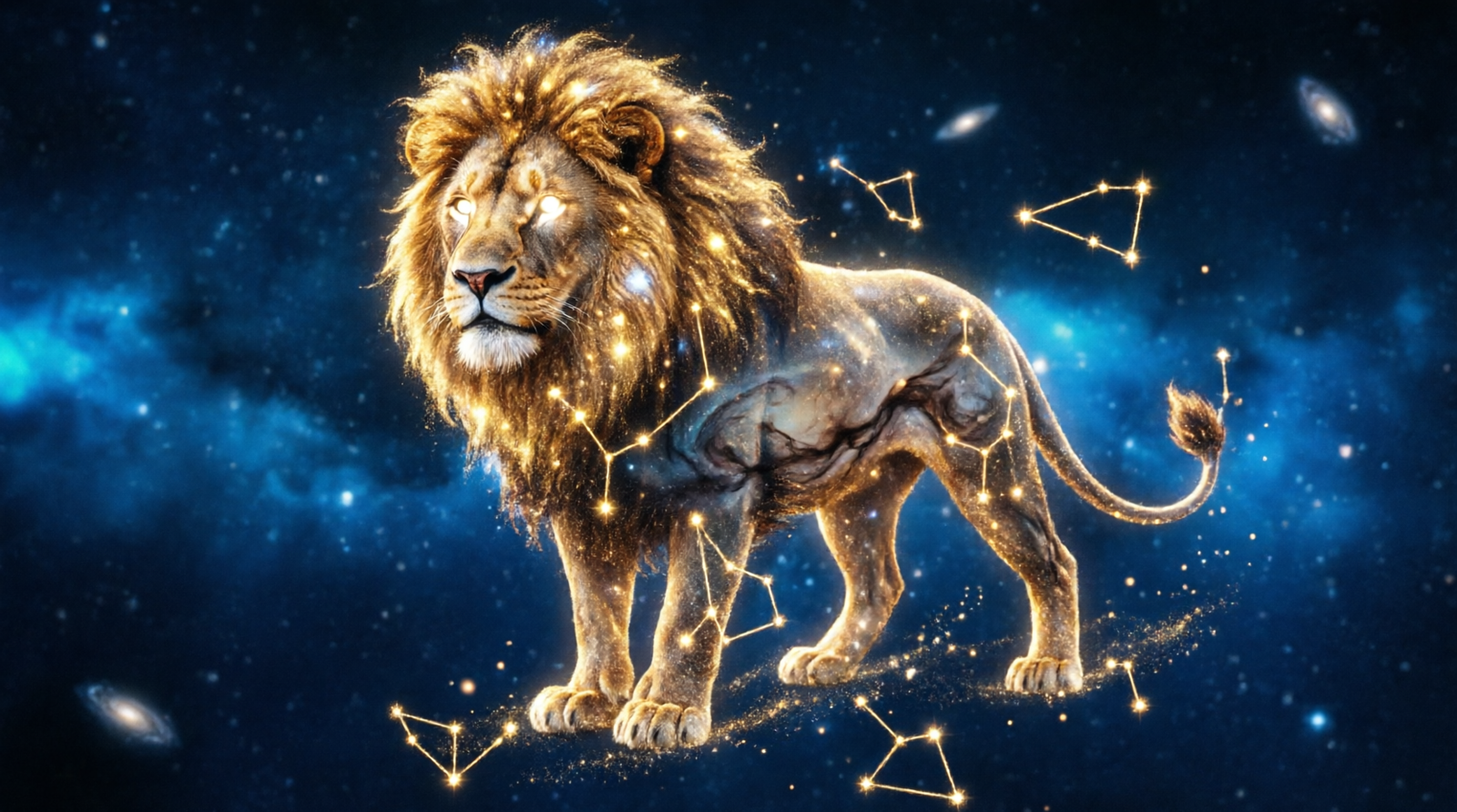
An animal metaphor compares a person, thing, feeling, or situation to an animal without using the words “like” or “as.” Instead of saying “She is very brave,” you might say, “She is a lion.” The comparison is not literal. It connects the person with qualities commonly associated with a lion.
A metaphor is different from a simile. A simile says something is like something else, while a metaphor directly presents one thing as another.
Simple Definition
An animal metaphor is a figurative expression that describes someone or something by giving it an animal’s qualities.
For example:
“Marcus is a bulldog when he argues.”
Marcus is not actually a bulldog. The metaphor suggests that he is persistent, tough, and unwilling to give up.
Animal Metaphor vs. Simile
| Expression | Type | Meaning |
|---|---|---|
| She is a lion. | Metaphor | She is brave or powerful. |
| She is like a lion. | Simile | She resembles a lion in some way. |
| He is a fox. | Metaphor | He is clever or cunning. |
| He is as clever as a fox. | Simile | He has fox-like cleverness. |
| The classroom was a zoo. | Metaphor | The classroom was noisy or chaotic. |
| The classroom was like a zoo. | Simile | The classroom resembled a zoo in its noise or disorder. |
Quick Takeaway
Animal metaphors work because animals carry familiar associations. However, those associations are not universal facts. A fox may represent cleverness in one context, while another writer may use a fox to represent loneliness, beauty, or wildness.
That flexibility is what makes animal metaphors useful in writing.
Why We Use Animal Metaphors
Animal metaphors make descriptions shorter, stronger, and easier to picture because they connect an abstract quality with something familiar. Saying “She is a lion” can communicate courage and strength faster than several ordinary sentences. These metaphors are common in conversation, storytelling, school writing, advertising, poetry, social media, and character descriptions.
Practical Purpose
Animal metaphors help us describe qualities such as:
- courage
- intelligence
- patience
- stubbornness
- speed
- fear
- kindness
- aggression
- independence
- loyalty
- curiosity
- beauty
- freedom
- hard work
- weakness
- persistence
In Everyday Conversation
People often use animal metaphors without thinking about them.
Examples include:
- “He’s a workhorse.”
- “She’s a social butterfly.”
- “Don’t be a chicken.”
- “My boss is a shark.”
- “That child is a little monkey.”
- “She’s a night owl.”
These expressions are easy to understand because the comparison is familiar.
In Writing
Animal metaphors can make a sentence more vivid.
Plain:
The boy was very nervous.
More vivid:
The boy was a rabbit trapped in headlights.
The second version gives the reader an image instead of only naming the emotion.
In School
Animal metaphors are useful in:
- essays
- poems
- creative writing
- character descriptions
- short stories
- speeches
- descriptive paragraphs
A student might write:
“The old man was a turtle, moving slowly through the crowded market.”
The metaphor can suggest both physical slowness and a quiet, careful personality.
On Social Media
Animal metaphors also work well in captions:
“Monday turned me into a sleepy panda.”
Or:
“She walked into the meeting like a lion.”
The short image makes the message more memorable.
In Professional Communication
Use animal metaphors carefully at work. Some are positive, while others can sound insulting.
For example:
“She’s a workhorse.”
can praise someone’s effort, but:
“He’s a snake.”
usually carries a strong negative meaning.
Pro Tip: If the metaphor describes a real person in a professional setting, choose one that clearly communicates the intended quality without creating unnecessary offense.
60+ Animal Metaphors and What They Mean
The following examples cover animals commonly used as metaphors for people, personalities, behavior, emotions, and situations. Meanings can change depending on culture and context, so treat these as common associations rather than fixed rules.
1. He Is a Lion
Meaning: He is brave, strong, or confident.
Real explanation: Lions are commonly associated with courage, power, leadership, and strength. Calling someone a lion suggests that the person faces difficult situations boldly.
Sample sentence:
When everyone else backed away, Daniel was a lion in the meeting.
When to use it: Use it for courage, leadership, confidence, or strength.
When NOT to use it: Do not use it if you mean the person is physically large or literally an animal.
Alternatives: brave warrior, fearless leader, strong person
Difficulty: Easy
Tone: Neutral / Positive
2. She Is a Fox
Meaning: She is clever, quick-thinking, or cunning.
Real explanation: Foxes are often connected with cleverness in stories and folklore. Depending on context, the metaphor can be positive or slightly negative.
Sample sentence:
Maria is a fox when it comes to solving business problems.
When to use it: For clever thinking or strategic behavior.
When NOT to use it: Avoid it when the person may interpret “cunning” as dishonest.
Alternatives: clever thinker, sharp mind, strategist
Difficulty: Easy
Tone: Neutral
3. He Is a Bull
Meaning: He is powerful, forceful, stubborn, or aggressive.
Real explanation: A bull metaphor can focus on physical strength or a forceful personality.
Sample sentence:
He charged into the debate like a bull.
When to use it: For forceful action or strong behavior.
When NOT to use it: Avoid it if you only mean that someone is physically strong.
Alternatives: powerhouse, fighter, force of nature
Difficulty: Easy
Tone: Neutral / Informal
4. She Is a Butterfly
Meaning: She is graceful, social, attractive, or constantly moving from one experience to another.
Real explanation: Butterflies often suggest beauty and transformation. In “social butterfly,” the meaning becomes a person who enjoys meeting and talking with people.
Sample sentence:
Jenna is a social butterfly at every party.
When to use it: For social, lively, or graceful people.
When NOT to use it: Do not use it to suggest someone is weak unless the context clearly supports that idea.
Alternatives: social person, people person, lively spirit
Difficulty: Easy
Tone: Positive / Neutral
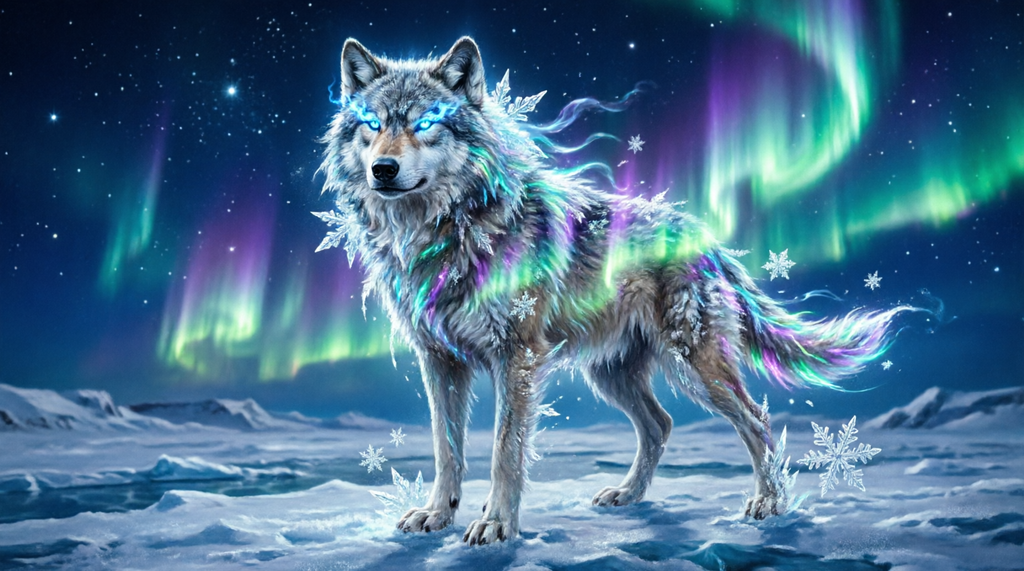
5. He Is a Wolf
Meaning: He is independent, aggressive, powerful, or solitary.
Real explanation: The meaning depends heavily on context. A “lone wolf” usually means someone who prefers to work alone.
Sample sentence:
Jack is a lone wolf who prefers working by himself.
When to use it: For independence or solitary behavior.
When NOT to use it: Avoid it when you want to communicate warmth or friendliness.
Alternatives: lone ranger, independent thinker, solitary person
Difficulty: Easy
Tone: Neutral
6. She Is a Dove
Meaning: She is peaceful, gentle, or committed to avoiding conflict.
Real explanation: The dove is widely used as a symbol of peace.
Sample sentence:
In the heated discussion, Maya was the dove who kept everyone calm.
When to use it: For peaceful behavior or diplomacy.
When NOT to use it: It may sound too poetic for a very casual conversation.
Alternatives: peacemaker, diplomat, calming presence
Difficulty: Easy
Tone: Positive / Formal
7. He Is a Shark
Meaning: He is highly competitive, aggressive, or determined to succeed.
Real explanation: The shark metaphor is especially common in business and competitive situations.
Sample sentence:
Our sales director is a shark during negotiations.
When to use it: For intense competition or negotiation.
When NOT to use it: Avoid it when you want to praise kindness or cooperation.
Alternatives: tough competitor, aggressive negotiator, competitor
Difficulty: Easy
Tone: Informal / Neutral
8. She Is a Turtle
Meaning: She is slow, patient, cautious, or steady.
Real explanation: The turtle is commonly connected with slow movement and patience.
Sample sentence:
I may be a turtle, but I always finish the job.
When to use it: For slow but steady progress.
When NOT to use it: It can sound insulting if used simply to call someone slow.
Alternatives: slow and steady, careful worker, patient person
Difficulty: Easy
Tone: Informal
9. He Is a Rabbit
Meaning: He is timid, nervous, or easily frightened.
Real explanation: Rabbits are often portrayed as cautious or easily startled.
Sample sentence:
Before the presentation, I was a rabbit hiding behind my notes.
When to use it: For fear or nervousness in creative writing.
When NOT to use it: Avoid labeling a real person this way in a serious professional setting.
Alternatives: nervous wreck, frightened person, timid soul
Difficulty: Easy
Tone: Informal
10. She Is an Owl
Meaning: She is wise, observant, or thoughtful.
Real explanation: Owls have long been associated with wisdom in popular culture.
Sample sentence:
Grandma is the owl of our family; she always knows what to do.
When to use it: For wisdom and careful observation.
When NOT to use it: Don’t assume every reader will understand the reference without context.
Alternatives: wise person, sage, thoughtful thinker
Difficulty: Easy
Tone: Positive
11. He Is a Workhorse
Meaning: He works extremely hard and consistently.
Real explanation: A workhorse is a person who can handle a large amount of work.
Sample sentence:
Priya is the workhorse of our small team.
When to use it: For dedication and productivity.
When NOT to use it: Avoid it if you do not want to compare someone to a worker valued mainly for output.
Alternatives: hard worker, powerhouse, reliable worker
Difficulty: Easy
Tone: Informal / Positive
12. She Is a Busy Bee
Meaning: She is always busy and active.
Real explanation: Bees are associated with constant work and activity.
Sample sentence:
Mom has been a busy bee all morning.
When to use it: Casual descriptions of active people.
When NOT to use it: It may sound childish in highly formal writing.
Alternatives: hardworking person, active worker, energetic person
Difficulty: Easy
Tone: Informal
13. He Is a Peacock
Meaning: He likes showing off or attracting attention.
Real explanation: The peacock’s colorful display has made it a common metaphor for vanity or pride.
Sample sentence:
He walked into the party like a peacock, showing off his new suit.
When to use it: For someone who seeks attention.
When NOT to use it: Avoid it when describing quiet confidence.
Alternatives: show-off, attention seeker, vain person
Difficulty: Easy
Tone: Informal
14. She Is a Swan
Meaning: She is graceful, elegant, or beautiful.
Real explanation: Swans are often associated with graceful movement and elegance.
Sample sentence:
The dancer moved across the stage like a swan.
When to use it: Descriptive and creative writing.
When NOT to use it: Avoid overusing it in ordinary business writing.
Alternatives: graceful figure, elegant person, graceful dancer
Difficulty: Easy
Tone: Poetic / Positive
15. He Is a Snake
Meaning: He is dishonest, untrustworthy, or deceitful.
Real explanation: In many English-language contexts, snakes carry negative symbolic meanings.
Sample sentence:
After he betrayed his friend, everyone called him a snake.
When to use it: Strong creative or conversational criticism.
When NOT to use it: Avoid it in professional communication unless the language is clearly figurative and appropriate.
Alternatives: dishonest person, traitor, deceiver
Difficulty: Easy
Tone: Negative / Informal
16. She Is a Lamb
Meaning: She is gentle, innocent, harmless, or easily influenced.
Sample sentence:
Around her older brothers, the youngest child was a lamb.
Use it for: Gentleness or innocence.
Avoid it when: You do not want to suggest weakness or naivety.
Alternatives: gentle soul, innocent person, tender-hearted person
Difficulty: Easy
Tone: Positive / Neutral
17. He Is a Donkey
Meaning: He is stubborn or foolish.
Sample sentence:
He was being a donkey and refused to listen to anyone.
Use it for: Informal humorous writing.
Avoid it when: Speaking to someone directly in a sensitive situation.
Alternatives: stubborn person, fool, hard-headed person
Difficulty: Easy
Tone: Informal / Negative
18. She Is a Hen
Meaning: She may be protective, watchful, or overly concerned about others.
Sample sentence:
Aunt Lisa is a mother hen whenever the children go outside.
Use it for: Protective behavior.
Avoid it when: The person may view the comparison as insulting.
Alternatives: protective parent, watchful guardian, caring person
Difficulty: Easy
Tone: Informal
19. He Is a Dog
Meaning: Depending on context, he may be loyal, energetic, persistent, or unpleasant.
Real explanation: “Dog” has many meanings in English. Loyalty can be positive, while other uses can be insulting.
Sample sentence:
He is a loyal dog who never leaves his friends behind.
Use it for: Loyalty only when the context makes the positive meaning clear.
Avoid it when: Talking about someone’s appearance or character in a formal setting.
Alternatives: loyal friend, faithful companion, devoted person
Difficulty: Easy
Tone: Informal
20. She Is a Cat
Meaning: She may be independent, graceful, mysterious, or self-contained.
Sample sentence:
She moves through the room like a cat, quiet and observant.
Use it for: Grace, independence, or mystery.
Avoid it when: The intended meaning is unclear.
Alternatives: graceful person, independent spirit, quiet observer
Difficulty: Easy
Tone: Neutral / Poetic
21. He Is a Horse
Meaning: He is strong, hardworking, or dependable.
Sample sentence:
My brother is a horse when it comes to physical work.
Use it for: Strength and endurance.
Avoid it when: The comparison could be interpreted as mocking someone’s appearance.
Alternatives: strong worker, powerhouse, strongman
Difficulty: Easy
Tone: Informal
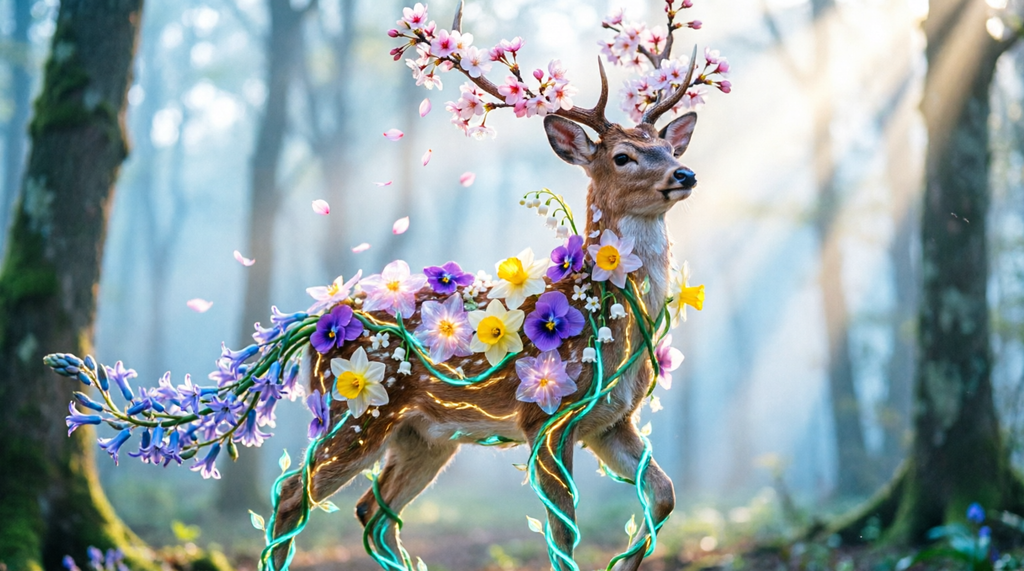
22. She Is a Deer
Meaning: She is gentle, graceful, innocent, or easily startled.
Sample sentence:
She stood like a deer in the headlights when the teacher called her name.
Use it for: Fear, innocence, or vulnerability.
Avoid it when: You need a clearly positive professional description.
Alternatives: startled person, gentle soul, frightened figure
Difficulty: Easy
Tone: Poetic / Neutral
23. He Is a Bear
Meaning: He is large, strong, rough, intimidating, or sometimes warm and protective.
Sample sentence:
Dad looks like a bear, but he is gentle with the kids.
Use it for: Strength or a rough-looking appearance.
Avoid it when: You need precise professional language.
Alternatives: strong man, gentle giant, powerful figure
Difficulty: Easy
Tone: Informal
24. She Is a Canary
Meaning: She may be cheerful, delicate, or someone who reveals danger.
Sample sentence:
The early warning signs were a canary in the coal mine for the company.
Use it for: Warning signs or delicate imagery.
Avoid it when: Your audience may not know the cultural reference.
Alternatives: warning sign, early signal, alarm
Difficulty: Medium
Tone: Neutral / Figurative
25. He Is a Parrot
Meaning: He repeats what other people say without adding his own ideas.
Sample sentence:
He sounded like a parrot, repeating every point from the article.
Use it for: Repetition.
Avoid it when: You want to praise independent thinking.
Alternatives: repeater, copycat, echo
Difficulty: Easy
Tone: Informal / Negative
26. She Is a Chameleon
Meaning: She changes her behavior, style, or personality to fit different situations.
Sample sentence:
As a performer, she is a chameleon who can become almost anyone.
Use it for: Adaptability or transformation.
Avoid it when: You specifically want to accuse someone of being fake.
Alternatives: adaptable person, shape-shifter, flexible personality
Difficulty: Easy
Tone: Neutral / Positive
27. He Is a Rooster
Meaning: He is proud, loud, confident, or eager to announce himself.
Sample sentence:
He strutted into the room like a rooster.
Use it for: Loud confidence or pride.
Avoid it when: You want to describe quiet confidence.
Alternatives: show-off, proud man, loud personality
Difficulty: Medium
Tone: Informal
28. She Is a Night Owl
Meaning: She stays awake and works or enjoys herself late at night.
Sample sentence:
I’m a night owl, so I do my best writing after midnight.
Use it for: Sleep and work habits.
Avoid it when: Describing someone who simply stayed up once.
Alternatives: late-night person, night person, late riser
Difficulty: Easy
Tone: Informal / Neutral
29. He Is an Early Bird
Meaning: He wakes early or gets things done early.
Sample sentence:
My dad is an early bird who starts work at six.
Use it for: Morning habits or early action.
Avoid it when: You only mean that someone arrived early once.
Alternatives: early riser, morning person, first mover
Difficulty: Easy
Tone: Neutral
30. She Is a Social Butterfly
Meaning: She enjoys meeting people and moving easily between social groups.
Sample sentence:
Nina is a social butterfly who knows everyone at school.
Use it for: Friendly, outgoing people.
Avoid it when: The person is private or uncomfortable with attention.
Alternatives: outgoing person, people person, socialite
Difficulty: Easy
Tone: Positive / Informal
31. He Is a Lone Wolf
Meaning: He prefers to work or live independently.
Sample sentence:
Sam is a lone wolf who likes solving problems on his own.
Use it for: Independence.
Avoid it when: You want to describe someone who simply needs occasional alone time.
Alternatives: independent thinker, solitary worker, self-reliant person
Difficulty: Easy
Tone: Neutral
32. She Is a Busy Beaver
Meaning: She is always working or doing something productive.
Sample sentence:
Emma has been a busy beaver preparing for the event.
Use it for: Informal praise for energetic work.
Avoid it in: Formal reports.
Alternatives: hard worker, active person, energetic worker
Difficulty: Medium
Tone: Informal
33. He Is a Copycat
Meaning: He copies another person’s ideas, actions, or style.
Sample sentence:
My little brother is a copycat and buys everything I buy.
Use it for: Playful criticism.
Avoid it when: You are making a serious accusation of plagiarism without evidence.
Alternatives: imitator, copier, follower
Difficulty: Easy
Tone: Informal
34. She Is a Chicken
Meaning: She is afraid or unwilling to take a risk.
Sample sentence:
I was a chicken and didn’t go on the roller coaster.
Use it for: Light, informal descriptions of fear.
Avoid it in: Formal or sensitive situations.
Alternatives: scared person, nervous person, coward
Difficulty: Easy
Tone: Informal / Negative
35. He Is a Magpie
Meaning: He is attracted to shiny, interesting, or unusual things.
Sample sentence:
My uncle is a magpie when he shops for antiques.
Use it for: Curiosity or attraction to interesting objects.
Avoid it if: Your audience may not understand the metaphor.
Alternatives: collector, treasure hunter, curious shopper
Difficulty: Medium
Tone: Informal
36. She Is a Goldfish
Meaning: She has a very short attention span or quickly forgets things.
Sample sentence:
I feel like a goldfish today; I keep forgetting why I entered the room.
Use it for: Light humor about forgetfulness.
Avoid it when: Discussing someone’s serious memory problems.
Alternatives: forgetful person, distracted person, absent-minded person
Difficulty: Easy
Tone: Informal
37. He Is a Mule
Meaning: He is extremely stubborn.
Sample sentence:
Once he makes a decision, he is a mule.
Use it for: Strong stubbornness.
Avoid it in: Respectful professional criticism.
Alternatives: stubborn person, hard-headed person, inflexible person
Difficulty: Easy
Tone: Informal / Negative
38. She Is a Gazelle
Meaning: She is graceful, fast, or elegant in movement.
Sample sentence:
The runner moved like a gazelle across the track.
Use it for: Athletic or graceful movement.
Avoid it when: The comparison may focus unwanted attention on someone’s body.
Alternatives: graceful runner, swift athlete, elegant mover
Difficulty: Medium
Tone: Poetic
39. He Is a Cheetah
Meaning: He is extremely fast.
Sample sentence:
Carlos is a cheetah on the basketball court.
Use it for: Speed and quick action.
Avoid it when: Speed is not the main quality.
Alternatives: speedster, fast mover, lightning bolt
Difficulty: Easy
Tone: Informal
40. She Is an Ant
Meaning: She is hardworking, organized, persistent, or small but productive.
Sample sentence:
She worked like an ant, carrying one small task after another until everything was finished.
Use it for: Quiet, steady effort.
Avoid it when: You want to emphasize creativity rather than persistence.
Alternatives: diligent worker, steady worker, tireless worker
Difficulty: Medium
Tone: Neutral / Positive
41. He Is a Beaver
Meaning: He is industrious and always building or working.
Sample sentence:
He has been a beaver all week, fixing everything around the house.
Use it for: Hard work and activity.
Avoid it in: Very formal writing.
Alternatives: builder, hard worker, busy worker
Difficulty: Easy
Tone: Informal
42. She Is a Butterfly Emerging From a Cocoon
Meaning: She is changing into a more confident or developed version of herself.
Sample sentence:
After years of practice, she became a butterfly emerging from a cocoon.
Use it for: Personal growth and transformation.
Avoid it when: You need a short, literal description.
Alternatives: transformed person, new beginning, emerging talent
Difficulty: Medium
Tone: Poetic / Positive
43. He Is a Peacock Among Pigeons
Meaning: He stands out because of his appearance, confidence, or unusual behavior.
Sample sentence:
In his bright red jacket, he was a peacock among pigeons.
Use it for: Someone who clearly stands out from a group.
Avoid it when: The attention is meant to be negative but the metaphor does not make that clear.
Alternatives: standout, odd one out, striking figure
Difficulty: Medium
Tone: Creative
44. She Is a Snake in the Grass
Meaning: She is secretly dangerous, dishonest, or untrustworthy.
Sample sentence:
The friendly-looking competitor was a snake in the grass.
Use it for: Hidden betrayal or danger.
Avoid it when: You have no evidence of dishonest behavior.
Alternatives: hidden threat, secret enemy, deceptive person
Difficulty: Medium
Tone: Negative
45. He Is a Wolf in Sheep’s Clothing
Meaning: He appears harmless but is actually dangerous or dishonest.
Sample sentence:
The charming salesman turned out to be a wolf in sheep’s clothing.
Use it for: A hidden threat.
Avoid it when: The situation is merely uncertain.
Alternatives: hidden danger, false friend, deceptive person
Difficulty: Medium
Tone: Strong / Negative
46. She Is a Mother Hen
Meaning: She is extremely protective and attentive to others.
Sample sentence:
My aunt is a mother hen whenever the children are sick.
Use it for: Caring, protective behavior.
Avoid it when: You want to describe someone as independent.
Alternatives: protector, caring guardian, protective parent
Difficulty: Easy
Tone: Informal
47. He Is a Dark Horse
Meaning: He is an unexpected person who may succeed or surprise others.
Sample sentence:
Nobody expected Liam to win, but he became the dark horse of the competition.
Use it for: Unexpected success.
Avoid it when: The audience may interpret “dark” literally.
Alternatives: surprise contender, unexpected winner, underdog
Difficulty: Medium
Tone: Neutral
48. She Is a Black Sheep
Meaning: She is different from the rest of her family or group.
Sample sentence:
She was the black sheep of the family because she chose a completely different career.
Use it for: Being different from a group.
Avoid it when: “Different” is positive and you do not want a negative undertone.
Alternatives: outsider, nonconformist, individualist
Difficulty: Easy
Tone: Informal / Neutral
49. He Is the Top Dog
Meaning: He is the most powerful or successful person in a group.
Sample sentence:
After years of hard work, she became the top dog in the department.
Use it for: Informal descriptions of leadership or status.
Avoid it in: Formal reports.
Alternatives: leader, head, leading figure
Difficulty: Easy
Tone: Informal
50. She Is a Puppy
Meaning: She is playful, energetic, affectionate, or inexperienced.
Sample sentence:
The new intern was like a puppy on her first day—excited about everything.
Use it for: Playfulness or youthful enthusiasm.
Avoid it when: You need to sound highly professional.
Alternatives: playful person, newcomer, energetic beginner
Difficulty: Easy
Tone: Informal
51. He Is a Hound
Meaning: He is persistent in searching for something.
Sample sentence:
He became a hound for clues once the mystery began.
Use it for: Persistent investigation or searching.
Avoid it when: You want to describe someone as relaxed.
Alternatives: investigator, seeker, relentless searcher
Difficulty: Medium
Tone: Creative
52. She Is a Vulture
Meaning: She waits for another person’s weakness or failure so she can benefit.
Sample sentence:
The competitor circled like a vulture when the company began to struggle.
Use it for: Opportunistic behavior.
Avoid it unless: The negative meaning is intended and supported by context.
Alternatives: opportunist, predator, exploiter
Difficulty: Medium
Tone: Negative
53. He Is a Rat
Meaning: He may be viewed as a betrayer, informer, or dishonest person.
Sample sentence:
After revealing the secret, he was treated as a rat by the group.
Use it for: Strong negative characterization in informal or creative contexts.
Avoid it in: Professional communication.
Alternatives: betrayer, informer, traitor
Difficulty: Easy
Tone: Strong / Negative
54. She Is a Tiger
Meaning: She is fierce, determined, powerful, or protective.
Sample sentence:
When someone threatened her children, she became a tiger.
Use it for: Strength and fierce determination.
Avoid it when: You want to emphasize gentleness.
Alternatives: fierce protector, fighter, forceful person
Difficulty: Easy
Tone: Positive / Strong
55. He Is a Mouse
Meaning: He is timid, quiet, or easily frightened.
Sample sentence:
The loud classroom turned him into a mouse.
Use it for: Shyness or fear.
Avoid it when: You want to compliment someone’s confidence.
Alternatives: timid person, quiet soul, shy person
Difficulty: Easy
Tone: Informal
56. She Is a Phoenix
Meaning: She rises again after difficulty, failure, or loss.
Sample sentence:
After losing her business, she rebuilt it like a phoenix rising from the ashes.
Use it for: Recovery, renewal, and transformation.
Avoid it when: The situation involves only a small setback.
Alternatives: survivor, reborn spirit, renewed strength
Difficulty: Medium
Tone: Poetic / Positive
57. He Is an Eagle
Meaning: He is powerful, observant, ambitious, or able to see the bigger picture.
Sample sentence:
Our manager has an eagle eye for small errors.
Use it for: Observation, ambition, or broad vision.
Avoid it when: You only mean someone has good eyesight.
Alternatives: sharp observer, visionary, keen-eyed person
Difficulty: Easy
Tone: Positive
58. She Is a Spider
Meaning: She may be patient, strategic, or skilled at creating complicated plans.
Sample sentence:
She was a spider at the center of a carefully planned network of contacts.
Use it for: Strategic or intricate behavior.
Avoid it when: The audience may interpret it only as an insult.
Alternatives: strategist, planner, networker
Difficulty: Medium
Tone: Creative / Neutral
59. He Is a Peacock on Stage
Meaning: He becomes highly confident, expressive, or attention-seeking when performing.
Sample sentence:
Offstage he is quiet, but onstage he becomes a peacock.
Use it for: Dramatic performance or self-display.
Avoid it when: The person is uncomfortable with attention.
Alternatives: showman, performer, attention-grabber
Difficulty: Easy
Tone: Informal
60. She Is a Lioness
Meaning: She is brave, strong, protective, or fiercely determined.
Sample sentence:
She became a lioness when her family needed her.
Use it for: Courage and protection.
Avoid it when: The context requires neutral description.
Alternatives: fierce protector, strong woman, fearless leader
Difficulty: Easy
Tone: Positive
61. He Is a Stallion
Meaning: He is strong, energetic, powerful, or physically impressive.
Sample sentence:
The athlete moved across the field like a stallion.
Use it for: Literary descriptions of strength and energy.
Avoid it when: Writing about colleagues or acquaintances in formal settings.
Alternatives: powerful athlete, strong figure, powerhouse
Difficulty: Medium
Tone: Poetic / Informal
62. She Is a Songbird
Meaning: She has a beautiful singing voice or brings musical energy to a setting.
Sample sentence:
Her voice turned the quiet room into a garden of sound; she was a true songbird.
Use it for: Singers and musical descriptions.
Avoid it when: You are writing a factual professional biography that needs plain language.
Alternatives: gifted singer, vocalist, beautiful voice
Difficulty: Easy
Tone: Poetic / Positive
63. He Is a Gentle Giant
Meaning: He is physically large or powerful but kind and gentle.
Sample sentence:
The basketball player looked intimidating, but he was a gentle giant.
Use it for: Contrasting strength with kindness.
Avoid it when: The person’s physical size is not relevant.
Alternatives: kind giant, soft-hearted strongman, gentle powerhouse
Difficulty: Easy
Tone: Positive
64. She Is a Kitten
Meaning: She is playful, small, innocent, or affectionate.
Sample sentence:
The puppy and kitten were little bundles of energy.
Use it for: Playfulness and innocence in informal or creative writing.
Avoid it when: Describing adults in contexts where the comparison could feel patronizing.
Alternatives: playful person, innocent character, gentle soul
Difficulty: Easy
Tone: Informal / Cute
65. He Is a Busy Ant in the Colony
Meaning: He is one small but useful part of a larger group working toward a shared goal.
Sample sentence:
Every volunteer was a busy ant helping the community project succeed.
Use it for: Teamwork and steady effort.
Avoid it when: You want to emphasize individual leadership.
Alternatives: team worker, contributor, diligent helper
Difficulty: Medium
Tone: Creative / Positive
Real-Life Conversations
Animal metaphors sound most natural when they fit the situation. The following conversations show how ordinary speakers might actually use them.
Conversation 1: Friends
Maya: Did you see Alex during the basketball game?
Ryan: Yeah. He was a total lion.
Maya: Especially in the last five minutes.
Ryan: Exactly. Everyone was tired, but he kept pushing.
Maya: He really doesn’t give up.
Ryan: That’s why I call him a workhorse.
🎯 Lesson: “Lion” emphasizes courage and strength, while “workhorse” emphasizes steady effort.
Conversation 2: Family
Mom: Why are you still awake?
Sara: I have to finish this project.
Mom: It’s almost midnight.
Sara: I know. I’m a night owl.
Mom: And your brother?
Sara: He’s the opposite. He’s an early bird.
Mom: That’s true. He was awake before everyone this morning.
🎯 Lesson: Animal metaphors can describe everyday habits, not just personalities.
Conversation 3: Students
Teacher: Who wants to explain the answer?
Ben: I can try.
Teacher: Go ahead.
Ben: I think Sarah already knows it.
Sarah: Don’t look at me!
Ben: Come on. You’re the owl of the class.
Sarah: That’s the nicest way anyone has ever called me a nerd.
Teacher: I’ll accept “wise owl.”
🎯 Lesson: Context can turn a metaphor into friendly humor.
Conversation 4: Office
Manager: We need someone to negotiate with the supplier.
Lisa: Give it to Omar.
Manager: Why Omar?
Lisa: He’s a shark when it comes to negotiations.
Omar: I’m sitting right here.
Lisa: I mean that as a compliment.
Omar: Good. Then I’ll take the meeting.
🎯 Lesson: A “shark” can suggest strong competitive ability, but the word can also sound aggressive.
Conversation 5: Creative Writing
Teacher: Your character description is interesting, but tell me more about her.
Student: She’s quiet at first.
Teacher: What happens later?
Student: When her family is threatened, she becomes a lioness.
Teacher: That’s a strong metaphor.
Student: I wanted the reader to see that she has hidden courage.
🎯 Lesson: Animal metaphors can reveal character development without explaining every personality trait directly.
Everyday Usage
Animal metaphors appear in many kinds of English. Some are so common that speakers hardly notice them as metaphors.
Conversation
Common conversational examples include:
- “He’s a night owl.”
- “She’s a social butterfly.”
- “Don’t be a chicken.”
- “He’s a lone wolf.”
- “She’s a busy bee.”
These are usually informal and should match the relationship between the speakers.
Writing
Animal metaphors are especially useful when ordinary descriptions feel flat.
Plain:
The man was very stubborn.
Metaphorical:
The man was a mule who refused to change his mind.
The metaphor gives the reader an immediate image.
Books
Novelists often use animal imagery to build characters.
A brave character may be compared with a lion. A secretive character may be described as a cat. A clever character may be associated with a fox.
Good writers do not always use the obvious metaphor. They may create a fresh comparison that fits the specific character.
Movies
Movies often rely on familiar animal imagery because viewers understand it quickly.
A powerful character may be called a “lion.” A mysterious person may move “like a cat.” A competitive character may be described as a “shark.”
Poetry
Poetry gives animal metaphors more freedom.
For example:
Her courage was a lion sleeping beneath a quiet heart.
This does not mean she behaves like a lion all the time. It suggests that courage exists inside her and appears when needed.
Emails
Be cautious with animal metaphors in emails.
Casual:
“You’ve been a busy bee this week!”
Professional but warmer:
“You’ve done a tremendous amount of work this week.”
The second version is safer when tone matters.
Text Messages
Animal metaphors work well in friendly texts:
“I was such a chicken before the interview 😂”
or:
“You’re a night owl too? Same!”
Animal metaphors can make captions short and memorable:
“Channeling my inner lion today.”
“Busy bee mode: ON.”
“Social butterfly after one cup of coffee.”
A family post might say:
“My little lion finally performed on stage!”
Here, “lion” communicates bravery and confidence.
X
Short animal metaphors can fit compact posts:
“Some days you’re the lion. Some days you’re the turtle. Keep moving.”
Use animal metaphors sparingly.
A sentence such as:
“Our sales team became sharks this quarter.”
may sound energetic in a casual company post but overly aggressive in a formal corporate announcement.
School Assignments
Animal metaphors are excellent for creative writing and descriptive essays.
Instead of:
The girl was very shy.
Try:
The girl was a mouse in the crowded classroom.
Then explain the metaphor if the assignment requires analysis.
Writing Tips
The strongest animal metaphor is not always the most dramatic one. Choose an animal whose commonly understood qualities match the exact idea you want to communicate. Think about audience, tone, culture, context, and whether the comparison sounds positive, negative, playful, or poetic.
Choose the Quality First
Do not start with an animal.
Start with the quality:
I want to describe someone who is brave.
Then choose:
lion, lioness, tiger
If you want to describe someone who is clever:
fox
If you want someone who works hard:
workhorse, busy bee, ant
This approach prevents random metaphors.
Formal vs. Informal
More informal:
“He’s a shark.”
More formal:
“He’s a highly competitive negotiator.”
Animal metaphors are often strongest in conversation and creative writing.
Speaking vs. Writing
In speech, familiar metaphors work naturally:
“She’s such a busy bee.”
In writing, you can develop the image:
“She was a busy bee, moving from one task to another before anyone else had finished breakfast.”
British vs. American Usage
Most common animal metaphors work in both British and American English. However, individual idioms can differ in frequency and cultural associations.
For international readers, familiar expressions such as lion, fox, shark, turtle, owl, social butterfly, night owl, and early bird are generally easy to understand from context.
Children vs. Adults
With children, simple metaphors work best:
- lion = brave
- turtle = slow
- rabbit = scared
- monkey = playful
- owl = wise
For adults, you can use more layered expressions:
- dark horse
- wolf in sheep’s clothing
- snake in the grass
- black sheep
- chameleon
Professional Communication
Ask yourself:
Could this metaphor embarrass or insult someone?
If yes, use plain language instead.
Instead of:
“He’s a chicken.”
write:
“He seems hesitant to take the risk.”
Instead of:
“She’s a shark.”
you could write:
“She’s a highly effective negotiator.”
Creative Writing
Creative writing allows you to stretch the metaphor.
Instead of:
“He was a lion.”
Try:
“The quiet man became a lion when the door opened.”
The second version creates movement and character.
Quick Tip
Do not explain a metaphor twice.
Weak:
“She was a lion. This means she was brave like a lion and acted bravely.”
Better:
“She was a lion when the crisis began.”
Let the image do some of the work.
Common Mistakes
Animal metaphors become confusing when writers use the wrong animal, mix two unrelated images, or forget that some comparisons can sound insulting. The safest approach is to match the metaphor with a clear quality and check whether the surrounding sentence supports the intended meaning.
| Mistake | Reason | Correct version | Practical explanation |
|---|---|---|---|
| She is like a lion. | This is a simile, not a direct metaphor. | She is a lion. | Use “like” for a simile. |
| He is a fox because he is orange. | The metaphor does not match the intended quality. | He is a fox because he is clever. | Explain the quality behind the animal. |
| She is a chicken in the report. | It sounds too informal. | She was hesitant to take the risk. | Use plain language professionally. |
| He is a snake. | The meaning may sound extremely insulting. | He acted dishonestly. | Use a neutral description when needed. |
| She is a turtle because she is lazy. | Turtle usually suggests slowness, not necessarily laziness. | She is a turtle when she works carefully. | Match the animal with the intended trait. |
| He is a lion, but he is very scared. | The surrounding context contradicts the metaphor. | He looked nervous but found his courage. | Keep imagery consistent. |
| She is a social lion butterfly. | Mixed metaphors create confusion. | She is a social butterfly. | Choose one image. |
| He was an eagle because he was tall. | Eagle does not normally mean tall. | He was an eagle-eyed observer. | Use the established association. |
| My manager is a shark. | It may sound aggressive. | My manager is a strong negotiator. | Consider workplace tone. |
| She is a mouse, so she is bad. | “Mouse” does not automatically mean morally bad. | She was timid and quiet. | Separate personality from moral judgment. |
Practice Exercise
Rewrite each plain sentence using a suitable animal metaphor. Try to choose an animal that naturally matches the meaning.
1. She is very brave.
Possible answer:
She is a lion.
2. He works extremely hard.
Possible answer:
He is a workhorse.
3. She loves meeting new people.
Possible answer:
She is a social butterfly.
4. He prefers to work alone.
Possible answer:
He is a lone wolf.
5. She stays awake late at night.
Possible answer:
She is a night owl.
6. He is very clever.
Possible answer:
He is a fox.
7. She is extremely protective of her children.
Possible answer:
She is a mother hen.
8. He is very stubborn.
Possible answer:
He is a mule.
9. She recovered after a major setback.
Possible answer:
She rose like a phoenix.
10. He is extremely fast.
Possible answer:
He is a cheetah.
Practice tip: There may be more than one correct answer. The best metaphor depends on the exact feeling, audience, and context.
Multiple Choice Questions
Choose the animal metaphor that best fits each sentence.
1. “Sarah never stops working.”
A. She is a mouse.
B. She is a busy bee.
C. She is a dove.
D. She is a rabbit.
2. “Tom prefers doing projects alone.”
A. He is a lone wolf.
B. He is a social butterfly.
C. He is a peacock.
D. He is a lamb.
3. “Maria is extremely brave during emergencies.”
A. She is a lioness.
B. She is a goldfish.
C. She is a mouse.
D. She is a turtle.
4. “James stays awake until 2 a.m.”
A. He is an early bird.
B. He is a night owl.
C. He is a dove.
D. He is a lamb.
5. “The salesman is extremely competitive.”
A. He is a shark.
B. He is a butterfly.
C. He is a mouse.
D. He is a turtle.
6. “She keeps changing her style to fit every group.”
A. She is a chameleon.
B. She is a lion.
C. She is a swan.
D. She is a dove.
7. “He copies everything his friend does.”
A. He is an eagle.
B. He is a copycat.
C. He is a horse.
D. He is a fox.
8. “Nobody expected him to succeed, but he surprised everyone.”
A. He was the dark horse.
B. He was the mouse.
C. He was the parrot.
D. He was the rooster.
9. “She is peaceful and tries to stop arguments.”
A. She is a shark.
B. She is a dove.
C. She is a vulture.
D. She is a bull.
10. “He is very stubborn and refuses to change his mind.”
A. He is a mule.
B. He is a butterfly.
C. He is a songbird.
D. He is a deer.
Answer Key
- B — busy bee
- A — lone wolf
- A — lioness
- B — night owl
- A — shark
- A — chameleon
- B — copycat
- A — dark horse
- B — dove
- A — mule
Related Terms
Animal metaphors belong to a larger group of figurative-language techniques. Knowing the difference between them helps you choose the right expression for your writing.
| Term | Meaning | Example |
|---|---|---|
| Metaphor | Direct comparison | He is a lion. |
| Simile | Comparison using “like” or “as” | He is like a lion. |
| Animal metaphor | Metaphor based on animal qualities | She is a fox. |
| Personification | Giving human qualities to nonhuman things | The wind whispered. |
| Symbolism | An object represents a larger idea | A dove represents peace. |
| Analogy | Extended comparison used to explain an idea | A team works like a colony of ants. |
| Idiom | Fixed expression with a nonliteral meaning | It’s raining cats and dogs. |
| Hyperbole | Deliberate exaggeration | I’ve told you a million times. |
| Imagery | Language that creates sensory pictures | The silver wolf moved through the snow. |
| Allusion | Reference to a known person, story, or idea | He had the strength of Hercules. |
Metaphor vs. Symbolism
These ideas overlap, but they are not identical.
A metaphor creates a comparison:
“She is a lion.”
Symbolism gives something a broader representative meaning:
A dove may symbolize peace.
The same animal can therefore work as both a metaphor and a symbol depending on the sentence.
Metaphor vs. Idiom
An idiom is a fixed expression whose meaning is not fully predictable from its individual words.
For example:
“The black sheep of the family.”
This is commonly understood as someone who differs from the rest of the family.
A fresh metaphor does not need to be a fixed expression:
“His courage was a sleeping lion.”
That comparison is created for the particular sentence.
How to Choose the Right Animal Metaphor
Choosing an animal metaphor becomes much easier when you start with the meaning rather than the animal. Ask yourself three simple questions.
1. What quality am I describing?
Is the person:
- brave?
- clever?
- shy?
- hardworking?
- aggressive?
- graceful?
- independent?
- protective?
- fast?
- peaceful?
- stubborn?
- adaptable?
2. What feeling should the reader get?
Compare:
He is a lion.
with:
He is a tiger.
Both can suggest strength, but the emotional effect can differ. A lion often suggests leadership and courage. A tiger may feel more fierce and intense.
3. Who will read it?
For children:
“She is a little rabbit.”
friends:
“He’s a total night owl.”
creative writing:
“Her courage was a lion sleeping beneath her fear.”
professional writing:
“She is a highly competitive negotiator.”
FAQs:
What is a metaphor for an animal?
An animal metaphor describes a person, thing, feeling, or situation by giving it qualities associated with an animal. For example, saying “She is a lion” can mean she is brave or powerful. The person is not literally a lion. The animal creates a mental image that makes the description more vivid and memorable.
What is a good metaphor for a brave person?
Lion, lioness, or tiger can work well for a brave person. “Lion” often suggests courage and leadership, while “lioness” can emphasize fierce protection. “Tiger” can suggest determination and strength. Choose the metaphor according to the exact quality you want to highlight rather than simply choosing the strongest animal.
What animal metaphor means clever?
A fox is one of the most familiar animal metaphors for cleverness or cunning. For example, you could write, “He is a fox when it comes to negotiations.” However, “fox” can sometimes suggest trickery or dishonesty, so use it carefully when the intended meaning is simply intelligence.
What animal represents hard work in a metaphor?
A workhorse, busy bee, ant, or beaver can represent hard work. “Workhorse” emphasizes dependable effort and productivity. “Busy bee” sounds friendly and informal. “Ant” can suggest small but steady teamwork. “Beaver” often suggests someone who is constantly building or working on something.
What animal metaphor means a shy person?
A mouse or rabbit can describe a shy, timid, or nervous person. For example, “He was a mouse in the crowded room.” These metaphors are usually informal and can sound negative, so they are better suited to creative writing or friendly conversation than formal descriptions of real people.
What is an animal metaphor for a smart person?
An owl is commonly used to represent wisdom, while a fox can represent cleverness or strategic thinking. The difference is useful: an owl often suggests knowledge and good judgment, whereas a fox suggests quick thinking and clever tactics. Choose the one that matches the person’s specific strength.
Can I use animal metaphors in academic writing?
Yes, but use them carefully. Animal metaphors can work well in literature analysis, creative writing, essays about figurative language, and descriptive assignments. In formal academic writing, explain the metaphor clearly rather than assuming the reader understands your intended association. Avoid slangy or insulting comparisons unless they are relevant to your analysis.
Are animal metaphors always positive?
No. Animal metaphors can be positive, neutral, humorous, or negative. Lion usually suggests courage, while snake can suggest dishonesty. Turtle may suggest patience or slowness. Shark may suggest strong business skills or aggressive behavior. Context determines how the reader understands the comparison.
What is the difference between an animal metaphor and a simile?
A metaphor makes a direct comparison: “He is a lion.” A simile uses words such as “like” or “as”: “He is like a lion.” Both create comparisons, but the grammatical structure is different. Metaphors often feel stronger because they directly turn one thing into an image of another.
Final Thoughts:
Animal metaphors give ordinary English a stronger picture. Instead of simply saying someone is brave clever stubborn hardworking, or independent you can connect that quality with an animal readers already recognize. A lion fox workhorse lone wolf or social butterfly can make a sentence more memorable in just a few words.
The key is to choose the animal for the quality you actually mean. A metaphor should make your meaning clearer, not create confusion. Remember that animal associations can vary between cultures and contexts so think about your audience before using a strong comparison.
From real-life conversations to creative stories and school assignments animal metaphors give you an easy way to add color and personality to English. Start with simple expressions such as She is a lion He is a fox or She’s a social butterfly. Once those feel natural experiment with your own fresh animal images.

Kiara is a passionate English language writer, vocabulary researcher, and content creator with over 5 years of experience in writing about word meanings, definitions, phrases, expressions, slang, and everyday English. As an experienced writer and researcher, she enjoys turning confusing words and unfamiliar expressions into clear, simple, and easy-to-understand explanations.