
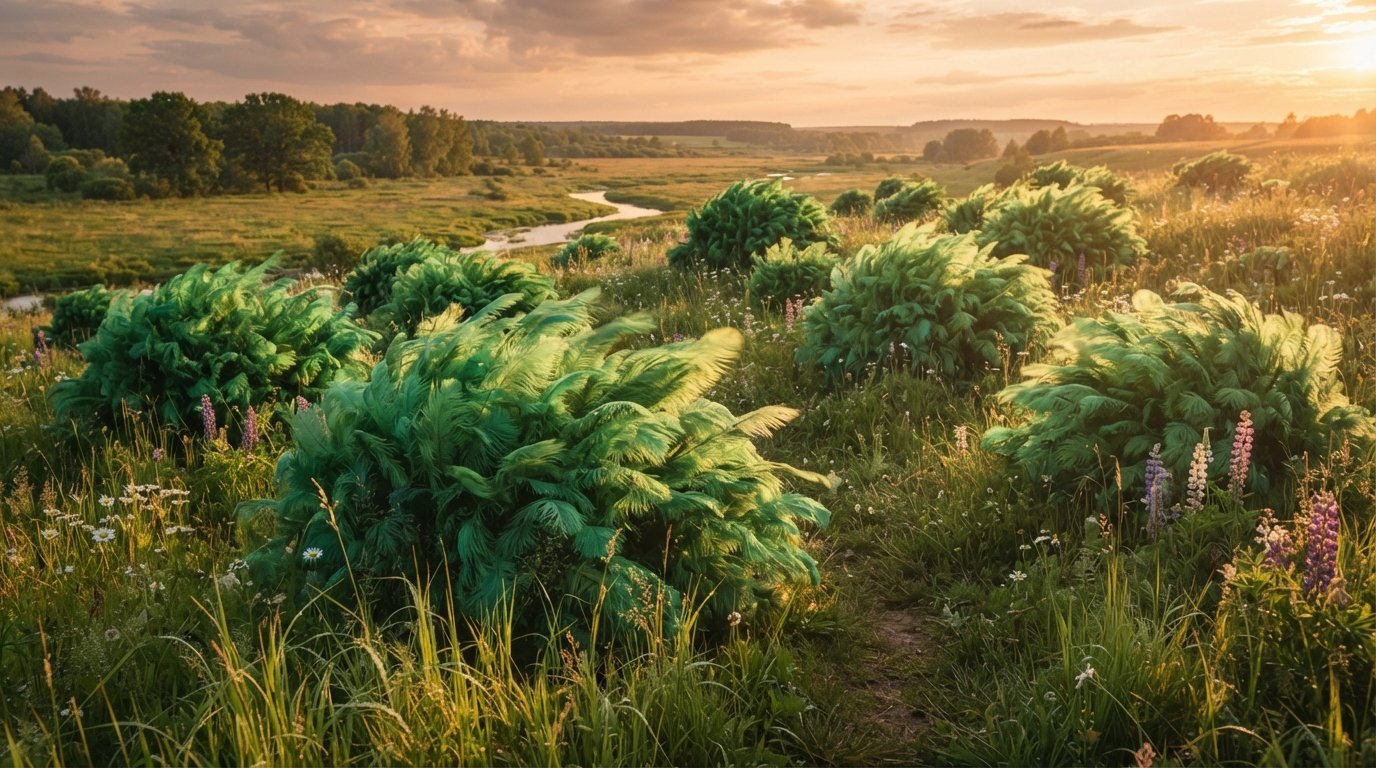
If you need a metaphor for bushes you may be looking for a creative way to describe more than a group of plants. Bushes can suggest hiding privacy confusion wild growth protection mystery or something that stands between you and what you want to see. The best metaphor depends on the feeling or idea you want to express.
For example, calling bushes a green wall suggests that they block a view. Calling them nature’s curtains gives them a softer image because curtains hide or reveal something. “A tangled maze” makes the bushes sound confusing and difficult to move through.
People use bush metaphors in stories, poems, school assignments descriptions, novels, social media posts, and everyday conversation. You may also need one when describing a garden forest edge backyard park or wild landscape.
This guide, updated for 2026, gives you more than original ways to describe bushes. You will learn what each metaphor means, how it feels, when to use it when to avoid it, and how it works in a sentence. By the end you should be able to choose a bush metaphor that matches your exact idea instead of simply picking the first phrase that sounds interesting.
Definition & Meaning
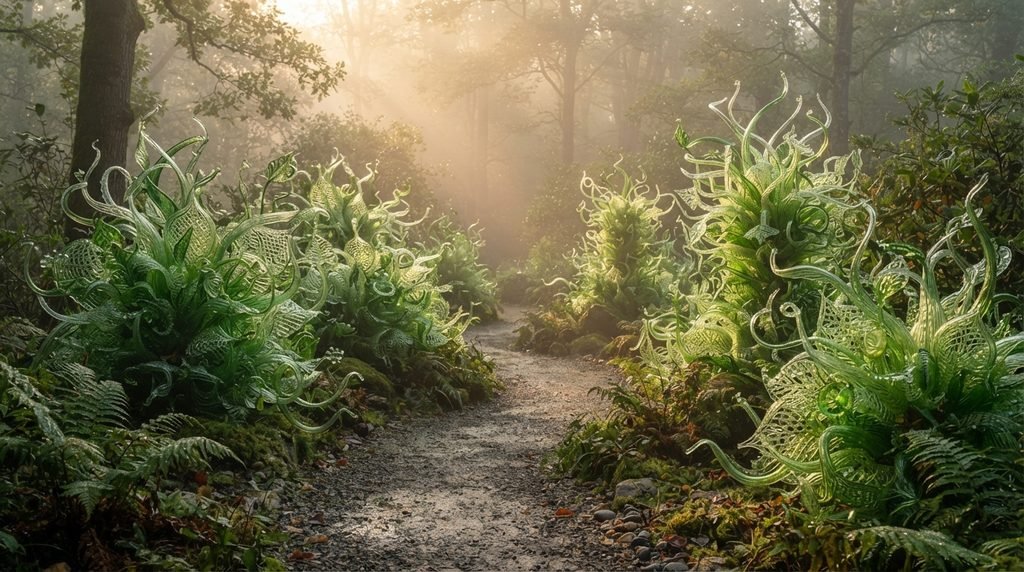
A metaphor for bushes is a creative comparison that describes bushes as something else without using “like” or “as.” It can turn ordinary plants into an image such as a wall, curtain, maze, blanket, fortress, crowd, or tangled web. The comparison helps readers picture the bushes and understand the feeling behind them.
What is a metaphor for bushes?
A metaphor for bushes describes bushes by directly giving them the qualities or identity of something else.
For example:
The bushes were a green wall around the house.
The bushes are not literally a wall. The metaphor tells us that they were thick enough to block sight or create a boundary.
Another example is:
The garden was hiding behind nature’s curtains.
Here, the bushes become curtains because they partly hide what lies behind them.
A good metaphor does more than make a sentence sound fancy. It gives the reader a mental picture.
Quick explanation
Bushes can represent many different ideas:
- A wall → blocking or separating
- Curtains → hiding or covering
- A blanket → covering the ground
- A maze → confusion
- A fortress → protection
- A crowd → many plants growing together
- A jungle → thick, wild growth
- A web → tangled branches
- A green sea → a wide mass of plants
- A hiding place → secrecy or privacy
The strongest metaphor depends on what the bushes are doing in your scene.
Bush metaphor summary table
| Metaphor | Main idea | Feeling | Best use |
|---|---|---|---|
| Green wall | Blocking | Strong | Gardens, boundaries |
| Nature’s curtains | Hiding | Soft | Poetry, descriptions |
| Tangled maze | Confusion | Mysterious | Stories |
| Living fortress | Protection | Strong | Defensive imagery |
| Green blanket | Covering | Calm | Landscape writing |
| Leafy crowd | Density | Lively | Gardens, parks |
| Wild jungle | Untamed growth | Adventurous | Nature writing |
| Thorny shield | Protection | Dangerous | Conflict |
| Garden veil | Partial hiding | Gentle | Poetry |
| Green barrier | Separation | Neutral | Essays |
| Whispering fence | Boundary | Mysterious | Creative writing |
| Earth’s hair | Natural growth | Playful | Descriptions |
| Emerald sea | Large green area | Beautiful | Poetry |
| Branchy web | Entanglement | Uneasy | Stories |
| Secret keeper | Privacy | Mysterious | Fiction |
| Green maze | Difficulty | Confusing | Adventure |
| Leafy fortress | Protection | Secure | Fiction |
| Nature’s screen | Concealment | Neutral | Descriptions |
| Living curtain | Covering | Soft | Poetry |
Quick Tip: Before choosing a metaphor, ask yourself, “What do these bushes make me think of?” That answer usually points toward the strongest comparison.
Why We Use Metaphors for Bushes

Metaphors for bushes help writers turn a simple plant description into an image with meaning. Instead of saying that bushes are thick, tall, or tangled, a writer can show those qualities through a comparison. This makes descriptions easier to picture and can add mood, symbolism, personality, or emotion to ordinary scenery.
1. To describe size
A bush can become a green mountain, leafy tower, or small forest when its size matters.
Example:
The bushes rose around the path like a small forest.
For a true metaphor, you could write:
The bushes were a small forest guarding the path.
2. To show that bushes block something
Use metaphors such as:
- green wall
- living barrier
- leafy gate
- nature’s screen
- green curtain
Example:
A green wall stood between the children and the old house.
3. To suggest hiding
Bushes often hide people, animals, objects, or places.
Useful metaphors include:
- nature’s curtains
- garden veil
- secret keeper
- leafy cloak
- green cover
Example:
The bushes were nature’s curtains, hiding the broken gate.
4. To create mystery
Thick bushes can make a setting feel unknown.
Try:
The bushes were a dark maze at the edge of the road.
This works especially well in stories.
5. To show protection
Dense bushes can protect a home, garden, animal, or person.
Useful metaphors include:
- living fortress
- thorny shield
- green armor
- leafy guard
- natural fortress
Example:
The thorn bushes were a living fortress around the cottage.
6. In everyday speaking
Metaphors do not belong only in poetry.
Someone might say:
“The bushes were a wall, so I couldn’t see the driveway.”
That sounds natural because the comparison helps explain a practical problem.
7. In school writing
Students can use bush metaphors to make descriptive paragraphs more vivid.
Instead of:
The bushes were thick.
Try:
The bushes were a tangled maze beside the trail.
The second sentence gives the reader a clearer image.
8. In social media
Short metaphors work especially well in captions.
Examples:
- A little green fortress.
- Nature’s quiet curtain.
- A wild wall of leaves.
- The garden’s leafy guardians.
9. In professional communication
Metaphors should be used carefully at work. A simple metaphor can make a presentation or report more memorable, but highly poetic language may be unsuitable for technical or formal writing.
Instead of:
The bushes were dancing emerald monsters.
A professional description would be:
The dense shrubs formed a natural visual barrier.
60+ Metaphors for Bushes
The following metaphors cover different meanings, from beauty and growth to hiding, protection, confusion, and danger. Each example includes a meaning, explanation, sentence, usage guidance, alternatives, difficulty, and tone.
1. A Green Wall
Meaning: Bushes that block sight or movement.
Real explanation: A wall separates one place from another. Calling thick bushes a green wall emphasizes their height, density, or ability to block something.
Sample sentence:
The bushes were a green wall between the garden and the street.
When to use it: Use it when bushes create a strong visual or physical boundary.
When NOT to use it: Avoid it for tiny, widely spaced bushes.
Alternatives: living barrier, leafy wall, green screen
Difficulty: Easy
Tone: Neutral
2. Nature’s Curtains
Meaning: Bushes that hide something from view.
Real explanation: Curtains cover windows, rooms, or objects. This metaphor makes bushes seem as though nature has placed curtains around a hidden scene.
Sample sentence:
Nature’s curtains hid the little cabin from the road.
When to use it: Excellent for gardens, forests, poems, and gentle descriptions.
When NOT to use it: Avoid it when the bushes are mainly threatening or thorny.
Alternatives: garden veil, leafy curtains, green drapes
Difficulty: Easy
Tone: Poetic
3. A Tangled Maze
Meaning: Dense bushes that are difficult to move through.
Real explanation: A maze is a confusing network of paths. This metaphor focuses on tangled branches and the difficulty of finding a way through.
Sample sentence:
The bushes became a tangled maze beneath the old trees.
When to use it: Stories, adventure scenes, and descriptions of overgrown land.
When NOT to use it: Do not use it for a neat row of trimmed shrubs.
Alternatives: green maze, leafy labyrinth, tangled path
Difficulty: Easy
Tone: Neutral/Creative
4. A Living Fortress
Meaning: Bushes that provide strong protection.
Real explanation: A fortress protects people from danger. Thick or thorny bushes can perform a similar function by making an area difficult to enter.
Sample sentence:
Thorny bushes formed a living fortress around the farmhouse.
When to use it: When protection is the main idea.
When NOT to use it: Avoid it when the bushes are decorative and open.
Alternatives: natural fortress, leafy stronghold, green defense
Difficulty: Medium
Tone: Dramatic
5. A Green Blanket
Meaning: Bushes covering an area.
Real explanation: A blanket spreads over and covers something. This metaphor emphasizes the broad coverage of low-growing bushes.
Sample sentence:
A green blanket covered the hillside.
When to use it: Landscape writing and peaceful descriptions.
When NOT to use it: Avoid it if the bushes are tall and narrow.
Alternatives: leafy cover, green carpet, plant blanket
Difficulty: Easy
Tone: Gentle
6. A Leafy Crowd
Meaning: Many bushes growing close together.
Real explanation: A crowd contains many individuals gathered in one place. Calling bushes a leafy crowd emphasizes their number and closeness.
Sample sentence:
A leafy crowd filled the empty corner of the yard.
When to use it: Informal descriptions and creative writing.
When NOT to use it: Avoid it for one isolated shrub.
Alternatives: green gathering, plant crowd, leafy mass
Difficulty: Easy
Tone: Playful
7. A Wild Jungle
Meaning: Bushes that have grown thick and uncontrolled.
Real explanation: A jungle suggests dense, untamed vegetation. The metaphor exaggerates the bushes to show that the area feels difficult to manage or explore.
Sample sentence:
The abandoned garden had become a wild jungle.
When to use it: Overgrown yards, abandoned places, humorous descriptions.
When NOT to use it: Avoid it when describing a carefully maintained garden.
Alternatives: green wilderness, wild thicket, mini jungle
Difficulty: Easy
Tone: Informal
8. A Thorny Shield
Meaning: Bushes that protect something.
Real explanation: A shield protects a person from attack. Thorny bushes can act as a natural defense because their sharp branches discourage people or animals from passing.
Sample sentence:
The rose bushes stood as a thorny shield around the window.
When to use it: Protective or defensive imagery.
When NOT to use it: Avoid it for thornless plants.
Alternatives: thorny guard, natural shield, prickly defense
Difficulty: Easy
Tone: Dramatic
9. A Garden Veil
Meaning: Bushes that partly hide a garden or object.
Real explanation: A veil covers something without completely hiding it. This makes the metaphor useful for bushes that allow glimpses through their branches.
Sample sentence:
A garden veil softened the view of the house.
When to use it: Poetry and elegant descriptions.
When NOT to use it: Avoid it when the bushes completely block everything.
Alternatives: leafy veil, green curtain, natural covering
Difficulty: Medium
Tone: Poetic
10. A Green Barrier
Meaning: Bushes separating two spaces.
Real explanation: A barrier prevents or limits movement and visibility. This metaphor is direct and easy to understand.
Sample sentence:
The bushes formed a green barrier along the sidewalk.
When to use it: Essays, reports, practical descriptions.
When NOT to use it: Avoid it when you want a strongly emotional image.
Alternatives: natural barrier, living boundary, plant screen
Difficulty: Easy
Tone: Neutral/Formal
11. A Whispering Fence
Meaning: Bushes acting as a boundary with a mysterious natural feeling.
Real explanation: A fence marks a boundary. Adding “whispering” gives the bushes a sense of life and movement.
Sample sentence:
A whispering fence of bushes surrounded the cottage.
When to use it: Fiction and poetry.
When NOT to use it: Avoid it in technical writing.
Alternatives: living fence, rustling boundary, leafy fence
Difficulty: Medium
Tone: Poetic
12. Earth’s Hair
Meaning: Bushes as part of the natural landscape.
Real explanation: Hair grows from the surface of a person’s head. The metaphor imagines vegetation growing from the Earth’s surface in a similar way.
Sample sentence:
Bushes spread across the hillside like Earth’s thick hair.
When to use it: Creative nature writing.
When NOT to use it: Avoid it if you need a precise scientific description.
Alternatives: Earth’s green coat, natural hair, living growth
Difficulty: Easy
Tone: Creative
13. An Emerald Sea
Meaning: A wide area filled with green bushes.
Real explanation: A sea is broad and visually continuous. “Emerald” emphasizes the rich green color.
Sample sentence:
From the hilltop, the bushes looked like an emerald sea.
When to use it: Scenic descriptions and poetry.
When NOT to use it: Avoid it when the bushes are sparse.
Alternatives: green ocean, sea of leaves, emerald blanket
Difficulty: Medium
Tone: Poetic
14. A Branchy Web
Meaning: Bushes with tangled branches.
Real explanation: A web is made from connected strands. The metaphor highlights the twisting and overlapping branches.
Sample sentence:
A branchy web blocked the narrow trail.
When to use it: Dense, tangled growth.
When NOT to use it: Avoid it for neatly trimmed shrubs.
Alternatives: tangled network, leafy web, branch maze
Difficulty: Easy
Tone: Neutral/Creative
15. A Secret Keeper
Meaning: Bushes that hide something.
Real explanation: A secret keeper is someone who knows something but does not reveal it. The metaphor gives the bushes a human role.
Sample sentence:
The old bushes were secret keepers for the children who played behind them.
When to use it: Stories, childhood memories, poetry.
When NOT to use it: Avoid it in formal technical descriptions.
Alternatives: silent guardian, hidden witness, quiet keeper
Difficulty: Medium
Tone: Poetic
16. A Leafy Cloak
Meaning: Bushes that cover or conceal something.
Real explanation: A cloak covers a person’s body. Bushes can seem to wrap a building, animal, or object in green growth.
Sample sentence:
A leafy cloak covered the abandoned shed.
When to use it: Nature writing and fiction.
When NOT to use it: Avoid it for short, widely spaced shrubs.
Alternatives: green cloak, leafy coat, natural cover
Difficulty: Easy
Tone: Poetic
17. A Natural Screen
Meaning: Bushes that block a view.
Real explanation: A screen hides or separates an area. This metaphor is particularly useful for landscaping.
Sample sentence:
The bushes worked as a natural screen between the two houses.
When to use it: Landscaping, property descriptions, practical writing.
When NOT to use it: Avoid it if you want highly emotional imagery.
Alternatives: green screen, living screen, plant barrier
Difficulty: Easy
Tone: Neutral/Formal
18. A Leafy Guard
Meaning: Bushes that protect an area.
Real explanation: A guard protects a place or person. Bushes become natural guards when they stand around a property.
Sample sentence:
The leafy guards stood around the garden gate.
When to use it: Personification and creative descriptions.
When NOT to use it: Avoid it for ordinary neutral reports.
Alternatives: green guardians, natural guards, living protectors
Difficulty: Easy
Tone: Creative
19. A Green Gate
Meaning: Bushes that mark an entrance or opening.
Real explanation: A gate controls entry. Bushes can visually frame or define an entrance.
Sample sentence:
Two tall bushes formed a green gate to the garden.
When to use it: Gardens, entrances, pathways.
When NOT to use it: Avoid it when the bushes do not frame an entrance.
Alternatives: leafy doorway, natural gateway, green entrance
Difficulty: Easy
Tone: Neutral
20. A Living Fence
Meaning: Bushes planted or growing as a boundary.
Real explanation: A fence creates a boundary, while “living” tells the reader that the boundary is made of growing plants.
Sample sentence:
A living fence of shrubs marked the edge of the yard.
When to use it: Landscaping and everyday descriptions.
When NOT to use it: Avoid it when the bushes are scattered randomly.
Alternatives: green fence, plant boundary, natural fence
Difficulty: Easy
Tone: Neutral
21. A Green Fortress
Meaning: Thick bushes that create a strong protected area.
Real explanation: “Fortress” suggests strength, defense, and difficulty entering.
Sample sentence:
The house sat behind a green fortress of thick bushes.
When to use it: Strong protective imagery.
When NOT to use it: Avoid it for small decorative shrubs.
Alternatives: green stronghold, leafy fortress, natural defense
Difficulty: Easy
Tone: Dramatic
22. A Blanket of Leaves
Meaning: Bushes spreading across and covering the ground.
Real explanation: A blanket covers a surface. The image emphasizes softness and broad coverage.
Sample sentence:
A blanket of leaves hid the stones beneath the bushes.
When to use it: Peaceful nature descriptions.
When NOT to use it: Avoid it when the bushes are sharp or threatening.
Alternatives: leafy blanket, green cover, plant carpet
Difficulty: Easy
Tone: Gentle
23. A Green Labyrinth
Meaning: Dense bushes that make an area confusing.
Real explanation: A labyrinth is a complicated network of paths. This metaphor is stronger than “maze” and works well in literary writing.
Sample sentence:
He disappeared into the green labyrinth beyond the fence.
When to use it: Mystery, adventure, fantasy.
When NOT to use it: Avoid it for a simple hedge.
Alternatives: leafy maze, green puzzle, tangled labyrinth
Difficulty: Medium
Tone: Literary
24. A Wild Carpet
Meaning: Bushes covering a broad piece of land.
Real explanation: A carpet spreads across a floor. “Wild” shows that the vegetation is natural and uncontrolled.
Sample sentence:
A wild carpet of bushes stretched toward the river.
When to use it: Landscape writing.
When NOT to use it: Avoid it when the bushes are tall enough to hide a person.
Alternatives: green carpet, natural cover, leafy field
Difficulty: Easy
Tone: Poetic
25. A Green Army
Meaning: Many bushes standing together.
Real explanation: An army contains many organized figures standing as a group. This metaphor gives bushes a strong, united appearance.
Sample sentence:
A green army of shrubs lined the driveway.
When to use it: Humorous or dramatic descriptions.
When NOT to use it: Avoid it in formal landscaping reports.
Alternatives: leafy army, green ranks, plant soldiers
Difficulty: Easy
Tone: Dramatic/Playful
26. Silent Soldiers
Meaning: Bushes that stand firmly in one place.
Real explanation: Soldiers are disciplined and watchful. Calling bushes silent soldiers personifies them as guards.
Sample sentence:
The bushes stood like silent soldiers beside the old road.
When to use it: Fiction and dramatic scenes.
When NOT to use it: Avoid it if you want a peaceful mood.
Alternatives: green soldiers, silent guards, leafy sentries
Difficulty: Medium
Tone: Dramatic
27. A Leafy Crowd
Meaning: A dense group of bushes.
Real explanation: The metaphor makes many bushes seem like people gathered together.
Sample sentence:
A leafy crowd gathered around the pond.
When to use it: Friendly, playful writing.
When NOT to use it: Avoid it for one plant.
Alternatives: green crowd, plant gathering, leafy mass
Difficulty: Easy
Tone: Informal
28. A Green Ocean
Meaning: A large, continuous area of vegetation.
Real explanation: The movement and broad appearance of plants can resemble an ocean when seen from far away.
Sample sentence:
The hillside rolled into a green ocean of bushes.
When to use it: Scenic writing and poetry.
When NOT to use it: Avoid it for a few isolated shrubs.
Alternatives: emerald sea, sea of green, green waves
Difficulty: Easy
Tone: Poetic
29. Green Waves
Meaning: Bushes that appear to rise and fall across the land.
Real explanation: Rows or clusters of bushes can create a wave-like visual pattern.
Sample sentence:
Green waves of bushes rolled across the hillside.
When to use it: Landscape descriptions.
When NOT to use it: Avoid it when the plants are completely flat and orderly.
Alternatives: leafy waves, waves of green, rolling shrubs
Difficulty: Easy
Tone: Poetic
30. A Natural Blanket
Meaning: Bushes covering the landscape.
Real explanation: This metaphor focuses on the covering effect rather than the shape of individual bushes.
Sample sentence:
A natural blanket of shrubs covered the empty field.
When to use it: Gentle landscape descriptions.
When NOT to use it: Avoid it when the plants create a tall barrier.
Alternatives: green blanket, leafy cover, living carpet
Difficulty: Easy
Tone: Neutral/Poetic
31. A Thorny Wall
Meaning: Thorn bushes that block or protect.
Real explanation: The wall suggests a barrier, while “thorny” adds danger and discourages people from crossing.
Sample sentence:
A thorny wall surrounded the forgotten garden.
When to use it: Strong defensive imagery.
When NOT to use it: Avoid it for plants without thorns.
Alternatives: thorn barrier, prickly wall, thorny fence
Difficulty: Easy
Tone: Dramatic
32. A Green Cloak
Meaning: Bushes covering an object or landscape.
Real explanation: A cloak wraps around a person. Bushes can seem to wrap around buildings, rocks, or hills.
Sample sentence:
A green cloak covered the lower part of the hill.
When to use it: Nature writing and poetry.
When NOT to use it: Avoid it for sparse vegetation.
Alternatives: leafy cloak, green coat, natural covering
Difficulty: Easy
Tone: Poetic
33. A Leafy Harbor
Meaning: Bushes that provide a safe, sheltered place.
Real explanation: A harbor protects boats from rough water. Bushes can provide shelter for birds, insects, animals, or people.
Sample sentence:
The dense bushes became a leafy harbor for small birds.
When to use it: Nature writing.
When NOT to use it: Avoid it when the bushes are exposed and provide no shelter.
Alternatives: green shelter, natural refuge, leafy haven
Difficulty: Medium
Tone: Poetic
34. A Green Refuge
Meaning: A peaceful or protected place among bushes.
Real explanation: A refuge is a safe place. The metaphor emphasizes shelter and calm.
Sample sentence:
The bushes created a green refuge for the garden birds.
When to use it: Peaceful nature scenes.
When NOT to use it: Avoid it when the bushes are meant to seem threatening.
Alternatives: natural refuge, leafy shelter, green haven
Difficulty: Medium
Tone: Neutral/Poetic
35. A Leafy Hideout
Meaning: A place hidden by bushes.
Real explanation: A hideout is a secret or concealed place. This metaphor works especially well for children, animals, and fictional characters.
Sample sentence:
The children turned the bushes into a leafy hideout.
When to use it: Childhood memories, fiction, casual writing.
When NOT to use it: Avoid it in formal landscape reports.
Alternatives: green hideaway, leafy shelter, secret garden
Difficulty: Easy
Tone: Informal
36. Nature’s Privacy Screen
Meaning: Bushes that provide privacy.
Real explanation: A privacy screen blocks people’s view. The phrase works particularly well for landscaping.
Sample sentence:
Tall shrubs became nature’s privacy screen between the patios.
When to use it: Practical or landscaping writing.
When NOT to use it: Avoid it if privacy is not relevant.
Alternatives: living privacy wall, green screen, natural screen
Difficulty: Easy
Tone: Neutral/Formal
37. A Green Curtain
Meaning: Bushes hiding something behind them.
Real explanation: Curtains can cover a window or stage. Bushes can perform the same visual role in a landscape.
Sample sentence:
A green curtain hid the narrow path from the road.
When to use it: Simple creative writing.
When NOT to use it: Avoid it when the bushes are not dense enough to hide anything.
Alternatives: leafy curtain, garden curtain, natural screen
Difficulty: Easy
Tone: Neutral/Poetic
38. A Tangled Net
Meaning: Dense branches that catch or obstruct.
Real explanation: A net is made of connected strands. Tangled branches can create a similar visual effect.
Sample sentence:
The bushes became a tangled net around the old fence.
When to use it: Dense, messy growth.
When NOT to use it: Avoid it for neat garden shrubs.
Alternatives: branch net, tangled web, leafy snare
Difficulty: Easy
Tone: Dramatic
39. A Green Trap
Meaning: Bushes that make movement difficult or hide danger.
Real explanation: A trap catches or restricts something. This metaphor creates a stronger, darker feeling than “maze.”
Sample sentence:
The thick bushes became a green trap for the lost hikers.
When to use it: Suspense and adventure.
When NOT to use it: Avoid it when the scene is peaceful.
Alternatives: leafy trap, natural snare, green snare
Difficulty: Easy
Tone: Dramatic
40. A Forest in Miniature
Meaning: Very thick or numerous bushes that resemble a small forest.
Real explanation: This metaphor compares a group of bushes with a much larger ecosystem.
Sample sentence:
The backyard had become a forest in miniature.
When to use it: Overgrown gardens and humorous descriptions.
When NOT to use it: Avoid it for a few small shrubs.
Alternatives: tiny forest, miniature wilderness, pocket forest
Difficulty: Easy
Tone: Informal/Creative
41. A Green Wilderness
Meaning: Untamed, natural growth.
Real explanation: Wilderness suggests land that has not been controlled or heavily changed by people.
Sample sentence:
Behind the fence waited a green wilderness of bushes.
When to use it: Overgrown or wild landscapes.
When NOT to use it: Avoid it for manicured gardens.
Alternatives: wild garden, green wilds, natural wilderness
Difficulty: Easy
Tone: Neutral/Creative
42. A Living Carpet
Meaning: Plants spreading across the ground.
Real explanation: A carpet covers a surface, while “living” shows that the covering is made from growing plants.
Sample sentence:
A living carpet of bushes covered the riverbank.
When to use it: Landscape descriptions.
When NOT to use it: Avoid it when the bushes are tall.
Alternatives: green carpet, natural blanket, leafy cover
Difficulty: Easy
Tone: Poetic
43. A Green Cloud
Meaning: Bushes that look soft, rounded, or full.
Real explanation: Rounded shrubs can resemble clouds because of their shape.
Sample sentence:
Green clouds of shrubs dotted the garden.
When to use it: Decorative gardens and visual descriptions.
When NOT to use it: Avoid it for sharp or sparse bushes.
Alternatives: leafy clouds, green puffs, plant clouds
Difficulty: Easy
Tone: Playful
44. A Leafy Mountain
Meaning: A very large or tall mass of bushes.
Real explanation: The metaphor exaggerates the height or size of the vegetation.
Sample sentence:
A leafy mountain blocked the kitchen window.
When to use it: Humorous or exaggerated writing.
When NOT to use it: Avoid it when accuracy is more important than imagery.
Alternatives: green hill, shrub mountain, leafy giant
Difficulty: Easy
Tone: Informal
45. A Green Giant
Meaning: A very large bush or mass of bushes.
Real explanation: The metaphor gives the plant a human-like identity and emphasizes unusual size.
Sample sentence:
One green giant stood beside the tiny shed.
When to use it: Children’s writing, stories, humorous descriptions.
When NOT to use it: Avoid it in formal scientific writing.
Alternatives: leafy giant, giant shrub, green giant
Difficulty: Easy
Tone: Playful
46. A Leafy Shield
Meaning: Bushes protecting someone or something.
Real explanation: A shield blocks danger. Bushes can visually or physically protect a space.
Sample sentence:
The leafy shield protected the garden from the road.
When to use it: Protective imagery.
When NOT to use it: Avoid it when bushes offer no protection.
Alternatives: green shield, natural defense, living shield
Difficulty: Easy
Tone: Dramatic
47. A Silent Audience
Meaning: Bushes surrounding people as they talk or perform.
Real explanation: An audience watches silently. Personifying bushes this way makes a natural scene feel alive.
Sample sentence:
The bushes formed a silent audience around the children.
When to use it: Storytelling and creative writing.
When NOT to use it: Avoid it in plain factual descriptions.
Alternatives: quiet spectators, leafy audience, green witnesses
Difficulty: Medium
Tone: Creative
48. Green Witnesses
Meaning: Bushes that seem to have seen events.
Real explanation: A witness observes something. The metaphor gives bushes a silent human role.
Sample sentence:
The old bushes were green witnesses to years of family arguments.
When to use it: Reflective stories and literary writing.
When NOT to use it: Avoid it for straightforward informational writing.
Alternatives: silent witnesses, leafy witnesses, natural observers
Difficulty: Medium
Tone: Literary
49. Nature’s Bodyguards
Meaning: Bushes that protect a place.
Real explanation: Bodyguards protect people. This playful metaphor turns bushes into natural protectors.
Sample sentence:
The thorn bushes acted as nature’s bodyguards for the cottage.
When to use it: Creative and humorous writing.
When NOT to use it: Avoid it in highly formal writing.
Alternatives: natural guards, green protectors, leafy guardians
Difficulty: Easy
Tone: Playful
50. A Green Fortress Wall
Meaning: A thick, powerful barrier made by bushes.
Real explanation: Combining “green” with “fortress wall” creates a strong picture of dense protective plants.
Sample sentence:
A green fortress wall surrounded the hidden garden.
When to use it: Fantasy, fiction, dramatic descriptions.
When NOT to use it: Avoid it for low ornamental bushes.
Alternatives: living fortress, green stronghold, natural wall
Difficulty: Medium
Tone: Dramatic
51. A Leafy Doorway
Meaning: Bushes framing an entrance or path.
Real explanation: A doorway marks an entrance. Tall bushes can create a natural frame around a path.
Sample sentence:
The bushes formed a leafy doorway to the backyard.
When to use it: Gardens and pathways.
When NOT to use it: Avoid it if there is no opening.
Alternatives: green gateway, natural doorway, leafy entrance
Difficulty: Easy
Tone: Neutral
52. A Green Tunnel
Meaning: Bushes forming a covered or enclosed path.
Real explanation: A tunnel is surrounded on several sides. Dense bushes can create a similar enclosed feeling.
Sample sentence:
The trail became a green tunnel between the tall bushes.
When to use it: Paths lined closely by vegetation.
When NOT to use it: Avoid it when bushes grow only on one side.
Alternatives: leafy tunnel, green passage, plant corridor
Difficulty: Easy
Tone: Neutral
53. A Living Labyrinth
Meaning: A complicated area of growing plants.
Real explanation: A labyrinth is difficult to navigate. “Living” emphasizes that the walls of the labyrinth are plants.
Sample sentence:
The abandoned estate had become a living labyrinth.
When to use it: Mystery, fantasy, adventure.
When NOT to use it: Avoid it for a simple hedge.
Alternatives: green maze, leafy labyrinth, plant maze
Difficulty: Medium
Tone: Literary
54. A Green Secret
Meaning: Bushes that conceal something unknown.
Real explanation: A secret is something hidden from others. The metaphor makes the vegetation itself feel mysterious.
Sample sentence:
Behind the bushes waited a green secret no one had noticed.
When to use it: Mystery stories and captions.
When NOT to use it: Avoid it when nothing is hidden.
Alternatives: hidden garden, leafy mystery, natural secret
Difficulty: Easy
Tone: Mysterious
55. A Wild Beard
Meaning: Bushes growing thickly around a landscape feature.
Real explanation: A beard grows around the lower part of a person’s face. Bushes can resemble one when they grow thickly around rocks, buildings, or hills.
Sample sentence:
Bushes formed a wild beard around the old stone wall.
When to use it: Humorous descriptions.
When NOT to use it: Avoid it for polished formal writing.
Alternatives: green beard, leafy growth, wild fringe
Difficulty: Medium
Tone: Playful
56. A Green Fringe
Meaning: Bushes growing along the edge of an area.
Real explanation: A fringe sits along an edge. The metaphor is useful for shrubs that border a road, lawn, river, or forest.
Sample sentence:
A green fringe of bushes bordered the field.
When to use it: Landscape writing.
When NOT to use it: Avoid it when the bushes cover the whole area.
Alternatives: leafy edge, green border, natural fringe
Difficulty: Easy
Tone: Neutral
57. A Living Border
Meaning: Bushes marking the edge between spaces.
Real explanation: A border separates one area from another. “Living” shows that plants create the boundary.
Sample sentence:
A living border of shrubs separated the playground from the road.
When to use it: Landscaping and school writing.
When NOT to use it: Avoid it when there is no clear boundary.
Alternatives: green boundary, natural border, plant border
Difficulty: Easy
Tone: Neutral/Formal
58. A Green Whisper
Meaning: Bushes creating a quiet, delicate natural feeling.
Real explanation: A whisper is soft and quiet. This metaphor focuses less on the shape of the bushes and more on the calm mood they create.
Sample sentence:
The bushes were a green whisper beneath the old oak.
When to use it: Poetry and reflective writing.
When NOT to use it: Avoid it when describing dense, dangerous vegetation.
Alternatives: quiet greenery, leafy murmur, soft green
Difficulty: Medium
Tone: Poetic
59. A Garden’s Hair
Meaning: Bushes growing naturally around a garden.
Real explanation: Hair grows outward and creates a natural covering. The comparison gives a garden a human-like personality.
Sample sentence:
The garden’s hair grew wild after months without care.
When to use it: Creative writing.
When NOT to use it: Avoid it in formal landscaping documents.
Alternatives: garden fringe, green hair, leafy growth
Difficulty: Medium
Tone: Playful/Creative
60. A Green Blanket of Life
Meaning: Bushes providing broad natural coverage.
Real explanation: This metaphor combines the covering quality of a blanket with the idea that plants are living things.
Sample sentence:
A green blanket of life covered the once-empty slope.
When to use it: Environmental writing and nature descriptions.
When NOT to use it: Avoid it when you need a short, direct sentence.
Alternatives: living carpet, green cover, blanket of vegetation
Difficulty: Easy
Tone: Poetic
61. A Leafy Labyrinth of Secrets
Meaning: Bushes that hide many unknown things.
Real explanation: The labyrinth suggests confusion, while “secrets” adds mystery.
Sample sentence:
The garden became a leafy labyrinth of secrets after sunset.
When to use it: Fiction, suspense, and creative descriptions.
When NOT to use it: Avoid it in factual writing.
Alternatives: green mystery, hidden maze, secret garden
Difficulty: Medium
Tone: Literary
62. A Natural Fortress
Meaning: Bushes that protect a place without being built by people.
Real explanation: A fortress is a strong defensive structure. The metaphor emphasizes the protective role of dense vegetation.
Sample sentence:
The thick shrubs formed a natural fortress around the house.
When to use it: Landscaping, fiction, and nature writing.
When NOT to use it: Avoid it for small decorative plants.
Alternatives: living fortress, green stronghold, natural barrier
Difficulty: Easy
Tone: Neutral/Dramatic
63. A Green Curtain of Silence
Meaning: Bushes separating a quiet place from the outside world.
Real explanation: The curtain suggests separation and concealment, while “silence” creates a peaceful mood.
Sample sentence:
A green curtain of silence surrounded the little garden.
When to use it: Poetry and reflective prose.
When NOT to use it: Avoid it when the scene is noisy or chaotic.
Alternatives: silent green wall, quiet curtain, leafy silence
Difficulty: Medium
Tone: Poetic
64. A Thicket of Thoughts
Meaning: Bushes used as a metaphor for confusion or complicated thinking.
Real explanation: A thicket is dense and difficult to pass through. The metaphor transfers that difficulty to thoughts.
Sample sentence:
He wandered through a thicket of thoughts while sitting beside the bushes.
When to use it: Literary writing when bushes connect to a person’s emotions or thoughts.
When NOT to use it: Avoid it if you are only describing physical plants.
Alternatives: tangled thoughts, mental maze, forest of ideas
Difficulty: Medium
Tone: Literary
65. A Green Ocean of Silence
Meaning: A wide area of bushes creating a calm, quiet landscape.
Real explanation: “Ocean” emphasizes size, “green” gives the visual color, and “silence” establishes mood.
Sample sentence:
Beyond the window stretched a green ocean of silence.
When to use it: Poetry, novels, reflective descriptions.
When NOT to use it: Avoid it when the bushes are loud, crowded, or chaotic.
Alternatives: silent green sea, quiet wilderness, sea of leaves
Difficulty: Medium
Tone: Poetic
Real-Life Conversations
These examples show how bush metaphors can sound in normal speech rather than only in poetry.
Conversation 1: Friends in a Park
Maya: Where did the trail go?
Ben: I think it’s behind those bushes.
Maya: I can’t see anything.
Ben: Those bushes are basically a green wall.
Maya: No wonder we missed the path.
Ben: Let’s walk around them instead of trying to fight our way through.
🎯 Lesson: “Green wall” sounds natural when bushes block someone’s view.
Conversation 2: Family in the Backyard
Dad: We need to trim those shrubs.
Lena: Why? I like them.
Dad: They’re covering the whole window.
Lena: Okay, they’re definitely a green curtain now.
Dad: Exactly. We need a little more sunlight.
🎯 Lesson: A metaphor can make an everyday observation sound more vivid without sounding unnatural.
Conversation 3: Student and Teacher
Student: My story says the bushes were a maze.
Teacher: What did you want the reader to feel?
Student: That the character was lost.
Teacher: Then “a green maze” works well. It connects the bushes to his confusion.
Student: So the metaphor should match the feeling?
Teacher: Exactly.
🎯 Lesson: A good metaphor supports the meaning of the scene.
Conversation 4: Office Landscaping Discussion
Manager: Why are we adding shrubs beside the patio?
Designer: They will create a natural privacy screen.
Manager: So people won’t see the seating area from the parking lot?
Designer: Right. The plants will create separation without a tall wooden fence.
🎯 Lesson: Metaphorical language can still work in professional settings when the comparison is practical and clear.
Conversation 5: Writer Talking About a Story
Sam: I need something better than “thick bushes.”
Alex: What are they doing in the scene?
Sam: They’re hiding an abandoned house.
Alex: Try “nature’s curtains.”
Sam: That’s good. It makes the house feel secret.
Alex: Exactly. The metaphor should tell the reader why the bushes matter.
🎯 Lesson: Think about the role of the bushes before choosing a metaphor.
Everyday Usage
Bush metaphors appear most naturally when the writer wants to communicate an image, feeling, or relationship rather than simply identify a plant.
In conversation
People usually choose simple metaphors in everyday speech:
- “Those bushes are a green wall.”
- “The shrubs make a natural screen.”
- “The backyard is a jungle.”
- “The path disappears into a green tunnel.”
Simple images are easier to understand immediately.
In writing
Descriptive writing gives you more room for creative metaphors.
The cottage slept behind nature’s curtains.
This creates more atmosphere than:
The cottage was behind some bushes.
In books
Novelists may use bush metaphors to establish setting, character mood, danger, or mystery.
For example:
The bushes were silent guards along the road.
The bushes now feel watchful. That can make a scene feel tense.
In movies
Visual storytelling often needs short, powerful descriptions.
A screenwriter might write:
A wall of bushes hides the driveway.
The phrase quickly tells the production team and reader what the scene looks like.
In poetry
Poetry allows more unusual combinations:
Green waves rolled beneath the moon.
The reader does not need the bushes to literally resemble ocean waves. The image creates a mood.
In emails
Metaphors should remain simple in professional emails.
Good:
The shrubs create a natural privacy screen around the patio.
Less suitable:
A green army stands ready to defend our patio.
The second sentence may sound humorous or overly dramatic.
In text messages
Casual metaphors can be fun:
Your backyard has officially become a jungle 😂
On Instagram
Short poetic phrases work well as captions:
Nature’s curtains. 🌿
Or:
A little green fortress.
On Facebook
A longer caption can explain the image:
The garden has grown into a green blanket after all the rain.
On X
Short metaphors are especially useful because the idea can be expressed quickly:
Sometimes a wall isn’t made of bricks. Sometimes it’s green.
On LinkedIn
Use practical metaphors:
The shrubs act as a natural screen, giving the outdoor workspace more privacy.
Avoid overly dramatic nature imagery unless the post is intentionally creative.
In school assignments
Students can use metaphors to improve descriptive writing.
Plain:
The bushes were thick.
Metaphorical:
The bushes were a tangled maze beside the trail.
The second version gives the reader a stronger mental image.
Writing Tips
The strongest bush metaphor matches the physical appearance of the plants and the emotion or idea behind the scene. A metaphor should help readers see something, feel something, or understand something more quickly. If it only adds decoration, a simpler description may work better.
Choose the metaphor by purpose
Ask:
Are the bushes hiding something?
Use:
- nature’s curtains
- green curtain
- garden veil
- secret keeper
Are they blocking something?
Use:
- green wall
- green barrier
- natural screen
- living fence
Are they protecting something?
Use:
- living fortress
- thorny shield
- leafy guard
- natural fortress
Are they confusing?
Use:
- tangled maze
- green labyrinth
- branchy web
- tangled net
Are they beautiful?
Use:
- emerald sea
- green waves
- green cloud
- green blanket
Formal vs. informal
Formal:
The shrubs formed a natural privacy screen.
Informal:
The backyard has turned into a jungle.
Creative:
The garden slept behind nature’s curtains.
Speaking vs. writing
Speech usually favors familiar metaphors:
“Those bushes are basically a wall.”
Writing can use more imaginative language:
“A green wall guarded the forgotten path.”
British vs. American English
The word bush is understood in both American and British English. Shrub is also common in both varieties, especially when discussing gardening or landscaping.
The main difference is not the metaphor itself but the local context and preferred vocabulary.
For a broad English-speaking audience, familiar phrases such as green wall, green curtain, natural screen, and living fence are easy to understand.
Children vs. adults
For children, choose concrete comparisons:
- green wall
- green blanket
- green tunnel
- leafy giant
- green maze
For adults and literary writing, more abstract comparisons can work:
- green witnesses
- thicket of thoughts
- green ocean of silence
- secret keeper
Professional communication
Use metaphors that clarify rather than distract.
Good:
The shrubs form a natural privacy screen.
Less suitable:
The shrubs are silent soldiers guarding the building.
The second sentence is imaginative, but it may sound too dramatic for a business report.
Creative writing
Creative writing gives you freedom to personify bushes.
You can make them:
- guards
- witnesses
- curtains
- secrets
- soldiers
- crowds
- doors
- oceans
The bushes watched the empty road like silent witnesses.
This works because the metaphor creates both a visual image and a mood.
From real-life conversations, the simplest metaphors are often the easiest to understand. You do not need a complicated comparison to make a description vivid.
Common Mistakes
The most common mistake is choosing a metaphor that sounds impressive but does not match the actual scene. A good bush metaphor should fit the plants’ appearance, function, and mood. It should also make the sentence clearer rather than forcing the reader to decode an unrelated comparison.
| Mistake | Reason | Correct version | Practical explanation |
|---|---|---|---|
| The tiny bushes were a huge forest. | The image is too extreme. | The bushes formed a green border. | Match the metaphor to the size. |
| The thornless shrubs were a thorny shield. | The detail is inaccurate. | The shrubs formed a leafy shield. | Keep important physical details true. |
| The bushes were a green ocean. | Too few bushes for the image. | The bushes were green waves along the hill. | Match the scale. |
| The bushes were a maze. | No confusion or tangled growth exists. | The bushes formed a green wall. | Choose the image that fits the scene. |
| The bushes were a fortress in a business report. | Too dramatic. | The shrubs formed a natural barrier. | Use professional language at work. |
| The bushes were nature’s curtains in a technical report. | Too poetic. | The shrubs blocked the view. | Direct language may be better. |
| The bushes were a green blanket above the roof. | The image does not fit the position. | The bushes formed a green screen around the yard. | Check spatial logic. |
| The bushes were silent soldiers during a cheerful picnic. | The mood conflicts. | The bushes formed a leafy border. | Match the emotional tone. |
| The bushes were a green tunnel when they stood far apart. | The shape is inaccurate. | The bushes lined the trail. | A tunnel requires an enclosed feeling. |
| Every sentence uses a bush metaphor. | Too much figurative language becomes tiring. | Mix metaphors with plain descriptions. | Use metaphor selectively. |
Quick Takeaway: A metaphor should make the reader’s job easier, not harder.
Practice Exercise
Rewrite each plain sentence using an appropriate metaphor for bushes. Try to choose a different image each time.
1.
Plain: The bushes blocked the house.
Possible answer: The bushes were a green wall hiding the house.
2.
Plain: The bushes hid the path.
Possible answer: The bushes were nature’s curtains around the path.
3.
Plain: The bushes were very tangled.
Possible answer: The bushes were a tangled maze.
4.
Plain: The bushes protected the garden.
Possible answer: The bushes formed a living fortress around the garden.
5.
Plain: Many bushes covered the hillside.
Possible answer: A green ocean covered the hillside.
6.
Plain: The shrubs gave the patio privacy.
Possible answer: The shrubs became a natural privacy screen.
7.
Plain: The bushes surrounded the small house.
Possible answer: The house sat inside a green fortress.
8.
Plain: The bushes covered the empty field.
Possible answer: A green blanket covered the field.
9.
Plain: The children hid behind the bushes.
Possible answer: The bushes became a leafy hideout.
10.
Plain: The bushes marked the edge of the garden.
Possible answer: The bushes formed a living border around the garden.
Challenge
Write your own sentence using one of these metaphors:
- green curtain
- leafy doorway
- green labyrinth
- thorny shield
- green witnesses
Then ask yourself:
- Does the metaphor match the bushes?
- Does it create a clear picture?
- Does it fit the mood?
- Would a reader understand it without extra explanation?
If the answer is yes, your metaphor is probably doing useful work.
Multiple Choice Questions
1. Which metaphor best describes bushes that block someone’s view?
A. Green ocean
B. Green wall
C. Leafy harbor
D. Green whisper
Answer: B
2. Which metaphor suggests that bushes hide something?
A. Nature’s curtains
B. Green waves
C. Leafy crowd
D. Green cloud
Answer: A
3. Which metaphor best suggests protection?
A. Green blanket
B. Emerald sea
C. Living fortress
D. Green fringe
Answer: C
4. Which metaphor best describes tangled bushes that are difficult to walk through?
A. Green maze
B. Green carpet
C. Leafy doorway
D. Natural screen
Answer: A
5. Which expression is most suitable for professional landscaping writing?
A. Nature’s bodyguards
B. Silent soldiers
C. Natural privacy screen
D. Green army
Answer: C
6. What does “green curtain” suggest?
A. The bushes are bright yellow.
B. The bushes hide something.
C. The bushes are dangerous.
D. The bushes are moving.
Answer: B
7. Which metaphor suggests a broad area covered with vegetation?
A. Green ocean
B. Leafy doorway
C. Green gate
D. Secret keeper
Answer: A
8. Which metaphor is most playful?
A. Natural barrier
B. Living border
C. Green giant
D. Green screen
Answer: C
9. Which metaphor best fits thorny bushes protecting a property?
A. Green blanket
B. Thorny shield
C. Green cloud
D. Garden veil
Answer: B
10. What is the main purpose of a bush metaphor?
A. replace every noun in a sentence
B. make every sentence poetic
C. create a clearer or more vivid comparison
D. make writing longer
Answer: C
Answer Key
- B
- A
- C
- A
- C
- B
- A
- C
- B
- C
Related Terms
Bush metaphors overlap with several related ideas, but the terms do not mean exactly the same thing. Understanding the differences helps you choose a more precise expression.
| Term | Meaning | Example |
|---|---|---|
| Bush | A woody plant, usually smaller than a tree | A flowering bush grew beside the house. |
| Shrub | A woody plant with multiple stems, often used in gardening | The shrubs lined the path. |
| Hedge | A row of plants forming a boundary | A hedge separated the yards. |
| Thicket | A dense growth of bushes or small trees | They walked through a thicket. |
| Brush | Dense vegetation, often wild or unmanaged | The trail disappeared into the brush. |
| Hedge metaphor | A figurative comparison involving a hedge | The hedge was a green wall. |
| Bush metaphor | A figurative comparison involving bushes | The bushes were nature’s curtains. |
| Personification | Giving human qualities to something nonhuman | The bushes watched silently. |
| Simile | A comparison using “like” or “as” | The bushes were like a green wall. |
| Metaphor | A direct comparison | The bushes were a green wall. |
Metaphor vs. simile
This distinction is especially useful for students.
Metaphor:
The bushes were a green wall.
Simile:
The bushes were like a green wall.
Both compare bushes to a wall. The difference is that the simile uses “like,” while the metaphor makes the comparison directly.
Bush vs. hedge
A bush is an individual plant or general type of woody plant.
A hedge usually refers to a row or group of plants intentionally grown as a boundary or screen.
So:
The bush stood beside the door.
But:
The hedge separated the two yards.
A hedge can contain bushes, but not every bush is a hedge.
Bush vs. thicket
A thicket usually suggests dense, tangled vegetation.
If you want to emphasize difficulty moving through bushes, thicket may be more precise than simply saying “bushes.”
For example:
The children disappeared into the thicket.
This creates a stronger image of dense growth.
How to Choose the Right Metaphor for Bushes
The easiest way to choose a strong metaphor is to identify the main job the bushes are doing in your sentence.
If the bushes block something
Choose:
- green wall
- green barrier
- natural screen
- living fence
If the bushes hide something
Choose:
- nature’s curtains
- green curtain
- garden veil
- leafy cloak
- secret keeper
If the bushes protect something
Choose:
- living fortress
- thorny shield
- leafy guard
- natural fortress
- nature’s bodyguards
If the bushes are tangled
Choose:
- tangled maze
- green labyrinth
- branchy web
- tangled net
- living labyrinth
If the bushes are beautiful
Choose:
- emerald sea
- green waves
- green cloud
- green blanket
- green whisper
If the bushes create privacy
Choose:
- natural privacy screen
- living fence
- green wall
- green curtain
If the bushes feel mysterious
Choose:
- green secret
- secret keeper
- leafy labyrinth of secrets
- green witnesses
- green curtain of silence
If the bushes are overgrown
Choose:
- wild jungle
- green wilderness
- forest in miniature
- wild carpet
- green labyrinth
FAQs:
What is a good metaphor for bushes?
A good metaphor depends on what the bushes are doing. “Green wall” works when they block something, while “nature’s curtains” works when they hide something. For protection, try “living fortress” or “thorny shield.” For tangled growth, “green maze” is a clear choice. The best metaphor should match both the physical scene and its mood.
What is a metaphor for thick bushes?
Good metaphors for thick bushes include “green wall,” “tangled maze,” “green fortress,” “living jungle,” “leafy crowd,” and “green labyrinth.” Choose according to the effect you want. “Green wall” emphasizes thickness and blocking, while “tangled maze” suggests that the bushes are difficult to move through.
What is a metaphor for bushes hiding something?
Try “nature’s curtains,” “green curtain,” “garden veil,” “leafy cloak,” or “secret keeper.” These comparisons suggest that the bushes conceal something behind them. “Nature’s curtains” sounds gentle and poetic, while “secret keeper” gives the bushes a more mysterious, personified quality.
What is a metaphor for bushes that provide privacy?
“Natural privacy screen,” “living fence,” “green wall,” and “green curtain” are useful choices. A natural privacy screen is especially clear in landscaping or professional writing. In creative writing, “green curtain” can make the same idea feel more visual and poetic.
What is a metaphor for overgrown bushes?
For overgrown bushes, try “wild jungle,” “green wilderness,” “forest in miniature,” “tangled maze,” or “green labyrinth.” These expressions suggest that the plants have grown beyond their neat boundaries. “Wild jungle” sounds casual, while “green labyrinth” creates a stronger literary or mysterious mood.
What is a poetic metaphor for bushes?
Poetic choices include “nature’s curtains,” “garden veil,” “emerald sea,” “green ocean of silence,” “green whisper,” and “green blanket of life.” These metaphors focus on mood, beauty, color, or atmosphere rather than simply describing the physical size of the bushes.
Can bushes be a metaphor for hiding?
Yes. Bushes naturally work as a metaphor for hiding, secrecy, privacy, or concealment because dense vegetation can cover people, animals, paths, and objects. Expressions such as “nature’s curtains,” “leafy cloak,” “green secret,” and “secret keeper” can all communicate this idea.
Can bushes be a metaphor for protection?
Yes. Dense or thorny bushes can represent protection because they can create a natural barrier. Useful metaphors include “living fortress,” “thorny shield,” “leafy guard,” “natural fortress,” and “nature’s bodyguards.” The stronger the physical barrier, the more convincing a defensive metaphor becomes.
Is “bushes are a green wall” a metaphor?
Yes. “The bushes are a green wall” is a metaphor because bushes are directly described as a wall rather than being literally identified as one. The comparison tells the reader that the bushes act like a wall by blocking sight, creating a boundary, or separating two areas.
Final Thoughts:
A metaphor for bushes can do much more than make a sentence sound creative. It can show that bushes are hiding something, blocking a path protecting a home, covering the ground creating privacy or making a place feel mysterious. The right comparison gives the reader a reason to notice the bushes.
Start with the meaning you want. If the bushes block the view, try green wall. If they hide something use nature’s curtains. If they protect a place try living fortress.If they are tangled, green maze may fit. For a peaceful image green blanket or green whisper can work beautifully.
Writers often use this expression to turn an ordinary landscape into something memorable. You do not need an unusual metaphor every time. A simple accurate comparison that fits the scene will usually be stronger than a complicated phrase that does not. Choose the image that helps your reader see the bushes exactly as you want them to see them.

Mira is an experienced writer, language enthusiast, and dedicated content creator with over 5 years of experience in creating clear, engaging, and easy-to-understand content for online readers. As a passionate author at Definzo, she focuses on explaining words, phrases, meanings, expressions, and everyday language in a simple and reader-friendly way.