

Imagine someone says, Her patience was the yeast in his life. You understand the feeling but you may wonder why patience is being compared to yeast. That is the magic of baking metaphors. They take familiar things like dough flour sugar ovens heat and cake and use them to explain ideas that are harder to see or describe.
People search for baking metaphors when they need creative ways to talk about growth patience love success failure relationships ideas and life. You may have also heard expressions such as half-baked piece of cake or too much on my plate without knowing exactly how they work.
This guide, updated for 2026 makes those comparisons easy to understand. You’ll find clear meanings natural example sentences everyday conversations writing tips common mistakes and dozens of creative examples you can use in stories essays poems speeches social media posts and everyday English.
Definition & Meaning
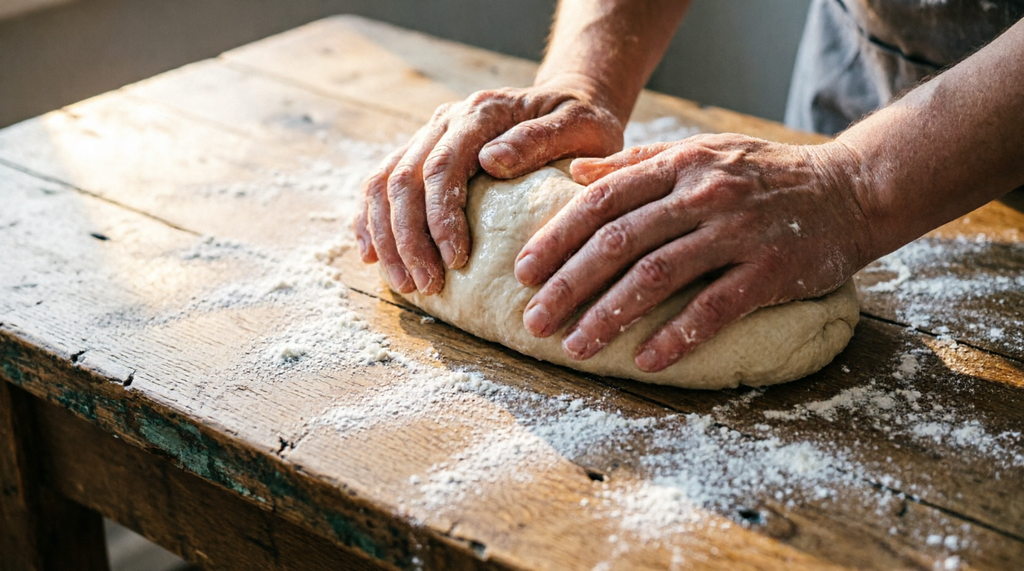
Baking metaphors are comparisons that use baking, ingredients, dough, ovens, cakes, bread, mixing, rising, or decorating to explain an idea, feeling, person, situation, or process. Instead of describing something in a plain way, the writer connects it to something familiar from baking. For example, “Her patience was the yeast in the dough” means her patience helped something slowly grow.
The phrase baking metaphors can mean two closely related things. It can refer to metaphors about baking itself, such as describing baking as a science, a journey, or an act of patience. It can also mean metaphors that use baking to describe something else, such as a plan that is “half-baked.”
For most writers, the second meaning is more useful because baking gives us many strong images: mixing suggests combining ideas, rising suggests growth, heat suggests pressure, and frosting can suggest appearance or a pleasant outer layer.
Quick definition
A baking metaphor uses an image from baking to explain another idea, emotion, person, or experience.
Simple examples
- “The idea is still in the oven.” → The idea is still developing.
- “Her kindness was the sugar in a hard day.” → Her kindness made a difficult day feel better.
- “Their friendship is a loaf of bread.” → Their friendship has grown through time and care.
- “His plan was half-baked.” → His plan was poorly developed.
- “The argument added heat to the room.” → The argument increased tension.
| Term | Simple meaning | Example |
|---|---|---|
| Baking metaphor | A baking image used to explain another idea | “Her patience was the yeast.” |
| Metaphor | A direct comparison without “like” or “as” | “His mind is a maze.” |
| Simile | A comparison using “like” or “as” | “The dough was soft like a cloud.” |
| Idiom | A fixed expression whose meaning may not be literal | “Piece of cake.” |
| Baking imagery | Sensory language connected with baking | “The warm bread filled the room with comfort.” |
| Analogy | A fuller comparison used to explain an idea | “Building trust is like making bread: it takes time.” |
Quick tip: Not every baking-related expression is technically a metaphor. Some are idioms, similes, analogies, or simple imagery. In everyday writing, however, people often group them together as figurative language.
Why We Use Baking Metaphors

Baking metaphors make abstract ideas easier to picture because most people understand basic baking actions such as mixing, measuring, waiting, heating, rising, cooling, and decorating. These familiar actions can represent planning, growth, patience, teamwork, pressure, creativity, relationships, success, and failure.
Baking metaphors are useful because they can make plain language more memorable.
Practical purpose
Compare these two sentences:
“The project needs more development.”
That is clear, but plain.
“The project is still in the oven.”
The second sentence creates an image. The reader can almost picture something unfinished slowly becoming ready.
In everyday conversation
People naturally use baking-related expressions when talking about plans and situations.
You might hear:
- “Something good is cooking.”
- “That idea is half-baked.”
- “Give it time to rise.”
- “We have all the ingredients.”
- “Don’t rush the process.”
Some of these are established expressions rather than original metaphors, but they show how easily baking language moves into everyday English.
In writing
Writers use baking metaphors to give abstract subjects a physical shape.
Instead of:
“Success takes patience.”
You could write:
“Success is a loaf that needs time to rise.”
The image gives the reader something concrete to remember.
In speaking
Baking metaphors work well in casual conversations, speeches, teaching, and storytelling.
A teacher might say:
“Your first draft is the batter, not the finished cake.”
That makes revision easier for students to understand.
In school
Students can use baking imagery in essays, creative writing, poems, and personal narratives.
For example:
“Every mistake was another ingredient in the recipe for her success.”
The metaphor turns failure into part of a larger process.
On social media
Short baking metaphors work especially well in captions.
Examples:
- “Still in the oven.”
- “Let the idea rise.”
- “A little sweetness goes a long way.”
- “Today needs extra frosting.”
- “Good things take time to bake.”
In professional communication
Use familiar metaphors carefully.
“The proposal is half-baked.”
This is vivid, but it can sound critical.
A softer professional version is:
“The proposal still needs more development.”
Pro tip: Use a baking metaphor when it makes the idea clearer, warmer, funnier, or more memorable. Do not add one just to make a sentence sound clever.
60+ Baking Metaphors With Meanings and Examples
The examples below are written as original metaphorical expressions rather than pretending every phrase is a traditional English idiom. This distinction matters. Some are creative metaphors that a writer can shape to fit a sentence, while expressions such as “piece of cake” are established idioms.
1. Life Is a Recipe
Meaning: Life is made from many choices, experiences, and ingredients.
Real explanation: A recipe combines different ingredients to create one result. This makes it a useful image for a life shaped by relationships, choices, mistakes, work, and opportunities.
Sample sentence:
“Life is a recipe, and every mistake adds a new flavor.”
When to use it: Personal essays, speeches, inspirational writing, and reflections.
When NOT to use it: Technical or highly formal writing where a literal explanation is better.
Alternatives:
- Life is a mixture of choices.
- Life is built from many parts.
- Every experience adds something.
Difficulty: Easy
Tone: Neutral / Inspirational
2. Her Patience Was Yeast
Meaning: Her patience helped something grow slowly.
Real explanation: Yeast causes dough to rise, but the process takes time. This makes yeast a strong metaphor for patience, support, or quiet growth.
Sample sentence:
“Her patience was yeast, helping his confidence rise little by little.”
When to use it: Creative writing, personal essays, poetry.
When NOT to use it: When the audience may not understand the baking reference.
Alternatives:
- Her patience helped him grow.
- Her patience was a quiet source of growth.
- She gave his confidence room to rise.
Difficulty: Medium
Tone: Creative
3. The Idea Was Still in the Oven
Meaning: The idea was still developing.
Real explanation: Food changes while it is in the oven. The same image can describe a plan or idea that exists but is not ready to share.
Sample sentence:
“I have a new business idea, but it’s still in the oven.”
When to use it: Conversations, creative writing, informal work settings.
When NOT to use it: Formal reports where “under development” is clearer.
Alternatives:
- The idea is still developing.
- The plan is not ready yet.
- The project is still taking shape.
Difficulty: Easy
Tone: Informal
4. His Plan Was Half-Baked
Meaning: His plan was incomplete or poorly thought out.
Real explanation: A cake or loaf that is only partly baked is not ready to eat. The expression transfers that unfinished state to a plan or idea.
Sample sentence:
“Moving the whole office tomorrow was a half-baked plan.”
When to use it: Casual conversation and informal writing.
When NOT to use it: Formal criticism where the phrase may sound blunt.
Alternatives:
- The plan was incomplete.
- The idea needed more work.
- The proposal was underdeveloped.
Difficulty: Easy
Tone: Informal
5. Their Friendship Was Dough
Meaning: Their friendship was still soft, unfinished, and capable of changing.
Real explanation: Dough can be shaped, stretched, folded, and changed before baking. This makes it useful for a new relationship that has not yet settled into a final form.
Sample sentence:
“At first, their friendship was dough, soft and easy to shape.”
When to use it: Stories, novels, personal writing.
When NOT to use it: Short formal documents.
Alternatives:
- Their friendship was still forming.
- Their bond was taking shape.
- Their relationship was still growing.
Difficulty: Medium
Tone: Creative
6. Her Words Were Sugar
Meaning: Her words made a difficult situation feel warmer or more pleasant.
Real explanation: Sugar adds sweetness to food. In a metaphor, it can represent kindness, encouragement, praise, or comfort.
Sample sentence:
“Her words were sugar on a very bitter morning.”
When to use it: Poetry, stories, heartfelt writing.
When NOT to use it: Serious technical writing.
Alternatives:
- Her words brought comfort.
- Her kindness softened the moment.
- She added warmth to the conversation.
Difficulty: Easy
Tone: Creative
7. Anger Was the Oven
Meaning: Anger created the pressure or heat that changed a situation.
Real explanation: An oven provides the heat that transforms raw ingredients. This makes it a strong image for pressure, anger, conflict, or intense circumstances.
Sample sentence:
“His anger was the oven that hardened their argument.”
When to use it: Fiction, poetry, reflective writing.
When NOT to use it: When a simpler word such as “pressure” gives a clearer meaning.
Alternatives:
- Anger increased the pressure.
- His anger intensified the conflict.
- The tension changed everything.
Difficulty: Medium
Tone: Creative
8. The Meeting Was a Mixing Bowl
Meaning: The meeting brought many different people or ideas together.
Real explanation: A mixing bowl holds ingredients that may be different but become part of one mixture. It works well for groups, meetings, teams, and communities.
Sample sentence:
“The meeting was a mixing bowl of opinions.”
When to use it: Essays, speeches, creative workplace writing.
When NOT to use it: Formal reports that require precise language.
Alternatives:
- The meeting brought ideas together.
- The group combined different views.
- Many opinions came together.
Difficulty: Easy
Tone: Neutral / Creative
9. Her Advice Was the Missing Ingredient
Meaning: Her advice provided the final thing needed for success.
Real explanation: A recipe can fail when an important ingredient is missing. The metaphor makes “missing part” more vivid.
Sample sentence:
“His advice was the missing ingredient in our project.”
When to use it: Conversation, presentations, essays, workplace communication.
When NOT to use it: When the audience expects technical precision.
Alternatives:
- Her advice completed the plan.
- Her idea filled the gap.
- Her help was essential.
Difficulty: Easy
Tone: Neutral
10. Their Team Was a Layer Cake
Meaning: The team had different roles or levels that worked together.
Real explanation: A layer cake is made of separate layers that become one finished dessert. It can represent people with different skills contributing to one goal.
Sample sentence:
“Our team is a layer cake: every person adds something different.”
When to use it: Team-building, speeches, creative workplace writing.
When NOT to use it: Highly formal corporate reports.
Alternatives:
- The team has complementary roles.
- Each person adds a different strength.
- The team works in layers.
Difficulty: Medium
Tone: Creative
11. Her Confidence Was Rising Dough
Meaning: Her confidence was slowly growing.
Real explanation: Dough expands gradually. It is an excellent image for confidence that develops through practice rather than appearing all at once.
Sample sentence:
“After every successful presentation, her confidence was rising dough.”
When to use it: Personal essays, stories, motivational writing.
When NOT to use it: Formal academic analysis.
Alternatives:
- Her confidence was growing.
- Her confidence was building.
- She was becoming more confident.
Difficulty: Medium
Tone: Creative
12. The Problem Was a Burnt Crust
Meaning: The problem was a damaged outer part that affected the result.
Real explanation: A burnt crust can ruin the outside of otherwise good food. The image can describe an obvious flaw or a difficult outer layer.
Sample sentence:
“The failed presentation was a burnt crust on an otherwise strong project.”
When to use it: Creative writing and reflective essays.
When NOT to use it: Direct business communication.
Alternatives:
- It was an obvious flaw.
- It damaged an otherwise good result.
- It was the weak point.
Difficulty: Medium
Tone: Creative
13. The Secret Was the Spice
Meaning: A small special detail made something better.
Real explanation: A small amount of spice can change the character of a dish. This makes spice a useful metaphor for humor, personality, creativity, or surprise.
Sample sentence:
“Her dry humor was the spice in every meeting.”
When to use it: Writing, conversation, profiles, social media.
When NOT to use it: When “small detail” is more precise.
Alternatives:
- Her humor added flavor.
- Her personality made it memorable.
- She gave it extra character.
Difficulty: Easy
Tone: Informal / Creative
14. His Failure Was a Bitter Ingredient
Meaning: His failure was unpleasant but became part of his growth.
Real explanation: Some ingredients taste bitter but still have a place in a larger recipe. The metaphor shows that painful experiences can contribute to a larger result.
Sample sentence:
“Failure was a bitter ingredient in his success.”
When to use it: Inspirational writing, biographies, speeches.
When NOT to use it: When discussing serious trauma in a way that could seem dismissive.
Alternatives:
- Failure became a lesson.
- His mistakes shaped him.
- The setback helped him grow.
Difficulty: Easy
Tone: Inspirational
15. The Deadline Was the Timer
Meaning: The deadline controlled how much time remained.
Real explanation: A baking timer creates a clear limit. This makes it a natural metaphor for deadlines and time pressure.
Sample sentence:
“With the deadline as our timer, we had to stop polishing and finish the report.”
When to use it: Workplace writing, student writing, conversations.
When NOT to use it: Rarely inappropriate, but avoid overusing it.
Alternatives:
- The deadline was approaching.
- Time was running out.
- We were under time pressure.
Difficulty: Easy
Tone: Neutral
16. Her Childhood Was the First Batch
Meaning: Early experiences shaped later life.
Real explanation: The first batch of cookies or bread teaches the baker what works and what needs changing. Childhood can be described similarly as an early stage that influences later choices.
Sample sentence:
“Her childhood was the first batch from which she learned what kind of life she wanted.”
When to use it: Memoirs, essays, fiction.
When NOT to use it: Sensitive personal writing where the metaphor may oversimplify real experiences.
Alternatives:
- Childhood shaped her future.
- Early experiences influenced her.
- Her early years taught her important lessons.
Difficulty: Advanced
Tone: Literary
17. Love Was a Warm Oven
Meaning: Love created safety, comfort, and warmth.
Real explanation: A warm oven suggests heat and shelter. The image works particularly well for family love, romantic love, or emotional safety.
Sample sentence:
“Her grandmother’s kitchen was a warm oven of love.”
When to use it: Poetry, memoir, sentimental writing.
When NOT to use it: Formal writing.
Alternatives:
- Love gave her a sense of safety.
- Her home was full of warmth.
- She felt protected and loved.
Difficulty: Medium
Tone: Warm / Literary
18. Hope Was a Small Spark in the Oven
Meaning: Hope was small but powerful enough to keep things moving.
Real explanation: A small spark can start a much larger process. The metaphor works for hope during difficult times.
Sample sentence:
“Her hope was a small spark in the oven, but it kept her moving.”
When to use it: Inspirational writing and poetry.
When NOT to use it: Simple everyday communication.
Alternatives:
- Hope kept her going.
- A little hope remained.
- Hope gave her strength.
Difficulty: Medium
Tone: Inspirational
19. His Mind Was a Flour Cloud
Meaning: His thoughts were scattered or unclear.
Real explanation: Flour can fill the air and make a kitchen look cloudy. The image can represent confusion, many thoughts, or mental disorder.
Sample sentence:
“His mind was a flour cloud after the long exam.”
When to use it: Creative writing and humor.
When NOT to use it: Medical or psychological descriptions.
Alternatives:
- His thoughts were scattered.
- His mind was foggy.
- He was confused.
Difficulty: Medium
Tone: Informal / Creative
20. Her Memory Was an Old Recipe
Meaning: Her memory held familiar experiences from the past.
Real explanation: An old recipe can carry family history, repeated traditions, and personal memories.
Sample sentence:
“Her memory was an old recipe, full of faded instructions and familiar smells.”
When to use it: Memoirs, stories, poetry.
When NOT to use it: Formal academic writing.
Alternatives:
- Her memory held the past.
- Old memories stayed with her.
- The past remained vivid.
Difficulty: Medium
Tone: Literary
21. The Conversation Needed Time to Rise
Meaning: The conversation needed time before it could become productive.
Real explanation: Dough does not become ready instantly. The metaphor suggests patience before a discussion produces something useful.
Sample sentence:
“We didn’t need another argument; the conversation needed time to rise.”
When to use it: Relationships, essays, creative writing.
When NOT to use it: Urgent professional communication.
Alternatives:
- We needed time to talk.
- The discussion needed to develop.
- We needed to let the conversation settle.
Difficulty: Medium
Tone: Creative
22. Trust Was the Flour
Meaning: Trust was a basic part of a successful relationship.
Real explanation: Flour is a basic ingredient in many baked goods. Calling trust “the flour” suggests that it forms a foundation rather than simply adding decoration.
Sample sentence:
“Trust was the flour in their friendship.”
When to use it: Relationship writing, speeches, essays.
When NOT to use it: When the metaphor becomes unclear because too many ingredients are introduced.
Alternatives:
- Trust was the foundation.
- Their relationship depended on trust.
- Trust held them together.
Difficulty: Easy
Tone: Neutral / Creative
23. Kindness Was the Frosting
Meaning: Kindness made an already good situation even better.
Real explanation: Frosting is added after the main cake is made. This makes it a useful metaphor for an extra quality that adds joy or beauty.
Sample sentence:
“Her kindness was the frosting on an already good day.”
When to use it: Friendly writing, social media, speeches.
When NOT to use it: Serious formal analysis.
Alternatives:
- Her kindness made it better.
- She added warmth to the moment.
- Her kindness was an extra gift.
Difficulty: Easy
Tone: Warm
24. His Apology Was an Unbaked Promise
Meaning: His apology had not yet been proven through action.
Real explanation: Something unbaked is not finished. The metaphor suggests that words alone are not enough.
Sample sentence:
“His apology was an unbaked promise until his actions changed.”
When to use it: Essays, stories, relationship writing.
When NOT to use it: A direct apology where clarity matters more.
Alternatives:
- His apology needed action.
- His words had not been proven.
- He needed to show he meant it.
Difficulty: Advanced
Tone: Literary
25. The Project Was a Wedding Cake
Meaning: The project was complex, carefully built, and made from many parts.
Real explanation: A large cake can contain several layers, fillings, decorations, and stages of preparation. It works well for complicated projects.
Sample sentence:
“The project was a wedding cake of deadlines, designs, and small details.”
When to use it: Creative presentations and essays.
When NOT to use it: Formal technical documentation.
Alternatives:
- The project had many layers.
- The project was complex.
- Many parts had to work together.
Difficulty: Medium
Tone: Creative
26. Her Anger Was a Hot Pan
Meaning: Her anger was dangerous to touch or handle carelessly.
Real explanation: A hot pan can cause harm if handled without care. This creates a strong metaphor for emotional danger.
Sample sentence:
“Her anger was a hot pan, and everyone knew not to grab it carelessly.”
When to use it: Fiction and creative nonfiction.
When NOT to use it: Formal conflict reports.
Alternatives:
- Her anger was intense.
- She was very upset.
- The situation was emotionally dangerous.
Difficulty: Easy
Tone: Creative
27. His Words Were a Rolling Pin
Meaning: His words pressured or flattened someone’s resistance.
Real explanation: A rolling pin presses and spreads dough. The metaphor can describe forceful speech or criticism.
Sample sentence:
“His sharp words were a rolling pin against her confidence.”
When to use it: Poetry and fiction.
When NOT to use it: Workplace feedback.
Alternatives:
- His words hurt her confidence.
- His criticism was harsh.
- He pressured her with his words.
Difficulty: Advanced
Tone: Literary
28. Her Creativity Was a Full Pantry
Meaning: She had many ideas and resources available.
Real explanation: A well-stocked pantry gives a baker many options. It therefore works as a metaphor for creativity and knowledge.
Sample sentence:
“Her creativity was a full pantry; she always had another idea.”
When to use it: Profiles, essays, creative writing.
When NOT to use it: Formal résumés or technical reports.
Alternatives:
- She had many ideas.
- She was full of creative resources.
- Her imagination was rich.
Difficulty: Easy
Tone: Creative
29. The Story Was a Loaf in the Making
Meaning: The story was developing gradually.
Real explanation: Bread takes several stages to become a finished loaf. This fits novels, projects, relationships, and personal growth.
Sample sentence:
“The novel was a loaf in the making, and every chapter added shape.”
When to use it: Writing about creative projects.
When NOT to use it: Short factual reports.
Alternatives:
- The story was developing.
- The project was taking shape.
- The work was still growing.
Difficulty: Easy
Tone: Creative
30. Failure Was a Burnt Cookie
Meaning: Failure was a mistake that taught a useful lesson.
Real explanation: A burnt cookie is a simple image of something going wrong. The metaphor can make failure feel less final and more like part of learning.
Sample sentence:
“That failed launch was a burnt cookie, not the end of the bakery.”
When to use it: Motivational writing and informal speeches.
When NOT to use it: Serious situations where the metaphor could minimize someone’s pain.
Alternatives:
- It was a setback.
- It was a learning experience.
- One failure does not define the result.
Difficulty: Easy
Tone: Informal / Encouraging
31. Patience Was the Cooling Rack
Meaning: Patience gives a person or situation time to settle.
Real explanation: A baked item often needs time to cool before it can be handled or served. The image fits emotional situations that should not be rushed.
Sample sentence:
“Patience was the cooling rack after their heated argument.”
When to use it: Relationship writing and reflective essays.
When NOT to use it: Urgent situations.
Alternatives:
- Patience gave them time to recover.
- They needed time to cool down.
- Waiting helped.
Difficulty: Medium
Tone: Creative
32. Her Questions Were a Sieve
Meaning: Her questions separated useful information from weak answers.
Real explanation: A sieve lets small particles through while catching larger ones. It can represent careful questioning and critical thinking.
Sample sentence:
“Her questions were a sieve, catching every weak excuse.”
When to use it: Essays, journalism, fiction.
When NOT to use it: Casual conversation unless the metaphor fits naturally.
Alternatives:
- Her questions exposed weak points.
- She tested every answer.
- She filtered out poor explanations.
Difficulty: Medium
Tone: Creative
33. The Team Was a Batch of Cookies
Meaning: A group worked together toward a shared result.
Real explanation: Individual cookies can come from one batch while still having small differences. This can describe a group that shares a goal without being identical.
Sample sentence:
“Our team was a batch of cookies: different shapes, same purpose.”
When to use it: Team-building and informal presentations.
When NOT to use it: Formal reports.
Alternatives:
- We were a diverse team.
- We shared one goal.
- Each person brought something different.
Difficulty: Easy
Tone: Informal
34. The First Draft Was Raw Batter
Meaning: The first draft was not finished.
Real explanation: Batter is not the final cake. Likewise, a first draft may contain good ideas but still require editing and shaping.
Sample sentence:
“Don’t judge the first draft too harshly; it’s raw batter.”
When to use it: Writing classes, editing, creative work.
When NOT to use it: When discussing a finished document.
Alternatives:
- The first draft was unfinished.
- The draft needed revision.
- The work was still developing.
Difficulty: Easy
Tone: Neutral / Creative
35. Revision Was the Oven
Meaning: Revision transformed rough writing into a stronger finished piece.
Real explanation: Heat changes batter into cake. Revision similarly changes an early draft through editing, cutting, rewriting, and refining.
Sample sentence:
“Revision was the oven that turned my rough draft into a finished essay.”
When to use it: Education, writing advice, creative essays.
When NOT to use it: Formal research writing unless the metaphor is clearly appropriate.
Alternatives:
- Revision improved the draft.
- Editing shaped the final work.
- Rewriting strengthened the piece.
Difficulty: Easy
Tone: Educational
36. Experience Was the Recipe Book
Meaning: Past experience provided guidance for future decisions.
Real explanation: A recipe book contains instructions learned and recorded over time. Experience can work in the same way.
Sample sentence:
“Experience was her recipe book when the new challenge arrived.”
When to use it: Speeches, essays, professional storytelling.
When NOT to use it: Precise technical instructions.
Alternatives:
- Experience guided her.
- Past lessons helped her decide.
- She learned from experience.
Difficulty: Easy
Tone: Neutral / Inspirational
37. The Workplace Was a Busy Kitchen
Meaning: The workplace was active, crowded, and full of competing tasks.
Real explanation: A busy kitchen requires people to move quickly, communicate, and manage several tasks at once.
Sample sentence:
“The office was a busy kitchen before the product launch.”
When to use it: Workplace storytelling and speeches.
When NOT to use it: Formal performance reviews.
Alternatives:
- The office was hectic.
- Everyone was handling several tasks.
- Work was moving quickly.
Difficulty: Easy
Tone: Informal
38. The Manager Was the Head Baker
Meaning: The manager guided the whole team or process.
Real explanation: A head baker coordinates the work in a professional bakery. The metaphor transfers that leadership role to a workplace.
Sample sentence:
“As the head baker, Maya kept the whole team moving.”
When to use it: Informal team communication and creative writing.
When NOT to use it: Official job descriptions.
Alternatives:
- Maya led the team.
- Maya coordinated the work.
- Maya managed the project.
Difficulty: Easy
Tone: Informal
39. Their Conflict Was a Cake Left in the Heat
Meaning: Their conflict became worse because nobody dealt with it.
Real explanation: Too much heat can ruin baked food. The image suggests that unresolved conflict can become damaging when left under pressure.
Sample sentence:
“Their silence was a cake left in the heat; eventually, something had to crack.”
When to use it: Fiction and relationship essays.
When NOT to use it: Serious counseling or formal conflict documents.
Alternatives:
- The conflict grew worse.
- Tension kept building.
- The problem was left unresolved.
Difficulty: Advanced
Tone: Literary
40. His Success Was a Perfect Rise
Meaning: His success developed in a smooth and impressive way.
Real explanation: A good rise suggests growth, progress, and successful timing.
Sample sentence:
“His career was a perfect rise from apprentice to owner.”
When to use it: Profiles, biographies, motivational writing.
When NOT to use it: When the person’s path was actually difficult or uneven and the metaphor would hide that.
Alternatives:
- His career grew steadily.
- He made strong progress.
- His career developed well.
Difficulty: Easy
Tone: Inspirational
41. Her Secret Was the Pinch of Salt
Meaning: A small detail made a noticeable difference.
Real explanation: Salt can affect the flavor of an entire dish even when only a small amount is used.
Sample sentence:
“Her honesty was the pinch of salt that made the story believable.”
When to use it: Creative writing and profiles.
When NOT to use it: Formal explanations.
Alternatives:
- Her honesty made the difference.
- One small detail changed everything.
- Her honesty added depth.
Difficulty: Easy
Tone: Creative
42. The Speech Needed More Flavor
Meaning: The speech needed more variety, energy, or personality.
Real explanation: Flavor is a natural metaphor for character and interest. A bland speech may be correct but fail to engage people.
Sample sentence:
“The speech was accurate, but it needed more flavor.”
When to use it: Writing feedback and casual professional settings.
When NOT to use it: Very formal evaluations unless explained.
Alternatives:
- The speech needed more personality.
- It needed more energy.
- It needed stronger examples.
Difficulty: Easy
Tone: Neutral / Informal
43. The Classroom Was a Bakery of Ideas
Meaning: The classroom produced and developed many ideas.
Real explanation: A bakery creates different products from basic ingredients. A classroom can similarly turn questions and knowledge into new ideas.
Sample sentence:
“The classroom became a bakery of ideas during the debate.”
When to use it: Education writing, speeches, school essays.
When NOT to use it: Formal academic research.
Alternatives:
- The classroom generated ideas.
- Students developed new thoughts.
- The discussion produced many ideas.
Difficulty: Medium
Tone: Creative
44. Her Voice Was Warm Bread
Meaning: Her voice sounded comforting, gentle, and familiar.
Real explanation: Warm bread often suggests comfort and home. This metaphor transfers that feeling to a person’s voice.
Sample sentence:
“Her voice was warm bread after a long, cold day.”
When to use it: Poetry, fiction, descriptive writing.
When NOT to use it: Formal descriptions.
Alternatives:
- Her voice was comforting.
- Her voice felt warm and familiar.
- Her voice brought comfort.
Difficulty: Medium
Tone: Literary
45. His Silence Was a Closed Oven
Meaning: His silence hid what was happening inside.
Real explanation: A closed oven prevents you from seeing the entire baking process. It can therefore represent secrecy, uncertainty, or hidden development.
Sample sentence:
“His silence was a closed oven; nobody knew what he was thinking.”
When to use it: Fiction, poetry, reflective writing.
When NOT to use it: Direct communication.
Alternatives:
- He kept his thoughts hidden.
- Nobody knew what he was thinking.
- His silence created uncertainty.
Difficulty: Medium
Tone: Literary
46. Their Dreams Were Flour on the Counter
Meaning: Their dreams were raw materials waiting to become something real.
Real explanation: Flour alone is not bread or cake, but it can become something valuable when combined with other ingredients and effort.
Sample sentence:
“Their dreams were flour on the counter, waiting for courage to shape them.”
When to use it: Inspirational writing and poetry.
When NOT to use it: Formal communication.
Alternatives:
- Their dreams were full of potential.
- They had the raw materials for success.
- Their ideas were waiting to grow.
Difficulty: Medium
Tone: Inspirational
47. Her Courage Was the Oven Light
Meaning: Her courage gave her enough hope to keep going in uncertainty.
Real explanation: The oven light lets someone see what is happening without opening the door. It can represent a small source of guidance during an uncertain process.
Sample sentence:
“Her courage was the oven light when the future looked dark.”
When to use it: Poetry, stories, motivational writing.
When NOT to use it: Formal writing.
Alternatives:
- Courage guided her.
- Her courage gave her hope.
- She kept going despite uncertainty.
Difficulty: Medium
Tone: Inspirational
48. The Rumor Was a Burnt Smell
Meaning: A rumor was an early sign that something was wrong.
Real explanation: A burnt smell can warn a baker that food is in trouble before the damage becomes visible.
Sample sentence:
“The rumor was a burnt smell before the scandal became public.”
When to use it: Fiction, journalism-style creative writing.
When NOT to use it: Unless the rumor is verified, avoid presenting it as fact.
Alternatives:
- The rumor was an early warning.
- It suggested trouble was coming.
- It was a warning sign.
Difficulty: Advanced
Tone: Literary
49. The Team Needed to Knead Its Differences
Meaning: The team needed to work through disagreements.
Real explanation: Kneading repeatedly works dough until it becomes more workable. The verb can be turned into a playful metaphor for working through conflict.
Sample sentence:
“The team had to knead its differences before it could move forward.”
When to use it: Creative speeches, team-building writing, humor.
When NOT to use it: Formal conflict-resolution documents.
Alternatives:
- The team needed to work through its differences.
- They needed to resolve the conflict.
- They had to find common ground.
Difficulty: Advanced
Tone: Playful
50. The Project Needed More Kneading
Meaning: The project needed more work and refinement.
Real explanation: Dough becomes stronger through repeated kneading. The metaphor suggests that a rough idea can improve through continued effort.
Sample sentence:
“The proposal has promise, but it needs more kneading before we present it.”
When to use it: Creative workplace conversations.
When NOT to use it: Formal reports.
Alternatives:
- The proposal needs refinement.
- The idea needs more work.
- We should develop it further.
Difficulty: Medium
Tone: Informal
51. Her Life Had Too Many Ingredients
Meaning: Too many demands or influences were affecting her life.
Real explanation: A recipe can become difficult to balance when too many ingredients compete. The metaphor works for busy lives and complicated situations.
Sample sentence:
“Her life had too many ingredients: work, school, family, and no time to rest.”
When to use it: Personal essays and conversation.
When NOT to use it: Formal descriptions of someone’s responsibilities.
Alternatives:
- She had too many demands.
- Her life was complicated.
- She was juggling too much.
Difficulty: Easy
Tone: Neutral / Creative
52. His Excuses Were Burnt Flour
Meaning: His excuses were useless and could not fix the situation.
Real explanation: Burnt flour has lost its usefulness for many baking purposes. The image suggests something that cannot rescue a failed result.
Sample sentence:
“By then, his excuses were burnt flour; nobody believed them.”
When to use it: Fiction and strong creative writing.
When NOT to use it: Professional criticism unless you want a deliberately playful tone.
Alternatives:
- His excuses no longer worked.
- Nobody believed his excuses.
- His explanations could not fix the problem.
Difficulty: Advanced
Tone: Literary
53. The Memory Was a Family Recipe
Meaning: The memory was passed down and connected people across generations.
Real explanation: Family recipes often carry stories, traditions, and personal history. This makes them powerful symbols of memory and heritage.
Sample sentence:
“That old kitchen was a family recipe written in walls and photographs.”
When to use it: Memoirs, family stories, cultural writing.
When NOT to use it: Simple factual descriptions.
Alternatives:
- The memory connected generations.
- The tradition was passed down.
- The place held family history.
Difficulty: Medium
Tone: Warm / Literary
54. Her Smile Was the Cherry on the Cake
Meaning: Her smile was the final pleasant detail that made an already good moment better.
Real explanation: This is based on an established English expression rather than a newly invented metaphor. It is widely understood and works naturally in informal English.
Sample sentence:
“Winning the award was wonderful, and seeing her smile was the cherry on the cake.”
When to use it: Casual speech and informal writing.
When NOT to use it: Formal academic writing.
Alternatives:
- The finishing touch.
- An added bonus.
- The perfect final detail.
Difficulty: Easy
Tone: Informal
55. The Test Was a Piece of Cake
Meaning: The test was very easy.
Real explanation: This is a common idiom, not simply a literal statement about cake. It uses cake as an image for something easy and pleasant.
Sample sentence:
“The math quiz was a piece of cake.”
When to use it: Informal conversation.
When NOT to use it: Formal academic writing.
Alternatives:
- The test was easy.
- The quiz was simple.
- It was no trouble.
Difficulty: Easy
Tone: Informal
56. She Had Too Much on Her Plate
Meaning: She had too many responsibilities.
Real explanation: A plate can hold several foods at once. In the idiom, it represents the number of tasks or problems someone must handle.
Sample sentence:
“I’d help, but I already have too much on my plate.”
When to use it: Everyday conversation and informal workplace speech.
When NOT to use it: Very formal reports.
Alternatives:
- I have too much to do.
- I have too many responsibilities.
- My workload is heavy.
Difficulty: Easy
Tone: Informal
57. The New Project Was Cooking
Meaning: The project was developing or becoming exciting.
Real explanation: “Something is cooking” is a familiar informal expression used when a plan or event seems to be developing.
Sample sentence:
“We can’t announce anything yet, but something exciting is cooking.”
When to use it: Casual speech, social media, informal workplace conversation.
When NOT to use it: Formal announcements.
Alternatives:
- Something is developing.
- Something is in progress.
- Something exciting is coming.
Difficulty: Easy
Tone: Informal
58. The Argument Was Getting Heated
Meaning: The argument was becoming more emotional or angry.
Real explanation: Heat is commonly used as a metaphor for emotional intensity. Although this is broader than baking, the image connects naturally with ovens and hot baking environments.
Sample sentence:
“The discussion got heated when they started blaming each other.”
When to use it: Everyday English.
When NOT to use it: Rarely inappropriate, but use a more precise phrase in formal reports.
Alternatives:
- The argument became tense.
- Emotions rose.
- The discussion became intense.
Difficulty: Easy
Tone: Neutral
59. Don’t Open the Oven Too Soon
Meaning: Do not interfere with a process before it is ready.
Real explanation: Opening an oven at the wrong time can affect some baked goods. As a metaphor, it teaches patience and warns against checking or changing something too early.
Sample sentence:
“Don’t open the oven too soon; give the new team time to settle.”
When to use it: Advice, coaching, creative writing.
When NOT to use it: Situations where early intervention is actually necessary.
Alternatives:
- Don’t rush the process.
- Give it time.
- Let things develop.
Difficulty: Medium
Tone: Informal / Creative
60. The Recipe Was Written in Mistakes
Meaning: Success was built from past errors and lessons.
Real explanation: A recipe can change through repeated attempts. Each mistake can teach the baker what to change next time.
Sample sentence:
“Her career was a recipe written in mistakes, corrections, and second chances.”
When to use it: Biographies, personal essays, motivational writing.
When NOT to use it: Formal résumés.
Alternatives:
- Her mistakes shaped her career.
- She learned through experience.
- Her failures taught her what worked.
Difficulty: Medium
Tone: Inspirational
61. His Character Was Baked In
Meaning: A quality had become a deep and lasting part of him.
Real explanation: Baking changes ingredients throughout the entire structure of the food. “Baked in” can therefore suggest a quality that is deeply established.
Sample sentence:
“Honesty was baked into his character from childhood.”
When to use it: Profiles, essays, speeches.
When NOT to use it: When discussing qualities that are still developing.
Alternatives:
- Honesty was part of his character.
- He was deeply honest.
- The quality was firmly established.
Difficulty: Easy
Tone: Neutral
62. The Lesson Was Baked Into the Experience
Meaning: The lesson became a permanent part of what someone learned.
Real explanation: The metaphor suggests that the lesson is not an extra detail. It has become part of the experience itself.
Sample sentence:
“The lesson was baked into the experience, and she never forgot it.”
When to use it: Reflective writing, essays, speeches.
When NOT to use it: Formal scientific writing.
Alternatives:
- The experience taught her a lasting lesson.
- She learned something important.
- The lesson stayed with her.
Difficulty: Easy
Tone: Neutral / Inspirational
63. Their Relationship Was Still Proofing
Meaning: Their relationship was still developing and gaining strength.
Real explanation: Proofing gives dough time to develop before baking. It makes a useful metaphor for a relationship that needs time, trust, and patience.
Sample sentence:
“They weren’t ready to define the relationship; it was still proofing.”
When to use it: Casual conversation, fiction, social media.
When NOT to use it: Formal relationship writing.
Alternatives:
- Their relationship was still developing.
- They were getting to know each other.
- Their bond was still growing.
Difficulty: Advanced
Tone: Informal / Creative
64. The Truth Was Under the Frosting
Meaning: The real situation was hidden beneath an attractive appearance.
Real explanation: Frosting can make a cake look beautiful without revealing everything underneath. The metaphor works for appearances that hide reality.
Sample sentence:
“The truth was under the frosting: the perfect family was struggling.”
When to use it: Fiction, essays, social commentary.
When NOT to use it: When the facts are not established.
Alternatives:
- The truth was hidden beneath the surface.
- Appearances were misleading.
- There was more beneath the surface.
Difficulty: Medium
Tone: Literary
65. Her Story Was a Multi-Layer Cake
Meaning: Her story had many connected parts and emotions.
Real explanation: Different cake layers can represent different periods, experiences, or sides of a person’s life.
Sample sentence:
“Her story was a multi-layer cake of loss, humor, courage, and hope.”
When to use it: Biographies, memoirs, reviews, creative writing.
When NOT to use it: Very short factual writing.
Alternatives:
- Her story had many layers.
- Her life was complex.
- Many experiences shaped her story.
Difficulty: Easy
Tone: Literary
66. The Future Was a Blank Cake
Meaning: The future had not yet been shaped or decorated.
Real explanation: A plain cake can become many different things depending on what is added. The metaphor represents possibility and choice.
Sample sentence:
“The future was a blank cake, and she finally had the freedom to decorate it.”
When to use it: Inspirational writing and personal essays.
When NOT to use it: Formal planning documents.
Alternatives:
- The future was open.
- She had many possibilities.
- Her future was hers to shape.
Difficulty: Easy
Tone: Inspirational
67. His Fear Was a Locked Pantry
Meaning: Fear prevented him from accessing his abilities or opportunities.
Real explanation: A pantry can contain useful ingredients, but a locked door prevents access. The metaphor turns fear into a barrier.
Sample sentence:
“His fear was a locked pantry full of skills he refused to use.”
When to use it: Fiction, motivational writing, personal essays.
When NOT to use it: Clinical or highly formal contexts.
Alternatives:
- Fear held him back.
- His fear blocked his potential.
- He was afraid to use his abilities.
Difficulty: Medium
Tone: Creative
68. Her Wisdom Was a Well-Used Recipe
Meaning: Her wisdom came from experience and repeated practice.
Real explanation: A recipe becomes familiar through repeated use. The metaphor suggests practical knowledge that has been tested over time.
Sample sentence:
“Her advice was a well-used recipe, simple because experience had tested every step.”
When to use it: Character descriptions, essays, speeches.
When NOT to use it: Technical reports.
Alternatives:
- Her wisdom came from experience.
- She had practical knowledge.
- Her advice was tested over time.
Difficulty: Medium
Tone: Warm / Literary
69. Success Was the Finished Loaf
Meaning: Success was the result of many earlier steps.
Real explanation: A loaf represents the final result after measuring, mixing, kneading, rising, shaping, and baking. It is useful when showing that success is a process.
Sample sentence:
“Success was the finished loaf, but every failure had shaped the dough.”
When to use it: Speeches, essays, motivational writing.
When NOT to use it: When you need to explain a precise process.
Alternatives:
- Success was the final result.
- Success came from many steps.
- The outcome reflected years of work.
Difficulty: Easy
Tone: Inspirational
70. Hope Was the First Ingredient
Meaning: Hope was the starting point for everything that followed.
Real explanation: Ingredients begin the baking process. Calling hope the first ingredient suggests that hope made later effort possible.
Sample sentence:
“Hope was the first ingredient in rebuilding her life.”
When to use it: Inspirational writing, speeches, poetry.
When NOT to use it: Formal reports.
Alternatives:
- Hope was the starting point.
- Hope gave her a reason to continue.
- Everything began with hope.
Difficulty: Easy
Tone: Inspirational
Real-Life Conversations
Baking metaphors sound best when they fit the situation. These short conversations show how they can appear naturally instead of being forced into every sentence.
Conversation 1: Friends
Mia: “Are you still working on that business idea?”
Jake: “Yeah. It’s still in the oven.”
Mia: “So you haven’t launched yet?”
Jake: “Not yet. I’m testing a few things first.”
Mia: “Good. Better to bake it right than rush it.”
Jake: “Exactly.”
🎯 Lesson: “Still in the oven” works naturally for an idea or project that is still developing.
Conversation 2: Student and Teacher
Student: “I hate my first draft.”
Teacher: “Don’t worry. Your first draft is raw batter.”
Student: “So it’s supposed to be messy?”
Teacher: “Pretty much. Revision is where you turn it into the cake.”
Student: “That actually makes me feel better.”
🎯 Lesson: A baking metaphor can make an abstract writing process easier for students to understand.
Conversation 3: Family
Mom: “You seem stressed.”
Daughter: “I have school, work, and three projects due.”
Mom: “Sounds like you have too much on your plate.”
Daughter: “That is exactly what it feels like.”
Mom: “Then take one thing off the plate tonight.”
Daughter: “Fair enough.”
🎯 Lesson: “Too much on your plate” is an established everyday idiom for having too many responsibilities.
Conversation 4: Office
Manager: “What do you think of the proposal?”
Daniel: “Honestly? It’s a little half-baked.”
Manager: “What needs work?”
Daniel: “The budget and timeline. The main idea is good.”
Manager: “Okay. Let’s fix those before we send it.”
🎯 Lesson: “Half-baked” is useful in informal professional conversation, but a softer phrase may be better in a formal report.
Conversation 5: Dating
Ava: “So, are you two officially together?”
Sam: “Not really. We’re still proofing.”
Ava: “Proofing?”
Sam: “You know—giving it time to grow before we decide what it is.”
Ava: “That’s actually kind of cute.”
🎯 Lesson: Creative metaphors can make casual conversations playful, but they work best when the listener can understand them from context.
Everyday Usage
Baking metaphors can appear in many types of communication, but the best metaphor depends on the audience and purpose. Familiar idioms are safest in conversation, while original baking imagery gives creative writing more personality. In professional writing, use metaphors only when they improve clarity rather than replace precise information.
Conversation
Common conversational expressions include:
- “That’s a piece of cake.”
- “I have too much on my plate.”
- “Something is cooking.”
- “The argument got heated.”
- “The idea is still in the oven.”
These expressions sound natural because listeners already know them.
Writing
Creative writing gives you more freedom.
“Her confidence was rising dough, slow but impossible to ignore.”
This would fit a personal essay or story better than a business report.
Books
Novelists can use baking imagery to build character and setting.
“The kitchen smelled like warm bread, and for a moment the house felt safe.”
Here, baking is not simply a comparison. It also creates sensory imagery.
Movies
Characters may use simple baking idioms because dialogue needs to sound natural.
“Don’t worry. It’s a piece of cake.”
A screenwriter can also build a longer metaphor into a character’s speech when it reveals personality.
Poetry
Poetry gives baking metaphors room to become more imaginative.
“Hope was yeast / hidden in the dark / making tomorrow rise.”
Short images can carry a lot of emotion.
Emails
In professional email, choose familiar metaphors carefully.
Informal:
“We’re almost there. The plan is still baking.”
More professional:
“We’re still developing the plan.”
Text messages
Short expressions work well:
- “Still baking 😂”
- “That idea needs more time in the oven.”
- “I have way too much on my plate.”
- “Piece of cake!”
Baking metaphors can create short, memorable captions:
“A little patience. A little courage. Let it rise.”
A longer metaphor can work well with a personal story:
“Some seasons of life feel like unfinished dough. You can’t see the final shape yet, but that doesn’t mean nothing is happening.”
X
Keep the image short:
“Not every good idea needs to be served today. Some things need time in the oven.”
Professional readers usually respond better to familiar metaphors than highly unusual ones.
“A strong team is a recipe: different skills, one shared result.”
Avoid stacking several metaphors in one post.
School assignments
Baking metaphors are especially useful in:
- Personal narratives
- Poetry
- Descriptive essays
- Creative writing
- Speeches
- Reflective essays
For example:
“My first failure was a burnt cookie. It looked like the end, but it taught me how to start again.”
Writing Tips
The strongest baking metaphor is not necessarily the most unusual one. It is the one that makes the reader understand your point quickly. Use familiar baking actions for familiar ideas: rising for growth, mixing for combining, heat for pressure, cooling for patience, and ingredients for the parts of a larger result.
1. Match the baking action to the meaning
A good metaphor has a logical connection.
Rising → growth
“Her confidence was rising dough.”
Mixing → combining
“The meeting was a mixing bowl of ideas.”
Baking → development
“The plan was still in the oven.”
Cooling → patience
“They needed time on the cooling rack.”
Frosting → appearance
“The truth was under the frosting.”
2. Do not force the metaphor
Bad:
“My deadline was a cupcake, and my manager was flour, while my email became an oven.”
The images do not work together.
Better:
“The deadline was a timer, and it was running out.”
3. Avoid mixing unrelated metaphors
If you begin with a baking image, stay with it for a reasonable amount of time.
Weak:
“The project was dough, then it became a train, and finally it turned into a storm.”
Better:
“The project was dough. It needed time, pressure, and careful shaping.”
4. Use simple baking actions
The most understandable images usually involve:
- Mixing
- Measuring
- Kneading
- Rising
- Baking
- Cooling
- Slicing
- Decorating
- Tasting
- Sharing
These actions are easy for readers to picture.
Formal vs. informal
Informal:
“The proposal is half-baked.”
Formal:
“The proposal requires further development.”
Informal:
“I have too much on my plate.”
Formal:
“My current workload is very high.”
Speaking vs. writing
In speech, established expressions are usually safest.
In creative writing, original metaphors can be much more powerful.
British vs. American English
Most baking metaphors work in both varieties of English. Some baking vocabulary can differ by region, though.
For example, American English commonly uses “cookie,” while British English often uses “biscuit” for similar everyday baked treats.
The figurative idea usually survives the vocabulary difference.
Children vs. adults
Baking metaphors are excellent for teaching children because they use things children can picture.
For example:
“Revision is like baking a cake. Your first draft is not the finished product.”
For adults, you can use more abstract metaphors:
“Trust is the flour holding the relationship together.”
Professional communication
Use familiar metaphors when they save words without reducing clarity.
Good:
“We need all the ingredients before we start.”
Less suitable:
“Our quarterly strategy is a seven-layer raspberry cake.”
The second sentence may sound playful, but it does not communicate a clear business idea.
Creative writing
Creative writing allows the metaphor to carry emotion.
Instead of:
“She missed her grandmother.”
Try:
“Her grandmother lived in the smell of warm bread.”
That sentence uses baking imagery to connect smell, memory, family, and loss.
Common Mistakes
The biggest mistake with baking metaphors is not grammar. It is using an image that does not clearly match the meaning. A metaphor should help the reader understand or feel something. If the comparison needs a long explanation, simplify it.
| Mistake | Reason | Correct version | Practical explanation |
|---|---|---|---|
| Calling every baking phrase a metaphor | Some are idioms or similes | Label them accurately | “Piece of cake” is an idiom. |
| Mixing too many food images | The reader gets confused | Keep one main image | Stay with the oven metaphor. |
| Using “half-baked” in a formal report | It can sound blunt | “Needs further development” | Match the tone to the audience. |
| Using a strange metaphor without context | Readers may not understand it | Add context | Explain the image through the sentence. |
| Repeating the same metaphor | It becomes boring | Change or remove it | One strong image is often enough. |
| Using a metaphor that minimizes serious pain | It may sound insensitive | Use direct language | Not every subject needs playful imagery. |
| Confusing metaphor and simile | They use different structures | Compare correctly | “She is cake” differs from “She is like cake.” |
| Explaining the metaphor too much | The image loses power | Let the context help | Trust simple imagery. |
| Using “baking” as a filler word | It adds no meaning | Choose a precise metaphor | Every image should serve a purpose. |
| Forcing metaphors into SEO content | Readers notice unnatural wording | Write for people first | Search optimization should not damage readability. |
Practice Exercise
Rewrite each plain sentence using a natural baking metaphor. Try to keep the meaning clear.
1. The plan is not ready yet.
Possible answer:
“The plan is still in the oven.”
2. She became more confident slowly.
Possible answer:
“Her confidence was rising dough.”
3. The team had many different opinions.
Possible answer:
“The team was a mixing bowl of opinions.”
4. His idea was incomplete.
Possible answer:
“His idea was half-baked.”
5. She had too many responsibilities.
Possible answer:
“She had too much on her plate.”
6. The project needed more development.
Possible answer:
“The project needed more kneading.”
7. Her kindness made the day better.
Possible answer:
“Her kindness was the frosting on the day.”
8. Their relationship was still developing.
Possible answer:
“Their relationship was still proofing.”
9. His experience helped guide him.
Possible answer:
“Experience was his recipe book.”
10. Failure taught her something useful.
Possible answer:
“Failure was a burnt cookie that taught her how to bake better.”
Practice tip
Do not try to make every sentence poetic. The best metaphor is often simple.
A good test is:
Can a reader understand the comparison without asking you what you meant?
If yes, the metaphor is probably doing its job.
Multiple Choice Questions
1. What is a baking metaphor?
A. A recipe instruction
B. A comparison that uses baking imagery to express another idea
C. A list of baking ingredients
D. A type of cake
Answer: B
2. What does “half-baked idea” usually mean?
A. Delicious
B. Expensive
C. Incomplete or poorly developed
D. Very creative
Answer: C
3. In “Her confidence was rising dough,” what does rising represent?
A. Failure
B. Growth
C. Anger
D. Silence
Answer: B
4. What does “too much on my plate” mean?
A. I am hungry.
B. I have too many responsibilities.
C. I am baking.
D. I dislike food.
Answer: B
5. Which sentence is the strongest metaphor?
A. Her confidence was like rising dough.
B. Her confidence was rising dough.
C. Her confidence grew slowly.
D. She baked bread.
Answer: B
6. Which expression is an idiom?
A. “Her patience was yeast.”
B. “His mind was a flour cloud.”
C. “Piece of cake.”
D. “The classroom was a bakery.”
Answer: C
7. What can “the missing ingredient” represent?
A. A missing part needed for success
B. A cooking mistake only
C. A kitchen tool
D. A finished cake
Answer: A
8. Which metaphor best represents patience?
A. The cooling rack
B. A burnt cookie
C. A sharp knife
D. A broken plate
Answer: A
9. Which sentence is most suitable for a formal report?
A. “The plan is half-baked.”
B. “The plan needs further development.”
C. “The plan needs more frosting.”
D. “The plan is still cooking.”
Answer: B
10. What makes a metaphor effective?
A. It must be complicated.
B. It must use as many images as possible.
C. It should make the meaning clearer or more memorable.
D. It should always be funny.
Answer: C
Answer Key
1-B, 2-C, 3-B, 4-B, 5-B, 6-C, 7-A, 8-A, 9-B, 10-C
Related Terms
Baking metaphors overlap with several forms of figurative language, but they are not all the same. Understanding the difference helps writers choose the right term and avoid labeling every creative baking expression as a metaphor.
| Term | What it does | Example |
|---|---|---|
| Metaphor | Directly compares one thing with another | “Her confidence was rising dough.” |
| Simile | Compares using “like” or “as” | “Her confidence rose like dough.” |
| Idiom | Fixed expression with a special meaning | “Piece of cake.” |
| Analogy | Explains one idea through a fuller comparison | “Building trust is like baking bread because both need time.” |
| Personification | Gives human traits to something nonhuman | “The oven waited patiently.” |
| Imagery | Creates a sensory picture | “Warm bread filled the kitchen with a sweet smell.” |
| Symbolism | Lets an object represent a larger idea | Bread can symbolize home or nourishment. |
| Hyperbole | Uses deliberate exaggeration | “I had a mountain of cookies.” |
Baking metaphor vs. baking simile
The easiest distinction is grammar.
Metaphor:
“Her patience was yeast.”
Simile:
“Her patience was like yeast.”
Both compare patience to yeast, but the metaphor makes the comparison directly.
Baking metaphor vs. idiom
An idiom is a set expression that English speakers recognize as having a conventional meaning.
“That test was a piece of cake.”
A creative metaphor is more flexible:
“Her courage was the yeast in the dark.”
The second sentence is something a writer creates for a particular context.
Baking metaphor vs. symbolism
Symbolism gives an object a broader meaning.
For example, bread may symbolize home, nourishment, community, or survival in a story.
A metaphor makes a direct comparison:
“Their home was warm bread.”
The two techniques can overlap, but they are not identical.
FAQs:
What are baking metaphors?
Baking metaphors are figurative comparisons that use baking ideas to explain something else. They can use ingredients, dough, ovens, heat, rising, mixing, cooling, or decorating. For example, saying “the idea is still in the oven” means the idea is still developing. These metaphors make abstract ideas easier to picture and can add warmth, humor, or creativity to writing.
What is a good metaphor for baking?
A strong general metaphor is “Baking is a lesson in patience.” It works because baking often requires measuring, mixing, waiting, heating, and cooling before the final result is ready. For creative writing, you can make the image more specific: “Baking is a quiet conversation between time and heat.” The best choice depends on what you want the metaphor to express.
What is a metaphor for a cake?
A cake can represent many things depending on its features. A layer cake can represent a complex life or relationship with many parts. A plain cake can represent potential waiting to be shaped. A burnt cake can represent failure or a mistake. A beautifully frosted cake can represent something attractive on the outside that may hide problems underneath.
What is a metaphor for dough?
Dough is a useful metaphor for something that is still forming. It can represent a new idea, friendship, career, identity, or plan because dough can be mixed, kneaded, shaped, and left to rise. For example, “Their friendship was dough” suggests that their relationship was still soft, unfinished, and capable of becoming something stronger.
What is a metaphor for a baker?
A baker can represent a creator, builder, teacher, leader, or patient worker. The best metaphor depends on the situation. A teacher could be described as a baker who turns raw knowledge into understanding. A leader could be a head baker who coordinates different ingredients, or team members, to produce one finished result.
What is a metaphor for baking a cake?
Baking a cake can represent a process of creation or growth. Each step can stand for a different part of life: ingredients can represent resources, mixing can represent cooperation, baking can represent pressure or transformation, and cooling can represent patience. For example, “Building her career was like baking a cake; every stage mattered.”
Is “piece of cake” a metaphor?
“Piece of cake” is best treated as an idiom in modern everyday English. It means that something is very easy. The expression uses the pleasant and easy-to-eat nature of cake to communicate ease. For example, “The exam was a piece of cake” means the exam was easy. It is common in informal American English.
Can I use baking metaphors in academic writing?
Yes, but use them carefully. A simple, well-chosen metaphor can make an academic explanation clearer, especially in essays or teaching materials. However, research papers often require precise language. Instead of writing “the theory is half-baked,” a formal paper might say “the theory is insufficiently developed.” Always match the metaphor to the purpose and audience.
Are baking metaphors good for poems?
Yes. Baking gives poetry many sensory images: warmth, sweetness, flour, dough, yeast, rising, heat, smell, texture, and sharing. These details can represent love, family, childhood, patience, grief, growth, or hope. A line such as “Hope was yeast in the dark” can suggest quiet growth without explaining the feeling directly.
How do I create my own baking metaphor?
Start with the idea you want to describe. Then choose a baking action that behaves in a similar way. growth choose rising. For combining ideas choose mixing pressure choose heat patience choose cooling or proofing hidden problems, choose frosting. Keep the connection simple enough that readers can understand it.
Final Thoughts:
Baking gives writers a surprisingly rich set of images. Dough can represent growth. Yeast can represent patience. Heat can represent pressure. Ingredients can represent the parts of a larger plan. Frosting can represent appearance, while cooling can represent the need to wait.
The strongest baking metaphors are not the strangest ones. They are the ones that make a reader understand something quickly and feel something at the same time.
If you’re writing for beginners start with familiar images such as half-baked, piece of cake,too much on my plate, or the missing ingredient. When you’re writing poetry, fiction, or personal essays you have more freedom to create fresh images such as her patience was yeast or his silence was a closed oven.
A useful rule is simple: choose the baking image because it fits the meaning, not because it sounds clever. When the comparison feels natural the metaphor disappears into the writing and that is often when it works best.

Kiara is a passionate English language writer, vocabulary researcher, and content creator with over 5 years of experience in writing about word meanings, definitions, phrases, expressions, slang, and everyday English. As an experienced writer and researcher, she enjoys turning confusing words and unfamiliar expressions into clear, simple, and easy-to-understand explanations.