
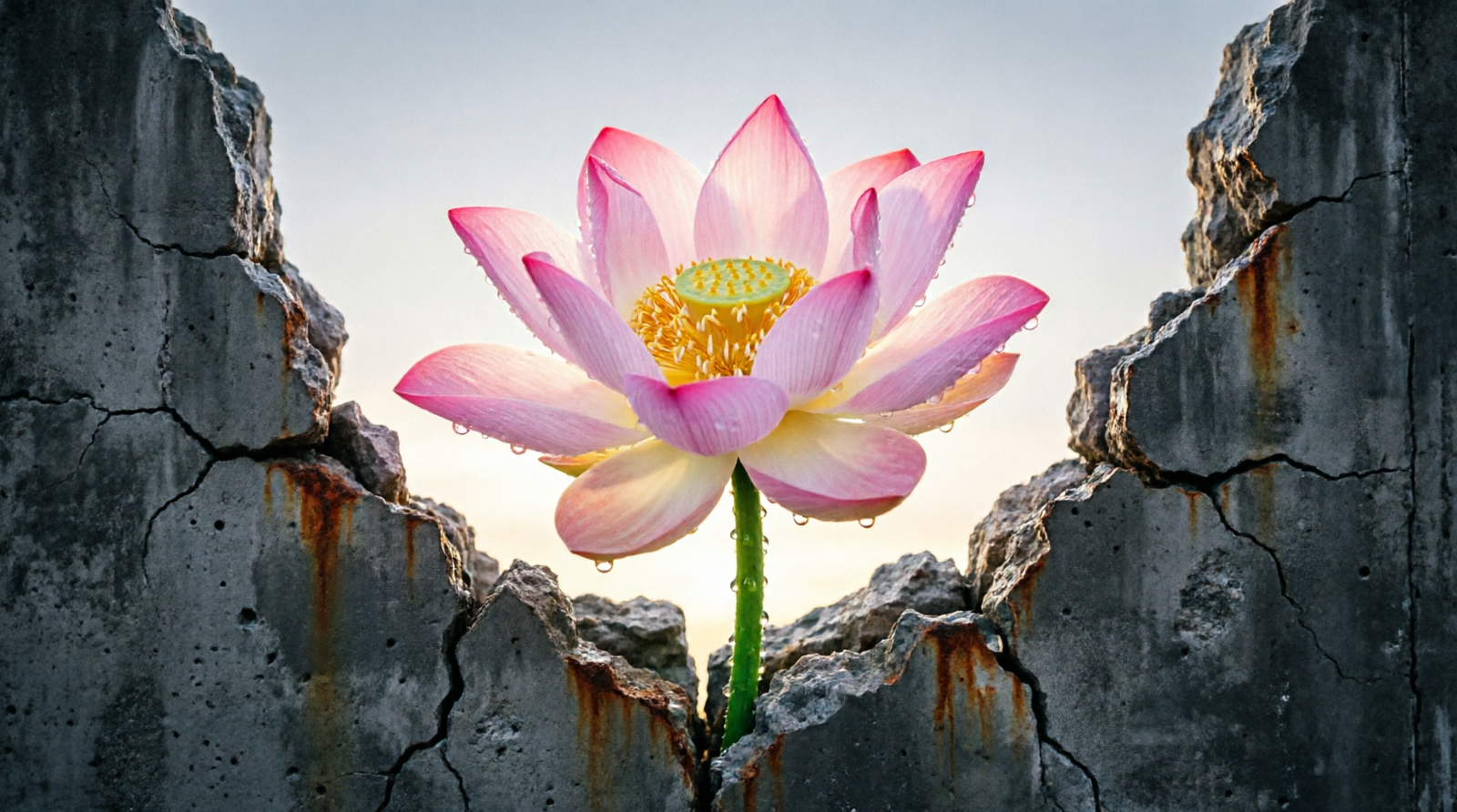
Women’s rights can be difficult to describe in a few plain words. When someone searches for a metaphor for women’s rights, they may not want a dictionary definition. They may need a powerful image for an essay speech poem story social media post classroom assignment or creative piece.
A metaphor makes an idea easier to picture. Instead of simply saying that women deserve equal rights you might describe equality as a level playing field freedom as an open door or women’s voices as a light that cannot be hidden.
These expressions can make writing more memorable without making it complicated. The best metaphor depends on what you want to emphasize: equality freedom opportunity courage dignity voice progress or justice.
This guide brings together more than metaphors for women’s rights with simple explanations example sentences usage notes alternatives and tone guidance. You will also see how these metaphors work in conversations, essays poetry social media professional writing and speeches.
The guide is updated for 2026 and is designed to help you choose an expression that sounds natural rather than forced.
Definition & Meaning

A metaphor for women’s rights is a figurative expression that compares women’s rights, equality, freedom, opportunity, dignity, or social progress to something familiar, such as a door, bridge, key, flame, foundation, road, or sunrise. The comparison is not literal; it helps readers understand an abstract idea through a clear mental picture.
For example, “Women’s rights are an open door” compares rights with access and opportunity. The door does not literally represent a legal or social right. Instead, it gives the reader an image of barriers being removed.
Simple definition
A metaphor for women’s rights is a creative comparison that helps explain the importance of equality, freedom, dignity, opportunity, or women’s voices.
Quick explanation
If you write:
“Equality is a level playing field.”
you are not saying that women’s rights involve an actual sports field. You are using the image of a level field to communicate that people should have a fair chance.
Quick comparison
| Metaphor | Main idea | Best use |
|---|---|---|
| A level playing field | Equality | Essays, speeches |
| An open door | Opportunity | General writing |
| A key to freedom | Freedom | Speeches, poetry |
| A bridge to equality | Progress | Essays, formal writing |
| A voice that cannot be silenced | Voice | Speeches, creative writing |
| A seed of change | Growth | Poetry, social media |
| A foundation of society | Importance | Formal writing |
| A rising tide | Collective progress | Speeches, essays |
| A window opening | New opportunity | Creative writing |
| A locked gate | Restricted opportunity | Critical writing |
| A guiding light | Hope and direction | Speeches, poetry |
| A chain breaking | Liberation | Powerful creative writing |
What makes a good metaphor?
A strong metaphor should do more than sound dramatic. It should help the reader understand an idea.
Good metaphors for women’s rights often connect to:
- Freedom
- Equality
- Opportunity
- Voice
- Dignity
- Justice
- Education
- Independence
- Courage
- Progress
- Choice
- Access
- Respect
Quick Tip: Choose the image first, then ask what it communicates. A door suggests access. A bridge suggests connection. A seed suggests growth. A key suggests freedom or access.
Why We Use Metaphors for Women’s Rights

Metaphors for women’s rights help writers turn broad ideas such as equality, freedom, dignity, and opportunity into images readers can quickly understand. They are useful because abstract ideas can feel distant, while an image such as an open door, a strong foundation, or a rising tide gives the reader something concrete to picture.
Practical purpose
The phrase women’s rights covers many ideas. A writer may be talking about equal treatment, education, work, personal freedom, representation, safety, opportunity, or having a voice.
A metaphor lets you focus on one part of that larger idea.
For example:
- “A key to freedom” focuses on freedom.
- “A level playing field” focuses on fairness.
- “An open door” focuses on opportunity.
- “A microphone” focuses on having a voice.
- “A strong foundation” focuses on importance.
- “A bridge” focuses on progress and connection.
In everyday usage
People do not normally need to say “metaphor” when using these expressions.
Someone might simply write:
“Education can be a key that opens new doors for women.”
The sentence feels natural because the metaphor is easy to understand.
In writing
Metaphors can make an essay or article less repetitive.
Instead of writing:
Women need equal opportunities. Women need equal opportunities. Women need equal opportunities.
a writer can develop the idea:
“Equality opens the doors that once stood closed.”
The second sentence creates an image while keeping the central idea clear.
In speaking
Metaphors are especially useful in speeches because listeners cannot reread every sentence.
A clear image can stay in the listener’s mind:
“A society cannot move forward while half of its people are standing behind a closed door.”
In school
Students often use metaphors in:
- Essays
- Speeches
- Creative writing
- Poetry
- Presentations
- Debate introductions
- Reflective writing
The key is to explain the metaphor rather than simply adding decorative language.
On social media
Short metaphors work well in posts and captions:
“Equality is not a favor. It is a level playing field.”
or:
“Every open door creates another path forward.”
In professional communication
Professional writing usually benefits from simple metaphors rather than dramatic ones.
For example:
“Equal opportunity creates a stronger foundation for organizations.”
This sounds more appropriate in a workplace report than:
“The old walls of injustice are crashing down in a storm of fire.”
Pro Tip: Match the metaphor to the audience. A classroom essay may use a thoughtful metaphor. A business report usually needs a restrained one. A poem can be much more imaginative.
60+ Metaphors for Women’s Rights
The following metaphors cover different meanings of women’s rights, including equality, freedom, opportunity, voice, dignity, courage, progress, and social change. Each example includes a meaning, natural sentence, usage guidance, alternatives, difficulty level, and tone.
1. A Level Playing Field
Meaning: Equal rights create a fair situation in which everyone has a chance to participate.
Real explanation: A level playing field comes from sports, where an uneven field could give one side an unfair advantage. As a metaphor, it represents fairness and equal opportunity.
Sample sentence:
“Women’s rights help create a level playing field where ability matters more than gender.”
When to use it: Essays, speeches, workplace writing, and educational discussions.
When NOT to use it: Avoid it if you specifically need a metaphor about freedom or personal choice.
Alternatives: Fair ground; equal footing; balanced field.
Difficulty: Easy
Tone: Neutral to formal
2. An Open Door
Meaning: Women’s rights can create access to opportunities that were previously limited.
Real explanation: An open door naturally suggests access. It works especially well when discussing education, careers, leadership, or participation.
Sample sentence:
“Equal education can be an open door to greater opportunity.”
When to use it: Essays, speeches, captions, and general writing.
When NOT to use it: It may be too broad when you need to discuss a specific right.
Alternatives: Open pathway; unlocked entrance; gateway.
Difficulty: Easy
Tone: Neutral
3. A Key to Freedom
Meaning: Rights can give people greater freedom and control over their lives.
Real explanation: A key opens something that was locked. The image makes freedom feel tangible.
Sample sentence:
“Equal rights can become a key to greater freedom and choice.”
When to use it: Speeches, essays, poetry, and inspirational writing.
When NOT to use it: Avoid using it repeatedly in formal writing because the metaphor can become predictable.
Alternatives: Key to independence; doorway to freedom; ticket to opportunity.
Difficulty: Easy
Tone: Neutral to inspirational
4. A Bridge to Equality
Meaning: Women’s rights can help move society toward greater equality.
Real explanation: A bridge connects two places. It is useful when your focus is progress from an unequal situation toward a more equal one.
Sample sentence:
“Equal access to education can serve as a bridge to greater equality.”
When to use it: Essays, reports, speeches, and presentations.
When NOT to use it: It is less suitable when your topic is specifically about voice or identity.
Alternatives: Path to equality; road to fairness; link to equality.
Difficulty: Easy
Tone: Formal to neutral
5. A Voice That Cannot Be Silenced
Meaning: Women’s voices, opinions, and experiences deserve to be heard and respected.
Real explanation: This metaphor treats a voice as something that represents participation and expression.
Sample sentence:
“Her words became a voice that could not be silenced.”
When to use it: Poetry, speeches, biographies, stories, and social posts.
When NOT to use it: Avoid it when you want a calm, technical tone.
Alternatives: Strong voice; lasting voice; voice for change.
Difficulty: Easy
Tone: Inspirational
6. A Seed of Change
Meaning: A small action or idea can grow into larger social change.
Real explanation: A seed starts small but can become a large plant. The metaphor works well for education, awareness, and individual action.
Sample sentence:
“Every conversation about equality can plant a seed of change.”
When to use it: Essays, campaigns, poetry, and reflective writing.
When NOT to use it: Avoid it if you need to emphasize immediate action rather than gradual growth.
Alternatives: Spark of change; beginning of transformation; seed of progress.
Difficulty: Easy
Tone: Neutral to inspirational
7. A Foundation of Society
Meaning: Women’s rights are presented as an essential part of a healthy society.
Real explanation: A foundation supports a building. If the foundation is weak, the structure can suffer.
Sample sentence:
“Equal rights provide a strong foundation for a fair society.”
When to use it: Formal essays, reports, speeches, and academic-style writing.
When NOT to use it: It can sound too formal for casual conversation.
Alternatives: Pillar of society; cornerstone of fairness; base of progress.
Difficulty: Easy
Tone: Formal
8. A Rising Tide
Meaning: Progress can lift many people together.
Real explanation: A rising tide changes the level of the whole body of water. The metaphor works when discussing broad social progress.
Sample sentence:
“Greater equality can become a rising tide that creates new opportunities across communities.”
When to use it: Speeches, essays, opinion writing, and inspirational content.
When NOT to use it: Avoid it if your paragraph focuses on one individual’s experience.
Alternatives: Wave of progress; growing movement; current of change.
Difficulty: Medium
Tone: Inspirational
9. A Window Opening
Meaning: A new possibility or opportunity is becoming available.
Real explanation: A closed window suggests limited access. An opening window suggests fresh possibilities.
Sample sentence:
“Access to education can be a window opening onto new possibilities.”
When to use it: Creative writing, essays, and personal narratives.
When NOT to use it: Avoid mixing this metaphor with several unrelated window metaphors in the same paragraph.
Alternatives: New opportunity; opening pathway; glimpse of possibility.
Difficulty: Easy
Tone: Neutral
10. A Locked Gate
Meaning: Barriers can prevent women from reaching opportunities or exercising choices.
Real explanation: Unlike an open door, a locked gate emphasizes restriction.
Sample sentence:
“Unequal access can feel like a locked gate standing between a person and opportunity.”
When to use it: Critical essays and writing about barriers.
When NOT to use it: Avoid it when your main message is positive progress.
Alternatives: Closed door; barrier; wall.
Difficulty: Easy
Tone: Neutral
11. A Guiding Light
Meaning: Equality and rights can represent hope and direction.
Real explanation: A light helps people see where they are going. It therefore works well for ideas such as hope, dignity, and progress.
Sample sentence:
“The principle of equality became a guiding light for her work.”
When to use it: Speeches, poetry, biographies, and inspirational writing.
When NOT to use it: It may sound overly poetic in technical reports.
Alternatives: Beacon of hope; light of justice; source of direction.
Difficulty: Easy
Tone: Inspirational
12. A Chain Breaking
Meaning: Freedom from restrictions or unfair limitations.
Real explanation: Chains symbolize restraint. Breaking them creates a strong image of liberation.
Sample sentence:
“Education can feel like a chain breaking after years of limited opportunity.”
When to use it: Powerful speeches, poetry, and creative writing.
When NOT to use it: Avoid it in situations where the comparison would seem unnecessarily dramatic.
Alternatives: Breaking barriers; freedom from restraints; release.
Difficulty: Easy
Tone: Powerful
13. A Road to Equality
Meaning: Equality is viewed as a destination reached through continued progress.
Sample sentence:
“Equal opportunity can become one important road to equality.”
When to use it: Essays, speeches, educational writing.
When NOT to use it: Avoid suggesting that social progress is always a simple or straight path.
Alternatives: Path to fairness; route to equality; journey toward justice.
Difficulty: Easy
Tone: Neutral
14. A Doorway to Opportunity
Meaning: Rights can give people access to new possibilities.
Sample sentence:
“Education can be a doorway to opportunity for women and girls.”
When to use it: School essays, speeches, and educational content.
When NOT to use it: It is less useful when discussing emotional strength.
Alternatives: Gateway to opportunity; path to success; opening to possibility.
Difficulty: Easy
Tone: Neutral
15. A Cornerstone of Justice
Meaning: Equality is described as a basic element of a fair society.
Sample sentence:
“Equal treatment is a cornerstone of justice.”
When to use it: Formal writing, essays, speeches, and professional communication.
When NOT to use it: It may sound too formal for a casual social post.
Alternatives: Pillar of justice; foundation of fairness; essential principle.
Difficulty: Medium
Tone: Formal
16. A Strong Foundation
Meaning: Equal rights support a stronger community or society.
Sample sentence:
“Respect and equal opportunity form a strong foundation for a healthy community.”
When to use it: Essays and formal communication.
When NOT to use it: Avoid repeating “foundation” several times in one article.
Alternatives: Solid base; firm support; cornerstone.
Difficulty: Easy
Tone: Formal
17. A Window to Freedom
Meaning: A right or opportunity can provide a view toward greater freedom.
Sample sentence:
“Education opened a window to freedom that she had never imagined.”
When to use it: Personal narratives and creative writing.
When NOT to use it: Avoid it when you need a direct, literal explanation.
Alternatives: Opening to freedom; path to independence; glimpse of freedom.
Difficulty: Easy
Tone: Inspirational
18. A Ladder of Opportunity
Meaning: Opportunities can help people move toward greater independence or achievement.
Sample sentence:
“Education can become a ladder of opportunity.”
When to use it: Essays, speeches, and motivational writing.
When NOT to use it: The metaphor can imply that success is always achieved step by step, which may not fit every context.
Alternatives: Path upward; stepping stone; route forward.
Difficulty: Easy
Tone: Inspirational
19. A Stepping Stone
Meaning: One opportunity can help create another.
Sample sentence:
“Equal access to education can be a stepping stone toward economic independence.”
When to use it: Academic writing and explanatory content.
When NOT to use it: Avoid using it if you want to emphasize a final goal rather than gradual progress.
Alternatives: Building block; first step; foundation.
Difficulty: Easy
Tone: Neutral
20. A Building Block of Equality
Meaning: Each improvement contributes to a larger goal.
Sample sentence:
“Fair access to education is a building block of equality.”
When to use it: Essays, reports, and presentations.
When NOT to use it: It can feel technical in poetry.
Alternatives: Piece of progress; foundation stone; part of the structure.
Difficulty: Easy
Tone: Formal
21. A Spark of Change
Meaning: A small idea or action can start a larger transformation.
Sample sentence:
“One honest conversation can be a spark of change.”
When to use it: Speeches, social posts, and creative writing.
When NOT to use it: Avoid it if the subject is gradual development rather than sudden inspiration.
Alternatives: First spark; spark of progress; catalyst.
Difficulty: Easy
Tone: Inspirational
22. A Flame That Keeps Burning
Meaning: Commitment to equality continues over time.
Sample sentence:
“Her determination kept the flame of equality burning.”
When to use it: Speeches, poetry, and storytelling.
When NOT to use it: Avoid excessive dramatic imagery in academic reports.
Alternatives: Enduring light; lasting fire; continuing hope.
Difficulty: Medium
Tone: Inspirational
23. A Beacon of Hope
Meaning: Progress toward equality can give people hope and direction.
Sample sentence:
“Her work became a beacon of hope for others seeking greater opportunity.”
When to use it: Speeches, profiles, stories, and inspirational writing.
When NOT to use it: Avoid it when a neutral analytical tone is required.
Alternatives: Guiding light; source of hope; symbol of possibility.
Difficulty: Medium
Tone: Inspirational
24. A Compass for Change
Meaning: A principle can guide people toward social improvement.
Sample sentence:
“Equality can serve as a compass for meaningful change.”
When to use it: Essays, speeches, and professional writing.
When NOT to use it: Avoid if your paragraph does not discuss direction or guidance.
Alternatives: Guide for progress; moral compass; direction for change.
Difficulty: Medium
Tone: Formal
25. A Map to Opportunity
Meaning: Rights and access can help people find routes toward new possibilities.
Sample sentence:
“Education can act as a map to opportunity.”
When to use it: Educational writing and speeches.
When NOT to use it: Avoid suggesting that one path works equally for everyone.
Alternatives: Guide to opportunity; pathway; route forward.
Difficulty: Easy
Tone: Neutral
26. A Pathway to Independence
Meaning: Equal opportunity can support personal independence.
Sample sentence:
“Economic opportunity can become a pathway to greater independence.”
When to use it: Essays, workplace writing, and educational content.
When NOT to use it: Avoid if independence is not the main focus.
Alternatives: Road to independence; route to freedom; path to self-reliance.
Difficulty: Easy
Tone: Neutral
27. A Shield of Dignity
Meaning: Rights can protect a person’s dignity and ability to be treated with respect.
Sample sentence:
“Equal protection can serve as a shield of dignity.”
When to use it: Serious essays, speeches, and creative writing.
When NOT to use it: It can sound overly dramatic in everyday conversation.
Alternatives: Protection of dignity; safeguard of respect; defense of dignity.
Difficulty: Medium
Tone: Formal
28. A Mirror of Equality
Meaning: A fair society should reflect equal respect and opportunity.
Sample sentence:
“A workplace should be a mirror of equality, where talent is recognized fairly.”
When to use it: Essays and professional writing.
When NOT to use it: The metaphor is less direct than “level playing field.”
Alternatives: Reflection of fairness; image of equality; sign of balance.
Difficulty: Medium
Tone: Neutral
29. A Balance Scale
Meaning: Equality means avoiding unfair advantage or disadvantage.
Sample sentence:
“Equal opportunity helps bring the balance scale closer to fairness.”
When to use it: Educational writing and speeches.
When NOT to use it: Avoid it when discussing freedom rather than fairness.
Alternatives: Balanced field; equal footing; fair balance.
Difficulty: Easy
Tone: Neutral
30. An Equal Seat at the Table
Meaning: Women should have a meaningful place in discussions and decisions.
Sample sentence:
“Equal participation means having an equal seat at the table.”
When to use it: Workplace, leadership, education, and social discussions.
When NOT to use it: Avoid when the subject is specifically personal freedom.
Alternatives: Place at the table; equal voice; seat in the room.
Difficulty: Easy
Tone: Neutral
31. A Microphone
Meaning: A microphone represents the ability to speak and be heard.
Sample sentence:
“Representation gives more women a microphone in important conversations.”
When to use it: Speeches, social media, essays, and creative writing.
When NOT to use it: It may be too casual for some academic contexts.
Alternatives: Voice; platform; public voice.
Difficulty: Easy
Tone: Informal to neutral
32. A Platform
Meaning: A platform represents access to a space where people can speak, participate, or lead.
Sample sentence:
“Equal opportunity gives every person a stronger platform from which to contribute.”
When to use it: Professional communication, speeches, social media, and essays.
When NOT to use it: Avoid vague uses where “platform” could be confused with a website or political program.
Alternatives: Voice; stage; public space.
Difficulty: Easy
Tone: Neutral
33. A Stage
Meaning: Women deserve space to participate, perform, lead, and be recognized.
Sample sentence:
“Equal opportunity gives talented women a fair stage on which to show what they can do.”
When to use it: Creative writing, speeches, and professional contexts.
When NOT to use it: Avoid if your topic is specifically about legal rights.
Alternatives: Platform; spotlight; arena.
Difficulty: Easy
Tone: Neutral
34. A Seat in the Room
Meaning: Women should be included in important conversations and decisions.
Sample sentence:
“Representation means having a seat in the room when decisions are made.”
When to use it: Workplace, leadership, and social writing.
When NOT to use it: Avoid it when you are discussing only personal freedom.
Alternatives: Place at the table; voice in the discussion; equal participation.
Difficulty: Easy
Tone: Neutral
35. A Wall Coming Down
Meaning: A barrier or limitation is being removed.
Sample sentence:
“Each step toward equal opportunity feels like another wall coming down.”
When to use it: Speeches, essays, and creative writing.
When NOT to use it: Avoid implying that every social barrier disappears quickly.
Alternatives: Barrier breaking; wall falling; obstacle removed.
Difficulty: Easy
Tone: Inspirational
36. A Broken Barrier
Meaning: An obstacle has been overcome.
Sample sentence:
“Her achievement represented a broken barrier for those who followed.”
When to use it: Personal stories, biographies, speeches, and essays.
When NOT to use it: Avoid assuming that one achievement removes every barrier.
Alternatives: Barrier crossed; obstacle overcome; boundary opened.
Difficulty: Easy
Tone: Neutral
37. A Broken Ceiling
Meaning: A limitation on advancement has been challenged or overcome.
Sample sentence:
“She saw every new opportunity as a way of breaking another ceiling.”
When to use it: Workplace, leadership, career, and social writing.
When NOT to use it: Avoid mixing it with too many other barrier metaphors.
Alternatives: Glass ceiling broken; ceiling lifted; barrier overcome.
Difficulty: Medium
Tone: Neutral
38. A Door Without a Lock
Meaning: Opportunity is accessible rather than restricted.
Sample sentence:
“Equality should mean a door without a lock for people seeking opportunity.”
When to use it: Creative writing and speeches.
When NOT to use it: It can sound overly absolute in analytical writing.
Alternatives: Open access; unlocked door; free passage.
Difficulty: Easy
Tone: Creative
39. A Wide-Open Road
Meaning: Many choices and opportunities are available.
Sample sentence:
“Equal opportunity can turn a narrow path into a wide-open road.”
When to use it: Speeches, personal essays, and motivational writing.
When NOT to use it: Avoid it if your focus is legal or technical.
Alternatives: Open path; broad horizon; road of opportunity.
Difficulty: Easy
Tone: Inspirational
40. A Wider Horizon
Meaning: Greater rights can expand what people can imagine or pursue.
Sample sentence:
“Education can give women a wider horizon of choices.”
When to use it: Essays, stories, poetry, and speeches.
When NOT to use it: Avoid when you need a very direct metaphor.
Alternatives: Broader future; expanded possibilities; new horizon.
Difficulty: Easy
Tone: Inspirational
41. A New Horizon
Meaning: A new period of opportunity or possibility.
Sample sentence:
“Equal access can open a new horizon for future generations.”
When to use it: Speeches, essays, and creative writing.
When NOT to use it: It may sound cliché if repeated often.
Alternatives: New chapter; fresh beginning; new possibility.
Difficulty: Easy
Tone: Inspirational
42. A New Chapter
Meaning: Change marks the beginning of a different period.
Sample sentence:
“Greater equality can mark a new chapter in a community’s story.”
When to use it: Essays, speeches, personal writing.
When NOT to use it: Avoid if nothing actually changes in the situation described.
Alternatives: Fresh start; new beginning; turning point.
Difficulty: Easy
Tone: Neutral
43. A Turning Point
Meaning: A moment can represent important change.
Sample sentence:
“Equal access to education can become a turning point in a person’s life.”
When to use it: Personal narratives and essays.
When NOT to use it: Do not call something a turning point unless the context supports meaningful change.
Alternatives: Milestone; major shift; new beginning.
Difficulty: Easy
Tone: Neutral
44. A River Moving Forward
Meaning: Progress continues despite obstacles.
Sample sentence:
“The push for greater equality can be like a river moving forward around every obstacle.”
When to use it: Poetry, speeches, and creative essays.
When NOT to use it: It is less suitable for highly technical writing.
Alternatives: Flow of progress; current of change; stream of progress.
Difficulty: Medium
Tone: Creative
45. A Current of Change
Meaning: Change is spreading and gaining movement.
Sample sentence:
“A current of change can reshape the way people think about opportunity.”
When to use it: Essays, speeches, and social commentary.
When NOT to use it: Avoid it when describing one isolated event.
Alternatives: Wave of change; movement; force for progress.
Difficulty: Medium
Tone: Formal to creative
46. A Wave of Progress
Meaning: Progress is spreading across a larger group.
Sample sentence:
“A wave of progress can begin with small changes in everyday life.”
When to use it: Speeches, social posts, essays.
When NOT to use it: Avoid if you need to describe a slow, individual process.
Alternatives: Rising tide; movement of change; growing progress.
Difficulty: Easy
Tone: Inspirational
47. A Garden Growing
Meaning: Equality develops through care, opportunity, and continued effort.
Sample sentence:
“Equal opportunity is like a garden that grows when people give it care and room.”
When to use it: Poetry, essays, and creative writing.
When NOT to use it: It may be too soft for a serious discussion about barriers.
Alternatives: Growing field; garden of possibility; flourishing ground.
Difficulty: Medium
Tone: Creative
48. A Seed Becoming a Tree
Meaning: A small opportunity can grow into something much larger.
Sample sentence:
“One opportunity may be a seed that becomes a tree of possibilities.”
When to use it: Speeches, poetry, and student writing.
When NOT to use it: Avoid if the situation involves immediate results.
Alternatives: Seed of progress; growing opportunity; roots of change.
Difficulty: Easy
Tone: Inspirational
49. Roots of Equality
Meaning: Equality becomes deeply established in a community or culture.
Sample sentence:
“Respect and equal opportunity can become the roots of a fairer society.”
When to use it: Essays, speeches, and poetry.
When NOT to use it: Avoid mixing root imagery with unrelated building imagery in the same short passage.
Alternatives: Foundation of equality; basis of fairness; roots of justice.
Difficulty: Medium
Tone: Neutral
50. A Tree of Opportunity
Meaning: Opportunity can grow and provide benefits to many people.
Sample sentence:
“Education can plant a tree of opportunity whose branches reach future generations.”
When to use it: Creative writing, speeches, and poetry.
When NOT to use it: It may be too poetic for a business report.
Alternatives: Growing opportunity; tree of progress; branches of possibility.
Difficulty: Medium
Tone: Creative
51. Wings of Freedom
Meaning: Freedom allows people to move beyond limitations.
Sample sentence:
“Education can give women wings of freedom by expanding their choices.”
When to use it: Poetry, speeches, inspirational writing.
When NOT to use it: Avoid it in formal reports unless the tone allows figurative language.
Alternatives: Wings of independence; freedom to fly; flight toward opportunity.
Difficulty: Easy
Tone: Inspirational
52. A Bird Leaving Its Cage
Meaning: A person moves from restriction toward freedom.
Sample sentence:
“Her education felt like a bird leaving its cage and discovering a wider sky.”
When to use it: Poetry, stories, personal narratives.
When NOT to use it: The metaphor can be too dramatic if the subject is a routine workplace issue.
Alternatives: Breaking free; opening the cage; flight into freedom.
Difficulty: Easy
Tone: Creative
53. A Wider Sky
Meaning: Freedom creates more space for choices and possibilities.
Sample sentence:
“Equal opportunity can give every child a wider sky under which to dream.”
When to use it: Poetry, speeches, essays, and inspirational writing.
When NOT to use it: Avoid when a direct business expression is required.
Alternatives: Open sky; broader future; expanded possibilities.
Difficulty: Easy
Tone: Poetic
54. A Torch Passed Forward
Meaning: Progress and hope are carried from one generation to another.
Sample sentence:
“Each generation can carry the torch of equality forward.”
When to use it: Speeches, ceremonies, essays, and inspirational writing.
When NOT to use it: Avoid overusing the familiar “torch” image.
Alternatives: Passing the light; carrying the flame; continuing the work.
Difficulty: Easy
Tone: Inspirational
55. A Torch in the Darkness
Meaning: Hope or progress exists during difficult circumstances.
Sample sentence:
“Her determination became a torch in the darkness for others.”
When to use it: Poetry, speeches, biographies.
When NOT to use it: Avoid if the surrounding context does not involve difficulty.
Alternatives: Light in darkness; beacon of hope; guiding flame.
Difficulty: Easy
Tone: Inspirational
56. A Bridge Between Generations
Meaning: Progress can connect the experiences and opportunities of different generations.
Sample sentence:
“Education can become a bridge between generations, carrying new possibilities forward.”
When to use it: Essays, speeches, and family-focused writing.
When NOT to use it: Avoid if your topic is strictly about an individual experience.
Alternatives: Link between generations; generational bridge; connection.
Difficulty: Medium
Tone: Neutral
57. A Doorway to Dignity
Meaning: Rights can help ensure that people are treated with respect.
Sample sentence:
“Equal treatment can be a doorway to dignity and self-respect.”
When to use it: Essays, speeches, and reflective writing.
When NOT to use it: Avoid if your focus is only career advancement.
Alternatives: Path to dignity; foundation of respect; gateway to self-respect.
Difficulty: Medium
Tone: Formal
58. A Crown Without a Throne
Meaning: A person can have dignity and worth without needing traditional power or status.
Sample sentence:
“She carried the crown of her own dignity without needing a throne.”
When to use it: Poetry and creative writing.
When NOT to use it: Avoid in technical or academic writing.
Alternatives: Quiet strength; dignity without power; inner authority.
Difficulty: Advanced
Tone: Poetic
59. A Stronger Foundation for the Future
Meaning: Equality today can support better opportunities tomorrow.
Sample sentence:
“Equal opportunity helps build a stronger foundation for the future.”
When to use it: Essays, reports, speeches, and educational writing.
When NOT to use it: Avoid repeating “future” if the paragraph already contains several future-focused ideas.
Alternatives: Base for future progress; foundation for tomorrow; lasting support.
Difficulty: Easy
Tone: Formal
60. A Door to Choice
Meaning: Rights can expand the choices available to women.
Sample sentence:
“Equal access to education can become a door to choice.”
When to use it: Essays, speeches, and educational writing.
When NOT to use it: Avoid if the subject is primarily collective social change.
Alternatives: Path to choice; freedom of choice; opening to independence.
Difficulty: Easy
Tone: Neutral
61. A Voice in the Chorus
Meaning: Every person should have a meaningful part in a larger community.
Sample sentence:
“Every woman deserves a voice in the chorus of public life.”
When to use it: Poetry, speeches, creative essays.
When NOT to use it: Avoid in highly technical writing.
Alternatives: Voice in the community; part of the conversation; place in the chorus.
Difficulty: Medium
Tone: Poetic
62. A Page in the Story
Meaning: Women should be included in the larger story of society, history, or a community.
Sample sentence:
“Every generation deserves a page in the story of progress.”
When to use it: Essays, stories, speeches, and reflective writing.
When NOT to use it: Avoid when the focus is specifically on legal access.
Alternatives: Part of the story; chapter in history; place in the narrative.
Difficulty: Easy
Tone: Creative
63. A Pen in Her Own Hand
Meaning: A person has control over her own story and choices.
Sample sentence:
“Having the pen in her own hand means having a say in the story of her life.”
When to use it: Poetry, personal essays, speeches, and creative writing.
When NOT to use it: Avoid if you want a concise metaphor about equality between groups.
Alternatives: Author of her story; writing her own future; control of her narrative.
Difficulty: Medium
Tone: Poetic
64. A Compass in Her Hands
Meaning: A woman has the freedom and ability to choose her own direction.
Sample sentence:
“Education can place a compass in her hands and help her choose her direction.”
When to use it: Personal narratives, speeches, and motivational writing.
When NOT to use it: Avoid suggesting that education guarantees a particular outcome.
Alternatives: Direction in her hands; guide to choice; control of her path.
Difficulty: Medium
Tone: Inspirational
65. A Bridge Over Old Barriers
Meaning: Progress can help people move beyond longstanding restrictions.
Sample sentence:
“Equal opportunity can become a bridge over old barriers.”
When to use it: Essays, speeches, and reflective writing.
When NOT to use it: Avoid if you have no context about the barriers being discussed.
Alternatives: Path beyond barriers; bridge to progress; route around obstacles.
Difficulty: Easy
Tone: Neutral
66. A Lantern Passed From Hand to Hand
Meaning: Knowledge, courage, or hope can be shared across people and generations.
Sample sentence:
“Education can be a lantern passed from hand to hand, lighting the way for those who come next.”
When to use it: Poetry, speeches, graduation writing, and creative essays.
When NOT to use it: It is too poetic for most technical documents.
Alternatives: Shared light; passing knowledge; inherited hope.
Difficulty: Advanced
Tone: Poetic
Real-Life Conversations
These examples show how metaphors for women’s rights can sound in natural situations. Notice that people usually do not announce that they are using a metaphor. The image simply fits into the conversation.
Conversation 1: Friends
Maya: I’m trying to make my essay less boring.
Lena: What are you writing about?
Maya: Equality and opportunity.
Lena: Try comparing equality to a level playing field.
Maya: Like, “Everyone deserves a level playing field”?
Lena: Exactly. It’s simple, and people understand it right away.
Maya: That sounds much better than repeating “equal opportunity” five times.
🎯 Lesson: A familiar metaphor can make an abstract idea clearer without making the sentence complicated.
Conversation 2: Student and Teacher
Student: Can I use “an open door” in my essay about women’s education?
Teacher: Yes. What do you want the door to represent?
Student: Opportunity.
Teacher: Good. Then explain the comparison.
Student: Maybe, “Education can be an open door to new opportunities.”
Teacher: That works. Just make sure the next sentence explains the idea instead of adding another random metaphor.
🎯 Lesson: A metaphor becomes stronger when the surrounding sentence explains its meaning.
Conversation 3: Office Discussion
Aisha: I’m writing the introduction for our workplace presentation.
Daniel: What’s the main message?
Aisha: Everyone should have a fair chance to contribute.
Daniel: You could say people deserve an equal seat at the table.
Aisha: I like that. It also fits the meeting theme.
Daniel: Right. It suggests participation, not just access.
Aisha: Exactly what I wanted.
🎯 Lesson: “An equal seat at the table” works especially well when the topic is participation in decisions.
Conversation 4: Family
Daughter: Mom, I need a metaphor for my school speech.
Mother: What is your speech about?
Daughter: Women having the freedom to choose their own paths.
Mother: What about a compass?
Daughter: A compass?
Mother: Yes. You could say that freedom puts a compass in your hands because you can choose your direction.
Daughter: That’s actually perfect.
🎯 Lesson: A good metaphor should connect directly to the idea you want to express.
Conversation 5: Social Media
1: I need a short caption about equality.
2: Keep it simple.
1: How about, “Equality opens doors”?
2: Good. Short and clear.
Friend 1: I might add, “Opportunity begins where barriers end.”
Friend 2: That works too. Just don’t add ten more metaphors.
🎯 Lesson: Social media usually benefits from one strong image instead of a paragraph packed with figurative language.
Everyday Usage
Metaphors for women’s rights can appear in many forms of communication, but the best choice changes with the setting. A metaphor that works beautifully in a poem may feel too dramatic in a business report. Think about the reader first.
Conversation
In everyday conversation, use familiar metaphors:
- “Everyone deserves a level playing field.”
- “Education can open doors.”
- “She deserves a seat at the table.”
- “We need to break down barriers.”
These expressions sound natural because people already understand the images.
Writing
Essays can use metaphors to introduce or develop an idea.
“Equal opportunity is more than an open door. It is the chance to walk through it and choose where the path leads.”
This works because the metaphor is developed rather than dropped into the paragraph without explanation.
Books
Fiction writers can use extended metaphors to show a character’s feelings.
For example:
“For years, the world had looked like a locked gate. Then one small opportunity appeared, and suddenly she could see a road beyond it.”
The metaphor helps show emotional change without directly explaining every feeling.
Movies
Screenwriters often use visual metaphors because movies already communicate through images.
A character opening a previously locked door can represent:
- Freedom
- Opportunity
- A new beginning
- Independence
- Change
The image can communicate an idea without a long speech.
Poetry
gives you more freedom to combine images.
“She carried a compass in her hands,
a wider sky above her,
and a road that finally belonged to her.”
can use metaphors more densely than ordinary prose.
Emails
Keep metaphors simple in professional emails.
Instead of:
“We must tear down every wall and ignite a new flame of justice.”
write:
“Equal opportunity can create a stronger foundation for the team.”
The second sentence is clearer and more professional.
Text Messages
Short metaphors work well:
“Equality should open doors, not close them.”
or:
“Everyone deserves a seat at the table.”
Captions can be short and memorable:
“A wider horizon begins with an open door.”
A slightly longer post can develop one metaphor:
“Equality is a level playing field. It does not mean everyone has the same story or the same talents. It means people should have a fair chance to use them.”
X
Short expressions are often more effective:
“Equal opportunity is an open door. Make sure everyone can reach it.”
Professional language is usually best:
“Equal opportunity creates a stronger foundation for workplaces where talent can grow.”
School Assignments
For an assignment, avoid simply listing metaphors. Choose one and explain it.
Weak:
“Women’s rights are a door, a bridge, a tree, a river, a flame, and a key.”
Better:
“Women’s rights can be compared to an open door because rights can create access to opportunities that may otherwise remain out of reach.”
From real-life conversations: The metaphors that sound most natural are usually the simplest ones. You do not need an unusual image to make your writing powerful.
Writing Tips
The strongest metaphor depends on your purpose, audience, and tone. Start with the idea you want to communicate, then choose an image that naturally represents it.
Best situations
Use metaphors when you want to:
- Make an abstract idea easier to understand
- Add emotion to a speech
- Avoid repetitive wording
- Make an essay more memorable
- Create imagery in poetry
- Explain opportunity or equality
- Give a social media post a memorable line
- Show change in a story
Formal vs. informal
Formal choices:
- Foundation of equality
- Cornerstone of justice
- Equal opportunity as a bridge
- Strong foundation
- Level playing field
Informal or conversational choices:
- Open door
- Seat at the table
- Microphone
- Wider road
- Breaking down walls
Speaking vs. writing
Spoken language benefits from metaphors that listeners understand immediately.
Good spoken example:
“Everyone deserves a level playing field.”
Creative writing can be more imaginative:
“She carried the key to her own future in her hands.”
British vs. American usage
Most of these metaphors work in both American and British English. The underlying figurative meanings are broadly understandable across English varieties.
The main difference is not usually the metaphor itself but vocabulary, spelling, or surrounding phrasing.
For an American audience, keep the language natural and avoid forcing regional expressions simply for SEO.
Children vs. adults
For children, choose concrete images:
- Open door
- Key
- Bridge
- Road
- Seed
- Tree
- Voice
For adults, you can use more abstract metaphors:
- Cornerstone of justice
- Foundation of equality
- Compass for change
- Equal seat at the table
Professional communication
Use metaphors sparingly.
A good workplace sentence:
“Equal opportunity creates a stronger foundation for collaboration.”
A less suitable sentence:
“The storm of inequality is finally exploding into a thousand pieces of fire.”
Professional writing needs clarity before drama.
Creative writing
Creative writing allows you to extend one image.
For example, if you choose a door, you can build a whole passage around it:
“For years, the door had been closed. She could see the light beneath it, but the handle was out of reach. Education did not magically change the room. It gave her a way to reach the handle.”
Notice that the writer stays with one central image instead of switching randomly between doors, rivers, flames, trees, and mountains.
Pro Tip: One well-developed metaphor is usually stronger than six unrelated metaphors packed into the same paragraph.
Common Mistakes
Metaphors become less effective when writers choose an image simply because it sounds dramatic. The comparison should match the exact idea.
| Mistake | Reason | Correct version | Practical explanation |
|---|---|---|---|
| Using too many metaphors | The image becomes confusing | Choose one main metaphor | Let one image carry the idea |
| “Women’s rights are a giant fireball” | The image has no clear connection | “Women’s rights are a key to freedom” | Choose an image readers can interpret |
| Mixing door and ocean metaphors | The paragraph loses focus | Develop one image | Consistency improves clarity |
| Using “level playing field” for every idea | It only strongly suggests fairness | Use “open door” for opportunity | Match metaphor to meaning |
| Explaining the metaphor for too long | The writing becomes repetitive | Explain it once | Trust a familiar image |
| Using dramatic language in a report | It can sound unprofessional | Use “strong foundation” | Match tone to audience |
| Treating a metaphor as literal | Readers may become confused | Explain the figurative meaning | Make the comparison clear |
| Repeating “open door” several times | It becomes stale | Replace with a related expression | Vary language naturally |
| Choosing a complicated metaphor | Beginners may miss the meaning | Use a familiar image | Simplicity often works better |
| Mixing positive and negative imagery | The message becomes unclear | Keep the emotional direction consistent | Match images to your purpose |
A common problem: confusing metaphor with comparison
A metaphor says one thing is another thing figuratively:
“Equality is a bridge.”
A simile normally uses “like” or “as”:
“Equality is like a bridge.”
Both can be useful, but they are not exactly the same literary device.
Another common problem: using clichés without purpose
Expressions such as “a brighter future” or “breaking barriers” are familiar. Familiar does not automatically mean bad, but the writer should use them because they fit the message.
If your writing needs originality, try developing a less predictable image:
“Equality gives more people room to choose their own direction.”
That may feel fresher than simply saying:
“Equality breaks barriers.”
Practice Exercise
Rewrite each simple sentence using an appropriate metaphor for women’s rights. Try to choose a metaphor that matches the exact meaning.
1. Equality gives people a fair chance.
Possible answer:
“Equality creates a level playing field.”
2. Education creates opportunities.
Possible answer:
“Education can open a door to opportunity.”
3. Women should be included in important decisions.
Possible answer:
“Women deserve an equal seat at the table.”
4. Rights can increase personal freedom.
Possible answer:
“Rights can become a key to freedom.”
5. Social progress can happen gradually.
Possible answer:
“Change can grow like a seed becoming a tree.”
6. People should be able to express their opinions.
Possible answer:
“Everyone deserves a microphone in the conversation.”
7. Equality can support society.
Possible answer:
“Equality can be a strong foundation for society.”
8. Opportunities can lead to independence.
Possible answer:
“Opportunity can become a pathway to independence.”
9. A new opportunity can change someone’s future.
Possible answer:
“One opportunity can open a new horizon.”
10. Progress can continue across generations.
Possible answer:
“Progress can be a torch passed from hand to hand.”
Practice Tip: There is rarely only one correct metaphor. The best answer is the one that communicates the intended meaning clearly and fits the tone.
Multiple Choice Questions
1. Which metaphor most directly represents equality?
A. A locked gate
B. A level playing field
C. A dark forest
D. A closed window
Answer: B
2. Which metaphor best represents opportunity?
A. An open door
B. A broken chain
C. A heavy stone
D. A storm cloud
Answer: A
3. What does “a key to freedom” suggest?
A. Competition
B. Restriction
C. Access to freedom
D. Confusion
Answer: C
4. Which expression focuses most on participation in decisions?
A. A seed of change
B. An equal seat at the table
C. A rising tide
D. A wider sky
Answer: B
5. Which metaphor is most suitable for gradual growth?
A. A seed of change
B. A locked gate
C. A microphone
D. A balance scale
Answer: A
6. Which metaphor focuses on having a voice?
A. A foundation
B. A bridge
C. A microphone
D. A ladder
Answer: C
7. Which metaphor is generally most suitable for formal writing?
A. A cornerstone of justice
B. A wild storm
C. A giant fireball
D. A magic door
Answer: A
8. What does “a bridge to equality” mainly suggest?
A. Progress toward equality
B. Physical travel
C. Personal entertainment
D. Competition
Answer: A
9. Which metaphor emphasizes personal choice?
A. A locked gate
B. A door to choice
C. A broken wall
D. A rising tide
Answer: B
10. Why should writers avoid using too many metaphors at once?
A. Metaphors are always incorrect
B. Readers may lose the main idea
C. Metaphors cannot be used in essays
D. Metaphors are only for poetry
Answer: B
Answer Key
- B
- A
- C
- B
- A
- C
- A
- A
- B
- B
Related Terms
“Women’s rights” overlaps with several related ideas, but the terms are not always interchangeable. Choosing the right concept makes your metaphor more precise.
| Term | Basic meaning | Related metaphor | Main difference |
|---|---|---|---|
| Women’s rights | Rights and freedoms concerning women | Open door | Broad concept |
| Gender equality | Equal treatment and opportunity across genders | Level playing field | Focuses on equality |
| Equal opportunity | Fair access to possibilities | Open doorway | Focuses on access |
| Freedom | Ability to act or choose without improper restriction | Key to freedom | Focuses on choice |
| Empowerment | Greater ability, confidence, or control | Wings | Focuses on agency |
| Representation | Having a presence or voice in decision-making | Seat at the table | Focuses on participation |
| Inclusion | Being welcomed and involved | Open door | Focuses on belonging |
| Justice | Fairness and proper treatment | Cornerstone | Focuses on fairness |
| Dignity | Sense of worth and respectful treatment | Shield | Focuses on respect |
| Independence | Ability to act or decide for oneself | Compass | Focuses on self-direction |
| Social change | Change in attitudes, structures, or practices | Rising tide | Focuses on transformation |
| Opportunity | A favorable possibility | Doorway | Focuses on access |
Women’s rights vs. gender equality
These terms are closely related, but they can emphasize different things.
A metaphor such as “a key to freedom” can focus on rights and freedom.
A metaphor such as “a level playing field” is more naturally connected to equality.
Equality vs. empowerment
Equality focuses on fairness and equal status or opportunity.
Empowerment focuses more on a person’s ability to make choices, act, participate, or exercise control.
That difference matters when choosing imagery.
For equality:
“A level playing field.”
For empowerment:
“Wings of freedom.”
Representation vs. participation
Representation is about having people or perspectives present. Participation is about taking part.
That is why:
“A seat at the table”
can be useful for both ideas, but it especially emphasizes being included in meaningful discussions.
Freedom vs. opportunity
Freedom focuses on choice and the absence of restriction.
Opportunity focuses on access to a possibility.
Therefore:
“A key to freedom”
and
“An open door to opportunity”
carry related but different meanings.
FAQs:
What is a good metaphor for women’s rights?
A good general metaphor is “a level playing field.” It clearly represents fairness and equal opportunity. If your focus is freedom, “a key to freedom” works well. For opportunity, try “an open door.” For participation in decisions, “an equal seat at the table” is especially natural.
What is a metaphor for gender equality?
“A level playing field” is one of the clearest metaphors for gender equality because it suggests that people should have a fair chance. Other choices include “a balanced scale,” “equal footing,” and “a bridge to equality.” The best choice depends on whether you want to emphasize fairness, balance, or progress.
What is a metaphor for women’s freedom?
Useful metaphors include “a key to freedom,” “wings of freedom,” “an open door,” and “a wider sky.” Each creates a slightly different feeling. A key suggests access, wings suggest movement, an open door suggests opportunity, and a wider sky suggests expanded choices.
What is a metaphor for equality and opportunity?
“An open door” works well for opportunity, while “a level playing field” works well for equality. You can combine the ideas naturally: “Equality creates a level playing field and opens the door to opportunity.” This is especially useful in essays, speeches, and educational writing.
What metaphor represents women having a voice?
“A microphone” is a simple modern metaphor for having a voice and being heard. “A voice that cannot be silenced” is more emotional and powerful. “A voice in the chorus” is more poetic and suggests that every person contributes to a larger community.
What is a metaphor for breaking barriers for women?
“A wall coming down,” “a broken barrier,” and “a bridge over old barriers” all work. A wall suggests an obstacle being removed, while a bridge suggests finding a way forward. For professional writing, “breaking down barriers” is usually clearer than a highly dramatic image.
Can I use metaphors for women’s rights in an essay?
Yes. Metaphors can make an essay more vivid, but they should support your argument rather than replace explanation. Introduce the metaphor, explain what it represents, and then connect it to your main point. One clear metaphor used well is usually stronger than several unrelated images.
What is a poetic metaphor for women’s rights?
For poetry, try “a wider sky,” “a lantern passed from hand to hand,” “a seed becoming a tree,” “a pen in her own hand,” or “wings of freedom.” These images give you room to develop emotion, movement, growth, identity, and hope.
What is the simplest metaphor for women’s rights?
“An open door” is one of the simplest. It can represent access to education, work, opportunity, participation, or choice. If your specific meaning is equality rather than access, “a level playing field” is usually more precise.
How do I choose the right metaphor for women’s rights?
First decide what you want the metaphor to mean. Choose a level playing field for fairness, an open door for opportunity, a key for freedom, a microphone for voice, a bridge for progress, a seed for growth, or a foundation for importance. Then make sure the tone fits your audience.
Final Thoughts:
A good metaphor for women’s rights does not need to be complicated. The strongest images often come from familiar things: an open door a level playing field a bridge a key a microphone a compass or a seed growing into a tree.
The right metaphor depends on the message. If you are writing about fairness choose a level playing field. If your focus is opportunity try an open door. For freedom use a key or wings participation a seat at the table works naturally growth, a seed can carry the idea beautifully
The goal is not to make every sentence sound poetic. The goal is to make the reader understand and remember the idea. Choose one clear image, explain it naturally and let it support your message rather than overpower it.
Luna is a passionate writer, researcher, and content creator with over 5 years of experience in creating clear, engaging, and reader-friendly content. She has a natural talent for turning confusing words, ideas, meanings, and everyday questions into simple explanations that anyone can understand.
As a dedicated author at Definzo, Luna focuses on creating helpful and well-researched articles designed to give readers accurate information while keeping the reading experience simple, enjoyable, and easy to follow. Her writing combines careful research with a warm, conversational style, helping readers quickly find the answers they are looking for.