

Nature gives writers a simple way to explain feelings, people change growth danger beauty and life itself. A storm can describe anger. A seed can describe potential. A river can describe a life that keeps moving.
That is why people search for metaphors of nature. They may need a creative phrase for a school assignment a poem, story speech caption essay or everyday conversation. The challenge is knowing what each metaphor really suggests and when it sounds natural.
A nature metaphor compares one thing to something from the natural world without saying that the two things are literally the same. For example Her hope was a small seed does not mean hope is a plant. It means her hope was small but had the potential to grow.
You will find nature metaphors in books, movies songs speeches social media posts and ordinary conversations. This guide updated for 2026, gives you more than 60 examples with meanings sample sentences, usage advice tone and difficulty level.
By the end you should be able to recognize nature metaphors and create your own with confidence.
Definition & Meaning
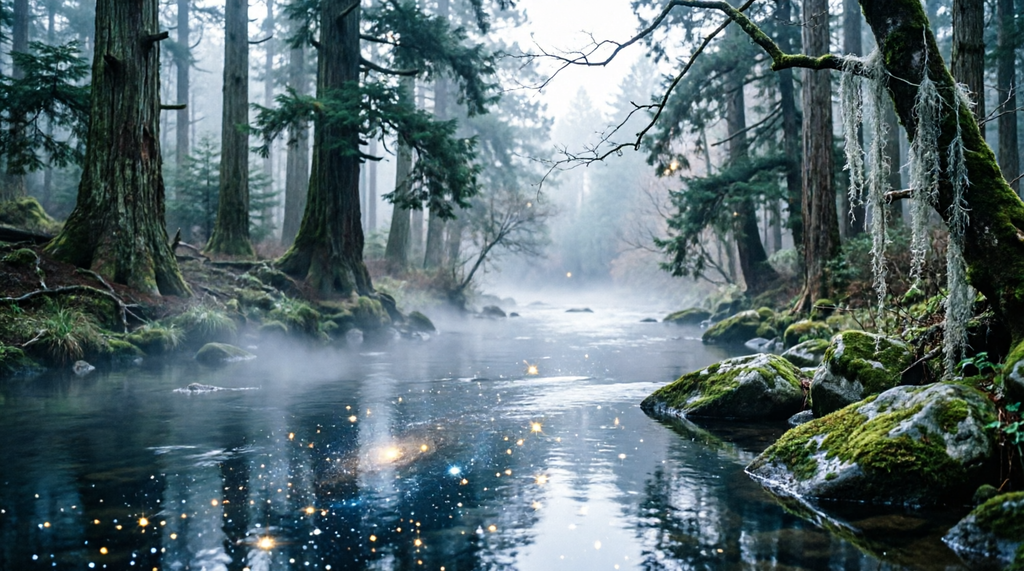
Nature metaphors are comparisons that use things from the natural world to describe people, feelings, ideas, events, or experiences. They may use plants, animals, weather, oceans, rivers, mountains, seasons, stars, fire, or other parts of nature to create a stronger mental picture.
For example, “He is a rock” compares a person to a rock to suggest strength or reliability. “Her smile was sunshine” compares a smile to sunshine to suggest warmth and happiness.
What counts as a nature metaphor?
A nature metaphor usually has three parts:
- The subject — the person, feeling, idea, or situation being described.
- The natural image — the plant, animal, weather event, landscape, or other part of nature.
- The shared quality — the idea that connects them.
Example:
“Her patience was a deep-rooted tree.”
- Subject: patience
- Nature image: tree
- Shared quality: strength and stability
The phrase is not literal. Patience does not have roots. The roots are a creative way to show that her patience is strong and difficult to shake.
Quick summary table
| Nature image | Common idea it represents | Example |
|---|---|---|
| Seed | Potential | “His dream was a seed waiting to grow.” |
| Tree | Strength or growth | “She is a tree with deep roots.” |
| Flower | Beauty or development | “Her confidence began to flower.” |
| River | Life or constant change | “Life is a river.” |
| Ocean | Vastness or deep emotion | “His grief was an ocean.” |
| Mountain | Difficulty or achievement | “The problem was a mountain.” |
| Storm | Anger, conflict, or trouble | “A storm of emotions hit her.” |
| Sunshine | Happiness or hope | “Her presence was sunshine.” |
| Cloud | Sadness or uncertainty | “A cloud hung over him.” |
| Fire | Passion or anger | “Her ambition was a fire.” |
| Wind | Freedom or change | “He followed the wind.” |
| Rain | Sadness, renewal, or cleansing | “The rain washed away her worries.” |
| Autumn | Aging or change | “He was entering the autumn of life.” |
| Spring | New beginnings | “A new spring had begun.” |
| Roots | Identity or belonging | “Her family was her roots.” |
| Branches | Growth or possibilities | “His career spread into new branches.” |
Metaphor vs. simile
A metaphor says one thing is another thing for comparison.
“Her voice was music.”
A simile usually uses like or as.
“Her voice was like music.”
Both create an image, but they work differently.
Why We Use Metaphors of Nature

We use nature metaphors because natural images are easy to picture and carry strong emotional meaning. A reader may not immediately picture “emotional instability,” but a “storm inside him” creates a clear image. Nature gives abstract ideas a shape people can see, feel, and remember.
In everyday speech
People often use simple nature metaphors without thinking about them.
You might hear:
- “Things are finally looking sunny.”
- “He has deep roots here.”
- “That problem is a mountain.”
- “She is a breath of fresh air.”
- “The news came like a storm.”
These expressions make conversation more colorful without sounding overly poetic.
In writing
Writers use nature metaphors to:
- describe emotions
- show character development
- make scenes vivid
- explain abstract ideas
- create mood
- suggest change
- make a sentence memorable
In school
Students can use nature metaphors in:
- creative writing
- poetry
- descriptive essays
- personal narratives
- speeches
- literature analysis
The best school writing does not simply add metaphors everywhere. One strong image is usually better than five forced ones.
On social media
Nature metaphors work well in short captions:
“Still growing, even after the storm.”
“Rooted in who I am.”
“Some seasons are meant for starting over.”
In professional communication
Nature metaphors can also appear at work, especially when they are familiar and clear:
“We need to get to the root of the problem.”
“The project has hit a rough patch.”
“We are entering a new phase of growth.”
Avoid highly poetic metaphors when the message needs to be exact.
Main Section: 60 Metaphors of Nature
Below are 60 useful nature metaphors. Some are traditional expressions, while others are creative examples you can adapt for your own writing.
1. A Seed of Hope
Meaning: A small beginning that may grow into something positive.
Real explanation: A seed is tiny, but it contains the potential for a much larger plant. Calling hope a seed suggests that hope may be small now but can become stronger.
Sample sentence: “Even after the failure, she carried a seed of hope.”
When to use it: Use it for new dreams, recovery, plans, or positive change.
When NOT to use it: Avoid it when you need to describe something already large or fully developed.
Alternatives: spark of hope; glimmer of hope; ray of hope.
Difficulty: Easy
Tone: Neutral to poetic
2. Life Is a River
Meaning: Life keeps moving and changing.
Real explanation: A river does not stay in one place. It flows around rocks, changes direction, and continues toward its destination. The metaphor compares this movement to human life.
Sample sentence: “Life is a river, so I am learning to move with it.”
When to use it: Use it when talking about change, growth, or accepting life’s direction.
When NOT to use it: Avoid it when discussing a situation that requires very literal language.
Alternatives: life is a journey; life keeps flowing; go with the flow.
Difficulty: Easy
Tone: Neutral to poetic
3. She Is Sunshine
Meaning: Someone brings happiness, warmth, or comfort.
Real explanation: Sunshine makes a dark or cold day feel brighter. Calling someone sunshine suggests that their presence improves the mood around them.
Sample sentence: “My little sister is sunshine on difficult days.”
When to use it: Use it for cheerful, kind, positive people.
When NOT to use it: Avoid it in serious professional reports unless the tone allows figurative language.
Alternatives: ray of sunshine; light in my life; bright spot.
Difficulty: Easy
Tone: Warm, informal
4. A Storm of Emotions
Meaning: Many strong emotions happening at once.
Real explanation: A storm is loud, powerful, and difficult to control. It creates a useful picture of emotional confusion or intensity.
Sample sentence: “After hearing the news, a storm of emotions filled her.”
When to use it: Use it for grief, anger, fear, excitement, or mixed feelings.
When NOT to use it: Do not use it when only one mild emotion is involved.
Alternatives: emotional storm; wave of emotions; whirlwind of feelings.
Difficulty: Easy
Tone: Neutral to poetic
5. He Is a Rock
Meaning: He is dependable and strong.
Real explanation: Rocks are commonly associated with stability. The metaphor suggests that someone remains reliable when others need support.
Sample sentence: “During the crisis, my brother was a rock.”
When to use it: Use it for dependable friends, family members, leaders, or supporters.
When NOT to use it: Avoid it if you mean someone is physically strong but emotionally distant unless the context makes that clear.
Alternatives: strong support; steady anchor; pillar of strength.
Difficulty: Easy
Tone: Neutral
6. Rooted in Tradition
Meaning: Strongly connected to old customs or beliefs.
Real explanation: Roots hold a tree in the ground and connect it to its place. The metaphor suggests that a person, family, or community has a strong connection to its past.
Sample sentence: “The festival is deeply rooted in local tradition.”
When to use it: Use it for culture, family history, values, and traditions.
When NOT to use it: Avoid it if the connection is temporary or weak.
Alternatives: grounded in tradition; tied to tradition; connected to the past.
Difficulty: Easy
Tone: Formal to neutral
7. Deep Roots
Meaning: Strong connections, history, or stability.
Real explanation: Deep roots help a tree stay firmly in the ground. In human language, they suggest strong ties to a place, family, culture, or belief.
Sample sentence: “Her family has deep roots in the town.”
When to use it: Use it for long-term connections.
When NOT to use it: Avoid it for a new relationship or recent connection.
Alternatives: strong ties; long history; firm foundation.
Difficulty: Easy
Tone: Neutral
8. A Mountain of Problems
Meaning: A very large number or amount of problems.
Real explanation: A mountain is huge and difficult to climb. The metaphor makes a difficult situation seem physically large.
Sample sentence: “After missing the deadline, he faced a mountain of problems.”
When to use it: Use it for overwhelming tasks or difficulties.
When NOT to use it: Avoid it for one tiny problem.
Alternatives: pile of problems; huge challenge; enormous burden.
Difficulty: Easy
Tone: Informal to neutral
9. Climbing the Mountain
Meaning: Working hard toward a difficult goal.
Real explanation: Climbing a mountain takes effort, patience, and endurance. The image fits goals that require steady work.
Sample sentence: “Learning a new language feels like climbing a mountain, but every lesson gets me higher.”
When to use it: Use it for education, career goals, personal growth, or difficult projects.
When NOT to use it: Avoid it for simple tasks.
Alternatives: facing the challenge; reaching the summit; working toward the goal.
Difficulty: Easy
Tone: Motivational
10. At the Summit
Meaning: At the highest or most successful point.
Real explanation: A summit is the top of a mountain. It naturally represents the highest level of achievement.
Sample sentence: “After years of work, she finally reached the summit of her career.”
When to use it: Use it for success, achievement, or leadership.
When NOT to use it: Avoid it when someone has only just started.
Alternatives: at the top; peak of success; highest point.
Difficulty: Easy
Tone: Formal to poetic
11. A Flower in Bloom
Meaning: Someone or something reaching a beautiful stage of development.
Real explanation: A flower opens as it blooms. The image suggests growth becoming visible.
Sample sentence: “After gaining confidence, she became a flower in bloom.”
When to use it: Use it for personal growth, beauty, talent, or confidence.
When NOT to use it: Avoid it if you need a strictly factual description.
Alternatives: coming into its own; flourishing; blossoming.
Difficulty: Easy
Tone: Poetic
12. Blossoming Confidence
Meaning: Confidence that is gradually becoming stronger.
Real explanation: A flower slowly opens before reaching full bloom. “Blossoming” suggests a process rather than instant change.
Sample sentence: “Her blossoming confidence was clear during the presentation.”
When to use it: Use it for gradual personal development.
When NOT to use it: Avoid it if the confidence appeared suddenly and dramatically.
Alternatives: growing confidence; rising confidence; developing self-belief.
Difficulty: Easy
Tone: Neutral to poetic
13. A Thorny Problem
Meaning: A difficult or complicated problem.
Real explanation: Thorns can hurt when touched and make a plant difficult to handle. The metaphor suggests a problem with hidden difficulties.
Sample sentence: “The team faced a thorny problem with no easy answer.”
When to use it: Use it for complicated issues.
When NOT to use it: Avoid it for simple problems.
Alternatives: tricky problem; difficult issue; complicated challenge.
Difficulty: Easy
Tone: Neutral
14. A Rose Among Thorns
Meaning: Something beautiful or good surrounded by difficulties or unpleasant things.
Real explanation: A rose is beautiful but has thorns. The image combines beauty with danger or difficulty.
Sample sentence: “The quiet library felt like a rose among thorns in the noisy city.”
When to use it: Use it when something positive stands out in a difficult setting.
When NOT to use it: Avoid it when there is no clear contrast.
Alternatives: bright spot; beauty in hardship; light in darkness.
Difficulty: Moderate
Tone: Poetic
15. Weathering the Storm
Meaning: Surviving a difficult period.
Real explanation: People must protect themselves when a storm arrives and wait until it passes. The metaphor compares hardship to bad weather.
Sample sentence: “The company is weathering the storm after a difficult year.”
When to use it: Use it for financial trouble, emotional hardship, conflict, or major change.
When NOT to use it: Avoid it when describing a normal, easy situation.
Alternatives: getting through it; surviving the crisis; riding out the difficulty.
Difficulty: Easy
Tone: Neutral
16. Calm Before the Storm
Meaning: A quiet period before trouble or intense activity.
Real explanation: The phrase uses the stillness that can come before severe weather to suggest that something difficult may be approaching.
Sample sentence: “The office was unusually quiet. It felt like the calm before the storm.”
When to use it: Use it when tension or major activity is likely to follow.
When NOT to use it: Avoid it if there is no expected change.
Alternatives: quiet before trouble; peaceful pause; stillness before conflict.
Difficulty: Easy
Tone: Informal to neutral
17. A Cloud Over Him
Meaning: A feeling of sadness, worry, or trouble.
Real explanation: A cloud can block sunlight and make the day feel darker. It becomes a simple image for emotional heaviness.
Sample sentence: “There was a cloud over him after the argument.”
When to use it: Use it for sadness, worry, or disappointment.
When NOT to use it: Avoid it when describing strong happiness.
Alternatives: shadow over him; feeling down; burden on his mind.
Difficulty: Easy
Tone: Poetic
18. Clouds of Doubt
Meaning: Feelings of uncertainty or hesitation.
Real explanation: Clouds can hide the sky and make it hard to see clearly. Doubt can work in the same way by making a decision difficult.
Sample sentence: “Clouds of doubt filled her mind before the interview.”
When to use it: Use it for uncertainty about choices or plans.
When NOT to use it: Avoid it when someone is completely certain.
Alternatives: doubts filled her mind; uncertainty; hesitation.
Difficulty: Easy
Tone: Neutral to poetic
19. A Ray of Hope
Meaning: A small sign that things may improve.
Real explanation: A ray of sunlight can break through clouds and brighten a dark scene. It creates a strong image of hope during hardship.
Sample sentence: “The doctor’s message gave the family a ray of hope.”
When to use it: Use it during difficult situations.
When NOT to use it: Avoid it if the situation is already clearly positive.
Alternatives: glimmer of hope; sign of hope; bright spot.
Difficulty: Easy
Tone: Neutral
20. A Breath of Fresh Air
Meaning: Someone or something pleasantly new or different.
Real explanation: Fresh air feels good after being inside for a long time. The metaphor suggests relief, freshness, and positive change.
Sample sentence: “Her new ideas were a breath of fresh air.”
When to use it: Use it for new ideas, people, styles, or changes.
When NOT to use it: Avoid it when the change is harmful or unpleasant.
Alternatives: refreshing change; welcome change; something new.
Difficulty: Easy
Tone: Informal to neutral
21. A Wave of Emotion
Meaning: A strong feeling that arrives suddenly or powerfully.
Real explanation: A wave can rise and move over someone. The metaphor makes an emotion seem powerful and difficult to resist.
Sample sentence: “A wave of sadness hit him when he saw the old photograph.”
When to use it: Use it for sudden emotions.
When NOT to use it: Avoid it for a mild, steady feeling.
Alternatives: rush of emotion; surge of feeling; sudden emotion.
Difficulty: Easy
Tone: Neutral
22. An Ocean of Grief
Meaning: Extremely deep or overwhelming sadness.
Real explanation: An ocean is vast and difficult to measure. Comparing grief to an ocean suggests that the feeling seems endless.
Sample sentence: “After losing her friend, she felt lost in an ocean of grief.”
When to use it: Use it in serious emotional or creative writing.
When NOT to use it: Avoid it for small disappointments.
Alternatives: deep grief; overwhelming sadness; sea of sorrow.
Difficulty: Moderate
Tone: Poetic
23. Drowning in Work
Meaning: Having far too much work.
Real explanation: Drowning suggests being unable to keep up with something. The metaphor makes a heavy workload feel physically overwhelming.
Sample sentence: “I can’t meet tonight. I’m drowning in work.”
When to use it: Use it in casual speech or informal writing.
When NOT to use it: Avoid it in very formal reports where literal wording is clearer.
Alternatives: overloaded; buried in work; swamped with work.
Difficulty: Easy
Tone: Informal
24. Swimming Against the Current
Meaning: Trying to succeed despite strong opposition or pressure.
Real explanation: Moving against flowing water requires extra effort. The metaphor fits situations where a person chooses a difficult path.
Sample sentence: “Starting a small business felt like swimming against the current.”
When to use it: Use it for resistance, disagreement, or unusual choices.
When NOT to use it: Avoid it when everyone supports the decision.
Alternatives: going against the flow; facing resistance; taking the hard path.
Difficulty: Moderate
Tone: Neutral
25. Go With the Flow
Meaning: Accept events and adapt instead of fighting every change.
Real explanation: Water moves naturally along its path. The metaphor suggests flexibility and acceptance.
Sample sentence: “We don’t have a strict plan for the trip. We’ll just go with the flow.”
When to use it: Use it in casual conversation.
When NOT to use it: Avoid it when careful planning or firm action is required.
Alternatives: stay flexible; take things as they come; adapt.
Difficulty: Easy
Tone: Informal
26. The Roots of the Problem
Meaning: The basic or original cause of a problem.
Real explanation: A tree’s roots are hidden beneath the ground and support the whole tree. The metaphor suggests looking beneath the surface to find the real cause.
Sample sentence: “We need to find the roots of the problem before choosing a solution.”
When to use it: Use it in school, business, analysis, and everyday speech.
When NOT to use it: Avoid it if you only mean a visible symptom.
Alternatives: underlying cause; source of the problem; main cause.
Difficulty: Easy
Tone: Formal to neutral
27. Planting an Idea
Meaning: Introducing an idea that may develop later.
Real explanation: A planted seed can grow over time. An idea can work in the same way after someone first introduces it.
Sample sentence: “The teacher planted an idea that stayed with me for years.”
When to use it: Use it for suggestions, lessons, plans, or inspiration.
When NOT to use it: Avoid it if the idea is already fully developed.
Alternatives: introduce an idea; spark a thought; inspire a thought.
Difficulty: Easy
Tone: Neutral
28. Planting Seeds of Change
Meaning: Starting small actions that may lead to major change.
Real explanation: Seeds begin small but can grow into plants. The metaphor suggests that change often begins with small choices.
Sample sentence: “The students were planting seeds of change in their community.”
When to use it: Use it for social change, education, personal growth, and activism.
When NOT to use it: Avoid it if the change has already happened.
Alternatives: starting change; creating momentum; laying the groundwork.
Difficulty: Moderate
Tone: Inspirational
29. A Forest of Ideas
Meaning: A large collection of ideas.
Real explanation: A forest contains many trees growing together. The metaphor creates an image of many thoughts or possibilities existing in one place.
Sample sentence: “After the brainstorming session, we had a forest of ideas.”
When to use it: Use it for brainstorming and creative writing.
When NOT to use it: Avoid it when only one or two ideas exist.
Alternatives: wealth of ideas; collection of ideas; many possibilities.
Difficulty: Moderate
Tone: Creative
30. Branching Out
Meaning: Trying something new or expanding into a new area.
Real explanation: Tree branches spread into different directions. The metaphor compares that natural growth to people expanding their interests or work.
Sample sentence: “After years in teaching, she is branching out into writing.”
When to use it: Use it for careers, hobbies, businesses, and new experiences.
When NOT to use it: Avoid it if there is no expansion.
Alternatives: expanding; trying something new; moving into a new area.
Difficulty: Easy
Tone: Neutral
31. A Branch of Knowledge
Meaning: A particular area of study.
Real explanation: A branch grows from a larger tree. The metaphor suggests that a specialized subject grows from a larger field of knowledge.
Sample sentence: “Linguistics is a fascinating branch of language study.”
When to use it: Use it in education and academic writing.
When NOT to use it: Avoid it when discussing unrelated topics.
Alternatives: field of study; area of knowledge; discipline.
Difficulty: Easy
Tone: Formal
32. A Budding Talent
Meaning: A talent that is beginning to develop.
Real explanation: A flower bud has not opened yet, but it has the potential to bloom. “Budding” suggests early promise.
Sample sentence: “The young painter is a budding talent.”
When to use it: Use it for beginners with clear potential.
When NOT to use it: Avoid it for someone who is already an established expert.
Alternatives: emerging talent; promising talent; rising talent.
Difficulty: Easy
Tone: Neutral
33. A Growing Tree of Knowledge
Meaning: Knowledge that continues to expand.
Real explanation: A tree grows by adding new branches and leaves. The image works well for learning because knowledge can also expand over time.
Sample sentence: “Every new book added another branch to his tree of knowledge.”
When to use it: Use it in education and reflective writing.
When NOT to use it: Avoid it when you need very concise professional language.
Alternatives: expanding knowledge; growing understanding; wider learning.
Difficulty: Moderate
Tone: Poetic
34. A Wildfire of Rumors
Meaning: Rumors spreading very quickly.
Real explanation: Wildfires can spread rapidly across large areas. The metaphor suggests that rumors can move from person to person before anyone can control them.
Sample sentence: “A wildfire of rumors spread through the school.”
When to use it: Use it for fast-spreading gossip or information.
When NOT to use it: Avoid it for a rumor that only reached a few people.
Alternatives: rumors spread quickly; wave of gossip; rumor spread.
Difficulty: Moderate
Tone: Dramatic
35. A Fire in Her Heart
Meaning: Strong passion, ambition, or determination.
Real explanation: Fire is powerful and energetic. The metaphor suggests an inner force that keeps a person motivated.
Sample sentence: “She carried a fire in her heart for justice.”
When to use it: Use it for passion, ambition, courage, or strong desire.
When NOT to use it: Avoid it if you mean calmness or indifference.
Alternatives: burning passion; inner drive; strong desire.
Difficulty: Easy
Tone: Poetic
36. Burning With Ambition
Meaning: Having a very strong desire to succeed.
Real explanation: Fire gives the image of energy that cannot easily be stopped. “Burning” makes ambition feel intense.
Sample sentence: “He was burning with ambition after his first success.”
When to use it: Use it in personal writing, biographies, stories, or motivational contexts.
When NOT to use it: Avoid it when you want a calm, neutral description.
Alternatives: highly ambitious; driven to succeed; full of ambition.
Difficulty: Easy
Tone: Neutral to dramatic
37. A Spark of Creativity
Meaning: A small beginning of a creative idea.
Real explanation: A spark is tiny but can start a fire. The metaphor suggests that one small thought can lead to something much larger.
Sample sentence: “The old photograph gave me a spark of creativity.”
When to use it: Use it for ideas, art, writing, and invention.
When NOT to use it: Avoid it when creativity is already fully developed.
Alternatives: creative spark; flash of inspiration; creative idea.
Difficulty: Easy
Tone: Neutral
38. A Forest Fire of Anger
Meaning: Anger that spreads and becomes difficult to control.
Real explanation: A forest fire can grow quickly and affect a large area. The metaphor shows anger spreading from one person or event to others.
Sample sentence: “One harsh comment started a forest fire of anger.”
When to use it: Use it in creative or dramatic writing.
When NOT to use it: Avoid it for mild irritation.
Alternatives: anger spread; wave of anger; explosive anger.
Difficulty: Moderate
Tone: Dramatic
39. A Gentle Breeze
Meaning: A calm, pleasant, or soothing influence.
Real explanation: A gentle breeze feels light and refreshing. It can represent a person, moment, or change that brings peace.
Sample sentence: “Her kind words were a gentle breeze after a difficult morning.”
When to use it: Use it in poetry, stories, captions, and reflective writing.
When NOT to use it: Avoid it for intense or dramatic events.
Alternatives: soothing presence; calming influence; breath of peace.
Difficulty: Easy
Tone: Poetic
40. The Wind of Change
Meaning: A period of major change.
Real explanation: Wind moves through an area and changes the feeling of a place. The metaphor suggests that change is arriving and may be difficult to stop.
Sample sentence: “The wind of change was moving through the company.”
When to use it: Use it for social, personal, political, or organizational change.
When NOT to use it: Avoid it for tiny changes.
Alternatives: wave of change; new direction; changing times.
Difficulty: Easy
Tone: Neutral to poetic
41. Carried by the Wind
Meaning: Moving freely without a fixed direction or being easily controlled.
Real explanation: Wind carries leaves, seeds, and dust wherever it moves. The metaphor can suggest freedom, uncertainty, or lack of control.
Sample sentence: “After graduation, she felt carried by the wind toward a new life.”
When to use it: Use it for freedom, travel, change, or uncertainty.
When NOT to use it: Avoid it when someone has a strict plan.
Alternatives: swept away; drifting freely; moving with change.
Difficulty: Moderate
Tone: Poetic
42. Drifting Like a Leaf
Meaning: Moving without a clear goal or direction.
Real explanation: A dry leaf can be carried by wind without controlling where it goes. The metaphor describes a person who feels uncertain or directionless.
Sample sentence: “Without a plan, he felt like a leaf drifting in the wind.”
When to use it: Use it for uncertainty or lack of direction.
When NOT to use it: Avoid it when someone is confidently following a goal.
Alternatives: feeling lost; drifting; without direction.
Difficulty: Easy
Tone: Poetic
43. Turning Over a New Leaf
Meaning: Starting again and changing your behavior.
Real explanation: A new leaf suggests a fresh page or new beginning. The expression is often used when someone decides to leave old habits behind.
Sample sentence: “After the mistake, he decided to turn over a new leaf.”
When to use it: Use it for personal change and fresh starts.
When NOT to use it: Avoid it when nothing has changed.
Alternatives: make a fresh start; start over; change your ways.
Difficulty: Easy
Tone: Neutral
44. Falling Like Leaves
Meaning: Falling or disappearing in large numbers.
Real explanation: Leaves fall from trees in large numbers during certain seasons. The image can describe people, objects, or hopes disappearing quickly.
Sample sentence: “Players were falling like leaves as the difficult match continued.”
When to use it: Use it for vivid creative descriptions.
When NOT to use it: Avoid it when precision matters.
Alternatives: dropping rapidly; falling in large numbers; disappearing quickly.
Difficulty: Moderate
Tone: Poetic
45. Autumn of Life
Meaning: The later stage of a person’s life.
Real explanation: Autumn comes before winter, just as old age comes later in the human life cycle. The metaphor is often gentle rather than harsh.
Sample sentence: “In the autumn of life, he spent more time with his grandchildren.”
When to use it: Use it in reflective or literary writing.
When NOT to use it: Avoid it in casual conversation if the phrase feels too dramatic.
Alternatives: later years; old age; later stage of life.
Difficulty: Moderate
Tone: Literary
46. Spring of Life
Meaning: Youth or an early, energetic stage of life.
Real explanation: Spring is associated with new growth and fresh beginnings. It therefore works as a metaphor for youth.
Sample sentence: “She enjoyed the spring of life with curiosity and energy.”
When to use it: Use it in poetry, essays, and reflective writing.
When NOT to use it: Avoid it in ordinary business communication.
Alternatives: youth; early years; fresh beginning.
Difficulty: Moderate
Tone: Literary
47. A New Season
Meaning: A new stage or period in life.
Real explanation: Nature moves through seasons, and each season brings different conditions. The metaphor suggests that life also moves through stages.
Sample sentence: “Moving to a new city marked a new season in her life.”
When to use it: Use it for transitions, relationships, careers, and personal growth.
When NOT to use it: Avoid it when there has been no meaningful transition.
Alternatives: new chapter; new phase; fresh stage.
Difficulty: Easy
Tone: Neutral to poetic
48. A Season of Growth
Meaning: A period when someone learns, improves, or develops.
Real explanation: Plants grow during favorable seasons. The metaphor applies that natural process to human development.
Sample sentence: “College became a season of growth for him.”
When to use it: Use it for education, personal development, careers, and relationships.
When NOT to use it: Avoid it when the period involved no learning or development.
Alternatives: period of growth; time of learning; stage of development.
Difficulty: Easy
Tone: Neutral
49. A Winter of Loneliness
Meaning: A long or difficult period of emotional isolation.
Real explanation: Winter can feel cold, quiet, and bare. The metaphor uses those qualities to describe loneliness.
Sample sentence: “After moving away from home, she entered a winter of loneliness.”
When to use it: Use it in reflective or creative writing.
When NOT to use it: Avoid it for a short moment of feeling alone.
Alternatives: period of loneliness; emotional coldness; lonely season.
Difficulty: Moderate
Tone: Poetic
50. The Sun Is Rising
Meaning: A better period is beginning.
Real explanation: Sunrise marks the end of darkness and the beginning of a new day. It naturally represents hope and improvement.
Sample sentence: “The hardest years are behind us; the sun is rising again.”
When to use it: Use it for recovery, hope, and positive change.
When NOT to use it: Avoid it when the situation is clearly getting worse.
Alternatives: brighter days ahead; a new beginning; hope is returning.
Difficulty: Easy
Tone: Inspirational
51. A Dark Night
Meaning: A very difficult emotional or personal period.
Real explanation: Darkness can make people feel uncertain and vulnerable. It works as a metaphor for hardship or confusion.
Sample sentence: “The divorce was a dark night in his life.”
When to use it: Use it for serious personal challenges.
When NOT to use it: Avoid it for ordinary inconvenience.
Alternatives: difficult period; dark chapter; painful time.
Difficulty: Easy
Tone: Literary
52. A Star in the Darkness
Meaning: A person or thing that provides hope during a difficult time.
Real explanation: A star can remain visible in a dark sky. The contrast makes it a useful symbol of hope and guidance.
Sample sentence: “Her kindness was a star in the darkness.”
When to use it: Use it for people, actions, or ideas that offer support.
When NOT to use it: Avoid it if there is no contrast between difficulty and hope.
Alternatives: guiding light; beacon of hope; light in darkness.
Difficulty: Easy
Tone: Poetic
53. A Guiding Star
Meaning: Something or someone that provides direction.
Real explanation: Stars have long been used for navigation. The metaphor suggests that a person, value, or goal helps someone decide where to go.
Sample sentence: “Honesty became her guiding star.”
When to use it: Use it for values, mentors, goals, or principles.
When NOT to use it: Avoid it if something has no role in guiding decisions.
Alternatives: guiding light; compass; source of direction.
Difficulty: Moderate
Tone: Poetic
54. The Moon of My Night
Meaning: Someone who brings comfort or light during difficult times.
Real explanation: The moon gives light during darkness. The metaphor can describe a loved one who offers emotional comfort.
Sample sentence: “You were the moon of my darkest nights.”
When to use it: Use it in poetry, romantic writing, or personal messages.
When NOT to use it: Avoid it in formal communication.
Alternatives: light in my darkness; source of comfort; my guiding light.
Difficulty: Moderate
Tone: Romantic
55. A Desert of Loneliness
Meaning: A place or period that feels empty and emotionally isolated.
Real explanation: Deserts can appear vast, dry, and empty. The metaphor uses that emptiness to represent loneliness.
Sample sentence: “The empty apartment felt like a desert of loneliness.”
When to use it: Use it in creative writing and emotional descriptions.
When NOT to use it: Avoid it for mild social boredom.
Alternatives: empty loneliness; emotional wasteland; lonely landscape.
Difficulty: Moderate
Tone: Poetic
56. An Oasis of Peace
Meaning: A peaceful place or moment surrounded by stress.
Real explanation: An oasis provides water and relief in a desert. The metaphor suggests a small area of comfort surrounded by difficulty.
Sample sentence: “The garden became an oasis of peace in the busy city.”
When to use it: Use it for quiet places, supportive relationships, or peaceful moments.
When NOT to use it: Avoid it when everything around the person is already peaceful.
Alternatives: peaceful refuge; safe haven; quiet escape.
Difficulty: Easy
Tone: Neutral to poetic
57. A Desert of Doubt
Meaning: A long period filled with uncertainty and little confidence.
Real explanation: A desert can seem empty and difficult to cross. The metaphor creates an image of someone searching for certainty.
Sample sentence: “He wandered through a desert of doubt before making his decision.”
When to use it: Use it in reflective or creative writing.
When NOT to use it: Avoid it for a simple question.
Alternatives: deep uncertainty; period of doubt; confusion.
Difficulty: Moderate
Tone: Literary
58. A Natural Force
Meaning: A person or event that is extremely powerful and difficult to stop.
Real explanation: Forces in nature can be much larger than individual human strength. Calling someone a natural force suggests unusual energy or power.
Sample sentence: “The young athlete was a natural force on the field.”
When to use it: Use it for powerful personalities, performers, athletes, or movements.
When NOT to use it: Avoid it when someone has only ordinary influence.
Alternatives: powerful presence; force of nature; unstoppable force.
Difficulty: Easy
Tone: Informal to dramatic
59. A Force of Nature
Meaning: A person with extraordinary energy, power, or determination.
Real explanation: Nature can be powerful and difficult to control. The phrase compares a person’s energy to that kind of force.
Sample sentence: “Her grandmother was a force of nature—always moving, helping, and creating.”
When to use it: Use it for energetic or highly determined people.
When NOT to use it: Avoid it when you simply mean someone is strong.
Alternatives: powerhouse; unstoppable person; powerful personality.
Difficulty: Easy
Tone: Informal to neutral
60. A Natural Compass
Meaning: An inner sense that helps someone choose the right direction.
Real explanation: A compass helps travelers find direction. Calling instinct or values a natural compass suggests that a person has an inner guide.
Sample sentence: “Her curiosity became a natural compass for her career.”
When to use it: Use it for instincts, values, goals, and personal judgment.
When NOT to use it: Avoid it when someone has no clear direction.
Alternatives: inner guide; moral compass; sense of direction.
Difficulty: Moderate
Tone: Neutral
61. A River of Memories
Meaning: A continuous flow of memories.
Real explanation: A river moves steadily and carries things along. The metaphor suggests memories arriving one after another.
Sample sentence: “The old song opened a river of memories.”
When to use it: Use it in personal essays, stories, poetry, and reflective writing.
When NOT to use it: Avoid it for a single isolated memory.
Alternatives: flood of memories; stream of memories; memories flowing back.
Difficulty: Moderate
Tone: Poetic
62. A Garden of Memories
Meaning: A collection of treasured memories.
Real explanation: A garden contains many individual plants growing together. The metaphor treats memories as precious things that can be kept and revisited.
Sample sentence: “Her childhood was a garden of memories.”
When to use it: Use it for nostalgia and personal reflection.
When NOT to use it: Avoid it when the memories are mainly painful or frightening unless the contrast is intentional.
Alternatives: collection of memories; memory garden; treasured memories.
Difficulty: Moderate
Tone: Poetic
63. Growing Pains
Meaning: Difficulties that come with growth and change.
Real explanation: Children can experience physical discomfort while growing. The expression extends that idea to emotional, personal, or organizational development.
Sample sentence: “The new company is having a few growing pains.”
When to use it: Use it for normal difficulties during development.
When NOT to use it: Avoid it for problems unrelated to growth.
Alternatives: adjustment problems; early difficulties; challenges of growth.
Difficulty: Easy
Tone: Neutral
64. A Thorn in My Side
Meaning: A person or problem that causes repeated annoyance.
Real explanation: A thorn causes pain when it remains in your side. The metaphor describes something that keeps bothering you.
Sample sentence: “That unresolved complaint has been a thorn in my side for months.”
When to use it: Use it for persistent annoyances.
When NOT to use it: Avoid it when discussing a serious tragedy; the phrase can sound too casual.
Alternatives: constant annoyance; ongoing problem; persistent trouble.
Difficulty: Easy
Tone: Informal
65. Chasing the Horizon
Meaning: Pursuing a goal that always seems farther away.
Real explanation: The horizon appears to move farther away as you approach it. The metaphor works for dreams that continually seem just beyond reach.
Sample sentence: “He spent years chasing the horizon, always looking for the next achievement.”
When to use it: Use it for ambition, dreams, exploration, or endless goals.
When NOT to use it: Avoid it when the goal is close and realistic.
Alternatives: pursuing a distant dream; reaching for the impossible; seeking the next goal.
Difficulty: Moderate
Tone: Poetic
Quick Reference Table
| # | Metaphor | Main meaning | Best use |
|---|---|---|---|
| 1 | Seed of hope | Small positive beginning | Hope |
| 2 | Life is a river | Constant movement | Life changes |
| 3 | She is sunshine | Happiness | People |
| 4 | Storm of emotions | Intense feelings | Emotions |
| 5 | He is a rock | Reliability | People |
| 6 | Rooted in tradition | Strong cultural connection | Culture |
| 7 | Deep roots | Strong connection | Family/place |
| 8 | Mountain of problems | Many difficulties | Problems |
| 9 | Climbing the mountain | Working toward a hard goal | Goals |
| 10 | At the summit | Highest achievement | Success |
| 11 | Flower in bloom | Development | Growth |
| 12 | Blossoming confidence | Growing confidence | Personal growth |
| 13 | Thorny problem | Difficult problem | Challenges |
| 14 | Rose among thorns | Beauty among difficulty | Contrast |
| 15 | Weathering the storm | Surviving hardship | Crisis |
| 16 | Calm before the storm | Quiet before trouble | Tension |
| 17 | Cloud over him | Sadness | Emotions |
| 18 | Clouds of doubt | Uncertainty | Decisions |
| 19 | Ray of hope | Small sign of improvement | Hard times |
| 20 | Breath of fresh air | Refreshing change | People/ideas |
| 21 | Wave of emotion | Sudden feeling | Emotions |
| 22 | Ocean of grief | Deep sadness | Grief |
| 23 | Drowning in work | Too much work | Conversation |
| 24 | Swimming against the current | Facing opposition | Challenges |
| 25 | Go with the flow | Adapt | Casual speech |
| 26 | Roots of the problem | Main cause | Analysis |
| 27 | Planting an idea | Introducing a thought | Education |
| 28 | Seeds of change | Small actions leading to change | Social change |
| 29 | Forest of ideas | Many ideas | Brainstorming |
| 30 | Branching out | Expanding | Career/life |
| 31 | Branch of knowledge | Area of study | Academic writing |
| 32 | Budding talent | Early promise | Young talent |
| 33 | Tree of knowledge | Growing knowledge | Education |
| 34 | Wildfire of rumors | Fast-spreading rumors | Gossip |
| 35 | Fire in her heart | Passion | Motivation |
| 36 | Burning with ambition | Strong ambition | Goals |
| 37 | Spark of creativity | Small creative idea | Art/writing |
| 38 | Forest fire of anger | Spreading anger | Creative writing |
| 39 | Gentle breeze | Calm influence | Poetry |
| 40 | Wind of change | Major change | Society/work |
| 41 | Carried by the wind | Freedom/uncertainty | Life changes |
| 42 | Drifting like a leaf | No direction | Reflection |
| 43 | New leaf | Fresh start | Personal change |
| 44 | Falling like leaves | Falling in numbers | Creative writing |
| 45 | Autumn of life | Later life | Literature |
| 46 | Spring of life | Youth | Poetry |
| 47 | New season | New life stage | Transitions |
| 48 | Season of growth | Period of development | Personal growth |
| 49 | Winter of loneliness | Difficult isolation | Poetry |
| 50 | Sun is rising | Better times ahead | Hope |
| 51 | Dark night | Hard period | Emotional writing |
| 52 | Star in darkness | Hope/support | Poetry |
| 53 | Guiding star | Direction | Values/goals |
| 54 | Moon of my night | Comfort | Romance |
| 55 | Desert of loneliness | Emotional emptiness | Creative writing |
| 56 | Oasis of peace | Refuge from stress | Places/people |
| 57 | Desert of doubt | Deep uncertainty | Reflection |
| 58 | Natural force | Great power | People |
| 59 | Force of nature | Powerful personality | People |
| 60 | Natural compass | Inner direction | Values |
| 61 | River of memories | Flow of memories | Reflection |
| 62 | Garden of memories | Treasured memories | Nostalgia |
| 63 | Growing pains | Problems during growth | Development |
| 64 | Thorn in my side | Persistent annoyance | Conversation |
| 65 | Chasing the horizon | Distant goal | Dreams |
Real-Life Conversations
Conversation 1: Friends
Maya: You seem quiet today.
Lena: I’m just thinking about everything that’s changed this year.
Maya: Yeah. Life is a river, I guess. We can’t keep every moment the same.
Lena: That’s actually a good way to put it.
Maya: You don’t have to know where every turn leads.
Lena: Maybe I just need to stop fighting the current.
Maya: Exactly.
🎯 Lesson: “Life is a river” and “go with the flow” work naturally when talking about change.
Conversation 2: Student and Teacher
Student: I need a metaphor for my essay about starting high school.
Teacher: Think about what starting high school feels like.
Student: It feels scary, but also exciting.
Teacher: You could describe it as “a new season.”
Student: Like a new season of life?
Teacher: Exactly. You’re leaving one stage and entering another.
Student: I like that. It sounds more natural than saying “high school is scary.”
🎯 Lesson: A nature metaphor can turn a simple statement into a clearer image.
Conversation 3: Office
Manager: How is the project going?
Daniel: Honestly, we’re drowning in work.
Manager: I can see that. What’s causing the biggest delay?
Daniel: We’re fixing the symptoms, but we haven’t found the roots of the problem.
Manager: Good point. Let’s look at the main cause before adding more people.
Daniel: That should save us time.
🎯 Lesson: Some nature metaphors, such as “roots of the problem,” are common in professional English.
Conversation 4: Family
Daughter: Grandma, why do you always call this house your home?
Grandmother: Because my family has deep roots here.
Daughter: What does that mean?
Grandmother: Your great-grandparents lived here. Their stories are part of this place.
Daughter: So the roots are our family history?
Grandmother: Exactly.
🎯 Lesson: “Deep roots” is useful when talking about family, history, culture, or belonging.
Conversation 5: Social Media
Sam: I want a short caption about starting over.
Alex: What about “Turning over a new leaf”?
Sam: That’s good, but I want something more personal.
Alex: Try “A new season, a new me.”
Sam: Perfect. Short and positive.
🎯 Lesson: Nature metaphors work especially well in short captions when the image is easy to understand.
Everyday Usage
In conversation
Use familiar expressions such as:
- “I’m drowning in work.”
- “Let’s go with the flow.”
- “She is a breath of fresh air.”
- “That’s a thorn in my side.”
- “We’re weathering the storm.”
These sound natural because people already recognize them.
In writing
Creative writing allows more freedom:
“The old house stood like a tree that had survived a hundred storms.”
This creates a picture without explaining every detail.
In books
Authors often use nature to reveal character. A character may be described as a “storm” when angry or a “quiet lake” when calm.
The key is consistency. If a character is repeatedly associated with water, weather, or plants, that image can become a larger symbol.
In movies
Screenwriters use short visual metaphors because movies already rely on images.
For example, rain may appear during a sad scene. A sunrise may appear after a character makes an important decision.
The image does not always need dialogue to explain it.
In poetry
Poetry gives nature metaphors the most freedom.
A poet might write:
“My memories are leaves / returning with the autumn wind.”
The purpose is not literal accuracy. The purpose is emotional meaning.
In emails
Keep professional emails simple:
“We need to get to the root of the issue before making a decision.”
That sounds natural.
Avoid something like:
“Our project is a wounded flower beneath a stormy moon.”
It may be creative, but it is not useful in most business emails.
In text messages
Short metaphors work well:
“This week has been a storm.”
“Finally seeing some sunshine.”
“New season, new goals.”
On Instagram
Nature metaphors are popular because they are short and visual:
“Still growing.”
“Rooted, not stuck.”
“Blooming in my own time.”
“Peace after the storm.”
On Facebook
A slightly longer reflection can work:
“Some seasons are difficult, but every season teaches us something.”
On X
Short expressions are usually stronger:
“Not every storm comes to destroy you.”
Use caution with familiar quotes, though. If you did not create a quotation, do not present it as your original writing.
On LinkedIn
Professional metaphors should remain clear:
“Our first year had plenty of growing pains, but those challenges helped us build a stronger process.”
In school assignments
A good nature metaphor should support your main idea.
Weak:
“The teacher was a tree, the classroom was a forest, the students were birds, and the test was a storm.”
This adds too many images.
Better:
“The teacher was a steady tree in a classroom full of nervous students.”
One strong metaphor is often enough.
Writing Tips
Choose the nature image first
Think about the quality you want to show.
- Strength → rock, mountain, tree
- Growth → seed, flower, spring
- Anger → fire, storm
- Sadness → rain, cloud, winter
- Hope → sunrise, sunshine, star
- Confusion → fog, maze-like forest
- Freedom → wind, open sky
- Change → river, season, wind
Then build the sentence around that image.
Match the metaphor to the emotion
A gentle emotion needs a gentle image.
For example:
“Her kindness was a warm breeze.”
A powerful emotion needs a stronger image:
“His anger was a wildfire.”
The image should match the strength of the feeling.
Don’t mix too many nature images
Avoid sentences such as:
“Her heart was a river of fire beneath a mountain of flowers, while the wind planted storms in her garden.”
Almost every image is fighting for attention.
A clearer version is:
“Her anger was a wildfire.”
Simple can be powerful.
Formal vs. informal
Some nature metaphors are common enough for professional communication:
- root of the problem
- growing pains
- branching out
- weathering the storm
- guiding principle
More poetic phrases are better for creative writing:
- ocean of grief
- moon of my night
- desert of loneliness
- river of memories
Speaking vs. writing
Conversation favors familiar expressions.
Writing gives you more room to create new comparisons.
For speech:
“I’m drowning in work.”
For creative writing:
“The workload rose around him like a dark sea.”
British vs. American English
Most basic nature metaphors work in both American and British English.
The bigger difference is usually context, not grammar.
Expressions such as “go with the flow,” “turn over a new leaf,” and “a breath of fresh air” are widely understood in both varieties.
Children vs. adults
For children, choose clear images:
- “Her smile was sunshine.”
- “The classroom was a zoo.”
- “His courage was a lion.”
Older students can use more abstract images:
- “Her grief was an ocean.”
- “His memories were autumn leaves.”
- “The decision was a mountain he had to climb.”
Professional communication
Ask one question before using a metaphor:
Will this make the idea clearer?
If yes, use it.
If it makes the reader stop and decode your meaning, choose plain English instead.
Creative writing
Nature metaphors become stronger when they connect to the story.
If your character is learning to become independent, a growing tree can appear more than once:
“At first, she was only a seed.”
Later:
“She had grown roots.”
Near the ending:
“She was finally reaching toward the sky.”
The repeated image creates a sense of development.
Common Mistakes
| Mistake | Reason | Correct version | Practical explanation |
|---|---|---|---|
| Using too many metaphors | The writing becomes confusing | Use one strong image | Give each image room to work |
| Explaining every metaphor | It can weaken the image | Let the context help | Readers can understand simple images |
| Mixing unrelated images | The sentence loses focus | Keep one image family | Stay with plants, weather, water, etc. |
| Using “ocean of grief” for mild sadness | The image is too strong | “A wave of sadness” | Match image strength to emotion |
| Using poetic language in a formal email | It may sound unclear | “We need to find the cause” | Professional writing values clarity |
| Calling a beginner “a master” | The metaphor overstates ability | “Budding talent” | Choose an image that fits the level |
| Using a metaphor literally | The meaning becomes confusing | Explain context if needed | Metaphors are comparisons |
| Forcing the keyword into every sentence | It sounds unnatural | Use related language naturally | Search engines understand related concepts |
| Copying famous phrases as original | It can mislead readers | Create your own wording | Original images are stronger |
| Mixing “storm,” “river,” and “fire” randomly | Too many images compete | Choose one central metaphor | Consistency improves writing |
| Using “thorn in my side” for tragedy | It can sound too casual | “Deeply painful experience” | Match tone to subject |
| Using “force of nature” for everyone | It loses meaning | Reserve it for strong personalities | The metaphor should feel earned |
Practice Exercise
Rewrite each plain sentence using a suitable nature metaphor.
1.
Plain: She gave me hope during a difficult time.
Possible answer: She was a ray of hope during a difficult time.
2.
Plain: He is very reliable.
Possible answer: He is a rock when things go wrong.
3.
Plain: I have too much work.
Possible answer: I’m drowning in work.
4.
Plain: She is becoming more confident.
Possible answer: Her confidence is blossoming.
5.
Plain: We need to find the main cause.
Possible answer: We need to find the roots of the problem.
6.
Plain: The company is experiencing difficulties while growing.
Possible answer: The company is going through growing pains.
7.
Plain: She brought a refreshing change to the team.
Possible answer: She was a breath of fresh air.
8.
Plain: His ambition is very strong.
Possible answer: He is burning with ambition.
9.
Plain: I don’t know where my life is going.
Possible answer: I feel like a leaf drifting in the wind.
10.
Plain: This is the beginning of a new stage in my life.
Possible answer: This is a new season of my life.
Practice tip: There is rarely only one correct metaphor. The best answer depends on the emotion, context, audience, and tone.
Multiple Choice Questions
1. What is a nature metaphor?
A. A factual description of a plant
B. A comparison that uses an element of nature
C. A scientific explanation
D. A weather forecast
2. What does “a seed of hope” suggest?
A. A hopeless situation
B. A small beginning of hope
C. A large achievement
D. A dangerous idea
3. What does “he is a rock” usually mean?
A. is made of stone
B. He is cold
C. is reliable or strong
D. He is very old
4. Which metaphor suggests a new beginning?
A. New season
B. Mountain of problems
C. Ocean of grief
D. Thorn in my side
5. What does “drowning in work” mean?
A. Working near water
B. Having too much work
C. Enjoying work
D. Finishing work early
6. Which metaphor describes growing confidence?
A. Blossoming confidence
B. Desert of loneliness
C. Dark night
D. Forest fire
7. What does “roots of the problem” mean?
A. The location of a tree
B. The surface of a problem
C. The underlying cause
D. A small mistake
8. Which metaphor best represents hope after hardship?
A. Ray of hope
B. Thorn in my side
C. Desert of doubt
D. Mountain of problems
9. Which phrase is most suitable for a professional email?
A. “Our project is a moon floating through my soul.”
B. “We need to find the root of the issue.”
C. “Our office is a wild jungle of destiny.”
D. “The deadline is a black hole of sadness.”
10. What does “branching out” mean?
A. Cutting down a tree
B. Expanding into a new area
C. Becoming less active
D. Ending a project
Answer Key
- B
- B
- C
- A
- B
- A
- C
- A
- B
- B
Related Terms
| Term | Meaning | Example |
|---|---|---|
| Nature metaphor | Comparison using nature | “Her hope was a seed.” |
| Metaphor | Direct figurative comparison | “He is a rock.” |
| Simile | Comparison using like/as | “He is like a rock.” |
| Personification | Giving human qualities to nonhuman things | “The wind whispered.” |
| Symbolism | An object represents a deeper idea | A dove may symbolize peace |
| Analogy | Comparison used to explain an idea | “Learning is like building a house.” |
| Imagery | Language that creates sensory pictures | “Cold rain tapped the window.” |
| Idiom | Fixed expression with a nonliteral meaning | “Turn over a new leaf.” |
| Allusion | Reference to a known person, event, text, or idea | A reference to a famous myth |
| Hyperbole | Deliberate exaggeration | “I have a mountain of homework.” |
Nature metaphor vs. nature symbolism
These ideas overlap, but they are not identical.
A metaphor makes a comparison:
“Her courage was a mountain.”
A symbol uses an image to represent a broader idea:
A mountain may symbolize strength, stability, or challenge.
A nature image can therefore function as both metaphor and symbol depending on how the writer uses it.
Nature metaphor vs. personification
Personification gives human behavior to something nonhuman:
“The angry wind shouted through the trees.”
The wind is not literally shouting.
A metaphor makes a comparison:
“The wind was an angry messenger.”
The two techniques can appear together, but they are not the same literary device.
FAQs:
What is a nature metaphor?
A nature metaphor compares a person, feeling, idea, or situation to something found in nature. It may use a tree, flower, river, mountain, animal, storm, season, sun, moon, or other natural image. For example, “Her hope was a seed” suggests that her hope was small but had the potential to grow.
What are some common metaphors of nature?
Common examples include “life is a river,” “a ray of hope,” “a breath of fresh air,” “he is a rock,” “a mountain of problems,” “deep roots,” “a season of growth,” “weathering the storm,” and “blossoming confidence.” These expressions work because most readers already understand the qualities associated with the natural images.
What is a good nature metaphor for life?
“Life is a river” is one of the simplest choices. It suggests that life keeps moving, changes direction, and does not always follow a straight path. Other possibilities include “life is a journey,” “life has seasons,” or “life is a garden.” Choose the metaphor that best matches the message you want to express.
What nature metaphor represents hope?
“A ray of hope” is one of the clearest choices. It compares hope to a small beam of light appearing in darkness. “A seed of hope” is another useful metaphor because a seed represents something small that may grow. “The sun is rising” can suggest that a better period is beginning after hardship.
What nature metaphor represents growth?
A seed, flower, tree, or spring can represent growth. “A seed of potential” suggests an early beginning. “Blossoming confidence” suggests confidence that is becoming stronger. “Deep roots” can represent a strong foundation. For personal development, “a season of growth” is especially natural and easy to understand.
What is a metaphor for sadness using nature?
You can compare sadness to rain, clouds, winter, an ocean, or darkness. The best choice depends on the strength of the emotion. “A cloud over him” suggests mild emotional heaviness, while “an ocean of grief” suggests deep, overwhelming sadness. In creative writing, the image should match the emotional weight of the scene.
Can I use nature metaphors in academic writing?
Yes, but use them carefully. Familiar expressions such as “root of the problem,” “branch of knowledge,” and “growing pains” can fit academic or professional writing. Highly poetic metaphors may distract from the main point. In academic work, clarity should come first, and figurative language should support the argument rather than replace it.
Are nature metaphors and similes the same?
No. Both make comparisons, but they use different structures. A metaphor directly compares two things, as in “Her smile was sunshine.” A simile usually uses “like” or “as,” as in “Her smile was like sunshine.” The underlying image can be similar, but the grammatical form is different.
How do I create my own nature metaphor?
Start with the idea you want to describe. Then ask what part of nature has a similar quality. For example, if you want to describe persistence, you might think of a tree surviving strong winds. Then turn that connection into a sentence: “Her determination was a tree that refused to bend.” Keep the image simple and make sure the comparison is easy to understand.
What is the best nature metaphor for change?
“Wind of change” and “a new season” are strong choices. “Wind of change” suggests that change is moving through a person, group, or society. “A new season” suggests a transition from one stage of life to another. “Life is a river” is better when the focus is on continuous movement rather than one major change.
Final Thoughts
Nature gives us a huge vocabulary for talking about human life. Seeds can represent potential. Trees can represent strength. Rivers can represent change. Storms can represent conflict. Sunshine can represent hope. Seasons can represent different stages of life.
The best nature metaphors are not the most complicated ones. They are the ones that make the reader understand an idea faster or feel it more deeply.
When you write your own metaphor start with the meaning you want to express. Then find a natural image that shares that quality. Keep the comparison clear, match the tone to your audience and do not be afraid of simple language

Kiara is a passionate English language writer, vocabulary researcher, and content creator with over 5 years of experience in writing about word meanings, definitions, phrases, expressions, slang, and everyday English. As an experienced writer and researcher, she enjoys turning confusing words and unfamiliar expressions into clear, simple, and easy-to-understand explanations.