
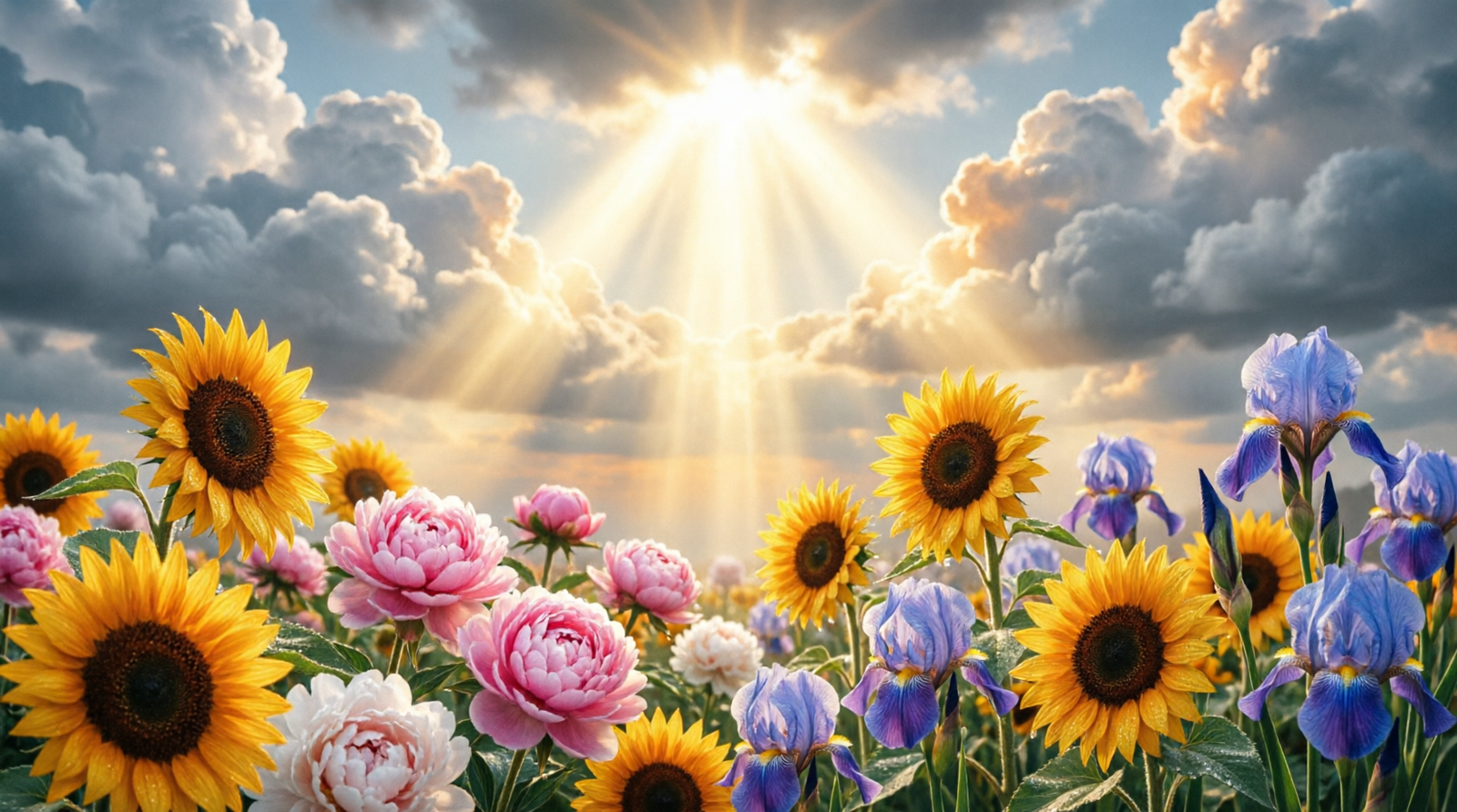
Have you ever felt so happy that simply saying I’m happy didn’t seem strong enough? Maybe you got wonderful news, saw someone you love reached a long-awaited goal or enjoyed a small moment that made your whole day brighter. Sometimes, joy is too big for ordinary words.
That’s where metaphors for joy can help. A metaphor lets you describe happiness through something readers can see feel or imagine. You can say Her joy was sunshine instead of simply saying She was happy. Suddenly the emotion feels warmer and more alive.
People use these expressions in poems stories school essays speeches captions conversations and personal writing. But not every metaphor fits every kind of joy. A firework suggests excitement, while a warm blanket suggests comfort.
In this updated 2026 guide you’ll find creative metaphors for joy simple meanings real-life examples and tips for choosing the right expression. By the end you’ll have plenty of natural ways to put happiness into words.
Definition & Meaning

Joy metaphors are creative comparisons that describe happiness without simply saying “I’m happy.” They connect joy to familiar things such as sunlight, music, flowers, fire, dancing, or a bright morning. A good joy metaphor helps the reader feel the emotion instead of only hearing its name.
The phrase joy metaphors usually refers to figurative expressions that make happiness more vivid. For example, “Her joy was a window thrown open to spring” compares joy with the fresh, open feeling of spring.
You may see these metaphors in poems, novels, speeches, greeting cards, social media captions, personal essays, songs, and everyday conversations. Some are gentle and warm, while others are playful, dramatic, or poetic.
Quick definition
A joy metaphor compares happiness to something else to make the feeling easier to picture, understand, or feel.
Quick summary table
| Term | Simple meaning | Example |
|---|---|---|
| Joy | A strong feeling of happiness | “He felt deep joy.” |
| Metaphor | A direct comparison between unlike things | “Her smile was sunshine.” |
| Joy metaphor | A metaphor that expresses happiness | “His heart was a garden in bloom.” |
| Simile | A comparison using “like” or “as” | “She was happy like a child.” |
| Imagery | Language that creates a mental picture | “Warm light filled the quiet room.” |
| Personification | Giving human qualities to something nonhuman | “Joy knocked on my door.” |
A metaphor does not have to be complicated. In fact, the strongest ones are often easy to understand.
“Her happiness was sunshine” is simple, but it gives the reader a clear picture: her happiness feels warm, bright, and life-giving.
Why We Use Joy Metaphors
We use joy metaphors to make happiness more vivid, personal, and memorable. Instead of naming an emotion directly, a metaphor gives that emotion a shape, color, sound, movement, or texture. This makes writing more expressive and helps readers connect with the feeling.
People use joy metaphors for several reasons:
- To make writing more colorful
- To show strong happiness
- To describe feelings that are hard to explain
- To make poetry more emotional
- To improve stories and personal essays
- To create memorable social media captions
- To make speeches more powerful
- To express gratitude
- To describe love and friendship
- To give ordinary sentences more personality
In everyday speech
You might say:
“Winning that game was like a burst of sunshine.”
Or:
“I was walking on air after hearing the news.”
These expressions are easy to understand because they connect happiness with familiar experiences.
In school writing
A student might write:
“When I saw my name on the award, joy filled my chest like sunlight entering a dark room.”
That gives the reader more than the sentence “I was happy.”
In creative writing
Writers often use metaphors to show the quality of joy.
Is the joy:
- calm?
- explosive?
- playful?
- peaceful?
- surprising?
- overwhelming?
- short-lived?
- deep?
The right metaphor can answer those questions without explaining them directly.
On social media
A short metaphor can make a caption feel more personal:
“Today, my heart is a little garden in bloom.”
That sounds warmer than simply writing:
“I’m happy today.”
Quick tip: Choose a metaphor that matches the kind of joy you mean. A quiet moment of peace does not need the same image as wild excitement.
Main Section: 60 Joy Metaphors
Below are 60 original and practical joy metaphors. Each one explains what the image suggests, how to use it, and when to avoid it.
1. Joy Is Sunshine
Meaning: Happiness feels warm, bright, and life-giving.
Real explanation: Sunshine is one of the easiest images for joy because light often represents hope, warmth, and positive feelings.
Sample sentence:
“Her laughter was sunshine in the middle of a difficult day.”
When to use it: Poems, stories, personal writing, captions, and warm descriptions.
When NOT to use it: Avoid it if you need a very unusual or highly original image.
Alternatives:
- happiness is light
- joy is a warm morning
- her smile brightened the room
Difficulty: Easy
Tone: Neutral, warm
2. Joy Is a Garden in Bloom
Meaning: Happiness feels like something beautiful growing and opening.
Real explanation: A blooming garden suggests life, beauty, growth, and quiet pleasure.
Sample sentence:
“After years of waiting, her heart felt like a garden in bloom.”
When to use it: Reflective writing, poetry, personal essays.
When NOT to use it: Avoid it when describing sudden, explosive excitement.
Alternatives:
- happiness blossomed
- my heart opened
- joy was blooming
Difficulty: Easy
Tone: Poetic
3. Joy Is a Spark
Meaning: Happiness can begin as a small but powerful feeling.
Real explanation: A spark is tiny, but it can quickly grow into something much larger.
Sample sentence:
“One kind word was a spark of joy in a hard week.”
When to use it: Small moments of happiness or new excitement.
When NOT to use it: Not ideal for calm, lasting contentment.
Alternatives:
- a flicker of happiness
- a little flame
- a bright beginning
Difficulty: Easy
Tone: Neutral
4. Joy Is a Fire
Meaning: Happiness can burn with energy and intensity.
Real explanation: Fire suggests warmth, power, movement, and strong emotion.
Sample sentence:
“Her joy was a fire that lit up everyone around her.”
When to use it: Strong excitement, celebration, passion.
When NOT to use it: Avoid it when you want a soft, peaceful feeling.
Alternatives:
- joy burned brightly
- happiness was blazing
- a flame of delight
Difficulty: Easy
Tone: Strong, poetic
5. Joy Is a Bird Taking Flight
Meaning: Happiness can feel freeing and uplifting.
Real explanation: A bird leaving the ground creates a natural image of freedom and lightness.
Sample sentence:
“When the good news arrived, her spirit was a bird taking flight.”
When to use it: Freedom, relief, new beginnings.
When NOT to use it: Avoid it if the emotion is heavy or quiet.
Alternatives:
- my heart took flight
- happiness lifted me
- joy gave me wings
Difficulty: Easy
Tone: Poetic
6. Joy Is a Wave
Meaning: Happiness can suddenly wash over someone.
Real explanation: A wave arrives with force and movement, making it useful for sudden emotional joy.
Sample sentence:
“A wave of joy rushed through him when he saw his family.”
When to use it: Sudden emotional moments.
When NOT to use it: Less useful for describing steady happiness.
Alternatives:
- joy washed over me
- happiness swept through me
- a rush of delight
Difficulty: Easy
Tone: Neutral
7. Joy Is a Song
Meaning: Happiness can feel musical, lively, and expressive.
Real explanation: Songs can lift moods and carry emotions, so they make natural metaphors for joy.
Sample sentence:
“Her smile was a song in an otherwise quiet room.”
When to use it: Poetry, romance, stories, captions.
When NOT to use it: Avoid overusing music imagery on the same page.
Alternatives:
- joy was a melody
- happiness sang
- my heart had a song
Difficulty: Easy
Tone: Poetic
8. Joy Is a Dance
Meaning: Happiness can make a person feel energetic and free.
Real explanation: Dancing suggests movement, celebration, freedom, and pleasure.
Sample sentence:
“His joy was a dance that no one could stop.”
When to use it: Celebration and playful happiness.
When NOT to use it: Not ideal for quiet contentment.
Alternatives:
- my heart danced
- happiness moved through me
- joy was dancing inside me
Difficulty: Easy
Tone: Informal, poetic
9. Joy Is a Balloon Rising
Meaning: Happiness can make someone feel lighter.
Real explanation: A rising balloon creates a playful image of leaving worries behind.
Sample sentence:
“My heart felt like a balloon rising above all my worries.”
When to use it: Lighthearted writing and children’s writing.
When NOT to use it: Avoid it for serious or formal writing.
Alternatives:
- happiness lifted me
- I felt lighter
- joy carried me upward
Difficulty: Easy
Tone: Playful
10. Joy Is a Door Opening
Meaning: Happiness can feel like entering a new, better experience.
Real explanation: An open door suggests opportunity, welcome, hope, and possibility.
Sample sentence:
“Her good news felt like a door opening into a brighter life.”
When to use it: New beginnings and hopeful moments.
When NOT to use it: Avoid it when the joy has no connection to change.
Alternatives:
- happiness opened a new path
- joy welcomed me in
- a new beginning
Difficulty: Easy
Tone: Neutral, hopeful
11. Joy Is a Warm Blanket
Meaning: Happiness can feel safe, comforting, and peaceful.
Real explanation: A warm blanket suggests comfort rather than excitement.
Sample sentence:
“Being with my grandparents felt like joy wrapped in a warm blanket.”
When to use it: Family, comfort, safety, peaceful happiness.
When NOT to use it: Avoid it for wild excitement.
Alternatives:
- happiness felt like home
- comfort filled me
- joy held me close
Difficulty: Easy
Tone: Warm
12. Joy Is a Cup of Hot Chocolate
Meaning: Happiness can be cozy and comforting.
Real explanation: Hot chocolate is linked with warmth, comfort, and small pleasures.
Sample sentence:
“Her kindness was a cup of hot chocolate on a cold morning.”
When to use it: Cozy writing, friendship, family, children’s content.
When NOT to use it: Avoid it in serious professional communication.
Alternatives:
- a warm comfort
- a little treat
- sweetness in a hard day
Difficulty: Easy
Tone: Playful
13. Joy Is a Rainbow After Rain
Meaning: Happiness can appear after a difficult period.
Real explanation: A rainbow after rain naturally suggests hope, relief, and beauty after hardship.
Sample sentence:
“Seeing my brother again was a rainbow after a long season of rain.”
When to use it: Recovery, reunion, hope.
When NOT to use it: Avoid it if there was no earlier difficulty.
Alternatives:
- light after darkness
- hope after hardship
- a bright ending
Difficulty: Easy
Tone: Poetic
14. Joy Is a Sunrise
Meaning: Happiness can feel like a fresh beginning.
Sample sentence:
“Her new life arrived like a sunrise.”
When to use it: New chapters, hope, fresh starts.
When NOT to use it: Avoid it when describing a short burst of excitement.
Alternatives:
- a new dawn
- morning light
- a fresh beginning
Difficulty: Easy
Tone: Poetic
15. Joy Is a Treasure
Meaning: Happiness is something precious and worth protecting.
Sample sentence:
“Those Sunday dinners became a treasure in his memory.”
When to use it: Gratitude, memories, family, friendship.
When NOT to use it: Not the best image for physical excitement.
Alternatives:
- a precious gift
- something priceless
- a treasured feeling
Difficulty: Easy
Tone: Neutral
16. Joy Is a Gift
Meaning: Happiness can feel like something unexpectedly given to you.
Sample sentence:
“Her friendship was a gift that made ordinary days brighter.”
When to use it: Gratitude and appreciation.
When NOT to use it: Avoid if the joy comes from your own achievement and the gift idea feels forced.
Alternatives:
- a blessing
- a welcome surprise
- a precious moment
Difficulty: Easy
Tone: Warm
17. Joy Is a River
Meaning: Happiness can flow continuously.
Sample sentence:
“Laughter ran through the house like a river.”
When to use it: Long-lasting or shared happiness.
When NOT to use it: Avoid it for one tiny moment.
Alternatives:
- happiness flowed
- joy ran through us
- a stream of delight
Difficulty: Medium
Tone: Poetic
18. Joy Is a Breeze
Meaning: Happiness can feel gentle and refreshing.
Sample sentence:
“Her visit was a breeze of joy after a stressful week.”
When to use it: Gentle happiness and relief.
When NOT to use it: Avoid it for intense excitement.
Alternatives:
- a breath of happiness
- a refreshing feeling
- a gentle lift
Difficulty: Medium
Tone: Poetic
19. Joy Is a Light in the Window
Meaning: Happiness can represent welcome, comfort, and hope.
Sample sentence:
“His mother’s smile was a light in the window waiting for him.”
When to use it: Homecoming, family, safety.
When NOT to use it: Avoid it when the setting has no connection to home or welcome.
Alternatives:
- a beacon of happiness
- a welcoming light
- a sign of hope
Difficulty: Medium
Tone: Poetic
20. Joy Is a Drumbeat
Meaning: Happiness can feel energetic and alive.
Sample sentence:
“Excitement beat inside her like a drum.”
When to use it: Celebrations, sports, concerts, exciting news.
When NOT to use it: Avoid it for peaceful happiness.
Alternatives:
- my heart raced
- excitement pulsed
- happiness beat inside me
Difficulty: Easy
Tone: Energetic
21. Joy Is a Garden Gate
Meaning: Happiness can invite someone into a beautiful experience.
Sample sentence:
“Her smile was a garden gate opening to joy.”
When to use it: Poetry and creative descriptions.
When NOT to use it: Avoid it in simple everyday speech.
Alternatives:
- an invitation to happiness
- a doorway to delight
- an opening into joy
Difficulty: Medium
Tone: Poetic
22. Joy Is a Candle
Meaning: Happiness can provide warmth and light even in darkness.
Sample sentence:
“His small kindness was a candle in a difficult week.”
When to use it: Hope, kindness, emotional support.
When NOT to use it: Avoid it if you need a strong image of excitement.
Alternatives:
- a little light
- a warm flame
- a glow of hope
Difficulty: Easy
Tone: Poetic
23. Joy Is a Sunrise Inside the Heart
Meaning: Happiness can feel like inner light returning.
Sample sentence:
“After hearing her voice, a sunrise seemed to rise inside his heart.”
When to use it: Deep emotional writing.
When NOT to use it: Avoid in casual conversation because it sounds literary.
Alternatives:
- my heart brightened
- happiness returned
- light filled me
Difficulty: Medium
Tone: Poetic
24. Joy Is a Kite in the Wind
Meaning: Happiness can feel playful, free, and uplifting.
Sample sentence:
“Her spirit was a kite dancing high above the street.”
When to use it: Childhood, freedom, playfulness.
When NOT to use it: Avoid for solemn situations.
Alternatives:
- happiness flew
- my spirit soared
- joy lifted me
Difficulty: Medium
Tone: Playful
25. Joy Is a Spring Morning
Meaning: Happiness feels fresh, bright, and full of possibility.
Sample sentence:
“His return felt like a spring morning after a long winter.”
When to use it: Renewal and hope.
When NOT to use it: Avoid if the feeling is explosive.
Alternatives:
- a fresh morning
- a season of happiness
- new life
Difficulty: Easy
Tone: Poetic
26. Joy Is a Firework
Meaning: Happiness can be sudden, bright, and exciting.
Sample sentence:
“When she heard the results, joy exploded like fireworks.”
When to use it: Big celebrations and sudden good news.
When NOT to use it: Avoid for quiet happiness.
Alternatives:
- joy exploded
- happiness burst
- a flash of delight
Difficulty: Easy
Tone: Excited
27. Joy Is a Sparkling Stream
Meaning: Happiness can feel fresh, lively, and continuous.
Sample sentence:
“Laughter flowed through the group like a sparkling stream.”
When to use it: Groups, parties, friendly gatherings.
When NOT to use it: Avoid if the scene is very serious.
Alternatives:
- flowing happiness
- lively joy
- bright laughter
Difficulty: Medium
Tone: Poetic
28. Joy Is a Full Moon
Meaning: Happiness can feel complete and peaceful.
Sample sentence:
“Being surrounded by family left her heart as full as a full moon.”
When to use it: Deep contentment.
When NOT to use it: Avoid for sudden excitement.
Alternatives:
- a full heart
- complete happiness
- peaceful fullness
Difficulty: Medium
Tone: Poetic
29. Joy Is a Golden Thread
Meaning: Happiness can quietly connect good moments across life.
Sample sentence:
“Friendship became a golden thread running through his memories.”
When to use it: Memories and long relationships.
When NOT to use it: Avoid for a single short event.
Alternatives:
- a thread of happiness
- a lasting connection
- a line of light
Difficulty: Medium
Tone: Literary
30. Joy Is a Hidden Spring
Meaning: Happiness can come from a deep inner source.
Sample sentence:
“Her kindness seemed to rise from a hidden spring of joy.”
When to use it: Personality and character descriptions.
When NOT to use it: Avoid if the joy is clearly caused by one event.
Alternatives:
- an inner well of happiness
- a deep source of joy
- happiness within
Difficulty: Medium
Tone: Literary
31. Joy Is a Bell Ringing
Meaning: Happiness can announce itself clearly.
Sample sentence:
“Her laughter rang through the house like a bell.”
When to use it: Laughter, celebrations, children.
When NOT to use it: Avoid for silent or private happiness.
Alternatives:
- joy rang out
- happiness chimed
- laughter filled the room
Difficulty: Easy
Tone: Playful
32. Joy Is a Sweet Breeze
Meaning: Happiness can arrive gently and make life feel easier.
Sample sentence:
“His message was a sweet breeze after a hard morning.”
When to use it: Kind messages and small comforts.
When NOT to use it: Avoid for huge celebrations.
Alternatives:
- a gentle lift
- a breath of happiness
- a refreshing moment
Difficulty: Easy
Tone: Warm
33. Joy Is a Cup That Overflows
Meaning: Happiness is so great that it cannot be contained.
Sample sentence:
“Her heart was a cup overflowing with gratitude.”
When to use it: Strong gratitude and love.
When NOT to use it: Avoid when the feeling is small.
Alternatives:
- overflowing happiness
- a heart full of joy
- more joy than I could hold
Difficulty: Easy
Tone: Neutral
34. Joy Is a Bright Balloon
Meaning: Happiness feels light, colorful, and playful.
Sample sentence:
“Her excitement floated through the room like a bright balloon.”
When to use it: Children’s writing, celebrations, playful scenes.
When NOT to use it: Avoid in formal business writing.
Alternatives:
- a burst of color
- lighthearted joy
- floating happiness
Difficulty: Easy
Tone: Playful
35. Joy Is a Warm Hearth
Meaning: Happiness can feel safe, familiar, and comforting.
Sample sentence:
“Her family was the warm hearth at the center of her life.”
When to use it: Home, family, belonging.
When NOT to use it: Avoid for youthful excitement.
Alternatives:
- a safe harbor
- a warm home
- comfort at the center
Difficulty: Medium
Tone: Literary
36. Joy Is a Safe Harbor
Meaning: Happiness can provide emotional safety and peace.
Sample sentence:
“Her friendship was a safe harbor during difficult years.”
When to use it: Friendship, support, relationships.
When NOT to use it: Avoid if you only mean excitement.
Alternatives:
- a place of comfort
- emotional shelter
- a peaceful refuge
Difficulty: Easy
Tone: Warm
37. Joy Is a Treasure Chest
Meaning: Life can hold many precious happy moments.
Sample sentence:
“Her memories were a treasure chest filled with laughter.”
When to use it: Childhood memories and reflection.
When NOT to use it: Avoid for present-moment excitement.
Alternatives:
- a box of memories
- a collection of happy moments
- precious memories
Difficulty: Easy
Tone: Playful
38. Joy Is a Colorful Window
Meaning: Happiness can change how someone sees life.
Sample sentence:
“Joy became a colorful window through which she saw ordinary days.”
When to use it: Reflective writing.
When NOT to use it: Avoid if you need very simple language for young readers.
Alternatives:
- a brighter view
- a new way of seeing
- colorful happiness
Difficulty: Medium
Tone: Poetic
39. Joy Is a Fresh Page
Meaning: Happiness can make life feel new.
Sample sentence:
“Graduation felt like a fresh page filled with possibility.”
When to use it: New beginnings.
When NOT to use it: Avoid when there is no sense of change.
Alternatives:
- a new chapter
- a blank canvas
- a clean start
Difficulty: Easy
Tone: Neutral
40. Joy Is a Wide-Open Window
Meaning: Happiness can feel freeing and full of fresh air.
Sample sentence:
“Travel gave her the joy of a wide-open window.”
When to use it: Freedom and new experiences.
When NOT to use it: Avoid for private, quiet happiness.
Alternatives:
- open skies
- freedom
- fresh air for the soul
Difficulty: Medium
Tone: Poetic
41. Joy Is a Garden Party
Meaning: Happiness can feel social, colorful, and celebratory.
Sample sentence:
“Her birthday was a garden party of laughter and love.”
When to use it: Parties, family gatherings, celebrations.
When NOT to use it: Avoid for solitary happiness.
Alternatives:
- a celebration
- a feast of laughter
- a happy gathering
Difficulty: Easy
Tone: Playful
42. Joy Is Confetti
Meaning: Happiness can be bright, scattered, and celebratory.
Sample sentence:
“Her laughter burst through the room like confetti.”
When to use it: Parties, achievements, playful captions.
When NOT to use it: Avoid for quiet reflection.
Alternatives:
- a shower of happiness
- celebration in the air
- bursts of delight
Difficulty: Easy
Tone: Playful
43. Joy Is a Meadow
Meaning: Happiness can feel open, peaceful, and natural.
Sample sentence:
“Time with his children felt like stepping into a quiet meadow.”
When to use it: Calm and peaceful joy.
When NOT to use it: Avoid for intense excitement.
Alternatives:
- peaceful happiness
- an open field of joy
- a calm place
Difficulty: Medium
Tone: Poetic
44. Joy Is a Clear Sky
Meaning: Happiness can bring relief after worry.
Sample sentence:
“Once the problem was solved, her mind became a clear sky.”
When to use it: Relief and peace.
When NOT to use it: Avoid if the feeling is energetic.
Alternatives:
- a calm horizon
- peace after worry
- a cloudless mind
Difficulty: Easy
Tone: Neutral
45. Joy Is a Bell of Laughter
Meaning: Joy can spread through sound.
Sample sentence:
“His laughter was a bell that made everyone smile.”
When to use it: Social scenes and family stories.
When NOT to use it: Avoid for silent happiness.
Alternatives:
- ringing laughter
- joyful sound
- laughter like music
Difficulty: Easy
Tone: Playful
46. Joy Is a Bright Thread Through a Dark Cloth
Meaning: Happiness can remain present even during hard times.
Sample sentence:
“Her friendship was a bright thread through the dark cloth of a difficult year.”
When to use it: Serious reflective writing.
When NOT to use it: Avoid for simple everyday speech.
Alternatives:
- light in darkness
- hope in hard times
- a bright spot
Difficulty: Advanced
Tone: Literary
47. Joy Is a Little Sun in the Pocket
Meaning: A small happy memory can stay with you.
Sample sentence:
“Her note was a little sun in my pocket all day.”
When to use it: Personal essays, poetry, captions.
When NOT to use it: Avoid formal communication.
Alternatives:
- a pocket of sunshine
- a small bright memory
- a secret happiness
Difficulty: Medium
Tone: Playful, poetic
48. Joy Is a Doorbell of the Heart
Meaning: Something wonderful can announce happiness suddenly.
Sample sentence:
“The unexpected call felt like a doorbell ringing in the heart.”
When to use it: Surprises and emotional news.
When NOT to use it: Avoid if the joy develops slowly.
Alternatives:
- joy came knocking
- happiness arrived
- a surprise of delight
Difficulty: Medium
Tone: Poetic
49. Joy Is a Seed
Meaning: Happiness can begin small and grow.
Sample sentence:
“One act of kindness planted a seed of joy in her heart.”
When to use it: Growth, relationships, kindness.
When NOT to use it: Avoid for sudden celebrations.
Alternatives:
- a seed of happiness
- growing joy
- a beginning of delight
Difficulty: Easy
Tone: Neutral
50. Joy Is a Tree Giving Shade
Meaning: Deep happiness can offer lasting comfort to others.
Sample sentence:
“His kindness became a tree of joy under which everyone could rest.”
When to use it: Character descriptions and inspirational writing.
When NOT to use it: Avoid for short-term excitement.
Alternatives:
- a source of comfort
- lasting happiness
- a shelter of joy
Difficulty: Medium
Tone: Literary
51. Joy Is a Bell in the Morning
Meaning: Happiness can bring a fresh start to the day.
Sample sentence:
“Her good news was a bell in the morning.”
When to use it: Morning scenes and fresh beginnings.
When NOT to use it: Avoid for nighttime or solemn scenes.
Alternatives:
- morning happiness
- a bright beginning
- a cheerful start
Difficulty: Easy
Tone: Poetic
52. Joy Is a River of Gold
Meaning: Happiness can feel valuable, rich, and flowing.
Sample sentence:
“Memories of childhood ran through him like a river of gold.”
When to use it: Deep memories and valuable experiences.
When NOT to use it: Avoid if you want very plain language.
Alternatives:
- golden memories
- rich happiness
- a flow of precious moments
Difficulty: Medium
Tone: Literary
53. Joy Is a Lantern
Meaning: Happiness can guide someone through difficult moments.
Sample sentence:
“Her hope was a lantern she carried through every setback.”
When to use it: Hope and resilience.
When NOT to use it: Avoid if the joy is purely playful.
Alternatives:
- a guiding light
- a small beacon
- light in the dark
Difficulty: Easy
Tone: Poetic
54. Joy Is a Picnic in the Sun
Meaning: Happiness can be simple, relaxed, and shared.
Sample sentence:
“Sunday afternoon felt like a picnic in the sun.”
When to use it: Simple pleasures, friends, family.
When NOT to use it: Avoid in formal essays unless the style is personal.
Alternatives:
- simple happiness
- a sunny pleasure
- an easy afternoon
Difficulty: Easy
Tone: Casual
55. Joy Is a Garden After Rain
Meaning: Happiness can feel fresh after a difficult time.
Sample sentence:
“Seeing her smile again was like walking through a garden after rain.”
When to use it: Recovery and renewed happiness.
When NOT to use it: Avoid when there was no hardship beforehand.
Alternatives:
- fresh happiness
- renewed hope
- beauty after hardship
Difficulty: Easy
Tone: Poetic
56. Joy Is a Lighthouse
Meaning: Happiness and hope can help guide someone forward.
Sample sentence:
“Her dream became a lighthouse in a sea of uncertainty.”
When to use it: Hope, goals, difficult journeys.
When NOT to use it: Avoid if you only mean laughter or fun.
Alternatives:
- guiding light
- beacon of hope
- bright direction
Difficulty: Easy
Tone: Inspirational
57. Joy Is a Butterfly
Meaning: Happiness can be delicate, beautiful, and fleeting.
Sample sentence:
“The moment was a butterfly that landed briefly on her heart.”
When to use it: Short, precious moments.
When NOT to use it: Avoid for lasting joy.
Alternatives:
- fleeting happiness
- a delicate joy
- a beautiful moment
Difficulty: Medium
Tone: Poetic
58. Joy Is a Garden Full of Butterflies
Meaning: Happiness can feel lively, colorful, and full of movement.
Sample sentence:
“Her childhood memories were a garden full of butterflies.”
When to use it: Nostalgia and colorful memories.
When NOT to use it: Avoid in formal professional writing.
Alternatives:
- colorful happiness
- lively memories
- a world of delight
Difficulty: Medium
Tone: Playful, poetic
59. Joy Is a Laughing River
Meaning: Happiness can move freely and spread from one person to another.
Sample sentence:
“The children were a laughing river running through the park.”
When to use it: Groups, children, outdoor scenes.
When NOT to use it: Avoid for individual quiet happiness.
Alternatives:
- flowing laughter
- a stream of smiles
- shared delight
Difficulty: Medium
Tone: Creative
60. Joy Is a Heart Full of Stars
Meaning: Happiness can feel wonderful, limitless, and full of wonder.
Sample sentence:
“She left the concert with a heart full of stars.”
When to use it: Wonder, love, dreams, special memories.
When NOT to use it: Avoid if you need very literal or businesslike language.
Alternatives:
- a heart full of wonder
- sparkling happiness
- a sky of joy
Difficulty: Easy
Tone: Poetic
Quick Reference Table
These 60 joy metaphors can be grouped by the kind of happiness they express. Use warm images for comfort, bright images for hope, moving images for excitement, and nature images for calm or lasting joy. Choosing the right image is more useful than simply choosing the most dramatic metaphor.
| # | Joy metaphor | Best meaning | Tone |
| 1 | Joy is sunshine | Warm happiness | Neutral |
| 2 | Joy is a garden in bloom | Growing happiness | Poetic |
| 3 | Joy is a spark | Small beginning | Neutral |
| 4 | Joy is a fire | Strong happiness | Strong |
| 5 | Joy is a bird taking flight | Freedom | Poetic |
| 6 | Joy is a wave | Sudden emotion | Neutral |
| 7 | Joy is a song | Expressive happiness | Poetic |
| 8 | Joy is a dance | Playful energy | Informal |
| 9 | Joy is a balloon rising | Lightness | Playful |
| 10 | Joy is a door opening | New possibility | Hopeful |
| 11 | Joy is a warm blanket | Comfort | Warm |
| 12 | Joy is hot chocolate | Cozy happiness | Playful |
| 13 | Joy is a rainbow after rain | Hope after hardship | Poetic |
| 14 | Joy is a sunrise | New beginning | Poetic |
| 15 | Joy is a treasure | Precious happiness | Neutral |
| 16 | Joy is a gift | Gratitude | Warm |
| 17 | Joy is a river | Flowing happiness | Poetic |
| 18 | Joy is a breeze | Gentle happiness | Poetic |
| 19 | Joy is a light in the window | Welcome | Poetic |
| 20 | Joy is a drumbeat | Excitement | Energetic |
| 21 | Joy is a garden gate | Invitation | Poetic |
| 22 | Joy is a candle | Hope | Poetic |
| 23 | Joy is sunrise inside the heart | Deep renewal | Literary |
| 24 | Joy is a kite | Freedom | Playful |
| 25 | Joy is spring morning | Freshness | Poetic |
| 26 | Joy is a firework | Celebration | Excited |
| 27 | Joy is a sparkling stream | Lively happiness | Poetic |
| 28 | Joy is a full moon | Contentment | Poetic |
| 29 | Joy is a golden thread | Lasting connection | Literary |
| 30 | Joy is a hidden spring | Inner happiness | Literary |
| 31 | Joy is a ringing bell | Audible happiness | Playful |
| 32 | Joy is a sweet breeze | Gentle relief | Warm |
| 33 | Joy is an overflowing cup | Abundant happiness | Neutral |
| 34 | Joy is a bright balloon | Playfulness | Playful |
| 35 | Joy is a warm hearth | Belonging | Literary |
| 36 | Joy is a safe harbor | Emotional safety | Warm |
| 37 | Joy is a treasure chest | Happy memories | Playful |
| 38 | Joy is a colorful window | New perspective | Poetic |
| 39 | Joy is a fresh page | New start | Neutral |
| 40 | Joy is a wide-open window | Freedom | Poetic |
| 41 | Joy is a garden party | Social happiness | Playful |
| 42 | Joy is confetti | Celebration | Playful |
| 43 | Joy is a meadow | Peace | Poetic |
| 44 | Joy is a clear sky | Relief | Neutral |
| 45 | Joy is a bell of laughter | Shared happiness | Playful |
| 46 | Joy is a bright thread | Hope in hardship | Literary |
| 47 | Joy is a little sun | Small comfort | Playful |
| 48 | Joy is a doorbell of the heart | Surprise | Poetic |
| 49 | Joy is a seed | Growing happiness | Neutral |
| 50 | Joy is a tree giving shade | Lasting comfort | Literary |
| 51 | Joy is a morning bell | Fresh start | Poetic |
| 52 | Joy is a river of gold | Valuable memories | Literary |
| 53 | Joy is a lantern | Guidance and hope | Inspirational |
| 54 | Joy is a picnic in the sun | Simple pleasure | Casual |
| 55 | Joy is a garden after rain | Renewal | Poetic |
| 56 | Joy is a lighthouse | Hope and direction | Inspirational |
| 57 | Joy is a butterfly | Fleeting joy | Poetic |
| 58 | Joy is a garden of butterflies | Colorful memories | Playful |
| 59 | Joy is a laughing river | Shared delight | Creative |
| 60 | Joy is a heart full of stars | Wonder | Poetic |
Real-Life Conversations
Joy metaphors sound most natural when they fit the situation. People usually use simple metaphors in conversation, while more unusual images work better in poetry, storytelling, captions, or personal writing. The examples below show how the same emotion can be expressed in different everyday settings.
Conversation 1: Friends
Maya: You look really happy today.
Lena: I got the job!
Maya: No way! Congratulations!
Lena: Thanks. Honestly, my heart feels like it’s full of fireworks.
Maya: I can tell. You haven’t stopped smiling.
Lena: I’ve been waiting for this for months.
Lesson: Use a strong image such as fireworks when happiness is sudden and exciting.
Conversation 2: Family
Son: Grandma, why are you smiling?
Grandma: Because everyone is finally home.
Son: You missed us that much?
Grandma: Of course. Having you all here feels like sunshine in the house.
Son: Then we should visit more often.
Grandma: I won’t argue with that.
Lesson: Sunshine works well when joy feels warm and comforting.
Conversation 3: Students
Teacher: How did you feel when you saw your grade?
Student: Honestly? I felt like a balloon floating into the sky.
Teacher: That sounds like relief as much as happiness.
Student: Exactly. I studied for weeks.
Teacher: Then you earned that feeling.
Lesson: A balloon rising can show lightness and relief after hard work.
Conversation 4: Office
Coworker: You seem unusually cheerful.
Daniel: The project was approved.
Coworker: That’s great news.
Daniel: It feels like a door just opened.
Coworker: A door to a bigger project?
Daniel: Exactly.
Lesson: A door opening works well for new opportunities.
Conversation 5: Social Media
Friend: What are you posting?
Sara: A picture from our graduation.
Friend: Caption?
Sara: “A fresh page, a full heart, and a sky full of possibilities.”
Friend: That’s actually perfect.
Sara: I wanted something happier than “We graduated!”
Lesson: Combine simple metaphors when writing a short emotional caption.
Everyday Usage
Joy metaphors appear most often in creative and personal language, but simple ones can also sound natural in everyday conversation. The best choice depends on the audience, setting, and emotion. A casual text may need “I’m walking on air,” while a poem may call joy “a garden opening after rain.”
Conversation
Natural choices include:
- “I’m walking on air.”
- “My heart is full.”
- “That news was sunshine.”
- “I’m floating.”
- “My heart is dancing.”
Writing
In essays and personal writing, metaphors can turn a basic statement into a vivid image.
Plain:
“I was happy when my family arrived.”
More expressive:
“When my family arrived, the house filled with sunshine.”
Books and stories
Fiction writers use metaphors to reveal a character’s emotional state without simply naming it.
Instead of:
“She was happy.”
A writer might use:
“A small sunrise seemed to open inside her.”
Movies and scripts
Dialogue usually needs simpler metaphors because characters must sound natural.
Good:
“I feel like I’m walking on air.”
Less natural in casual dialogue:
“My emotional landscape has become an illuminated meadow.”
The second sentence may work in a poem, but most people would not say it in normal conversation.
Poetry
Poetry gives you more freedom.
“Joy opened its golden wings
and lifted my tired heart.”
The goal is not to sound like ordinary conversation. The goal is to create a feeling and image.
Emails
Keep professional emails simple.
Good:
“We’re delighted to see this project moving forward.”
Avoid:
“Our hearts are fireworks beneath a golden moon.”
The second version may be beautiful, but it is usually too emotional for business communication.
Text messages
Short metaphors work well:
- “I’m on cloud nine.”
- “My heart is dancing.”
- “I’m floating!”
- “This news is sunshine.”
- “You just made my whole day.”
Visual metaphors work especially well with photographs:
“A little sunshine in one frame.”
“Heart full. Sky bright. Life good.”
“Collecting moments that feel like sunlight.”
Longer personal captions can use reflective metaphors:
“Some days feel like a garden after rain. Today is one of those days.”
X
Short metaphors are usually more effective because the message needs to be quick:
“Today feels like a fresh page.”
Professional happiness should remain clear and measured:
“This achievement feels like a new door opening.”
That works better than an overly dramatic metaphor.
School assignments
Teachers usually value clarity over fancy language.
A strong student sentence might be:
“Winning the competition was a spark that made me believe in myself.”
The metaphor supports the idea instead of replacing it.
Writing Tips
The best joy metaphor is not the fanciest one; it is the one that matches the exact kind of happiness you want to show. Think about whether the feeling is calm, exciting, comforting, surprising, lasting, or temporary. Then choose an image that creates the same emotional effect.
Best situations
Use joy metaphors when:
- You want writing to feel vivid.
- You are describing strong emotions.
- You are writing poetry.
- You are creating a story.
- You are writing a personal essay.
- You want a memorable social media caption.
- A plain sentence feels dull.
Formal vs. informal
Formal:
“The announcement opened a new door for the team.”
Informal:
“I’m walking on air!”
Poetic:
“Joy opened its golden wings.”
Each one communicates happiness, but the setting changes the right choice.
Speaking vs. writing
In conversation, simple metaphors work best.
“I’m so happy I could fly.”
In poetry, you can make the image deeper.
“Happiness loosened the chains around my tired heart.”
British vs. American usage
Most common joy metaphors work in both British and American English.
Expressions such as:
- “walking on air”
- “over the moon”
- “cloud nine”
- “bursting with joy”
are widely understood, although some expressions may feel more common in one variety or social group than another.
There is no need to force a British or American version when the metaphor itself is universal.
Children vs. adults
For children, choose concrete images:
- sunshine
- balloons
- rainbows
- fireworks
- dancing
- flowers
For adults, you can use more abstract images:
- a new door
- a safe harbor
- a golden thread
- a lighthouse
- a fresh page
Professional communication
Keep professional metaphors short and clear.
Good:
“This result opens a new door for our team.”
Good:
“We’re delighted to see the project reach this milestone.”
Avoid overly emotional or dramatic imagery in business writing.
Creative writing
Creative writing allows more freedom. You can combine images, but avoid piling several unrelated metaphors into one sentence.
Weak:
“Her joy was a river, a firework, a garden, a balloon, and a lighthouse.”
The reader gets too many images at once.
Better:
“Her joy was a river after rain, bright and impossible to stop.”
Pro tip: One strong metaphor usually beats five weak ones.
Common Mistakes
The most common mistake with joy metaphors is choosing an image that does not match the emotion or using too many metaphors at once. A metaphor should make the reader’s picture clearer, not more confusing. Keep the comparison natural, match the tone to the audience, and avoid mixing unrelated images without a clear reason.
| Mistake | Reason | Correct version | Practical explanation |
| “My joy was a happy thing.” | Too vague | “My joy was sunshine.” | Give the feeling a clear image. |
| Using five metaphors together | Creates confusion | Choose one strong image | Let one comparison do the work. |
| Using a fire metaphor for calm joy | Wrong emotional match | Use a warm blanket or breeze | Fire suggests stronger energy. |
| Using poetic language in a business email | May sound unnatural | “We’re delighted with the result.” | Match the workplace tone. |
| Saying “joy is like sunshine” and calling it a metaphor | It is technically a simile | “Joy is sunshine.” | “Like” or “as” usually signals a simile. |
| Explaining every metaphor too much | Weakens the image | Let the image work | Readers can understand simple metaphors. |
| Repeating “sunshine” in every paragraph | Becomes dull | Vary the imagery | Use flowers, light, music, water, or movement. |
| Using a metaphor that readers cannot understand | Creates confusion | Choose a familiar image | Clear images are usually stronger. |
| Forcing a metaphor into every sentence | Makes writing unnatural | Use metaphors selectively | Plain sentences are useful too. |
| Mixing “river,” “fire,” and “garden” without purpose | Mixed imagery | Stay with one image | Consistency improves flow. |
One more important distinction
A metaphor says:
“Joy is sunshine.”
A simile says:
“Joy is like sunshine.”
Both create a comparison, but they use different structures.
Practice Exercise
Practice becomes easier when you start with a plain sentence and turn the emotion into an image. Think about what the happiness feels like, then choose something that shares the same quality. The goal is not to make every sentence poetic; it is to learn how a simple comparison can add life to your writing.
Rewrite each sentence using a joy metaphor.
1. I was very happy when I saw my family.
Possible answer:
“Seeing my family was sunshine pouring into the room.”
2. She was happy about her new job.
Possible answer:
“Her new job felt like a door opening.”
3. He felt happy after finishing the exam.
Possible answer:
“Relief lifted him like a balloon into the sky.”
4. The children were very happy at the party.
Possible answer:
“The children were fireworks of laughter.”
5. I felt peaceful when I returned home.
Possible answer:
“Home felt like a warm blanket around my shoulders.”
6. The good news made her extremely happy.
Possible answer:
“The good news exploded inside her like fireworks.”
7. Their friendship brought happiness into his life.
Possible answer:
“Their friendship was a golden thread through his life.”
8. Graduation made us feel hopeful.
Possible answer:
“Graduation felt like a fresh page.”
9. Her kindness made my difficult day better.
Possible answer:
“Her kindness was a little sun in my pocket.”
10. I was happy to see the flowers blooming.
Possible answer:
“The blooming flowers were a garden of joy before my eyes.”
Multiple Choice Questions
These questions test whether you can recognize, choose, and use joy metaphors naturally. The best answer is not always the most dramatic one. Look at the situation and choose the metaphor that matches the feeling.
1. Which sentence uses a joy metaphor?
A. I was happy.
B. I was very happy.
C. My heart was a garden in bloom.
D. I felt happy yesterday.
Answer: C
2. Which metaphor best describes sudden excitement?
A. A warm blanket
B. A firework
C. A quiet meadow
D. A safe harbor
Answer: B
3. Which image best represents peaceful happiness?
A. Firework
B. Explosion
C. Warm blanket
D. Drumbeat
Answer: C
4. “Joy is sunshine” is an example of:
A. A question
B. A metaphor
C. A command
D. A literal statement
Answer: B
5. Which expression best fits a new beginning?
A. A fresh page
B. A closed box
C. A heavy stone
D. A dark tunnel
Answer: A
6. Which metaphor suggests happiness after hardship?
A. Rainbow after rain
B. Drumbeat
C. Confetti
D. Balloon
Answer: A
7. Which metaphor sounds most playful?
A. Safe harbor
B. Lighthouse
C. Bright balloon
D. Golden thread
Answer: C
8. Which metaphor best represents lasting comfort?
A. Firework
B. Warm hearth
C. Spark
D. Confetti
Answer: B
9. Which sentence is most suitable for a professional setting?
A. My heart exploded into fireworks.
B. Our joy is a magical butterfly kingdom.
C. This achievement opens a new door for the team.
D. My soul is dancing across the stars.
Answer: C
10. Which metaphor suggests a small beginning that can grow?
A. Seed
B. Firework
C. Full moon
D. Safe harbor
Answer: A
Answer Key
1-C, 2-B, 3-C, 4-B, 5-A, 6-A, 7-C, 8-B, 9-C, 10-A
Related Terms
Joy metaphors overlap with several other forms of figurative language, but they are not all the same thing. Knowing the difference helps you choose the right expression. Metaphor is the broad comparison, while simile, personification, imagery, hyperbole, and symbolism use different techniques to create meaning.
| Concept | What it does | Example |
| Metaphor | Makes a direct comparison | “Joy is sunshine.” |
| Simile | Compares using “like” or “as” | “Joy is like sunshine.” |
| Personification | Gives human actions to an idea | “Joy knocked on my door.” |
| Imagery | Creates a sensory picture | “Warm golden light filled the room.” |
| Hyperbole | Uses deliberate exaggeration | “I was so happy I could touch the sky.” |
| Symbolism | Uses an object or image to represent an idea | A sunrise can symbolize hope. |
| Idiom | Fixed expression with a nonliteral meaning | “Over the moon.” |
| Analogy | Explains an idea through a comparison | “Joy can spread through people like ripples in water.” |
Joy metaphor vs. simile
Metaphor:
“Her smile was sunshine.”
Simile:
“Her smile was like sunshine.”
Both are useful. The metaphor is more direct.
Joy metaphor vs. personification
Metaphor:
“Joy was a bird.”
Personification:
“Joy flew into the room.”
The second gives joy a human-like or living action.
Joy metaphor vs. idiom
“Over the moon” is commonly treated as an idiomatic expression for extreme happiness.
“Joy is a moon” is a metaphor.
They can both express happiness, but they work differently.
FAQs:
What is a metaphor for joy?
A metaphor for joy compares happiness to something that has a similar quality. For example, “Joy is sunshine” suggests warmth and brightness. “Joy is a firework” suggests excitement and energy. “Joy is a warm blanket” suggests comfort and peace. The best metaphor depends on the kind of joy you want to describe.
What is a good metaphor for happiness?
“Sunshine” is one of the simplest metaphors for happiness because it suggests warmth, brightness, and positive energy. Other useful choices include a garden in bloom, a sunrise, a song, a spark, a firework, or a fresh page. Choose based on whether the happiness is calm, exciting, hopeful, or lasting.
What is a metaphor for being very happy?
For very strong happiness, try metaphors such as “my heart was a firework,” “joy was a blazing fire,” or “my heart was overflowing.” These images suggest more than ordinary happiness. They work especially well for celebrations, exciting news, achievements, reunions, and other moments when emotion feels difficult to contain.
What is a metaphor for a happy heart?
A happy heart can be described as “a garden in bloom,” “a heart full of stars,” “a sunrise,” or “a cup overflowing.” Each image gives the happiness a different quality. A garden suggests growth, stars suggest wonder, sunrise suggests renewal, and an overflowing cup suggests abundance.
What is a metaphor for joy in poetry?
Poetry gives you room to use unusual and emotional images. You might describe joy as “a bird taking flight,” “a golden thread,” “a hidden spring,” or “a sunrise inside the heart.” The strongest poetic metaphor does more than say that someone is happy; it also shows what that happiness feels like.
What is a metaphor for joy after sadness?
A rainbow after rain, garden after rain, or sunrise after a dark night can represent joy that arrives after sadness. These metaphors work because the image contains both difficulty and renewal. They are especially useful in personal essays, stories, poems, speeches, and reflective writing.
Can I use joy metaphors in everyday conversation?
Yes. Simple metaphors can sound completely natural in everyday speech. Expressions such as “I’m walking on air,” “I’m over the moon,” “my heart is dancing,” and “that news was sunshine” are easy to understand. Very elaborate metaphors are better saved for creative writing unless you deliberately want a poetic effect.
What is the difference between a joy metaphor and a simile?
A metaphor makes a direct comparison, such as “Joy is sunshine.” A simile usually uses “like” or “as,” such as “Joy is like sunshine.” Both compare two things, but the grammar is different. Metaphors often sound stronger or more direct, while similes can make comparisons feel more explicit.
How do I make a joy metaphor sound original?
Start with the specific kind of joy rather than searching for a random beautiful image. Ask what the happiness feels like: warm, loud, light, peaceful, surprising, or freeing. Then find an image with the same quality. “Joy is sunshine” is familiar; “joy is a little sun in my pocket” gives the same idea a more personal twist.
Final Thoughts:
Joy is a simple feeling, but it can take many forms. Sometimes it is bright like sunshine it is loud like fireworks. it is quiet like a warm blanket or a peaceful meadow.
The key is to choose a metaphor that matches the feeling. If the joy is sudden try a firework. it is gentle try a breeze. grows slowly try a seed or garden. follows a difficult time try a sunrise or rainbow.
You do not need a complicated metaphor to write beautifully. A clear image that feels true to the moment is usually stronger than a fancy comparison. Start simple, trust your own voice and let the emotion guide the image.
Luna is a passionate writer, researcher, and content creator with over 5 years of experience in creating clear, engaging, and reader-friendly content. She has a natural talent for turning confusing words, ideas, meanings, and everyday questions into simple explanations that anyone can understand.
As a dedicated author at Definzo, Luna focuses on creating helpful and well-researched articles designed to give readers accurate information while keeping the reading experience simple, enjoyable, and easy to follow. Her writing combines careful research with a warm, conversational style, helping readers quickly find the answers they are looking for.