
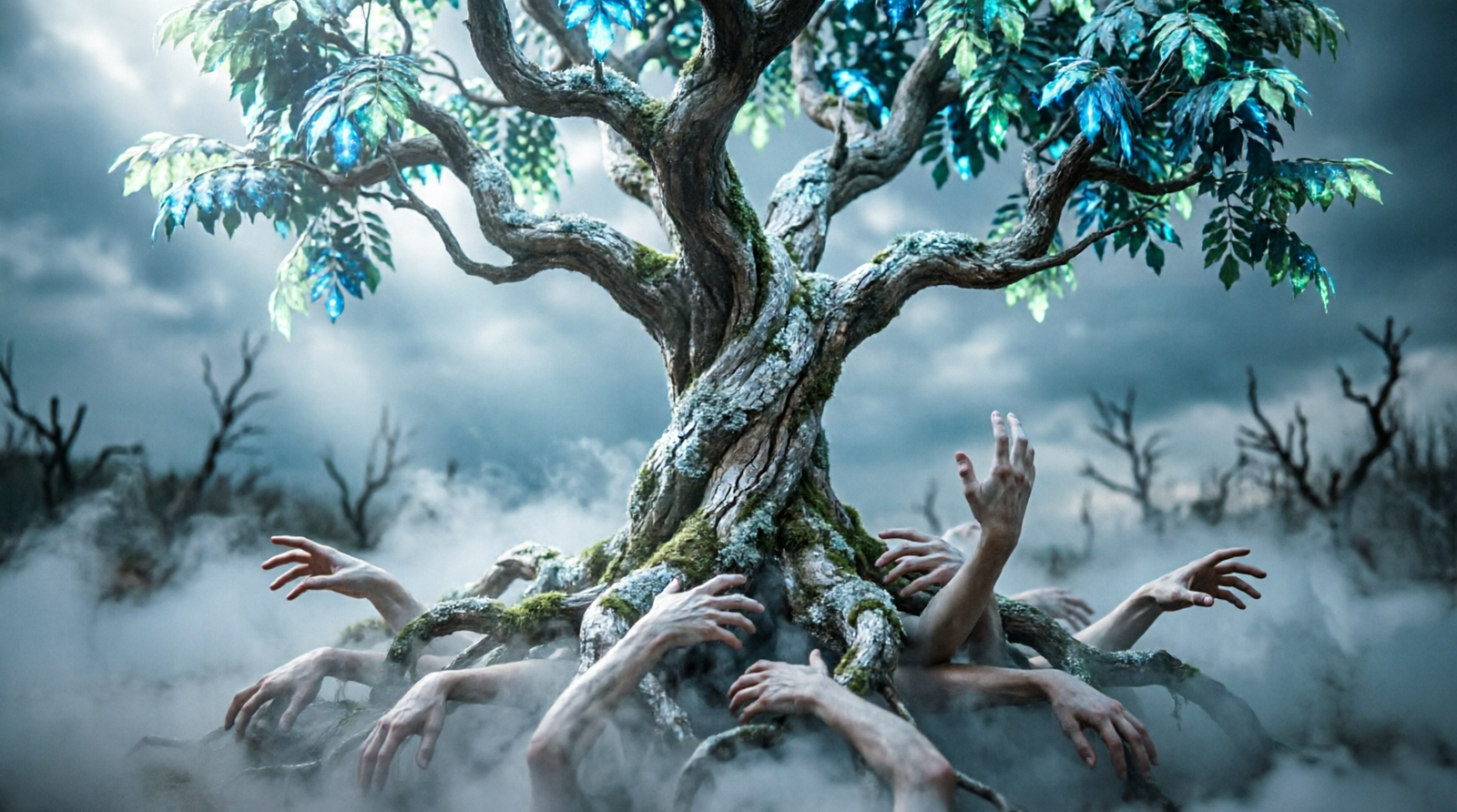
Sometimes a scary sentence does not need a monster a scream or a bloody scene. A few carefully chosen words can make an ordinary room feel wrong. That is where creepy metaphors become useful. They compare something familiar with something dark, strange threatening or unsettling without saying that the two things are literally the same.
People search for creepy metaphors when they want better ways to describe fear darkness silence strange people haunted places bad feelings death loneliness or an uneasy atmosphere. A plain sentence such as The house was quiet tells us very little. A metaphor such as The house was a sleeping mouth gives the reader a completely different feeling.
You can find this kind of language in horror stories novels poems movies song lyrics Halloween posts creative writing and everyday descriptions.
This guide gives you more than 60 original examples explains what each one means and shows when to use it. It is updated for 2026 so you can use these expressions naturally without making your writing sound forced.
Definition & Meaning

Creepy metaphors are comparisons that describe something frightening, disturbing, mysterious, or unsettling by saying it is something else. They do not usually use “like” or “as.” Instead, they create a mental picture, such as calling silence “a locked room” or darkness “a hungry animal.”
A metaphor works by transferring qualities from one thing to another.
For example:
“The hallway was a throat.”
The hallway is not literally a throat. The comparison makes it feel narrow, dark, and dangerous, as if something might be waiting inside it.
Quick definition
A creepy metaphor is a figurative expression that makes a person, place, object, feeling, or situation seem eerie, frightening, disturbing, or strangely unfamiliar.
| Term | Simple meaning | Example |
|---|---|---|
| Metaphor | Says one thing is another to create an image | “The city was a jungle.” |
| Creepy metaphor | Creates an eerie or disturbing image | “The hallway was a throat.” |
| Simile | Compares using “like” or “as” | “The hallway was like a throat.” |
| Personification | Gives human qualities to something nonhuman | “The house watched me.” |
| Imagery | Language that helps readers imagine something | “Cold rain tapped the black windows.” |
| Horror language | Words that create fear or unease | “The door breathed in the dark.” |
The key difference is emotional effect. A normal metaphor can make something beautiful, funny, or powerful. A creepy metaphor makes the reader feel that something is wrong.
Why We Use Creepy Metaphors
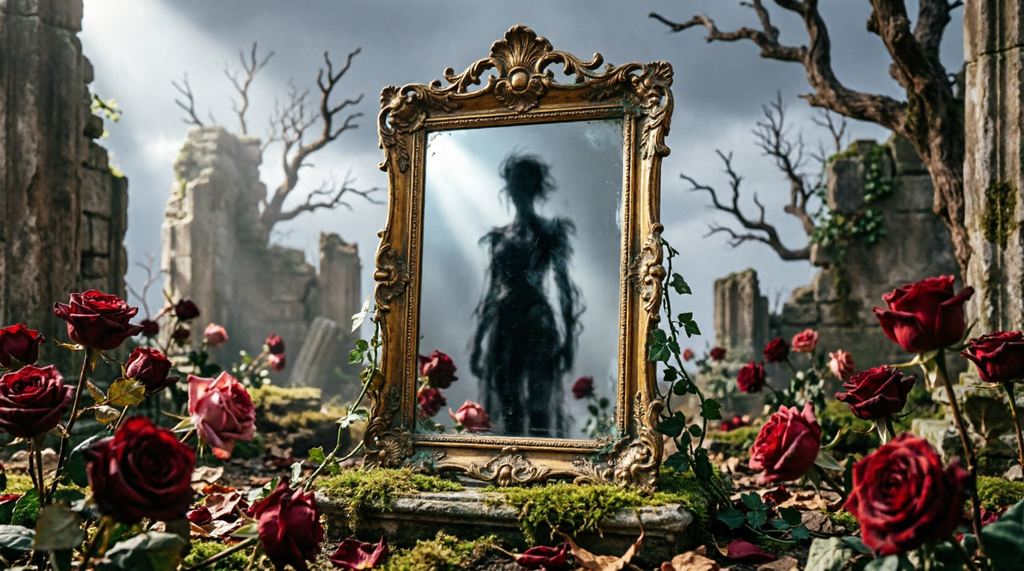
Creepy metaphors help writers create fear without explaining every detail. They turn simple descriptions into images that readers can feel and imagine. They are especially useful in horror, suspense, poetry, fiction, storytelling, Halloween content, and social posts where a short sentence needs a strong emotional effect.
A creepy metaphor can help you:
- Create an eerie atmosphere.
- Describe fear without repeating “scary.”
- Make a haunted setting feel alive.
- Show a character’s anxiety.
- Suggest danger without revealing it.
- Describe darkness in a fresh way.
- Make silence feel threatening.
- Give ordinary objects an unsettling quality.
- Build suspense.
- Make poetry more emotional.
- Give horror fiction a stronger voice.
- Write memorable captions.
- Describe strange people or situations.
- Show loneliness or emotional darkness.
In everyday speaking
People do not usually walk around using dramatic horror metaphors in every conversation. But casual versions are common.
You might say:
“That place was a ghost town.”
Or:
“The silence in there was a wall.”
In creative writing
Metaphors can be much stronger:
“The forest was a cathedral with no god inside.”
The sentence does more than say the forest was dark. It creates a strange emotional world.
In school writing
Creepy metaphors can work well in creative assignments, descriptive paragraphs, poetry, and short stories. The best choice depends on the teacher and assignment.
On social media
Short metaphors work especially well in captions:
“The night wore a mask.”
“My thoughts were a house with too many locked doors.”
In professional communication
Use them carefully. A creepy metaphor may be appropriate in creative work, advertising, storytelling, or branding, but it usually does not belong in a formal business email unless the subject itself is creative.
60+ Creepy Metaphors You Can Actually Use
The following examples are designed for different situations. Some are suitable for horror fiction, some for poetry, and some for everyday descriptions with a darker tone.
Each example includes its meaning, a sample sentence, usage advice, alternatives, difficulty, and tone.
1. The House Was a Sleeping Mouth
Meaning: The house feels dark, closed, and capable of swallowing someone.
Real explanation: A mouth can open, close, and swallow. Comparing a house to one makes the building seem alive and dangerous.
Sample sentence:
“The old house was a sleeping mouth at the end of the road.”
When to use it: Horror stories, haunted-house scenes, dark poetry.
When NOT to use it: Formal writing or simple factual descriptions.
Alternatives:
- The house was a waiting monster.
- The house was a dark throat.
- The house swallowed the street.
Difficulty: Intermediate
Tone: Creative, dark
2. The Hallway Was a Throat
Meaning: The hallway feels narrow, dark, and threatening.
Real explanation: A throat leads into the body, so the metaphor suggests that entering the hallway means entering something dangerous.
Sample sentence:
“The hallway was a throat, and the darkness waited at the other end.”
When to use it: Horror, suspense, gothic fiction.
When NOT to use it: Technical or business writing.
Alternatives:
- The hallway was a tunnel into darkness.
- The corridor was a black passage.
- The hallway swallowed the light.
Difficulty: Intermediate
Tone: Dark, literary
3. The Darkness Was a Hungry Animal
Meaning: Darkness feels alive and ready to consume something.
Sample sentence:
“The darkness was a hungry animal creeping across the floor.”
When to use it: Horror scenes or descriptions of night.
When NOT to use it: When you simply need to describe poor lighting.
Alternatives:
- The darkness was a predator.
- Night was hunting us.
- The shadows were hungry.
Difficulty: Easy
Tone: Creative
4. Her Smile Was a Locked Door
Meaning: Her smile hides something that others cannot access.
Sample sentence:
“Her smile was a locked door, and nobody knew what waited behind it.”
When to use it: Describing mysterious characters.
When NOT to use it: If the person is simply smiling happily.
Alternatives:
- Her smile hid a secret.
- Her face was a sealed room.
- Her smile concealed something dark.
Difficulty: Easy
Tone: Mysterious
5. His Eyes Were Empty Windows
Meaning: His eyes appear lifeless, emotionless, or disturbing.
Sample sentence:
“His eyes were empty windows looking into a room with no light.”
When to use it: Character descriptions.
When NOT to use it: When you need a warm or positive description.
Alternatives:
- His eyes were dead glass.
- His stare was an empty room.
- His eyes held no warmth.
Difficulty: Intermediate
Tone: Dark, serious
6. The Silence Was a Coffin
Meaning: The silence feels heavy, final, and deathlike.
Sample sentence:
“The room fell silent, a coffin around the three of us.”
When to use it: Moments of extreme tension.
When NOT to use it: Lighthearted situations.
Alternatives:
- Silence was a grave.
- The room became a tomb.
- The quiet felt deadly.
Difficulty: Intermediate
Tone: Dark
7. The Forest Was a Sea of Teeth
Meaning: The trees appear sharp, threatening, and dangerous.
Sample sentence:
“Beyond the road, the forest rose like a sea of teeth.”
When to use it: Horror and fantasy landscapes.
When NOT to use it: Scientific descriptions of forests.
Alternatives:
- The trees were black claws.
- The woods were a wall of knives.
- The forest was a cage.
Difficulty: Intermediate
Tone: Vivid, frightening
8. The Moon Was a Watchful Eye
Meaning: The moon seems to be watching the characters.
Sample sentence:
“Above the cemetery, the moon was a watchful eye.”
When to use it: Night scenes, gothic writing, poetry.
When NOT to use it: Scientific writing about the moon.
Alternatives:
- The moon watched from above.
- The moon was a pale eye.
- Night had one open eye.
Difficulty: Easy
Tone: Poetic
9. The Fog Was a Blanket for Secrets
Meaning: Fog hides things that people are not supposed to see.
Sample sentence:
“Fog covered the road like a blanket for secrets.”
When to use it: Mystery and suspense.
When NOT to use it: Simple weather reports.
Alternatives:
- Fog hid the truth.
- The mist concealed the road.
- The fog guarded something unseen.
Difficulty: Easy
Tone: Mysterious
10. The Graveyard Was a Sleeping City
Meaning: A cemetery is compared to a silent city filled with the dead.
Sample sentence:
“At midnight, the graveyard looked like a sleeping city.”
When to use it: Gothic fiction and poetry.
When NOT to use it: Sensitive factual discussions about cemeteries.
Alternatives:
- The cemetery was a city of the dead.
- The graves were silent houses.
- The graveyard was a dead neighborhood.
Difficulty: Easy
Tone: Gothic
11. The Shadow Was a Stain
Meaning: The shadow looks like something unwanted that cannot be removed.
Sample sentence:
“His shadow followed him like a stain that refused to wash away.”
When to use it: Psychological horror.
When NOT to use it: Bright, cheerful descriptions.
Alternatives:
- The shadow was a scar.
- Darkness clung to him.
- His shadow was a mark.
Difficulty: Easy
Tone: Dark
12. Fear Was Ice in My Veins
Meaning: Fear made the speaker feel cold and frozen.
Sample sentence:
“Fear was ice in my veins when the door slowly opened.”
When to use it: Showing intense fear.
When NOT to use it: If the character is only mildly nervous.
Alternatives:
- Fear froze my blood.
- Panic turned my body cold.
- Terror ran through me.
Difficulty: Easy
Tone: Dramatic
13. The Door Was a Mouth
Meaning: The door seems ready to open and swallow someone.
Sample sentence:
“The basement door was a mouth waiting to open.”
When to use it: Haunted houses and suspense.
When NOT to use it: Ordinary descriptions of doors.
Alternatives:
- The doorway was a hungry mouth.
- The door waited like a trap.
- The entrance swallowed the light.
Difficulty: Easy
Tone: Creepy
14. The Basement Was a Buried Secret
Meaning: The basement represents something hidden and possibly dangerous.
Sample sentence:
“The basement was a buried secret beneath the family home.”
When to use it: Mystery and horror.
When NOT to use it: If there is nothing secret about the basement.
Alternatives:
- The basement hid the past.
- The lower floor was a hidden wound.
- Beneath the house slept a secret.
Difficulty: Easy
Tone: Mysterious
15. The Wind Was a Whispering Ghost
Meaning: The wind sounds like a ghost speaking.
Sample sentence:
“The wind was a whispering ghost scratching at the windows.”
When to use it: Haunted settings.
When NOT to use it: Scientific descriptions.
Alternatives:
- The wind carried ghostly whispers.
- The night whispered through the trees.
- The air murmured outside.
Difficulty: Easy
Tone: Gothic
16. The Clock Was a Heart Counting Down
Meaning: The ticking clock creates a sense of approaching danger.
Sample sentence:
“The clock was a heart counting down to something terrible.”
When to use it: Suspense.
When NOT to use it: Casual descriptions of a clock.
Alternatives:
- The clock counted down my fate.
- Every tick sounded like a warning.
- Time was closing in.
Difficulty: Intermediate
Tone: Suspenseful
17. The House Was a Cage
Meaning: The house feels like a place from which the character cannot escape.
Sample sentence:
“After sunset, the house became a cage.”
When to use it: Psychological horror and trapped-character scenes.
When NOT to use it: When describing a comfortable home.
Alternatives:
- The house trapped us.
- The walls closed around me.
- Home became a prison.
Difficulty: Easy
Tone: Strong, dark
18. The Attic Was a Memory Graveyard
Meaning: The attic contains old objects and forgotten memories.
Sample sentence:
“The attic was a memory graveyard filled with broken toys and yellow photographs.”
When to use it: Stories about family secrets or the past.
When NOT to use it: Plain storage descriptions.
Alternatives:
- The attic buried the past.
- Old memories slept upstairs.
- The attic was a museum of forgotten lives.
Difficulty: Intermediate
Tone: Nostalgic, creepy
19. The Portrait Was a Silent Witness
Meaning: A portrait seems to observe what happens around it.
Sample sentence:
“The portrait was a silent witness to every secret in the room.”
When to use it: Gothic houses and mystery stories.
When NOT to use it: Art history reports unless used intentionally as figurative language.
Alternatives:
- The painting watched us.
- The portrait guarded a secret.
- The eyes followed the room.
Difficulty: Easy
Tone: Mysterious
20. The Doll Was a Frozen Child
Meaning: A doll looks disturbingly lifelike.
Sample sentence:
“The doll sat on the shelf like a frozen child waiting to wake.”
When to use it: Horror involving dolls or childhood objects.
When NOT to use it: A normal toy review.
Alternatives:
- The doll was a sleeping child.
- The toy looked unnervingly alive.
- Its glass eyes were waiting.
Difficulty: Intermediate
Tone: Unsettling
21. The Mirror Was a Second Door
Meaning: The mirror seems to lead somewhere beyond ordinary reality.
Sample sentence:
“The mirror was a second door, and I was afraid to find out where it led.”
When to use it: Supernatural fiction.
When NOT to use it: Normal descriptions of mirrors.
Alternatives:
- The mirror opened into another world.
- The glass was a doorway.
- My reflection guarded a secret.
Difficulty: Intermediate
Tone: Supernatural
22. Her Voice Was a Knife in the Dark
Meaning: Her voice feels sharp, threatening, or painful.
Sample sentence:
“Her voice was a knife in the dark.”
When to use it: Threatening dialogue or tense scenes.
When NOT to use it: When describing a friendly speaker.
Alternatives:
- Her voice cut through the room.
- Her words were blades.
- Her voice carried a threat.
Difficulty: Easy
Tone: Intense
23. His Words Were Rotten Fruit
Meaning: His words sound unpleasant, false, or harmful.
Sample sentence:
“His promises were rotten fruit, sweet on the outside and spoiled underneath.”
When to use it: Describing lies or manipulation.
When NOT to use it: Literal food discussions.
Alternatives:
- His words were poison.
- His promises had gone bad.
- His speech hid decay.
Difficulty: Intermediate
Tone: Dark
24. The Secret Was a Worm Under the Skin
Meaning: A secret causes constant discomfort and cannot be ignored.
Sample sentence:
“The secret was a worm under her skin.”
When to use it: Psychological writing.
When NOT to use it: Medical contexts, where the metaphor could confuse readers.
Alternatives:
- The secret ate at her.
- Guilt crawled beneath her thoughts.
- The truth was a splinter in her mind.
Difficulty: Intermediate
Tone: Disturbing
25. Guilt Was a Heavy Ghost
Meaning: Guilt follows a person like a ghost.
Sample sentence:
“Guilt was a heavy ghost that followed him from room to room.”
When to use it: Emotional or psychological stories.
When NOT to use it: Formal mental-health writing.
Alternatives:
- Guilt followed him everywhere.
- His past haunted him.
- Regret was always behind him.
Difficulty: Easy
Tone: Emotional
26. The Past Was a Haunted House
Meaning: Memories of the past contain painful or disturbing experiences.
Sample sentence:
“Her past was a haunted house she refused to enter.”
When to use it: Emotional fiction and poetry.
When NOT to use it: When discussing someone’s real trauma casually.
Alternatives:
- The past was full of ghosts.
- Old memories haunted her.
- Yesterday was a locked room.
Difficulty: Easy
Tone: Emotional
27. Loneliness Was an Empty Room
Meaning: Loneliness feels like being trapped in a room with no one else.
Sample sentence:
“Loneliness was an empty room inside his chest.”
When to use it: Poetry, emotional writing, reflective fiction.
When NOT to use it: Medical or clinical writing.
Alternatives:
- Loneliness was a hollow house.
- He carried an empty room inside.
- Silence lived in him.
Difficulty: Easy
Tone: Sad, poetic
28. The Night Was a Black Ocean
Meaning: Night seems endless, deep, and impossible to escape.
Sample sentence:
“The night was a black ocean, and the small house floated inside it.”
When to use it: Landscape descriptions.
When NOT to use it: Simple factual writing.
Alternatives:
- Darkness stretched like an endless sea.
- Night swallowed the land.
- The world drowned in darkness.
Difficulty: Easy
Tone: Poetic
29. The Stars Were Cold Eyes
Meaning: Stars seem to watch from far away.
Sample sentence:
“Cold stars watched from above like eyes that never blinked.”
When to use it: Dark poetry and night scenes.
When NOT to use it: Astronomy writing.
Alternatives:
- The stars watched silently.
- The sky was full of eyes.
- Night stared back.
Difficulty: Easy
Tone: Creepy
30. The Rain Was a Funeral March
Meaning: Heavy rain makes the scene feel sad, dark, or deathlike.
Sample sentence:
“Rain fell like a funeral march over the empty street.”
When to use it: Sad or ominous scenes.
When NOT to use it: Happy weather descriptions.
Alternatives:
- The rain mourned with us.
- The storm sounded like mourning.
- Rain covered the city in grief.
Difficulty: Intermediate
Tone: Melancholic
31. The Fog Was a Blindfold
Meaning: Fog blocks vision and prevents people from knowing what is ahead.
Sample sentence:
“The fog was a blindfold wrapped around the road.”
When to use it: Suspense and mystery.
When NOT to use it: Weather reports.
Alternatives:
- Fog hid the road.
- The mist blocked our view.
- The world disappeared into fog.
Difficulty: Easy
Tone: Mysterious
32. The Cemetery Was a Library of Names
Meaning: Gravestones hold the stories of people who lived before.
Sample sentence:
“The cemetery was a library of names, each stone hiding a forgotten story.”
When to use it: Reflective gothic writing.
When NOT to use it: When a respectful literal tone is needed.
Alternatives:
- Every grave held a story.
- The stones remembered the dead.
- The cemetery stored forgotten lives.
Difficulty: Intermediate
Tone: Poetic
33. The Old Photograph Was a Frozen Moment
Meaning: The photograph preserves a moment that can never happen again.
Sample sentence:
“The old photograph was a frozen moment from a family nobody remembered.”
When to use it: Mystery and nostalgic horror.
When NOT to use it: Simple photography descriptions.
Alternatives:
- The picture trapped the past.
- The photograph held a dead moment.
- Time had stopped inside the frame.
Difficulty: Easy
Tone: Mysterious
34. The Candle Was a Tiny Prisoner
Meaning: The flame looks trapped inside the darkness.
Sample sentence:
“The candle was a tiny prisoner surrounded by blackness.”
When to use it: Dark room descriptions.
When NOT to use it: Practical lighting instructions.
Alternatives:
- The flame fought the dark.
- The candle was a lonely soldier.
- One small light resisted the night.
Difficulty: Easy
Tone: Poetic
35. The Darkness Was a Thief
Meaning: Darkness seems to steal visibility, safety, or comfort.
Sample sentence:
“Darkness was a thief, taking the road from our eyes.”
When to use it: Night scenes.
When NOT to use it: Literal descriptions of nighttime.
Alternatives:
- Night stole the view.
- Darkness took everything away.
- The shadows robbed the room of light.
Difficulty: Easy
Tone: Creative
36. The Shadows Were Fingers
Meaning: Shadows seem to reach toward someone.
Sample sentence:
“Shadows stretched across the wall like fingers searching for my face.”
When to use it: Horror scenes.
When NOT to use it: Ordinary descriptions.
Alternatives:
- The shadows reached for me.
- Darkness had long hands.
- Black shapes crawled across the wall.
Difficulty: Easy
Tone: Creepy
37. The Stairs Were Old Bones
Meaning: Old stairs look weak, worn, and skeletal.
Sample sentence:
“The stairs were old bones creaking beneath every step.”
When to use it: Old-house descriptions.
When NOT to use it: New buildings or factual reports.
Alternatives:
- The stairs groaned like bones.
- The staircase was a skeleton.
- Every step sounded ancient.
Difficulty: Easy
Tone: Gothic
38. The Floorboards Were Nervous Teeth
Meaning: The floorboards creak and seem alive.
Sample sentence:
“The floorboards were nervous teeth, clicking beneath our feet.”
When to use it: Haunted-house scenes.
When NOT to use it: Simple home descriptions.
Alternatives:
- The floor groaned beneath us.
- The boards complained.
- The house seemed to grind its teeth.
Difficulty: Advanced
Tone: Unusual, disturbing
39. The Fireplace Was a Red Eye
Meaning: A glowing fire resembles an eye watching from the darkness.
Sample sentence:
“The fireplace was a red eye staring through the dark room.”
When to use it: Gothic interiors.
When NOT to use it: Safety instructions.
Alternatives:
- The fire watched us.
- The embers glowed like eyes.
- A red glow stared from the hearth.
Difficulty: Easy
Tone: Gothic
40. The Fog Was a Hungry Crowd
Meaning: Fog seems to surround and close in on the character.
Sample sentence:
“The fog was a hungry crowd pressing against the car.”
When to use it: Claustrophobic scenes.
When NOT to use it: Normal weather descriptions.
Alternatives:
- Fog closed around us.
- Mist surrounded the car.
- The fog pressed closer.
Difficulty: Intermediate
Tone: Suspenseful
41. The Phone Was a Dead Man’s Bell
Meaning: A ringing phone creates an ominous feeling.
Sample sentence:
“The phone rang like a dead man’s bell in the empty house.”
When to use it: Horror fiction.
When NOT to use it: Business communication.
Alternatives:
- The ringing sounded like a warning.
- The phone broke the silence.
- The call felt like an omen.
Difficulty: Advanced
Tone: Gothic
42. The Knock Was a Warning From the Dark
Meaning: A knock suggests that something dangerous may be outside.
Sample sentence:
“Three knocks sounded—a warning from the dark.”
When to use it: Suspense and horror.
When NOT to use it: Normal door scenes.
Alternatives:
- The knock was an omen.
- Someone—or something—was calling.
- The door carried a warning.
Difficulty: Easy
Tone: Suspenseful
43. The Room Was a Trap With Walls
Meaning: The room feels impossible to escape.
Sample sentence:
“The room was a trap with walls, a ceiling, and nowhere to run.”
When to use it: Captivity or psychological horror.
When NOT to use it: Normal room descriptions.
Alternatives:
- The room became a prison.
- The walls closed in.
- There was no escape.
Difficulty: Easy
Tone: Intense
44. His Laughter Was Broken Glass
Meaning: His laughter sounds sharp, uncomfortable, or disturbing.
Sample sentence:
“His laughter was broken glass scraping through the quiet room.”
When to use it: Unsettling character descriptions.
When NOT to use it: Happy scenes.
Alternatives:
- His laugh sounded wrong.
- His laughter cut through the silence.
- His laugh was sharp and cold.
Difficulty: Intermediate
Tone: Creepy
45. Her Whisper Was a Spider
Meaning: Her whisper creates an uncomfortable crawling sensation.
Sample sentence:
“Her whisper was a spider crawling slowly across my thoughts.”
When to use it: Psychological horror and eerie dialogue.
When NOT to use it: Friendly conversation.
Alternatives:
- Her whisper crawled through my mind.
- Her voice made my skin crawl.
- Her words moved like insects.
Difficulty: Advanced
Tone: Disturbing
46. The Memory Was a Dark Room
Meaning: The memory contains something painful, frightening, or unknown.
Sample sentence:
“That memory was a dark room I had locked for years.”
When to use it: Emotional fiction.
When NOT to use it: Literal memory science.
Alternatives:
- The memory was buried.
- The past was a locked room.
- I kept that memory in the dark.
Difficulty: Easy
Tone: Emotional
47. His Anger Was a Locked Beast
Meaning: His anger is powerful but controlled.
Sample sentence:
“His anger was a locked beast behind his calm face.”
When to use it: Character development.
When NOT to use it: If the character is not angry.
Alternatives:
- Rage waited beneath his calm.
- His anger slept beneath the surface.
- He carried a storm inside.
Difficulty: Easy
Tone: Dramatic
48. Panic Was a Swarm in My Chest
Meaning: Panic feels chaotic and impossible to control.
Sample sentence:
“Panic was a swarm in my chest when the lights went out.”
When to use it: First-person horror or suspense.
When NOT to use it: Clinical health writing.
Alternatives:
- Panic filled my chest.
- Fear buzzed inside me.
- My thoughts became a storm.
Difficulty: Intermediate
Tone: Emotional
49. The Secret Was Mold
Meaning: A hidden secret grows quietly and makes everything unhealthy.
Sample sentence:
“The family secret was mold behind the walls.”
When to use it: Family mysteries and dark fiction.
When NOT to use it: Literal discussions about household mold.
Alternatives:
- The secret spread quietly.
- The truth was rotting beneath the surface.
- Something bad had grown underneath.
Difficulty: Easy
Tone: Dark
50. The City Was a Machine That Never Slept
Meaning: The city feels constantly active and emotionally cold.
Sample sentence:
“At midnight, the city was a machine that never slept.”
When to use it: Urban fiction.
When NOT to use it: When you need a literal city description.
Alternatives:
- The city kept breathing.
- The streets never rested.
- The city was always awake.
Difficulty: Easy
Tone: Dark, urban
51. The Street Was a Dead River
Meaning: The empty street resembles a river with no movement.
Sample sentence:
“The street was a dead river under the yellow lamps.”
When to use it: Empty-city scenes.
When NOT to use it: Traffic reports.
Alternatives:
- The road lay empty.
- The street was lifeless.
- Nothing moved along the road.
Difficulty: Intermediate
Tone: Poetic
52. The Abandoned Building Was a Rotten Tooth
Meaning: The building looks damaged, unwanted, and painful.
Sample sentence:
“The abandoned building stood among the new apartments like a rotten tooth.”
When to use it: Urban descriptions.
When NOT to use it: Sensitive discussions about real buildings or communities.
Alternatives:
- The building was a scar on the block.
- It stood like a broken bone.
- The old structure spoiled the skyline.
Difficulty: Easy
Tone: Dark
53. The Elevator Was a Metal Coffin
Meaning: The elevator feels enclosed and frightening.
Sample sentence:
“When the lights went out, the elevator became a metal coffin.”
When to use it: Claustrophobic horror.
When NOT to use it: Normal elevator instructions.
Alternatives:
- The elevator became a trap.
- The metal box closed around us.
- We were trapped underground.
Difficulty: Easy
Tone: Frightening
54. The Basement Stairs Were a Descent Into Hell
Meaning: Going downstairs feels like entering a terrible place.
Sample sentence:
“Each step felt like a descent into hell.”
When to use it: Strong horror writing.
When NOT to use it: Mild suspense or everyday descriptions.
Alternatives:
- The stairs led into darkness.
- We descended into something terrible.
- The basement waited below.
Difficulty: Easy
Tone: Dramatic
55. The Forest Was a Maze With Teeth
Meaning: The forest is confusing and dangerous.
Sample sentence:
“The forest was a maze with teeth.”
When to use it: Fantasy, horror, adventure.
When NOT to use it: Straightforward nature writing.
Alternatives:
- The woods were a dangerous maze.
- Every path seemed to bite back.
- The forest had no safe road.
Difficulty: Intermediate
Tone: Dark fantasy
56. The Ocean Was a Bottomless Mouth
Meaning: The ocean seems capable of swallowing everything.
Sample sentence:
“Beyond the cliffs, the ocean was a bottomless mouth.”
When to use it: Maritime horror or dark poetry.
When NOT to use it: Marine science writing.
Alternatives:
- The sea swallowed the horizon.
- The ocean was an endless void.
- The water hid a hungry darkness.
Difficulty: Easy
Tone: Gothic
57. The Clouds Were Bruises on the Sky
Meaning: Dark clouds make the sky look injured.
Sample sentence:
“Bruises spread across the sky as the storm approached.”
When to use it: Storm scenes and poetry.
When NOT to use it: Weather reports.
Alternatives:
- Dark clouds covered the sky.
- The sky looked wounded.
- Storm clouds stained the horizon.
Difficulty: Easy
Tone: Poetic
58. The Storm Was a Beast at the Window
Meaning: The storm seems alive and threatening.
Sample sentence:
“The storm was a beast at the window, pounding to get inside.”
When to use it: Horror and dramatic fiction.
When NOT to use it: Literal storm reporting.
Alternatives:
- The storm attacked the house.
- Wind battered the windows.
- The weather raged outside.
Difficulty: Easy
Tone: Dramatic
59. The Candlelight Was a Weak Pulse
Meaning: The small amount of light feels fragile and temporary.
Sample sentence:
“Candlelight flickered like a weak pulse in the darkness.”
When to use it: Gothic or suspense scenes.
When NOT to use it: Technical descriptions of lighting.
Alternatives:
- The flame barely survived.
- The candle struggled against the dark.
- A small light trembled in the room.
Difficulty: Intermediate
Tone: Atmospheric
60. The Night Was a Locked Room
Meaning: Night feels closed, private, and difficult to escape.
Sample sentence:
“The night was a locked room with no visible door.”
When to use it: Poetry and psychological fiction.
When NOT to use it: Ordinary nighttime descriptions.
Alternatives:
- Darkness surrounded us.
- Night trapped the town.
- The world disappeared after sunset.
Difficulty: Easy
Tone: Poetic
61. The Silence Was a Held Breath
Meaning: The silence feels tense, as if something is about to happen.
Sample sentence:
“The silence was a held breath before the scream.”
When to use it: Suspense.
When NOT to use it: When the silence is peaceful.
Alternatives:
- The room waited.
- Silence hung in the air.
- Everyone seemed to be waiting.
Difficulty: Easy
Tone: Suspenseful
62. The House Had a Memory
Meaning: The house seems to remember the people and events that happened inside it.
Sample sentence:
“The house had a memory, and every floorboard seemed to know my name.”
When to use it: Haunted-house fiction.
When NOT to use it: Real-estate descriptions.
Alternatives:
- The walls remembered.
- The house held old secrets.
- The building seemed haunted by its past.
Difficulty: Easy
Tone: Gothic
63. The Wind Carried Dead Secrets
Meaning: The wind seems to bring hidden stories from the past.
Sample sentence:
“The wind carried dead secrets through the broken windows.”
When to use it: Gothic fiction and poetry.
When NOT to use it: Normal descriptions of wind.
Alternatives:
- The wind carried old whispers.
- The air seemed full of secrets.
- Something from the past moved through the room.
Difficulty: Intermediate
Tone: Gothic
64. The Mirror Was a Hungry Witness
Meaning: The mirror seems to observe everything and reveal something unwanted.
Sample sentence:
“The mirror was a hungry witness that never looked away.”
When to use it: Supernatural horror.
When NOT to use it: Everyday descriptions of mirrors.
Alternatives:
- The mirror watched silently.
- The glass remembered everything.
- My reflection seemed to know too much.
Difficulty: Advanced
Tone: Unsettling
65. The Village Was a Forgotten Grave
Meaning: The village feels abandoned, lifeless, and forgotten.
Sample sentence:
“By winter, the village was a forgotten grave beneath the snow.”
When to use it: Post-apocalyptic, gothic, or historical fiction.
When NOT to use it: Describing a living community respectfully in factual writing.
Alternatives:
- The village was abandoned.
- The town had fallen silent.
- The streets were empty.
Difficulty: Intermediate
Tone: Bleak
66. His Presence Was a Cold Hand
Meaning: Being near him creates an uncomfortable feeling.
Sample sentence:
“His presence was a cold hand resting on the back of my neck.”
When to use it: Describing an unsettling person.
When NOT to use it: Friendly character descriptions.
Alternatives:
- He made the room feel colder.
- His presence made me uneasy.
- Something about him felt wrong.
Difficulty: Intermediate
Tone: Creepy
67. Her Secret Was a Shadow With Teeth
Meaning: Her secret is dangerous and follows her.
Sample sentence:
“Her secret was a shadow with teeth, always close behind.”
When to use it: Mystery, suspense, psychological fiction.
When NOT to use it: Simple personal secrets.
Alternatives:
- Her secret threatened to catch her.
- The truth followed her.
- Her past had sharp edges.
Difficulty: Advanced
Tone: Dark
68. The Phone Screen Was a Blue Ghost
Meaning: A glowing phone screen creates an eerie light in darkness.
Sample sentence:
“In the dark bedroom, the phone screen was a blue ghost beside his face.”
When to use it: Modern horror or night scenes.
When NOT to use it: Technical writing about phones.
Alternatives:
- The screen glowed in the darkness.
- The phone cast a ghostly light.
- Blue light floated beside him.
Difficulty: Easy
Tone: Modern, eerie
69. The Empty Playground Was a Memory With Swings
Meaning: The playground feels haunted by memories of children who are no longer there.
Sample sentence:
“The empty playground was a memory with swings moving in the wind.”
When to use it: Nostalgic horror.
When NOT to use it: Describing an ordinary playground during the day.
Alternatives:
- The playground looked abandoned.
- The swings carried old memories.
- Childhood seemed to have disappeared.
Difficulty: Intermediate
Tone: Sad, creepy
70. The Corridor Was a Vein of Darkness
Meaning: The corridor seems like part of a living body filled with darkness.
Sample sentence:
“The corridor was a vein of darkness running through the old hotel.”
When to use it: Gothic architecture and horror.
When NOT to use it: Formal architectural writing.
Alternatives:
- Darkness ran through the hallway.
- The corridor disappeared into blackness.
- The hotel was full of dark passages.
Difficulty: Advanced
Tone: Gothic
71. The Red Light Was a Warning Scar
Meaning: A red light suggests danger or something wrong.
Sample sentence:
“A red light blinked above the door like a warning scar.”
When to use it: Suspense, science fiction, horror.
When NOT to use it: Safety manuals.
Alternatives:
- The red light warned us.
- A red glow marked the door.
- The light looked like a danger signal.
Difficulty: Advanced
Tone: Ominous
72. The Silence Was a Monster Holding Its Breath
Meaning: The silence suggests that danger is nearby but waiting.
Sample sentence:
“The silence was a monster holding its breath beneath the floor.”
When to use it: High-tension horror.
When NOT to use it: Gentle or peaceful scenes.
Alternatives:
- Silence hid something.
- The room seemed to wait.
- Something terrible felt close.
Difficulty: Advanced
Tone: Highly dramatic
Real-Life Conversations
Creepy metaphors sound best when they fit the situation. They should not feel like someone suddenly started speaking like a nineteenth-century horror novelist.
Here are natural examples.
Conversation 1: Friends Talking About an Old House
Maya: Did you actually go inside that abandoned house?
Jake: Yeah. Bad idea.
Maya: Why?
Jake: The place felt wrong.
Maya: What do you mean?
Jake: The hallway was a throat. It felt like the house was waiting for us.
Maya: Okay, that’s creepy.
Jake: And then we heard three knocks from upstairs.
Maya: You stayed?
Jake: Absolutely not.
🎯 Lesson: Use a creepy metaphor when a normal description does not capture the feeling.
Conversation 2: A Student Writing a Story
Sam: My teacher said my story needs more atmosphere.
Lena: What did you write?
Sam: “The night was dark and the house was scary.”
Lena: That’s clear, but it’s basic.
Sam: What should I say?
Lena: Try something like, “The night was a locked room, and the house was the only thing inside.”
Sam: That sounds way creepier.
Lena: Exactly. Show the feeling instead of just saying “scary.”
🎯 Lesson: Metaphors create atmosphere by showing an emotion through an image.
Conversation 3: Family Story
Dad: Why don’t you like that old photograph?
Emma: I don’t know. Something about it bothers me.
Dad: It’s just a picture.
Emma: I know. But it feels like a frozen moment.
Dad: From Grandma’s childhood?
Emma: Yeah. Everyone in it looks happy, but nobody looks at the camera.
Dad: Okay. Now I understand why you find it creepy.
🎯 Lesson: A metaphor can make an ordinary object feel strange without changing the facts.
Conversation 4: Social Media Caption
Alex: I need a caption for this night photo.
Chris: What’s the picture?
Alex: An empty street under a full moon.
Chris: “The moon was a watchful eye.”
Alex: Too dramatic?
Chris: For Instagram? Not at all.
Alex: What about “The night was a locked room”?
Chris: That’s better. Short and creepy.
🎯 Lesson: Short metaphors often work better than complicated ones in captions.
Conversation 5: Writer and Editor
Writer: I wrote, “The room was extremely frightening.”
Editor: Why tell the reader it was frightening?
Writer: What should I do instead?
Editor: Give the reader an image.
Writer: Such as?
Editor: “The room was a trap with walls.”
Writer: That’s much stronger.
Editor: Exactly. Let the image create the feeling.
🎯 Lesson: Strong metaphor can replace weak adjectives such as “very scary.”
Everyday Usage
Creepy metaphors appear in many forms of language, but the level of intensity should change with the setting.
Conversation
In everyday speech, use simple metaphors.
“That place was a ghost town.”
“The silence was creepy.”
“The house felt like a cage.”
A highly poetic metaphor can sound strange if the conversation is casual.
Writing
Creative writing gives you more freedom.
“The hallway was a throat.”
This works because fiction gives the reader permission to enter an imaginative world.
Books
Novelists often use metaphors to establish atmosphere quickly. Instead of explaining that a character feels nervous for several sentences, a writer can create an image that makes the emotion visible.
Movies
Visual storytelling already provides images, so spoken metaphors are often shorter.
A character might say:
“This place is a grave.”
The audience can then see the dark, abandoned setting.
Poetry
Poetry allows the most freedom.
“Night was a locked room.”
A short line can carry several meanings: isolation, darkness, fear, secrecy, and confinement.
Emails
Creepy metaphors are usually inappropriate for ordinary professional emails.
Instead of:
“The deadline is a monster waiting to eat us.”
write:
“The deadline is approaching quickly.”
The first might work as a joke between close coworkers, but not in formal communication.
Text Messages
Short metaphors can work well between friends:
“That basement was a nightmare.”
“The fog was a blanket over the whole town.”
Short and visual expressions work best:
“The moon was watching.”
“A black ocean above us.”
A slightly longer metaphor can work with a story or photograph:
“The abandoned street looked like a dead river beneath the streetlights.”
X
Keep the metaphor compact:
“Some nights feel like locked rooms.”
Avoid horror metaphors unless you are deliberately using them for creative branding or storytelling.
A professional post usually benefits from clear language.
School Assignments
Creepy metaphors can be excellent for:
- Creative writing.
- Poetry.
- Descriptive writing.
- Horror stories.
- Narrative essays.
- Character descriptions.
- Setting descriptions.
Always follow the assignment’s tone and your teacher’s instructions.
Writing Tips
The strongest creepy metaphors do not simply contain dark words. They create a specific feeling through an unexpected comparison. Think about what the reader should feel first: fear, tension, isolation, mystery, disgust, sadness, or anticipation. Then choose an image that creates that feeling.
Choose the right level of fear
Not every creepy metaphor needs death, blood, or monsters.
mild unease:
“The house had a memory.”
stronger suspense:
“The hallway was a throat.”
intense horror:
“The silence was a monster holding its breath.”
Formal vs. informal
Formal writing: Use metaphors sparingly and only when the context allows them.
Informal writing: You can be more playful.
Creative writing: You have the most freedom.
Speaking vs. writing
A metaphor that looks beautiful on a page may sound unnatural in conversation.
Written:
“The corridor was a vein of darkness.”
Spoken:
“That hallway felt really creepy.”
Both are useful. They simply belong to different situations.
British vs. American English
The basic use of metaphor is not significantly different between British and American English. The main difference usually comes from vocabulary, cultural references, and local style rather than metaphor itself.
These examples work naturally in American English.
Children vs. adults
children, use simple images:
“The dark was a giant blanket.”
older readers:
“The darkness was a hungry animal.”
adult horror:
“The silence was a monster holding its breath beneath the floor.”
Professional communication
Do not force creepy metaphors into business writing.
A metaphor should make communication clearer or more memorable, not harder to understand.
Creative writing
When writing horror, avoid using a creepy metaphor in every sentence.
Too many metaphors can weaken each other.
Compare:
“The house was a mouth. The door was a tooth. The hallway was a throat. The stairs were bones. The windows were eyes.”
Every sentence is metaphorical, so the effect becomes predictable.
A stronger passage might mix plain description with one powerful metaphor:
“The house had been empty for years. Dust covered the stairs, and the windows were black from the outside. At the end of the hallway, the darkness looked like a mouth waiting to open.”
The final metaphor has more power because it has room to breathe.
Pro Tip
One strong metaphor is usually better than five weak ones.
Choose the image that best fits the emotion you want the reader to feel.
Did You Know?
A metaphor does not need to be frightening by itself. The comparison becomes creepy because of the qualities it transfers.
For example, a mouth is not automatically scary. But calling a dark doorway a mouth suggests swallowing, hunger, and danger.
Common Mistakes
| Mistake | Reason | Correct version | Practical explanation |
|---|---|---|---|
| Using “like” and calling it a metaphor | This usually creates a simile | “The hallway was a throat.” | A simile often uses “like” or “as.” |
| Making every sentence metaphorical | It overwhelms the reader | Mix plain description with metaphors | Give important images space. |
| Using random scary words | “Dark blood death” does not create a clear image | “The silence was a coffin.” | The comparison needs meaning. |
| Explaining the metaphor too much | It removes mystery | Let the image work | Trust the reader. |
| Using very complicated imagery | Readers may not understand it | Choose a familiar image | Simple images often feel stronger. |
| Repeating the same metaphor | It becomes predictable | Change the image | Variety keeps writing fresh. |
| Using horror language in formal emails | It can sound unprofessional | Use direct language | Match the tone to the situation. |
| Making a metaphor too literal | Readers may become confused | Keep the comparison clear | The reader should understand the intended meaning. |
| Adding a metaphor to every noun | It makes prose heavy | Use one strong image | Less can create more impact. |
| Using clichés too often | Familiar expressions lose power | Create a fresh comparison | Original images are more memorable. |
| Mixing unrelated metaphors | The mental picture becomes confusing | Keep one image consistent | Avoid switching from ocean to fire to machinery in one sentence. |
| Choosing a beautiful image for a terrifying scene | The emotion may not match | Choose an image that supports the mood | Meaning matters more than decoration. |
A common beginner mistake
Writers often think “creepy” means adding words such as blood, death, bones, ghosts, murder, darkness, and screams everywhere.
That is not necessary.
Sometimes the creepiest sentence is quiet:
“The house remembered my name.”
The reader is left wondering how the house could know the character’s name. That unanswered question creates unease.
Practice Exercise
Rewrite each plain sentence using a creepy metaphor.
1. The house was very old.
Possible answer:
“The house was an old skeleton standing at the edge of the road.”
2. The room was very dark.
Possible answer:
“The room was a mouth with no light inside.”
3. She looked very sad.
Possible answer:
“Sadness was a dark room behind her eyes.”
4. The forest was dangerous.
Possible answer:
“The forest was a maze with teeth.”
5. The silence felt strange.
Possible answer:
“The silence was a held breath.”
6. He had a secret.
Possible answer:
“His secret was a shadow with teeth.”
7. The storm was approaching.
Possible answer:
“The storm was a beast moving toward the house.”
8. The empty street looked frightening.
Possible answer:
“The street was a dead river beneath the lamps.”
9. I felt afraid.
Possible answer:
“Fear was ice in my veins.”
10. The old photograph felt strange.
Possible answer:
“The photograph was a frozen moment that refused to stay in the past.”
Practice tip
There is not always one correct metaphor. Your goal is to create a clear image that matches the mood.
For example, the sentence “The room was dark” could become:
- “The room was a locked box.”
- “The room was a mouth.”
- “The room was a grave.”
- “The room was an ocean without stars.”
Each one creates a slightly different feeling.
Multiple Choice Questions
1. Which sentence contains a metaphor?
A. The hallway was like a throat.
B. The hallway was dark.
C. The hallway was a throat.
D. The hallway looked narrow.
Answer: C
2. Which metaphor best suggests loneliness?
A. The room was a celebration.
B. Loneliness was an empty room.
C. The room was bright.
D. The room had four walls.
Answer: B
3. Which metaphor best creates suspense?
A. The clock was a heart counting down.
B. The clock was round.
C. The clock was on the wall.
D. The clock was expensive.
Answer: A
4. Which image suggests that darkness feels alive?
A. Darkness was a hungry animal.
B. Darkness was black.
C. Darkness covered the floor.
D. Darkness arrived at night.
Answer: A
5. Which is most appropriate for a horror story?
A. The hallway was a throat.
B. Please review the hallway.
C. The hallway is 20 feet long.
D. The hallway was recently painted.
Answer: A
6. What does “The house was a cage” suggest?
A. The house was made of metal.
B. The house felt difficult to escape.
C. The house contained an animal.
D. The house was small.
Answer: B
7. Which metaphor describes guilt?
A. Guilt was a heavy ghost.
B. Guilt was a sunny day.
C. Guilt was a clean window.
D. Guilt was a birthday cake.
Answer: A
8. Which metaphor suggests something is being watched?
A. The moon was a watchful eye.
B. The moon was a rock.
C. The moon was bright.
D. The moon was round.
Answer: A
9. Why should writers avoid using too many metaphors?
A. Metaphors are always incorrect.
B. They can make writing confusing and heavy.
C. Google does not allow metaphors.
D. Readers dislike creative writing.
Answer: B
10. Which sentence creates the strongest sense of hidden danger?
A. The room was large.
B. The room was clean.
C. The silence was a monster holding its breath.
D. The room had a chair.
Answer: C
Answer Key
- C
- B
- A
- A
- A
- B
- A
- A
- B
- C
Related Terms
overlap with several other forms of figurative language, but they are not exactly the same.
| Term | Meaning | Example |
|---|---|---|
| Creepy metaphor | Direct comparison creating an eerie image | “The house was a cage.” |
| Simile | Comparison using “like” or “as” | “The house was like a cage.” |
| Personification | Gives human traits to nonhuman things | “The house watched me.” |
| Imagery | Language that creates sensory pictures | “Cold rain tapped the glass.” |
| Symbolism | An object represents a larger idea | A locked door represents secrecy. |
| Hyperbole | Deliberate exaggeration | “I waited forever.” |
| Gothic imagery | Dark imagery linked to fear, death, decay, or mystery | “The ruined castle stood beneath a pale moon.” |
| Horror writing | Writing designed to create fear or unease | A story about a haunted house |
| Suspense | Tension caused by uncertainty about what happens next | Footsteps approach a locked door. |
| Atmosphere | The overall emotional feeling of a scene | A cold, silent, threatening room |
Metaphor vs. personification
These can overlap.
“The house was a mouth.”
This is a metaphor.
“The house watched me.”
This is personification because the house is given a human action.
A writer can use both:
“The house was a mouth, and it watched me from the hill.”
That combination creates a stronger supernatural feeling.
FAQs:
What is a creepy metaphor?
A creepy metaphor is a figurative comparison that makes something feel eerie, frightening, disturbing, or mysterious. Instead of saying “the house was scary,” you might say, “the house was a sleeping mouth.” The house is not literally a mouth. The comparison gives it a threatening quality and helps the reader imagine the scene.
What are some good creepy metaphors?
Good creepy metaphors include “the hallway was a throat,” “the darkness was a hungry animal,” “the silence was a coffin,” “the moon was a watchful eye,” and “the house was a cage.” The best choice depends on the feeling you want. Use a mouth or animal for danger, a cage for entrapment, and an eye for the feeling of being watched.
How do I write a creepy metaphor?
Start with the feeling you want to create. Then choose an object that naturally carries that quality. For fear, you might choose ice, a predator, or a trap. For mystery, choose a locked door or hidden room. Combine the two directly: “Fear was a locked room.” Keep the image clear and avoid adding too many comparisons.
What is a metaphor for something scary?
A useful metaphor for something scary is “a shadow with teeth.” It suggests danger without explaining exactly what the danger is. Other choices include “a hungry animal,” “a dark mouth,” “a loaded trap,” or “a monster holding its breath.” Choose an image based on the type of fear rather than simply adding the word “scary.”
What is a creepy metaphor for darkness?
A strong metaphor for darkness is “darkness was a hungry animal.” It makes the darkness feel alive and threatening. You could also use “the night was a locked room,” “the darkness was a thief,” or “the night was a black ocean.” Each one creates a different mood, from danger to isolation to endless uncertainty.
What is a metaphor for a haunted house?
A haunted house can be described as “a sleeping mouth,” “a cage,” “a memory graveyard,” or “a house with a memory.” These metaphors suggest different kinds of horror. A mouth suggests danger, a cage suggests entrapment, a graveyard suggests death, and a house with a memory suggests that the building itself remembers something from the past.
Are creepy metaphors good for essays?
can work well in creative essays, descriptive writing, poetry, and narrative assignments. They may not fit formal academic essays unless the subject or writing style calls for figurative language. Always follow the assignment. If your teacher asks for clear academic analysis, direct language is usually better than dramatic horror imagery.
What is the difference between a creepy metaphor and a simile?
A metaphor directly says one thing is another: “The hallway was a throat.” A simile usually compares things with words such as “like” or “as”: “The hallway was like a throat.” Both can create creepy imagery. The difference is mainly in how the comparison is expressed.
Can I use creepy metaphors in social media captions?
Yes. Short can work especially well in captions for Halloween, night photography, abandoned places, storm photos, horror-themed content, and poetry. Examples include “The moon was watching,” “Night was a locked room,” and “The fog kept its secrets.” Keep social-media metaphors short enough that the image remains easy to understand.
How many creepy metaphors should I use in a story?
There is no fixed number. Quality matters more than quantity. One strong metaphor can be more effective than several weak ones. If every sentence contains a dramatic comparison, the writing can become tiring. Mix metaphor with plain description, dialogue, action, and sensory details. Save your strongest images for important moments.
Final Thoughts:
Creepy metaphors work because they turn an ordinary idea into an image the reader can feel. The room was dark gives information. The room was a locked mouth gives the reader a picture, a mood, and a question.
The best creepy metaphor is not necessarily the darkest one. It is the one that fits the moment. A lonely character may need an empty room. A dangerous hallway may need a throat. A hidden secret may become mold behind the walls. A coming threat may be a monster holding its breath.
Use these expressions as starting points then adapt them to your own voice. When a metaphor feels natural specific and emotionally right it can make even a simple sentence stay in the reader’s mind.
The strongest creepy writing does not always show the monster. Sometimes it makes the reader wonder if there is one.
Kiara is a passionate English language writer, vocabulary researcher, and content creator with over 5 years of experience in writing about word meanings, definitions, phrases, expressions, slang, and everyday English. As an experienced writer and researcher, she enjoys turning confusing words and unfamiliar expressions into clear, simple, and easy-to-understand explanations.