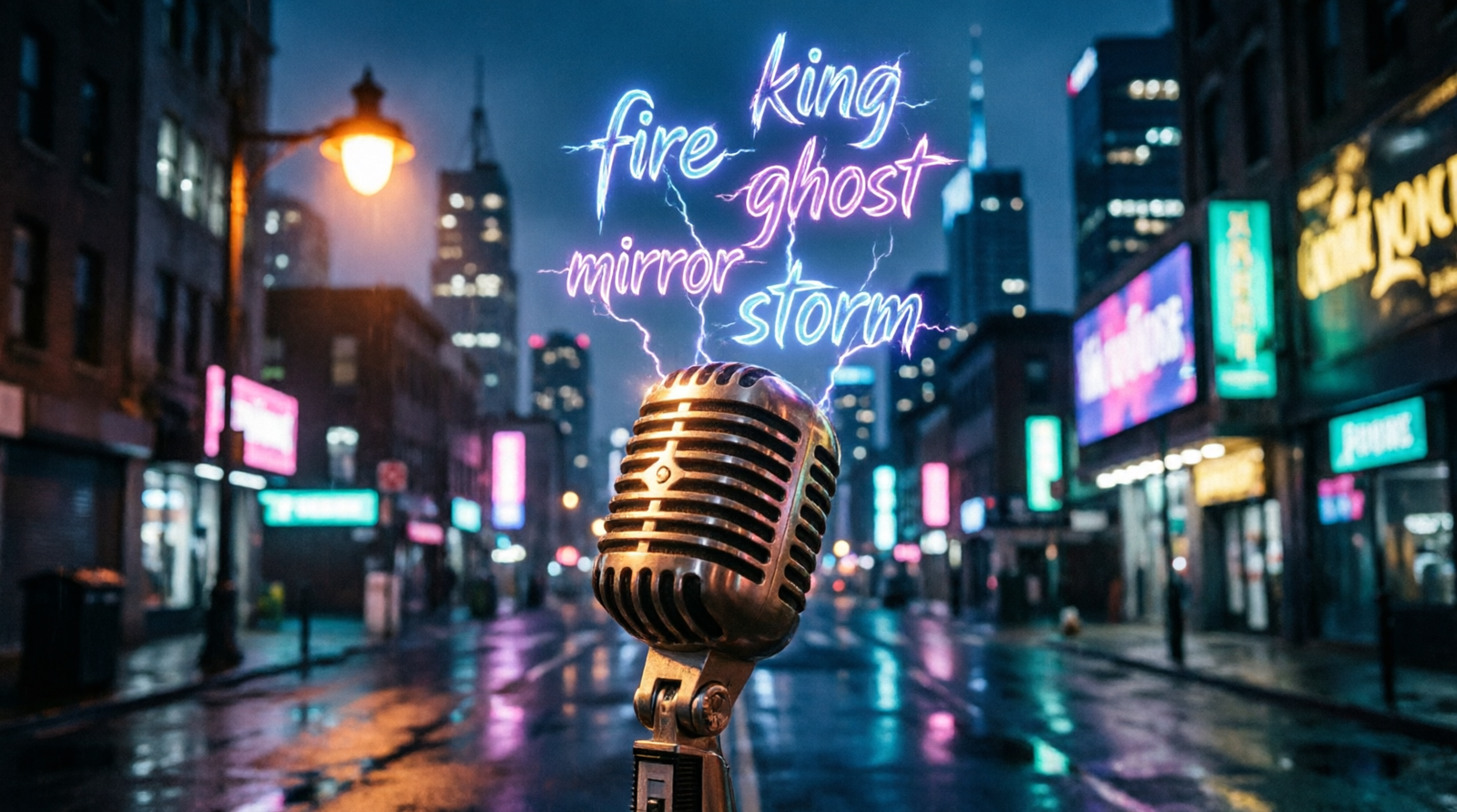
A rapper might call success a mountain describe money as water or compare a difficult life to a battlefield. The words are not meant to be taken literally. They create a picture in your mind and make an idea feel stronger. These are metaphors in rap.
People search for this topic because rap uses figurative language in ways that can be hard to understand at first. A line may sound simple, but it can carry a deeper message about struggle pride love anger fame money identity or hope.
You can find metaphors in rap songs freestyle battles albums music videos social posts poetry and classroom assignments. They are also useful if you want to write your own rap.
This guide explains what rap metaphors are why rappers use them, and how to understand them without overthinking every line. You’ll find more than 60 original examples conversations, writing tips, exercises, and common mistakes. The guide is updated for 2026.
Definition & Meaning

Metaphors in rap are comparisons that describe one thing as if it were another thing to create a stronger image or meaning. A rapper might say “my mind is a maze” to show confusion, even though the mind is not literally a maze. Metaphors make rap more visual, emotional, memorable, and layered.
Simple Definition
A metaphor compares two different things without using words such as like or as.
For example:
“My city is a jungle.”
The city is not actually a jungle. The rapper is comparing the city to a jungle to suggest that it feels wild, dangerous, crowded, or competitive.
That is different from a simile:
“My city is like a jungle.”
Both create a comparison, but the second one is a simile, not a direct metaphor.
What Does a Metaphor Do in Rap?
A strong rap metaphor can:
- Create a clear mental picture
- Express emotion
- Explain a difficult idea simply
- Add depth to a verse
- Make a line memorable
- Show confidence or personality
- Tell a story without saying everything directly
- Create wordplay
- Strengthen a rhyme
- Give listeners something to interpret
Quick Summary
| Term | Simple Meaning | Example |
|---|---|---|
| Metaphor | Says one thing is another | “My mind is a maze.” |
| Simile | Compares using like/as | “My mind is like a maze.” |
| Personification | Gives human traits to things | “The city never sleeps.” |
| Hyperbole | Deliberate exaggeration | “I waited a million years.” |
| Symbolism | An object represents an idea | A crown can represent power. |
| Wordplay | Uses words in clever ways | A line with two meanings. |
| Imagery | Creates a picture through words | “Cold streets under neon rain.” |
The Key Idea
A metaphor is not a hidden code that has only one correct answer.
Context matters.
The same image can mean different things in different songs. A crown may represent success in one verse and pressure in another.
That is why good metaphor analysis asks:
What is being compared, and why did the writer choose that image?
Why We Use Metaphors in Rap
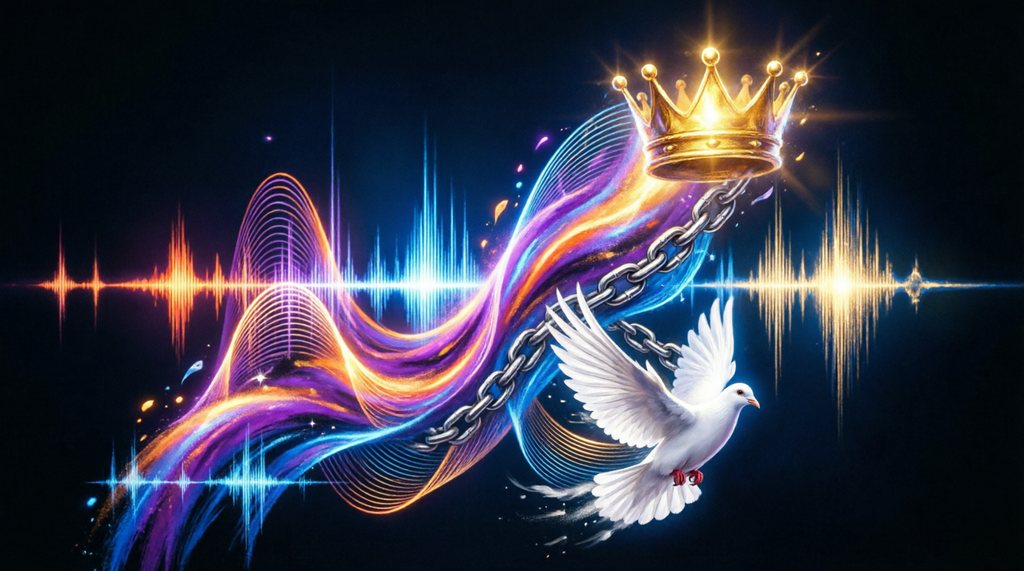
Rappers use metaphors to make ideas sharper, more emotional, and easier to picture. Instead of plainly saying “my life is difficult,” a rapper can call life a battlefield, a storm, or a long road. The comparison adds feeling and gives listeners a stronger image to remember.
Practical Purpose
Rap often deals with ideas that are difficult to explain directly.
These include:
- Poverty
- Success
- Failure
- Love
- Betrayal
- Anger
- Fear
- Identity
- Friendship
- Family
- Politics
- Social pressure
- Fame
- Ambition
- Personal growth
A metaphor lets the writer turn an abstract idea into something concrete.
Instead of:
“I have faced many problems.”
A rapper might write:
“I’ve been walking through a minefield.”
The second version gives you a picture.
In Everyday Speaking
People use metaphors outside rap all the time.
You might say:
- “I’m drowning in work.”
- “She has a heart of gold.”
- “He is a walking encyclopedia.”
- “That exam was a nightmare.”
- “We’re on the same page.”
Rap simply pushes this creative habit further.
In Writing
Metaphors can make:
- Song lyrics more memorable
- Poems more emotional
- Stories more vivid
- Essays more interesting
- Speeches more powerful
- Social media captions more creative
In School
Teachers may ask students to identify metaphors in a song or explain how figurative language creates meaning.
A good answer should not only identify the metaphor.
It should explain what the comparison suggests.
On Social Media
Short metaphorical lines work well in captions and posts because they communicate an idea quickly.
For example:
“Built from broken bricks.”
This could suggest that someone became strong after difficult experiences.
In Professional Communication
Metaphors can also help explain complex ideas at work.
For example:
“We need to build a bridge between the two teams.”
Nobody means a literal bridge. The metaphor means the teams need better communication and cooperation.
60+ Metaphors in Rap: Examples and Meanings
Rap metaphors often turn ordinary subjects into strong images: life becomes a road, pressure becomes a weight, ambition becomes a fire, and failure becomes a teacher. The examples below are original examples created for this guide, not quotations from existing songs. Each one explains the comparison, its possible meaning, and the best situation for using it.
1. Life Is a Road
Meaning: Life is being compared to a road.
Real explanation: A road has turns, stops, wrong directions, and destinations. Calling life a road suggests that life is a journey with choices and changes.
Sample sentence:
“Life is a road, and I’m learning every turn.”
When to use it: Use it for growth, change, goals, or personal stories.
When NOT to use it: Avoid it when you need a highly original image and the idea already feels overused.
Alternatives: Life is a journey; life is a path; I’m walking my way forward.
Difficulty: Beginner
Tone: Neutral
2. My Mind Is a Maze
Meaning: Confusion or complicated thoughts are compared to a maze.
Real explanation: A maze is difficult to navigate. The metaphor shows that the speaker cannot easily find a clear answer.
Sample sentence:
“My mind is a maze, but I’m searching for the exit.”
When to use it: Use it for confusion, stress, overthinking, or emotional conflict.
When NOT to use it: Do not use it when the speaker is supposed to sound completely clear and certain.
Alternatives: My thoughts are tangled; I’m lost in my head; my mind is a puzzle.
Difficulty: Beginner
Tone: Neutral
3. My Dreams Are Seeds
Meaning: Dreams are compared to seeds that need care to grow.
Real explanation: Seeds need time, water, sunlight, and patience. The metaphor suggests that goals also require effort and time.
Sample sentence:
“My dreams are seeds, so I keep planting every day.”
When to use it: Use it for ambition, patience, education, or personal growth.
When NOT to use it: Avoid it if you want to describe sudden success.
Alternatives: Dreams are growing; I’m planting my future; my goals are taking root.
Difficulty: Beginner
Tone: Neutral
4. Pressure Is a Weight
Meaning: Pressure is compared to something heavy.
Real explanation: Heavy objects are hard to carry. The metaphor makes emotional or social pressure feel physical.
Sample sentence:
“Pressure is a weight, but I still carry it.”
When to use it: Use it for stress, responsibility, expectations, or competition.
When NOT to use it: Avoid it if the verse is about freedom and lightness.
Alternatives: Pressure is heavy; stress sits on my shoulders; expectations weigh me down.
Difficulty: Beginner
Tone: Neutral
5. My Heart Is a Locked Room
Meaning: A guarded heart is compared to a room that nobody can enter.
Real explanation: A locked room suggests privacy and protection. The metaphor can show emotional distance or fear of getting hurt.
Sample sentence:
“My heart is a locked room, and trust is the only key.”
When to use it: Use it in emotional or relationship-focused rap.
When NOT to use it: Avoid it when the speaker is openly sharing feelings.
Alternatives: I keep my heart closed; my feelings are behind a wall; I protect my heart.
Difficulty: Intermediate
Tone: Neutral
6. Success Is a Mountain
Meaning: Success is compared to climbing a mountain.
Real explanation: Mountains take effort to climb. The image suggests that success requires patience, strength, and persistence.
Sample sentence:
“Success is a mountain, so I keep climbing.”
When to use it: Use it for ambition, hard work, and overcoming obstacles.
When NOT to use it: Avoid repeating it if your song already contains many journey or climbing images.
Alternatives: I’m climbing higher; success is a summit; I’m reaching the top.
Difficulty: Beginner
Tone: Neutral
7. Failure Is a Teacher
Meaning: Failure is treated as a teacher.
Real explanation: A teacher gives lessons. This metaphor says mistakes can teach useful information.
Sample sentence:
“Failure is my teacher, and every loss leaves a lesson.”
When to use it: Use it for reflection and personal growth.
When NOT to use it: Avoid it when discussing a failure that has no useful lesson in the context.
Alternatives: Loss teaches me; mistakes are lessons; setbacks train me.
Difficulty: Beginner
Tone: Neutral
8. Anger Is a Fire
Meaning: Anger is compared to fire.
Real explanation: Fire can spread, become difficult to control, and cause damage. This makes it a strong image for powerful anger.
Sample sentence:
“Anger is a fire, so I learned when to step away.”
When to use it: Use it for emotional conflict or self-control.
When NOT to use it: Avoid it if the verse is calm and peaceful.
Alternatives: Rage is burning; anger is a flame; my temper is on fire.
Difficulty: Beginner
Tone: Neutral
9. Hope Is a Light
Meaning: Hope is compared to light.
Real explanation: Light helps people see in darkness. The metaphor suggests that hope provides direction during difficult times.
Sample sentence:
“Hope is a light when the whole room turns dark.”
When to use it: Use it for struggle, recovery, courage, or optimism.
When NOT to use it: Avoid it if you are deliberately creating a dark, hopeless mood.
Alternatives: Hope shines; hope is a lamp; hope cuts through the darkness.
Difficulty: Beginner
Tone: Neutral
10. My City Is a Jungle
Meaning: A city is compared to a jungle.
Real explanation: A jungle can be crowded, wild, competitive, and difficult to navigate. The meaning depends on context.
Sample sentence:
“My city is a jungle, and everybody knows how to survive.”
When to use it: Use it for urban life, competition, or survival.
When NOT to use it: Avoid it if the city is being described as peaceful and quiet.
Alternatives: The streets are wild; the city is a maze; these streets are survival grounds.
Difficulty: Beginner
Tone: Informal
11. Money Is Water
Meaning: Money is compared to water.
Real explanation: Water flows, moves, and can run out. The metaphor can describe money coming and going.
Sample sentence:
“Money is water; it slips away when you stop watching.”
When to use it: Use it for spending, earning, wealth, or financial pressure.
When NOT to use it: Avoid it if the point is that money is fixed or stable.
Alternatives: Cash flows; money moves; dollars run like rivers.
Difficulty: Intermediate
Tone: Informal
12. Time Is a Thief
Meaning: Time is compared to a thief.
Real explanation: A thief takes things. This metaphor suggests that time takes moments, youth, opportunities, or memories.
Sample sentence:
“Time is a thief, stealing days while I’m chasing dreams.”
When to use it: Use it for aging, lost opportunities, or nostalgia.
When NOT to use it: Avoid it when time is being presented as helpful or healing.
Alternatives: Time takes everything; days disappear; the clock keeps taking.
Difficulty: Beginner
Tone: Neutral
13. Fame Is a Mirror
Meaning: Fame is compared to a mirror.
Real explanation: A mirror reflects what is already there. The metaphor can suggest that fame reveals a person’s strengths, flaws, or public image.
Sample sentence:
“Fame is a mirror, showing everyone what I hide.”
When to use it: Use it for celebrity, public attention, identity, or self-image.
When NOT to use it: Avoid it if you simply mean fame brings money.
Alternatives: Fame reflects you; the spotlight shows everything; attention exposes me.
Difficulty: Advanced
Tone: Neutral
14. My Voice Is a Weapon
Meaning: A voice is compared to a weapon.
Real explanation: The metaphor focuses on the power of words. It does not have to suggest physical violence.
Sample sentence:
“My voice is a weapon when the truth needs a stage.”
When to use it: Use it for protest, confidence, public speaking, or lyrical skill.
When NOT to use it: Avoid it in a context where violent imagery would distract from the message.
Alternatives: My words hit hard; my voice carries power; my pen strikes first.
Difficulty: Intermediate
Tone: Informal
15. My Pen Is a Sword
Meaning: Writing is compared to sword fighting.
Real explanation: A sword represents power and attack. Here, writing becomes a way to challenge ideas or express strength.
Sample sentence:
“My pen is a sword, but every cut is made of truth.”
When to use it: Use it for battle rap, competitive writing, or social commentary.
When NOT to use it: Avoid it if the song has no conflict or competition.
Alternatives: My words cut deep; my pen fights back; I write with a blade of truth.
Difficulty: Intermediate
Tone: Informal
16. Doubt Is a Shadow
Meaning: Doubt is compared to a shadow.
Real explanation: A shadow follows a person. The metaphor suggests that doubt can stay close even when someone moves forward.
Sample sentence:
“Doubt is a shadow, but I keep walking toward the sun.”
When to use it: Use it for insecurity or self-confidence.
When NOT to use it: Avoid it when doubt has already disappeared from the story.
Alternatives: Doubt follows me; fear walks behind me; insecurity stays close.
Difficulty: Beginner
Tone: Neutral
17. My Past Is an Anchor
Meaning: The past is compared to an anchor.
Real explanation: An anchor keeps a ship from moving. This metaphor suggests that past experiences may prevent someone from moving forward.
Sample sentence:
“My past is an anchor, but I’m learning to let it go.”
When to use it: Use it for regret, trauma in fictional writing, memories, or personal change.
When NOT to use it: Avoid it if the past is helping the speaker move forward.
Alternatives: The past holds me; old memories weigh me down; history keeps me still.
Difficulty: Intermediate
Tone: Neutral
18. My Future Is a Blank Page
Meaning: The future is compared to an unwritten page.
Real explanation: A blank page has not been written yet. The metaphor suggests that the speaker can shape what comes next.
Sample sentence:
“My future is a blank page, and I brought my own pen.”
When to use it: Use it for hope, choice, creativity, and new beginnings.
When NOT to use it: Avoid it when the future is already clearly decided.
Alternatives: I write my future; tomorrow is unwritten; my next chapter is mine.
Difficulty: Beginner
Tone: Neutral
19. Love Is a Battlefield
Meaning: Love is compared to a battlefield.
Real explanation: A battlefield involves conflict, risk, and emotional intensity. The metaphor can describe difficult relationships.
Sample sentence:
“Love is a battlefield when nobody wants to lower their guard.”
When to use it: Use it for relationship conflict.
When NOT to use it: Avoid it for a peaceful love song.
Alternatives: Love is a war; relationships are battlefields; my heart is under siege.
Difficulty: Beginner
Tone: Informal
20. Trust Is Glass
Meaning: Trust is compared to glass.
Real explanation: Glass can be fragile and difficult to repair after breaking. The metaphor suggests that trust must be handled carefully.
Sample sentence:
“Trust is glass; once it cracks, you see the damage.”
When to use it: Use it for betrayal or broken relationships.
When NOT to use it: Avoid it if trust is strong and unshaken.
Alternatives: Trust is fragile; trust can crack; broken trust leaves scars.
Difficulty: Intermediate
Tone: Neutral
21. My Team Is a Machine
Meaning: A team is compared to a machine.
Real explanation: Machines work through connected parts. The metaphor highlights teamwork, efficiency, and coordination.
Sample sentence:
“My team is a machine; every part knows when to move.”
When to use it: Use it for sports, business, music groups, or crews.
When NOT to use it: Avoid it when the group is disorganized.
Alternatives: We move as one; we’re well-oiled; every piece works together.
Difficulty: Beginner
Tone: Informal
22. My Flow Is a River
Meaning: Rap delivery is compared to a flowing river.
Real explanation: A river moves continuously. The metaphor describes smooth rhythm, movement, and natural delivery.
Sample sentence:
“My flow is a river, never stopping at the bend.”
When to use it: Use it when talking about rhythm, delivery, or freestyle skill.
When NOT to use it: Avoid it if your flow is intentionally broken or slow.
Alternatives: My flow runs deep; my rhythm keeps moving; the verse keeps flowing.
Difficulty: Beginner
Tone: Informal
23. The Beat Is a Train
Meaning: The beat is compared to a train.
Real explanation: A train moves forward with a steady rhythm. This can describe a beat that pushes the rapper forward.
Sample sentence:
“The beat is a train, and I’m riding every bar.”
When to use it: Use it for energetic songs.
When NOT to use it: Avoid it when the beat is soft and floating.
Alternatives: The beat keeps rolling; the rhythm pulls me forward; I ride the beat.
Difficulty: Beginner
Tone: Informal
24. My Bars Are Bricks
Meaning: Rap lines are compared to bricks.
Real explanation: Bricks can build strong structures. The metaphor suggests that each line adds strength to the song.
Sample sentence:
“My bars are bricks, and I’m building something that lasts.”
When to use it: Use it for confidence and strong writing.
When NOT to use it: Avoid it when your lyrics are intentionally delicate or emotional.
Alternatives: I build with bars; every line adds weight; my verse is built to last.
Difficulty: Intermediate
Tone: Informal
25. The Stage Is a Battlefield
Meaning: Performing is compared to entering a battlefield.
Real explanation: The image creates a sense of pressure, competition, and courage.
Sample sentence:
“The stage is a battlefield, but I came prepared.”
When to use it: Use it for live performance or rap battles.
When NOT to use it: Avoid it for a relaxed acoustic performance.
Alternatives: I face the stage; the spotlight is a test; I perform under fire.
Difficulty: Beginner
Tone: Informal
26. Fear Is a Cage
Meaning: Fear is compared to a cage.
Real explanation: A cage limits movement. The metaphor says fear can stop people from taking action.
Sample sentence:
“Fear is a cage, and courage is the key.”
When to use it: Use it for overcoming fear.
When NOT to use it: Avoid it if fear is helping someone stay safe in the story.
Alternatives: Fear holds me; fear keeps me trapped; courage opens the door.
Difficulty: Beginner
Tone: Neutral
27. My Goals Are Stars
Meaning: Goals are compared to stars.
Real explanation: Stars are far away but visible. The metaphor suggests that goals can guide people even before they reach them.
Sample sentence:
“My goals are stars, so I keep my eyes above the noise.”
When to use it: Use it for dreams and ambition.
When NOT to use it: Avoid it if you want a grounded, gritty image.
Alternatives: My goals light the sky; I chase stars; ambition guides me.
Difficulty: Beginner
Tone: Neutral
28. Jealousy Is Poison
Meaning: Jealousy is compared to poison.
Real explanation: Poison harms the person who takes it. The metaphor suggests that jealousy can damage relationships and the person feeling it.
Sample sentence:
“Jealousy is poison, and I stopped drinking it.”
When to use it: Use it for emotional growth or conflict.
When NOT to use it: Avoid it if jealousy is not harmful in the context.
Alternatives: Envy eats away; jealousy burns; envy is toxic.
Difficulty: Beginner
Tone: Neutral
29. My Memories Are Photographs
Meaning: Memories are compared to photographs.
Real explanation: Photographs preserve moments. The metaphor suggests that memories keep parts of the past alive.
Sample sentence:
“My memories are photographs that time can’t erase.”
When to use it: Use it for nostalgia, family, childhood, or loss.
When NOT to use it: Avoid it if the memories are changing or unreliable.
Alternatives: Memories freeze moments; the past lives in pictures; old moments stay framed.
Difficulty: Beginner
Tone: Neutral
30. My Words Are Seeds
Meaning: Words are compared to seeds.
Real explanation: Seeds can grow into something much larger. The metaphor suggests that words can influence people long after they are spoken.
Sample sentence:
“My words are seeds, so I choose what I plant.”
When to use it: Use it for messages, teaching, influence, or storytelling.
When NOT to use it: Avoid it when words have no lasting effect in the context.
Alternatives: Words take root; ideas grow; every sentence leaves something behind.
Difficulty: Intermediate
Tone: Neutral
31. The Crowd Is an Ocean
Meaning: A large crowd is compared to an ocean.
Real explanation: An ocean is huge and constantly moving. The image can show the size and energy of an audience.
Sample sentence:
“The crowd is an ocean, and every hand becomes a wave.”
When to use it: Use it for concerts or live performances.
When NOT to use it: Avoid it for a tiny audience.
Alternatives: A sea of people; waves of fans; the room is overflowing.
Difficulty: Beginner
Tone: Neutral
32. My Confidence Is Armor
Meaning: Confidence is compared to protective armor.
Real explanation: Armor protects a person. The metaphor suggests that confidence helps someone face criticism or pressure.
Sample sentence:
“My confidence is armor when the comments start flying.”
When to use it: Use it for criticism, competition, or self-belief.
When NOT to use it: Avoid it if the character is supposed to be vulnerable and open.
Alternatives: Confidence protects me; I wear courage; belief is my shield.
Difficulty: Intermediate
Tone: Informal
33. Criticism Is Rain
Meaning: Criticism is compared to rain.
Real explanation: Rain falls whether people want it or not. The metaphor suggests that criticism is unavoidable and something you can learn to live with.
Sample sentence:
“Criticism is rain, so I learned to keep walking.”
When to use it: Use it for public attention or resilience.
When NOT to use it: Avoid it when criticism has a major destructive effect that needs a stronger image.
Alternatives: Opinions keep falling; comments come like rain; I walk through the noise.
Difficulty: Intermediate
Tone: Neutral
34. My Childhood Is a Photograph
Meaning: Childhood is treated as something preserved in memory.
Real explanation: A photograph captures a moment. This metaphor can create a feeling of nostalgia.
Sample sentence:
“My childhood is a photograph hanging somewhere in my mind.”
When to use it: Use it for memories and reflection.
When NOT to use it: Avoid it if you want to focus on childhood as an ongoing experience.
Alternatives: Childhood is frozen time; old days are framed; I carry those moments.
Difficulty: Beginner
Tone: Neutral
35. Ambition Is a Fire
Meaning: Ambition is compared to fire.
Real explanation: Fire has energy and can continue growing when it is fed. The metaphor suggests strong motivation.
Sample sentence:
“Ambition is a fire, and hard work keeps feeding the flame.”
When to use it: Use it for motivation and success.
When NOT to use it: Avoid it if ambition is destroying the speaker’s relationships or health unless that contrast is intentional.
Alternatives: My drive burns; hunger fuels me; ambition keeps me lit.
Difficulty: Beginner
Tone: Neutral
36. Success Is a Crown
Meaning: Success is compared to a crown.
Real explanation: A crown traditionally represents power, achievement, or status.
Sample sentence:
“Success is a crown, but it comes with weight.”
When to use it: Use it for achievement, leadership, or fame.
When NOT to use it: Avoid it if the subject has nothing to do with status or achievement.
Alternatives: I earned the throne; victory sits on my head; I wear success.
Difficulty: Beginner
Tone: Informal
37. Responsibility Is a Backpack
Meaning: Responsibility is compared to a backpack.
Real explanation: A backpack is carried everywhere and becomes heavier when filled. The metaphor describes duties and burdens.
Sample sentence:
“Responsibility is a backpack, and mine keeps getting heavier.”
When to use it: Use it for family duties, work, leadership, or adulthood.
When NOT to use it: Avoid it when responsibilities are presented as enjoyable rather than difficult.
Alternatives: I carry the load; duties ride on my back; responsibility follows me.
Difficulty: Beginner
Tone: Neutral
38. My Story Is a Book
Meaning: A person’s life is compared to a book.
Real explanation: Books contain chapters, characters, changes, and endings. The metaphor presents life as a story.
Sample sentence:
“My story is a book, and this chapter is not the ending.”
When to use it: Use it for personal history and growth.
When NOT to use it: Avoid it if you have already used many book-related images.
Alternatives: My life has chapters; I’m writing my story; this is only one page.
Difficulty: Beginner
Tone: Neutral
39. Betrayal Is a Knife in the Back
Meaning: Betrayal is represented as a physical wound.
Real explanation: The image communicates sudden pain caused by someone trusted.
Sample sentence:
“Betrayal was a knife in the back from a hand I trusted.”
When to use it: Use it for serious betrayal in creative writing.
When NOT to use it: Avoid it if violent imagery would be inappropriate for your audience.
Alternatives: Trust turned into a wound; loyalty broke; a friend became a stranger.
Difficulty: Intermediate
Tone: Informal
40. My Patience Is a Bridge
Meaning: Patience is compared to a bridge.
Real explanation: A bridge helps someone cross from one place to another. Patience can help a person move from difficulty to a better result.
Sample sentence:
“Patience is a bridge between where I am and where I’m going.”
When to use it: Use it for long-term goals.
When NOT to use it: Avoid it if immediate action is the main point.
Alternatives: Patience gets me across; time carries me forward; waiting helps me grow.
Difficulty: Intermediate
Tone: Neutral
41. The Beat Is a Heartbeat
Meaning: The beat is compared to a heartbeat.
Real explanation: A heartbeat provides steady rhythm. The metaphor makes the beat feel alive.
Sample sentence:
“The beat is a heartbeat, and every bar moves with it.”
When to use it: Use it when describing rhythm and musical connection.
When NOT to use it: Avoid it when the beat is intentionally irregular.
Alternatives: The beat keeps me alive; rhythm is my pulse; every bar has a pulse.
Difficulty: Beginner
Tone: Neutral
42. My Verse Is a Storm
Meaning: A verse is compared to a storm.
Real explanation: A storm can be loud, powerful, sudden, and intense.
Sample sentence:
“My verse is a storm, arriving before you hear the thunder.”
When to use it: Use it for aggressive or energetic rap.
When NOT to use it: Avoid it for a quiet, gentle verse.
Alternatives: My bars thunder; the verse hits like weather; I bring the storm.
Difficulty: Intermediate
Tone: Informal
43. Silence Is a Wall
Meaning: Silence is compared to a wall.
Real explanation: A wall can block communication and create distance.
Sample sentence:
“Silence is a wall between two people who refuse to speak.”
When to use it: Use it for conflict, loneliness, or emotional distance.
When NOT to use it: Avoid it when silence represents peace.
Alternatives: Silence blocks us; quiet keeps us apart; words stopped at the door.
Difficulty: Beginner
Tone: Neutral
44. Loneliness Is an Empty Room
Meaning: Loneliness is compared to an empty room.
Real explanation: An empty room creates a strong image of absence and isolation.
Sample sentence:
“Loneliness is an empty room with my thoughts making noise.”
When to use it: Use it for emotional or reflective rap.
When NOT to use it: Avoid it if the character is surrounded by people and does not feel isolated.
Alternatives: I’m alone in a crowd; silence surrounds me; emptiness follows me.
Difficulty: Beginner
Tone: Neutral
45. Memories Are Ghosts
Meaning: Memories are compared to ghosts.
Real explanation: Ghosts are often imagined as things from the past that remain present. This metaphor can suggest memories that refuse to disappear.
Sample sentence:
“Memories are ghosts, visiting when the room gets quiet.”
When to use it: Use it for haunting memories or nostalgia.
When NOT to use it: Avoid it when memories are joyful and light.
Alternatives: The past follows me; old moments return; yesterday still walks beside me.
Difficulty: Intermediate
Tone: Neutral
46. My Haters Are Mirrors
Meaning: Critics are compared to mirrors.
Real explanation: A mirror reflects something back. The metaphor can suggest that criticism sometimes reveals the critic’s own fears or opinions.
Sample sentence:
“My haters are mirrors, showing me what they fear in themselves.”
When to use it: Use it for confident, reflective rap.
When NOT to use it: Avoid it if the speaker is genuinely trying to listen to useful criticism.
Alternatives: Their words reflect back; criticism reveals them; their judgment says more about them.
Difficulty: Advanced
Tone: Informal
47. Knowledge Is a Key
Meaning: Knowledge is compared to a key.
Real explanation: A key opens a locked door. Knowledge can open opportunities and help people understand new things.
Sample sentence:
“Knowledge is a key, so I keep unlocking new doors.”
When to use it: Use it for education and personal growth.
When NOT to use it: Avoid it if the subject is physical strength rather than understanding.
Alternatives: Learning opens doors; wisdom unlocks paths; education is the key.
Difficulty: Beginner
Tone: Neutral
48. Ignorance Is a Blindfold
Meaning: Ignorance is compared to a blindfold.
Real explanation: A blindfold prevents someone from seeing. The metaphor suggests that a lack of knowledge can limit understanding.
Sample sentence:
“Ignorance is a blindfold, and learning helps me take it off.”
When to use it: Use it for education or social commentary.
When NOT to use it: Avoid using it to insult people simply for not knowing something.
Alternatives: Lack of knowledge blocks the view; ignorance hides the truth; learning clears my sight.
Difficulty: Intermediate
Tone: Neutral
49. Opportunity Is a Door
Meaning: Opportunity is compared to a door.
Real explanation: A door provides an entrance to somewhere new. The metaphor shows that an opportunity can lead to a different future.
Sample sentence:
“Opportunity is a door, but courage has to turn the handle.”
When to use it: Use it for career, goals, or personal growth.
When NOT to use it: Avoid it when no choice or action is involved.
Alternatives: Chances open doors; opportunity creates a path; I found an opening.
Difficulty: Beginner
Tone: Neutral
50. Failure Is a Brick
Meaning: Failure is compared to a brick used for building.
Real explanation: A brick can become part of a larger structure. The metaphor suggests that mistakes can become part of future success.
Sample sentence:
“Every failure is a brick in the house I’m building.”
When to use it: Use it for resilience.
When NOT to use it: Avoid it if the failure has no connection to later growth.
Alternatives: Loss builds me; mistakes become foundations; setbacks strengthen the structure.
Difficulty: Intermediate
Tone: Neutral
51. My Past Is a Shadow
Meaning: The past is compared to a shadow.
Real explanation: A shadow follows a person. The metaphor suggests that past experiences remain connected to the present.
Sample sentence:
“My past is a shadow, but it doesn’t choose where I walk.”
When to use it: Use it for personal reflection.
When NOT to use it: Avoid it if the past has no influence on the story.
Alternatives: Yesterday follows me; history walks behind me; old days still linger.
Difficulty: Beginner
Tone: Neutral
52. Courage Is a Muscle
Meaning: Courage is compared to a muscle.
Real explanation: Muscles become stronger through repeated use. The metaphor suggests that courage can grow through practice.
Sample sentence:
“Courage is a muscle, and every hard choice makes mine stronger.”
When to use it: Use it for personal development.
When NOT to use it: Avoid it if courage is being described as a natural personality trait.
Alternatives: Bravery grows; courage gets stronger; every challenge trains me.
Difficulty: Intermediate
Tone: Neutral
53. Creativity Is a Garden
Meaning: Creativity is compared to a garden.
Real explanation: A garden needs care and space to grow. The metaphor suggests that creative ideas need time and attention.
Sample sentence:
“Creativity is a garden, so I give my ideas room to grow.”
When to use it: Use it for music, writing, art, or learning.
When NOT to use it: Avoid it if creativity is being described as sudden inspiration.
Alternatives: Ideas take root; imagination grows; I cultivate new thoughts.
Difficulty: Intermediate
Tone: Neutral
54. My Mind Is a Radio
Meaning: The mind is compared to a radio receiving many signals.
Real explanation: A radio can pick up different stations. The metaphor can describe many thoughts, voices, or influences.
Sample sentence:
“My mind is a radio, catching every signal in the room.”
When to use it: Use it for busy thoughts or sensitivity to surroundings.
When NOT to use it: Avoid it when the character has one clear thought.
Alternatives: My mind catches signals; thoughts keep broadcasting; my head has too many channels.
Difficulty: Intermediate
Tone: Informal
55. The World Is a Classroom
Meaning: The world is compared to a classroom.
Real explanation: A classroom is a place where people learn. The metaphor suggests that everyday experiences teach valuable lessons.
Sample sentence:
“The world is a classroom, and every mistake writes a lesson.”
When to use it: Use it for wisdom and life experience.
When NOT to use it: Avoid it if the subject is purely entertainment.
Alternatives: Life teaches me; every street has a lesson; experience is my teacher.
Difficulty: Beginner
Tone: Neutral
56. My Crew Is a Family
Meaning: Friends or teammates are compared to family.
Real explanation: Family can represent loyalty, trust, and support. The metaphor shows a strong bond.
Sample sentence:
“My crew is a family, built on more than blood.”
When to use it: Use it for friendship and loyalty.
When NOT to use it: Avoid it if the group does not share a close relationship.
Alternatives: We’re brothers in spirit; my people are my home; loyalty made us family.
Difficulty: Beginner
Tone: Informal
57. Stress Is a Pressure Cooker
Meaning: Stress is compared to a pressure cooker.
Real explanation: Pressure builds inside a cooker. The metaphor suggests that emotions can build until they become difficult to control.
Sample sentence:
“Stress is a pressure cooker, and I need to release the steam.”
When to use it: Use it for emotional pressure or busy situations.
When NOT to use it: Avoid it when the character is relaxed.
Alternatives: Pressure keeps building; I’m reaching my limit; the tension is rising.
Difficulty: Intermediate
Tone: Informal
58. My Hopes Are Wings
Meaning: Hope is compared to wings.
Real explanation: Wings allow something to rise and move. The metaphor suggests that hope can help someone escape a difficult situation emotionally or mentally.
Sample sentence:
“My hopes are wings when the ground feels too heavy.”
When to use it: Use it for inspirational rap.
When NOT to use it: Avoid it if you want a darker, more realistic image.
Alternatives: Hope lifts me; dreams help me rise; my future gives me flight.
Difficulty: Beginner
Tone: Neutral
59. My Doubts Are Chains
Meaning: Doubts are compared to chains.
Real explanation: Chains restrict movement. The metaphor shows how insecurity can prevent someone from acting.
Sample sentence:
“My doubts are chains, but I’m learning how to break free.”
When to use it: Use it for overcoming insecurity.
When NOT to use it: Avoid it if doubt is presented as helpful caution.
Alternatives: Doubt holds me back; fear ties me down; insecurity keeps me stuck.
Difficulty: Beginner
Tone: Neutral
60. My Ambition Is a Compass
Meaning: Ambition is compared to a compass.
Real explanation: A compass helps people choose a direction. The metaphor suggests that ambition gives someone a sense of purpose.
Sample sentence:
“My ambition is a compass when the road gets confusing.”
When to use it: Use it for goals and direction.
When NOT to use it: Avoid it if the speaker has no clear goal.
Alternatives: My goals guide me; ambition points the way; purpose keeps me moving.
Difficulty: Intermediate
Tone: Neutral
61. My Life Is a Puzzle
Meaning: Life is compared to a puzzle.
Real explanation: A puzzle has separate pieces that eventually form a larger picture. The metaphor suggests that experiences make more sense over time.
Sample sentence:
“My life is a puzzle, and every mistake fills another piece.”
When to use it: Use it for reflection and personal growth.
When NOT to use it: Avoid it when the message is about certainty.
Alternatives: I’m putting the pieces together; life is unfinished; the picture is forming.
Difficulty: Beginner
Tone: Neutral
62. My Voice Is a Bridge
Meaning: Speech is compared to a bridge connecting people.
Real explanation: A bridge connects two places. Communication can connect people who have different backgrounds or opinions.
Sample sentence:
“My voice is a bridge between the streets and the classroom.”
When to use it: Use it for storytelling, advocacy, or communication.
When NOT to use it: Avoid it when the speaker is trying to create separation.
Alternatives: My words connect us; my voice closes the gap; language brings us together.
Difficulty: Intermediate
Tone: Neutral
63. The Mic Is a Mirror
Meaning: A microphone is compared to a mirror.
Real explanation: A mirror reflects a person. A microphone can reveal the speaker’s thoughts, personality, and emotions.
Sample sentence:
“The mic is a mirror; every bar shows who I became.”
When to use it: Use it for personal storytelling or reflective rap.
When NOT to use it: Avoid it if the performance is mainly fictional.
Alternatives: The mic reveals me; every verse reflects my life; I see myself in the sound.
Difficulty: Advanced
Tone: Neutral
64. The Beat Is a Canvas
Meaning: A beat is compared to a blank canvas.
Real explanation: An artist uses a canvas to create something. A rapper can use a beat as the space where words, rhythm, and ideas come alive.
Sample sentence:
“The beat is a canvas, and every bar adds another color.”
When to use it: Use it for creative or artistic rap.
When NOT to use it: Avoid it if the song focuses mainly on competition.
Alternatives: I paint with bars; the beat gives me space; every rhyme adds color.
Difficulty: Intermediate
Tone: Neutral
Real-Life Conversations
People often understand metaphors faster when they see how they work in normal conversation. These short dialogues show how a listener might misunderstand a rap metaphor and how the speaker can explain the intended meaning. The examples use different everyday situations, including friends, students, teachers, creative writing, and social media.
Conversation 1: Friends Talking About a Song
Sam: That rapper said, “My mind is a maze.” What does that even mean?
Alex: He means his thoughts are confusing.
Sam: So he literally has a maze in his head?
Alex: No. That’s the metaphor. His mind is being compared to a maze.
Sam: Oh. Because a maze is hard to find your way through.
Alex: Exactly.
🎯 Lesson: Look at the image and ask what quality the two things share.
Conversation 2: Student and Teacher
Student: My teacher said my rap has metaphors, but I don’t know which ones.
Teacher: Read me one line.
Student: “My dreams are seeds.”
Teacher: That’s a metaphor.
Student: Because dreams aren’t really seeds?
Teacher: Right. You’re saying dreams can grow when you work on them.
Student: So I should explain the meaning, not just point out the metaphor?
Teacher: Exactly.
🎯 Lesson: Identifying a metaphor is only the first step. Explain what it means.
Conversation 3: Friends Writing a Rap
Mia: I wrote, “My success is a mountain.”
Jay: That works, but we’ve heard that image before.
Mia: Is that bad?
Jay: Not always. It’s clear, but you could make it more personal.
Mia: What about, “My success is a mountain I built from broken stairs”?
Jay: That gives me a stronger picture.
🎯 Lesson: A familiar metaphor can become more interesting when you add a fresh detail.
Conversation 4: Social Media
Nora: What does “my past is an anchor” mean?
Leo: It means the person’s past is holding them back.
Nora: Why an anchor?
Leo: An anchor stops a ship from moving. So the past is stopping the person from moving forward.
Nora: That makes sense.
🎯 Lesson: The best explanation connects the metaphor to the quality of the image.
Conversation 5: Phone Call About Rap
Chris: I heard someone say, “The beat is a train.”
Dan: That probably means the beat keeps moving.
Chris: Why not just say that?
Dan: Because “train” gives you an image. You can almost hear the rhythm rolling forward.
Chris: So metaphors make the idea feel more real?
Dan: Exactly. That’s one of their biggest strengths.
🎯 Lesson: Metaphors turn plain ideas into images listeners can feel.
Everyday Usage
Metaphors are not limited to rap songs. The same figurative language appears in conversation, books, movies, poetry, social media, schoolwork, and professional writing. Rap simply makes frequent and creative use of metaphor because the form rewards strong images, compact ideas, rhythm, and memorable language.
Conversation
People use simple metaphors every day.
Examples:
- “I’m drowning in homework.”
- “You broke my heart.”
- “That test was a nightmare.”
- “She has a heart of gold.”
- “He is a walking dictionary.”
These expressions are usually understood without anyone stopping to analyze them.
Writing
Writers use metaphors to make descriptions stronger.
Plain:
“He was nervous.”
Metaphorical:
“Nerves were drums inside his chest.”
The second sentence gives the reader something to imagine.
Books
Novels often use extended metaphors to connect a character’s feelings with objects, places, seasons, weather, or journeys.
A character might describe grief as a winter that refuses to end.
The writer is not saying grief is literally weather. The image helps the reader feel its length and coldness.
Movies
Movies can use visual metaphors too.
A cracked mirror might suggest a broken identity.
A storm might appear during an emotional crisis.
A long empty road might suggest loneliness or uncertainty.
The image and the story work together.
Poetry
Poetry often depends heavily on metaphor.
Poets may compare:
- Love to fire
- Time to a river
- Death to sleep
- Hope to light
- Memory to a photograph
- Life to a journey
Rap and poetry overlap in their use of rhythm, imagery, compression, sound, and figurative language.
Emails
Metaphors can work in informal or professional emails, but use them carefully.
Good:
“We need to build a bridge between the two teams.”
Less useful:
“Our project is a rocket powered by seven flaming dragons.”
The first helps communication. The second may confuse the reader.
Text Messages
Short metaphors can work well in texts.
“My brain is fried.”
“Today was a roller coaster.”
“I’m buried in work.”
These are casual and easy to understand.
Captions often use short metaphorical phrases:
“Turning scars into stories.”
“Built from small victories.”
“Still planting seeds.”
The shorter the caption, the more important the image becomes.
Longer posts can explain the metaphor more clearly.
“Life feels like a long road sometimes. You don’t always know where the next turn will take you, but you keep moving.”
X
Short metaphorical lines can fit naturally into short-form posts.
“Confidence is quiet. Insecurity needs a microphone.”
This is an original metaphorical statement rather than a quotation from a song.
Professional metaphors should be clear and useful.
“A strong team is a bridge between an idea and a finished product.”
Avoid metaphors that sound overly dramatic.
School Assignments
If a teacher asks you to analyze a metaphor, use this simple formula:
Metaphor + comparison + meaning + effect
Example:
“The writer calls knowledge a key. Knowledge is compared to a key because both can open doors. The metaphor suggests that learning creates new opportunities.”
That is much stronger than simply writing:
“The metaphor is ‘knowledge is a key.’”
Writing Tips
Good rap metaphors are clear enough to understand but fresh enough to feel interesting. The strongest comparisons usually connect two things through a meaningful shared quality. When writing your own lines, think about the emotion or idea first, then search for a concrete image that makes that idea easier to see, hear, feel, or understand.
Best Situations for Rap Metaphors
Metaphors work especially well when you want to express:
- Emotion
- Ambition
- Conflict
- Personal history
- Love
- Loss
- Social issues
- Confidence
- Identity
- Change
- Creativity
Formal vs. Informal
Rap itself is usually informal or artistic, so bold metaphors are common.
For professional writing, choose simpler images.
Rap:
“My doubts are chains around a mind made of thunder.”
Professional:
“Our old process has become a roadblock.”
Both are metaphors, but they serve different audiences.
Speaking vs. Writing
A metaphor can work differently when spoken.
When performing rap, rhythm, tone, facial expression, and timing can help explain the image.
On a page, the words have to do more of the work.
That means written metaphors should be especially clear.
British vs. American Usage
Metaphor itself is used in both American and British English.
The basic concept does not change.
Some slang, cultural references, spelling, or idioms may differ, but a metaphor remains a comparison.
Children vs. Adults
For children, choose familiar images:
- Road
- Fire
- Light
- Seed
- Door
- Mountain
- Book
Older readers can handle more abstract comparisons.
For example:
“Memory is an unreliable archive.”
That metaphor needs more interpretation than:
“Memory is a photograph.”
Professional Communication
Use metaphors that clarify rather than decorate.
Helpful:
“We need to remove the bottleneck.”
Less helpful:
“The project is a dragon trapped inside a clock.”
The first metaphor gives a clear business meaning. The second may sound creative but does not communicate efficiently.
Creative Writing
Creative writing gives you more freedom.
You can combine images:
“My future is a blank page under a sky full of locked doors.”
This creates several possible meanings.
But be careful.
Too many metaphors in one sentence can make the reader work too hard.
Pro Tip: Start With the Meaning
Do not begin by searching for a clever metaphor.
First decide what you want to say.
For example:
Idea: I am under a lot of pressure.
Then brainstorm images:
- Weight
- Storm
- Pressure cooker
- Tight rope
- Heavy backpack
- Cracked wall
Now choose the image that fits your mood.
Common Mistakes
The most common mistake with rap metaphors is treating them as literal statements or assuming every metaphor has one fixed meaning. Other problems include confusing metaphors with similes, mixing too many images, using tired comparisons without adding a fresh detail, and explaining the words without explaining the idea behind them.
| Mistake | Reason | Correct Version | Practical Explanation |
|---|---|---|---|
| Taking “my city is a jungle” literally | It is figurative | The city is being compared to a jungle | Look for the shared quality |
| Calling every comparison a metaphor | Some are similes | “My heart is fire” is a metaphor | “Like/as” often signals a simile |
| Saying only “this is a metaphor” | It does not explain meaning | Explain what the comparison suggests | Analysis needs interpretation |
| Mixing unrelated images | The picture becomes confusing | Keep connected imagery | Build one clear image |
| Using too many clichés | The writing feels predictable | Add a personal detail | Familiar ideas can be refreshed |
| Making every line metaphorical | Readers need clear language too | Mix literal and figurative lines | Contrast makes metaphors stronger |
| Explaining a metaphor too much | The image loses power | Give enough context | Let readers interpret some meaning |
| Using an image that does not fit | The comparison feels forced | Choose a shared quality | Ask what the two things have in common |
| Confusing symbolism with metaphor | They are related but different | Explain the exact device | A symbol can represent an idea across a work |
| Adding metaphors just for SEO | It harms readability | Write for people first | Search optimization should support useful content |
| Copying famous lyrics | It creates copyright problems | Write original examples | Use your own examples when teaching |
| Assuming one metaphor has one meaning | Context changes meaning | Examine surrounding lines | Meaning comes from context |
A Simple Test
Ask three questions:
- What two things are being connected?
- What quality do they share?
- Why did the writer choose that image?
If you can answer all three, you probably understand the metaphor.
Practice Exercise
The best way to learn rap metaphors is to practice turning plain statements into vivid comparisons. Start with the simple sentence, identify the main idea, and then choose an object, place, action, or natural image that shares an important quality with that idea.
Rewrite each sentence as a metaphor.
Questions
- I have many thoughts in my head.
- My goals are difficult to reach.
- I feel under a lot of pressure.
- My past still affects me.
- I am becoming more confident.
- My friend group is very loyal.
- I am angry.
- I want to succeed.
- I have learned from my mistakes.
- My future is uncertain.
Possible Answers
These are only possible answers. Other good metaphors can work too.
- My mind is a crowded station.
- My goals are mountains.
- Pressure is a weight on my shoulders.
- My past is a shadow behind me.
- My confidence is armor.
- My crew is a family.
- Anger is a fire.
- Ambition is a compass.
- Failure is a teacher.
- My future is a blank page.
Challenge
Write one metaphor for each topic:
- Love
- Money
- Friendship
- Fear
- Success
- Music
- School
- Family
- Time
- Hope
Then explain why your image fits.
That second step is what turns creative writing into metaphor analysis.
Multiple Choice Questions
These questions test whether you can identify, explain, and use metaphors in rap. The goal is not only to recognize a metaphor but also to understand why the comparison works.
1. Which sentence contains a metaphor?
A. My heart beats quickly.
B. My heart is a locked room.
C. My heart beats like a drum.
D. My heart feels nervous.
Answer: B
2. What does “my mind is a maze” suggest?
A. The speaker owns a maze.
B. The speaker is physically lost.
C. The speaker’s thoughts are confusing.
D. The speaker likes puzzles.
Answer: C
3. Which is a simile?
A. My life is a road.
B. My life became a storm.
C. My life is like a road.
D. My life is a book.
Answer: C
4. What does “knowledge is a key” suggest?
A. Knowledge is made of metal.
B. Learning can open opportunities.
C. Keys are educational tools.
D. Knowledge is always easy.
Answer: B
5. Which metaphor best represents emotional protection?
A. My heart is a locked room.
B. My heart is a river.
C. My heart is a song.
D. My heart is a window.
Answer: A
6. Why do rappers use metaphors?
A make every line difficult
B. avoid meaning
C. create stronger images and ideas
D. remove emotion
Answer: C
7. What does “success is a mountain” suggest?
A. Success requires climbing
B. Success is made of rock
C. Mountains create money
D. Success happens instantly
Answer: A
8. Which sentence uses a metaphor for hope?
A. Hope is like sunlight.
B. Hope is a light.
C. Hope feels nice.
D. Hope arrived yesterday.
Answer: B
9. What should you do when analyzing a rap metaphor?
A. Explain only the words
B. Ignore the context
C. Explain the comparison and its meaning
D. Assume it is literal
Answer: C
10. Which is the strongest reason to use an original metaphor?
A. It guarantees a ranking.
B. It makes the writing personal and distinctive.
C. It removes the need for meaning.
D. It makes every line rhyme.
Answer: B
Answer Key
1-B, 2-C, 3-C, 4-B, 5-A, 6-C, 7-A, 8-B, 9-C, 10-B
Related Terms
Metaphor is only one type of figurative language used in rap. Understanding related devices helps you tell the difference between a direct comparison, an implied comparison, exaggeration, symbolism, and other forms of creative language. These devices often appear together, so knowing what makes each one different will make rap analysis much easier.
| Term | Meaning | Example | Main Difference |
|---|---|---|---|
| Metaphor | Direct comparison | “My mind is a maze.” | Says one thing is another |
| Simile | Comparison using like/as | “My mind is like a maze.” | Uses like/as |
| Personification | Human qualities given to nonhuman things | “The city never sleeps.” | Gives human behavior |
| Hyperbole | Deliberate exaggeration | “I waited forever.” | Exaggerates for effect |
| Symbolism | Something represents a larger idea | A crown represents power | Meaning can continue across a work |
| Imagery | Language that creates sensory pictures | “Cold rain hit the empty street.” | Focuses on sensory detail |
| Alliteration | Repeated beginning sounds | “Broken bars build bridges.” | Focuses on sound |
| Rhyme | Similar ending sounds | “Light/night” | Focuses on sound pattern |
| Wordplay | Clever use of language | A phrase with two meanings | Focuses on language possibilities |
| Irony | Meaning contrasts with expectation | Calling a disaster “a perfect day” | Creates contrast |
| Allegory | Larger story represents another idea | A journey representing personal growth | Extended symbolic meaning |
Metaphor vs. Simile
This is the most common confusion.
Metaphor:
“My life is a storm.”
Simile:
“My life is like a storm.”
The meaning may be similar, but the grammatical structure is different.
Metaphor vs. Symbolism
A metaphor makes a comparison.
A symbol represents an idea.
For example:
“Her heart is a locked room.”
That is a metaphor.
If a locked door keeps appearing throughout a story to represent emotional isolation, it may also function as a symbol.
The two concepts can overlap.
Metaphor vs. Hyperbole
A metaphor compares.
Hyperbole exaggerates.
“My mind is a maze.” — metaphor
“I have a billion thoughts.” — hyperbole
A single line can even use both devices.
FAQs:
These are the questions readers most often have when learning about metaphors in rap. The answers focus on practical understanding: what a rap metaphor is, how to identify one, how it differs from a simile, how to write original examples, and how to explain figurative language in a school assignment.
What are metaphors in rap?
Metaphors in rap are comparisons that describe one thing as another to create a stronger image or meaning. For example, “my mind is a maze” does not mean the speaker literally has a maze in their head. It means their thoughts feel confusing or difficult to navigate. Rappers use metaphors to express emotions, stories, identity, conflict, ambition, and other ideas creatively.
Why do rappers use metaphors?
Rappers use metaphors because they can communicate a large idea in a small number of words. A line such as “success is a mountain” instantly suggests effort, difficulty, climbing, and reaching a goal. Metaphors also make lyrics more memorable and give listeners room to think about deeper meanings. They can add emotion, personality, imagery, and wordplay to a verse.
What is an example of a metaphor in rap?
An original example is: “My dreams are seeds.” Dreams are not literally seeds. The comparison suggests that dreams can grow when a person gives them time, effort, and care. Another example is “pressure is a weight,” which compares emotional pressure to something physically heavy. Both examples turn an abstract idea into an image that is easy to picture.
What is the difference between a metaphor and a simile in rap?
A metaphor makes a direct comparison, such as “my heart is a locked room.” A simile usually uses like or as, such as “my heart is like a locked room.” Both devices compare things, but their wording is different. Metaphors often feel more direct because they present the comparison as if the two things are the same.
How do I find a metaphor in a rap song?
First, look for a statement that sounds impossible or unusual if taken literally. Then ask whether the writer is comparing one thing with another. For example, if a rapper says a city is a jungle, the city is probably being compared with a jungle because both may feel crowded, wild, competitive, or difficult to survive in. Context helps you choose the intended meaning.
Can metaphors in rap have more than one meaning?
Yes. A metaphor can have several reasonable meanings, especially when it appears in a larger story. A “crown” might represent success, power, responsibility, or pressure. The surrounding lines, subject of the song, tone, and cultural context can change how listeners understand it. Good analysis should explain the strongest interpretation without pretending every metaphor has only one possible meaning.
Are metaphors common in hip-hop?
Yes. Figurative language is an important part of hip-hop writing and performance. Metaphors can help rappers tell stories, describe personal experiences, create memorable images, build confidence, make social observations, and develop wordplay. Rap also uses many other devices, including similes, personification, alliteration, rhyme, repetition, symbolism, hyperbole, double meanings, and cultural references.
How can I write better rap metaphors?
Start with the idea instead of trying to sound clever. Decide what you want to say, such as “I feel trapped.” Then brainstorm images connected with that idea: cage, chains, locked door, narrow room, or closed road. Pick the image that best matches your emotion. Finally, add a specific detail that makes the comparison feel personal rather than generic.
Can I use famous rap lyrics as examples in a school assignment?
You should be careful with copyrighted lyrics. For a lesson or analysis, it is often safer and simpler to use short excerpts only when genuinely necessary and permitted, or create your own examples. Original examples also make your explanation clearer because you can control the meaning. Do not copy large sections of songs simply to demonstrate a literary device.
Final Thoughts:
Metaphors in rap turn simple ideas into images that listeners can see and feel. A road can become life. A mountain can become success. A locked room can become a guarded heart. The power comes from connecting an abstract idea with something concrete.
You do not need complicated vocabulary to write a good metaphor. In fact simple images are often the strongest. Start with the feeling or idea you want to express then find an object place action or natural force that shares something important with it.
When you analyze rap do not stop at identifying the metaphor. Ask what is being compared what the two things have in common and why that image fits the message. That is where the deeper meaning usually appears.

Mira is an experienced writer, language enthusiast, and dedicated content creator with over 5 years of experience in creating clear, engaging, and easy-to-understand content for online readers. As a passionate author at Definzo, she focuses on explaining words, phrases, meanings, expressions, and everyday language in a simple and reader-friendly way.