
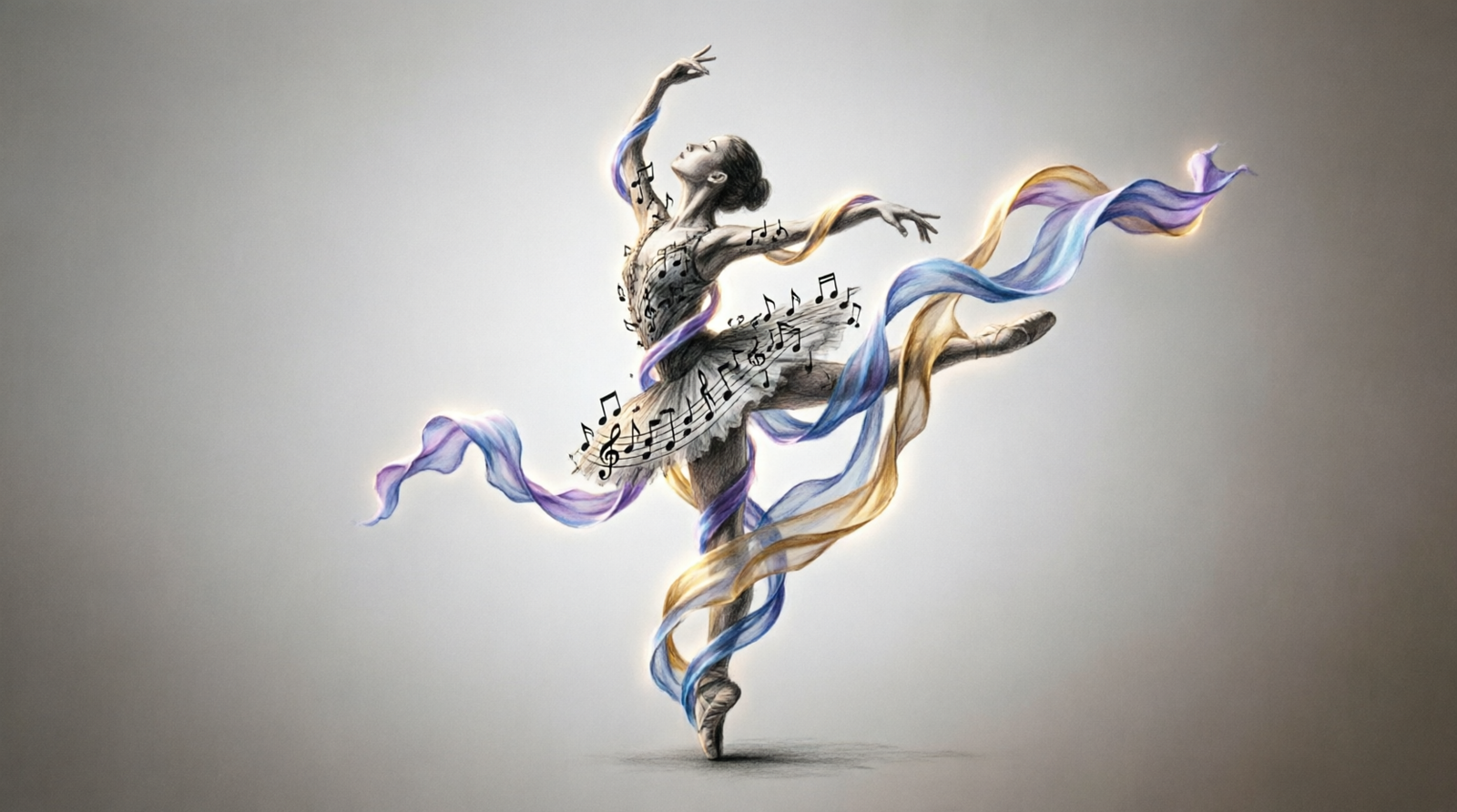
Dance is more than people moving to music. It can show joy freedom love fear struggle balance change and even the way life moves from one moment to the next. That is why writers often use dance as a metaphor.
When someone searches for metaphors about dance they may want a creative way to describe movement emotions relationships, life, or personal growth without saying everything directly. A good dance metaphor lets the reader picture an idea instead of simply being told what it means.
You may see dance metaphors in poems novels songs speeches school assignments social media captions wedding messages and everyday conversation. Some compare dance to a language or story. Others compare it to a river fire heartbeat journey conversation, or flight.
This guide, updated for 2026 gives you more than 60 original and practical dance metaphors. Each one includes its meaning an example sentence when to use it, when to avoid it alternative expressions difficulty level and tone. You’ll also find tables conversations writing tips exercises FAQs and related ideas so you can choose the metaphor that fits your message.
Definition & Meaning
A dance metaphor compares dance, movement, rhythm, or the act of dancing to another idea without using “like” or “as.” For example, “Dance is a language” compares dance to communication. These metaphors help readers picture feelings and abstract ideas through movement, rhythm, balance, and physical action.
A metaphor does not mean dance literally becomes another thing. Instead, it shares a quality with that thing.
For example:
“Her dance was a river.”
She was not actually a river. The sentence suggests that her movement was smooth, flowing, and continuous.
Quick definition
Metaphors about dance are creative comparisons that use dance or movement to explain another idea, feeling, person, relationship, or experience.
| Metaphor idea | What it suggests | Common use |
|---|---|---|
| Dance is a language | Communication | Poetry, essays |
| Dance is a story | Expression | Creative writing |
| Dance is a river | Smooth movement | Poetry |
| Dance is a heartbeat | Life and rhythm | Emotional writing |
| Dance is a journey | Growth and change | Speeches |
| Dance is a conversation | Connection | Relationships |
| Dance is freedom | Independence | Inspirational writing |
| Dance is fire | Passion and energy | Descriptions |
| Dance is flight | Lightness and freedom | Poetry |
| Dance is a mirror | Self-expression | Reflective writing |
| Dance is a puzzle | Coordination | Descriptive writing |
| Dance is a storm | Power and emotion | Dramatic writing |
Why We Use Metaphors About Dance
We use dance metaphors because movement can explain ideas that are difficult to describe directly. A metaphor can turn an ordinary sentence into an image the reader can see. Dance is especially useful because it involves rhythm, balance, emotion, timing, connection, energy, and change.
Practical purpose
Instead of writing:
“She was very confident.”
You could write:
“She danced like confidence had taken human form.”
The second sentence gives the reader a picture.
Everyday usage
People use dance metaphors to describe:
- Relationships
- Personal growth
- Success and failure
- Emotional change
- Teamwork
- Communication
- Freedom
- Conflict
- Creativity
- Time
- Life
Writing
Dance metaphors can make essays, stories, poems, and personal statements more vivid.
Speaking
A speaker might say:
“Leadership is a dance between listening and deciding.”
That makes an abstract idea easier to understand.
School
Students can use dance metaphors in:
- Creative writing
- Poetry
- Descriptive essays
- Personal narratives
- Speeches
- Art assignments
Social media
Short metaphors work well in captions:
“Life is a dance. Keep moving.”
Professional communication
A few careful metaphors can make business writing more memorable:
“Good teamwork is a dance of trust and timing.”
The key is moderation. One strong metaphor is usually better than five weak ones.
Main Section
The following metaphors about dance cover many moods and situations. Some are simple enough for children and beginners, while others are better suited to poetry, fiction, speeches, or advanced creative writing.
1. Dance Is a Language
Meaning: Dance communicates feelings and ideas without spoken words.
Real explanation: A dancer can show happiness, sadness, anger, love, fear, or confidence through movement.
Sample sentence: “Her dance was a language everyone in the room could understand.”
When to use it: Use it when writing about expression or communication.
When NOT to use it: Avoid it if you are describing a dance that has no emotional or communicative purpose.
Alternatives: “Dance speaks,” “Movement tells a story,” “The body speaks.”
Difficulty: Easy
Tone: Neutral
2. Dance Is a Story
Meaning: A dance can unfold like a beginning, middle, and ending.
Real explanation: Dancers can use movement to show characters, conflict, emotion, and change.
Sample sentence: “Every step was a sentence, and the whole dance was a story.”
When to use it: Great for poems, performances, and creative writing.
When NOT to use it: Avoid it when discussing a purely technical dance exercise.
Alternatives: “A moving story,” “A story in motion,” “A tale told through movement.”
Difficulty: Easy
Tone: Neutral
3. Dance Is a River
Meaning: Dance can flow smoothly and naturally.
Real explanation: This metaphor focuses on continuous movement rather than separate steps.
Sample sentence: “She moved across the stage like a river that had forgotten how to stop.”
When to use it: Use it for graceful, flowing movement.
When NOT to use it: It may not fit sharp, robotic, or highly controlled movement.
Alternatives: “Movement flows,” “A stream of motion,” “A flowing current.”
Difficulty: Easy
Tone: Poetic
4. Dance Is a Heartbeat
Meaning: Dance can represent life, rhythm, and emotional energy.
Real explanation: A heartbeat has a steady rhythm, just as dance often depends on timing and pulse.
Sample sentence: “The drums became the heartbeat of her dance.”
When to use it: Use it when music and movement feel closely connected.
When NOT to use it: Avoid it if rhythm is not important to the scene.
Alternatives: “Pulse of movement,” “Rhythm of life,” “A living rhythm.”
Difficulty: Easy
Tone: Emotional
5. Dance Is a Journey
Meaning: Dance can represent movement from one stage of life to another.
Real explanation: A journey has changes, turns, challenges, and destinations. Dance can have the same pattern.
Sample sentence: “His dance was a journey from fear to freedom.”
When to use it: Excellent for personal growth and inspirational writing.
When NOT to use it: Avoid it if you only need to describe a short physical movement.
Alternatives: “A path in motion,” “A moving journey,” “Steps toward change.”
Difficulty: Easy
Tone: Inspirational
6. Dance Is a Conversation
Meaning: Two dancers can communicate through movement.
Real explanation: Partners respond to each other through timing, gestures, pauses, and changes in direction.
Sample sentence: “Their tango was a conversation without a single word.”
When to use it: Perfect for partner dancing and relationship writing.
When NOT to use it: Less useful for a solo performance.
Alternatives: “A silent dialogue,” “A wordless exchange,” “Movement talking.”
Difficulty: Easy
Tone: Poetic
7. Dance Is Freedom
Meaning: Dancing can represent freedom from fear, rules, or self-doubt.
Real explanation: The metaphor focuses on emotional release rather than technical skill.
Sample sentence: “On the dance floor, she found a freedom she could not find anywhere else.”
When to use it: Use it in inspirational and emotional writing.
When NOT to use it: Avoid it when the dance is being described mainly as strict training.
Alternatives: “Movement without chains,” “Freedom in motion,” “A release.”
Difficulty: Easy
Tone: Inspirational
8. Dance Is Fire
Meaning: Dance can be passionate, powerful, and full of energy.
Real explanation: Fire spreads, glows, and creates heat. The metaphor connects those qualities with a dancer’s energy.
Sample sentence: “Fire lived in every step she took.”
When to use it: Great for energetic or passionate performances.
When NOT to use it: It does not fit a quiet, gentle dance as well.
Alternatives: “A flame in motion,” “Burning energy,” “A spark.”
Difficulty: Easy
Tone: Dramatic
9. Dance Is Flight
Meaning: Dance can make movement seem weightless and free.
Real explanation: This metaphor focuses on leaps, spins, lightness, and the feeling of leaving the ground.
Sample sentence: “For three seconds, her dance became flight.”
When to use it: Best for ballet, leaps, aerial movement, or graceful performances.
When NOT to use it: Avoid it for heavy, grounded movement.
Alternatives: “Motion takes wing,” “Movement in the air,” “A flight of steps.”
Difficulty: Easy
Tone: Poetic
10. Dance Is a Mirror
Meaning: Dance can reveal what someone feels inside.
Real explanation: A mirror reflects appearance. This metaphor suggests movement reflects emotion or personality.
Sample sentence: “His dance was a mirror of the sadness he tried to hide.”
When to use it: Use it for emotional or reflective writing.
When NOT to use it: Avoid it if the dancer is not expressing anything personal.
Alternatives: “A reflection of the soul,” “Emotion made visible,” “An inner reflection.”
Difficulty: Medium
Tone: Emotional
11. Dance Is a Puzzle
Meaning: Dance can involve many pieces that must work together.
Real explanation: Steps, music, timing, balance, and partners all need to fit.
Sample sentence: “Every step was a piece of the puzzle, and the final pose completed the picture.”
When to use it: Good for learning choreography.
When NOT to use it: It may sound too mechanical for emotional poetry.
Alternatives: “Pieces coming together,” “A moving pattern,” “A choreography puzzle.”
Difficulty: Easy
Tone: Neutral
12. Dance Is a Storm
Meaning: Dance can be powerful, wild, and emotionally intense.
Real explanation: A storm brings force and movement. The comparison works when a performance feels overwhelming or dramatic.
Sample sentence: “She crossed the stage like a storm nobody could stop.”
When to use it: Use it for fierce performances.
When NOT to use it: Avoid it for calm, delicate movement.
Alternatives: “A whirlwind,” “A rush of energy,” “A moving tempest.”
Difficulty: Medium
Tone: Dramatic
13. Dance Is a Painting
Meaning: A dance can create a visual picture through movement.
Real explanation: Dancers use shapes, positions, costumes, space, and timing almost like an artist uses a canvas.
Sample sentence: “The dancers painted a living picture across the stage.”
When to use it: Excellent for describing stage performances.
When NOT to use it: Avoid it if movement is more important than visual form.
Alternatives: “A picture in motion,” “Living art,” “A moving canvas.”
Difficulty: Easy
Tone: Artistic
14. Dance Is Music Made Visible
Meaning: Dance can turn sound and rhythm into physical movement.
Real explanation: The dancer’s body responds to the music so that the audience can almost see the beat.
Sample sentence: “She was music made visible.”
When to use it: Perfect for elegant performance descriptions.
When NOT to use it: Avoid it when the dance is performed without music.
Alternatives: “Visible rhythm,” “Music in motion,” “A body shaped by sound.”
Difficulty: Medium
Tone: Poetic
15. Dance Is a Conversation With the Body
Meaning: A dancer communicates through physical movement.
Real explanation: The body can express ideas that words cannot easily explain.
Sample sentence: “His body held a conversation with the silence.”
When to use it: Use it in reflective poetry and artistic writing.
When NOT to use it: Avoid overusing this abstract image in simple school writing.
Alternatives: “The body speaks,” “Physical dialogue,” “Silent communication.”
Difficulty: Medium
Tone: Poetic
16. Dance Is a Clock
Meaning: Dance depends on timing.
Real explanation: A clock marks time, while a dancer uses rhythm, pauses, beats, and timing to control movement.
Sample sentence: “The dancers moved like hands on a perfect clock.”
When to use it: Good for synchronized performances.
When NOT to use it: Less useful for loose improvisation.
Alternatives: “Time in motion,” “A moving clock,” “Perfect timing.”
Difficulty: Easy
Tone: Neutral
17. Dance Is a Wave
Meaning: Movement can rise, fall, spread, and return.
Real explanation: Waves have rhythm and direction, making them useful for describing flowing group movement.
Sample sentence: “The dancers moved across the stage in one long wave.”
When to use it: Excellent for group performances.
When NOT to use it: Avoid it for movements that stay still and sharp.
Alternatives: “A rolling motion,” “A wave of movement,” “A flowing surge.”
Difficulty: Easy
Tone: Poetic
18. Dance Is a Garden
Meaning: Dance can grow through practice, care, and patience.
Real explanation: A garden needs time and attention. Skill develops in much the same way.
Sample sentence: “Years of practice turned her dance into a garden in full bloom.”
When to use it: Great for writing about improvement.
When NOT to use it: Avoid it if you need to focus only on performance.
Alternatives: “A skill in bloom,” “Movement growing,” “A cultivated art.”
Difficulty: Medium
Tone: Inspirational
19. Dance Is a Seed
Meaning: A small beginning can grow into something beautiful.
Real explanation: A simple first step can eventually become strong artistic ability.
Sample sentence: “That nervous first step was the seed of a lifelong love of dance.”
When to use it: Use it for beginnings and growth.
When NOT to use it: Avoid it when describing a finished performance.
Alternatives: “A beginning,” “A spark of talent,” “The first step toward growth.”
Difficulty: Easy
Tone: Inspirational
20. Dance Is a Bridge
Meaning: Dance can connect people, cultures, or emotions.
Real explanation: A bridge joins two places. Dance can join people who speak different languages or come from different backgrounds.
Sample sentence: “Dance became a bridge between two cultures.”
When to use it: Excellent for cultural and social writing.
When NOT to use it: Avoid it if connection is not part of the subject.
Alternatives: “A connection,” “A meeting point,” “A link between worlds.”
Difficulty: Easy
Tone: Neutral
21. Dance Is a Door
Meaning: Dance can open a new emotional or creative world.
Real explanation: A door gives access to another place. Dancing can give someone access to confidence, creativity, or community.
Sample sentence: “That first dance opened a door she had been afraid to touch.”
When to use it: Good for personal stories.
When NOT to use it: Avoid it for purely technical descriptions.
Alternatives: “An opening,” “A gateway,” “A path into something new.”
Difficulty: Easy
Tone: Inspirational
22. Dance Is a Key
Meaning: Dance can unlock feelings or abilities.
Real explanation: A key opens something that was closed. Dancing can help someone express emotions they normally keep hidden.
Sample sentence: “Music was the key that unlocked his confidence.”
When to use it: Good for emotional transformation.
When NOT to use it: Avoid mixing this metaphor with too many other “opening” images nearby.
Alternatives: “A way to unlock expression,” “A release,” “An emotional key.”
Difficulty: Easy
Tone: Inspirational
23. Dance Is a Compass
Meaning: Dance can guide a person through change.
Real explanation: A compass gives direction. Dance can provide purpose, routine, or a sense of where someone belongs.
Sample sentence: “When everything felt uncertain, dance became her compass.”
When to use it: Great for life stories.
When NOT to use it: Avoid it if dance has no guiding role.
Alternatives: “A guide,” “A direction,” “A steady path.”
Difficulty: Medium
Tone: Inspirational
24. Dance Is a Map
Meaning: A dance can contain a planned route of movements.
Real explanation: Choreography gives dancers a sequence and direction, much like a map guides a traveler.
Sample sentence: “The choreography was a map, and every step marked the way.”
When to use it: Useful when discussing choreography or learning.
When NOT to use it: Less suitable for spontaneous dancing.
Alternatives: “A path of movement,” “A choreography guide,” “A route in motion.”
Difficulty: Easy
Tone: Neutral
25. Dance Is a Compass for the Heart
Meaning: Dance can help people understand what they feel.
Real explanation: This combines direction with emotion. It suggests movement can reveal emotional truth.
Sample sentence: “Her dance became a compass for a heart that could not find its way.”
When to use it: Poetry and emotional stories.
When NOT to use it: Avoid it in formal business writing.
Alternatives: “An emotional guide,” “A heart’s direction,” “A path through feeling.”
Difficulty: Advanced
Tone: Poetic
26. Dance Is a Book
Meaning: A performance can contain many chapters and ideas.
Real explanation: Different sections of a dance can represent different moments or emotions.
Sample sentence: “The final movement closed the book on her childhood.”
When to use it: Good for narrative dance.
When NOT to use it: Avoid it when the performance has no story structure.
Alternatives: “A moving book,” “Chapters in motion,” “A story with steps.”
Difficulty: Easy
Tone: Poetic
27. Dance Is a Pen
Meaning: Movement can write ideas in space.
Real explanation: A pen creates marks on paper; a dancer creates shapes and patterns in the air.
Sample sentence: “Her arms were pens writing invisible poetry across the room.”
When to use it: Poetry and artistic descriptions.
When NOT to use it: Avoid it if the writing comparison distracts from the actual scene.
Alternatives: “Writing in motion,” “Invisible handwriting,” “Movement as ink.”
Difficulty: Medium
Tone: Poetic
28. Dance Is Ink in the Air
Meaning: A dancer can seem to draw with movement.
Real explanation: This creates a strong visual image of arms, hands, and bodies tracing shapes.
Sample sentence: “Every turn left a line of invisible ink in the air.”
When to use it: Creative writing and poetry.
When NOT to use it: Avoid it in technical instructions.
Alternatives: “Drawing with movement,” “Invisible lines,” “Airborne writing.”
Difficulty: Medium
Tone: Poetic
29. Dance Is a Feather
Meaning: Movement can be light and delicate.
Real explanation: A feather suggests softness, lightness, and gentle motion.
Sample sentence: “Her final step fell like a feather.”
When to use it: Ballet and gentle movement.
When NOT to use it: Avoid it for forceful dance.
Alternatives: “Light as air,” “Soft movement,” “Weightless motion.”
Difficulty: Easy
Tone: Poetic
30. Dance Is Thunder
Meaning: Dance can have powerful impact.
Real explanation: Thunder is loud and forceful. The metaphor works when movement feels strong enough to command attention.
Sample sentence: “His feet struck the floor like thunder.”
When to use it: Strong or energetic dance.
When NOT to use it: Avoid it for soft, quiet movement.
Alternatives: “A burst of power,” “A rumble of movement,” “A powerful beat.”
Difficulty: Easy
Tone: Dramatic
31. Dance Is a Whisper
Meaning: Dance can communicate quietly and gently.
Real explanation: A whisper is soft but meaningful. This metaphor suits subtle movements.
Sample sentence: “Her hands moved like whispers telling a secret.”
When to use it: Intimate or delicate scenes.
When NOT to use it: Avoid it for loud, energetic performances.
Alternatives: “A silent murmur,” “A quiet message,” “Soft expression.”
Difficulty: Easy
Tone: Poetic
32. Dance Is a Secret
Meaning: Movement can reveal something hidden.
Real explanation: A dancer may express emotions without explaining them openly.
Sample sentence: “His dance carried a secret he could never say aloud.”
When to use it: Mystery, romance, and emotional writing.
When NOT to use it: Avoid it if nothing is hidden.
Alternatives: “A hidden message,” “A silent truth,” “An unspoken feeling.”
Difficulty: Easy
Tone: Emotional
33. Dance Is a Flame
Meaning: Dance can represent warmth, passion, or energy.
Real explanation: A flame moves continuously and can change shape, making it a natural image for expressive dancing.
Sample sentence: “Her body moved like a flame caught by the wind.”
When to use it: Passionate or fluid performances.
When NOT to use it: Avoid it for rigid movement.
Alternatives: “A living flame,” “A flicker of energy,” “Fire in motion.”
Difficulty: Easy
Tone: Poetic
34. Dance Is Wind
Meaning: Dance can feel free, light, and unpredictable.
Real explanation: Wind cannot be seen directly, but we see its effects. Dance can work in a similar way.
Sample sentence: “She crossed the stage like wind through an open field.”
When to use it: Free movement and outdoor scenes.
When NOT to use it: Avoid it for heavily controlled choreography.
Alternatives: “Air in motion,” “A breeze,” “Movement carried by wind.”
Difficulty: Easy
Tone: Poetic
35. Dance Is a Tree
Meaning: A dancer can be grounded while reaching outward and upward.
Real explanation: A tree combines roots, strength, balance, branches, and growth.
Sample sentence: “She danced like a tree with roots in the earth and branches in the sky.”
When to use it: Strong, grounded movement.
When NOT to use it: Avoid it if the dance is mostly fast and airborne.
Alternatives: “Rooted movement,” “A living tree,” “Strength with reach.”
Difficulty: Medium
Tone: Poetic
36. Dance Is a Garden in Motion
Meaning: A group performance can resemble many forms growing together.
Real explanation: Different dancers can create different shapes, much like flowers and plants in a garden.
Sample sentence: “The stage became a garden in motion as the dancers opened into bright formations.”
When to use it: Group performances.
When NOT to use it: Avoid it for solo technical exercises.
Alternatives: “A moving garden,” “Flowers in motion,” “A living landscape.”
Difficulty: Medium
Tone: Artistic
37. Dance Is a Chess Game
Meaning: Dance can require planning, strategy, and anticipation.
Real explanation: Partners must think about position, timing, and their next move.
Sample sentence: “Their performance was a chess game played with feet and timing.”
When to use it: Strategic partner or competitive dance.
When NOT to use it: Avoid it for carefree dancing.
Alternatives: “A game of timing,” “A strategic movement,” “Steps and countersteps.”
Difficulty: Medium
Tone: Creative
38. Dance Is a Game of Trust
Meaning: Partner dance depends on people trusting one another.
Real explanation: Dancers may need to follow, lead, support, catch, or move close to one another.
Sample sentence: “Their duet was a game of trust played one step at a time.”
When to use it: Partner dancing and relationships.
When NOT to use it: Less useful for solo dance.
Alternatives: “A partnership,” “A dance of trust,” “Shared confidence.”
Difficulty: Easy
Tone: Emotional
39. Dance Is a Tightrope
Meaning: Dance can require delicate balance.
Real explanation: A tightrope walker must control every movement. Dancers also need balance, timing, and control.
Sample sentence: “The performance felt like a tightrope between control and freedom.”
When to use it: Difficult or risky choreography.
When NOT to use it: Avoid it for relaxed dancing.
Alternatives: “A balance act,” “A careful path,” “A line between extremes.”
Difficulty: Medium
Tone: Dramatic
40. Dance Is a Balancing Act
Meaning: Dance can represent the need to manage opposing forces.
Real explanation: Dance may involve balancing strength and softness, freedom and control, or two people’s needs.
Sample sentence: “Their relationship was a balancing act, much like their dance.”
When to use it: Relationships and life lessons.
When NOT to use it: Avoid repeating it if the surrounding paragraph already discusses balance.
Alternatives: “A careful balance,” “A dance between two forces,” “A middle ground.”
Difficulty: Easy
Tone: Neutral
41. Life Is a Dance
Meaning: Life involves movement, change, timing, mistakes, and unexpected turns.
Real explanation: Like dancing, life rarely follows one perfectly straight path.
Sample sentence: “Life is a dance, and not every step needs to be perfect.”
When to use it: Inspirational writing and speeches.
When NOT to use it: Avoid it if the writing needs a very literal or factual tone.
Alternatives: “Life moves in steps,” “Life has its rhythm,” “We move through life.”
Difficulty: Easy
Tone: Inspirational
42. Love Is a Dance
Meaning: Love often requires balance, timing, trust, and cooperation.
Real explanation: Two people may need to move toward each other, give space, listen, and adjust.
Sample sentence: “Love is a dance of giving space and moving closer.”
When to use it: Romantic writing.
When NOT to use it: Avoid it in formal technical writing.
Alternatives: “Love has a rhythm,” “A dance of two hearts,” “A partnership in motion.”
Difficulty: Easy
Tone: Romantic
43. Friendship Is a Dance
Meaning: Friendship requires mutual effort and adjustment.
Real explanation: Good friends respond to one another instead of expecting one person to do everything.
Sample sentence: “Friendship is a dance where both people learn each other’s rhythm.”
When to use it: Personal essays and social posts.
When NOT to use it: Avoid it when discussing a one-sided relationship.
Alternatives: “A shared rhythm,” “Moving together,” “A partnership.”
Difficulty: Easy
Tone: Warm
44. Conversation Is a Dance
Meaning: Good conversation involves taking turns and responding.
Real explanation: One person speaks while another listens, just as dancers alternate movements and responses.
Sample sentence: “Their conversation was a dance of questions, answers, and small pauses.”
When to use it: Writing about communication.
When NOT to use it: Avoid it when describing a one-sided speech.
Alternatives: “A verbal dance,” “A rhythm of conversation,” “A back-and-forth.”
Difficulty: Easy
Tone: Neutral
45. Teamwork Is a Dance
Meaning: Teamwork depends on timing, trust, and coordination.
Real explanation: A team succeeds when people know when to lead, support, pause, and act.
Sample sentence: “The project was a dance of ideas, deadlines, and shared effort.”
When to use it: School, sports, business, and leadership writing.
When NOT to use it: Avoid it if the team is not coordinated.
Alternatives: “A coordinated effort,” “A shared rhythm,” “Working in step.”
Difficulty: Easy
Tone: Professional
46. Success Is a Dance
Meaning: Success involves movement, timing, mistakes, and adjustment.
Real explanation: Progress is rarely a straight line.
Sample sentence: “Success is a dance between patience, effort, and opportunity.”
When to use it: Motivational writing.
When NOT to use it: Avoid making success sound effortless when the context requires realism.
Alternatives: “A rhythm of progress,” “Steps toward success,” “A moving path.”
Difficulty: Easy
Tone: Inspirational
47. Failure Is a Misstep
Meaning: A mistake does not have to end the entire journey.
Real explanation: In dance, one wrong step can be corrected. The same idea can apply to life.
Sample sentence: “Failure was only a misstep, not the end of the dance.”
When to use it: Encouragement and personal growth.
When NOT to use it: Avoid minimizing serious problems.
Alternatives: “A wrong step,” “A stumble,” “A lesson in motion.”
Difficulty: Easy
Tone: Inspirational
48. Change Is a New Rhythm
Meaning: Change requires adapting to a different pattern.
Real explanation: A person may feel uncomfortable when familiar routines change, just as dancers must adjust to a new rhythm.
Sample sentence: “Moving to a new city felt like learning a new rhythm.”
When to use it: Life transitions.
When NOT to use it: Avoid it when no adaptation is involved.
Alternatives: “A new beat,” “A different pace,” “A new pattern.”
Difficulty: Easy
Tone: Neutral
49. Fear Is a Heavy Step
Meaning: Fear can make movement and decision-making difficult.
Real explanation: The metaphor turns an emotional burden into something physical.
Sample sentence: “Fear sat on her feet like a heavy step.”
When to use it: Emotional stories.
When NOT to use it: Avoid it for cheerful or light scenes.
Alternatives: “A weight on the feet,” “Moving through fear,” “A difficult step.”
Difficulty: Medium
Tone: Emotional
50. Courage Is the First Step
Meaning: Courage often begins with taking action despite fear.
Real explanation: A first dance step can feel uncertain, just as starting something difficult can.
Sample sentence: “Courage was the first step, and she finally took it.”
When to use it: Inspirational writing.
When NOT to use it: Avoid it if the situation requires many separate stages of courage.
Alternatives: “Take the first step,” “Step into courage,” “Begin despite fear.”
Difficulty: Easy
Tone: Inspirational
51. Memory Is an Old Dance
Meaning: Memories can return in familiar patterns.
Real explanation: An old dance can be repeated from memory. Likewise, past experiences can return when something reminds us of them.
Sample sentence: “The old song brought back memory like an old dance.”
When to use it: Nostalgic writing.
When NOT to use it: Avoid it if the memory has no repeating pattern.
Alternatives: “A familiar rhythm,” “An old pattern,” “A returning memory.”
Difficulty: Medium
Tone: Nostalgic
52. Time Is a Dancer
Meaning: Time keeps moving and never waits.
Real explanation: This personifies time as something that moves across a stage.
Sample sentence: “Time is a dancer that never waits for the music to end.”
When to use it: Poetry and reflective writing.
When NOT to use it: Avoid it in highly literal writing.
Alternatives: “Time keeps moving,” “The dance of time,” “Time moves on.”
Difficulty: Easy
Tone: Poetic
53. Dreams Are Steps
Meaning: Dreams become real through gradual action.
Real explanation: A large goal can be reached through small steps.
Sample sentence: “Her dreams were steps leading toward a life she could finally imagine.”
When to use it: Motivation and personal essays.
When NOT to use it: Avoid it if the focus is on an immediate result.
Alternatives: “Steps toward a dream,” “A path to the future,” “Progress in motion.”
Difficulty: Easy
Tone: Inspirational
54. Hope Is a Rhythm
Meaning: Hope can continue even during difficult times.
Real explanation: Rhythm suggests something steady that keeps returning.
Sample sentence: “Hope was the quiet rhythm that kept her moving.”
When to use it: Emotional and inspirational writing.
When NOT to use it: Avoid it when hope is not central to the passage.
Alternatives: “A steady beat,” “A pulse of hope,” “A rhythm of faith.”
Difficulty: Medium
Tone: Inspirational
55. Anger Is a Violent Dance
Meaning: Anger can create restless, uncontrolled movement.
Real explanation: The metaphor focuses on the physical energy and conflict that anger can produce.
Sample sentence: “His anger became a violent dance of clenched hands and quick steps.”
When to use it: Dramatic fiction.
When NOT to use it: Avoid it if the person is calm or simply annoyed.
Alternatives: “A storm of anger,” “Restless rage,” “Anger in motion.”
Difficulty: Medium
Tone: Dramatic
56. Silence Is a Slow Dance
Meaning: Silence between people can contain emotion and meaning.
Real explanation: A slow dance often involves closeness and careful movement. Silence can create a similar feeling.
Sample sentence: “Their silence was a slow dance neither wanted to end.”
When to use it: Romantic or emotional writing.
When NOT to use it: Avoid it if the silence is simply empty.
Alternatives: “A quiet exchange,” “An unspoken dance,” “A silent closeness.”
Difficulty: Medium
Tone: Romantic
57. Conflict Is a Dance of Opposites
Meaning: Conflict can involve two sides reacting to each other.
Real explanation: Each side changes its actions based on what the other side does.
Sample sentence: “Their argument became a dance of accusation and defense.”
When to use it: Essays, fiction, and social analysis.
When NOT to use it: Avoid making serious conflict sound playful.
Alternatives: “A clash,” “A back-and-forth struggle,” “Opposing movements.”
Difficulty: Medium
Tone: Neutral
58. Learning Is a Dance
Meaning: Learning involves trying, failing, adjusting, and trying again.
Real explanation: A learner does not always move forward perfectly. Progress often includes mistakes and corrections.
Sample sentence: “Learning a new skill is a dance between mistakes and small victories.”
When to use it: Education and motivational writing.
When NOT to use it: Avoid it when explaining a strict technical procedure.
Alternatives: “A process of steps,” “Learning in motion,” “A rhythm of practice.”
Difficulty: Easy
Tone: Inspirational
59. Creativity Is an Improvised Dance
Meaning: Creativity often grows through experimentation.
Real explanation: Improvisation allows a person to respond to what happens instead of following a fixed plan.
Sample sentence: “Writing the poem became an improvised dance with words.”
When to use it: Creative writing and art discussions.
When NOT to use it: Avoid it when the work is tightly planned and controlled.
Alternatives: “Creative movement,” “A spontaneous process,” “A dance of ideas.”
Difficulty: Medium
Tone: Artistic
60. Life Is a Choreography
Meaning: Life can seem like a series of connected choices and actions.
Real explanation: Choreography organizes movements into a larger pattern. Life also contains choices that shape what comes next.
Sample sentence: “We rarely see the whole choreography of our lives while we are living it.”
When to use it: Reflective writing and speeches.
When NOT to use it: Avoid it if you want to emphasize complete randomness.
Alternatives: “A pattern of choices,” “A sequence of moments,” “The choreography of life.”
Difficulty: Medium
Tone: Reflective
61. Dance Is a Conversation Between Gravity and the Body
Meaning: Dance can show the struggle between staying grounded and moving upward.
Real explanation: Gravity constantly pulls the body down, while dancers often reach, jump, turn, and lift.
Sample sentence: “Her ballet was a conversation between gravity and the human body.”
When to use it: Advanced dance writing.
When NOT to use it: Avoid it for beginner-level school work if a simpler metaphor would be clearer.
Alternatives: “A struggle with gravity,” “Movement against weight,” “A dialogue with the ground.”
Difficulty: Advanced
Tone: Artistic
62. Dance Is a Conversation With Space
Meaning: Dancers use the space around them as part of the performance.
Real explanation: A dancer moves toward, away from, across, and around space.
Sample sentence: “His solo was a conversation with every corner of the stage.”
When to use it: Dance criticism and artistic writing.
When NOT to use it: Avoid it when the physical space is irrelevant.
Alternatives: “Movement through space,” “A dialogue with the stage,” “Shaping the room.”
Difficulty: Advanced
Tone: Artistic
63. Dance Is a Bridge Between the Inner and Outer Self
Meaning: Dance can turn private feelings into visible action.
Real explanation: What someone feels inside becomes something the audience can see.
Sample sentence: “Her performance was a bridge between the person she felt herself to be and the person others could see.”
When to use it: Reflective essays and artistic analysis.
When NOT to use it: Avoid it when you need a short, simple metaphor.
Alternatives: “Inner feelings made visible,” “A bridge between feeling and action,” “Emotion in motion.”
Difficulty: Advanced
Tone: Reflective
64. Dance Is a Living Sculpture
Meaning: Dancers create changing shapes with their bodies.
Real explanation: A sculpture is a work of visual art, while a dancer can create temporary shapes that keep changing.
Sample sentence: “For one quiet moment, the dancers became a living sculpture.”
When to use it: Ballet, contemporary dance, and visual descriptions.
When NOT to use it: Avoid it for very fast movement where shapes are hard to notice.
Alternatives: “Moving sculpture,” “Living art,” “Sculpture in motion.”
Difficulty: Medium
Tone: Artistic
65. Dance Is a Breath
Meaning: Dance can feel natural, necessary, and connected to life.
Real explanation: Breathing happens continuously and naturally. This metaphor presents dance as something deeply connected to the dancer.
Sample sentence: “For her, dance was not a hobby; it was a breath.”
When to use it: Emotional personal writing.
When NOT to use it: Avoid it when you need an objective description.
Alternatives: “A vital rhythm,” “A way of breathing,” “Life in motion.”
Difficulty: Medium
Tone: Emotional
Real-Life Conversations
Conversation 1: Friends
Maya: You were really quiet during the show.
Jordan: I was watching how the dancers moved together.
Maya: What did you notice?
Jordan: It felt like they were having a conversation.
Maya: But nobody was talking.
Jordan: Exactly. Their bodies were doing the talking.
Maya: So dance is a language?
Jordan: Yes. A language without words.
🎯 Lesson: “Dance is a language” works well when movement communicates emotion or ideas.
Conversation 2: Student and Teacher
Student: Can I use “life is a dance” in my essay?
Teacher: You can, but explain what you mean.
Student: I mean that life has good steps and bad steps.
Teacher: That’s a good start. You could also mention that people have to adjust when the rhythm changes.
Student: So I should not just write the metaphor and move on?
Teacher: Right. Explain the connection.
🎯 Lesson: A metaphor becomes stronger when you explain the shared idea behind the comparison.
Conversation 3: Dating
Alex: Why did you call our relationship a dance?
Sam: Because sometimes we move closer, and sometimes one of us needs space.
Alex: That actually makes sense.
Sam: And when we listen to each other, things feel easier.
Alex: So we’re learning each other’s rhythm?
Sam: Exactly.
🎯 Lesson: “Love is a dance” works naturally when writing about balance, trust, timing, and closeness.
Conversation 4: Office
Manager: The new team is working better this week.
Lena: I noticed that too.
Manager: What changed?
Lena: People started listening before jumping in.
Manager: So the teamwork improved?
Lena: Yes. It feels like everyone knows when to lead and when to support.
Manager: That’s a good way to put it.
Lena: Teamwork really is a dance.
🎯 Lesson: “Teamwork is a dance” can explain coordination in professional settings without sounding overly formal.
Conversation 5: Social Media
Chris: I need a caption for this dance video.
Nina: What kind of feeling does the video have?
Chris: It’s energetic but also free.
Nina: Try, “Dance is freedom in motion.”
Chris: Short and simple. I like it.
Nina: Good captions don’t need a complicated metaphor.
🎯 Lesson: Short dance metaphors often work better than long ones in social media captions.
Everyday Usage
Dance metaphors appear in many types of communication. The best choice depends on the audience, purpose, and tone.
In conversation
People often use simple metaphors:
- “Life is a dance.”
- “We need to find our rhythm.”
- “It’s a balancing act.”
- “We’re learning each other’s rhythm.”
- “That was a misstep.”
These sound natural because the images are easy to understand.
In writing
Creative writers can use stronger images:
“Her hands wrote invisible letters in the air.”
The metaphor creates a picture instead of simply saying that her hands moved beautifully.
In books
Novelists may use dance metaphors to reveal personality.
A confident character might move as though “the stage belonged to her.”
A nervous character might take “heavy steps.”
In movies
Dance metaphors can describe relationships, conflict, or emotional change.
For example:
“Their argument became a dance of accusation and silence.”
In poetry
Poetry allows more unusual comparisons:
“Hope kept a quiet rhythm beneath the noise.”
In emails
Use simple, professional metaphors.
Good:
“The project has finally found its rhythm.”
Less suitable:
“Our project is a flaming dragon dancing across the universe.”
The second image may be creative, but it is not a good fit for most work emails.
In text messages
Keep metaphors short:
“We finally found our rhythm 😂”
On Instagram
Visual metaphors work especially well:
“A little fire in every step.”
On Facebook
A reflective caption might say:
“Life changes its rhythm, but we keep dancing.”
On X
Shorter is usually stronger:
“Every setback is a misstep, not the end of the dance.”
On LinkedIn
Professional metaphors should be clear:
“Good leadership is a dance between listening and action.”
In school assignments
Choose metaphors that are easy to explain.
For example:
“Dance is a language because people can communicate feelings through movement.”
That is better for a school essay than an extremely complicated metaphor that the writer cannot explain.
Writing Tips
Choose the metaphor based on the feeling
Ask yourself what you want the reader to feel.
If the dance is:
- Soft: use a feather, whisper, breeze, or river.
- Powerful: use thunder, fire, or storm.
- Romantic: use conversation, rhythm, or slow dance.
- Sad: use heavy steps, fading music, or a broken rhythm.
- Hopeful: use a new rhythm, first step, or journey.
- Confident: use freedom, flight, or fire.
- Confused: use a maze, puzzle, or changing rhythm.
- Controlled: use a clock, map, or choreography.
- Creative: use painting, writing, or improvisation.
Formal vs. informal
Some metaphors work almost anywhere:
“The team found its rhythm.”
Others are strongly poetic:
“Her hands were silver birds writing across the air.”
Use the second type carefully in business writing.
Speaking vs. writing
Spoken metaphors should usually be easy to understand.
Good:
“We need to get back into rhythm.”
Written poetry can be more complex:
“The silence became a slow dance between two wounded hearts.”
British vs. American usage
The basic dance metaphors are understood in both American and British English.
There is no major grammar difference in phrases such as:
- “Life is a dance.”
- “Dance is a language.”
- “We found our rhythm.”
The main differences come from vocabulary around the metaphor, not from the metaphor itself.
Children vs. adults
For children, use concrete comparisons:
“The dancers moved like waves.”
For older students and adults, abstract comparisons can work:
“Dance became a bridge between memory and identity.”
Professional communication
Keep workplace metaphors:
- Short
- Clear
- Positive when possible
- Related to the subject
Good:
“The team is finally moving in step.”
Less useful:
“Our department is an exploding galaxy of dancing elephants.”
Creative does not always mean effective.
Creative writing
In creative writing, you can take more risks. Still, the metaphor should have a clear emotional purpose.
Instead of:
“Her dance was like a thing.”
Try:
“Her dance was a storm gathering over the sea.”
The second image gives the reader something concrete to imagine.
Pro Tip
Do not stack unrelated metaphors.
Weak:
“Her dance was a river, a fire, a bird, a clock, and a thunderstorm.”
The reader cannot focus on one image.
Stronger:
“Her dance was a river, smooth and impossible to stop.”
One clear metaphor often has more power than five competing ones.
Common Mistakes
| Mistake | Reason | Correct version | Practical explanation |
|---|---|---|---|
| “Dance is like a language” when a metaphor is required | This is technically a simile | “Dance is a language.” | A metaphor makes the comparison directly. |
| Using too many metaphors | Images compete | Choose one strong image | Keep the reader focused. |
| Using a fire metaphor for a gentle dance | The image does not fit | “Dance is a whisper.” | Match the image to the movement. |
| Writing “dance is a dance” | No meaningful comparison | “Life is a dance.” | The second idea needs to add meaning. |
| Explaining the metaphor too much | It can weaken the image | Let the image work | Explain only when clarity requires it. |
| Using poetic metaphors in every email | The tone may feel strange | Use simple workplace metaphors | Match the audience. |
| Mixing “river” and “fire” in one sentence | The images pull in different directions | Pick one | Keep imagery consistent. |
| Making every metaphor romantic | Dance has many meanings | Use metaphors for growth, teamwork, etc. | Broaden your imagery. |
| Using a metaphor you cannot explain | The comparison may feel random | Choose a clear metaphor | You should know why the two ideas connect. |
| Treating a metaphor as literal | It creates confusion | Explain the shared quality | Metaphors are comparisons, not facts. |
Practice Exercise
Rewrite each simple sentence using a dance metaphor.
1. She became more confident.
Possible answer:
“She stepped into confidence like a dancer finally trusting the music.”
2. The team started working well together.
Possible answer:
“The team finally found its rhythm.”
3. He made a mistake.
Possible answer:
“He took a wrong step, then found his way back.”
4. They understood each other without speaking.
Possible answer:
“They shared a silent dance of understanding.”
5. She was full of energy.
Possible answer:
“Fire seemed to move through every step she took.”
6. Life keeps changing.
Possible answer:
“Life keeps changing its rhythm.”
7. The couple trusted each other.
Possible answer:
“Their dance was built on trust.”
8. She finally felt free.
Possible answer:
“Dance became her freedom in motion.”
9. He was nervous about starting something new.
Possible answer:
“He stood before the first step, afraid to enter the dance.”
10. She expressed her sadness through movement.
Possible answer:
“Her dance became a mirror for the sadness inside her.”
Practice Tip
Do not worry about making your first metaphor perfect. Start with the feeling you want to describe.
Then ask:
What does this feeling move like?
That question often leads to a stronger image.
Multiple Choice Questions
1. Which sentence is a metaphor?
A. She danced like a bird.
B. She danced beautifully.
C. Her dance was a river.
D. She danced at night.
Answer: C
2. What does “dance is a language” suggest?
A. Dancers must speak while dancing.
B. Dance can communicate ideas and feelings.
C. Dance has grammar rules like English.
D. Dance is always silent.
Answer: B
3. Which metaphor best describes powerful dance?
A. Dance is a feather.
B. Dance is a whisper.
C. Dance is thunder.
D. Dance is a seed.
Answer: C
4. Which metaphor best describes gradual personal growth?
A. Dance is a seed.
B. Dance is thunder.
C. Dance is a storm.
D. Dance is a clock.
Answer: A
5. “Their dance was a conversation” mainly suggests:
A. They were speaking loudly.
B. They were communicating through movement.
C. They forgot the choreography.
D. They were reading a book.
Answer: B
6. Which metaphor best fits teamwork?
A. Teamwork is a dance.
B. Teamwork is a storm.
C. Teamwork is a secret.
D. Teamwork is a feather.
Answer: A
7. What does “failure is a misstep” suggest?
A. Failure is always serious.
B. A mistake can be corrected.
C. Dancing causes failure.
D. Mistakes should be ignored.
Answer: B
8. Which metaphor is most romantic?
A. Love is a dance.
B. Love is a map.
C. Love is a clock.
D. Love is a puzzle.
Answer: A
9. Which metaphor best describes soft movement?
A. Dance is thunder.
B. Dance is a storm.
C. Dance is a whisper.
D. Dance is fire.
Answer: C
10. Why should writers avoid mixing too many metaphors?
A. Metaphors are never useful.
B. Readers may lose the main image.
C. Metaphors cannot be used in poems.
D. Dance cannot be described creatively.
Answer: B
Answer Key
- C
- B
- C
- A
- B
- A
- B
- A
- C
- B
Related Terms
Dance metaphors are closely connected to several other forms of figurative language. Knowing the difference helps you choose the right expression.
| Concept | Meaning | Example | Difference |
|---|---|---|---|
| Metaphor | Direct comparison | “Dance is a language.” | Says one thing is another for effect. |
| Simile | Comparison using “like” or “as” | “She moved like a bird.” | Makes the comparison more directly. |
| Personification | Gives human qualities to nonhuman things | “The music called her forward.” | Makes something nonhuman act human. |
| Symbolism | An object or action represents a deeper idea | Dance represents freedom. | Focuses on a larger meaning. |
| Imagery | Language that creates a sensory picture | “Her feet tapped softly across the wooden floor.” | Helps the reader imagine the scene. |
| Analogy | Explains one idea by comparing it with another | Dance and teamwork both require timing. | Usually explains an idea rather than simply creating an image. |
| Idiom | Fixed expression with a special meaning | “Find your rhythm.” | Often has a commonly recognized meaning. |
| Hyperbole | Deliberate exaggeration | “She danced for a thousand years.” | Exaggerates for emphasis. |
Metaphor vs. Simile
This is the most common point of confusion.
Metaphor:
“Her dance was a river.”
Simile:
“Her dance was like a river.”
Both create an image of flowing movement. The grammar is different.
Metaphor vs. Symbolism
A metaphor makes a comparison inside a particular expression.
A symbol can carry meaning across a larger story.
For example, if a novel repeatedly uses dance to represent freedom, dance may become a symbol of freedom throughout the story.
FAQs:
What is a good metaphor for dance?
A strong general metaphor is “Dance is a language.” It suggests that people can communicate emotions and ideas through movement without speaking. Other useful choices include “dance is a story,” “dance is a river,” “dance is freedom,” and “dance is a conversation.” The best metaphor depends on what you want the dance to represent.
What is a metaphor for dance in poetry?
Poetry gives you room to use more imaginative comparisons. You might write, “Her hands were ink writing across the air” or “Her dance was a river finding its way through the dark.” These images focus on movement, emotion, shape, and rhythm rather than simply saying that someone danced beautifully.
What is a metaphor for life and dance?
“Life is a dance” is one of the simplest choices. It suggests that life involves rhythm, change, mistakes, balance, and unexpected turns. You can make it more specific by writing, “Life is a dance, and every mistake teaches us a new step.” This works well in speeches, essays, captions, and inspirational writing.
What is a metaphor for a dancer?
A dancer can be compared to many things depending on the performance. A graceful dancer might be “a feather,” “a river,” or “a bird in flight.” A powerful dancer could be “fire,” “thunder,” or “a storm.” For an emotional performance, you might describe the dancer as “a mirror revealing feelings.”
What is a metaphor for dancing with someone?
“Dancing together is a conversation” is a useful metaphor. It suggests that two people communicate through timing, movement, pauses, and responses. For romantic writing, you could say, “Their dance was a conversation between two hearts.” For friendship or teamwork, “They moved in the same rhythm” sounds more natural.
What is a metaphor for dance in a school essay?
Choose a simple metaphor that you can explain clearly. “Dance is a language” is a strong option because you can explain how movement communicates feelings without words. “Dance is a journey” also works well if your essay discusses practice, growth, challenges, or personal change.
What is a metaphor for graceful dancing?
Useful metaphors include “dance is a river,” “dance is a feather,” “dance is wind,” and “dance is flight.” These images suggest smooth, light, flowing movement. For example, “Her dance was a river flowing across the stage” gives the reader a clear picture of continuous and graceful motion.
What is a metaphor for energetic dancing?
For strong and energetic movement, try “dance is fire,” “dance is thunder,” or “dance is a storm.” Fire suggests passion and heat. Thunder suggests force and impact. A storm suggests powerful, fast-changing movement. Pick the image that best matches the dancer’s actual energy.
Can I use dance metaphors in professional writing?
Yes, but keep them simple. Expressions such as “the team found its rhythm,” “we need to move in step,” and “leadership is a balance between listening and action” can work well. Avoid highly poetic images unless your workplace or audience welcomes creative language.
Are “dance is a language” and “dance is like a language” the same?
They are similar, but they are not the same type of comparison. “Dance is a language” is a metaphor. “Dance is like a language” is a simile because it uses “like.” Both can be useful, but choose the form that matches the writing task.
Final Thoughts
The strongest metaphors about dance do more than make a sentence sound pretty. They help the reader understand an idea through movement. Dance can become a language a river a journey a conversation a flame a mirror or a rhythm depending on the feeling you want to express.
When choosing a metaphor start with your meaning. Ask whether you want to show freedom, passion sadness love growth teamwork fear or change. Then choose an image that naturally carries that feeling.
You do not need the most complicated metaphor. A simple line such as Life is a dance can be powerful when the writing around it gives the idea real meaning. Use one clear image, explain it when necessary and let the reader see the emotion through your words.
