

You may be sitting in a doctor’s office watching the clock during a boring class waiting for a text counting the days until vacation or simply having one of those afternoons when every minute seems to drag. When that happens ordinary words such as time is moving slowly may not fully describe the feeling. A metaphor can make that feeling much clearer and more vivid.
A metaphor for time going slow compares slow-moving time to something familiar such as a heavy turtle a broken clock thick mud or a long road. These comparisons help readers and listeners picture the experience instead of simply being told about it.
People search for metaphors about slow time for many reasons. Students may need one for an essay. Writers may want a stronger line for a story or poem. Someone writing a social media post may want a short memorable expression. In everyday conversation, a simple metaphor can make a complaint about waiting sound more natural and expressive.
This guide, updated for 2026, gives you more than original and practical metaphor ideas. You’ll learn what each one means when it works when it does not and how to use it in real sentences.
Definition & Meaning
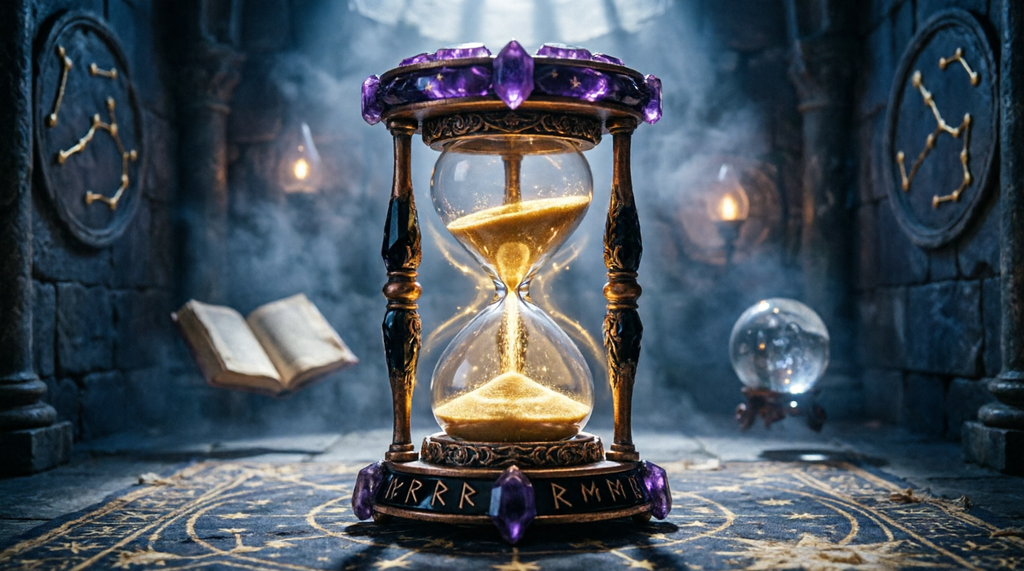
A metaphor for time going slow describes slow-moving time by comparing it directly to something that seems unusually slow, heavy, stuck, difficult, or endless. For example, “The afternoon was a frozen river” suggests that time barely seemed to move. Metaphors make waiting and boredom easier to picture and feel.
Simple definition
A metaphor for time going slow is a creative comparison that shows how slowly time seems to pass.
Instead of saying:
“The two hours felt very long.”
You might say:
“The two hours crawled by.”
The word “crawled” makes time seem like a slow-moving creature.
Another example:
“The clock was dragging its feet.”
A clock does not literally have feet. The metaphor gives the clock a human action to show how slowly the minutes seem to pass.
Why does time sometimes feel slow?
Time itself does not normally change speed because we are bored or impatient. What changes is our experience of time.
A short wait can feel endless when:
- You are bored.
- You are nervous.
- You are waiting for important news.
- You keep checking the clock.
- You are uncomfortable.
- You have nothing interesting to do.
- You are excited about something that has not happened yet.
- You are counting down to an important event.
That is why metaphors about slow time often use images of dragging, crawling, freezing, stopping, sinking, stretching, or moving through thick material.
Quick summary
| Expression | Basic idea | Feeling |
|---|---|---|
| Time crawled | Time moved very slowly | Impatient |
| The clock dragged its feet | The clock seemed reluctant to move | Frustrated |
| Time was frozen | Time seemed to stop | Still, strange |
| The minutes stretched | Each minute felt longer | Impatient |
| Time moved through mud | Progress felt difficult | Frustrated |
| The afternoon was a long road | The end seemed far away | Tired |
| The clock was stuck | Little seemed to change | Bored |
| Time crept along | Time moved quietly and slowly | Mildly impatient |
| The day was an endless hallway | The ending felt distant | Tired |
| Every second was a stone | Each second felt heavy | Emotional |
Quick Tip: The best metaphor depends on the feeling behind the slow time. “Crawled” works well for impatience. “Frozen” suggests stillness. “Heavy” suggests emotional difficulty. “A long road” suggests that the end feels far away.
Why We Use Metaphors for Time Going Slow

We use metaphors for slow time because they turn an abstract feeling into a picture people can understand immediately. Saying “time crawled” gives the reader a clear image of slow movement, while “time felt slow” simply states the feeling. Metaphors are especially useful in conversation, storytelling, poetry, school writing, and social media.
Practical purpose
Time is abstract. You cannot touch a minute or watch an hour physically walk across a room.
Metaphors give time a shape, movement, weight, or personality.
For example:
“The afternoon crawled by.”
This gives the reader a picture of extremely slow movement.
In everyday speaking
People often use simple time metaphors without thinking about them.
You might hear:
- “The day is dragging.”
- “Time is crawling.”
- “This meeting is never-ending.”
- “The clock is barely moving.”
- “These minutes are taking forever.”
These expressions sound natural because they are easy to understand.
In writing
Metaphors become more useful when you want to create a mood.
Compare:
“She waited for the phone call.”
with:
“The minutes stretched across the room while she waited for the phone to ring.”
The second sentence creates tension.
In school assignments
A metaphor can make descriptive writing stronger.
Instead of:
“The exam felt very long.”
Try:
“The exam was a slow-moving train with no station in sight.”
That gives the reader a clearer emotional experience.
In social media
Short metaphors work especially well in captions and posts:
“This Monday is moving in slow motion.”
“Waiting for Friday like it’s on another planet.”
In professional communication
Be more careful at work.
A creative metaphor may work in a casual message:
“This afternoon is crawling.”
But a formal report may be clearer with:
“The process is taking longer than expected.”
Pro Tip: Use metaphors to add color, not to hide important information. In professional writing, clarity should usually come first.
60+ Metaphors for Time Going Slow
Below are more than 60 different ways to describe slow-moving time. Some are common and conversational. Others are more creative and work better in stories, poetry, captions, or descriptive writing.
1. Time Crawled
Meaning: Time moved extremely slowly.
Real explanation:
“Crawled” suggests movement that is painfully slow. It is one of the most natural metaphors for a long wait.
Sample sentence:
“Time crawled while I waited for the doctor to call my name.”
When to use it:
Use it for boring waits, stressful situations, or long periods.
When NOT to use it:
Avoid it when time is passing quickly.
Alternatives:
- Time dragged.
- The minutes crept by.
- The hours moved slowly.
Difficulty: Easy
Tone: Neutral
2. Time Dragged Its Feet
Meaning: Time seemed unwilling to move forward.
Real explanation:
A person who drags their feet walks slowly and reluctantly. Giving time this action makes the wait feel frustrating.
Sample sentence:
“Friday afternoon dragged its feet until the weekend finally arrived.”
When to use it:
Use it for impatience or frustration.
When NOT to use it:
Do not use it for fast-paced scenes.
Alternatives:
- Time dragged.
- The clock moved reluctantly.
- The afternoon refused to end.
Difficulty: Easy
Tone: Informal
3. Time Was Frozen
Meaning: Time seemed completely still.
Real explanation:
This metaphor works when nothing seems to change.
Sample sentence:
“During those five minutes of silence, time was frozen.”
When to use it:
Use it for tense, emotional, or strangely quiet moments.
When NOT to use it:
Avoid it if you specifically mean ordinary boredom.
Alternatives:
- Time stood still.
- The moment froze.
- Everything seemed paused.
Difficulty: Easy
Tone: Neutral
4. The Clock Was Stuck in Mud
Meaning: The clock seemed unable to move forward.
Real explanation:
Mud slows down movement. Putting a clock in mud creates a strong image of painfully slow progress.
Sample sentence:
“During the last hour of class, the clock felt stuck in mud.”
When to use it:
Use it for humorous or creative writing.
When NOT to use it:
Avoid it in very formal writing.
Alternatives:
- The clock was barely moving.
- Time was stuck.
- The minutes were trapped.
Difficulty: Medium
Tone: Informal
5. The Minutes Stretched
Meaning: Each minute seemed longer than normal.
Real explanation:
“Stretched” suggests that a short period feels unusually long.
Sample sentence:
“The minutes stretched while she waited for the test results.”
When to use it:
Excellent for emotional or suspenseful writing.
When NOT to use it:
Not ideal when you want a playful tone.
Alternatives:
- The minutes dragged.
- Every second felt longer.
- Time seemed to expand.
Difficulty: Easy
Tone: Neutral
6. Time Moved Through Molasses
Meaning: Time seemed extremely slow.
Real explanation:
Molasses is thick and moves slowly. This makes it a vivid comparison for slow progress.
Sample sentence:
“After lunch, the workday moved through molasses.”
When to use it:
Use it in creative writing and casual conversation.
When NOT to use it:
Avoid it if your audience may not understand the reference.
Alternatives:
- Time moved through syrup.
- The day dragged.
- The afternoon crawled.
Difficulty: Medium
Tone: Informal
7. The Clock Was Walking Backward
Meaning: Time seemed to move so slowly that progress felt impossible.
Real explanation:
A clock normally moves forward. Imagining it walking backward exaggerates the frustration.
Sample sentence:
“By three o’clock, it felt like the clock was walking backward.”
When to use it:
Use it humorously.
When NOT to use it:
Avoid it when you need a precise or serious description.
Alternatives:
- The clock barely moved.
- Time seemed to reverse.
- The afternoon would not end.
Difficulty: Easy
Tone: Informal
8. Time Was a Long Road
Meaning: The end of the waiting period seemed far away.
Real explanation:
A long road takes time to cross, so it works well for long stretches of waiting.
Sample sentence:
“The final month of school felt like a long road with no end.”
When to use it:
Use it for longer periods.
When NOT to use it:
Not necessary for a short five-minute wait.
Alternatives:
- The days stretched ahead.
- The finish line seemed far away.
- It felt like a distant journey.
Difficulty: Easy
Tone: Neutral
9. The Day Was a Slow Train
Meaning: The day seemed to move slowly toward its destination.
Real explanation:
A slow train gives the feeling of movement without much progress.
Sample sentence:
“Monday was a slow train crawling toward Friday.”
When to use it:
Great for humorous writing and social media.
When NOT to use it:
Avoid it in formal reports.
Alternatives:
- Monday dragged.
- The day crawled.
- The hours moved slowly.
Difficulty: Easy
Tone: Informal
10. The Clock Was Wading Through Water
Meaning: Time seemed to move with difficulty.
Real explanation:
Walking through deep water requires effort and feels slow.
Sample sentence:
“The final ten minutes of the exam felt like a clock wading through water.”
When to use it:
Use it in descriptive writing.
When NOT to use it:
It may be too poetic for simple workplace communication.
Alternatives:
- Time was moving slowly.
- The clock was struggling forward.
- The minutes dragged.
Difficulty: Medium
Tone: Neutral
11. Time Crept Along
Meaning: Time moved quietly and slowly.
Real explanation:
“Crept” suggests small, careful movement.
Sample sentence:
“Time crept along as we waited for the storm to pass.”
When to use it:
Use it for quiet waiting.
When NOT to use it:
Avoid it if you want a comic or dramatic image.
Alternatives:
- Time crawled.
- The hours slipped slowly by.
- The minutes crept past.
Difficulty: Easy
Tone: Neutral
12. The Afternoon Was a Snail
Meaning: The afternoon moved very slowly.
Real explanation:
A snail is commonly associated with slow movement.
Sample sentence:
“Today’s afternoon was a snail wearing a heavy backpack.”
When to use it:
Use it for playful writing.
When NOT to use it:
Avoid it in formal communication.
Alternatives:
- The afternoon crawled.
- The day dragged.
- Time moved at a snail’s pace.
Difficulty: Easy
Tone: Informal
13. Time Was Walking in Slow Motion
Meaning: Time seemed much slower than normal.
Real explanation:
Slow motion makes movement appear stretched out.
Sample sentence:
“The last five minutes before the bell were walking in slow motion.”
When to use it:
Very natural for conversation and social posts.
When NOT to use it:
It may sound casual in academic writing.
Alternatives:
- Time crawled.
- Everything moved slowly.
- The minutes dragged.
Difficulty: Easy
Tone: Informal
14. The Hours Were Heavy
Meaning: Each hour felt difficult to endure.
Real explanation:
This metaphor adds emotional weight to slow time.
Sample sentence:
“After the argument, the hours felt heavy.”
When to use it:
Use it for sadness, loneliness, or emotional tension.
When NOT to use it:
Not ideal for a simple boring wait.
Alternatives:
- The hours felt long.
- The day felt heavy.
- Time weighed on me.
Difficulty: Easy
Tone: Neutral
15. Every Second Was a Stone
Meaning: Each second felt heavy and difficult.
Real explanation:
A stone is heavy and does not move easily.
Sample sentence:
“While I waited for the verdict, every second was a stone.”
When to use it:
Use it for serious emotional scenes.
When NOT to use it:
Avoid it for light everyday complaints.
Alternatives:
- Every second felt heavy.
- Time weighed on me.
- Each moment dragged.
Difficulty: Medium
Tone: Serious
16. Time Was Trapped in Glue
Meaning: Time seemed unable to move.
Real explanation:
Glue sticks things in place, making it a useful image for stalled time.
Sample sentence:
“During that meeting, time felt trapped in glue.”
When to use it:
Use it humorously or creatively.
When NOT to use it:
Avoid it in formal documents.
Alternatives:
- Time was stuck.
- The clock barely moved.
- The minutes were trapped.
Difficulty: Medium
Tone: Informal
17. The Day Was an Endless Hallway
Meaning: The end of the day seemed very far away.
Real explanation:
A hallway can appear longer when you cannot see the end.
Sample sentence:
“Without anything to do, the afternoon became an endless hallway.”
When to use it:
Use it in descriptive writing.
When NOT to use it:
It may be too literary for simple texts.
Alternatives:
- The day felt endless.
- The afternoon stretched ahead.
- The hours seemed to have no end.
Difficulty: Medium
Tone: Neutral
18. The Clock Was Sleeping
Meaning: The clock seemed inactive.
Real explanation:
A sleeping clock creates a playful image of time refusing to move.
Sample sentence:
“Why is the clock sleeping today?”
When to use it:
Use it jokingly.
When NOT to use it:
Avoid it for serious writing.
Alternatives:
- The clock is barely moving.
- Time has stopped.
- The minutes are crawling.
Difficulty: Easy
Tone: Informal
19. Time Was Walking Barefoot
Meaning: Time seemed to move carefully and slowly.
Real explanation:
Barefoot walking can suggest cautious, gentle movement.
Sample sentence:
“On that quiet Sunday, time seemed to be walking barefoot.”
When to use it:
Use it in poetry or creative prose.
When NOT to use it:
Avoid it when simple language is more useful.
Alternatives:
- Time moved softly.
- The day drifted slowly.
- The hours crept by.
Difficulty: Medium
Tone: Creative
20. The Minutes Were Swimming Upstream
Meaning: Every minute seemed difficult to get through.
Real explanation:
Swimming against a current takes effort and makes progress slow.
Sample sentence:
“The last hour at work felt like swimming upstream.”
When to use it:
Use it when slow time is connected to effort or frustration.
When NOT to use it:
Do not use it for peaceful waiting.
Alternatives:
- Time fought its way forward.
- The hours dragged.
- Progress was painfully slow.
Difficulty: Medium
Tone: Neutral
21. Time Was Stuck at a Red Light
Meaning: Progress seemed temporarily stopped.
Real explanation:
A red light forces traffic to wait.
Sample sentence:
“Waiting for the interview felt like time was stuck at a red light.”
When to use it:
Great for modern, everyday comparisons.
When NOT to use it:
Avoid it if the situation has no connection to waiting.
Alternatives:
- Time was paused.
- The clock stopped.
- Everything was on hold.
Difficulty: Easy
Tone: Informal
22. The Day Was Parked
Meaning: The day seemed to be sitting still.
Real explanation:
A parked car is not moving, so the image suggests stalled time.
Sample sentence:
“Nothing happened all afternoon. The whole day felt parked.”
When to use it:
Use it in casual writing.
When NOT to use it:
Not ideal for formal writing.
Alternatives:
- The day stood still.
- The afternoon stalled.
- Time was motionless.
Difficulty: Easy
Tone: Informal
23. Time Was Stuck in Traffic
Meaning: Time seemed unable to move forward.
Real explanation:
Traffic can stop or slow down progress.
Sample sentence:
“Friday afternoon felt like time was stuck in traffic.”
When to use it:
Excellent for humorous everyday speech.
When NOT to use it:
Avoid overusing it in serious writing.
Alternatives:
- Time was stalled.
- The clock was barely moving.
- The hours were backed up.
Difficulty: Easy
Tone: Informal
24. The Minutes Were on a Detour
Meaning: Time seemed to be taking an unnecessarily long route.
Real explanation:
A detour makes a journey longer.
Sample sentence:
“The last ten minutes must have taken a detour.”
When to use it:
Use it humorously.
When NOT to use it:
Avoid it in formal work.
Alternatives:
- The minutes disappeared somewhere.
- Time took the long way around.
- The clock lost its way.
Difficulty: Medium
Tone: Informal
25. Time Took the Long Way Home
Meaning: Time seemed to take much longer than expected.
Real explanation:
Taking the long way makes a journey slower.
Sample sentence:
“After lunch, time took the long way home.”
When to use it:
Use it in captions, stories, and casual conversation.
When NOT to use it:
Avoid it when precision matters.
Alternatives:
- The day dragged.
- Time moved slowly.
- The afternoon stretched on.
Difficulty: Easy
Tone: Creative
26. The Clock Was Pulling a Heavy Cart
Meaning: The clock seemed to struggle to move forward.
Real explanation:
A heavy cart moves slowly when it takes great effort to pull.
Sample sentence:
“The clock was pulling a heavy cart through the final hour.”
When to use it:
Use it for creative writing.
When NOT to use it:
Not suitable for everyday professional communication.
Alternatives:
- Time struggled forward.
- The clock dragged.
- The hours moved heavily.
Difficulty: Hard
Tone: Creative
27. Time Was Walking Through Sand
Meaning: Time seemed slow and difficult.
Real explanation:
Walking through sand requires more effort than walking on a solid surface.
Sample sentence:
“The final week before vacation felt like walking through sand.”
When to use it:
Use it for long periods of anticipation.
When NOT to use it:
Avoid it for very short waits.
Alternatives:
- Time dragged.
- The days crawled.
- Progress felt slow.
Difficulty: Medium
Tone: Neutral
28. The Day Was a Broken Escalator
Meaning: You expected to move forward easily, but progress stopped.
Real explanation:
An escalator normally carries people upward. A broken one forces them to wait or walk.
Sample sentence:
“Monday felt like a broken escalator.”
When to use it:
Use it humorously.
When NOT to use it:
Avoid it in formal academic writing.
Alternatives:
- The day stalled.
- Time stopped cooperating.
- Progress was slow.
Difficulty: Medium
Tone: Informal
29. The Hours Were Molasses
Meaning: The hours moved painfully slowly.
Real explanation:
Molasses is thick and slow-moving, making it a classic image for sluggish progress.
Sample sentence:
“The hours were molasses during that rainy afternoon.”
When to use it:
Use it in descriptive writing.
When NOT to use it:
Avoid it if your audience needs very simple language.
Alternatives:
- The hours crawled.
- The afternoon dragged.
- Time moved like syrup.
Difficulty: Medium
Tone: Creative
30. Time Was a Sleeping Turtle
Meaning: Time seemed extremely slow.
Real explanation:
The turtle image makes slow movement easy to picture.
Sample sentence:
“Waiting for the bus felt like time was a sleeping turtle.”
When to use it:
Use it with children, casual writing, or humor.
When NOT to use it:
Avoid it in serious formal writing.
Alternatives:
- Time crawled.
- The clock moved like a snail.
- The minutes dragged.
Difficulty: Easy
Tone: Playful
31. The Afternoon Was a Slow-Moving River
Meaning: The afternoon passed very slowly.
Real explanation:
A slow river moves continuously but without much speed.
Sample sentence:
“The quiet afternoon was a slow-moving river.”
When to use it:
Use it in calm descriptive writing.
When NOT to use it:
Not ideal if you want a feeling of anger or panic.
Alternatives:
- The afternoon drifted by.
- Time flowed slowly.
- The hours moved gently.
Difficulty: Medium
Tone: Neutral
32. Time Was Thick
Meaning: Time felt difficult to move through.
Real explanation:
The metaphor treats time like a thick substance.
Sample sentence:
“After the bad news, the air felt quiet and time felt thick.”
When to use it:
Use it for emotional writing.
When NOT to use it:
Avoid it if the audience expects literal language.
Alternatives:
- Time felt heavy.
- The moment felt slow.
- The hours dragged.
Difficulty: Medium
Tone: Creative
33. The Seconds Were Pinned to the Wall
Meaning: Seconds seemed unable to move.
Real explanation:
Something pinned cannot move freely.
Sample sentence:
“The seconds felt pinned to the wall while I waited.”
When to use it:
Use it for suspense.
When NOT to use it:
Avoid it for ordinary casual speech.
Alternatives:
- The seconds stopped.
- Time froze.
- The clock stood still.
Difficulty: Medium
Tone: Creative
34. Time Was Holding Its Breath
Meaning: Time seemed completely still and tense.
Real explanation:
People hold their breath during moments of suspense.
Sample sentence:
“As we waited for the announcement, time held its breath.”
When to use it:
Use it for suspenseful moments.
When NOT to use it:
Not ideal for simple boredom.
Alternatives:
- Time stood still.
- The moment froze.
- Everything paused.
Difficulty: Medium
Tone: Neutral
35. The Clock Was Whispering Instead of Ticking
Meaning: The clock seemed unusually slow and quiet.
Real explanation:
The contrast between ticking and whispering creates a soft, slow feeling.
Sample sentence:
“In the silent room, the clock seemed to whisper instead of tick.”
When to use it:
Use it in stories and poetry.
When NOT to use it:
Avoid it in ordinary professional messages.
Alternatives:
- The clock barely ticked.
- Time moved quietly.
- The minutes passed softly.
Difficulty: Medium
Tone: Creative
36. Time Was a Long Shadow
Meaning: Time seemed to stretch endlessly.
Real explanation:
A long shadow creates an image of something extended.
Sample sentence:
“The afternoon became a long shadow across the empty room.”
When to use it:
Use it in literary writing.
When NOT to use it:
Avoid it if the reader needs a direct expression.
Alternatives:
- The afternoon stretched on.
- Time felt endless.
- The hours lingered.
Difficulty: Medium
Tone: Creative
37. The Hours Were Anchored
Meaning: The hours seemed unable to move.
Real explanation:
An anchor holds something in place.
Sample sentence:
“The lonely hours felt anchored to the same quiet moment.”
When to use it:
Use it for emotional or poetic writing.
When NOT to use it:
Not necessary for everyday conversation.
Alternatives:
- Time was stuck.
- The hours stood still.
- The day would not move forward.
Difficulty: Medium
Tone: Creative
38. The Day Was Walking in Deep Snow
Meaning: The day felt slow and difficult.
Real explanation:
Deep snow makes walking harder and slower.
Sample sentence:
“Without any good news, the day felt like walking through deep snow.”
When to use it:
Use it for difficult periods.
When NOT to use it:
Avoid it when the slow feeling is pleasant.
Alternatives:
- Time struggled forward.
- The hours dragged.
- Progress felt difficult.
Difficulty: Medium
Tone: Neutral
39. Time Was a Rusty Wheel
Meaning: Time seemed difficult to move.
Real explanation:
A rusty wheel may resist movement.
Sample sentence:
“The morning felt like a rusty wheel turning one inch at a time.”
When to use it:
Use it for frustration.
When NOT to use it:
Avoid it for a peaceful scene.
Alternatives:
- Time moved with difficulty.
- The clock dragged.
- Progress was slow.
Difficulty: Medium
Tone: Creative
40. The Minutes Were Sleeping
Meaning: The minutes seemed inactive.
Real explanation:
Sleeping minutes create a playful picture of time refusing to work.
Sample sentence:
“Are the minutes sleeping? This meeting is taking forever.”
When to use it:
Use it casually.
When NOT to use it:
Avoid it in formal writing.
Alternatives:
- The minutes are crawling.
- Time is barely moving.
- The clock is stuck.
Difficulty: Easy
Tone: Informal
41. Time Was a Snail on a Long Road
Meaning: Time was moving extremely slowly over a long period.
Real explanation:
This combines slow movement with a distant destination.
Sample sentence:
“The weeks before summer vacation were a snail on a very long road.”
When to use it:
Use it for playful descriptions of anticipation.
When NOT to use it:
Avoid it if you want a short, clean sentence.
Alternatives:
- Time crawled.
- The weeks dragged.
- The finish line seemed far away.
Difficulty: Easy
Tone: Playful
42. The Clock Was Carrying a Mountain
Meaning: The clock seemed burdened and slow.
Real explanation:
Carrying a mountain suggests an impossible amount of weight.
Sample sentence:
“During the last hour, the clock seemed to be carrying a mountain.”
When to use it:
Use it for exaggerated creative writing.
When NOT to use it:
Avoid it when you need a natural everyday expression.
Alternatives:
- Time felt heavy.
- The clock dragged.
- Every minute felt difficult.
Difficulty: Medium
Tone: Creative
43. The Day Was a Locked Door
Meaning: The end of the day seemed impossible to reach.
Real explanation:
A locked door blocks progress.
Sample sentence:
“Five o’clock felt like a locked door at the end of a very long day.”
When to use it:
Use it for work-related humor or storytelling.
When NOT to use it:
Avoid it in formal reports.
Alternatives:
- The end of the day felt distant.
- Time would not move forward.
- The afternoon dragged.
Difficulty: Medium
Tone: Informal
44. Time Was Walking With Weights on Its Feet
Meaning: Time seemed extremely slow because every step felt difficult.
Real explanation:
Weights make walking harder and slower.
Sample sentence:
“The final hour felt like time was walking with weights on its feet.”
When to use it:
Use it for strong frustration.
When NOT to use it:
Avoid it for a simple short wait.
Alternatives:
- Time dragged.
- The hours felt heavy.
- Every minute was difficult.
Difficulty: Medium
Tone: Creative
45. The Seconds Were Drops of Honey
Meaning: Seconds seemed thick and slow.
Real explanation:
Honey moves slowly and is thick.
Sample sentence:
“Each second fell like a drop of honey.”
When to use it:
Use it in poetry and descriptive writing.
When NOT to use it:
Avoid it in ordinary business communication.
Alternatives:
- Seconds crawled.
- Time moved slowly.
- The minutes stretched.
Difficulty: Medium
Tone: Creative
46. Time Was a Frozen Clock
Meaning: Time seemed completely stopped.
Real explanation:
The image combines two ideas of stillness.
Sample sentence:
“For one strange moment, time was a frozen clock.”
When to use it:
Use it in emotional or dramatic writing.
When NOT to use it:
Avoid repetition if you already use “time froze.”
Alternatives:
- Time stood still.
- The clock stopped.
- The moment froze.
Difficulty: Easy
Tone: Neutral
47. The Day Was a Heavy Backpack
Meaning: The day felt long and difficult to carry.
Real explanation:
A heavy backpack makes a journey feel harder.
Sample sentence:
“By late afternoon, the day felt like a heavy backpack.”
When to use it:
Use it for tiredness.
When NOT to use it:
Avoid it when you only mean boredom.
Alternatives:
- The day weighed on me.
- The hours felt heavy.
- Time felt exhausting.
Difficulty: Easy
Tone: Neutral
48. The Hours Were Sand in a Wet Hourglass
Meaning: Time seemed to move very slowly.
Real explanation:
Wet sand suggests that the normal flow has become difficult.
Sample sentence:
“The last few hours felt like wet sand trapped in an hourglass.”
When to use it:
Use it for creative writing.
When NOT to use it:
Avoid it when a simpler metaphor works better.
Alternatives:
- Time was stuck.
- The hours crawled.
- The clock barely moved.
Difficulty: Hard
Tone: Creative
49. Time Was a Broken River
Meaning: Time seemed unable to flow normally.
Real explanation:
A river normally flows. A broken river creates an impossible image of interrupted movement.
Sample sentence:
“After the news arrived, time became a broken river.”
When to use it:
Use it for poetic or emotional writing.
When NOT to use it:
Avoid it in simple practical communication.
Alternatives:
- Time stopped.
- The moment froze.
- The hours stood still.
Difficulty: Hard
Tone: Creative
50. The Afternoon Was a Long Sigh
Meaning: The afternoon felt slow, tired, and drawn out.
Real explanation:
A long sigh can express boredom, tiredness, or resignation.
Sample sentence:
“Sunday afternoon was one long sigh.”
When to use it:
Use it for relaxed or slightly sad writing.
When NOT to use it:
Not ideal for intense suspense.
Alternatives:
- The afternoon dragged.
- The day felt sleepy.
- The hours lingered.
Difficulty: Medium
Tone: Creative
51. Time Was a Sleeping River
Meaning: Time seemed to flow almost imperceptibly.
Real explanation:
A river that appears asleep creates an image of extremely slow movement.
Sample sentence:
“On that quiet morning, time was a sleeping river.”
When to use it:
Use it for peaceful slow scenes.
When NOT to use it:
Avoid it when the mood is angry or frantic.
Alternatives:
- Time drifted.
- The hours moved quietly.
- The day flowed slowly.
Difficulty: Medium
Tone: Creative
52. The Clock Was Counting With Heavy Steps
Meaning: Every tick seemed slow and deliberate.
Real explanation:
Heavy footsteps suggest effort and slow movement.
Sample sentence:
“The clock counted with heavy steps as we waited.”
When to use it:
Use it for suspense.
When NOT to use it:
Avoid it in casual messages unless you want a poetic effect.
Alternatives:
- The clock ticked slowly.
- Every second dragged.
- Time moved heavily.
Difficulty: Medium
Tone: Creative
53. The Day Was a Desert
Meaning: The day felt empty and endless.
Real explanation:
A desert can suggest a vast space with little happening.
Sample sentence:
“With no work and no plans, the afternoon was a desert.”
When to use it:
Use it for boredom and emptiness.
When NOT to use it:
Avoid it if the problem is only slow time.
Alternatives:
- The afternoon was empty.
- The day felt endless.
- Nothing seemed to happen.
Difficulty: Easy
Tone: Neutral
54. Time Was a Road Covered in Fog
Meaning: The end of the waiting period was difficult to see.
Real explanation:
Fog hides what lies ahead.
Sample sentence:
“The weeks ahead felt like a road covered in fog.”
When to use it:
Use it when the future feels uncertain as well as slow.
When NOT to use it:
Avoid it if uncertainty is not part of the situation.
Alternatives:
- The future seemed distant.
- The end was hard to see.
- Time stretched ahead.
Difficulty: Medium
Tone: Neutral
55. The Minutes Were Locked in a Cage
Meaning: The minutes seemed trapped and unable to move.
Real explanation:
A cage prevents movement.
Sample sentence:
“The final ten minutes were locked in a cage.”
When to use it:
Use it for strong impatience.
When NOT to use it:
Avoid it for calm situations.
Alternatives:
- Time was trapped.
- The clock was stuck.
- The minutes would not move.
Difficulty: Medium
Tone: Creative
56. Time Was a Tired Horse
Meaning: Time seemed exhausted and slow.
Real explanation:
A tired horse moves slowly after a long journey.
Sample sentence:
“By late afternoon, time was a tired horse.”
When to use it:
Use it for long, tiring days.
When NOT to use it:
Avoid it when the slow period is exciting.
Alternatives:
- Time dragged.
- The hours limped along.
- The day moved slowly.
Difficulty: Medium
Tone: Creative
57. The Hours Limped Along
Meaning: The hours moved very slowly.
Real explanation:
Someone with an injured leg may limp, so the image suggests difficult progress.
Sample sentence:
“The hours limped along during the long flight.”
When to use it:
Use it for unpleasant waiting.
When NOT to use it:
Avoid it if the situation is cheerful.
Alternatives:
- The hours crawled.
- Time dragged.
- The minutes crept by.
Difficulty: Easy
Tone: Neutral
58. Time Was Pulling an Anchor
Meaning: Time seemed burdened and slow.
Real explanation:
An anchor is heavy and difficult to move.
Sample sentence:
“The final days before the decision felt like time was pulling an anchor.”
When to use it:
Use it for emotional or difficult waiting.
When NOT to use it:
Avoid it for casual boredom.
Alternatives:
- Time felt heavy.
- The days dragged.
- Progress was painfully slow.
Difficulty: Medium
Tone: Creative
59. The Clock Was Running on Low Battery
Meaning: The clock seemed to have almost no energy left.
Real explanation:
A device with a low battery may appear unreliable or slow.
Sample sentence:
“This Monday feels like the clock is running on low battery.”
When to use it:
Use it humorously.
When NOT to use it:
Avoid it in formal writing.
Alternatives:
- The clock is barely moving.
- Time is crawling.
- The day is dragging.
Difficulty: Easy
Tone: Informal
60. Time Was a Slow Elevator
Meaning: Time seemed to move slowly toward its destination.
Real explanation:
An elevator normally takes you somewhere, but a slow elevator makes the journey feel longer.
Sample sentence:
“The final hour was a slow elevator stuck between floors.”
When to use it:
Use it for frustration and suspense.
When NOT to use it:
Avoid it if the image feels too complicated for the audience.
Alternatives:
- Time crawled.
- The hours dragged.
- The clock barely moved.
Difficulty: Medium
Tone: Creative
61. The Day Was a Clock Without Hands
Meaning: You could not feel any clear progress.
Real explanation:
Without hands, a clock cannot visibly tell you how much time has passed.
Sample sentence:
“The empty afternoon felt like a clock without hands.”
When to use it:
Use it for boredom or uncertainty.
When NOT to use it:
Avoid it if you need to show active movement.
Alternatives:
- Time had no direction.
- The afternoon stood still.
- Nothing seemed to change.
Difficulty: Medium
Tone: Creative
62. Time Was a Door That Would Not Open
Meaning: The desired moment seemed unreachable.
Real explanation:
A closed door blocks access to what lies beyond it.
Sample sentence:
“Friday felt like a door that would not open.”
When to use it:
Use it when waiting for a specific event.
When NOT to use it:
Avoid it when there is no clear destination.
Alternatives:
- The moment felt far away.
- The wait seemed endless.
- The future felt distant.
Difficulty: Easy
Tone: Neutral
63. The Minutes Were Dripping
Meaning: The minutes passed very slowly.
Real explanation:
A drip happens one drop at a time.
Sample sentence:
“The minutes were dripping away during the long interview.”
When to use it:
Use it in poetic or descriptive writing.
When NOT to use it:
Avoid it if the reader needs very direct language.
Alternatives:
- The minutes crawled.
- Time trickled by.
- The hours dragged.
Difficulty: Easy
Tone: Creative
64. Time Trickled Away
Meaning: Time passed very slowly.
Real explanation:
“Trickle” means to flow slowly in a small amount.
Sample sentence:
“The afternoon trickled away while we waited for the rain to stop.”
When to use it:
Good for calm, slow periods.
When NOT to use it:
Avoid it if you want strong frustration.
Alternatives:
- Time drifted away.
- The hours slipped by.
- The afternoon crawled.
Difficulty: Easy
Tone: Neutral
65. The Day Was a Snail’s Journey
Meaning: The day seemed painfully slow.
Real explanation:
The journey image emphasizes both movement and distance.
Sample sentence:
“Getting through Monday felt like a snail’s journey.”
When to use it:
Use it for humorous writing.
When NOT to use it:
Avoid it in formal reports.
Alternatives:
- Monday dragged.
- The day crawled.
- Time moved at a snail’s pace.
Difficulty: Easy
Tone: Informal
66. The Clock Was Frozen in Place
Meaning: Time seemed completely stopped.
Real explanation:
The clock represents time, while “frozen” shows total stillness.
Sample sentence:
“For those few tense seconds, the clock seemed frozen in place.”
When to use it:
Use it for suspense and emotional scenes.
When NOT to use it:
Avoid repetition if “time froze” already appears nearby.
Alternatives:
- Time stood still.
- The clock stopped.
- The moment froze.
Difficulty: Easy
Tone: Neutral
67. Time Was a Heavy Current
Meaning: Time seemed difficult to move through.
Real explanation:
A strong current can make movement difficult.
Sample sentence:
“The final week before the move felt like swimming through a heavy current.”
When to use it:
Use it when slow time also involves effort.
When NOT to use it:
Avoid it for simple boredom.
Alternatives:
- Time dragged.
- Progress was difficult.
- The days moved slowly.
Difficulty: Medium
Tone: Creative
68. The Hours Were Hanging From the Ceiling
Meaning: The hours seemed suspended.
Real explanation:
Something hanging appears fixed in one place.
Sample sentence:
“The lonely hours seemed to hang from the ceiling.”
When to use it:
Use it in literary writing.
When NOT to use it:
Avoid it in ordinary conversation.
Alternatives:
- The hours seemed suspended.
- Time stood still.
- The afternoon lingered.
Difficulty: Hard
Tone: Creative
69. Time Was a Train Stuck Between Stations
Meaning: Time seemed to be moving nowhere.
Real explanation:
A train between stations is expected to move but is temporarily stuck.
Sample sentence:
“The last few minutes were a train stuck between stations.”
When to use it:
Use it for frustration or suspense.
When NOT to use it:
Avoid it if the reader needs a very simple metaphor.
Alternatives:
- Time was stalled.
- The clock was stuck.
- The minutes went nowhere.
Difficulty: Medium
Tone: Creative
70. The Day Was Walking With a Limp
Meaning: The day was moving slowly and awkwardly.
Real explanation:
A limp makes walking slower.
Sample sentence:
“Tuesday was walking with a limp.”
When to use it:
Use it casually or creatively.
When NOT to use it:
Avoid it in formal writing.
Alternatives:
- Tuesday dragged.
- The day crawled.
- Time moved slowly.
Difficulty: Easy
Tone: Informal
71. Time Was a Slow Drip
Meaning: Time passed one tiny moment at a time.
Real explanation:
A drip is slow and repetitive.
Sample sentence:
“The afternoon was a slow drip of minutes.”
When to use it:
Use it in creative writing.
When NOT to use it:
Avoid it in formal communication.
Alternatives:
- Time trickled by.
- The minutes dripped away.
- The afternoon crawled.
Difficulty: Medium
Tone: Creative
72. The Clock Was Losing Its Breath
Meaning: The clock seemed to be running out of energy and slowing down.
Real explanation:
The clock is personified as a tired living thing.
Sample sentence:
“By the end of the shift, the clock seemed to be losing its breath.”
When to use it:
Use it in storytelling and poetry.
When NOT to use it:
Avoid it for direct explanations.
Alternatives:
- The clock slowed.
- Time dragged.
- The hours felt exhausted.
Difficulty: Medium
Tone: Creative
Quick Takeaway: For ordinary conversation, the safest choices are “time crawled,” “time dragged,” “the minutes stretched,” “time crept along,” and “time moved in slow motion.” For creative writing, images such as a frozen clock, a long road, thick honey, or a train stuck between stations can create a stronger mood.
Real-Life Conversations
Natural conversations often use simple time metaphors such as “time crawled,” “the day dragged,” and “the clock barely moved.” Creative metaphors can work too, but they should match the speaker and situation. The examples below show how people might naturally describe slow time with friends, family, students, coworkers, and online contacts.
Conversation 1: Friends Waiting for a Movie
Mia: How much longer?
Jake: Ten minutes.
Mia: Ten minutes? It feels like an hour.
Jake: Seriously. Time is crawling today.
Mia: The clock must be broken.
Jake: Or it just hates us.
🎯 Lesson: “Time is crawling” is a natural informal way to say that time seems to be moving very slowly.
Conversation 2: Student Waiting for the Bell
Sam: How long until class ends?
Alex: Twenty minutes.
Sam: Twenty?!
Alex: Yep.
Sam: The clock is barely moving.
Alex: I know. These last few minutes are going to crawl.
Sam: I should have brought something to read.
🎯 Lesson: “The clock is barely moving” and “the minutes are going to crawl” sound natural in student conversation.
Conversation 3: Family Waiting for Dinner
Mom: Dinner will be ready in twenty minutes.
Leo: Twenty minutes feels like forever.
Mom: You must be hungry.
Leo: Very.
Mom: Then go set the table.
Leo: Fine. Maybe time will move faster.
🎯 Lesson: Sometimes a metaphor does not need to be complicated. “Feels like forever” is a common way to describe a long wait.
Conversation 4: Office Afternoon
Nina: How’s your afternoon going?
Chris: Slowly.
Nina: Same here.
Chris: This clock is dragging its feet.
Nina: I was thinking exactly that.
Chris: Five o’clock needs to hurry up.
🎯 Lesson: “The clock is dragging its feet” works well in relaxed workplace conversation, but a formal report would normally say “the afternoon is taking longer than expected.”
Conversation 5: Waiting for a Text
Ella: Did he reply?
Maya: Not yet.
Ella: How long has it been?
Maya: Twenty minutes.
Ella: That’s nothing.
Maya: I know. But the minutes are stretching.
Ella: Put your phone down.
Maya: Good advice. Bad timing.
🎯 Lesson: “The minutes are stretching” works especially well when waiting feels longer because you are focused on the clock.
Everyday Usage
The best metaphor for slow time depends on where you are using it. Simple expressions such as “time crawled” work well in conversation, while richer images such as “the hours were anchored” fit poetry, fiction, and descriptive essays. Match the strength and style of the metaphor to the audience.
Conversation
Use short, familiar expressions:
- “Time is crawling.”
- “The day is dragging.”
- “The clock barely moved.”
- “This meeting feels endless.”
- “These minutes are taking forever.”
Writing
Descriptive writing gives you more freedom:
“The afternoon stretched across the empty house.”
This creates a stronger atmosphere than:
“The afternoon was slow.”
Books and fiction
Authors often use time metaphors to reveal a character’s emotions.
A nervous character might experience:
“Each second was a stone in his pocket.”
A bored character might experience:
“The afternoon crawled toward sunset.”
The metaphor can tell readers how the character feels, not simply how much time has passed.
Movies and screenwriting
A screenplay usually benefits from concise language:
“The clock crawls toward midnight.”
That line can quickly establish tension.
Poetry
Poetry allows more unusual comparisons:
“The minutes drip like honey from a silent spoon.”
The goal is not literal accuracy. The goal is emotional imagery.
Emails
Use caution.
Casual:
“This approval process feels like it’s moving through molasses.”
Professional:
“The approval process is taking longer than expected.”
The second version is clearer when the message concerns deadlines.
Text messages
Short metaphors work best:
“This day is crawling 😩”
“The clock is moving in slow motion.”
“Five minutes feels like five hours.”
Captions can be more playful:
“Waiting for Friday like time forgot the route.”
A conversational metaphor is usually natural:
“This rainy Sunday feels like the clock has stopped.”
X
Short expressions are strongest:
“Monday is moving in slow motion.”
Keep the metaphor professional:
“Projects can feel slow when every approval depends on the next step.”
A more playful version may work in a personal post, but avoid forcing figurative language into serious business updates.
School assignments
Metaphors can strengthen descriptive writing:
“The last hour of the exam was a long road with no finish line.”
This shows frustration without simply repeating “the exam was long.”
Writing Tips
Choose a slow-time metaphor by asking what kind of “slow” you mean: boring, frustrating, emotional, peaceful, suspenseful, or endless. “Time crawled” is broad and natural, while “time froze” suggests stillness and “the hours were heavy” adds emotional weight. The right metaphor should match both the mood and the audience.
Best situations
Use slow-time metaphors when you want to:
- Show impatience.
- Create suspense.
- Describe boredom.
- Express loneliness.
- Make fiction more vivid.
- Add personality to a caption.
- Make a school essay more descriptive.
- Explain an emotional experience.
Formal vs. informal
| Situation | Better choice |
|---|---|
| Formal report | “The process took longer than expected.” |
| Email to a coworker | “The afternoon is moving slowly.” |
| Text to a friend | “Time is crawling!” |
| Creative essay | “The minutes stretched across the room.” |
| Poem | “Each second was a drop of honey.” |
| Social post | “Monday is moving in slow motion.” |
Speaking vs. writing
Spoken English usually favors familiar expressions:
“The day is dragging.”
Writing allows more experimentation:
“The afternoon dragged its tired feet across the house.”
British vs. American usage
Most of these metaphors work in both American and British English.
Expressions such as:
- time crawled
- time dragged
- time stood still
- the minutes stretched
- time moved slowly
are broadly understood in both varieties.
The main difference is usually style rather than meaning.
Children vs. adults
For children, choose clear images:
- “Time is a slow turtle.”
- “The clock is sleeping.”
- “The minutes are crawling.”
For adults, you can use more subtle images:
- “The hours felt heavy.”
- “Time seemed anchored.”
- “The afternoon stretched into the evening.”
Professional communication
A metaphor can make workplace writing warmer, but it should not reduce clarity.
Instead of:
“The project is trapped in glue.”
write:
“The project has slowed because we are waiting for approval.”
If the audience needs facts, give them facts first.
Creative writing
Creative writing is where unusual metaphors can shine.
Try combining:
1:Time + movement
“Time crawled.”
2:Time + weight
“The hours were heavy.”
3:Time + landscape
“The afternoon was a desert.”
4:Time + travel
“The day took the long way home.”
5:Time + machinery
“The clock was running on low battery.”
6:Time + nature
“The afternoon was a sleeping river.”
Pro Tip: A metaphor becomes stronger when it adds emotion. “Time was slow” tells the reader something. “Every second was a stone” makes the reader feel the weight.
Common Mistakes
The most common mistake is using a metaphor that does not match the feeling you want to express. “Time froze” suggests stillness, while “time crawled” suggests slow movement. Another common mistake is mixing too many metaphors in one sentence. Choose one clear image and let it do the work.
| Mistake | Reason | Correct version | Practical explanation |
|---|---|---|---|
| “Time was literally crawling.” | A metaphor is not literal. | “Time was crawling.” | Remove “literally” unless you truly mean physical movement. |
| “The time crawled very quickly.” | The ideas conflict. | “The time crawled slowly.” | Do not combine opposite meanings. |
| “Time was frozen and racing.” | The images conflict. | “Time was frozen.” | Choose the image that fits the mood. |
| “The clock ate the minutes.” | It creates a different meaning. | “The clock barely moved.” | Use “ate” if you mean time disappeared, not slowed. |
| “The meeting was a turtle.” | The image is incomplete. | “The meeting moved like a turtle.” | Make the comparison understandable. |
| “Time dragged its feet quickly.” | Dragging feet implies slowness. | “Time dragged its feet.” | Avoid contradictory adverbs. |
| “The minutes were a long road.” | The comparison is unclear. | “The hours were a long road.” | Match the size of the image to the time period. |
| Using five metaphors together | The writing becomes confusing. | Choose one strong metaphor. | One clear image is usually stronger. |
| Using a poetic metaphor in a formal report | The style may be too casual. | Use direct wording. | Match language to the audience. |
| Explaining the metaphor too much | It weakens the image. | Let the context explain it. | Readers usually understand common metaphors quickly. |
Practice Exercise
Rewrite each sentence using a natural metaphor for slow time.
Questions
- The class seemed very long.
- The five-minute wait felt very long.
- Monday was moving very slowly.
- She waited for the message and became impatient.
- The final hour at work felt endless.
- The exam seemed to take forever.
- The afternoon was empty and boring.
- The last few seconds before the announcement felt extremely long.
- The weeks before vacation seemed very slow.
- He waited nervously for the phone call.
Suggested answers
- The class crawled by.
- The five minutes felt like an hour.
- Monday was moving in slow motion.
- The minutes stretched while she waited for the message.
- The final hour dragged its feet.
- The exam crawled toward the finish line.
- The afternoon was an endless hallway.
- The final seconds were pinned to the wall.
- The weeks before vacation crawled by.
- Time seemed to hold its breath while he waited for the call.
Practice Tip: Do not worry about creating the most unusual metaphor. A natural metaphor that fits the situation is usually better than a complicated one that sounds forced.
Multiple Choice Questions
1. Which metaphor best means that time is moving very slowly?
A. flew
B. crawled
C. vanished
D. exploded
Answer: B
2. Which expression suggests that time has completely stopped?
A froze
B raced
C jumped
D flew
Answer: A
3. Which metaphor is most suitable for casual conversation?
A. The seconds were drops of honey
B. The hours were anchored
C. Time is crawling
D. The clock was carrying a mountain
Answer: C
4. What does “the minutes stretched” mean?
A. The minutes became physically longer
B. The minutes seemed longer than normal
C. The clock broke
D. Time moved quickly
Answer: B
5. Which metaphor suggests emotional weight?
A. The day was a heavy backpack
B. Time was a race car
C. The clock was flying
D. The seconds vanished
Answer: A
6. Which expression works well for suspense?
A. held its breath
B. raced away
C. flew
D. The day disappeared
Answer: A
7. Which metaphor suggests slow progress caused by difficulty?
A. a heavy current
B. a rocket
C. lightning
D. a race
Answer: A
8. Which sentence sounds most professional?
A. The project is stuck in glue.
B. The clock is sleeping.
C. The project is taking longer than expected.
D. The project is crawling like a turtle.
Answer: C
9. Which metaphor is playful?
A. Every second was a stone.
B. The afternoon was a snail.
C. The hours were anchored.
D. Time was a broken river.
Answer: B
10. Which expression suggests that the end seems far away?
A. Time was a long road.
B. Time flew.
C. The clock raced.
D. The minutes disappeared.
Answer: A
Answer Key
| Question | Answer |
|---|---|
| 1 | B |
| 2 | A |
| 3 | C |
| 4 | B |
| 5 | A |
| 6 | A |
| 7 | A |
| 8 | C |
| 9 | B |
| 10 | A |
Related Terms
“Time going slow” can overlap with several ideas, but each expression creates a slightly different meaning. “Time crawled” focuses on slow passage, “time stood still” focuses on stillness, and “time dragged” often adds frustration or boredom. Understanding these differences helps you choose the most precise metaphor.
| Term | Meaning | Example |
|---|---|---|
| Time crawled | Time seemed very slow | “The last hour crawled by.” |
| Time dragged | Time seemed slow and unpleasant | “The meeting dragged.” |
| Time stood still | Time seemed completely stopped | “For a moment, time stood still.” |
| Time froze | A moment seemed suddenly suspended | “Time froze when she heard the news.” |
| Time stretched | A short period felt longer | “The minutes stretched while I waited.” |
| Time crept by | Time moved slowly and quietly | “The night crept by.” |
| Time trickled away | Time passed slowly in small amounts | “The afternoon trickled away.” |
| Time flew | Time seemed to pass quickly | “The weekend flew by.” |
| Time raced | Time seemed to pass extremely quickly | “The deadline is racing toward us.” |
| Time vanished | Time seemed to disappear quickly | “The whole afternoon vanished.” |
| Endless | Seems to have no end | “The wait felt endless.” |
| Slow motion | Events seem slower than normal | “The final minutes felt like slow motion.” |
“Time crawled” vs. “time dragged”
These are close, but “time dragged” often carries a stronger feeling of boredom or frustration.
“The afternoon crawled by.”
This simply means it was slow.
“The meeting dragged on.”
This usually suggests that the meeting was unpleasant, boring, or longer than wanted.
Time crawled vs. time stood still
crawled means time is moving slowly.
stood still suggests that time seemed not to move at all.
For example:
“The last hour crawled by.”
versus:
“When she heard the news, time stood still.”
The second sentence has a stronger emotional effect.
“Time dragged” vs. “time flew”
These are opposites.
“The meeting dragged.”
means the meeting felt too slow.
“The meeting flew by.”
means the meeting felt surprisingly short.
The actual clock may show the same amount of time. The metaphor describes the speaker’s experience of it.
Quick Tips for Choosing the Right Metaphor
Choose the metaphor according to the emotion behind the slow time. If you are bored, use “time crawled” or “the day dragged. you are nervous, “time held its breath” works better you are sad, “the hours felt heavy” adds emotional weight you are writing poetry, you can use more unusual images.
you feel bored
Try:
“The afternoon crawled by.”
If you feel impatient
Try:
“The minutes stretched.”
If you feel nervous
Try:
“Time held its breath.”
If you feel sad
Try:
“The hours felt heavy.”
If you feel trapped
Try:
“The minutes were locked in a cage.”
If you feel tired
Try:
“The hours limped along.”
If you want humor
Try:
“The clock is running on low battery.”
If you want poetic language
Try:
“The minutes dripped like honey.”
If you want suspense
Try:
“The seconds were pinned to the wall.”
If you want a simple expression
Use:
“Time crawled.”
FAQs:
What is a good metaphor for time going slow?
A simple and natural metaphor is “time crawled.” It means that time seemed to move extremely slowly. You can also say “the minutes dragged,” “time moved in slow motion,” or “the clock barely moved.” For creative writing, stronger images include “the hours were heavy” or “the afternoon was an endless hallway.”
What is a metaphor for waiting a long time?
Good metaphors include “time crawled,” “the minutes stretched,” “time took the long way home,” and “the clock was stuck in mud.” Each gives a slightly different feeling. “Time crawled” is simple and natural, while “the clock was stuck in mud” adds humor and exaggeration.
How do you describe time moving slowly in creative writing?
Give time a physical quality. You can make it crawl, drag, freeze, stretch, drip, limp, or struggle forward. For example: “The minutes dripped away like honey.” You can also compare time to a long road, slow train, frozen river, or locked door. Choose an image that matches the character’s emotion.
What is a metaphor for time going very slowly?
“Time moved through molasses” is a strong metaphor for extremely slow time. Other choices include “time crawled,” “the clock was stuck in mud,” and “the hours limped along.” These metaphors suggest that time is moving, but it is taking far longer than the speaker wants.
What is a metaphor for time standing still?
The clearest metaphor is “time froze” or “time stood still.” For a more creative style, you could write, “The seconds were pinned to the wall” or “the clock was frozen in place.” These expressions work especially well when a moment feels tense, emotional, surprising, or strangely quiet.
What is a metaphor for a boring day?
You could say “the day was a desert,” “the afternoon was an endless hallway,” or “Monday was a slow train.” In casual conversation, “the day is dragging” is more natural. For creative writing, choose an image that shows why the day feels boring, empty, or difficult to get through.
What is a metaphor for waiting for something?
Useful choices include “time was a door that would not open,” “the minutes stretched,” and “time took the long way home.” If the waiting is tense, try “time held its breath.” If it is simply boring, “time crawled” is usually the easiest and most natural choice.
Can I use these metaphors in an essay?
Yes. Metaphors can make an essay more vivid, especially in descriptive or narrative writing. However, use them carefully. One strong metaphor is usually better than several crowded together. In academic or technical writing, direct language may be better when the goal is precision rather than imagery.
What is the difference between “time crawled” and “time flew”?
They describe opposite experiences. “Time crawled” means time seemed to pass very slowly, usually because someone was bored, impatient, uncomfortable, or waiting. “Time flew” means time seemed to pass quickly, often because someone was enjoying an activity or was deeply engaged in something.
What is the best metaphor for slow time in everyday English?
For everyday English, “time crawled” is one of the safest choices. It is short, clear, and easy to understand. You can also say “the day dragged,” “the minutes are stretching,” or “the clock is barely moving.” These expressions sound natural in conversations, texts, and casual writing.
Final Thoughts:
A good metaphor for time going slow does more than say that time is slow. It shows the reader what that slowness feels like. Time crawled is simple and natural. The minutes stretched shows impatience. Time held its breath adds suspense. The hours felt heavy” brings emotion into the sentence.
From real-life conversations the most useful expressions are usually the simplest ones. You do not need an unusual metaphor every time you describe a long wait. Start with time crawled time dragged the minutes stretched time stood still or the clock barely moved.
When you want your writing to stand out choose an image that matches the mood. Think about whether your character is bored nervous lonely excited tired or frustrated. Once the emotion is clear the right metaphor often becomes much easier to find.

Mira is an experienced writer, language enthusiast, and dedicated content creator with over 5 years of experience in creating clear, engaging, and easy-to-understand content for online readers. As a passionate author at Definzo, she focuses on explaining words, phrases, meanings, expressions, and everyday language in a simple and reader-friendly way.