
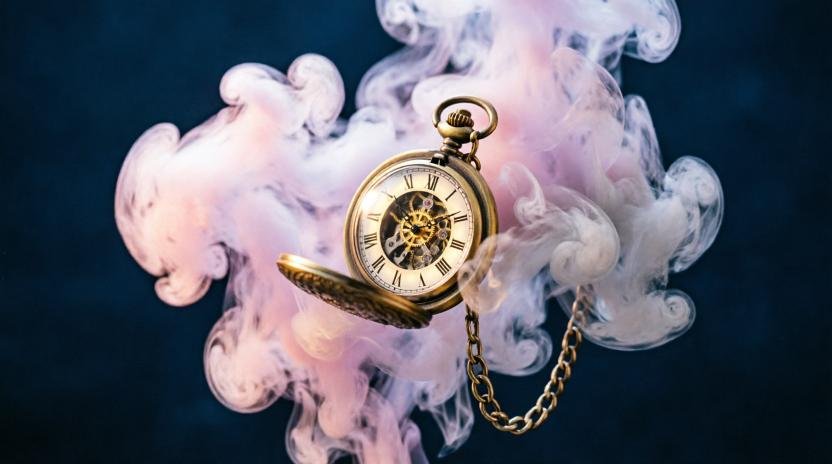
Smoke is more than something that rises from a fire. In writing it can represent mystery confusion danger memory grief change lies or something that slowly disappears. The right metaphor for smoke helps readers picture an idea instead of simply being told what it means
Imagine watching smoke curl above a campfire. It twists fades changes shape and disappears into the air. You can see it but you cannot hold it. That simple quality makes smoke a powerful image in everyday speech poetry stories songs essays and creative writing.
People search for a metaphor for smoke when they want a stronger way to describe something that is unclear, temporary, mysterious dangerous emotional or difficult to grasp. A writer might compare smoke to a ghost a gray curtain a wandering spirit or a message drifting into the sky.
Smoke can also suggest an idea that keeps changing. One moment it looks thick and heavy the next it becomes a thin ribbon and vanishes. That makes it useful when writing about memories rumors dreams sadness confusion or fading relationships.
This guide, updated for 2026, gives you more than a list of comparisons. You will find original metaphor ideas simple meanings example sentences usage advice natural conversations writing tips common mistakes practice exercises and related expressions. By the end you should be able to choose a smoke metaphor that fits your exact mood and message.
Definition & Meaning
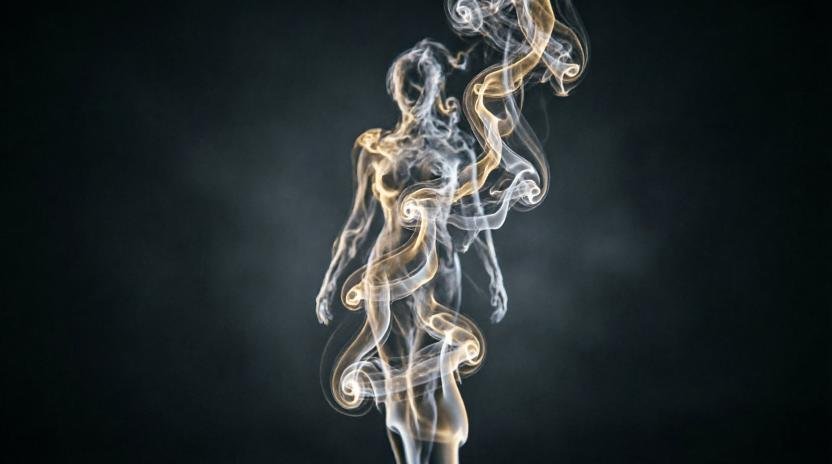
A metaphor for smoke is a direct comparison that describes smoke, or an idea represented by smoke, as something else without using “like” or “as.” For example, “The smoke was a gray curtain” compares smoke to a curtain because it hides what is behind it. Metaphors make descriptions more visual, emotional, and memorable.
Simple Definition
A metaphor for smoke gives smoke a different identity to create a stronger picture.
For example:
The smoke was a ghost climbing the chimney.
Smoke is not literally a ghost. The metaphor suggests that it moves quietly, strangely, and almost invisibly.
Another example is:
Smoke was a gray blanket over the valley.
This makes the smoke seem thick and covering, almost as if it has spread across the land.
Smoke Metaphor vs. Simile
A metaphor says one thing is another thing.
- Metaphor: The smoke was a gray curtain.
- Simile: The smoke was like a gray curtain.
Both create a picture, but the metaphor sounds more direct and imaginative.
Quick Summary
| Expression | Type | Meaning |
|---|---|---|
| Smoke was a ghost | Metaphor | Smoke moved mysteriously |
| Smoke was like a ghost | Simile | Smoke resembled a ghost |
| A gray curtain of smoke | Metaphorical phrase | Smoke blocked the view |
| Smoke swallowed the street | Personification/metaphor | Smoke covered the street |
| Smoke was a fading memory | Metaphor | Smoke suggested something disappearing |
| Smoke became a warning flag | Metaphor | Smoke signaled danger |
| Smoke was a river in the sky | Metaphor | Smoke moved in a flowing path |
| Smoke was a veil | Metaphor | Smoke partly hid something |
Quick Tip: The best metaphor is not always the most complicated one. A simple image such as “a gray curtain” can be stronger than a long, unusual comparison.
Why We Use a Metaphor for Smoke
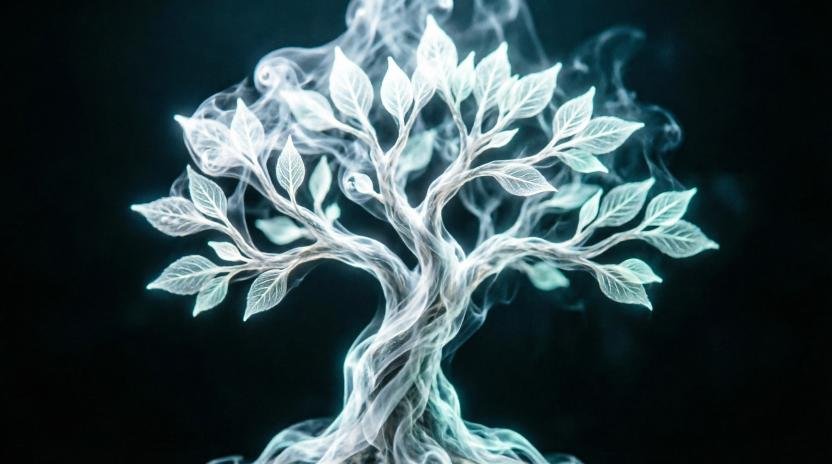
Metaphors for smoke help writers turn a physical sight into an emotional or visual idea. Smoke can represent mystery, danger, confusion, memory, grief, change, or disappearance. In everyday English, people also use smoke imagery when they want to describe something unclear or difficult to understand without giving a long explanation.
Practical Purpose
Smoke has several natural qualities that make it useful in figurative language:
- It moves without a fixed shape.
- It can hide things.
- It can spread quickly.
- It can disappear.
- It can signal danger.
- It can leave traces.
- It can fill a space.
- It can rise toward the sky.
- It can smell strongly.
- It can change from thick to thin.
Each quality gives a writer a different metaphor.
In Everyday Speaking
Someone might say:
“His explanation was smoke.”
This suggests that his explanation sounded present but gave the listener nothing solid to hold onto.
A more casual version could be:
“Her promise was just smoke.”
This suggests the promise looked meaningful but had no real substance.
In Writing
Smoke metaphors are especially useful in:
- Poetry
- Short stories
- Novels
- Personal essays
- Speeches
- Descriptive writing
- Songwriting
- Social media captions
- Creative nonfiction
In School
Students often use smoke imagery when describing:
- A burning forest
- A battlefield
- A factory
- A fireplace
- A mysterious scene
- A memory
- A dream
- A dangerous situation
For example:
Smoke hung over the town like a dark warning.
This combines visual description with emotional meaning.
On Social Media
Short smoke metaphors work well as captions:
Some memories rise like smoke and disappear before you can hold them.
Or:
My thoughts are smoke tonight—everywhere and nowhere.
In Professional Communication
Smoke metaphors can work in presentations or essays, but they should be clear.
For example:
The rumor was smoke, spreading faster than the facts.
This is more suitable for an article or presentation than an exaggerated metaphor that readers might struggle to understand.
Pro Tip: Use smoke metaphors when the physical qualities of smoke match the idea you are describing. Do not add a smoke metaphor simply because it sounds poetic.
60+ Metaphors for Smoke With Meanings and Examples
The following metaphors cover different moods and purposes. Some describe real smoke, while others use smoke as a symbol for ideas such as confusion, memory, grief, danger, secrecy, and change.
1. Smoke Is a Ghost
Meaning: Smoke moves quietly and seems difficult to catch or hold.
Real explanation: A ghost is often imagined as something that appears, moves, and disappears. Smoke behaves in a similar visual way.
Sample sentence:
The smoke was a ghost climbing slowly into the night.
When to use it: Use this metaphor for mysterious, quiet, or haunting scenes.
When NOT to use it: Avoid it when writing a simple scientific description.
Alternatives: wandering spirit; pale shadow; restless ghost
Difficulty: Easy
Tone: Creative
2. Smoke Is a Gray Curtain
Meaning: Smoke hides or blocks what is behind it.
Real explanation: A curtain covers a window or stage. Thick smoke can do the same thing to a street, room, or landscape.
Sample sentence:
A gray curtain of smoke hid the mountains.
When to use it: Excellent for visual descriptions.
When NOT to use it: Avoid it if you need to emphasize smoke’s movement rather than its ability to hide.
Alternatives: smoky veil; gray screen; clouded barrier
Difficulty: Easy
Tone: Neutral/Creative
3. Smoke Is a River in the Sky
Meaning: Smoke flows and moves through the air like water.
Real explanation: Smoke can form long, winding paths as wind carries it.
Sample sentence:
A river of smoke flowed above the rooftops.
When to use it: Use it for wide outdoor scenes.
When NOT to use it: Avoid it when the smoke is stationary.
Alternatives: sky river; drifting stream; airborne current
Difficulty: Easy
Tone: Creative
4. Smoke Is a Veil
Meaning: Smoke partly hides something.
Real explanation: A veil covers the face without completely hiding it. Smoke can create the same soft, unclear effect.
Sample sentence:
Smoke hung like a veil between the fire and the stars.
When to use it: Poetry, romance, mystery, and descriptive writing.
When NOT to use it: Avoid it when you want a harsh or dangerous mood.
Alternatives: misty cover; soft screen; hazy layer
Difficulty: Easy
Tone: Poetic
5. Smoke Is a Warning Flag
Meaning: Smoke signals that something may be wrong.
Real explanation: Smoke often appears when something burns, so seeing smoke can alert people to danger.
Sample sentence:
The black smoke was a warning flag against the blue sky.
When to use it: Emergencies, danger, conflict, or suspense.
When NOT to use it: Do not use it if the smoke comes from a harmless fireplace unless you want symbolic meaning.
Alternatives: danger signal; alarm bell; red flag
Difficulty: Easy
Tone: Neutral/Creative
6. Smoke Is a Fading Memory
Meaning: Smoke represents something slowly disappearing from memory.
Real explanation: Smoke fades until it can no longer be seen, much like a distant memory can become weaker over time.
Sample sentence:
Her childhood was a fading cloud of smoke.
When to use it: Personal essays, poetry, grief, and reflective writing.
When NOT to use it: Avoid it for simple physical descriptions.
Alternatives: vanishing memory; fading picture; dissolving past
Difficulty: Intermediate
Tone: Poetic
7. Smoke Is a Lost Thought
Meaning: Smoke represents an idea that cannot be held onto.
Sample sentence:
The answer drifted away like smoke before I could write it down.
When to use it: Creative writing and descriptions of confusion.
When NOT to use it: Avoid it when discussing a clear, completed idea.
Alternatives: disappearing thought; fleeting idea; wandering thought
Difficulty: Intermediate
Tone: Creative
8. Smoke Is a Shadow
Meaning: Smoke creates a dark or unclear presence.
Sample sentence:
A shadow of smoke stretched across the empty road.
When to use it: Dark, quiet, or mysterious scenes.
When NOT to use it: Avoid it if the smoke is bright white and the image would confuse readers.
Alternatives: dark haze; gray presence; smoky shape
Difficulty: Easy
Tone: Neutral
9. Smoke Is a Blanket
Meaning: Smoke covers an area completely or heavily.
Sample sentence:
A blanket of smoke covered the small town.
When to use it: Thick smoke covering land, buildings, or streets.
When NOT to use it: Avoid it for a tiny trail of smoke.
Alternatives: smoky cover; gray blanket; heavy layer
Difficulty: Easy
Tone: Neutral
10. Smoke Is a Cloud
Meaning: Smoke forms a large, soft-looking mass in the air.
Sample sentence:
A cloud of smoke gathered above the factory.
When to use it: Everyday descriptive writing.
When NOT to use it: Avoid it when you need to emphasize a thin trail.
Alternatives: smoky mass; gray cloud; drifting vapor
Difficulty: Easy
Tone: Neutral
11. Smoke Is a Messenger
Meaning: Smoke carries a message or warning from one place to another.
Sample sentence:
Smoke rose from the distant hill, a messenger of trouble.
When to use it: Stories involving danger, distance, or communication.
When NOT to use it: Avoid it when there is no symbolic message.
Alternatives: silent messenger; signal; warning voice
Difficulty: Intermediate
Tone: Creative
12. Smoke Is a Whisper
Meaning: Thin smoke moves softly and quietly.
Sample sentence:
A whisper of smoke escaped through the old window.
When to use it: Quiet and gentle scenes.
When NOT to use it: Avoid it for thick, violent smoke.
Alternatives: soft trail; quiet breath; faint ribbon
Difficulty: Easy
Tone: Poetic
13. Smoke Is a Snake
Meaning: Smoke twists and curls like a moving snake.
Sample sentence:
A snake of smoke curled toward the ceiling.
When to use it: When smoke has a twisting shape.
When NOT to use it: Avoid it if the smoke is broad and still.
Alternatives: twisting ribbon; curling serpent; winding trail
Difficulty: Easy
Tone: Creative
14. Smoke Is a Ribbon
Meaning: Smoke forms a long, thin, flowing shape.
Sample sentence:
A silver ribbon of smoke rose from the chimney.
When to use it: Thin smoke moving gently.
When NOT to use it: Avoid it for thick black smoke.
Alternatives: narrow trail; winding strip; smoky thread
Difficulty: Easy
Tone: Poetic
15. Smoke Is a Thread
Meaning: A thin line of smoke moves through the air.
Sample sentence:
A thread of smoke floated above the dying fire.
When to use it: Small amounts of smoke.
When NOT to use it: Avoid it for a large smoke cloud.
Alternatives: thin trail; smoky strand; faint line
Difficulty: Easy
Tone: Neutral/Poetic
16. Smoke Is a Finger
Meaning: A narrow column of smoke appears to point upward.
Sample sentence:
A finger of smoke pointed toward the morning sky.
When to use it: Strong vertical smoke.
When NOT to use it: Avoid it if the smoke is spreading sideways.
Alternatives: rising column; smoky finger; upward trail
Difficulty: Easy
Tone: Creative
17. Smoke Is a Wall
Meaning: Thick smoke blocks movement or vision.
Sample sentence:
The firefighters faced a wall of smoke.
When to use it: Dangerous or intense scenes.
When NOT to use it: Avoid it for light smoke.
Alternatives: barrier; smoky wall; thick screen
Difficulty: Easy
Tone: Neutral
18. Smoke Is a Prison
Meaning: Smoke traps people or creates a feeling of being trapped.
Sample sentence:
The room became a prison of smoke.
When to use it: Intense danger or emotional writing.
When NOT to use it: Avoid it for peaceful scenes.
Alternatives: smoky trap; choking cage; sealed haze
Difficulty: Intermediate
Tone: Dramatic
19. Smoke Is a Cage
Meaning: Smoke surrounds and restricts someone.
Sample sentence:
He stood inside a cage of smoke, searching for the door.
When to use it: Fiction, suspense, or dramatic descriptions.
When NOT to use it: Avoid it when smoke is harmless and distant.
Alternatives: smoky prison; gray trap; closed cloud
Difficulty: Intermediate
Tone: Dramatic
20. Smoke Is a Sea
Meaning: A large amount of smoke spreads across an area like water.
Sample sentence:
The valley disappeared beneath a sea of smoke.
When to use it: Wide landscapes.
When NOT to use it: Avoid it for a single thin trail.
Alternatives: smoky ocean; gray expanse; endless haze
Difficulty: Easy
Tone: Poetic
21. Smoke Is a Tide
Meaning: Smoke moves forward and spreads like rising water.
Sample sentence:
The tide of smoke rolled through the empty streets.
When to use it: Moving smoke during fires or dramatic scenes.
When NOT to use it: Avoid it for smoke that stays in one place.
Alternatives: advancing haze; rolling cloud; smoky wave
Difficulty: Intermediate
Tone: Dramatic
22. Smoke Is a Wave
Meaning: Smoke moves in broad, flowing shapes.
Sample sentence:
Waves of smoke rolled across the field.
When to use it: Thick moving smoke.
When NOT to use it: Avoid it for thin, delicate smoke.
Alternatives: rolling cloud; smoky surge; drifting mass
Difficulty: Easy
Tone: Neutral
23. Smoke Is a Storm
Meaning: A large amount of smoke creates confusion, darkness, or danger.
Sample sentence:
A storm of smoke swallowed the old warehouse.
When to use it: Strong, dramatic writing.
When NOT to use it: Avoid it for calm fireplace smoke.
Alternatives: smoky tempest; dark cloud; raging haze
Difficulty: Intermediate
Tone: Dramatic
24. Smoke Is a Fog of Confusion
Meaning: Smoke represents uncertainty or unclear thinking.
Sample sentence:
His mind was a fog of smoke after the argument.
When to use it: Emotional or mental confusion.
When NOT to use it: Avoid it in formal writing if a simple phrase would be clearer.
Alternatives: mental haze; clouded thinking; confused fog
Difficulty: Intermediate
Tone: Creative
25. Smoke Is a Lie
Meaning: Smoke represents something that looks real but has little substance.
Sample sentence:
His promise was smoke—visible for a moment, then gone.
When to use it: Stories about dishonesty or empty promises.
When NOT to use it: Avoid making serious accusations through metaphor unless the context supports them.
Alternatives: empty promise; hollow claim; illusion
Difficulty: Intermediate
Tone: Dramatic
26. Smoke Is an Illusion
Meaning: Smoke seems solid but cannot actually be held.
Sample sentence:
Their perfect future was an illusion of smoke.
When to use it: Dreams, disappointment, false appearances.
When NOT to use it: Avoid it when discussing literal smoke.
Alternatives: mirage; false image; disappearing dream
Difficulty: Intermediate
Tone: Poetic
27. Smoke Is a Disguise
Meaning: Smoke hides the truth or something important.
Sample sentence:
His anger was a disguise of smoke hiding his fear.
When to use it: Emotional or psychological writing.
When NOT to use it: Avoid overly complicated combinations in simple prose.
Alternatives: cover; mask; hidden layer
Difficulty: Advanced
Tone: Literary
28. Smoke Is a Mask
Meaning: Smoke hides what lies behind it.
Sample sentence:
The smoke became a mask over the burning building.
When to use it: Descriptions of concealment.
When NOT to use it: Avoid it if the main idea is movement.
Alternatives: cover; veil; screen
Difficulty: Easy
Tone: Creative
29. Smoke Is a Secret
Meaning: Smoke suggests something hidden or unknown.
Sample sentence:
The smoke carried the secret of what had happened inside.
When to use it: Mystery stories and suspense.
When NOT to use it: Avoid it if the scene has no hidden information.
Alternatives: hidden clue; mystery; silent evidence
Difficulty: Intermediate
Tone: Literary
30. Smoke Is a Question
Meaning: Smoke creates uncertainty rather than giving an answer.
Sample sentence:
The strange smoke above the hill was a question nobody could answer.
When to use it: Mystery and suspense.
When NOT to use it: Avoid it when the cause is already obvious.
Alternatives: mystery; unanswered sign; puzzle
Difficulty: Intermediate
Tone: Creative
31. Smoke Is a Memory in the Air
Meaning: Smoke represents something from the past that still remains emotionally present.
Sample sentence:
The smell of wood smoke was a memory hanging in the air.
When to use it: Nostalgic writing.
When NOT to use it: Avoid it when no memory is involved.
Alternatives: trace of the past; lingering memory; old echo
Difficulty: Intermediate
Tone: Poetic
32. Smoke Is a Ghost of Fire
Meaning: Smoke is what remains after or during a fire.
Sample sentence:
Smoke was the ghost of the fire that had burned through the night.
When to use it: Reflective or poetic writing.
When NOT to use it: Avoid it in very simple factual descriptions.
Alternatives: fire’s shadow; last breath of fire; fading flame
Difficulty: Easy
Tone: Poetic
33. Smoke Is the Breath of Fire
Meaning: Smoke appears to be the breath produced by fire.
Sample sentence:
Smoke rose like the breath of the hungry fire.
When to use it: Poetry and vivid storytelling.
When NOT to use it: Avoid it when scientific accuracy is the main goal.
Alternatives: fire’s breath; burning breath; hot exhale
Difficulty: Easy
Tone: Creative
34. Smoke Is the Breath of the Earth
Meaning: Smoke is imagined as the earth breathing after a fire or natural event.
Sample sentence:
Smoke rose from the forest like the earth’s tired breath.
When to use it: Nature writing and environmental poetry.
When NOT to use it: Avoid it in scientific reports.
Alternatives: earth’s breath; land’s exhale; forest breath
Difficulty: Intermediate
Tone: Poetic
35. Smoke Is a Wound in the Sky
Meaning: Smoke creates a disturbing mark across the sky.
Sample sentence:
The black smoke was a wound in the blue sky.
When to use it: Environmental writing or scenes of destruction.
When NOT to use it: Avoid it for peaceful smoke from a small campfire.
Alternatives: dark scar; black mark; sky’s bruise
Difficulty: Intermediate
Tone: Dramatic
36. Smoke Is a Scar
Meaning: Smoke represents a lasting sign of damage.
Sample sentence:
The smoke left a scar across the evening sky.
When to use it: After a disaster, conflict, or destructive event.
When NOT to use it: Avoid it when no lasting damage is suggested.
Alternatives: dark mark; lasting wound; black stain
Difficulty: Intermediate
Tone: Dramatic
37. Smoke Is a Stain
Meaning: Smoke appears as an unwanted mark.
Sample sentence:
Smoke was a dark stain against the sunset.
When to use it: Visual descriptions.
When NOT to use it: Avoid it when smoke looks beautiful and the tone is positive.
Alternatives: blot; dark mark; shadow
Difficulty: Easy
Tone: Neutral
38. Smoke Is Ink
Meaning: Smoke creates dark lines or shapes like ink.
Sample sentence:
Smoke wrote black sentences across the sky.
When to use it: Creative and poetic writing.
When NOT to use it: Avoid it in technical writing.
Alternatives: dark handwriting; sky ink; black script
Difficulty: Intermediate
Tone: Poetic
39. Smoke Is a Painter
Meaning: Smoke creates changing shapes and patterns.
Sample sentence:
Smoke became a painter, drawing strange pictures above the fire.
When to use it: Artistic descriptions.
When NOT to use it: Avoid it when you need a serious emergency tone.
Alternatives: artist; sketcher; sky painter
Difficulty: Intermediate
Tone: Creative
40. Smoke Is a Sculptor
Meaning: Smoke constantly changes its shape.
Sample sentence:
The smoke was a sculptor, building and breaking shapes in seconds.
When to use it: Describing constantly changing smoke.
When NOT to use it: Avoid it for static smoke.
Alternatives: shape-maker; cloud sculptor; moving artist
Difficulty: Intermediate
Tone: Creative
41. Smoke Is a Dancer
Meaning: Smoke moves and twists in graceful patterns.
Sample sentence:
Smoke danced above the candle flame.
When to use it: Gentle, beautiful movement.
When NOT to use it: Avoid it for dangerous smoke if you want a serious tone.
Alternatives: graceful ribbon; moving spirit; swirling figure
Difficulty: Easy
Tone: Poetic
42. Smoke Is a Drifter
Meaning: Smoke travels without a fixed direction.
Sample sentence:
The smoke was a drifter crossing the quiet field.
When to use it: Wind-driven smoke.
When NOT to use it: Avoid it when smoke is trapped indoors.
Alternatives: wanderer; traveler; roaming cloud
Difficulty: Easy
Tone: Creative
43. Smoke Is a Wanderer
Meaning: Smoke moves from place to place without staying still.
Sample sentence:
Smoke wandered across the valley before disappearing.
When to use it: Gentle movement.
When NOT to use it: Avoid it when describing fast-moving smoke during an emergency.
Alternatives: traveler; drifter; roaming haze
Difficulty: Easy
Tone: Neutral
44. Smoke Is a Traveler
Meaning: Smoke travels with the wind.
Sample sentence:
The smoke was a traveler carried toward the distant hills.
When to use it: Landscape descriptions.
When NOT to use it: Avoid it when the smoke has no movement.
Alternatives: drifting visitor; roaming cloud; airborne traveler
Difficulty: Easy
Tone: Creative
45. Smoke Is a Thief
Meaning: Smoke takes away visibility, fresh air, or the beauty of a scene.
Sample sentence:
Smoke was a thief stealing the morning light.
When to use it: Dramatic or emotional writing.
When NOT to use it: Avoid it for neutral scientific descriptions.
Alternatives: silent thief; light-stealer; air thief
Difficulty: Intermediate
Tone: Dramatic
46. Smoke Is a Thief of Memories
Meaning: Smoke represents something that causes memories to fade.
Sample sentence:
Time became a thief of memories, leaving only smoke behind.
When to use it: Reflective writing.
When NOT to use it: Avoid it when the subject is not memory.
Alternatives: memory thief; fading past; disappearing history
Difficulty: Intermediate
Tone: Poetic
47. Smoke Is a Curtain Falling
Meaning: Smoke gradually hides a scene.
Sample sentence:
Smoke became a curtain falling over the battlefield.
When to use it: Dramatic endings or changing scenes.
When NOT to use it: Avoid it if the smoke is rising vertically without covering anything.
Alternatives: closing veil; falling screen; dark cover
Difficulty: Intermediate
Tone: Dramatic
48. Smoke Is an Eraser
Meaning: Smoke hides or removes details from view.
Sample sentence:
Smoke became an eraser, wiping the skyline from sight.
When to use it: Strong visual descriptions.
When NOT to use it: Avoid it for a small amount of smoke.
Alternatives: visual eraser; disappearing screen; blanketing haze
Difficulty: Intermediate
Tone: Creative
49. Smoke Is a Brushstroke
Meaning: Smoke creates a single flowing mark across the sky.
Sample sentence:
A thin brushstroke of smoke crossed the orange sunset.
When to use it: Artistic descriptions.
When NOT to use it: Avoid it for thick, chaotic smoke.
Alternatives: painted streak; dark stroke; sky mark
Difficulty: Intermediate
Tone: Poetic
50. Smoke Is a Question Mark
Meaning: Smoke represents uncertainty or an unexplained event.
Sample sentence:
The column of smoke stood over the town like a question mark.
When to use it: Mystery or suspense.
When NOT to use it: Avoid it when the cause of the smoke is already known.
Alternatives: mystery sign; unanswered clue; uncertain signal
Difficulty: Easy
Tone: Creative
51. Smoke Is a Warning Bell
Meaning: Smoke signals that danger may be nearby.
Sample sentence:
The smoke was a warning bell rising above the trees.
When to use it: Danger and suspense.
When NOT to use it: Avoid it for harmless smoke.
Alternatives: alarm; warning sign; danger signal
Difficulty: Easy
Tone: Neutral
52. Smoke Is a Silent Alarm
Meaning: Smoke warns people without making a sound.
Sample sentence:
The smoke was a silent alarm above the roof.
When to use it: Fire, danger, and suspense.
When NOT to use it: Avoid it if no warning is intended.
Alternatives: silent warning; visual alarm; danger signal
Difficulty: Easy
Tone: Neutral
53. Smoke Is a Dark Thought
Meaning: Smoke represents sadness, worry, or negative thinking.
Sample sentence:
A dark thought of smoke settled over his mind.
When to use it: Emotional writing.
When NOT to use it: Avoid it if the subject is cheerful.
Alternatives: heavy thought; dark cloud; troubling idea
Difficulty: Intermediate
Tone: Poetic
54. Smoke Is Grief
Meaning: Smoke represents grief that rises, spreads, and lingers.
Sample sentence:
Grief was smoke in her chest, impossible to hold and hard to escape.
When to use it: Serious emotional writing.
When NOT to use it: Avoid it in casual conversation unless the subject is genuinely serious.
Alternatives: sorrow; lingering sadness; emotional haze
Difficulty: Advanced
Tone: Literary
55. Smoke Is a Goodbye
Meaning: Smoke represents something leaving or disappearing.
Sample sentence:
His final words were a goodbye of smoke, rising and fading into the night.
When to use it: Poetry and emotional endings.
When NOT to use it: Avoid it when a direct statement would be clearer.
Alternatives: fading farewell; final breath; disappearing goodbye
Difficulty: Advanced
Tone: Poetic
56. Smoke Is a Vanishing Dream
Meaning: Smoke represents a dream that cannot be held onto.
Sample sentence:
Their plan became a vanishing dream of smoke.
When to use it: Disappointment, lost hopes, and reflective writing.
When NOT to use it: Avoid it when the dream is still realistic and active.
Alternatives: fading hope; lost dream; disappearing wish
Difficulty: Intermediate
Tone: Poetic
57. Smoke Is Change
Meaning: Smoke represents something constantly changing.
Sample sentence:
The smoke was change made visible, never keeping the same shape for long.
When to use it: Essays and reflective writing.
When NOT to use it: Avoid it if you need a very concrete image.
Alternatives: transformation; shifting form; constant motion
Difficulty: Intermediate
Tone: Neutral/Creative
58. Smoke Is Time
Meaning: Smoke represents time passing and disappearing.
Sample sentence:
The years were smoke slipping through his fingers.
When to use it: Reflection, aging, memory, and poetry.
When NOT to use it: Avoid it for straightforward factual writing.
Alternatives: passing years; fleeting time; vanishing moments
Difficulty: Intermediate
Tone: Poetic
59. Smoke Is a Fleeting Moment
Meaning: Smoke represents something that exists briefly and then disappears.
Sample sentence:
Their happiness was a fleeting moment of smoke.
When to use it: Short-lived experiences.
When NOT to use it: Avoid it when something lasts for a long time.
Alternatives: brief moment; passing instant; short-lived joy
Difficulty: Intermediate
Tone: Poetic
60. Smoke Is a Broken Promise
Meaning: Smoke represents a promise that seemed real but disappeared.
Sample sentence:
His promise was smoke rising into the darkness.
When to use it: Stories about disappointment or betrayal.
When NOT to use it: Avoid it when the promise was fulfilled.
Alternatives: empty promise; hollow vow; failed commitment
Difficulty: Intermediate
Tone: Dramatic
61. Smoke Is a Rumor
Meaning: Smoke represents information that spreads without a solid form.
Sample sentence:
The rumor moved through the office like smoke under a door.
When to use it: Stories about gossip or uncertain information.
When NOT to use it: Avoid presenting a real person’s unverified claim as fact.
Alternatives: whisper; gossip; unconfirmed story
Difficulty: Intermediate
Tone: Neutral
62. Smoke Is Confusion
Meaning: Smoke represents unclear information or a confused situation.
Sample sentence:
The meeting ended in a cloud of smoke and unanswered questions.
When to use it: Essays, stories, and descriptions of unclear situations.
When NOT to use it: Avoid it when the situation is completely clear.
Alternatives: fog; haze; uncertainty
Difficulty: Easy
Tone: Neutral
63. Smoke Is a Disappearing Path
Meaning: Smoke represents a route or opportunity that fades away.
Sample sentence:
The old plan became a disappearing path of smoke.
When to use it: Stories about lost opportunities.
When NOT to use it: Avoid it for a stable plan.
Alternatives: fading route; lost direction; vanishing road
Difficulty: Intermediate
Tone: Poetic
64. Smoke Is a Breath of the Past
Meaning: Smoke represents something old that briefly returns.
Sample sentence:
The smell of smoke was a breath of the past.
When to use it: Nostalgia and memory.
When NOT to use it: Avoid it if the scene has no connection to the past.
Alternatives: echo of yesterday; old memory; past returning
Difficulty: Intermediate
Tone: Poetic
65. Smoke Is a Gray Ocean
Meaning: A huge amount of smoke covers a wide area.
Sample sentence:
The city disappeared beneath a gray ocean of smoke.
When to use it: Large-scale scenes.
When NOT to use it: Avoid it for a small wisp of smoke.
Alternatives: smoky sea; gray expanse; endless haze
Difficulty: Easy
Tone: Dramatic
66. Smoke Is a Silent River
Meaning: Smoke flows continuously without making a sound.
Sample sentence:
A silent river of smoke moved across the valley.
When to use it: Calm, visual descriptions.
When NOT to use it: Avoid it when smoke is violently spreading.
Alternatives: quiet stream; drifting current; gray river
Difficulty: Easy
Tone: Poetic
Quick Takeaways
Choose:
- Ghost for mystery.
- Curtain for hiding.
- River for movement.
- Blanket for heavy coverage.
- Whisper for delicate smoke.
- Warning flag for danger.
- Fading memory for the past.
- Wound in the sky for destruction.
- Ink for artistic writing.
- Dancer for graceful movement.
- Thief for something being taken away.
- Vanishing dream for lost hope.
- Time for something passing.
- Broken promise for disappointment.
- Rumor for information spreading without certainty.
Real-Life Conversations
Smoke metaphors sound most natural when they fit the situation. The following conversations show how people might actually use them in speech, texting, school, work, or personal conversations rather than simply placing poetic phrases into random sentences.
Conversation 1: Friends at a Campfire
Maya: Look at the smoke. It’s going straight up.
Daniel: Yeah. It looks like a ribbon.
Maya: A silver ribbon disappearing into the dark.
Daniel: That’s actually pretty nice.
Maya: Smoke always looks different at night.
Daniel: During the day it looks like a cloud. At night it feels more like a ghost.
Maya: A ghost?
Daniel: Yeah. It appears, moves around, and then disappears.
🎯 Lesson: Use ribbon, cloud, or ghost when describing the physical appearance of smoke.
Conversation 2: Family Memory
Daughter: Why does the smell of wood smoke remind you of Grandma?
Father: She always had a fire going in the winter.
Daughter: So the smell brings back memories?
Father: Exactly. It’s almost like a breath of the past.
Daughter: I like that.
Father: Some memories are strange. You can’t see them, but one little smell can bring them back.
🎯 Lesson: Breath of the past and memory in the air work well for nostalgia.
Conversation 3: Student and Teacher
Student: Can I write, “The smoke was a ghost”?
Teacher: Yes, if you explain what the comparison shows.
Student: It keeps changing and disappears quickly.
Teacher: Good. That’s why the metaphor works.
Student: What if I say, “The smoke was a wall”?
Teacher: That gives a different meaning. It tells the reader that the smoke blocked the view.
Student: So the metaphor needs to match the idea.
Teacher: Exactly.
🎯 Lesson: A strong metaphor should have a clear connection between the image and the meaning.
Conversation 4: Office Conversation
Nina: Did you hear the rumor about the new office?
Sam: I heard something, but nobody knows if it’s true.
Nina: That’s the problem. The rumor is spreading everywhere.
Sam: Like smoke under a door.
Nina: Exactly. You hear it before you know where it came from.
🎯 Lesson: Smoke imagery can describe information that spreads quickly, especially when the facts are unclear.
Conversation 5: Text Message About a Memory
Alex: I drove past our old school today.
Jamie: Really?
Alex: Yeah. It felt strange.
Jamie: Why?
Alex: All those memories came back for a minute, then disappeared again.
Jamie: Like smoke?
Alex: Exactly. A whole past life, and then suddenly it was gone.
🎯 Lesson: Smoke is useful for describing memories because smoke can appear clearly for a moment and then fade away.
Everyday Usage
Smoke metaphors appear in many forms of communication. The best choice depends on the audience, purpose, and tone. A phrase that works beautifully in a poem may sound strange in a business email, so always match the metaphor to the situation.
Conversation
In normal conversation, simpler metaphors work best.
Natural:
“The smoke was like a gray curtain.”
More poetic:
“The smoke was a veil between us and the mountains.”
Both work, but the second sounds more literary.
Writing
Descriptive writing gives you more freedom.
A river of smoke crossed the morning sky.
This sentence creates movement without explaining every detail.
Books
Fiction writers often use smoke to establish mood.
Smoke hung over the street, hiding the houses beyond it.
Here, smoke creates mystery and visual atmosphere.
Movies
Smoke is especially useful in visual storytelling because viewers can immediately understand what it suggests.
It can signal:
- Fire
- Danger
- War
- Mystery
- Death
- Destruction
- Memory
- Change
Poetry
Poetry gives smoke almost unlimited symbolic possibilities.
Your memory was smoke,
soft at first,
then gone.
The metaphor works because smoke naturally suggests disappearance.
Emails
Use smoke metaphors carefully in professional emails.
A creative sentence may work in a personal message:
“The details are still a little foggy.”
But:
“Your report is smoke.”
would sound unclear or rude.
Text Messages
Short metaphors work well:
“My brain is smoke today.”
“That explanation was just smoke.”
“Old memories came back like smoke.”
Visual captions can be poetic:
A little fire. A little smoke. A lot of memories.
Longer reflective captions can use metaphors naturally:
Some memories are smoke. You cannot hold them, but one small moment can bring them back.
X
Short, sharp metaphors usually work better:
Rumors move like smoke. Facts take longer.
Professional posts should favor clarity:
Confusing communication creates a fog. Clear goals remove it.
A smoke metaphor can work, but do not sacrifice the message for style.
School Assignments
Students can use smoke metaphors in:
- Creative writing
- Descriptive essays
- Poetry
- Narrative writing
- Personal reflections
Example:
The smoke became a gray curtain, hiding the town from the rising sun.
Writing Tips
The strongest smoke metaphor is the one that matches your intended meaning, audience, and tone. A metaphor should add a useful image rather than make a simple idea harder to understand. Think about what smoke is doing before choosing the comparison: Is it hiding, spreading, rising, fading, warning, or disappearing?
1. Match the Metaphor to the Smoke
1:If the smoke is thin:
a thread of smoke
2:If it is thick:
a wall of smoke
3:If it moves gently:
a ribbon of smoke
4:If it spreads widely:
a sea of smoke
2. Match the Metaphor to the Emotion
1:For sadness:
Smoke was grief in the air.
2:For mystery:
Smoke was a ghost.
3:For danger:
Smoke was a silent alarm.
4:For nostalgia:
Smoke was a breath of the past.
5:For lost hope:
Smoke was a vanishing dream.
3. Formal vs. Informal
Informal:
“His excuse was just smoke.”
Neutral:
“The explanation created more confusion than clarity.”
Creative:
“His explanation dissolved into smoke.”
Use the version that fits the situation.
4. Speaking vs. Writing
People usually prefer simpler metaphors when speaking.
Natural:
“The smoke was like a wall.”
In creative writing:
“A wall of smoke swallowed the road.”
Both are correct. The second is more dramatic.
5. British vs. American English
There is generally no major difference between American and British English in the basic use of smoke metaphors. Expressions such as “a cloud of smoke,” “a wall of smoke,” “smoke screen,” and “smoke rising” are widely understood in both varieties.
The bigger difference is usually style, not grammar.
6. Children vs. Adults
For children, choose clear images:
- Smoke is a cloud.
- Smoke is a ghost.
- Smoke is a ribbon.
- Smoke is a snake.
For older readers, you can use more abstract ideas:
- Smoke is memory.
- Smoke is grief.
- Smoke is a broken promise.
- Smoke is time.
7. Professional Communication
Use metaphors sparingly in professional writing.
Instead of:
“The project disappeared into smoke.”
try:
“The project lost its direction.”
But a presentation may benefit from a simple metaphor:
Unclear goals create a fog around the project.
8. Creative Writing
Creative writing allows stronger metaphors, but clarity still matters.
Weak:
The smoke was a universe of silent emotional architecture.
Strong:
Smoke was a ghost above the ruined house.
The second creates a clear picture quickly.
Pro Tip
Do not stack too many metaphors together.
Weak:
The smoke was a ghost, river, blanket, snake, curtain, and ocean.
Choose one or two images that support the same mood.
Common Mistakes
The most common mistake with smoke metaphors is choosing an image that does not match what the smoke is doing. Another problem is using too many metaphors in one sentence. Good figurative language should make a picture clearer, not force the reader to decode several unrelated images at once.
| Mistake | Reason | Correct Version | Practical Explanation |
|---|---|---|---|
| The smoke was like a metaphor | “Metaphor” is not an image | The smoke was a ghost | Give readers something they can picture |
| Smoke was a river when it was not moving | Image does not fit | Smoke was a wall | Match metaphor to behavior |
| Smoke was a giant huge enormous cloud | Too many modifiers | Smoke was a huge cloud | Remove unnecessary repetition |
| Smoke is always dangerous | Smoke can have many meanings | Smoke can suggest danger | Avoid overly fixed meanings |
| The smoke was a curtain, river, snake, and ocean | Too many images | The smoke was a river | One strong image is often better |
| Smoke was like a ghost | This is a simile, not a metaphor | Smoke was a ghost | Use “like” only when you want a simile |
| The smoke screamed loudly | Mixed senses may confuse readers | The smoke filled the room | Avoid awkward personification |
| His promise was smoke under a door | Mixed metaphors | His promise was smoke | Keep the central image clear |
| Smoke was a happy memory | Possible but unclear | Smoke was a fading memory | Explain the connection |
| The smoke was beautiful in a fire report | Tone is inappropriate | Thick smoke covered the area | Match language to purpose |
| The rumor was smoke and a tidal wave | Two competing images | The rumor spread like smoke | Keep one comparison |
| Smoke means sadness | Too absolute | Smoke can symbolize sadness | Metaphors depend on context |
Practice Exercise
Rewrite each simple sentence using a natural smoke metaphor. Try to choose an image that matches the meaning.
Questions
- The smoke covered the road.
- The smoke moved slowly upward.
- The smoke disappeared quickly.
- The smoke made it hard to see the building.
- The smoke reminded her of her childhood.
- The rumor spread throughout the office.
- His promise disappeared without becoming real.
- The smoke created a feeling of danger.
- Her memories were becoming weaker.
- The smoke moved gracefully in the evening air.
Possible Answers
- A wall of smoke covered the road.
- A ribbon of smoke climbed into the sky.
- The smoke was a ghost, appearing and disappearing in moments.
- A gray curtain of smoke hid the building.
- The smoke was a breath of the past.
- The rumor spread through the office like smoke.
- His promise was smoke, there for a moment and then gone.
- The smoke was a silent alarm.
- Her memories were fading like smoke.
- The smoke danced above the fire.
Practice Tip: Do not try to make every answer highly poetic. The goal is to choose a metaphor that makes the original meaning clearer.
Multiple Choice Questions
A good metaphor should create a clear connection between smoke and the idea being described. These questions test whether you can recognize that connection and choose language that fits the context.
1. Which metaphor best describes smoke blocking a person’s view?
A. Smoke was a ribbon.
B. Smoke was a wall.
C. Smoke was a whisper.
D. Smoke was a traveler.
Answer: B
2. Which metaphor best describes smoke disappearing quickly?
A. Smoke was a fading memory.
B. Smoke was a brick wall.
C. Smoke was a stone.
D. Smoke was a locked door.
Answer: A
3. “The smoke was a ribbon” mainly suggests that the smoke is:
A. Thick and dangerous
B. Thin and flowing
C. Completely invisible
D. Frozen
Answer: B
4. Which metaphor best fits a mysterious column of smoke?
A. Ghost
B. Chair
C. Book
D. Road
Answer: A
5. Which expression best suggests danger?
A. Breath of the past
B. Silent alarm
C. Fading dream
D. Memory
Answer: B
6. “The valley disappeared beneath a sea of smoke” suggests:
A. A tiny amount of smoke
B. A wide area covered by smoke
C. No smoke at all
D. Smoke inside a bottle
Answer: B
7. Which metaphor best fits nostalgia?
A. Smoke was a breath of the past.
B. Smoke was a brick.
C. Smoke was a traffic light.
D. Smoke was a keyboard.
Answer: A
8. Which phrase is a metaphor rather than a simile?
A. Smoke was like a cloud.
B. Smoke looked like a ghost.
C. Smoke was a ghost.
D. Smoke moved as if it were water.
Answer: C
9. Which metaphor best describes smoke that twists and curls?
A. Snake
B. Wall
C. Blanket
D. Prison
Answer: A
10. Which metaphor best represents a lost dream?
A. Smoke was a wall.
B. Smoke was a vanishing dream.
C. Smoke was a chair.
D. Smoke was a window.
Answer: B
Answer Key
| Question | Answer |
|---|---|
| 1 | B |
| 2 | A |
| 3 | B |
| 4 | A |
| 5 | B |
| 6 | B |
| 7 | A |
| 8 | C |
| 9 | A |
| 10 | B |
Related Terms
Smoke metaphors overlap with several related literary concepts, but they are not all the same. Understanding the differences helps you choose the right form of figurative language instead of using “metaphor” as a general word for every creative comparison.
| Term | Meaning | Example | Difference |
|---|---|---|---|
| Metaphor | Direct comparison | Smoke was a ghost. | Says one thing is another |
| Simile | Comparison using “like” or “as” | Smoke was like a ghost. | Uses comparison words |
| Personification | Gives human traits to something nonhuman | The smoke whispered. | Makes smoke behave like a person |
| Symbolism | An object represents a larger idea | Smoke represents loss. | Focuses on deeper meaning |
| Imagery | Language that creates sensory pictures | Gray smoke filled the room. | Focuses on the reader’s senses |
| Analogy | Explains one idea through another | Smoke spreads the way rumors spread. | Usually explains a relationship |
| Hyperbole | Deliberate exaggeration | An ocean of smoke filled the city. | Exaggerates for effect |
| Allusion | Indirect reference | Smoke rose like a signal from an ancient battlefield. | Refers to another known idea or story |
| Euphemism | Softer expression for something difficult | He went away in a cloud of smoke. | Softens or indirectly states an idea |
Metaphor vs. Simile
This is the distinction learners ask about most often.
Metaphor:
Smoke was a gray curtain.
Simile:
Smoke was like a gray curtain.
The images are similar, but the grammatical structure is different.
Metaphor vs. Personification
Consider:
Smoke was a snake.
That is a metaphor.
Now consider:
Smoke whispered through the window.
That is personification because smoke is being given a human action.
You can combine the techniques:
The smoke was a ghost whispering through the window.
This sentence uses metaphor and personification together.
Metaphor vs. Symbolism
A metaphor creates a comparison.
Symbolism gives an object a larger meaning within a context.
For example:
Smoke was a fading memory.
This is a metaphor.
If a story repeatedly uses smoke whenever a character remembers someone who has died, smoke may also become a symbol of memory or loss within that story.
How to Choose the Right Metaphor for Smoke
Start with the physical quality you see. Is the smoke thin, thick, dark, white, rising, curling, spreading, fading, or blocking something? Then choose an image with the same quality. After that, consider the emotional tone. A metaphor should feel connected to the scene, not pasted onto it.
If Smoke Is Thin
Try:
- Ribbon
- Thread
- Whisper
- Finger
- Brushstroke
Example:
A thin ribbon of smoke rose from the chimney.
If Smoke Is Thick
Try:
- Wall
- Blanket
- Sea
- Ocean
- Storm
Example:
A wall of smoke blocked the road.
If Smoke Is Moving
Try:
- River
- Wave
- Tide
- Traveler
- Wanderer
Example:
A river of smoke moved toward the hills.
If Smoke Is Mysterious
Try:
- Ghost
- Secret
- Question
- Question mark
- Shadow
Example:
The smoke was a ghost above the abandoned house.
If Smoke Represents Memory
Try:
- Fading memory
- Breath of the past
- Memory in the air
- Ghost of fire
Example:
The smell of smoke was a breath of the past.
If Smoke Represents Loss
Try:
- Goodbye
- Vanishing dream
- Broken promise
- Fading memory
- Fleeting moment
Example:
Their old dream was smoke in the evening air.
If Smoke Represents Danger
Try:
- Silent alarm
- Warning flag
- Warning bell
- Wall
- Storm
Example:
The black smoke was a silent alarm above the roof.
FAQs:
The following questions cover common search intentions around smoke metaphors, including how to describe smoke, which metaphors sound natural, and how to use smoke as a symbol in creative writing.
What is a good metaphor for smoke?
A good metaphor depends on what you want the smoke to suggest. “Smoke was a gray curtain works when smoke hides something a ghost” works for mystery. a fading memory works for something disappearing. The best metaphor matches the physical behavior or emotional meaning of the smoke.
What is a metaphor for smoke disappearing?
Good metaphors for disappearing smoke include “a fading memory,” “a vanishing dream,” “a ghost,” and “a fleeting moment.” These images work because smoke can appear clearly for a short time and then dissolve into the air. Choose the metaphor based on your meaning: use “ghost” for mystery and “fading memory” for nostalgia.
What is a poetic metaphor for smoke?
Poetic choices include “smoke is a ribbon,” “smoke is a ghost,” “smoke is a breath of the past,” and “smoke is ink in the sky.” These metaphors focus on movement, memory, shape, or emotion. For a gentle scene, “ribbon” works well. For a mysterious scene, “ghost” creates a stronger mood.
What can smoke symbolize?
Smoke can symbolize many things depending on context. Common symbolic meanings include danger, mystery, confusion, memory, grief, change, disappearance, secrecy, destruction, and uncertainty. Smoke has no fixed symbolic meaning in every piece of writing. Its meaning comes from the surrounding scene and the qualities the writer chooses to emphasize.
What is a metaphor for thick smoke?
For thick smoke, useful metaphors include “a wall of smoke,” “a blanket of smoke,” “a sea of smoke,” “a storm of smoke,” and “a gray ocean.” Use “wall” when the smoke blocks vision, “blanket” when it covers something, and “sea” or “ocean” when it spreads across a large area.
What is a metaphor for smoke in poetry?
Poetry gives you room to connect smoke with abstract ideas. You can describe smoke as a memory, ghost, goodbye, dream, breath, shadow, river, or piece of ink. For example, “Smoke was the ghost of yesterday” connects smoke with the past. The best poetic metaphor adds emotion while still giving readers a clear image.
Is “smoke is a ghost” a metaphor?
Yes. “Smoke is a ghost” is a metaphor because it directly identifies smoke with a ghost without using “like” or “as.” The comparison suggests that smoke is mysterious, difficult to hold, constantly moving, and capable of disappearing. If you say “smoke is like a ghost,” the sentence becomes a simile instead.
What is a metaphor for smoke and fire?
You can describe smoke and fire through related images such as “fire is a mouth and smoke is its breath” or “smoke is the ghost of the fire.” These metaphors connect the two naturally. The first focuses on the relationship between fire and smoke, while the second focuses on what remains after the fire.
What is a metaphor for smoke in a story?
The best metaphor depends on the story’s mood. Use “a silent alarm” for danger, “a ghost” for mystery, “a curtain” for concealment, “a sea” for overwhelming smoke, and “a fading memory” for reflection. Fiction writers should choose an image that supports the scene rather than adding a metaphor simply to sound poetic.
Final Thoughts
Smoke is powerful in figurative language because it is difficult to hold constantly changing and easy to connect with ideas such as mystery memory danger confusion loss and change. A ghost curtain river ribbon silent alarm or fading memory can each describe smoke in a different way.
The key is to choose the image that matches your meaning. If the smoke hides something try a curtain or veil moves try a river or traveler disappears try a ghost or fading memory warns you about danger try a silent alarm or warning flag.
A strong metaphor does not need to sound complicated. It only needs to give the reader a picture they can understand and remember. Once you connect the behavior of smoke with the idea you want to express writing about smoke becomes much easier.
