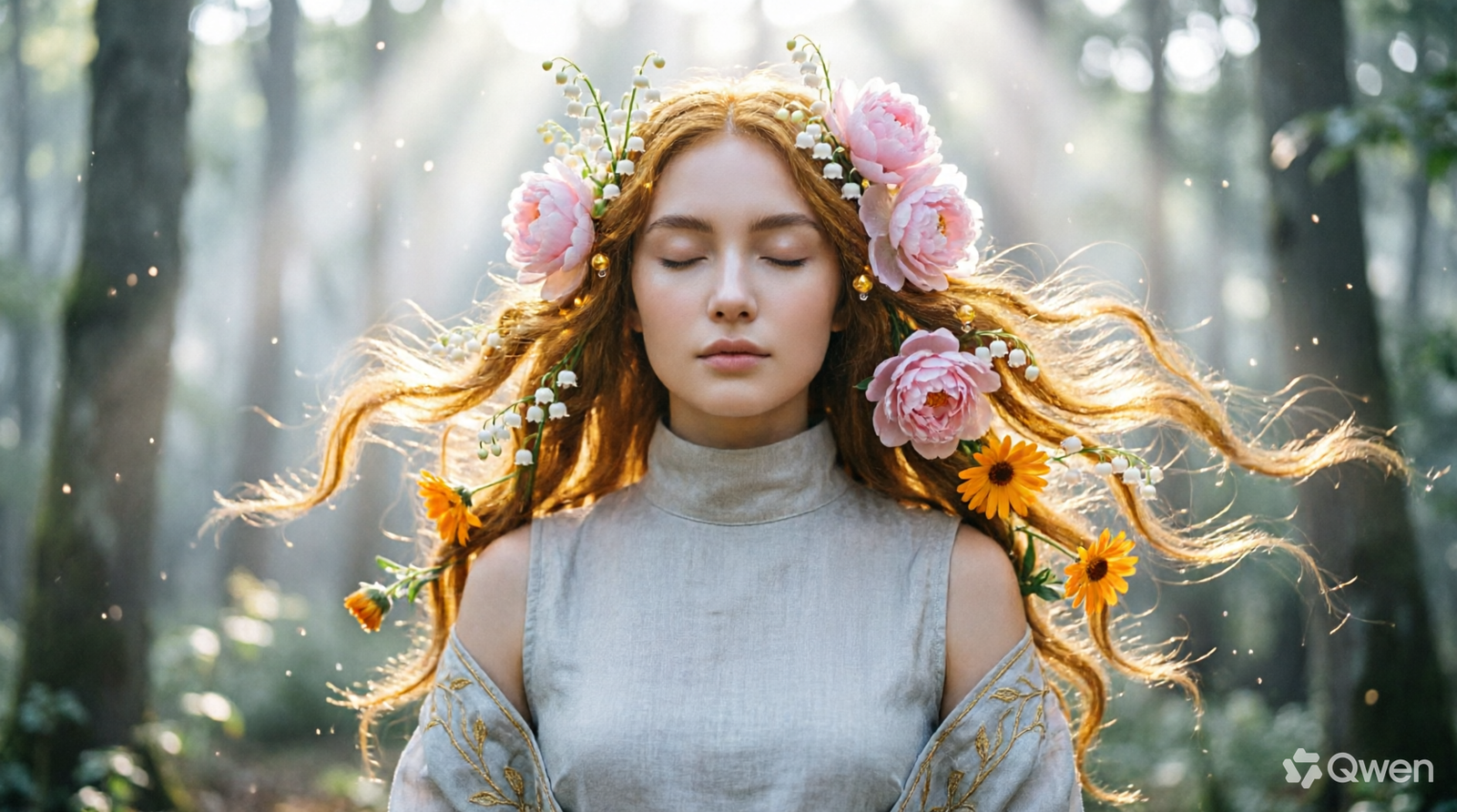
Have you ever looked at someone’s hair and thought, It looks like silk, Those curls are a cloud or Her hair is a waterfall of gold? These are more than pretty descriptions. They are hair metaphors creative comparisons that help us describe hair in a way that feels vivid personal and easy to picture.
People search for hair metaphors when they want better words for a poem, story school assignment character description compliment or social media caption. A plain sentence like She has long curly hair gives a fact, but Her curls formed a crown around her face creates an image readers can see.
Hair metaphors can describe color texture,length movement shape volume and mood. They can make hair sound soft as silk bright as fire dark as midnight, or wild as a storm. The right comparison can even reveal something about a person’s style or personality.
In this guide, updated for 2026, you’ll find creative hair metaphors with simple meanings natural example sentences real-life usage tips, cmmon mistakes and helpful ideas for choosing the perfect comparison. By the end you’ll be able to describe hair with confidence and make your writing more expressive without making it sound forced.
Definition & Meaning
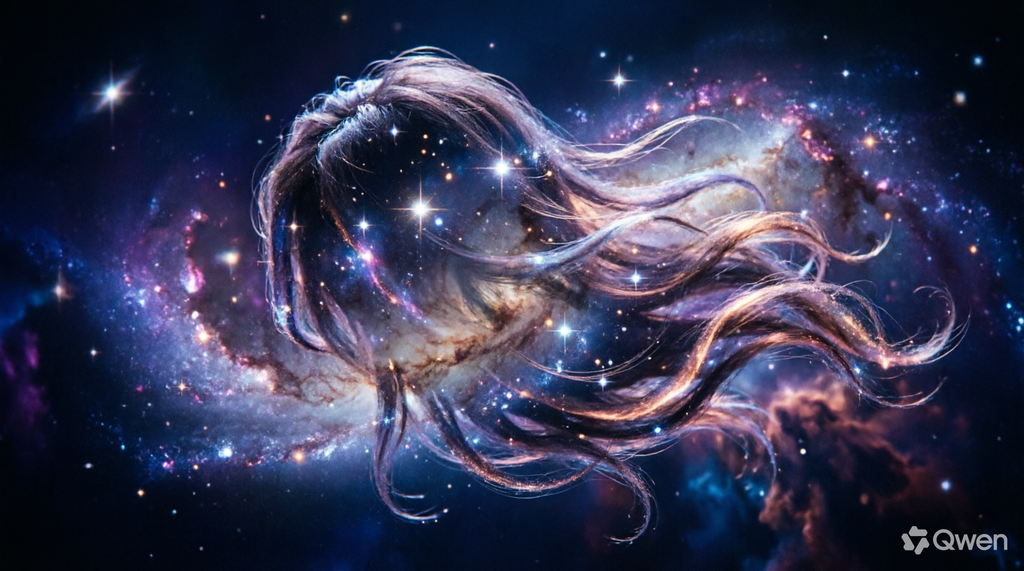
Hair metaphors are creative comparisons that describe hair as something else, such as silk, a waterfall, a flame, or a cloud. They help readers picture hair, feel its mood, or understand a character without using only plain descriptions. A metaphor says one thing is another to create a vivid image.
What Is a Hair Metaphor?
A hair metaphor describes hair by comparing it directly to another object, force, place, or idea.
For example:
Her hair was a waterfall of gold.
Her hair is not literally a waterfall. The metaphor suggests that it is long, flowing, and golden.
Another example:
His curls were a storm of springs.
This creates an image of curls that are lively, tightly coiled, and full of movement.
Metaphor vs. Simile
A metaphor makes a direct comparison. A simile uses like or as.
| Type | Example | Effect |
|---|---|---|
| Plain description | Her hair was long and blonde. | Gives facts |
| Metaphor | Her hair was a golden waterfall. | Creates an image |
| Simile | Her hair flowed like a golden waterfall. | Makes a comparison |
| Personification | Her hair danced in the wind. | Gives hair human action |
Quick Tip: A metaphor does not have to be complicated. “Her hair was a cloud” can be just as effective as a long poetic description.
What Can Hair Metaphors Describe?
Hair metaphors can focus on:
- Color: gold, fire, ink, silver, honey
- Texture: silk, velvet, wool, springs
- Movement: waterfalls, rivers, waves, ribbons
- Shape: crowns, halos, nests, vines
- Volume: clouds, forests, mountains
- Mood: storms, sunshine, shadows
- Age: silver threads, winter frost
- Personality: wild flames, quiet rivers, stubborn vines
Quick Summary
| Metaphor category | What it helps describe | Example |
|---|---|---|
| Nature | Flow, shape, and movement | Her hair was a river. |
| Weather | Mood and movement | His hair was a storm. |
| Materials | Texture and softness | Her hair was silk. |
| Colors | Shade and brightness | His hair was polished copper. |
| Objects | Shape and style | Her braid was a rope of sunlight. |
| Emotions | Character and feeling | Her hair was a restless flame. |
| Time | Aging and change | His hair carried winter. |
Why We Use Hair Metaphors
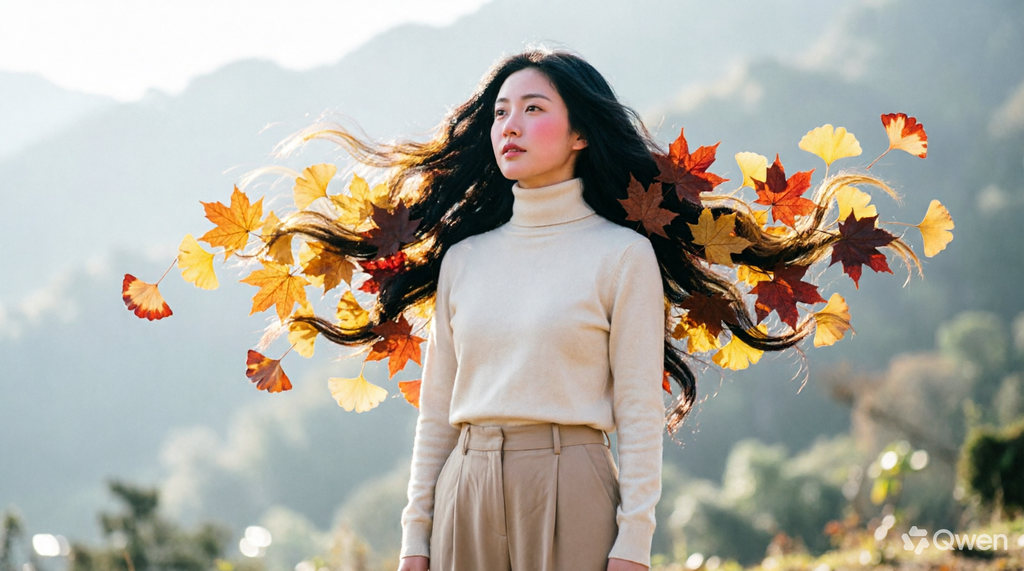
People use hair metaphors to make descriptions more vivid, memorable, and emotional. A comparison can show color, texture, movement, personality, or mood in just a few words. Hair metaphors appear in everyday speech, creative writing, poetry, school assignments, social media, and professional storytelling because they help readers imagine what plain facts cannot fully express.
1. To Help Readers Picture Hair
Instead of saying:
Her hair was very thick.
You could write:
Her hair was a dark forest around her face.
The reader imagines volume, depth, and richness.
2. To Describe Texture
Instead of:
His hair was soft.
Try:
His hair was velvet beneath her fingers.
The comparison suggests a smooth, pleasant texture.
3. To Show Movement
Instead of:
Her hair moved in the wind.
Try:
Her hair danced like ribbons in the breeze.
The metaphor gives the hair energy and motion.
4. To Create Mood
Hair can help establish a scene.
Her silver hair was winter at the edges of summer.
This may suggest age, wisdom, contrast, or the passage of time.
5. To Build a Character
A character’s hair can reflect personality.
His unruly hair was a rebellion he wore on his head.
The metaphor suggests someone independent, bold, or unwilling to follow rules.
6. To Make Writing Memorable
A plain sentence tells readers what hair looks like. A strong metaphor gives them an image they can remember.
From real-life conversations: People often use simple comparisons such as “her hair is like silk” or “his hair looks like a bird’s nest.” Creative writing simply develops that same habit into more intentional imagery.
60+ Hair Metaphors and What They Mean
The best hair metaphor depends on what you want readers to notice: color, texture, movement, shape, volume, or mood. A waterfall suggests flowing hair, silk suggests softness, and fire suggests brightness or energy. The examples below explain each comparison, show it in a sentence, and identify when it works—and when it may sound unnatural.
1. A Waterfall of Hair
Meaning: Long, flowing hair that falls smoothly.
Explanation: A waterfall suggests movement, length, and a rich, continuous flow. It works especially well for loose hair falling over the shoulders or down the back.
Sample sentence:
Her hair was a waterfall of dark brown, spilling over her shoulders.
When to use: Long, loose, flowing hair.
When NOT to use: Very short hair or hair that does not fall naturally.
Alternatives: A river of hair; flowing silk; a cascade of curls.
Difficulty: Easy
Tone: Neutral / Creative
2. Hair Like Silk
Meaning: Hair that is smooth, soft, and shiny.
Explanation: Silk is a familiar image for softness and a polished surface. This is one of the easiest hair metaphors to use because most readers understand it immediately.
Sample sentence:
Her hair was silk beneath the morning light.
When to use: Smooth, soft, well-conditioned hair.
When NOT to use: When describing rough or tangled hair.
Alternatives: Velvet strands; satin threads; a soft ribbon.
Difficulty: Easy
Tone: Neutral / Creative
3. A Golden Waterfall
Meaning: Long blonde or golden hair that flows downward.
Explanation: This metaphor combines color with movement. “Golden” creates warmth and brightness, while “waterfall” suggests length and flow.
Sample sentence:
A golden waterfall fell down her back as she walked.
When to use: Long blonde, honey, or golden-brown hair.
When NOT to use: Very short hair or hair with no golden tones.
Alternatives: A river of gold; a sunlit cascade; a curtain of honey.
Difficulty: Easy
Tone: Creative / Poetic
4. A River of Hair
Meaning: Hair that flows, twists, or moves like water.
Explanation: A river suggests direction and movement. It can describe straight hair, waves, or curls that travel down the back.
Sample sentence:
Her black hair was a quiet river running down her back.
When to use: Long, flowing hair.
When NOT to use: Hair that is tightly pinned or very short.
Alternatives: A stream of curls; a flowing current; a dark cascade.
Difficulty: Easy
Tone: Creative
5. A Cloud of Curls
Meaning: Hair with many soft, full, rounded curls.
Explanation: A cloud suggests volume, softness, and a light, rounded shape. It is especially useful for describing thick curly or coily hair.
Sample sentence:
A cloud of curls framed her smiling face.
When to use: Full, soft, voluminous curls.
When NOT to use: Flat, straight hair.
Alternatives: A halo of curls; a crown of coils; a soft storm.
Difficulty: Easy
Tone: Neutral / Creative
6. A Crown of Curls
Meaning: Curly or coily hair that surrounds the head like a crown.
Explanation: A crown suggests beauty, pride, and presence. This metaphor can celebrate natural texture without implying that it needs to be changed.
Sample sentence:
She wore her crown of curls with quiet confidence.
When to use: Curly or coily hair, especially when emphasizing pride or beauty.
When NOT to use: When the comparison feels too grand for a casual description.
Alternatives: A halo of curls; a crown of coils; a wreath of curls.
Difficulty: Easy
Tone: Neutral / Creative
7. A Halo of Hair
Meaning: Hair that surrounds the head in a soft, bright, or rounded shape.
Explanation: A halo creates an image of light, softness, or a glowing outline. It works well for curly, fluffy, or brightly lit hair.
Sample sentence:
The sunlight turned her loose curls into a golden halo.
When to use: Hair around the face or head, especially in bright light.
When NOT to use: Hair that lies completely flat and close to the head.
Alternatives: A ring of light; a soft crown; a glowing frame.
Difficulty: Easy
Tone: Neutral / Poetic
8. Hair Like Fire
Meaning: Hair that is red, orange, bright, or full of energy.
Explanation: Fire suggests color, heat, brightness, and power. It can describe red hair or hair that seems lively and bold.
Sample sentence:
Her red hair was fire against the gray morning.
When to use: Red, copper, auburn, or strikingly bright hair.
When NOT to use: Very pale hair unless the metaphor is clearly about energy rather than color.
Alternatives: A flame; burning copper; a blaze of red.
Difficulty: Easy
Tone: Neutral / Creative
9. A Flame of Hair
Meaning: Hair that looks bright, fiery, or energetic.
Explanation: “Flame” is slightly more focused than “fire.” It can suggest a single bright shape, especially red hair moving in the wind.
Sample sentence:
A flame of copper hair lifted in the breeze.
When to use: Red or orange hair, especially when moving.
When NOT to use: Hair that is dull or motionless if color is not the focus.
Alternatives: A flicker of fire; a burning ribbon; a bright blaze.
Difficulty: Easy
Tone: Creative
10. A Curtain of Hair
Meaning: Hair that falls around or partly covers the face.
Explanation: A curtain hangs vertically and can hide or reveal what is behind it. This metaphor works for long bangs, loose hair, or hair falling over one eye.
Sample sentence:
A curtain of black hair hid half her face.
When to use: Hair that covers or frames the face.
When NOT to use: Very short hair that cannot form a curtain.
Alternatives: A veil of hair; a screen of strands; a dark frame.
Difficulty: Easy
Tone: Neutral / Creative
11. A Veil of Hair
Meaning: Hair that softly covers or partly hides the face.
Explanation: A veil suggests softness, mystery, and partial concealment. It is often more delicate than “curtain.”
Sample sentence:
A veil of silver hair brushed her cheeks.
When to use: Hair covering part of the face, especially in poetic writing.
When NOT to use: Casual writing where a simple description would be clearer.
Alternatives: A curtain of hair; a soft screen; a fall of strands.
Difficulty: Easy
Tone: Poetic / Creative
12. A Forest of Hair
Meaning: Very thick, full, or dense hair.
Explanation: A forest suggests many strands growing closely together. It can describe thick hair of any color or texture.
Sample sentence:
His thick hair was a forest of dark, tangled branches.
When to use: Dense, voluminous, or messy hair.
When NOT to use: Thin or sparse hair unless the comparison is intentionally ironic.
Alternatives: A jungle of curls; a thicket of hair; a dense canopy.
Difficulty: Easy
Tone: Neutral / Creative
13. A Jungle of Curls
Meaning: Thick, abundant, or untamed curly hair.
Explanation: A jungle suggests dense growth, complexity, and natural wildness. It is vivid, but it can sound less flattering if used carelessly.
Sample sentence:
Her curls formed a jungle around her face.
When to use: Very full, thick, or difficult-to-organize curls.
When NOT to use: When describing someone who may find “jungle” negative or when a respectful tone matters.
Alternatives: A forest of curls; a cloud of coils; a wild crown.
Difficulty: Medium
Tone: Informal / Creative
14. A Nest of Hair
Meaning: Hair that is tangled, messy, or sticking out in different directions.
Explanation: A bird’s nest suggests disorder and tangled strands. It is often humorous rather than beautiful.
Sample sentence:
After sleeping on the couch, his hair was a bird’s nest.
When to use: Messy hair, bedhead, or playful descriptions.
When NOT to use: Formal descriptions or sensitive situations where it may sound insulting.
Alternatives: A tangle of strands; a messy crown; a knot of hair.
Difficulty: Easy
Tone: Informal / Humorous
15. A Bird’s Nest
Meaning: Extremely tangled or untidy hair.
Explanation: This is a familiar comparison that creates an immediate picture. It often appears in jokes or casual conversation.
Sample sentence:
I woke up with a bird’s nest on my head.
When to use: Funny, informal descriptions of bedhead.
When NOT to use: Professional writing or when discussing someone’s appearance respectfully.
Alternatives: A tangled mess; a wild nest; a knot of hair.
Difficulty: Easy
Tone: Informal
16. A Tangle of Vines
Meaning: Hair that twists, curls, or becomes tangled.
Explanation: Vines suggest winding movement and overlapping strands. This can describe natural curls or messy hair.
Sample sentence:
Her curls were a tangle of vines climbing around her face.
When to use: Twisted curls, tangled hair, or creative descriptions.
When NOT to use: Very straight, neatly combed hair.
Alternatives: Twisting ribbons; a web of curls; winding strands.
Difficulty: Medium
Tone: Creative
17. A Web of Hair
Meaning: Hair that is tangled, thinly spread, or crossing in many directions.
Explanation: A web suggests fine strands that overlap and connect. It can describe messy hair or hair falling across the face.
Sample sentence:
A web of loose strands crossed her forehead.
When to use: Fine, tangled, or overlapping hair.
When NOT to use: Thick, smooth hair unless the image is intentional.
Alternatives: A net of strands; a tangle of threads; a mesh of curls.
Difficulty: Medium
Tone: Creative
18. Ribbons of Hair
Meaning: Hair that is long, smooth, narrow, or flowing.
Explanation: Ribbons suggest softness, movement, and graceful lines. This metaphor works well for straight hair or loose strands in the wind.
Sample sentence:
Ribbons of brown hair streamed behind her as she ran.
When to use: Long, flowing, or moving strands.
When NOT to use: Very short, tightly curled hair unless the comparison is intentionally imaginative.
Alternatives: Silken strands; flowing bands; threads of hair.
Difficulty: Easy
Tone: Creative
19. Threads of Gold
Meaning: Fine blonde or golden strands of hair.
Explanation: Threads suggest thin strands, while gold adds color and value. This metaphor is often used for highlights or sunlight catching hair.
Sample sentence:
Threads of gold shone through her brown hair.
When to use: Blonde highlights, golden strands, or sunlight on hair.
When NOT to use: Hair with no golden tones.
Alternatives: Golden strands; lines of sunlight; strands of honey.
Difficulty: Easy
Tone: Poetic / Creative
20. Threads of Silver
Meaning: Gray or white strands, often associated with age or wisdom.
Explanation: Silver is a gentle way to describe gray hair. It can suggest dignity, experience, or the passage of time.
Sample sentence:
Threads of silver ran through his dark hair.
When to use: Gray or white hair, especially in respectful writing.
When NOT to use: When a person prefers direct language or does not want age emphasized.
Alternatives: Silver strands; winter threads; a touch of frost.
Difficulty: Easy
Tone: Neutral / Poetic
21. A Crown of Snow
Meaning: White or silver hair that covers the head.
Explanation: Snow suggests whiteness, softness, and winter. “Crown” can add dignity or honor.
Sample sentence:
His crown of snow showed the years he had lived.
When to use: White or silver hair in reflective or poetic writing.
When NOT to use: Casual descriptions where it may sound overly dramatic.
Alternatives: A crown of frost; winter hair; a silver crown.
Difficulty: Medium
Tone: Poetic
22. Winter in Her Hair
Meaning: Gray or white hair that suggests age, time, or a change in life.
Explanation: Winter can represent later life, stillness, or the passage of years. This metaphor often carries emotional meaning beyond color.
Sample sentence:
Winter had begun to settle in her hair.
When to use: Reflective writing about aging or time.
When NOT to use: When discussing someone’s appearance in a casual or sensitive setting.
Alternatives: Frost in her hair; silver years; a touch of winter.
Difficulty: Medium
Tone: Poetic / Reflective
23. Hair Like Honey
Meaning: Warm golden-brown, blonde, or amber-colored hair.
Explanation: Honey suggests a rich, warm, glowing shade. It is especially useful for describing hair with golden or caramel tones.
Sample sentence:
Her honey-colored hair glowed in the afternoon sun.
When to use: Warm blonde, caramel, amber, or golden-brown hair.
When NOT to use: Cool black, blue, or silver hair.
Alternatives: Caramel strands; golden-brown silk; amber waves.
Difficulty: Easy
Tone: Neutral / Creative
24. Hair Like Copper
Meaning: Red, auburn, or orange-brown hair with a metallic glow.
Explanation: Copper is a precise color image. It suggests warmth, brightness, and a reddish shine.
Sample sentence:
Her hair was polished copper beneath the streetlight.
When to use: Copper, auburn, or reddish-brown hair.
When NOT to use: Hair with no red or orange tones.
Alternatives: Burnished copper; a copper flame; red-gold strands.
Difficulty: Easy
Tone: Neutral / Creative
25. Hair Like Ink
Meaning: Very dark, usually black, hair.
Explanation: Ink suggests deep darkness and a smooth, rich color. It can create a strong visual contrast.
Sample sentence:
Her hair fell like ink against her white dress.
When to use: Black or very dark hair.
When NOT to use: Light or pale hair.
Alternatives: A pool of ink; black silk; a dark ribbon.
Difficulty: Easy
Tone: Creative / Poetic
26. Hair Like Midnight
Meaning: Deep black or dark hair.
Explanation: Midnight suggests darkness, quietness, and mystery. It is common in poetry and fiction.
Sample sentence:
His hair was midnight beneath the pale moon.
When to use: Black or very dark brown hair.
When NOT to use: Blonde or brightly colored hair.
Alternatives: A midnight curtain; dark velvet; a night-colored crown.
Difficulty: Easy
Tone: Poetic
27. Hair Like Chocolate
Meaning: Rich brown hair.
Explanation: Chocolate suggests warmth, richness, and a deep brown shade. It is a friendly, familiar comparison.
Sample sentence:
Her chocolate-brown hair shone after the rain.
When to use: Medium to dark brown hair.
When NOT to use: Hair with no brown tones.
Alternatives: Cocoa strands; coffee-colored hair; dark caramel.
Difficulty: Easy
Tone: Informal / Neutral
28. Hair Like Coffee
Meaning: Dark brown or black-brown hair.
Explanation: Coffee can suggest a warm, deep, earthy shade. It works best when the color is the main focus.
Sample sentence:
His coffee-colored hair looked almost black indoors.
When to use: Dark brown hair.
When NOT to use: Bright blonde or red hair.
Alternatives: Espresso strands; roasted-brown hair; dark cocoa.
Difficulty: Easy
Tone: Neutral
29. Hair Like a Sunbeam
Meaning: Bright, light, or golden hair.
Explanation: A sunbeam suggests brightness, warmth, and lightness. It can also describe hair that catches the light.
Sample sentence:
Her hair was a sunbeam in the dim room.
When to use: Blonde or golden hair, especially in sunlight.
When NOT to use: When the hair is dark and the color is the focus.
Alternatives: A ray of sunlight; a golden glow; a beam of light.
Difficulty: Easy
Tone: Poetic / Creative
30. A Crown of Sunshine
Meaning: Bright, golden, or cheerful-looking hair.
Explanation: Sunshine suggests warmth and happiness, while a crown emphasizes the hair’s shape around the head.
Sample sentence:
Her curls formed a crown of sunshine around her face.
When to use: Golden hair or hair that creates a bright, cheerful image.
When NOT to use: When the metaphor does not match the color or mood.
Alternatives: A halo of sunlight; a golden crown; a bright frame.
Difficulty: Easy
Tone: Creative
31. A River of Silver
Meaning: Long, flowing gray or white hair.
Explanation: This metaphor combines color and movement. It is useful for an older character with long silver hair.
Sample sentence:
A river of silver flowed over her shoulders.
When to use: Long gray or white hair.
When NOT to use: Short gray hair.
Alternatives: A silver waterfall; a stream of frost; flowing winter.
Difficulty: Easy
Tone: Poetic
32. A Sea of Hair
Meaning: A large amount of hair spread around someone.
Explanation: A sea suggests vastness and movement. It can describe long hair spread over a pillow or thick hair surrounding a face.
Sample sentence:
She woke beneath a sea of dark hair.
When to use: Large amounts of loose hair.
When NOT to use: Short or closely cropped hair.
Alternatives: A wide river; a dark ocean; a flowing expanse.
Difficulty: Medium
Tone: Creative
33. Waves of Hair
Meaning: Wavy hair or hair that moves in wave-like shapes.
Explanation: This metaphor is especially natural because “waves” describes both texture and movement.
Sample sentence:
Waves of brown hair rested on her shoulders.
When to use: Wavy hair or loose hair moving in the wind.
When NOT to use: Hair that is completely straight unless it is moving.
Alternatives: Rolling waves; soft ripples; flowing curves.
Difficulty: Easy
Tone: Neutral / Creative
34. A Sea of Waves
Meaning: Hair with many waves or curls, often thick and abundant.
Explanation: This creates a larger image than “waves of hair.” It suggests repeated movement across the whole head.
Sample sentence:
Her head was a sea of dark waves.
When to use: Thick, wavy hair.
When NOT to use: Very short or flat hair.
Alternatives: A tide of curls; rolling waves; a wave-filled crown.
Difficulty: Medium
Tone: Creative
35. A Tide of Curls
Meaning: Curls that seem to rise, move, or spread like water.
Explanation: A tide suggests natural movement and repeated waves. It is useful for lively, abundant curls.
Sample sentence:
A tide of curls spilled over her shoulders.
When to use: Full, flowing curls.
When NOT to use: Very short curls or tightly controlled hair.
Alternatives: A sea of curls; rolling coils; a wave of ringlets.
Difficulty: Medium
Tone: Poetic
36. A Storm of Curls
Meaning: Hair that is thick, wild, energetic, or difficult to control.
Explanation: A storm suggests movement, energy, and disorder. It can be playful or dramatic.
Sample sentence:
His hair was a storm of curls after the bike ride.
When to use: Messy or lively curls.
When NOT to use: When “storm” could sound negative and the person prefers a more flattering comparison.
Alternatives: A whirlwind of curls; a wild cloud; a restless crown.
Difficulty: Easy
Tone: Informal / Creative
37. A Whirlwind of Hair
Meaning: Hair that moves wildly or appears untidy.
Explanation: A whirlwind suggests fast movement and disorder. It works well in action scenes.
Sample sentence:
A whirlwind of hair followed her as she spun around.
When to use: Hair moving quickly or dramatically.
When NOT to use: Calm, neatly styled hair.
Alternatives: A rush of strands; a spinning cloud; a wild swirl.
Difficulty: Medium
Tone: Creative
38. A Breeze of Hair
Meaning: Hair that moves lightly and gently.
Explanation: A breeze suggests softness, lightness, and quiet motion. This is more delicate than “storm.”
Sample sentence:
Her loose hair was a breeze brushing across her shoulders.
When to use: Fine, light, gently moving hair.
When NOT to use: Heavy, thick, or tightly styled hair.
Alternatives: A soft flutter; a gentle stream; a whisper of strands.
Difficulty: Medium
Tone: Poetic
39. A Whisper of Hair
Meaning: A small amount of fine, delicate, or barely visible hair.
Explanation: A whisper suggests something quiet, light, and subtle. It can describe fine strands or a few loose hairs.
Sample sentence:
A whisper of hair brushed her cheek.
When to use: Fine strands, loose wisps, or delicate descriptions.
When NOT to use: Very thick hair.
Alternatives: A wisp of hair; a soft thread; a faint strand.
Difficulty: Medium
Tone: Poetic
40. A Wisp of Hair
Meaning: A small, thin strand or lock of hair.
Explanation: “Wisp” is a useful image for one loose strand. It is often more natural than a complicated metaphor.
Sample sentence:
A wisp of hair escaped her ponytail.
When to use: Loose strands or fine hair.
When NOT to use: Describing the entire head of thick hair.
Alternatives: A loose thread; a stray strand; a little curl.
Difficulty: Easy
Tone: Neutral
41. A Ribbon of Hair
Meaning: A narrow, smooth, or flowing section of hair.
Explanation: A ribbon suggests a long, flexible strip. It works well for braids, ponytails, or loose strands.
Sample sentence:
A ribbon of hair slipped over her shoulder.
When to use: Long, smooth sections of hair.
When NOT to use: Very short or tightly coiled hair unless used creatively.
Alternatives: A band of hair; a flowing strand; a strip of silk.
Difficulty: Easy
Tone: Neutral / Creative
42. A Rope of Hair
Meaning: Hair gathered into a braid, twist, or thick strand.
Explanation: A rope suggests strength, thickness, and strands woven together. It is especially natural for braids.
Sample sentence:
Her braid was a rope of dark hair down her back.
When to use: Braids, twists, or thick ponytails.
When NOT to use: Loose, fine hair unless the image is intentionally unusual.
Alternatives: A woven braid; a twisted cord; a plaited rope.
Difficulty: Easy
Tone: Neutral / Creative
43. A Chain of Curls
Meaning: Curls linked together in a repeating pattern.
Explanation: A chain suggests connected loops or repeated shapes. It can describe ringlets or a braid made from curls.
Sample sentence:
A chain of curls rested beside her ear.
When to use: Ringlets or connected curls.
When NOT to use: Straight hair or loose waves without a repeating pattern.
Alternatives: A string of ringlets; linked curls; a necklace of curls.
Difficulty: Medium
Tone: Creative
44. A Necklace of Curls
Meaning: Curls that hang around the neck or shoulders like beads.
Explanation: This comparison focuses on the shape and arrangement of curls. It is delicate and visual.
Sample sentence:
A necklace of curls framed her neck.
When to use: Short curls or ringlets around the face and neck.
When NOT to use: Very long, straight hair.
Alternatives: A chain of curls; a string of ringlets; a curl-covered frame.
Difficulty: Medium
Tone: Poetic
45. A Crown of Vines
Meaning: Curly, twisted, or braided hair that forms a natural crown.
Explanation: Vines suggest winding growth, while a crown suggests beauty and pride. This works well for textured hair or elaborate braids.
Sample sentence:
Her braids formed a crown of vines around her head.
When to use: Braids, twists, or curly hair arranged around the head.
When NOT to use: Hair that does not have a winding or braided shape.
Alternatives: A wreath of braids; a crown of curls; a woven halo.
Difficulty: Medium
Tone: Creative
46. A Wreath of Hair
Meaning: Hair arranged in a circular shape around the head.
Explanation: A wreath suggests a ring or circle. It is useful for braids, pinned hair, or curls that frame the face.
Sample sentence:
Her braided hair rested like a wreath around her head.
When to use: Circular hairstyles, crowns, and braids.
When NOT to use: Loose hair with no circular shape.
Alternatives: A braided crown; a ring of hair; a woven halo.
Difficulty: Easy
Tone: Creative
47. A Garden of Curls
Meaning: Hair with many curls that appear natural, full, and beautiful.
Explanation: A garden suggests growth, variety, and life. This can create a warm, positive image of curly or coily hair.
Sample sentence:
Her head was a garden of curls, each one full of life.
When to use: Full, natural curls or coils.
When NOT to use: Very short hair unless the comparison is intentional.
Alternatives: A forest of curls; a blooming crown; a garden of coils.
Difficulty: Medium
Tone: Creative / Poetic
48. A Meadow of Hair
Meaning: Soft, light, or gently spread hair.
Explanation: A meadow suggests openness, softness, and calm. It is less common than “forest” or “waterfall,” so it feels more unusual.
Sample sentence:
Her pale hair spread across the pillow like a quiet meadow.
When to use: Soft, light, or spread-out hair in poetic writing.
When NOT to use: When the reader needs a quick, clear description.
Alternatives: A field of hair; a soft landscape; a pale expanse.
Difficulty: Medium
Tone: Poetic
49. A Canopy of Hair
Meaning: Thick hair that hangs over or surrounds someone.
Explanation: A canopy creates an image of something overhead or protective. It works well for long, thick hair.
Sample sentence:
A canopy of dark hair shaded her face.
When to use: Thick hair that hangs over the face or shoulders.
When NOT to use: Very short or thin hair.
Alternatives: A curtain of hair; a dark shelter; a leafy crown.
Difficulty: Medium
Tone: Creative
50. A Shadow of Hair
Meaning: Dark hair that creates a shaded outline or falls across the face.
Explanation: A shadow suggests darkness, quietness, or mystery. It is often used for black or deep brown hair.
Sample sentence:
A shadow of hair crossed his forehead.
When to use: Dark hair or hair partly covering the face.
When NOT to use: Bright hair when color is the main focus.
Alternatives: A dark veil; an ink-black frame; a curtain of shadow.
Difficulty: Easy
Tone: Poetic
51. A Crown of Shadows
Meaning: Dark hair that surrounds the head like a mysterious crown.
Explanation: This metaphor focuses on mood more than texture. It can make a character seem mysterious, serious, or dramatic.
Sample sentence:
His black hair formed a crown of shadows beneath the streetlamp.
When to use: Dark hair in dramatic or atmospheric writing.
When NOT to use: Lighthearted descriptions unless the contrast is intentional.
Alternatives: A dark crown; a halo of shadows; a midnight frame.
Difficulty: Medium
Tone: Poetic / Dramatic
52. A Tapestry of Hair
Meaning: Hair with many strands, colors, textures, or patterns woven together.
Explanation: A tapestry is made from many threads. This metaphor works well for highlighted hair, braids, or complex textures.
Sample sentence:
Her hair was a tapestry of brown, gold, and copper.
When to use: Multicolored hair, braids, or detailed descriptions.
When NOT to use: A simple, single-color hairstyle when clarity matters more.
Alternatives: A woven pattern; a fabric of strands; a threadwork of hair.
Difficulty: Medium
Tone: Creative
53. A Painting of Hair
Meaning: Hair that looks carefully arranged, colorful, or artistically beautiful.
Explanation: A painting suggests color, design, and visual beauty. It can describe a hairstyle or a striking combination of shades.
Sample sentence:
Her hair was a painting of copper and gold.
When to use: Artistic descriptions, unusual colors, or carefully styled hair.
When NOT to use: When the reader needs a direct description of texture or length.
Alternatives: A portrait of color; a work of art; a living canvas.
Difficulty: Medium
Tone: Creative
54. A Canvas of Hair
Meaning: Hair that displays color, style, or artistic expression.
Explanation: A canvas is a surface for creating art. This metaphor is useful when describing hair dye, highlights, or creative hairstyles.
Sample sentence:
Her hair became a canvas for streaks of violet and blue.
When to use: Dyed hair, creative styling, or artistic expression.
When NOT to use: Simple descriptions where “hair” is enough.
Alternatives: A living canvas; a palette of color; a work of art.
Difficulty: Easy
Tone: Creative
55. A Palette of Hair
Meaning: Hair containing several shades or colors.
Explanation: A palette is a group of colors used by an artist. It works especially well for highlights, ombré, or naturally varied shades.
Sample sentence:
Her hair was a palette of honey, brown, and gold.
When to use: Hair with multiple colors or tones.
When NOT to use: Hair that is a single, uniform shade.
Alternatives: A blend of colors; a spectrum of strands; a mix of shades.
Difficulty: Easy
Tone: Creative
56. A Living Canvas
Meaning: Hair that expresses creativity, identity, or personal style.
Explanation: This metaphor treats hair as a place where someone creates an image or tells a story through color and style.
Sample sentence:
She treated her hair as a living canvas, changing its color with every season.
When to use: Creative hairstyles, hair color, fashion, and self-expression.
When NOT to use: Plain descriptions or formal writing that needs direct language.
Alternatives: A personal canvas; a work of art; an expression of style.
Difficulty: Medium
Tone: Creative / Professional
57. A Story Written in Hair
Meaning: Hair that shows a person’s history, experiences, or changes over time.
Explanation: This metaphor gives hair a deeper meaning. Gray strands, old styles, and changes in color can suggest life experiences.
Sample sentence:
Every silver strand was a sentence in the story written in her hair.
When to use: Reflective writing about age, memory, or identity.
When NOT to use: Casual descriptions where the emotional meaning may feel too heavy.
Alternatives: A history in strands; a record of time; a story of years.
Difficulty: Medium
Tone: Poetic / Reflective
58. A Map of Time
Meaning: Hair that shows aging or the passage of years.
Explanation: A map records places and journeys. This metaphor suggests that hair carries signs of a person’s life.
Sample sentence:
The silver in his hair was a map of time.
When to use: Reflective writing about aging, experience, or memory.
When NOT to use: When the person does not want their hair linked to age.
Alternatives: A record of years; a timeline of silver; a history in strands.
Difficulty: Medium
Tone: Poetic / Reflective
59. A Signature of Style
Meaning: Hair that becomes a recognizable part of someone’s identity.
Explanation: A signature is something that identifies a person. This metaphor works well for a distinctive haircut, color, or hairstyle.
Sample sentence:
Her short silver bob was her signature of style.
When to use: Recognizable hairstyles or personal branding.
When NOT to use: When describing hair that changes often or has no distinctive feature.
Alternatives: A mark of identity; a personal trademark; a style signature.
Difficulty: Easy
Tone: Neutral / Professional
60. A Badge of Identity
Meaning: Hair that expresses culture, personality, belonging, or personal choice.
Explanation: A badge represents something meaningful about a person. This metaphor can describe hair as a visible part of identity.
Sample sentence:
His long braid had become a badge of identity.
When to use: Personal, cultural, or expressive hairstyles.
When NOT to use: When the comparison makes assumptions about someone’s identity.
Alternatives: A sign of self; an expression of identity; a personal symbol.
Difficulty: Medium
Tone: Neutral / Reflective
61. A Flag of Freedom
Meaning: Hair that represents independence, self-expression, or breaking from expectations.
Explanation: A flag can symbolize a cause or belief. This metaphor is useful when hair becomes a statement of personal freedom.
Sample sentence:
She wore her natural curls like a flag of freedom.
When to use: Writing about confidence, self-expression, or independence.
When NOT to use: When the person’s meaning or feelings are unknown.
Alternatives: A symbol of freedom; a banner of confidence; a sign of independence.
Difficulty: Medium
Tone: Creative / Reflective
62. A Restless Flame
Meaning: Hair that is energetic, wild, or constantly moving.
Explanation: “Restless” adds personality to the image. The metaphor can describe hair that sticks out, moves in the wind, or reflects a lively character.
Sample sentence:
His unruly hair was a restless flame above his forehead.
When to use: Wild, energetic, or red hair.
When NOT to use: Smooth, neatly controlled hair.
Alternatives: A wild spark; a dancing flame; a flicker of energy.
Difficulty: Medium
Tone: Creative
63. A Quiet River
Meaning: Hair that flows smoothly and calmly.
Explanation: A quiet river suggests peace, softness, and steady movement. It is useful when the scene has a calm mood.
Sample sentence:
Her straight hair was a quiet river down her back.
When to use: Long, smooth hair in peaceful descriptions.
When NOT to use: Wild or messy hair unless contrast is intentional.
Alternatives: A calm stream; a gentle current; a still cascade.
Difficulty: Easy
Tone: Poetic
64. A Storm Cloud
Meaning: Thick, dark, or messy hair that creates a dramatic mood.
Explanation: A storm cloud suggests darkness, heaviness, or tension. It can describe a hairstyle or a character’s mood.
Sample sentence:
His dark hair sat above his eyes like a storm cloud.
When to use: Dark, thick, messy hair in dramatic scenes.
When NOT to use: Bright, cheerful descriptions unless the contrast is intentional.
Alternatives: A dark cloud; a heavy crown; a cloud of shadow.
Difficulty: Easy
Tone: Creative / Dramatic
65. A Soft Blanket
Meaning: Hair that feels thick, warm, and comforting.
Explanation: A blanket suggests softness and comfort. It is a sensory metaphor that works best in intimate or cozy writing.
Sample sentence:
Her thick hair spread across the pillow like a soft blanket.
When to use: Thick, soft hair in a cozy scene.
When NOT to use: Professional descriptions or situations where the comparison feels too personal.
Alternatives: A warm cloud; a velvet cover; a soft cushion.
Difficulty: Easy
Tone: Creative / Intimate
66. Velvet Shadows
Meaning: Dark hair that looks soft, smooth, and rich.
Explanation: Velvet combines softness with a deep, luxurious appearance. “Shadows” adds darkness and mood.
Sample sentence:
Velvet shadows framed her face.
When to use: Dark, smooth, soft-looking hair.
When NOT to use: Light or rough hair unless the image is intentionally unusual.
Alternatives: Black silk; soft darkness; a velvet curtain.
Difficulty: Medium
Tone: Poetic
67. A Crown of Night
Meaning: Dark hair that surrounds the head like a crown.
Explanation: Night suggests darkness and mystery. Crown adds a sense of presence and beauty.
Sample sentence:
Her black curls formed a crown of night.
When to use: Dark curly or thick hair.
When NOT to use: Blonde or light hair.
Alternatives: A midnight crown; a halo of darkness; a night-colored frame.
Difficulty: Easy
Tone: Poetic
68. A Garden of Silver
Meaning: Gray or white hair with many strands or shades.
Explanation: A garden suggests growth and life, while silver suggests age and wisdom. This is a gentle, reflective metaphor.
Sample sentence:
Her hair had become a garden of silver.
When to use: Gray hair in thoughtful or poetic writing.
When NOT to use: Casual descriptions where it may sound too poetic.
Alternatives: A field of silver; a crown of frost; winter strands.
Difficulty: Medium
Tone: Poetic / Reflective
69. A Crown of Honey
Meaning: Warm golden or honey-colored hair.
Explanation: The crown emphasizes the shape, while honey adds color and richness. It creates a warm, glowing image.
Sample sentence:
Her curls formed a crown of honey around her face.
When to use: Golden-brown or honey-colored curls.
When NOT to use: Dark or cool-toned hair.
Alternatives: A honey halo; a golden crown; amber curls.
Difficulty: Easy
Tone: Creative
70. A River of Ink
Meaning: Long, dark hair that flows smoothly.
Explanation: This combines the movement of a river with the deep color of ink. It is more dramatic than simply saying “black hair.”
Sample sentence:
A river of ink flowed down her back.
When to use: Long black or very dark hair.
When NOT to use: Short or light hair.
Alternatives: A waterfall of midnight; a stream of black silk; a dark cascade.
Difficulty: Medium
Tone: Poetic / Dramatic
Real-Life Conversations
Natural hair metaphors usually appear in short, clear comparisons rather than long poetic speeches. Friends may use them to compliment a hairstyle, writers may use them to describe a character, and family members may use them playfully. The key is to match the metaphor to the situation, relationship, and tone.
Conversation 1: Friends Talking About a New Hairstyle
Maya: Did you see Lina’s new hair?
Sara: Yes! Her curls look amazing.
Maya: They look like a crown of curls.
Sara: Exactly. They frame her face so well.
Maya: And the color is beautiful.
Sara: It’s like honey in the sunlight.
🎯 Lesson: “A crown of curls” praises shape and confidence. “Honey in the sunlight” describes warm color.
Conversation 2: Family and Bedhead
Brother: Why are you still in bed?
Sister: I just woke up.
Brother: Your hair looks like a bird’s nest.
Sister: Very funny.
Brother: I mean it lovingly.
Sister: Then help me find my brush.
🎯 Lesson: “A bird’s nest” is playful and informal. It works best with people who understand the joke.
Conversation 3: A Student Writing a Story
Student: My character has long black hair. How can I describe it?
Teacher: What does the hair do in the scene?
Student: It moves in the wind.
Teacher: Try “Her hair flowed like a river of ink.”
Student: That sounds more vivid.
Teacher: Yes. The metaphor shows both color and movement.
🎯 Lesson: Choose a metaphor based on the detail you want readers to imagine.
Conversation 4: An Office Compliment
1: Your hair looks different today.
2: I tried a new style.
1: The braid looks great. It’s like a rope of gold.
2: Thank you! I wanted something simple.
1: It looks neat and professional.
🎯 Lesson: In professional settings, choose clear, positive metaphors. Avoid comparisons that may sound insulting or overly personal.
Conversation 5: A Dating Conversation
Alex: Your hair looks beautiful in this light.
Jamie: Really? I almost tied it up.
Alex: I like it loose. It looks like a golden waterfall.
Jamie: That’s a sweet way to say it.
Alex: I meant it.
Jamie: Then I’m glad I left it down.
🎯 Lesson: A metaphor can make a compliment feel more personal, but it should still sound natural.
Everyday Usage
Hair metaphors work best when they match the setting and the reader’s expectations. In conversation, simple comparisons sound natural. In poetry and fiction, stronger images can create mood and character. On social media, short metaphors make captions memorable. In school and professional writing, choose clear comparisons that support the main idea instead of distracting from it.
In Everyday Conversation
People often use simple metaphors without thinking about them.
- “Her hair is silk.”
- “His curls are a cloud.”
- “Your braid looks like a rope of gold.”
- “My hair is a bird’s nest today.”
These expressions are easy to understand because they compare hair to familiar things.
In Creative Writing
Metaphors can describe a character quickly.
A forest of dark curls surrounded her face.
This tells readers about volume, color, and shape.
A stronger sentence can also reveal personality:
His hair was a restless flame, just as stubborn as he was.
Now the hair reflects the character’s behavior.
In Books
Writers often use hair metaphors to establish:
- A character’s appearance
- A scene’s mood
- A character’s age
- A character’s cultural or personal identity
- A change in the character’s life
Example:
Silver threads had begun to appear in her hair.
This is simple and clear.
More poetic version:
Winter had begun to settle in her hair.
The second version adds emotion and suggests the passage of time.
In Movies and Screenwriting
Screenwriters usually need descriptions that are short and visual.
A halo of curls frames her face.
This is more useful in a screenplay than a long paragraph of explanation.
In Poetry
Poetry allows more unusual images.
Her hair, a river of midnight,
Carried the moonlight on its back.
The metaphor creates a mood rather than giving a literal description.
In Emails
Hair metaphors are uncommon in ordinary professional emails, but they may work in creative, fashion, beauty, or marketing contexts.
Natural example:
The campaign highlights hair as a living canvas for personal style.
Avoid:
Your hair is a storm of beautiful sunshine.
That may sound too personal or dramatic in a workplace email.
In Text Messages
Short metaphors work well:
- “Your curls are a whole cloud 😍”
- “That color is pure copper.”
- “Your hair looks like silk today.”
- “My hair is a bird’s nest after that nap 😂”
On Instagram
Hair metaphors can make captions more memorable.
- A crown of curls.
- Golden hour, golden hair.
- A little fire in my hair.
- My hair, my living canvas.
- Silver threads, new chapters.
On Facebook
Longer captions can explain the meaning behind a hairstyle.
My natural curls are more than a hairstyle. They are a crown I’ve learned to wear with confidence.
On X
Short metaphors work best.
Bad hair day? More like a storm cloud with opinions.
On LinkedIn
Use metaphors carefully and connect them to a professional idea.
A strong personal brand is like a signature hairstyle: recognizable, consistent, and uniquely yours.
In School Assignments
Hair metaphors can improve descriptive writing, but they should support the topic.
Plain sentence:
The old woman had gray hair.
Improved sentence:
Silver threads ran through her hair, showing the years she had lived.
Why it works: The metaphor adds meaning without making the sentence difficult to understand.
Writing Tips
A good hair metaphor should match the hair’s real feature and the mood of the sentence. Use simple comparisons for clarity, stronger images for creative writing, and respectful language when describing another person. The best metaphor is not the most unusual one; it is the one that helps readers see exactly what you mean.
1. Match the Metaphor to the Hair
Ask yourself what you want to describe:
| If you want to show… | Try… |
|---|---|
| Softness | Silk, velvet, satin |
| Length | Waterfall, river, cascade |
| Thickness | Forest, cloud, canopy |
| Curls | Crown, cloud, vines, waves |
| Black color | Ink, midnight, shadows |
| Blonde color | Gold, honey, sunlight |
| Red color | Fire, flame, copper |
| Gray color | Silver, snow, winter |
| Messiness | Bird’s nest, storm, tangle |
| Personal identity | Signature, canvas, badge |
2. Use One Strong Image
A sentence usually needs one clear metaphor.
Too many metaphors:
Her hair was a golden waterfall, a cloud of silk, a river of sunshine, and a crown of fire.
This creates confusion.
Better:
Her golden hair fell like a waterfall over her shoulders.
One image is enough.
3. Avoid Forced Comparisons
Not every object makes a good hair metaphor.
Weak:
Her hair was a refrigerator.
There is no clear quality being described.
Better:
Her hair was a cloud of curls.
The reader can immediately picture the comparison.
4. Consider the Tone
Formal or professional:
Her hair was neatly arranged in a smooth braid.
Creative:
Her braid was a rope of dark silk.
Humorous:
My hair is a bird’s nest today.
Reflective:
Silver threads marked the passing years.
5. Be Respectful
Some comparisons can sound negative depending on context.
For example, “jungle” or “nest” may be playful in one situation but insulting in another.
When describing someone’s natural hair, focus on the feature you admire:
- A crown of curls
- A cloud of coils
- A halo of texture
- A garden of curls
6. Use Metaphors for Meaning, Not Decoration
A metaphor should add something.
Plain:
Her hair was gray.
Meaningful:
Winter had begun to settle in her hair.
The second sentence adds the idea of time and change.
7. Speaking vs. Writing
In conversation, people usually prefer short metaphors:
“Your hair looks like silk.”
In creative writing, you can expand the image:
“Her hair was silk, catching the light with every movement.”
8. British vs. American English
Hair metaphors are generally understood in both American and British English. The main differences are vocabulary choices, not the metaphors themselves.
- American English: bangs
- British English: fringe
- American English: braid
- British English: plait is also common
The metaphor remains understandable:
A curtain of hair fell across her bangs.
A curtain of hair fell across her fringe.
9. Children vs. Adults
For children, use familiar images:
- Hair like silk
- A cloud of curls
- A golden waterfall
- A bird’s nest
For adults, you can use more reflective metaphors:
- A map of time
- A story written in hair
- A signature of style
- A crown of silver
10. Professional Communication
In professional settings, hair metaphors are most appropriate in:
- Beauty and fashion writing
- Advertising
- Brand storytelling
- Creative campaigns
- Personal branding
- Descriptive profiles
Avoid metaphors that may sound judgmental, overly intimate, or unrelated to the topic.
11. Creative Writing
Writers often use hair metaphors to show more than appearance.
Her hair was a restless flame.
This may suggest that the character is bold, energetic, or difficult to control.
His hair was a quiet river.
This may suggest calmness, patience, or a peaceful mood.
12. Quick Takeaways
- Waterfall = flowing length
- Silk = softness
- Fire = brightness or energy
- Cloud = volume
- Forest = thickness
- Ink = deep darkness
- Silver = gray hair or age
- Canvas = self-expression
- Map of time = life experience
Practice Exercise
The best way to learn hair metaphors is to start with a plain description and replace one factual detail with a clear comparison. Focus on one feature at a time: color, texture, movement, shape, or mood. The exercises below help you practice choosing a metaphor that fits the sentence rather than adding decoration.
Rewrite Each Sentence
Replace the plain description with a natural hair metaphor.
- Her hair was long and blonde.
- His hair was very curly and full.
- Her hair was black and smooth.
- His hair was messy after sleeping.
- Her hair was gray and long.
- Her hair was soft and shiny.
- His red hair stood out in the crowd.
- Her braid was thick and long.
- Her hair moved gently in the wind.
- Her hair showed that she had grown older.
Sample Answers
- Her hair was a golden waterfall.
- His hair was a cloud of curls.
- Her hair was like ink.
- His hair was a bird’s nest.
- Her hair was a river of silver.
- Her hair was silk beneath the light.
- His hair was a flame in the crowd.
- Her braid was a rope of dark hair.
- Her hair was a ribbon in the breeze.
- Winter had begun to settle in her hair.
Pro Tip: There is no single correct metaphor. If your comparison is clear, fits the description, and sounds natural, it can work.
Multiple Choice Questions
These questions test whether you can recognize a metaphor, choose an appropriate comparison, and match a metaphor to a hair feature. The best answer is the one that creates a clear image without forcing the comparison.
1. Which phrase is a metaphor for soft hair?
A. Her hair was a forest.
B. Her hair was silk.
C. Her hair was a storm.
D. Her hair was a mountain.
Answer: B
2. Which metaphor best describes long, flowing blonde hair?
A. A golden waterfall
B. A bird’s nest
C. A storm cloud
D. A rope of ink
Answer: A
3. “His hair was a cloud of curls” mainly describes:
A. Hair color
B. volume and texture
C. length only
D. age
Answer: B
4. Which metaphor best describes black hair?
A. A sunbeam
B. A cloud of gold
C. A river of ink
D. A crown of honey
Answer: C
5. “Winter had begun to settle in her hair” suggests:
A. Her hair was wet
B. SHE hair was curly
C. We hair was becoming gray
D. Her hair was very short
Answer: C
6. Which comparison is most suitable for a thick braid?
A. A rope of hair
B. A whisper of hair
C. A sunbeam of hair
D. A shadow of hair
Answer: A
7. Which phrase is a simile rather than a metaphor?
A. Her hair was silk.
B. Her hair was a waterfall.
C. Her hair flowed like a river.
D. Her hair was a crown.
Answer: C
8. Which metaphor is most playful for messy bedhead?
A. A map of time
B. A bird’s nest
C. A crown of sunshine
D. A river of silver
Answer: B
9. “A living canvas” is most useful for describing:
A. Hair as personal expression
B. that is very short
C. that is wet
D. that is tangled
Answer: A
10. Which metaphor best describes gray hair respectfully in reflective writing?
A. A disgusting cloud
B. A bird’s nest
C. Threads of silver
D. A broken rope
Answer: C
Answer Key
| Question | Answer |
|---|---|
| 1 | B |
| 2 | A |
| 3 | B |
| 4 | C |
| 5 | C |
| 6 | A |
| 7 | C |
| 8 | B |
| 9 | A |
| 10 | C |
Related Terms
Hair metaphors are one type of figurative language. They are closely related to similes, personification, imagery, symbolism, and descriptive language, but each works differently. Understanding these differences helps you choose the right technique for a poem, story, essay, caption, or conversation.
| Related term | Meaning | Example | Main difference |
|---|---|---|---|
| Hair metaphor | Direct comparison between hair and something else | Her hair was silk. | Says hair is another thing |
| Hair simile | Comparison using “like” or “as” | Her hair was like silk. | Uses a comparison word |
| Personification | Gives hair human actions or qualities | Her hair danced in the wind. | Makes hair act like a person |
| Imagery | Language that helps readers picture or sense something | Her dark hair brushed her shoulders. | Creates sensory detail |
| Symbolism | Hair represents a deeper idea | Her silver hair symbolized wisdom. | Gives hair a larger meaning |
| Descriptive language | Direct words that explain appearance | Her hair was long and brown. | Gives facts without comparison |
| Hyperbole | Deliberate exaggeration | Her hair reached the moon. | Exaggerates for effect |
| Alliteration | Repeated beginning sounds | Silky strands slipped softly. | Focuses on sound |
| Analogy | A comparison used to explain an idea | Hair care is like tending a garden. | Explains a relationship or concept |
FAQs:
1. What is a good metaphor for hair?
A good metaphor for hair depends on the feature you want to describe. For flowing hair, try a waterfall” or a river. soft hair, use silk.”thick curls, try a cloud of curls” or “a crown of curls The best metaphor creates a clear image and matches the hair’s actual appearance.
2. What is a metaphor for beautiful hair?
A metaphor for beautiful hair can compare it to something rich, bright, or graceful. Examples include “her hair was silk,” “her curls were a crown,” and “her hair was a golden waterfall.” Choose the image based on the hair’s color, texture, or movement. A simple metaphor often sounds more natural than an overly dramatic one.
3. What is a metaphor for curly hair?
Common metaphors for curly hair include “a cloud of curls,” “a crown of curls,” “a garden of curls,” and “a storm of curls.” A cloud suggests softness and volume, while a crown suggests beauty and confidence. A storm suggests energy or wild movement. Choose the comparison that best matches the mood you want to create.
4. What is a metaphor for long hair?
A waterfall, river, cascade, or ribbon can describe long hair. For example, “Her hair was a waterfall of gold” suggests long, flowing blonde hair. “His hair was a river of ink” suggests long, dark hair. These metaphors work best when the hair falls or moves naturally rather than being tightly tied.
5. What is a metaphor for black hair?
Popular metaphors for black hair include “ink,” “midnight,” “shadows,” and “black silk.” Each creates a slightly different effect. Ink suggests deep color, midnight adds mystery, and silk suggests smoothness. For example, “Her hair fell like ink against her white dress” emphasizes the strong contrast between dark hair and light clothing.
6. What is a metaphor for blonde hair?
Blonde hair can be compared to gold, honey, sunlight, sunshine, or a golden waterfall. These images suggest warmth, brightness, or a rich golden shade. For example, “Her hair was a crown of sunshine” creates a cheerful image, while “Her hair was a golden waterfall” emphasizes length and movement. Choose the metaphor that matches the scene.
7. What is a metaphor for red hair?
Red hair can be compared to fire, flames, copper, embers, or a bright blaze. Fire and flames suggest energy and brightness, while copper gives a more specific color image. For example, “Her hair was a flame against the gray sky” creates a bold visual contrast. These metaphors work especially well in creative writing and character descriptions.
8. What is a metaphor for gray hair?
Gray hair can be described as threads of silver, a crown of snow, winter in the hair, or a river of silver. These metaphors often suggest age, wisdom, or the passage of time. “Threads of silver” is gentle and simple. “Winter had begun to settle in her hair” is more poetic and reflective.
9. Can I use hair metaphors in a school essay?
Yes. Hair metaphors can make a school essay more vivid, especially in descriptive writing, character analysis, and creative assignments. Use a comparison that supports your main idea. For example, “Silver threads ran through her hair” adds meaning to a description of an older character. Avoid using too many metaphors in one paragraph because they can distract from your point.
10. How do I make a hair metaphor sound natural?
Start with the feature you want to describe: color, texture, movement, shape, or mood. Then choose a familiar image that matches it. Keep the sentence simple, and avoid mixing several unrelated comparisons. For example, “Her hair was a waterfall of gold” sounds natural because the image clearly describes both length and color.
Final Thoughts:
Hair metaphors help ordinary descriptions become memorable images. A waterfall can show length silk can show softness fire can show energy and silver threads can suggest the passage of time.
The strongest metaphor is not always the most poetic. It is the one that fits the hair, the mood, and the reader. Start with a simple comparison make sure it matches what you want to describe and let the image do the work.
In everyday English a short metaphor can make a compliment warmer a story more vivid and a description easier to remember. Use these examples as a starting point then create your own comparisons from the details you actually see.
Mira is an experienced writer, language enthusiast, and dedicated content creator with over 5 years of experience in creating clear, engaging, and easy-to-understand content for online readers. As a passionate author at Definzo, she focuses on explaining words, phrases, meanings, expressions, and everyday language in a simple and reader-friendly way.