
Primary search intent: Readers searching for opposite metaphors usually want to understand what the term means find metaphors that express opposite ideas compare contrasting images or learn how to use them in speaking and writing. This article covers all four needs with simple explanations original examples practical guidance and ready-to-use expressions.
Have you ever heard someone describe a person as a ray of sunshine, then describe another person as a dark cloud? Both expressions use images to explain personality but they point in opposite directions. That is the basic idea behind opposite metaphors.
People search for this phrase when they need contrasting metaphors for an essay poem speech story classroom assignment or everyday conversation. They may also want to understand how writers use images such as light and darkness fire and ice mountains and valleys or open doors and locked gates to show different meanings.
Opposite metaphors can make an idea clearer because they show contrast instead of simply stating two definitions. A metaphor compares one thing to another without using like or as. When two metaphors present opposing qualities they create a strong picture in the reader’s mind.
This guide, updated for 2026 explains what opposite metaphors are how they work, and how to use them naturally. You will find 60 original examples, real-life conversations writing tips commo mistakes, practice exercises and related concepts. By the end, you should be able to recognize and create contrasting metaphors with confidence.
Definition & Meaning

Opposite metaphors are two or more metaphorical expressions that present contrasting ideas, qualities, feelings, or situations. They often use images such as light and darkness, warmth and cold, movement and stillness, or freedom and imprisonment. Writers use them to make differences easier to understand and more memorable.
What Is an Opposite Metaphor?
A metaphor describes one thing by saying it is another thing. It creates a comparison without using “like” or “as.”
For example:
“Her voice was velvet.”
The voice is not literally velvet. The metaphor suggests that it sounded soft, smooth, or pleasant.
An opposite metaphor places a contrasting image beside it:
“Her voice was velvet, but his was sandpaper.”
The two images create a clear contrast:
- Velvet suggests softness and comfort.
- Sandpaper suggests roughness and irritation.
The expressions do not need to be exact dictionary opposites. They simply need to communicate contrasting meanings.
Quick Explanation
Opposite metaphors can describe:
- People: “He is a warm fireplace, but she is a closed window.”
- Emotions: “Hope is a sunrise; despair is a moonless night.”
- Situations: “The meeting was a smooth road, then it became a field of thorns.”
- Relationships: “Their friendship was an open door; their argument became a locked gate.”
- Ideas: “Curiosity is a key, while ignorance is a wall.”
Summary Table
| Term | Simple meaning | Example |
|---|---|---|
| Metaphor | A comparison that says one thing is another | “Her smile was sunshine.” |
| Opposite metaphor | A metaphor that contrasts with another metaphor | “Her smile was sunshine; his silence was winter.” |
| Contrasting image | Two images that suggest different qualities | Fire and ice |
| Antithesis | A direct contrast between ideas or phrases | “One spoke with hope; the other answered with fear.” |
| Oxymoron | Two seemingly contradictory words placed together | “Deafening silence” |
| Simile | A comparison using “like” or “as” | “He was as cold as ice.” |
| Extended metaphor | A metaphor developed across several sentences or paragraphs | A relationship described as a journey |
Quick Tip: Opposite metaphors do not always need to be perfect opposites. “A bright room” and “a heavy storm” can contrast when one represents happiness and the other represents sadness.
Why We Use Opposite Metaphors
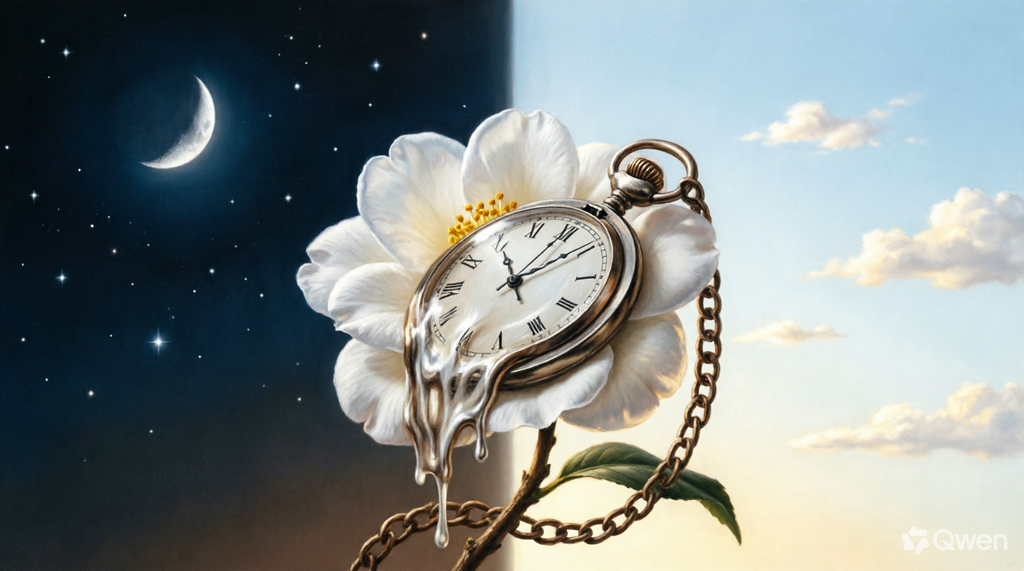
People use opposite metaphors to show contrast, explain abstract ideas, strengthen descriptions, and make writing more memorable. They help readers understand differences between emotions, personalities, choices, relationships, and experiences. In everyday speech, they make explanations vivid; in creative writing, they create mood, tension, symbolism, and emotional depth.
1. To Explain Difficult Ideas
Abstract ideas such as hope, fear, trust, confusion, and freedom can be hard to picture.
A metaphor gives them a shape:
“Trust is a bridge, but suspicion is a broken road.”
The reader can imagine both ideas immediately.
2. To Describe Different Personalities
Opposite metaphors can explain how people behave without using a long list of adjectives.
“Maya is a steady lighthouse, while Ben is a sudden thunderstorm.”
This suggests that Maya is calm and dependable, while Ben is unpredictable or intense.
3. To Make Writing More Interesting
Compare these two sentences:
“The two students had different attitudes.”
“One carried a lantern of hope; the other dragged a suitcase of doubt.”
The second sentence creates a stronger image.
4. To Show Emotional Change
Opposite metaphors are useful when a person or situation changes.
“At first, the project was a seed. After months of work, it became a forest.”
Or:
“His confidence rose like a balloon, then fell like a stone.”
5. To Create Contrast in Speaking
In conversation, a short metaphor can explain a complicated feeling.
“My new job is a breath of fresh air. My old one felt like a locked room.”
6. To Improve School Assignments
Students often use opposite metaphors in:
- Essays
- Poetry
- Character descriptions
- Personal narratives
- Speeches
- Book reports
- Creative writing
- Compare-and-contrast paragraphs
7. To Make Social Media Posts Memorable
A short contrast can communicate a mood quickly:
“Some people bring sunshine. Others teach you how to survive the rain.”
8. To Strengthen Professional Communication
Used carefully, metaphors can explain business ideas:
“Our team needs a compass, not another storm.”
This suggests that the team needs direction rather than more confusion.
Pro Tip: Use opposite metaphors when a simple contrast would benefit from a stronger image. Do not add them to every sentence. One clear metaphor is often more effective than five crowded ones.
60 Opposite Metaphor Examples
The following examples pair contrasting images to express different meanings. Each metaphor includes a simple explanation, a natural sample sentence, guidance on when to use it, and alternatives. Some pairs are direct opposites, while others create contrast through mood, movement, temperature, size, or emotional effect.
1. A Ray of Sunshine vs. A Dark Cloud
Meaning: A ray of sunshine represents happiness or encouragement, while a dark cloud represents sadness, worry, or trouble.
Real explanation: This is one of the easiest opposite metaphor pairs to understand. Sunshine suggests warmth and hope. A dark cloud suggests that something unpleasant may be coming.
Sample sentence: “My sister is a ray of sunshine, but stress has made me feel like a dark cloud.”
When to use: Describing moods, personalities, or emotional changes.
When NOT to use: Avoid calling someone a “dark cloud” if you only mean they are quiet.
Alternatives:
- Brings light / Brings gloom
- A bright spirit / A gloomy presence
- A source of joy / A source of worry
Difficulty: Beginner
Tone: Neutral
2. A Lighthouse vs. A Fog Bank
Meaning: A lighthouse represents guidance and safety; a fog bank represents confusion or uncertainty.
Real explanation: A lighthouse helps people find their way. Fog hides the path. Together, they create a useful contrast between clarity and confusion.
Sample sentence: “Her advice was a lighthouse during a fog bank of problems.”
When to use: Explaining mentors, advice, leadership, or difficult decisions.
When NOT to use: Do not use it when the situation has no connection to guidance or uncertainty.
Alternatives:
- A compass / A maze
- A clear path / A hidden road
- A guiding star / A clouded sky
Difficulty: Beginner
Tone: Neutral
3. Fire vs. Ice
Meaning: Fire represents passion, energy, or anger; ice represents calmness, emotional distance, or coldness.
Real explanation: Fire moves, glows, and produces heat. Ice stays cold and still. Writers often use this pair to describe people with very different emotional styles.
Sample sentence: “Their relationship was fire and ice—one wanted to talk, while the other shut down.”
When to use: Describing emotions, relationships, arguments, or personality differences.
When NOT to use: Avoid using it if both people are simply quiet.
Alternatives:
- Heat / Cold
- Flame / Frost
- Burning passion / Frozen silence
Difficulty: Beginner
Tone: Neutral
4. An Open Door vs. A Locked Gate
Meaning: An open door represents opportunity or welcome; a locked gate represents refusal, limitation, or exclusion.
Real explanation: Doors and gates control access. An open one invites people in, while a locked one keeps them out.
Sample sentence: “Education was an open door for her, while fear felt like a locked gate.”
When to use: Talking about opportunities, relationships, access, or personal growth.
When NOT to use: Do not use it for a situation that has no sense of access or choice.
Alternatives:
- A welcome mat / A brick wall
- A green light / A red light
- An invitation / A barrier
Difficulty: Beginner
Tone: Neutral
5. A Mountain vs. A Valley
Meaning: A mountain represents achievement, strength, or a difficult challenge; a valley represents a low point, weakness, or hardship.
Real explanation: Mountains rise high, while valleys lie low. This pair can describe both physical challenges and emotional experiences.
Sample sentence: “Success was a mountain, but failure became a valley I had to cross.”
When to use: Describing goals, struggles, progress, or life experiences.
When NOT to use: Avoid suggesting that every difficult period is a failure.
Alternatives:
- A peak / A low point
- A summit / A hollow
- A high road / A deep valley
Difficulty: Beginner
Tone: Neutral
6. A Bridge vs. A Wall
Meaning: A bridge represents connection and cooperation; a wall represents separation or conflict.
Real explanation: Bridges bring places together. Walls divide or block them. This is especially useful for describing relationships and communication.
Sample sentence: “Listening became a bridge between them, while anger built a wall.”
When to use: Discussing friendships, communication, peace, or teamwork.
When NOT to use: Avoid using it when separation is helpful or necessary.
Alternatives:
- A link / A barrier
- A handshake / A closed door
- A connection / A divide
Difficulty: Beginner
Tone: Neutral
7. A Seed vs. A Withered Leaf
Meaning: A seed represents potential and new beginnings; a withered leaf represents decline, loss, or the end of a stage.
Real explanation: A seed can grow into something new. A withered leaf suggests that something has passed its strongest point.
Sample sentence: “Her idea was a seed of hope in a garden of withered leaves.”
When to use: Writing about growth, aging, change, or new opportunities.
When NOT to use: Do not use it to judge a person’s worth.
Alternatives:
- A beginning / An ending
- A fresh bud / A fallen leaf
- A spark of life / A fading branch
Difficulty: Beginner
Tone: Neutral
8. A Calm Lake vs. A Raging Sea
Meaning: A calm lake represents peace and stability; a raging sea represents emotional turmoil or disorder.
Real explanation: Still water suggests calmness. Rough water suggests movement, danger, or strong emotion.
Sample sentence: “His face was a calm lake, but his thoughts were a raging sea.”
When to use: Describing hidden feelings, stress, or emotional conflict.
When NOT to use: Avoid using it if the person is genuinely relaxed.
Alternatives:
- Still water / Churning waves
- A quiet pond / A wild ocean
- Peaceful waters / A stormy tide
Difficulty: Beginner
Tone: Neutral
9. A Golden Key vs. A Rusty Lock
Meaning: A golden key represents a solution or opportunity; a rusty lock represents an obstacle or something difficult to access.
Real explanation: A key opens something. A lock keeps something closed. The adjectives add the ideas of value and difficulty.
Sample sentence: “Patience was the golden key to a problem protected by a rusty lock.”
When to use: Describing solutions, learning, or difficult situations.
When NOT to use: Avoid using it when the problem has no clear solution.
Alternatives:
- A solution / A barrier
- A tool / An obstacle
- A key to success / A closed door
Difficulty: Intermediate
Tone: Neutral
10. A Fresh Breeze vs. Stale Air
Meaning: A fresh breeze represents renewal or relief; stale air represents boredom, discomfort, or a lack of change.
Real explanation: Fresh air feels clean and refreshing. Stale air feels trapped and unpleasant.
Sample sentence: “The new manager was a fresh breeze after years of stale air.”
When to use: Describing new ideas, people, places, or changes.
When NOT to use: Avoid using it to criticize someone’s personality without a clear reason.
Alternatives:
- A breath of fresh air / A closed room
- Renewal / Stagnation
- A refreshing change / The same old routine
Difficulty: Beginner
Tone: Neutral
11. A Golden Thread vs. A Broken Chain
Meaning: A golden thread represents connection and continuity; a broken chain represents separation or lost trust.
Real explanation: A thread can connect parts of a story or relationship. A broken chain suggests that the connection no longer holds.
Sample sentence: “Their shared memories were a golden thread through years of broken chains.”
When to use: Describing relationships, family, history, or storytelling.
When NOT to use: Avoid it when the connection is temporary and unimportant.
Alternatives:
- A lasting bond / A broken link
- A connecting line / A severed tie
- A thread of trust / A snapped chain
Difficulty: Intermediate
Tone: Neutral
12. A Springboard vs. An Anchor
Meaning: A springboard represents progress and momentum; an anchor represents something that holds a person back.
Real explanation: A springboard helps someone move forward. An anchor keeps a boat in place.
Sample sentence: “That difficult experience became a springboard instead of an anchor.”
When to use: Discussing personal growth, career changes, or overcoming problems.
When NOT to use: Avoid calling a responsibility an anchor if it is actually valuable support.
Alternatives:
- A launchpad / A weight
- A stepping-stone / A restraint
- A boost / A burden
Difficulty: Intermediate
Tone: Neutral
13. A Garden vs. A Desert
Meaning: A garden represents growth, care, and abundance; a desert represents emptiness, neglect, or loneliness.
Real explanation: Gardens need care and produce life. Deserts are often associated with dryness and limited resources.
Sample sentence: “Kindness turned their friendship into a garden instead of a desert.”
When to use: Describing relationships, creativity, emotional life, or personal development.
When NOT to use: Do not use “desert” to suggest that someone has no value.
Alternatives:
- A blooming field / Barren ground
- A place of growth / A wasteland
- A fertile soil / Dry earth
Difficulty: Beginner
Tone: Neutral
14. A Candle vs. A Blackout
Meaning: A candle represents hope or a small source of guidance; a blackout represents confusion, fear, or a complete lack of clarity.
Real explanation: Even a small light can help in darkness. A blackout removes the usual sources of light.
Sample sentence: “Her kindness was a candle in the blackout of a difficult week.”
When to use: Writing about hope, support, grief, or hard times.
When NOT to use: Avoid it when the situation is only mildly inconvenient.
Alternatives:
- A spark / Total darkness
- A small light / A night without stars
- A glimmer of hope / A dark void
Difficulty: Beginner
Tone: Neutral
15. A Feather vs. A Stone
Meaning: A feather represents lightness or ease; a stone represents heaviness, pressure, or emotional weight.
Real explanation: A feather is light and floats easily. A stone is heavy and difficult to move.
Sample sentence: “The good news lifted my heart like a feather, while the bad news sat on it like a stone.”
When to use: Describing emotions, responsibilities, or difficult thoughts.
When NOT to use: Avoid using it to describe a person as weak or worthless.
Alternatives:
- A light touch / A heavy burden
- Weightless / Burdened
- A floating leaf / A heavy rock
Difficulty: Beginner
Tone: Neutral
16. A Sunrise vs. A Sunset
Meaning: A sunrise represents beginnings and hope; a sunset represents endings, reflection, or closure.
Real explanation: Sunrise begins a new day. Sunset closes it. The contrast is often symbolic rather than negative.
Sample sentence: “Graduation felt like both a sunrise and a sunset—a beginning and an ending.”
When to use: Describing transitions, life stages, or emotional moments.
When NOT to use: Avoid suggesting that every ending is sad.
Alternatives:
- A new dawn / The closing day
- A first page / The final chapter
- A beginning / A farewell
Difficulty: Beginner
Tone: Neutral
17. A Whisper vs. A Roar
Meaning: A whisper represents quietness or subtle influence; a roar represents power, loudness, or strong emotion.
Real explanation: A whisper is soft and difficult to hear. A roar is loud and commanding.
Sample sentence: “Her quiet protest became a roar that changed the room.”
When to use: Describing voices, movements, opinions, or growing influence.
When NOT to use: Avoid using it if the change was not actually significant.
Alternatives:
- A murmur / A thunderclap
- A soft voice / A booming voice
- A quiet signal / A loud declaration
Difficulty: Beginner
Tone: Neutral
18. A Straight Road vs. A Twisted Maze
Meaning: A straight road represents clarity and simplicity; a twisted maze represents confusion or complexity.
Real explanation: A straight road is easy to follow. A maze contains turns and uncertainty.
Sample sentence: “The instructions should have been a straight road, but they became a twisted maze.”
When to use: Describing plans, directions, decisions, or complicated tasks.
When NOT to use: Avoid it if the challenge is useful or enjoyable.
Alternatives:
- A clear path / A tangled route
- A simple plan / A confusing puzzle
- A direct answer / A winding trail
Difficulty: Beginner
Tone: Neutral
19. A Warm Blanket vs. A Cold Shoulder
Meaning: A warm blanket represents comfort and care; a cold shoulder represents rejection or emotional distance.
Real explanation: A blanket provides warmth. Giving someone the “cold shoulder” is an idiom meaning to ignore or reject them.
Sample sentence: “Her welcome felt like a warm blanket after his cold shoulder.”
When to use: Describing support, comfort, rejection, or relationships.
When NOT to use: Avoid mixing the images if the meaning becomes unclear.
Alternatives:
- A safe harbor / A closed door
- A comforting hug / A distant stare
- Warmth / Rejection
Difficulty: Beginner
Tone: Neutral
20. A Clockwork Heart vs. A Wild Drum
Meaning: A clockwork heart represents order and control; a wild drum represents passion, spontaneity, or emotional intensity.
Real explanation: Clockwork suggests precise movement. A drum suggests rhythm and strong feeling.
Sample sentence: “He planned every detail, but she lived with a wild drum in her chest.”
When to use: Describing contrasting personalities or approaches to life.
When NOT to use: Avoid it when you need a simple, direct explanation.
Alternatives:
- A measured pulse / A racing heart
- A careful mind / A restless spirit
- A steady rhythm / A storm of feeling
Difficulty: Advanced
Tone: Creative
21. A Glass Wall vs. An Open Field
Meaning: A glass wall represents an invisible limitation; an open field represents freedom and possibility.
Real explanation: A glass wall may be difficult to see, but it still blocks movement. An open field has room to move.
Sample sentence: “Fear was a glass wall, while courage opened an entire field.”
When to use: Describing invisible barriers, confidence, or freedom.
When NOT to use: Avoid it if the obstacle is obvious and physical.
Alternatives:
- An invisible barrier / Open space
- A hidden limit / A world of choices
- A cage / A horizon
Difficulty: Intermediate
Tone: Neutral
22. A Spark vs. Ashes
Meaning: A spark represents the beginning of energy, interest, or hope; ashes represent what remains after something has ended.
Real explanation: A spark can grow into a fire. Ashes suggest that a fire has already burned.
Sample sentence: “One kind word was a spark in a room full of ashes.”
When to use: Describing new ideas, relationships, or recovery.
When NOT to use: Avoid it when the situation has no sense of beginning or ending.
Alternatives:
- A beginning / The remains
- A flame / Cold embers
- A new idea / A finished dream
Difficulty: Beginner
Tone: Neutral
23. A Clear Bell vs. A Muffled Drum
Meaning: A clear bell represents a message that is easy to understand; a muffled drum represents unclear communication.
Real explanation: A clear bell carries sound. A muffled drum is harder to hear.
Sample sentence: “Her explanation was a clear bell, but his answer was a muffled drum.”
When to use: Discussing communication, instructions, or public speaking.
When NOT to use: Avoid it when the message was clear but simply unpopular.
Alternatives:
- A clear signal / A weak signal
- A sharp message / A blurred message
- A loud truth / A hidden meaning
Difficulty: Intermediate
Tone: Neutral
24. A Rising Tide vs. A Sinking Boat
Meaning: A rising tide represents progress or growing success; a sinking boat represents decline or failure.
Real explanation: A rising tide lifts things. A sinking boat moves downward. The images show opposite directions.
Sample sentence: “The new plan felt like a rising tide after months in a sinking boat.”
When to use: Discussing business, personal progress, or recovery.
When NOT to use: Avoid using “sinking boat” to describe someone who is struggling temporarily.
Alternatives:
- Moving upward / Falling behind
- A lift / A collapse
- A climb / A decline
Difficulty: Beginner
Tone: Neutral
25. A Compass vs. A Blindfold
Meaning: A compass represents direction and purpose; a blindfold represents uncertainty or lack of awareness.
Real explanation: A compass helps someone navigate. A blindfold prevents them from seeing.
Sample sentence: “A clear goal gave me a compass when doubt felt like a blindfold.”
When to use: Describing decisions, goals, leadership, or confusion.
When NOT to use: Avoid it when uncertainty is part of healthy exploration.
Alternatives:
- A guide / A fog
- A map / A mystery
- Direction / Confusion
Difficulty: Beginner
Tone: Neutral
26. A Steel Spine vs. A Paper Backbone
Meaning: A steel spine represents courage and strength; a paper backbone represents weakness or a lack of resolve.
Real explanation: Steel suggests strength. Paper is easily bent or torn. This metaphor focuses on determination.
Sample sentence: “She faced the criticism with a steel spine, not a paper backbone.”
When to use: Describing courage, resilience, or standing up for something.
When NOT to use: Avoid it when someone’s caution is sensible.
Alternatives:
- Strong resolve / Weak resolve
- Courage / Timidity
- Firmness / Fragility
Difficulty: Intermediate
Tone: Neutral
27. A Silver Lining vs. A Bottomless Pit
Meaning: A silver lining represents hope within difficulty; a bottomless pit represents despair or a problem that seems endless.
Real explanation: A silver lining is a hopeful part of a bad situation. A bottomless pit suggests that there is no visible end.
Sample sentence: “The lesson was a silver lining in what first felt like a bottomless pit.”
When to use: Discussing setbacks, grief, or difficult experiences.
When NOT to use: Avoid forcing optimism into someone’s serious pain.
Alternatives:
- A bright side / Endless darkness
- A hopeful corner / A deep hole
- A small blessing / A heavy burden
Difficulty: Beginner
Tone: Neutral
28. A Quiet Harbor vs. A Stormy Strait
Meaning: A quiet harbor represents safety and peace; a stormy strait represents danger, pressure, or difficulty.
Real explanation: A harbor protects boats. A stormy strait is difficult to cross.
Sample sentence: “Her home was a quiet harbor during a stormy strait in my life.”
When to use: Describing relationships, support, or difficult journeys.
When NOT to use: Avoid it when the person provides advice but no emotional support.
Alternatives:
- A safe place / A dangerous passage
- Shelter / Turmoil
- Peaceful waters / Rough seas
Difficulty: Intermediate
Tone: Creative
29. A Full Cup vs. An Empty Cup
Meaning: A full cup represents abundance, energy, or emotional readiness; an empty cup represents exhaustion or lack.
Real explanation: A full cup contains something to give. An empty cup suggests that a person needs to rest or receive support.
Sample sentence: “I cannot keep helping everyone with an empty cup.”
When to use: Talking about energy, self-care, time, or emotional capacity.
When NOT to use: Avoid treating rest as selfishness.
Alternatives:
- Full of energy / Drained
- Overflowing / Depleted
- Ready to give / In need of renewal
Difficulty: Beginner
Tone: Neutral
30. A Bright Window vs. A Sealed Room
Meaning: A bright window represents openness and understanding; a sealed room represents isolation or limited thinking.
Real explanation: A window lets light and air in. A sealed room keeps things contained.
Sample sentence: “Curiosity is a bright window; prejudice is a sealed room.”
When to use: Describing learning, open-mindedness, or isolation.
When NOT to use: Avoid it when privacy is the main idea.
Alternatives:
- An open mind / A closed mind
- A window to the world / A mental cage
- Openness / Isolation
Difficulty: Beginner
Tone: Neutral
31. A Growing Flame vs. A Dying Ember
Meaning: A growing flame represents increasing passion or interest; a dying ember represents fading energy or emotion.
Real explanation: A flame grows when it receives fuel. An ember loses heat as it fades.
Sample sentence: “Her curiosity was a growing flame, while his interest had become a dying ember.”
When to use: Describing motivation, love, creativity, or enthusiasm.
When NOT to use: Avoid it if the feeling has simply changed rather than disappeared.
Alternatives:
- Rising passion / Fading interest
- A burning desire / A cooling heart
- Energy / Decline
Difficulty: Beginner
Tone: Neutral
32. A River of Words vs. A Desert of Silence
Meaning: A river of words represents abundant communication; a desert of silence represents a lack of conversation or expression.
Real explanation: A river keeps moving. A desert is dry and quiet. The pair creates a strong contrast between speech and silence.
Sample sentence: “After weeks of silence, her message arrived like a river of words.”
When to use: Describing conversations, writing, or emotional expression.
When NOT to use: Avoid it when silence is peaceful rather than painful.
Alternatives:
- A flood of speech / Empty silence
- A stream of ideas / A quiet void
- Many words / No response
Difficulty: Intermediate
Tone: Creative
33. A Feathered Nest vs. A Thorny Cage
Meaning: A feathered nest represents comfort and safety; a thorny cage represents a painful or restrictive environment.
Real explanation: A nest protects its young. A cage limits movement, and thorns add pain.
Sample sentence: “The new home felt like a feathered nest, unlike the thorny cage of my old apartment.”
When to use: Describing homes, relationships, or environments.
When NOT to use: Avoid using it to insult someone’s home.
Alternatives:
- A safe haven / A prison
- Comfort / Restriction
- Shelter / Entrapment
Difficulty: Intermediate
Tone: Creative
34. A Gentle Stream vs. A Flood
Meaning: A gentle stream represents calm, steady progress; a flood represents overwhelming emotion, information, or events.
Real explanation: A stream moves steadily. A flood can rise quickly and overwhelm everything around it.
Sample sentence: “The lessons came as a gentle stream, not a flood of information.”
When to use: Describing learning, emotions, communication, or workload.
When NOT to use: Avoid it when the situation is challenging but manageable.
Alternatives:
- A steady flow / An overwhelming rush
- A trickle / A torrent
- Calm progress / Too much at once
Difficulty: Beginner
Tone: Neutral
35. A Strong Oak vs. A Falling Twig
Meaning: A strong oak represents stability and resilience; a falling twig represents fragility or weakness.
Real explanation: An oak tree suggests strength and endurance. A twig is smaller and easier to break.
Sample sentence: “Years of experience made her a strong oak in a forest of falling twigs.”
When to use: Describing resilience, leadership, or reliability.
When NOT to use: Avoid using it to mock someone who needs help.
Alternatives:
- A sturdy tree / A fragile branch
- A pillar / A loose stick
- Strong roots / Weak support
Difficulty: Beginner
Tone: Neutral
36. A Golden Sunrise vs. A Heavy Night
Meaning: A golden sunrise represents hope and renewal; a heavy night represents sadness, fear, or emotional difficulty.
Real explanation: Sunrise brings light. A heavy night suggests darkness that feels difficult to escape.
Sample sentence: “The apology was a golden sunrise after a heavy night.”
When to use: Describing emotional recovery, forgiveness, or new beginnings.
When NOT to use: Avoid implying that recovery must happen quickly.
Alternatives:
- A new dawn / A dark night
- Hope / Despair
- Light returning / Darkness lingering
Difficulty: Beginner
Tone: Creative
37. A Sharp Needle vs. A Soft Pillow
Meaning: A sharp needle represents pain or discomfort; a soft pillow represents comfort and relief.
Real explanation: A needle can hurt. A pillow supports and comforts the body.
Sample sentence: “His words were a sharp needle, but her response was a soft pillow.”
When to use: Describing criticism, kindness, or emotional reactions.
When NOT to use: Avoid it when criticism is necessary and respectful.
Alternatives:
- A painful truth / A comforting word
- A sting / A soothing touch
- Harshness / Gentleness
Difficulty: Beginner
Tone: Neutral
38. A Locked Clock vs. A Rushing Train
Meaning: A locked clock represents stagnation or feeling stuck; a rushing train represents speed, change, or pressure.
Real explanation: A clock measures movement through time. A rushing train suggests that events are moving quickly.
Sample sentence: “During the long wait, time felt like a locked clock, but the deadline became a rushing train.”
When to use: Describing time, deadlines, or emotional experiences.
When NOT to use: Avoid it when the person is simply being patient.
Alternatives:
- Time standing still / Time racing
- Stagnation / Momentum
- A pause / A sprint
Difficulty: Intermediate
Tone: Creative
39. A Clear Mirror vs. A Distorted Lens
Meaning: A clear mirror represents honest self-understanding; a distorted lens represents misunderstanding or a biased view.
Real explanation: A clear mirror reflects accurately. A distorted lens changes how something appears.
Sample sentence: “Good feedback can be a clear mirror, while insecurity becomes a distorted lens.”
When to use: Discussing self-image, criticism, judgment, or perspective.
When NOT to use: Avoid suggesting that every disagreement comes from bias.
Alternatives:
- Honest reflection / A warped view
- Clarity / Confusion
- Truth / Distortion
Difficulty: Intermediate
Tone: Neutral
40. A Wide Horizon vs. A Narrow Tunnel
Meaning: A wide horizon represents possibility and broad thinking; a narrow tunnel represents limited choices or focus.
Real explanation: A horizon gives a broad view. A tunnel restricts what someone can see.
Sample sentence: “Travel gave her a wide horizon after years in a narrow tunnel.”
When to use: Describing learning, perspective, opportunity, or personal growth.
When NOT to use: Avoid it when focused attention is useful.
Alternatives:
- A broad outlook / A limited view
- Open possibilities / Restricted choices
- A larger world / A small frame
Difficulty: Beginner
Tone: Neutral
41. A Soft Landing vs. A Hard Crash
Meaning: A soft landing represents a gentle transition or safe outcome; a hard crash represents failure, shock, or a painful ending.
Real explanation: A soft landing reduces damage. A hard crash suggests a sudden and difficult impact.
Sample sentence: “The mentor helped the new employee make a soft landing instead of a hard crash.”
When to use: Describing transitions, mistakes, or difficult changes.
When NOT to use: Avoid it when the result was only mildly disappointing.
Alternatives:
- A smooth transition / A rough ending
- A safe arrival / A sudden fall
- A gentle change / A painful impact
Difficulty: Beginner
Tone: Neutral
42. A Singing Bird vs. A Silent Cage
Meaning: A singing bird represents freedom and expression; a silent cage represents restriction or suppressed feelings.
Real explanation: A bird can symbolize freedom. A cage can prevent movement and expression.
Sample sentence: “The new classroom made every student feel like a singing bird instead of a silent cage.”
When to use: Describing creativity, freedom, education, or self-expression.
When NOT to use: Avoid it when silence is chosen freely.
Alternatives:
- A free voice / A trapped voice
- Expression / Suppression
- Open wings / Closed bars
Difficulty: Beginner
Tone: Creative
43. A Rising Star vs. A Fading Echo
Meaning: A rising star represents growing success or recognition; a fading echo represents influence or attention that is disappearing.
Real explanation: A rising star becomes more visible. An echo becomes weaker as it moves away.
Sample sentence: “The young artist was a rising star, while the old rumor was only a fading echo.”
When to use: Describing careers, reputations, or changing influence.
When NOT to use: Avoid it when someone is simply taking a break.
Alternatives:
- Growing influence / Fading attention
- A new talent / An old memory
- A bright future / A disappearing voice
Difficulty: Beginner
Tone: Neutral
44. A Full Moon vs. A Moonless Sky
Meaning: A full moon represents visibility or clarity; a moonless sky represents uncertainty, loneliness, or mystery.
Real explanation: A full moon lights the night. A moonless sky leaves the surroundings darker.
Sample sentence: “Her honesty was a full moon in a moonless sky of rumors.”
When to use: Describing truth, mystery, loneliness, or emotional contrast.
When NOT to use: Avoid it if the situation is not mysterious or uncertain.
Alternatives:
- A guiding light / Deep darkness
- Visibility / Uncertainty
- A bright night / A dark sky
Difficulty: Beginner
Tone: Creative
45. A Tidy Desk vs. A Tangled Drawer
Meaning: A tidy desk represents order and clarity; a tangled drawer represents confusion or disorganization.
Real explanation: A tidy desk is easy to work at. A tangled drawer contains things that are difficult to find or use.
Sample sentence: “Her notes were a tidy desk, while mine were a tangled drawer.”
When to use: Describing thoughts, work, organization, or writing.
When NOT to use: Avoid it when a person’s messy style is not causing problems.
Alternatives:
- Clear structure / Disorganized thoughts
- Order / Chaos
- A neat plan / A messy process
Difficulty: Beginner
Tone: Neutral
46. A Golden Bridge vs. A Broken Pier
Meaning: A golden bridge represents a valuable connection or opportunity; a broken pier represents a failed connection or unsafe support.
Real explanation: A bridge helps people cross. A broken pier cannot safely support the same journey.
Sample sentence: “The scholarship was a golden bridge, while the abandoned plan became a broken pier.”
When to use: Describing opportunities, support, or relationships.
When NOT to use: Avoid it when the connection is still repairable.
Alternatives:
- A valuable link / A failed connection
- A path forward / A dead end
- Support / Collapse
Difficulty: Intermediate
Tone: Neutral
47. A Quiet Library vs. A Blaring Alarm
Meaning: A quiet library represents peace and concentration; a blaring alarm represents urgency, noise, or disruption.
Real explanation: Libraries are associated with quiet thought. Alarms demand immediate attention.
Sample sentence: “The office felt like a blaring alarm, so I moved my work to a quiet library.”
When to use: Describing environments, stress, concentration, or urgency.
When NOT to use: Avoid it when noise is useful or necessary.
Alternatives:
- Calm surroundings / Constant interruption
- Peace / Urgency
- Stillness / Noise
Difficulty: Beginner
Tone: Neutral
48. A Strong Magnet vs. A Repelling Force
Meaning: A strong magnet represents attraction or connection; a repelling force represents distance, rejection, or conflict.
Real explanation: Magnets can attract or repel. The pair works well for describing people, ideas, or emotions.
Sample sentence: “Their shared humor was a strong magnet, but their pride became a repelling force.”
When to use: Describing relationships, attraction, teamwork, or conflict.
When NOT to use: Avoid using it when the issue is simply different interests.
Alternatives:
- Attraction / Rejection
- A pull / A push away
- A bond / A divide
Difficulty: Beginner
Tone: Neutral
49. A Fresh Page vs. A Stained Record
Meaning: A fresh page represents a new beginning; a stained record represents past mistakes or a damaged reputation.
Real explanation: A blank page offers a chance to begin. A stained record suggests that past events still affect the present.
Sample sentence: “The apology gave him a fresh page, but the stained record still needed time to heal.”
When to use: Describing forgiveness, new beginnings, or past mistakes.
When NOT to use: Avoid suggesting that people must forget serious harm.
Alternatives:
- A clean slate / A troubled past
- A new chapter / Old mistakes
- A second chance / A damaged history
Difficulty: Beginner
Tone: Neutral
50. A Steady Drumbeat vs. A Broken Rhythm
Meaning: A steady drumbeat represents consistency and progress; a broken rhythm represents interruption or instability.
Real explanation: A steady beat is predictable. A broken rhythm makes movement or performance difficult.
Sample sentence: “Daily practice became a steady drumbeat after months of broken rhythm.”
When to use: Describing habits, teamwork, routines, or progress.
When NOT to use: Avoid it when variety is the goal.
Alternatives:
- Consistency / Instability
- A regular pace / Uneven progress
- A reliable pattern / Disruption
Difficulty: Beginner
Tone: Neutral
51. A Tall Tree vs. A Shallow Root
Meaning: A tall tree represents visible achievement or strength; a shallow root represents weak preparation or limited support.
Real explanation: A tall tree can suggest growth, but strong roots support it. The contrast can show why success needs a foundation.
Sample sentence: “A successful career is a tall tree, but education gives it deep roots—not shallow ones.”
When to use: Discussing success, preparation, or personal development.
When NOT to use: Avoid using it to judge someone’s background.
Alternatives:
- Strong growth / Weak foundations
- A high achievement / Poor preparation
- A sturdy tree / Loose roots
Difficulty: Intermediate
Tone: Neutral
52. A Warm Hearth vs. A Frozen Hearth
Meaning: A warm hearth represents family, comfort, and belonging; a frozen hearth represents emotional distance or a home without warmth.
Real explanation: A hearth is traditionally the center of a home. Warmth suggests care, while freezing suggests a lack of connection.
Sample sentence: “Their kitchen was a warm hearth, but the argument left the house with a frozen hearth.”
When to use: Describing family life, relationships, or emotional atmosphere.
When NOT to use: Avoid it when the home is physically cold but emotionally happy.
Alternatives:
- A welcoming home / A cold home
- Family warmth / Emotional distance
- Comfort / Alienation
Difficulty: Intermediate
Tone: Creative
53. A Clear Spring vs. A Muddy Pool
Meaning: A clear spring represents honesty and clarity; a muddy pool represents confusion, dishonesty, or unclear motives.
Real explanation: Clear water allows people to see through it. Muddy water hides what lies beneath.
Sample sentence: “Her intentions were a clear spring, while his explanation was a muddy pool.”
When to use: Discussing truth, motives, communication, or trust.
When NOT to use: Avoid accusing someone of dishonesty without evidence.
Alternatives:
- Transparency / Confusion
- Clear intentions / Hidden motives
- Honesty / Uncertainty
Difficulty: Beginner
Tone: Neutral
54. A Gentle Hand vs. A Hammer
Meaning: A gentle hand represents care and patience; a hammer represents force, harshness, or aggressive action.
Real explanation: A gentle hand handles things carefully. A hammer strikes with force.
Sample sentence: “Teaching needs a gentle hand, not a hammer.”
When to use: Describing leadership, parenting, education, or conflict resolution.
When NOT to use: Avoid suggesting that firm action is always wrong.
Alternatives:
- Patience / Force
- Kind guidance / Harsh control
- A soft touch / A heavy blow
Difficulty: Beginner
Tone: Neutral
55. A Wide River vs. A Dry Creek
Meaning: A wide river represents abundance and movement; a dry creek represents scarcity, stillness, or lost energy.
Real explanation: A river carries water and continues moving. A dry creek has little or no water.
Sample sentence: “The team’s ideas were a wide river at first, but soon became a dry creek.”
When to use: Describing creativity, communication, resources, or motivation.
When NOT to use: Avoid it when the pause is temporary and healthy.
Alternatives:
- A flow of ideas / A lack of ideas
- Abundance / Scarcity
- A strong current / An empty channel
Difficulty: Beginner
Tone: Neutral
56. A Bright Flag vs. A Faded Signal
Meaning: A bright flag represents a clear message or strong identity; a faded signal represents weak communication or declining attention.
Real explanation: A flag can be seen from a distance. A faded signal is difficult to notice or understand.
Sample sentence: “The campaign needed a bright flag, not a faded signal.”
When to use: Describing branding, communication, identity, or public messages.
When NOT to use: Avoid it when the message is clear but intentionally quiet.
Alternatives:
- A strong message / A weak message
- A clear sign / A blurred signal
- Visibility / Fading attention
Difficulty: Intermediate
Tone: Neutral
57. A Running Engine vs. A Rusted Machine
Meaning: A running engine represents energy and productivity; a rusted machine represents neglect, inactivity, or poor performance.
Real explanation: An engine works when it runs. Rust suggests that a machine has not been maintained.
Sample sentence: “After the training, the department became a running engine instead of a rusted machine.”
When to use: Discussing teams, systems, work, or productivity.
When NOT to use: Avoid using it to describe people as machines in sensitive situations.
Alternatives:
- A productive team / A stalled team
- Momentum / Inactivity
- A working system / A broken system
Difficulty: Beginner
Tone: Neutral
58. A Paper Boat vs. An Iron Ship
Meaning: A paper boat represents fragility or limited strength; an iron ship represents durability and resilience.
Real explanation: Paper can become damaged by water. Iron suggests strength and protection.
Sample sentence: “Their preparation made the project an iron ship rather than a paper boat.”
When to use: Describing planning, resilience, or strength.
When NOT to use: Avoid it when the situation is not about durability.
Alternatives:
- Fragile / Strong
- Easily damaged / Built to last
- A weak structure / A solid foundation
Difficulty: Beginner
Tone: Neutral
59. A Quiet Seed vs. A Loud Firework
Meaning: A quiet seed represents slow, steady growth; a loud firework represents sudden attention or short-lived excitement.
Real explanation: A seed grows slowly. A firework creates a bright display that quickly disappears.
Sample sentence: “Real learning is a quiet seed, not a loud firework.”
When to use: Describing education, success, creativity, or long-term progress.
When NOT to use: Avoid it when short-term excitement is valuable.
Alternatives:
- Slow growth / Sudden excitement
- Lasting progress / Brief attention
- A steady beginning / A quick burst
Difficulty: Intermediate
Tone: Neutral
60. A Safe Harbor vs. A Dangerous Current
Meaning: A safe harbor represents protection and comfort; a dangerous current represents pressure, risk, or circumstances that pull someone away from safety.
Real explanation: A harbor provides shelter. A current can move a person or boat without control.
Sample sentence: “Her friendship was a safe harbor when life became a dangerous current.”
When to use: Describing support, difficult situations, relationships, or emotional safety.
When NOT to use: Avoid it when someone is only offering casual help.
Alternatives:
- A refuge / A threat
- A safe place / A risky situation
- Shelter / Turmoil
Difficulty: Beginner
Tone: Neutra
Real-Life Conversations
Opposite metaphors work best when they sound natural and match the situation. In everyday conversations, people often use one clear image to describe a feeling, relationship, or problem. The following dialogues show how contrasting metaphors can fit naturally into conversations between friends, family members, students, coworkers, and people discussing relationships.
Conversation 1: Friends Discussing a Difficult Week
Mia: You seem quiet today. Everything okay?
Jordan: It’s been a rough week. My mind feels like a raging sea.
Mia: I get that. Mine has been more like a locked clock. I keep thinking about the same problem.
Jordan: At least you have a plan?
Mia: Not yet. But talking to you feels like a lighthouse.
Jordan: Well, I’m glad I can help.
🎯 Lesson: “Raging sea” describes emotional turmoil, while “locked clock” suggests feeling stuck. “Lighthouse” describes guidance and support.
Conversation 2: Family and a New Opportunity
Mom: How did your interview go?
Ava: Better than I expected. The manager was really welcoming.
Mom: That sounds promising.
Ava: Yes. The job feels like an open door after months of searching.
Mom: And what about your old job?
Ava: That place was a locked gate. I could never move forward.
Mom: Then maybe this is your fresh page.
Ava: I hope so.
🎯 Lesson: “Open door” and “locked gate” show opportunity versus restriction. “Fresh page” suggests a new beginning.
Conversation 3: Students Working on a Group Project
Leo: Our project is getting confusing.
Nina: I know. Everyone has a different idea.
Leo: We need a compass, not another maze.
Nina: Good point. Let’s choose one goal first.
Leo: Then we can divide the work.
Nina: Exactly. A clear plan will be our bridge.
🎯 Lesson: “Compass” represents direction, “maze” represents confusion, and “bridge” represents cooperation.
Conversation 4: Office Conversation About Teamwork
Sam: How is the new team doing?
Priya: Much better. We finally have a steady drumbeat.
Sam: What changed?
Priya: We started sharing updates every morning. Before that, our work had a broken rhythm.
Sam: So the process is smoother?
Priya: Yes. It feels like a running engine now.
🎯 Lesson: “Steady drumbeat” describes consistency, while “broken rhythm” describes interruption. “Running engine” suggests productivity.
Conversation 5: A Conversation About Emotional Support
Eli: I’ve been overwhelmed lately.
Nora: Do you want to talk about it?
Eli: I think I need a safe harbor, not another lecture.
Nora: Then you can talk. I’m listening.
Eli: Thanks. I’ve felt like a paper boat in a dangerous current.
Nora: You don’t have to handle everything alone.
🎯 Lesson: “Safe harbor” represents emotional safety. “Paper boat” and “dangerous current” suggest vulnerability and pressure.
Everyday Usage
Opposite metaphors appear in conversation, literature, poetry, social media, schoolwork, and professional communication because they turn abstract ideas into clear images. The best expression depends on the audience and purpose. A simple metaphor may work well in a text message, while a more developed contrast may suit a poem, essay, or speech.
Conversation
People often use opposite metaphors to explain feelings quickly.
Example:
“My morning was sunshine, but my afternoon became a storm.”
This sounds natural because it describes a change in mood without a long explanation.
Writing
In essays and personal narratives, opposite metaphors can make a comparison stronger.
Example:
“For some students, school is a bridge to opportunity. For others, it feels like a wall of pressure.”
The contrast helps the reader understand two different experiences.
Books
Writers use opposite metaphors to develop characters, settings, and themes.
Example:
“The house was a warm hearth by day and a frozen hearth after the argument.”
The image helps show how the emotional atmosphere changes.
Movies
Screenwriters often use short metaphors in dialogue.
Example:
“You’re the lighthouse. I’m the fog.”
This can suggest that one character provides clarity while the other feels confused.
Poetry
Poetry often uses opposite metaphors to explore complex emotions.
Example:
“You were my sunrise,
I was your midnight.”
The contrast creates emotional tension.
Emails
Professional emails should use metaphors carefully. A simple expression can make a message friendly without sounding unprofessional.
Example:
“Thank you for helping us find a clear path through a complicated project.”
This is usually more suitable than an overly dramatic metaphor.
Text Messages
Short metaphors work well in casual messages.
Example:
“Today was a roller coaster. I’m ready for a quiet harbor now.”
Social media captions often use emotional contrasts.
Example:
“Some days are sunshine. Some days are storms. Keep going.”
Facebook posts may use metaphors to reflect on life experiences.
Example:
“Every setback is a valley, but every lesson can become a mountain path.”
X
Short, sharp contrasts are usually more effective.
Example:
“Clarity is a compass. Confusion is a maze.”
Professional posts can use metaphors to explain leadership, teamwork, or growth.
Example:
“A strong team is a bridge, not a wall.”
School Assignments
Students can use opposite metaphors in compare-and-contrast writing.
Example:
“The main character begins as a paper boat but becomes an iron ship after facing challenges.”
Quick Takeaway: Match the metaphor to the audience. A creative image may be perfect for poetry but too dramatic for a formal report.
Writing Tips
The best opposite metaphors are clear, relevant, and consistent with the tone of the writing. Choose images that readers can understand quickly, make sure the contrast supports your main idea, and avoid mixing too many unrelated images. Formal writing usually needs restrained metaphors, while poetry and creative writing allow more imaginative comparisons.
Choose Images That Readers Understand
Common images such as light, darkness, bridges, walls, fire, ice, roads, and storms are easy to understand.
“Her advice was a lighthouse.”
This is clearer than an unusual image that requires a long explanation.
Keep the Contrast Meaningful
The two images should support the same idea.
Clear:
“He was a lighthouse; she was a fog bank.”
Both images relate to guidance and confusion.
Unclear:
“He was a lighthouse; she was a sandwich.”
The contrast does not communicate a clear shared meaning.
Use the Right Level of Formality
| Situation | Better choice |
|---|---|
| Casual conversation | “My day was sunshine and storms.” |
| School essay | “The character moves from darkness toward light.” |
| Business email | “This plan gives us a clear path forward.” |
| Poetry | “A candle trembled inside my endless night.” |
| Social media | “Be someone’s light, not their wall.” |
Speaking vs. Writing
In speech, use metaphors that people can understand immediately.
“I feel stuck in a maze.”
In writing, you can develop the image:
“Every decision led to another turn, and the maze seemed to grow around me.”
British vs. American Usage
Opposite metaphors work in both American English and British English. The main difference is usually vocabulary or spelling, not the metaphor itself.
For example:
- American English: “The project was a fresh start.”
- British English: “The project was a fresh start.”
The expression remains the same.
Children vs. Adults
For children, choose familiar images:
- Sunshine and rain
- Fire and ice
- Open doors and locked doors
- Mountains and valleys
For adults, you can use more abstract images:
- A distorted lens
- A broken rhythm
- A golden thread
- A dangerous current
Professional Communication
Use metaphors to clarify, not decorate.
Good:
“We need a compass before we increase the budget.”
Too dramatic:
“Our company is a sinking ship sailing into a bottomless storm.”
The second expression may sound emotional or alarming in a workplace.
Creative Writing
Creative writing allows you to extend a metaphor across several sentences.
Example:
“At first, her confidence was a small candle. Each success gave it more fuel. By the end of the year, it had become a steady flame.”
The image develops naturally from one sentence to the next.
Pro Tip: If a metaphor takes more time to explain than the original idea, simplify it.
Practice Exercise
Practice helps you turn simple ideas into clear opposite metaphors. Rewrite each sentence using one or more contrasting images. Try to choose metaphors that match the meaning rather than simply adding decorative words. Sample answers are included, but other original answers may also be correct.
Rewrite These Sentences
- She makes everyone feel happy, but he often makes people feel sad.
- The instructions were clear, but the new process was confusing.
- Their friendship brought people together, but the argument separated them.
- He felt hopeful after receiving the news.
- She was calm during the emergency, but I was very nervous.
- The old job held me back, while the new opportunity helped me move forward.
- His explanation was honest, but her answer was unclear.
- The student’s interest grew slowly over time.
- The meeting started peacefully but became stressful.
- The team worked consistently after months of disorganization.
Sample Answers
- “She is a ray of sunshine, but he is a dark cloud.”
- “The instructions were a straight road, but the new process was a twisted maze.”
- “Their friendship was a bridge, but the argument became a wall.”
- “The news was a candle in a dark night.”
- “She was a calm lake, but I was a raging sea.”
- “The old job was an anchor, while the new opportunity was a springboard.”
- “His explanation was a clear spring, but her answer was a muddy pool.”
- “His interest was a quiet seed that grew into a strong tree.”
- “The meeting began as a quiet harbor but became a stormy sea.”
- “The team found a steady drumbeat after months of broken rhythm.”
Practice Tip: Your answer does not need to match the sample exactly. A different metaphor can be correct if it clearly expresses the intended contrast.
Multiple Choice Questions
These questions test whether you can recognize, interpret, and use opposite metaphors correctly. Read each question carefully. The best answer is the one that creates a clear and meaningful contrast.
1. Which pair contains opposite metaphors?
A. A blue chair and a red chair
B. A lighthouse and a fog bank
C. A pencil and a notebook
D. A window and a curtain
2. What does “a bridge” usually represent in an opposite metaphor?
A. Confusion
B. Separation
C. Connection
D. Anger
3. Which metaphor best represents emotional distance?
A. A warm blanket
B. A cold shoulder
C. A golden key
D. A fresh breeze
4. Which pair best shows growth versus decline?
A. A seed and a withered leaf
B. A desk and a chair
C. A cup and a plate
D. A book and a page
5. What does “a twisted maze” suggest?
A. Clear direction
B. Confusion
C. Comfort
D. Success
6. Which sentence uses an opposite metaphor naturally?
A. “She was sunshine, but he was a dark cloud.”
B. “She was sunshine, but he was a sandwich.”
C. “She was a mountain, but he was a mountain.”
D. “She was a door, but he was a door.”
7. What does “a springboard” represent?
A. Something that helps progress
B.Any mething that causes silence
C. mething that blocks movement
D. Something that creates confusion
8. Which pair best represents clarity versus uncertainty?
A. A full cup and an empty cup
B. A clear mirror and a distorted lens
C. A warm hearth and a blanket
D. A tall tree and a mountain
9. What is the main purpose of opposite metaphors?
A. make every sentence longer
B. avoid using adjectives
C. show contrast through vivid images
D. replace all direct explanations
10. Which sentence uses a metaphor appropriately in professional writing?
A. “Our project is a sinking ship of doom.”
B. “We need a compass before we move forward.”
C. “Our manager is a fire-breathing dragon.”
D. “The office is a bottomless pit of chaos.”
Answer Key
| Question | Answer | Explanation |
|---|---|---|
| 1 | B | A lighthouse suggests guidance; a fog bank suggests confusion. |
| 2 | C | A bridge connects people, places, or ideas. |
| 3 | B | “Cold shoulder” suggests rejection or distance. |
| 4 | A | A seed suggests growth; a withered leaf suggests decline. |
| 5 | B | A maze suggests confusion or difficulty finding direction. |
| 6 | A | Sunshine and a dark cloud create a clear emotional contrast. |
| 7 | A | A springboard helps someone move forward. |
| 8 | B | A clear mirror suggests honesty; a distorted lens suggests bias or confusion. |
| 9 | C | Opposite metaphors make contrasts vivid and memorable. |
| 10 | B | It is clear, restrained, and suitable for professional communication. |
Related Terms
Opposite metaphors connect with several other language concepts, including antithesis, simile, analogy, symbolism, and extended metaphor. Understanding the differences helps you choose the right term and use each technique correctly. Some concepts focus on word meaning, while others focus on comparison, contrast, or the development of an image.
| Related term | Meaning | Example | Difference from opposite metaphors |
|---|---|---|---|
| Metaphor | A comparison that says one thing is another | “Her smile was sunshine.” | One metaphor may not contain contrast. |
| Opposite metaphor | Contrasting metaphors used together | “Her smile was sunshine; his silence was winter.” | Focuses on contrast through images. |
| Antonym | A word with the opposite meaning of another word | Hot / Cold | Antonyms are vocabulary pairs, not necessarily metaphors. |
| Antithesis | A direct contrast between ideas or phrases | “One spoke with hope; the other with fear.” | May use literal language instead of images. |
| Simile | A comparison using “like” or “as” | “Her smile was like sunshine.” | Uses explicit comparison words. |
| Analogy | A comparison used to explain or clarify an idea | “Learning a language is like building a bridge.” | Often explains how two things are similar. |
| Symbolism | An object or image represents a deeper idea | A dove symbolizes peace. | Focuses on symbolic meaning, not necessarily contrast. |
| Oxymoron | Contradictory words placed together | “Deafening silence” | Usually combines two conflicting terms in one phrase. |
| Extended metaphor | A metaphor developed over several lines or paragraphs | A relationship described as a journey | Can contain opposite images as part of a longer comparison. |
| Personification | Giving human qualities to nonhuman things | “The wind whispered.” | Focuses on human traits rather than contrast. |
| Imagery | Descriptive language that creates sensory pictures | “The icy wind cut through the room.” | A broad technique that may include metaphors. |
| Contrast | Showing differences between two things | “One was calm; the other was nervous.” | Can be literal, while opposite metaphors use figurative images. |
FAQs:
What are opposite metaphors?
Opposite metaphors are two metaphorical expressions that show contrasting ideas, qualities, or feelings. For example, “a ray of sunshine” suggests happiness, while “a dark cloud” suggests sadness or trouble. They do not always need to be exact opposites. The important point is that the images create a meaningful contrast that helps readers understand the subject.
What is an example of an opposite metaphor?
A simple example is “He is fire, but she is ice.” Fire suggests passion, energy, or anger, while ice suggests calmness, emotional distance, or coldness. Another example is “She is a bridge, but he is a wall,” which contrasts connection with separation. The best example depends on the meaning you want to express.
Are opposite metaphors the same as antonyms?
No. Antonyms are words with opposite meanings, such as “hot” and “cold” or “light” and “dark.” Opposite metaphors use images to communicate contrast. For example, “a warm fireplace” and “a locked room” are not direct antonyms, but they can represent comfort and isolation when used together.
Can opposite metaphors be used in essays?
Yes. Opposite metaphors can make essays more engaging and help explain differences between characters, ideas, or experiences. For example, you might write, “The main character begins in a valley of doubt but climbs toward a mountain of confidence.” Use metaphors sparingly, and make sure each one supports your main argument.
What is the difference between an opposite metaphor and a simile?
A metaphor says one thing is another thing, while a simile compares using “like” or “as.” For example, “Her voice was velvet” is a metaphor. “Her voice was like velvet” is a simile. Both can express contrast, but they use different structures. Opposite metaphors can be written as “Her voice was velvet; his was sandpaper.”
What are common opposite metaphor pairs?
Common pairs include light and darkness, fire and ice, bridges and walls, mountains and valleys, open doors and locked gates, calm lakes and raging seas, seeds and withered leaves, and sunshine and dark clouds. These images are familiar, so readers can understand their meanings quickly. You can also create original pairs that fit your subject.
How do I create my own opposite metaphor?
First, identify the idea you want to describe, such as happiness, confusion, courage, or loneliness. Next, choose an image that represents it. Then choose a contrasting image. For example, if “hope” is a candle, “despair” might be a blackout. Finally, place the images in a sentence and check that the contrast is clear.
Can one metaphor have two opposite meanings?
Yes, depending on context. A storm can represent danger and confusion, but it can also represent energy, change, or renewal. A fire can symbolize passion or destruction. Metaphors are flexible, so the surrounding words help readers understand the intended meaning. Always provide enough context when an image could be interpreted in more than one way.
Are opposite metaphors useful in poetry?
Yes. Poetry often uses contrasting images to express complicated feelings. A poet might describe love as “a warm hearth” and heartbreak as “a frozen room.” The contrast creates mood and emotional depth. Poets can also extend one metaphor throughout a poem, allowing the images to develop as the speaker’s feelings change.
Should I use opposite metaphors in professional communication?
You can, but choose simple and restrained expressions. “We need a clear path forward” or “This process has become a maze” may work well in a meeting. Avoid dramatic images that sound alarming or insulting. In professional writing, the metaphor should clarify the message rather than distract from it.
Final Thoughts:
Opposite metaphors help readers see differences through familiar images. A bridge and a wall a sunrise and a sunset or fire and ice can communicate more than a long explanation when the images match the meaning.
The key is to choose metaphors that are clear, natural, and useful. You do not need complicated language to create a strong contrast. Start with an idea, find an image that represents it and then choose an image that expresses the opposite feeling or quality.
From real-life conversations to school essays and creative writing a well-chosen metaphor can make your words easier to understand and harder to forget. Use these examples as a starting point, then create your own combinations with confidence.
Kiara is a passionate English language writer, vocabulary researcher, and content creator with over 5 years of experience in writing about word meanings, definitions, phrases, expressions, slang, and everyday English. As an experienced writer and researcher, she enjoys turning confusing words and unfamiliar expressions into clear, simple, and easy-to-understand explanations.