

Feeling nervous is easy to understand but describing that feeling in fresh vivid language can be harder.
You might say I was nervous before the interview but sometimes that sentence does not show how the nervousness felt. Was your heart racing? Did your hands shake your stomach twist? Do your thoughts scatter?
That is where nervous metaphors and similes help. They compare nervousness to familiar things such as a trapped bird a storm a drumbeat or a shaking leaf. These comparisons make writing more emotional and easier to picture.
People often search for these expressions because they need better language for stories, poems, school assignments speeches social media posts or everyday conversations. The tricky part is knowing when to use a metaphor and when to use a simile.
This guide, updated for 2026 gives you more than original examples explains what each one means and shows when each expression works best. You will also learn common mistakes real-life usage writing tips and simple ways to create your own nervous metaphors and similes.
Definition & Meaning
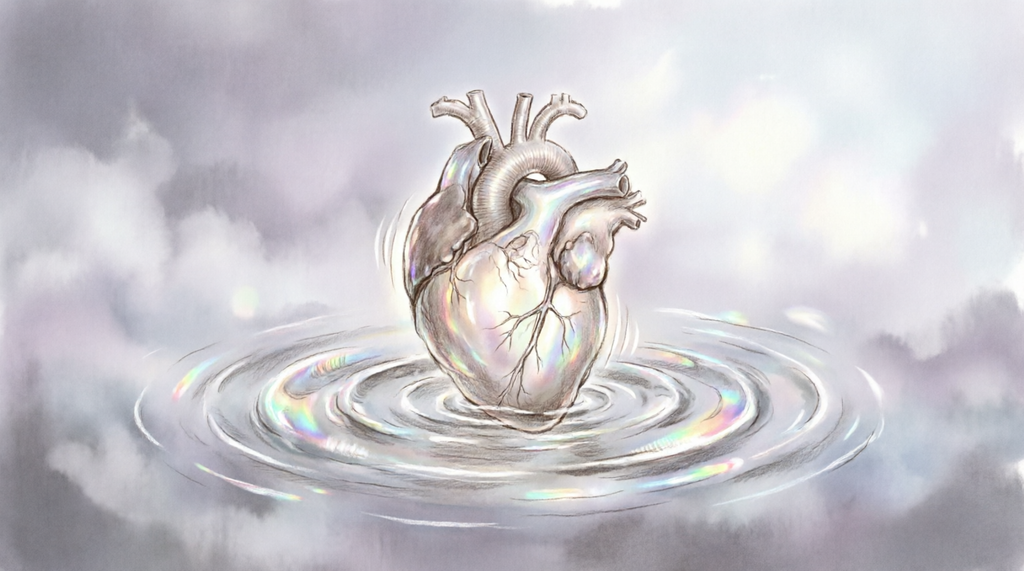
Nervous metaphors and similes are creative comparisons that describe anxiety, fear, worry, or nervous excitement in a vivid way. A metaphor says one thing is another, while a simile usually uses “like” or “as” to make the comparison. Both help readers feel nervousness instead of simply being told about it.
What is a nervous metaphor?
A nervous metaphor describes nervousness by directly comparing it with something else.
For example:
“My stomach was a knot.”
The stomach is not literally a knot. The metaphor shows that nervousness made the person feel tight and uncomfortable.
Another example is:
“Fear was a shadow behind me.”
Fear is compared directly to a shadow.
What is a nervous simile?
A nervous simile compares nervousness to something using words such as like or as.
For example:
“My hands shook like leaves in the wind.”
The hands are not leaves. The simile helps the reader picture their movement.
Another example:
“Her heart raced like a drum.”
The comparison makes her nervous heartbeat easier to imagine.
Metaphor vs. simile at a glance
| Feature | Metaphor | Simile |
|---|---|---|
| Main purpose | Makes a direct comparison | Makes a clear comparison |
| Common words | Is, was, became | Like, as |
| Example | My stomach was a knot. | My stomach twisted like a knot. |
| Style | Often stronger or more poetic | Often clearer and easier for beginners |
| Best for | Creative writing, poetry, strong descriptions | Stories, school writing, conversation |
| Effect | Can feel bold and emotional | Can feel visual and familiar |
Quick rule
If you say something is something else, you probably have a metaphor.
If you say something is like something else, you probably have a simile.
Why We Use Nervous Metaphors and Similes

We use nervous metaphors and similes to turn an invisible feeling into something readers can see, hear, or feel. Instead of simply saying “I was nervous,” a writer can describe a racing engine, shaking leaf, trapped bird, or stormy mind. This makes the emotion more vivid, personal, and memorable.
Practical purpose
Nervousness is an internal feeling. Readers cannot directly see it.
A comparison gives that feeling a visible shape.
Compare:
I was very nervous.
with:
My thoughts were bees trapped inside a jar.
The second sentence gives the reader something to imagine.
Everyday conversation
People sometimes use simple comparisons when talking about nerves:
“My stomach was doing flips.”
“I felt like a deer caught in headlights.”
“My heart was pounding like a drum.”
These expressions are easy to understand because they connect nervousness with familiar experiences.
Writing
Metaphors and similes are especially useful in:
- Short stories
- Novels
- Personal essays
- School assignments
- Speeches
- Poetry
- Character descriptions
- Creative nonfiction
- Journal writing
Speaking
You can also use them in normal conversation, but simple expressions usually sound more natural.
For example:
“I was shaking like crazy before the presentation.”
That sounds more natural in conversation than a highly poetic comparison.
School
Students often use nervous metaphors and similes when describing:
- Giving a speech
- Taking a test
- Meeting someone new
- Performing on stage
- Playing in a big game
- Waiting for results
- Going to an interview
Social media
Short comparisons can make captions more expressive:
“My nerves were doing backflips before the concert.”
Professional communication
In professional writing, use these expressions carefully.
A creative phrase may work in a personal reflection, but a work email usually needs direct language.
Instead of:
“My nerves were a wild storm.”
a professional email might simply say:
“I felt nervous before the presentation.”
Quick Tip: The best metaphor is not always the most complicated one. A simple image that readers understand quickly is often stronger.
Main Section: 60+ Nervous Metaphors and Similes
Below are more than 60 useful ways to describe nervousness. Each example includes its meaning, explanation, sample sentence, appropriate use, alternatives, difficulty, and tone.
1. A Knot in My Stomach
Type: Metaphor
Meaning: A strong feeling of nervousness or worry in your stomach.
Real explanation: Nervousness can make your stomach feel tight, uncomfortable, or tense. Calling it a “knot” creates a simple physical picture.
Sample sentence:
A knot formed in my stomach as I walked toward the stage.
When to use it: Stories, personal writing, speeches, and everyday conversation.
When NOT to use it: Avoid repeating it often in the same piece.
Alternatives:
- My stomach tightened.
- Butterflies filled my stomach.
- My stomach twisted.
Difficulty: Easy
Tone: Neutral
2. Butterflies in My Stomach
Type: Metaphor
Meaning: A fluttery feeling caused by nervousness or excitement.
Real explanation: The expression compares the strange movement in your stomach to butterflies flying around inside it.
Sample sentence:
I had butterflies in my stomach before I knocked on the door.
When to use it: Casual speech, school writing, stories, and personal experiences.
When NOT to use it: It may feel too familiar if you want a highly original literary image.
Alternatives:
- My stomach fluttered.
- I felt nervous inside.
- My stomach was flipping.
Difficulty: Easy
Tone: Informal/Neutral
3. A Shaking Leaf
Type: Simile
Meaning: Someone is trembling because they are nervous or afraid.
Real explanation: Leaves shake easily when wind moves through them. Comparing a nervous person to a leaf emphasizes small, uncontrollable movements.
Sample sentence:
I stood before the audience, shaking like a leaf.
When to use it: Stories, school assignments, and descriptive writing.
When NOT to use it: Avoid it when you want a modern or highly unusual comparison.
Alternatives:
- Trembling like a leaf.
- Shaking like grass in the wind.
- Quivering like a branch.
Difficulty: Easy
Tone: Neutral
4. A Racing Engine
Type: Metaphor
Meaning: A mind or body that feels intensely active because of nervousness.
Real explanation: An engine runs quickly and creates energy. Comparing your mind to an engine shows that your thoughts will not slow down.
Sample sentence:
My brain was a racing engine, producing one worried thought after another.
When to use it: Creative writing and personal essays.
When NOT to use it: It may not fit quiet, gentle nervousness.
Alternatives:
- My mind was speeding.
- My thoughts were racing.
- My brain was running nonstop.
Difficulty: Medium
Tone: Neutral
5. A Trapped Bird
Type: Metaphor
Meaning: A person feels restless, frightened, or desperate to escape.
Real explanation: A trapped bird may flutter and search for a way out. This makes it a useful image for nervous energy.
Sample sentence:
My heart was a trapped bird beating against my ribs.
When to use it: Stories, poetry, emotional scenes, and character descriptions.
When NOT to use it: Avoid it if the nervousness is mild and playful.
Alternatives:
- My heart fluttered.
- I felt trapped by fear.
- My chest felt restless.
Difficulty: Medium
Tone: Literary
6. A Drum in My Chest
Type: Metaphor
Meaning: A rapidly beating heart.
Real explanation: A loud drumbeat can resemble the feeling of a pounding heart. The image makes physical nervousness easy to imagine.
Sample sentence:
A drum pounded inside my chest as I waited for my name.
When to use it: Fiction, poetry, speeches, and emotional writing.
When NOT to use it: Avoid it when you are describing only mental worry without physical symptoms.
Alternatives:
- My heart pounded.
- My heartbeat thundered.
- My chest thumped.
Difficulty: Easy
Tone: Neutral
7. A Storm in My Mind
Type: Metaphor
Meaning: A mind full of confused, worried, or racing thoughts.
Real explanation: Storms are loud, chaotic, and difficult to control. The comparison shows mental confusion.
Sample sentence:
A storm raged in my mind as I waited for the interview.
When to use it: Essays, stories, poetry, and emotional writing.
When NOT to use it: Avoid it for very mild nervousness.
Alternatives:
- My mind was in chaos.
- My thoughts were swirling.
- My head was full of worry.
Difficulty: Easy
Tone: Neutral/Literary
8. A Deer in Headlights
Type: Simile/Idiomatic comparison
Meaning: Someone feels shocked, frozen, or unable to react.
Real explanation: A deer may freeze when caught in bright headlights. The phrase describes someone who becomes unable to act because of fear or nervousness.
Sample sentence:
When the teacher called on me, I looked like a deer in headlights.
When to use it: Casual conversation, stories, humorous writing.
When NOT to use it: Avoid it in very formal professional writing.
Alternatives:
- I froze.
- I stood there helplessly.
- I was completely stunned.
Difficulty: Easy
Tone: Informal
9. A Ticking Clock
Type: Metaphor
Meaning: Growing pressure and nervousness while waiting.
Real explanation: A ticking clock reminds us that time is passing. It works well when nervousness increases as an important moment approaches.
Sample sentence:
The minutes became a ticking clock inside my head.
When to use it: Exams, interviews, competitions, and suspenseful stories.
When NOT to use it: It is less useful when time pressure is not part of the scene.
Alternatives:
- Time was closing in.
- The deadline was approaching.
- The pressure was building.
Difficulty: Medium
Tone: Neutral/Literary
10. A Volcano Ready to Erupt
Type: Metaphor
Meaning: Strong emotions building inside someone.
Real explanation: A volcano holds pressure before an eruption. The comparison shows emotions that are becoming difficult to contain.
Sample sentence:
My nerves felt like a volcano ready to erupt.
When to use it: Intense nervousness, dramatic writing, and emotional scenes.
When NOT to use it: Avoid it for a small worry.
Alternatives:
- Pressure was building.
- My emotions were boiling.
- I felt ready to burst.
Difficulty: Easy
Tone: Dramatic
11. A Wire Pulled Tight
Type: Metaphor
Meaning: Feeling tense, alert, and unable to relax.
Real explanation: A tight wire can snap if too much pressure is placed on it. This makes it a strong image for emotional tension.
Sample sentence:
I felt like a wire pulled tight before the speech.
When to use it: Serious fiction, essays, and tense scenes.
When NOT to use it: It may sound too serious for playful nervousness.
Alternatives:
- I was tense.
- My nerves were stretched thin.
- I felt tightly wound.
Difficulty: Medium
Tone: Literary/Neutral
12. A Cage of Thoughts
Type: Metaphor
Meaning: Feeling trapped by worrying thoughts.
Real explanation: A cage prevents freedom. The image suggests that anxious thoughts are limiting the person’s ability to think clearly.
Sample sentence:
I was locked inside a cage of worried thoughts.
When to use it: Poetry, fiction, personal essays.
When NOT to use it: Avoid it when the nervousness is very brief.
Alternatives:
- My thoughts trapped me.
- I could not escape my worries.
- My mind felt boxed in.
Difficulty: Medium
Tone: Literary
13. A Drumroll Before Bad News
Type: Simile
Meaning: Nervous anticipation before something important happens.
Real explanation: A drumroll often comes before an announcement or reveal. Comparing nervous anticipation to a drumroll creates suspense.
Sample sentence:
My heartbeat sounded like a drumroll before the results were announced.
When to use it: Tests, competitions, interviews, and suspense.
When NOT to use it: Avoid it when there is no upcoming event.
Alternatives:
- My heart was pounding.
- I waited anxiously.
- Suspense filled the room.
Difficulty: Medium
Tone: Neutral
14. A Bird Fluttering in My Chest
Type: Simile
Meaning: A nervous or excited heartbeat.
Real explanation: A fluttering bird creates an image of quick, irregular movement.
Sample sentence:
My heart felt like a bird fluttering inside my chest.
When to use it: Romantic scenes, emotional writing, and stories.
When NOT to use it: It may sound too poetic for business communication.
Alternatives:
- My heart fluttered.
- My heartbeat jumped.
- My chest felt restless.
Difficulty: Medium
Tone: Literary
15. A Loaded Spring
Type: Metaphor
Meaning: A person is tense and ready to react.
Real explanation: A compressed spring stores energy. This makes it a useful comparison for a person holding nervous energy inside.
Sample sentence:
I sat there like a loaded spring, waiting for the interview to begin.
When to use it: Tense scenes and creative descriptions.
When NOT to use it: Avoid it when the person is calm but simply worried.
Alternatives:
- I was tightly wound.
- I was tense.
- I was ready to jump.
Difficulty: Medium
Tone: Literary/Neutral
16. A Swarm of Bees
Type: Metaphor
Meaning: Many nervous thoughts happening at once.
Real explanation: A swarm of bees is noisy and difficult to control. It represents a busy, restless mind.
Sample sentence:
A swarm of anxious thoughts buzzed through my head.
When to use it: Creative writing and descriptions of overthinking.
When NOT to use it: Avoid it if the character has only one simple worry.
Alternatives:
- My thoughts buzzed.
- My mind was noisy.
- Worry filled my head.
Difficulty: Easy
Tone: Neutral/Literary
17. A Tightrope Over Fear
Type: Metaphor
Meaning: Feeling nervous because one mistake could have serious consequences.
Real explanation: Walking on a tightrope requires balance and concentration. It creates a strong image of pressure.
Sample sentence:
Giving the speech felt like walking a tightrope over fear.
When to use it: High-pressure situations.
When NOT to use it: Avoid it for ordinary nervousness.
Alternatives:
- I felt under pressure.
- Every move felt risky.
- I was afraid of making a mistake.
Difficulty: Medium
Tone: Literary
18. Shaking Like a Leaf
Type: Simile
Meaning: Trembling strongly.
Real explanation: This is one of the clearest ways to describe visible nervousness.
Sample sentence:
My hands were shaking like leaves in a storm.
When to use it: Stories and personal writing.
When NOT to use it: Avoid repeating the same comparison too often.
Alternatives:
- Trembling badly.
- Quivering with nerves.
- Shaking uncontrollably.
Difficulty: Easy
Tone: Neutral
19. A Rabbit in a Snare
Type: Metaphor
Meaning: Feeling frightened and trapped.
Real explanation: The image suggests helplessness rather than simple nervous excitement.
Sample sentence:
I felt like a rabbit caught in a snare when everyone turned toward me.
When to use it: Dramatic fiction and serious writing.
When NOT to use it: Avoid it for happy nervousness.
Alternatives:
- I felt trapped.
- I was frightened and helpless.
- I could not move.
Difficulty: Medium
Tone: Dramatic
20. A Frozen River
Type: Metaphor
Meaning: Feeling unable to speak or act because of nervousness.
Real explanation: A frozen river cannot flow freely. The comparison suggests that normal thoughts or words have stopped moving.
Sample sentence:
My words became a frozen river when the interviewer asked the question.
When to use it: Speeches, interviews, presentations, and emotional scenes.
When NOT to use it: Avoid it if the character talks normally despite feeling nervous.
Alternatives:
- My mind went blank.
- I froze.
- The words disappeared.
Difficulty: Medium
Tone: Literary
21. A Storm Behind My Eyes
Type: Metaphor
Meaning: Strong inner worry hidden behind a calm appearance.
Sample sentence:
She smiled politely, but a storm raged behind her eyes.
When to use it: Character descriptions.
When NOT to use it: Avoid if the nervousness is openly visible.
Alternatives:
- Hidden worry.
- Fear behind the smile.
- Anxiety beneath the surface.
Difficulty: Medium
Tone: Literary
22. A Race Against My Own Thoughts
Type: Metaphor
Meaning: Thoughts are moving too quickly to control.
Sample sentence:
My mind became a race against my own thoughts.
When to use it: Overthinking and anxiety.
When NOT to use it: Not ideal for physical shaking alone.
Alternatives:
- My thoughts raced.
- I could not slow my mind.
- My brain was running nonstop.
Difficulty: Medium
Tone: Neutral
23. A Locked Door in My Throat
Type: Metaphor
Meaning: Nervousness makes speaking difficult.
Sample sentence:
A locked door seemed to sit in my throat when I tried to answer.
When to use it: Speeches, introductions, interviews.
When NOT to use it: Avoid it when the character has no trouble speaking.
Alternatives:
- My throat tightened.
- I could barely speak.
- My voice got stuck.
Difficulty: Medium
Tone: Literary
24. A Storm of Butterflies
Type: Metaphor
Meaning: A mixture of nervousness and excitement.
Sample sentence:
A storm of butterflies filled my stomach before the concert.
When to use it: Positive nervousness.
When NOT to use it: Avoid it for severe fear.
Alternatives:
- Excitement filled me.
- My stomach fluttered.
- I felt nervous and thrilled.
Difficulty: Easy
Tone: Playful
25. A Balloon About to Burst
Type: Simile
Meaning: Feeling full of nervous pressure.
Sample sentence:
I felt like a balloon about to burst while waiting for the results.
When to use it: Strong anticipation.
When NOT to use it: Avoid it if the nervousness is quiet.
Alternatives:
- I was under pressure.
- I felt ready to explode.
- Tension was building.
Difficulty: Easy
Tone: Informal
26. A Shadow Following Me
Type: Metaphor
Meaning: Nervousness or fear that stays with someone.
Sample sentence:
Doubt was a shadow following me into the interview room.
When to use it: Long-lasting worry.
When NOT to use it: Avoid it for a sudden five-second scare.
Alternatives:
- Fear followed me.
- Worry stayed with me.
- Anxiety lingered.
Difficulty: Easy
Tone: Literary
27. A Mouse Under a Chair
Type: Simile
Meaning: Feeling small, frightened, and uncomfortable.
Sample sentence:
I felt as nervous as a mouse under a chair.
When to use it: Humorous or gentle descriptions.
When NOT to use it: Avoid it for serious emotional scenes.
Alternatives:
- I felt tiny.
- I wanted to hide.
- I felt timid.
Difficulty: Easy
Tone: Playful
28. A Tornado of Thoughts
Type: Metaphor
Meaning: Thoughts are spinning quickly and chaotically.
Sample sentence:
A tornado of thoughts spun through my mind before I went on stage.
When to use it: Overthinking and intense nervousness.
When NOT to use it: Avoid it for calm nervousness.
Alternatives:
- My thoughts spun.
- My mind was chaotic.
- Worry raced through my head.
Difficulty: Easy
Tone: Dramatic
29. A Prison of Worry
Type: Metaphor
Meaning: Worry feels impossible to escape.
Sample sentence:
Before the exam, my mind became a prison of worry.
When to use it: Serious emotional writing.
When NOT to use it: Too dramatic for a small concern.
Alternatives:
- I felt trapped by worry.
- Anxiety controlled me.
- I could not escape my thoughts.
Difficulty: Medium
Tone: Dramatic
30. A Needle of Fear
Type: Metaphor
Meaning: A sharp, sudden feeling of nervousness or fear.
Sample sentence:
A needle of fear touched my chest when the phone rang.
When to use it: Sudden nervousness.
When NOT to use it: Avoid it for a long period of mild anxiety.
Alternatives:
- A jolt of fear.
- A sharp worry.
- A sudden chill.
Difficulty: Medium
Tone: Literary
31. A Shaky Bridge
Type: Metaphor
Meaning: Feeling uncertain about what will happen next.
Sample sentence:
My confidence felt like a shaky bridge beneath my feet.
When to use it: Uncertainty and self-doubt.
When NOT to use it: Avoid if there is no uncertainty.
Alternatives:
- My confidence was weak.
- I felt unsure.
- I was losing confidence.
Difficulty: Medium
Tone: Literary
32. A Wave of Nerves
Type: Metaphor
Meaning: Nervousness suddenly becomes stronger.
Sample sentence:
A wave of nerves hit me when the microphone was handed over.
When to use it: Sudden nervousness.
When NOT to use it: Avoid if nervousness has remained constant.
Alternatives:
- Nervousness washed over me.
- I suddenly felt anxious.
- Fear rushed over me.
Difficulty: Easy
Tone: Neutral
33. A Cold Hand on My Shoulder
Type: Metaphor
Meaning: A sudden feeling of fear or unease.
Sample sentence:
Doubt felt like a cold hand on my shoulder.
When to use it: Suspense and serious stories.
When NOT to use it: Avoid it for cheerful nervous excitement.
Alternatives:
- A chill ran through me.
- Fear touched me.
- I suddenly felt uneasy.
Difficulty: Medium
Tone: Literary
34. A Broken Compass
Type: Metaphor
Meaning: Feeling unsure about what to do.
Sample sentence:
My nervous mind was a broken compass; I had no idea what to say next.
When to use it: Confusion and uncertainty.
When NOT to use it: Not ideal for physical nervous symptoms.
Alternatives:
- I felt lost.
- I did not know what to do.
- I was unsure.
Difficulty: Medium
Tone: Neutral/Literary
35. A Firework Waiting to Pop
Type: Simile
Meaning: Nervous energy that is difficult to contain.
Sample sentence:
I felt like a firework waiting to pop before the announcement.
When to use it: Exciting nervousness.
When NOT to use it: Avoid it for deep fear.
Alternatives:
- I was bursting with nerves.
- Energy filled me.
- I could hardly sit still.
Difficulty: Easy
Tone: Playful
36. A Cage Around My Chest
Type: Metaphor
Meaning: Feeling emotionally trapped or physically tense.
Sample sentence:
Nervousness built a cage around my chest.
When to use it: Strong emotional descriptions.
When NOT to use it: Avoid for mild nervousness.
Alternatives:
- My chest felt tight.
- I felt trapped.
- My breathing felt tense.
Difficulty: Medium
Tone: Dramatic
37. A Train Without Brakes
Type: Metaphor
Meaning: Thoughts or emotions are moving too quickly to stop.
Sample sentence:
My thoughts were a train without brakes.
When to use it: Racing thoughts and panic-like tension in fictional writing.
When NOT to use it: Avoid it if the character is calm.
Alternatives:
- My thoughts would not stop.
- My mind was speeding.
- I could not slow down.
Difficulty: Easy
Tone: Dramatic
38. A Whisper of Doubt
Type: Metaphor
Meaning: A small but persistent worry.
Sample sentence:
A whisper of doubt followed me toward the stage.
When to use it: Mild nervousness.
When NOT to use it: Not strong enough for intense fear.
Alternatives:
- A small worry.
- A hint of doubt.
- A quiet fear.
Difficulty: Easy
Tone: Literary
39. A Cloud Over My Head
Type: Metaphor
Meaning: A constant feeling of worry.
Sample sentence:
Nervousness hung over me like a dark cloud.
When to use it: Persistent worry.
When NOT to use it: Avoid if nervousness lasts only seconds.
Alternatives:
- Worry hung over me.
- I felt uneasy.
- Anxiety stayed with me.
Difficulty: Easy
Tone: Neutral
40. A Stomach Full of Fireflies
Type: Metaphor
Meaning: A mixture of nervous excitement and anticipation.
Sample sentence:
I had a stomach full of fireflies before my first date.
When to use it: Romantic, youthful, or playful writing.
When NOT to use it: Avoid for serious fear.
Alternatives:
- My stomach fluttered.
- I felt excited and nervous.
- Butterflies filled me.
Difficulty: Medium
Tone: Playful/Literary
41. As Nervous as a Cat in a New House
Type: Simile
Meaning: Very uncomfortable in an unfamiliar situation.
Sample sentence:
I was as nervous as a cat in a new house.
When to use it: New places, new people, unfamiliar situations.
When NOT to use it: Avoid if the situation is familiar.
Alternatives:
- I felt out of place.
- I was uneasy.
- I felt uncomfortable.
Difficulty: Easy
Tone: Playful
42. As Tense as a Bowstring
Type: Simile
Meaning: Extremely tense and ready to react.
Sample sentence:
I was as tense as a bowstring while waiting for the verdict.
When to use it: High-pressure situations.
When NOT to use it: Too dramatic for minor worries.
Alternatives:
- Tightly wound.
- Extremely tense.
- Stretched thin.
Difficulty: Medium
Tone: Literary
43. As Restless as a Caged Bird
Type: Simile
Meaning: Unable to sit still because of nervous energy.
Sample sentence:
I was as restless as a caged bird before the performance.
When to use it: Waiting and anticipation.
When NOT to use it: Avoid if the person is physically still.
Alternatives:
- I could not sit still.
- I was restless.
- Nervous energy filled me.
Difficulty: Easy
Tone: Neutral/Literary
44. As Pale as Paper
Type: Simile
Meaning: Looking very pale because of fear or nervousness.
Sample sentence:
He looked as pale as paper when the principal called his name.
When to use it: Visible physical signs of fear.
When NOT to use it: Avoid if the person shows no change in appearance.
Alternatives:
- He went pale.
- His face lost its color.
- He looked frightened.
Difficulty: Easy
Tone: Neutral
45. As Jumping as a Grasshopper
Type: Simile
Meaning: Unable to sit still because of nervous energy.
Sample sentence:
I was as jumpy as a grasshopper before my audition.
When to use it: Informal and playful writing.
When NOT to use it: Avoid formal writing.
Alternatives:
- I was jumpy.
- I could not sit still.
- I was restless.
Difficulty: Easy
Tone: Informal
46. Like a Clock Counting Down
Type: Simile
Meaning: Feeling increasingly nervous as an important moment approaches.
Sample sentence:
Every minute felt like a clock counting down to my presentation.
When to use it: Tests, interviews, speeches, competitions.
When NOT to use it: Avoid when there is no time pressure.
Alternatives:
- The pressure increased.
- Time was running out.
- The moment was getting closer.
Difficulty: Medium
Tone: Neutral
47. Like a Fish Out of Water
Type: Simile/Idiom
Meaning: Feeling uncomfortable because you are in an unfamiliar situation.
Sample sentence:
At my first networking event, I felt like a fish out of water.
When to use it: New social or professional settings.
When NOT to use it: It describes discomfort more than physical nervousness.
Alternatives:
- I felt out of place.
- I felt uncomfortable.
- I did not know where I belonged.
Difficulty: Easy
Tone: Neutral
48. Like a Phone With Too Many Notifications
Type: Simile
Meaning: A mind overloaded with thoughts and worries.
Sample sentence:
My brain felt like a phone with too many notifications.
When to use it: Modern, casual writing.
When NOT to use it: Avoid in old-fashioned or highly formal literary settings.
Alternatives:
- My mind was overloaded.
- Too many thoughts filled my head.
- My brain would not quiet down.
Difficulty: Easy
Tone: Informal
49. Like a Door That Wouldn’t Open
Type: Simile
Meaning: Being unable to find the words to speak.
Sample sentence:
My voice felt like a door that wouldn’t open.
When to use it: Speeches, interviews, emotional scenes.
When NOT to use it: Avoid if the person is speaking freely.
Alternatives:
- My words got stuck.
- I could not speak.
- My voice failed me.
Difficulty: Medium
Tone: Literary
50. Like Walking on Ice
Type: Simile
Meaning: Feeling nervous because every action seems risky.
Sample sentence:
Talking to the new manager felt like walking on ice.
When to use it: Social tension and uncertainty.
When NOT to use it: Avoid if there is no risk of making a mistake.
Alternatives:
- I felt cautious.
- I was walking carefully.
- I felt unsure.
Difficulty: Easy
Tone: Neutral
51. Like a Rabbit Hearing a Sudden Noise
Type: Simile
Meaning: Becoming instantly alert and nervous.
Sample sentence:
I jumped like a rabbit hearing a sudden noise when the phone rang.
When to use it: Sudden nervous reactions.
When NOT to use it: Avoid for slow-building anxiety.
Alternatives:
- I jumped.
- I startled easily.
- I became instantly alert.
Difficulty: Medium
Tone: Playful
52. Like a Kite in a Strong Wind
Type: Simile
Meaning: Feeling pulled around by powerful emotions.
Sample sentence:
My thoughts were like a kite in a strong wind.
When to use it: Confused or restless emotions.
When NOT to use it: Avoid when the nervousness is calm and controlled.
Alternatives:
- My thoughts were drifting.
- My emotions pulled me around.
- I felt unsettled.
Difficulty: Medium
Tone: Literary
53. Like Standing at the Edge of a Cliff
Type: Simile
Meaning: Feeling nervous before a major decision or event.
Sample sentence:
Waiting for the results felt like standing at the edge of a cliff.
When to use it: Major moments and serious decisions.
When NOT to use it: Too dramatic for a simple classroom question.
Alternatives:
- I felt on edge.
- I was waiting anxiously.
- I felt uncertain.
Difficulty: Easy
Tone: Dramatic
54. Like a Drum Getting Louder
Type: Simile
Meaning: Nervousness is increasing.
Sample sentence:
My heartbeat grew louder like a drum getting closer.
When to use it: Building suspense.
When NOT to use it: Avoid if nervousness does not increase.
Alternatives:
- My heart beat faster.
- My nerves grew.
- The tension increased.
Difficulty: Medium
Tone: Literary
55. Like a Candle Flickering in the Wind
Type: Simile
Meaning: Feeling uncertain or emotionally unstable.
Sample sentence:
My confidence felt like a candle flickering in the wind.
When to use it: Self-doubt and fragile confidence.
When NOT to use it: Avoid if confidence is strong.
Alternatives:
- My confidence was fading.
- I felt unsure.
- My courage wavered.
Difficulty: Medium
Tone: Literary
56. Like a Student Waiting for a Test
Type: Simile
Meaning: Ordinary, relatable nervousness before evaluation.
Sample sentence:
I felt like a student waiting for a test to begin.
When to use it: School stories and simple explanations.
When NOT to use it: It may be too ordinary for serious creative writing.
Alternatives:
- I felt anxious.
- I was worried about the result.
- My nerves were high.
Difficulty: Easy
Tone: Neutral
57. Like a Runner Waiting for the Starting Gun
Type: Simile
Meaning: Nervous anticipation mixed with excitement.
Sample sentence:
I felt like a runner waiting for the starting gun.
When to use it: Sports, performances, competitions, and presentations.
When NOT to use it: Avoid if the person wants the event to stop rather than begin.
Alternatives:
- I was ready but nervous.
- Excitement filled me.
- I waited tensely.
Difficulty: Easy
Tone: Neutral
58. Like a Match Near a Flame
Type: Simile
Meaning: Feeling dangerously close to losing emotional control.
Sample sentence:
I felt like a match near a flame, tense and ready to react.
When to use it: Intense emotional tension.
When NOT to use it: Too dramatic for mild nervousness.
Alternatives:
- I was on edge.
- I felt ready to snap.
- Tension was building.
Difficulty: Medium
Tone: Dramatic
59. Like a Leaf Caught in a Storm
Type: Simile
Meaning: Feeling powerless and overwhelmed.
Sample sentence:
I felt like a leaf caught in a storm when everyone started asking questions.
When to use it: Overwhelming situations.
When NOT to use it: Avoid when the character feels confident.
Alternatives:
- I felt overwhelmed.
- I felt powerless.
- I did not know what to do.
Difficulty: Easy
Tone: Literary
60. Like a Boat in Rough Water
Type: Simile
Meaning: Feeling unstable because of emotional pressure.
Sample sentence:
My confidence rocked like a boat in rough water.
When to use it: Emotional uncertainty and pressure.
When NOT to use it: Avoid if the situation is calm.
Alternatives:
- My confidence wavered.
- I felt unstable.
- I was struggling to stay calm.
Difficulty: Easy
Tone: Neutral/Literary
61. Like a Rabbit in a Garden Full of Dogs
Type: Simile
Meaning: Feeling extremely unsafe or intimidated.
Sample sentence:
I felt like a rabbit in a garden full of dogs when I entered the debate room.
When to use it: Strong intimidation.
When NOT to use it: Avoid for simple shyness.
Alternatives:
- I felt intimidated.
- I felt surrounded.
- I was frightened.
Difficulty: Medium
Tone: Dramatic
62. Like a Glass About to Crack
Type: Simile
Meaning: Feeling emotionally fragile under pressure.
Sample sentence:
I felt like a glass about to crack under all the pressure.
When to use it: Strong emotional tension.
When NOT to use it: Avoid for ordinary excitement.
Alternatives:
- I felt fragile.
- The pressure was overwhelming.
- I was close to breaking down.
Difficulty: Easy
Tone: Dramatic
63. A Mind Full of Alarm Bells
Type: Metaphor
Meaning: A mind constantly warning you that something may go wrong.
Sample sentence:
My mind was full of alarm bells before I opened the email.
When to use it: Worry and anticipation.
When NOT to use it: Avoid if the person has no concern.
Alternatives:
- My mind was warning me.
- I felt uneasy.
- Doubts filled my head.
Difficulty: Easy
Tone: Neutral
64. A Heart on a Roller Coaster
Type: Metaphor
Meaning: Strong changes between excitement, fear, and nervousness.
Sample sentence:
My heart was on a roller coaster as I waited for her answer.
When to use it: Romantic or exciting situations.
When NOT to use it: Avoid for quiet, steady worry.
Alternatives:
- My emotions were up and down.
- My heart raced.
- I felt excited and nervous.
Difficulty: Easy
Tone: Informal/Neutral
65. A Room Full of Static
Type: Metaphor
Meaning: An atmosphere filled with tension.
Sample sentence:
The room felt full of static before the results were announced.
When to use it: Group tension, meetings, interviews, and suspense.
When NOT to use it: Avoid if only one person is nervous.
Alternatives:
- Tension filled the room.
- The room felt tense.
- Everyone seemed uneasy.
Difficulty: Medium
Tone: Literary
66. Nerves Like a Loose Tooth
Type: Simile
Meaning: A small but irritating feeling that you cannot ignore.
Sample sentence:
My nerves felt like a loose tooth I kept touching with my tongue.
When to use it: Mild but persistent nervousness.
When NOT to use it: Avoid for severe fear.
Alternatives:
- A nagging worry.
- A constant unease.
- A small nervous feeling.
Difficulty: Medium
Tone: Informal/Literary
67. A Head Full of What-Ifs
Type: Metaphor
Meaning: Being nervous because you keep imagining bad possibilities.
Sample sentence:
I had a head full of what-ifs before the interview.
When to use it: Overthinking and uncertainty.
When NOT to use it: Avoid if the person is worried about one known problem.
Alternatives:
- I kept imagining the worst.
- My mind was full of doubts.
- I could not stop worrying.
Difficulty: Easy
Tone: Informal/Neutral
68. A Storm Under the Skin
Type: Metaphor
Meaning: Strong nervousness hidden beneath a calm outside appearance.
Sample sentence:
I looked calm, but there was a storm under my skin.
When to use it: Character descriptions and personal writing.
When NOT to use it: Avoid if nervousness is already obvious.
Alternatives:
- I was nervous inside.
- Anxiety churned beneath the surface.
- I hid my fear.
Difficulty: Medium
Tone: Literary
69. A Matchbox of Nerves
Type: Metaphor
Meaning: A small space packed with nervous energy.
Sample sentence:
I felt like a matchbox of nerves before my first performance.
When to use it: Creative writing and playful descriptions.
When NOT to use it: Avoid in formal communication.
Alternatives:
- I was full of nervous energy.
- I was wound up.
- I felt restless.
Difficulty: Medium
Tone: Playful
70. A Wave Waiting to Break
Type: Metaphor
Meaning: Nervous emotions are building and may soon become visible.
Sample sentence:
My fear was a wave waiting to break as I stepped toward the microphone.
When to use it: Dramatic writing.
When NOT to use it: Avoid for minor nervousness.
Alternatives:
- My nerves were building.
- Emotion was rising.
- I was close to losing my calm.
Difficulty: Medium
Tone: Literary
Real-Life Conversations
These examples show how nervous metaphors and similes sound in natural speech. The best expressions depend on the situation, the relationship between speakers, and how serious the moment feels.
Conversation 1: Friends Before a Presentation
Maya: Are you ready to present?
Sam: Absolutely not.
Maya: You practiced all week.
Sam: I know. But my stomach is a knot.
Maya: Mine too. My heart is pounding like a drum.
Sam: What if I forget everything?
Maya: Then look at me. I’ll give you a thumbs-up.
Sam: Thanks. I might need it.
🎯 Lesson: Simple metaphors such as “my stomach is a knot” sound natural in everyday conversation.
Conversation 2: A Student Before an Exam
Liam: Did you sleep last night?
Noah: Barely.
Liam: Same. My head was a storm all night.
Noah: I kept thinking about everything I could get wrong.
Liam: That’s the worst part.
Noah: My brain was like a phone with a hundred notifications.
Liam: That’s exactly how I felt.
🎯 Lesson: Modern comparisons can make nervousness feel relatable and conversational.
Conversation 3: Before a Job Interview
Sara: How are you feeling?
Daniel: Honestly? Like I’m walking on ice.
Sara: Why?
Daniel: I’m scared I’ll say something foolish.
Sara: You won’t. You’ve prepared for this.
Daniel: I hope so. My thoughts are racing.
Sara: Take a breath. You don’t have to be perfect.
🎯 Lesson: “Like walking on ice” works well when nervousness comes from uncertainty.
Conversation 4: First Date
Alex: Why are you smiling like that?
Jordan: I’m nervous.
Alex: Really?
Jordan: Yes. My stomach is full of butterflies.
Alex: That’s kind of cute.
Jordan: Easy for you to say. My heart is on a roller coaster.
Alex: Well, you’re here. That’s what matters.
🎯 Lesson: Metaphors can describe nervous excitement without making the feeling sound negative.
Conversation 5: Before Going on Stage
Teacher: You look nervous.
Student: I am.
Teacher: What are you feeling?
Student: My hands are shaking like leaves.
Teacher: That’s okay.
Student: My mind is also a tornado.
Teacher: Start with the first line. After that, your confidence will grow.
Student: I’ll try.
Teacher: You know your material. Trust yourself.
🎯 Lesson: A physical simile and a mental metaphor can work together to create a fuller description.
Everyday Usage
Nervous metaphors and similes work best when they match the situation and audience. Casual expressions fit conversation and social media, while stronger literary comparisons fit stories and poetry. Professional and academic writing usually benefits from simple, controlled imagery rather than a long list of colorful comparisons.
Conversation
Use short, familiar expressions.
“I had butterflies in my stomach.”
“My heart was pounding.”
“I was shaking like a leaf.”
These sound natural because people already understand them.
Writing
Creative writing gives you more freedom.
“A storm of thoughts moved through her mind.”
The comparison helps readers experience the character’s inner world.
Books
Fiction writers often use metaphors to reveal what a character feels without simply naming the emotion.
Instead of:
Tom was nervous.
A writer might write:
A cage of thoughts closed around Tom.
The second sentence creates atmosphere.
Movies
Screenwriters often have less room for long explanations. Physical action can show nervousness:
Her fingers trembled.
He kept tapping his foot.
She looked like a deer in headlights.
Poetry
Poetry allows more unusual comparisons.
My fear was a small boat
lost on a black sea.
The goal is not simply to say “I am nervous.” The goal is to create an emotional picture.
Emails
Use caution.
A personal email might say:
“I’m a little nervous about tomorrow’s presentation.”
A professional email should usually stay direct:
“I’m looking forward to the presentation, although I feel a little nervous.”
Text messages
Casual expressions work well:
“I’m literally shaking 😂”
“My nerves are going crazy.”
“Butterflies everywhere.”
Short, emotional comparisons can work as captions:
“A thousand butterflies before the big moment.”
A slightly longer personal sentence may work:
“I was nervous before speaking, but once I started, the fear faded.”
X
Short expressions usually work best:
“My brain is a tornado before every presentation.”
Keep the language professional:
“I felt nervous before my first major presentation, but preparation helped.”
Avoid highly dramatic metaphors in most professional posts.
School assignments
Metaphors and similes can improve descriptive writing, but they should support the main idea.
Good:
“My hands shook like leaves as I walked to the front of the classroom.”
Less effective:
“My hands were rockets, storms, volcanoes, birds, and earthquakes.”
Too many comparisons make the writing confusing.
Writing Tips
The strongest nervous metaphor or simile is specific, natural, and suited to the emotion being described. Choose an image that matches the kind of nervousness: butterflies for nervous excitement, a storm for mental chaos, a tightrope for pressure, and a shaking leaf for visible trembling. Avoid piling several unrelated comparisons into one sentence.
Best situations
Use nervous imagery when:
- A character faces a major event.
- You want readers to feel an emotion.
- You need stronger descriptive writing.
- You are writing a personal story.
- You want to show nervousness without saying “nervous.”
Formal vs. informal
Formal:
“I felt tense before the presentation.”
Informal:
“My nerves were going wild.”
Creative:
“A storm gathered inside my chest.”
Match the expression to the setting.
Speaking vs. writing
Conversation usually favors familiar expressions:
“I had butterflies.”
Creative writing can use more original imagery:
“A swarm of tiny worries buzzed behind my eyes.”
American English vs. British English
Most nervous metaphors and similes work in both American and British English.
Expressions such as:
- butterflies in my stomach
- shaking like a leaf
- walking on eggshells
- deer in headlights
are widely understood, although some expressions may vary in popularity by region.
The important difference is often style, not grammar.
Children vs. adults
children, simple images work best:
“My stomach felt like a washing machine.”
older students:
“My thoughts were a storm.”
adult literary writing:
“Doubt tightened around me like a wire.”
Professional communication
In the workplace, clarity usually matters more than creativity.
Good:
“I was nervous before my first presentation.”
Less suitable:
“A volcano of fear exploded inside me before the meeting.”
Save dramatic imagery for personal writing unless the workplace context is intentionally creative.
Creative writing
Try to connect the metaphor to the character.
A musician might experience:
“My fingers were loose wires.”
A swimmer might think:
“Fear pulled me under before I even touched the water.”
A student might feel:
“My exam was a locked door.”
Pro Tip: The strongest metaphor often comes from the character’s own world.
Practice Exercise
Rewrite each plain sentence using a natural metaphor or simile. Try to make the nervousness visible instead of simply naming it.
Questions
- I was nervous before my speech.
- My hands were shaking before the interview.
- She was worried about the exam.
- He could not think clearly.
- I felt nervous before meeting her parents.
- The students were anxious while waiting for the results.
- She could not speak when everyone looked at her.
- He felt uncomfortable at the new office.
- My heart was beating quickly before the race.
- I was very nervous while waiting for the phone call.
Possible answers
- A knot formed in my stomach before my speech.
- My hands shook like leaves in the wind.
- A storm of worry filled her mind.
- My thoughts were a tornado.
- My stomach was full of butterflies.
- They were like runners waiting for the starting gun.
- Her words became a frozen river.
- He felt like a fish out of water.
- My heart pounded like a drum.
- A ticking clock seemed to count down inside my head.
There is no single correct answer. A good metaphor or simile should make the feeling clearer, not simply make the sentence sound fancy.
Multiple Choice Questions
1. Which sentence contains a simile?
A. My stomach was a knot.
B. My mind was a storm.
C. My hands shook like leaves.
D. Fear was my shadow.
Answer: C
2. Which sentence contains a metaphor?
A. My heart raced like a drum.
B. I was as nervous as a cat.
C. My thoughts were a tornado.
D. I felt like a fish out of water.
Answer: C
3. What does “butterflies in my stomach” usually mean?
A. Hunger
B. Nervousness or excitement
C. Anger
D. Sleepiness
Answer: B
4. Which comparison best describes racing thoughts?
A. A frozen river
B. A swarm of bees
C. A quiet lake
D. A sleeping cat
Answer: B
5. Which expression best describes someone who freezes from nervousness?
A. A deer in headlights
B. A storm of butterflies
C. A racing engine
D. A loaded spring
Answer: A
6. Which expression is most suitable for professional writing?
A. My brain exploded into a volcano.
B. I was a nervous tornado.
C. I felt tense before the presentation.
D. My nerves were doing backflips.
Answer: C
7. Which sentence describes growing nervousness?
A. A wave of nerves hit me.
B. I felt completely calm.
C. The room was peaceful.
D. My mind was empty.
Answer: A
8. What does “like walking on ice” suggest?
A. Feeling confident
B. uncertain or cautious
C. sleepy
D. happy
Answer: B
9. Which image best describes fragile confidence?
A. A candle flickering in the wind
B. A racing engine
C. A loud drum
D. A volcano erupting
Answer: A
10. What is the main purpose of a nervous metaphor or simile?
A. To make every sentence longer
B. confuse the reader
C. make nervousness easier to picture
D. avoid using verbs
Answer: C
Answer Key
1-C, 2-C, 3-B, 4-B, 5-A, 6-C, 7-A, 8-B, 9-A, 10-C
Related Terms
Nervousness can overlap with fear, anxiety, excitement, tension, stress, worry, and anticipation, but these words are not always interchangeable. A metaphor or simile should match the exact emotion. For example, butterflies may suggest nervous excitement, while a storm may suggest mental chaos. Choosing the right emotional shade makes your writing more precise.
| Term | Main Meaning | Example |
|---|---|---|
| Nervousness | Uneasy feeling before an event | I was nervous before the speech. |
| Anxiety | Strong or ongoing worry | Anxiety filled her thoughts. |
| Fear | Response to danger or threat | Fear stopped him from moving. |
| Worry | Concern about a possible problem | Worry kept me awake. |
| Excitement | Positive anticipation | Excitement made my heart race. |
| Tension | Mental or emotional strain | Tension filled the room. |
| Stress | Pressure caused by demands | The deadline caused stress. |
| Anticipation | Waiting with strong expectation | Anticipation grew before the announcement. |
| Shyness | Discomfort around social interaction | She felt shy around strangers. |
| Unease | A mild feeling that something is wrong | A sense of unease followed him. |
| Apprehension | Nervous expectation about something unpleasant | He felt apprehension before the meeting. |
| Panic | Sudden, intense fear | Panic spread through the crowd. |
Nervous vs. anxious
Nervous often describes a temporary feeling before something happens.
I was nervous before my interview.
Anxious can describe stronger or longer-lasting worry.
She felt anxious about the future.
The words can overlap, but they do not always carry exactly the same strength or duration.
Nervous vs. excited
The body can react similarly to both emotions.
Your heart may race when you’re:
- Nervous
- Excited
- Afraid
- Thrilled
Context tells the reader which emotion is present.
FAQs:
What is a good metaphor for being nervous?
A good metaphor for nervousness is “My stomach was a knot.” It shows the physical tension people often feel when they are worried. Other useful choices include “My mind was a storm,” “Fear was a shadow,” and “My thoughts were a swarm of bees.” Choose the metaphor based on the kind of nervousness you want to show.
What is a good simile for nervousness?
A simple simile is “I was shaking like a leaf.” It clearly shows physical trembling. Other choices include “My heart raced like a drum,” “I felt like a fish out of water,” and “I was as tense as a bowstring.” A good simile should compare nervousness with something familiar and easy for the reader to picture.
What is a metaphor for being extremely nervous?
For strong nervousness, try “My mind was a tornado” or “A cage closed around my chest.” These images suggest that the emotion feels difficult to control. For a more dramatic style, you can use “My fear was a volcano ready to erupt.” The best choice depends on whether you want to show mental chaos, physical tension, or emotional pressure.
What is a simile for feeling nervous before a speech?
You could say, “I felt like a runner waiting for the starting gun.” This works especially well because a speech has a clear beginning, just like a race. For physical nervousness, “My hands shook like leaves” is effective. For mental nervousness, “My thoughts raced like cars” can show a busy mind.
What is a metaphor for nervous excitement?
“My stomach was full of butterflies” is one of the most familiar metaphors for nervous excitement. You can also use more creative images such as “My heart was on a roller coaster” or “A storm of butterflies filled my stomach.” These expressions work well when someone feels both happy and nervous at the same time.
How do you describe nervousness in creative writing?
Show what nervousness does to the character instead of simply saying the character is nervous. Describe shaking hands, a racing heart, dry speech, restless movement, or scattered thoughts. Then add one strong comparison. For example: “My thoughts were a swarm of bees, buzzing too loudly for me to hear my own answer.”
What is the difference between a nervous metaphor and a nervous simile?
A metaphor makes a direct comparison: “My mind was a storm.” A simile usually uses “like” or “as”: “My mind was like a storm.” Both describe the same feeling, but the metaphor can sound more direct, while the simile makes the comparison especially clear.
Can I use nervous metaphors in academic writing?
Yes, but use them carefully. Academic writing usually values clarity over dramatic imagery. A personal essay may benefit from a sentence such as “My hands shook like leaves before the presentation.” A research paper, however, would normally say “Participants reported feeling nervous before the presentation.” Always match the language to the purpose.
What is the best metaphor for anxiety and overthinking?
A strong choice is “My head was full of what-ifs.” It captures the habit of imagining many possible problems. Another useful metaphor is “A swarm of bees buzzed through my mind.” Both images suggest mental activity that is difficult to quiet. Choose the first for uncertainty and the second for mental noise.
How can I create my own nervous metaphors?
Start with the exact nervous feeling you want to show. Is it trembling, racing thoughts, pressure, uncertainty, excitement, or fear? Then think of something that behaves in a similar way. Racing thoughts might become a train, while fragile confidence might become a flickering candle. The closer the connection, the stronger the metaphor.
Final Thoughts:
Nervousness can look different from person to person. One person may feel butterflies in their stomach. Another may feel as tense as a bowstring. Someone else may have a mind full of racing thoughts.
That is why there is no single best nervous metaphor or simile. The right expression depends on the emotion you want the reader to feel.
For simple writing choose familiar images such as butterflies shaking leaves pounding drums and storms. For creative writing build a comparison around the character, setting, or situation
Most of all, don’t use a metaphor just to make your writing sound clever. Use it because it helps the reader see the nervousness feel it and understand it.
Mira is an experienced writer, language enthusiast, and dedicated content creator with over 5 years of experience in creating clear, engaging, and easy-to-understand content for online readers. As a passionate author at Definzo, she focuses on explaining words, phrases, meanings, expressions, and everyday language in a simple and reader-friendly way.