
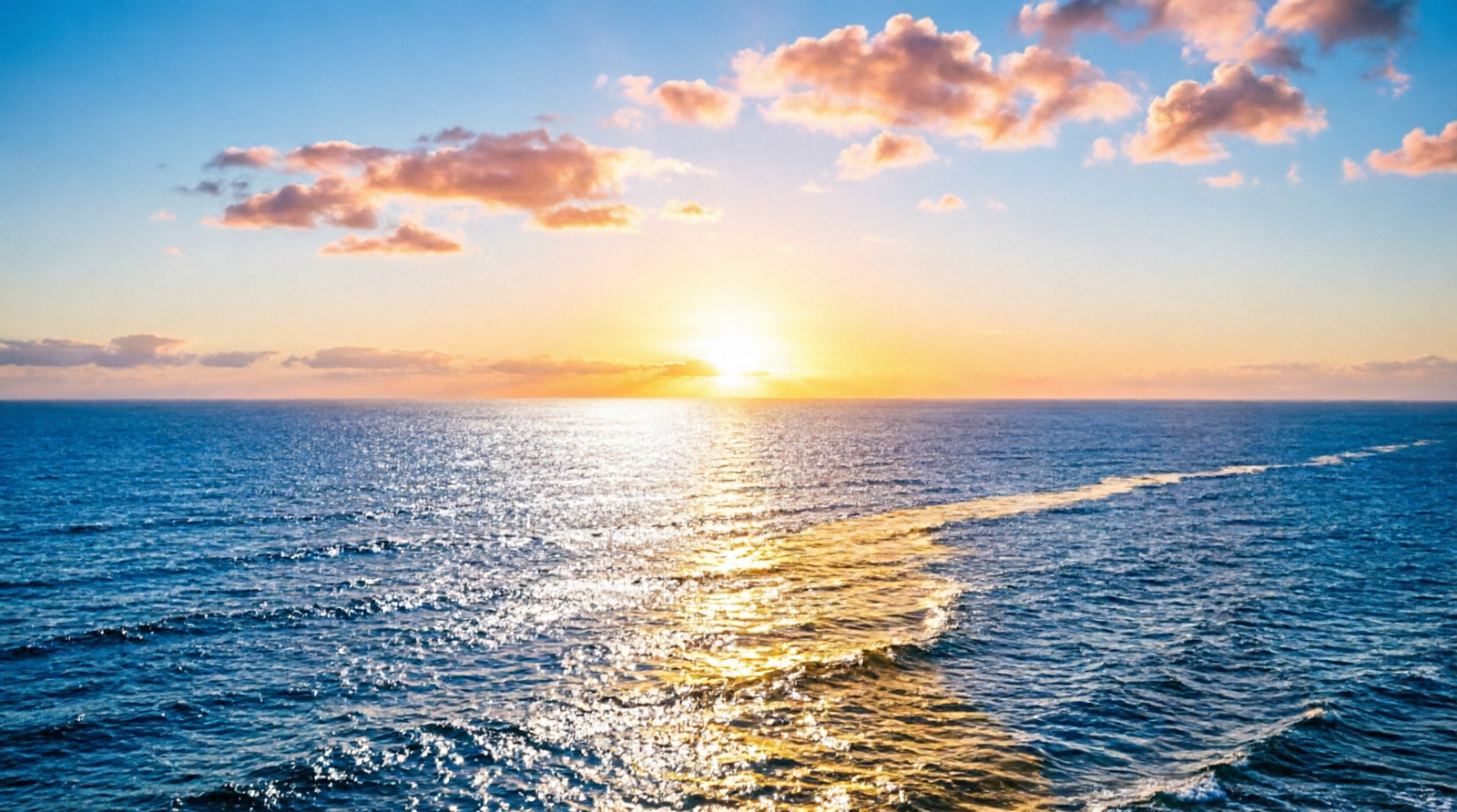
The ocean is hard to describe with plain words. You can call it blue deep wide or rough but those words only tell part of the story. The sea can feel calm one minute and wild the next. It can look peaceful from the shore while hiding a huge world underneath.
That is why writers often use metaphors for the ocean. A metaphor compares the ocean to something else without using like or as. Instead of saying The ocean is very powerful you might write The ocean is a sleeping giant. The comparison gives the reader a picture and a feeling at the same time.
People search for ocean metaphors when they are writing poems, stories, essays social media captions speeches or creative descriptions. They may also want a fresh way to describe the sea without repeating the same basic words.
This 2026 guide gives you more than 60 original-style ocean metaphors, explains what each one means and shows how to use them naturally. You’ll find gentle, powerful mysterious emotional romantic dark and imaginative choices.
Definition & Meaning
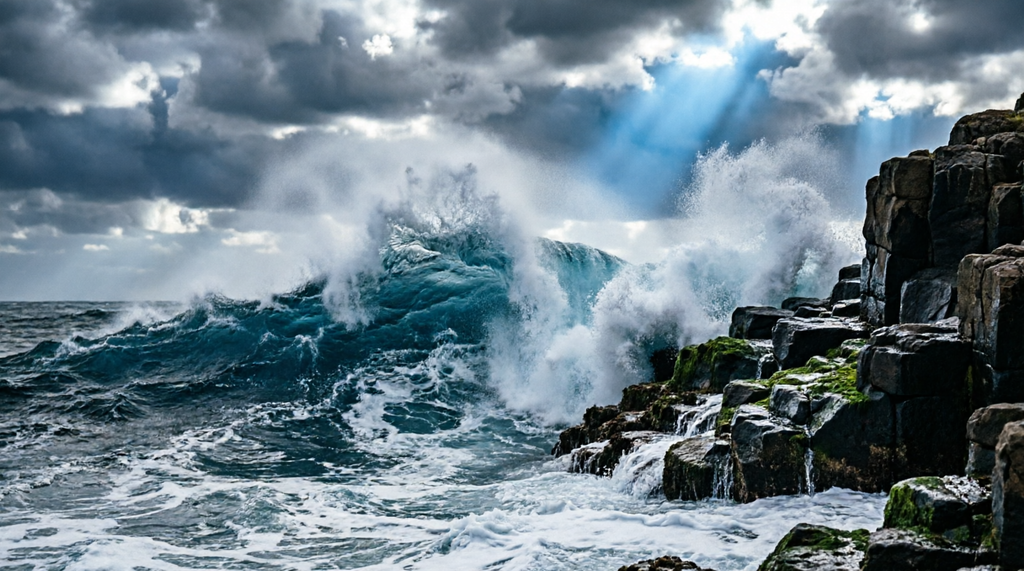
Metaphors for the ocean are creative comparisons that describe the sea as something else to show its appearance, power, mood, depth, or emotional meaning. For example, “The ocean is a mirror” suggests calm, reflective water, while “The ocean is a restless beast” suggests movement and power.
A metaphor does not say that the ocean is literally a mirror, beast, road, or giant. It gives the reader a mental picture.
Compare these two sentences:
- Plain: The ocean was very rough.
- Metaphor: The ocean was a wild beast.
The second sentence gives the reader more than information. It creates a feeling.
What can an ocean metaphor describe?
You can use metaphors to describe:
- The ocean’s color
- Its depth
- Its size
- Its movement
- Its sound
- Its beauty
- Its danger
- Its mystery
- Its calmness
- Its power
- Its freedom
- Its sadness
- Its romantic feeling
- Its connection to life and nature
Quick Summary Table
| Type of ocean metaphor | What it can show | Example |
|---|---|---|
| Beauty | Visual appeal | The ocean is a sapphire blanket. |
| Power | Strength | The ocean is a roaring giant. |
| Calm | Peace | The ocean is a sleeping mirror. |
| Mystery | Unknown depth | The ocean is a locked book. |
| Movement | Constant motion | The ocean is a dancing giant. |
| Emotion | Feelings | The ocean is a lonely heart. |
| Danger | Fear or threat | The ocean is a hungry beast. |
| Freedom | Openness | The ocean is an open door. |
| Depth | Vastness | The ocean is an endless well. |
| Change | Shifting moods | The ocean is a changing face. |
Why We Use Metaphors for the Ocean
We use ocean metaphors because the sea has many qualities that are difficult to capture with literal language. A good metaphor turns those qualities into a clear image, emotion, or idea. It helps readers imagine the ocean instead of simply being told what it looks like or how it behaves.
Ocean metaphors are useful because the sea can represent many different ideas.
In everyday speech
People sometimes use ocean-related metaphors when talking about feelings or large amounts of something.
For example:
“I felt like I was drowning in work.”
The person is not literally underwater. The metaphor shows that the amount of work feels overwhelming.
In creative writing
Writers use ocean metaphors to make descriptions stronger.
Instead of:
The waves moved toward the beach.
You could write:
The waves were white horses racing toward shore.
The second version creates movement and energy.
In poetry
Poetry often uses the ocean as a symbol of:
- Freedom
- Loneliness
- Love
- Change
- Memory
- Fear
- Hope
- Adventure
- Death
- Discovery
In school assignments
A student might write:
The ocean is Earth’s blue heart.
This creates a simple image while suggesting that the ocean is central to life.
On social media
Short metaphors work especially well in captions:
“The ocean is my reset button.”
“Lost in the blue.”
“The sea is a home without walls.”
In professional communication
Metaphors can also help explain complex ideas.
For example:
“The project became an ocean of small details.”
This tells the reader that there were many details to manage.
Quick tip: Choose a metaphor based on the feeling you want the reader to have. Don’t choose a beautiful metaphor if the scene is supposed to feel frightening.
Main Section: 60+ Metaphors for the Ocean
The best ocean metaphor depends on the mood and purpose of your writing. A calm scene may need an image such as a mirror or sleeping giant, while a storm scene may work better with a beast or battlefield. Below are more than 60 choices, with meanings, examples, usage notes, alternatives, difficulty levels, and tones.
1. The Ocean Is a Sleeping Giant
Meaning: The ocean is calm but contains enormous power.
Real explanation: A giant that is asleep appears peaceful, but you know it could become powerful if it wakes. This metaphor works well when the sea looks calm before a storm.
Sample sentence:
The ocean was a sleeping giant beneath the quiet morning sky.
When to use it: Calm scenes with hidden power.
When NOT to use it: Avoid it when you only want to describe beauty without danger or strength.
Alternatives:
- A silent giant
- A resting giant
- A quiet force
Difficulty: Easy
Tone: Neutral
2. The Ocean Is a Mirror
Meaning: The water is smooth and reflective.
Real explanation: A calm ocean can reflect the sky almost like glass. This metaphor creates a peaceful image and works especially well in descriptions of early mornings or quiet evenings.
Sample sentence:
At dawn, the ocean became a mirror for the pale sky.
When to use it: Calm water, sunrise, sunset, reflection.
When NOT to use it: Don’t use it for rough or stormy seas.
Alternatives:
- A glass sheet
- A silver mirror
- A polished surface
Difficulty: Easy
Tone: Neutral
3. The Ocean Is a Restless Beast
Meaning: The sea is constantly moving and difficult to control.
Real explanation: This metaphor gives the ocean a wild personality. It is useful when waves crash, winds rise, or the sea refuses to become still.
Sample sentence:
The restless beast slammed its waves against the cliffs.
When to use it: Storms, rough seas, strong waves.
When NOT to use it: Avoid it for gentle beach scenes.
Alternatives:
- A wild animal
- A raging beast
- A roaming creature
Difficulty: Easy
Tone: Dramatic
4. The Ocean Is a Bottomless Well
Meaning: The ocean seems impossibly deep.
Real explanation: A well suggests depth and mystery. Calling the ocean a bottomless well emphasizes how much remains hidden beneath the surface.
Sample sentence:
The ocean looked like a bottomless well beneath the boat.
When to use it: Writing about depth or mystery.
When NOT to use it: Don’t use it if the focus is only on the surface.
Alternatives:
- An endless pit
- A deep vault
- A bottomless chamber
Difficulty: Easy
Tone: Mysterious
5. The Ocean Is a Blue Blanket
Meaning: The ocean covers a huge area like a blanket.
Real explanation: This is a simple metaphor that works well for children and beginner writers. It focuses on the ocean’s broad blue surface.
Sample sentence:
The blue blanket stretched beyond the horizon.
When to use it: Simple descriptions and children’s writing.
When NOT to use it: Avoid it if you need a dark, serious, or highly dramatic image.
Alternatives:
- A blue sheet
- A blue cover
- A watery blanket
Difficulty: Easy
Tone: Gentle
6. The Ocean Is a Giant
Meaning: The sea is enormous and powerful.
Real explanation: This metaphor focuses on size and strength. It is one of the easiest metaphors for younger students to understand.
Sample sentence:
The ocean was a giant guarding the distant shore.
When to use it: Size, strength, power.
When NOT to use it: Don’t use it when you need a delicate image.
Alternatives:
- A giant force
- A massive creature
- A towering power
Difficulty: Easy
Tone: Strong
7. The Ocean Is a Highway
Meaning: The sea is a route used for travel.
Real explanation: Ships move across the ocean the way cars move along highways. This metaphor works especially well when writing about sailors, trade, travel, or exploration.
Sample sentence:
For the sailors, the ocean was a highway to distant lands.
When to use it: Travel and exploration.
When NOT to use it: Avoid it when the focus is peaceful nature.
Alternatives:
- A watery road
- A global route
- A sea road
Difficulty: Easy
Tone: Neutral
8. The Ocean Is a Door
Meaning: The ocean leads to new places or experiences.
Real explanation: A door represents an entrance to somewhere unknown. This metaphor makes the sea feel like an opportunity for adventure.
Sample sentence:
The ocean was a door, and beyond it waited another world.
When to use it: Adventure, discovery, new beginnings.
When NOT to use it: Avoid it when describing a threatening sea.
Alternatives:
- A gateway
- An entrance
- A passage
Difficulty: Easy
Tone: Hopeful
9. The Ocean Is a Book
Meaning: The sea contains stories, secrets, and things waiting to be discovered.
Real explanation: Books hold information that readers uncover page by page. The ocean works the same way metaphorically because its depths contain hidden life and unknown places.
Sample sentence:
The ocean was a book whose deepest pages had never been read.
When to use it: Discovery, science, mystery, exploration.
When NOT to use it: Avoid it if you need a very simple physical description.
Alternatives:
- A hidden story
- A secret archive
- An unwritten book
Difficulty: Medium
Tone: Thoughtful
10. The Ocean Is a Giant Heart
Meaning: The ocean is central to life and full of movement.
Real explanation: A heart pumps continuously. This metaphor connects the constant motion of the sea with the rhythm of life.
Sample sentence:
The ocean was the giant heart of the planet, always moving, always alive.
When to use it: Nature writing and environmental themes.
When NOT to use it: Avoid it in highly technical writing.
Alternatives:
- Earth’s heartbeat
- A living heart
- The planet’s pulse
Difficulty: Medium
Tone: Emotional
11. The Ocean Is a Wild Horse
Meaning: The ocean is free, energetic, and difficult to control.
Real explanation: A wild horse represents movement and freedom. This metaphor is especially useful when waves run across the surface or break against the shore.
Sample sentence:
The ocean was a wild horse running beneath the moon.
When to use it: Freedom, movement, energy.
When NOT to use it: Avoid it when the sea is perfectly still.
Alternatives:
- A free horse
- A racing horse
- A runaway horse
Difficulty: Medium
Tone: Poetic
12. The Ocean Is a Battlefield
Meaning: The sea is a place of conflict, struggle, or violent movement.
Real explanation: Waves can crash into rocks with force, making the shoreline seem like a place where two powers meet.
Sample sentence:
The storm turned the ocean into a battlefield of wind and waves.
When to use it: Storms, conflict, dramatic scenes.
When NOT to use it: Avoid it for peaceful vacation writing.
Alternatives:
- A war zone
- A field of conflict
- A clash of forces
Difficulty: Medium
Tone: Dramatic
13. The Ocean Is a Sleeping Dragon
Meaning: The ocean appears calm but has dangerous power underneath.
Real explanation: Dragons symbolize strength, mystery, and danger. The metaphor works especially well before a storm or when a calm sea suddenly changes.
Sample sentence:
The ocean rested like a sleeping dragon beneath the gray clouds.
When to use it: Fantasy, storms, hidden danger.
When NOT to use it: Avoid it in realistic professional writing.
Alternatives:
- A sleeping monster
- A hidden dragon
- A silent giant
Difficulty: Medium
Tone: Dramatic
14. The Ocean Is a Dancing Giant
Meaning: The waves move constantly and energetically.
Real explanation: Calling the sea a dancer makes its movement feel lively rather than threatening.
Sample sentence:
The ocean was a dancing giant beneath the golden sunset.
When to use it: Waves, sunsets, joyful scenes.
When NOT to use it: Avoid it for scenes of serious danger.
Alternatives:
- A moving giant
- A dancing creature
- A restless dancer
Difficulty: Easy
Tone: Joyful
15. The Ocean Is a Blue Desert
Meaning: The ocean is vast, open, and seemingly endless.
Real explanation: A desert is a huge landscape with a strong sense of distance. Calling the ocean a blue desert highlights its emptiness and scale.
Sample sentence:
The boat crossed the blue desert with no land in sight.
When to use it: Long voyages and isolation.
When NOT to use it: Avoid it when many boats or people fill the scene.
Alternatives:
- A watery desert
- A blue wilderness
- An endless expanse
Difficulty: Medium
Tone: Reflective
16. The Ocean Is a Canvas
Meaning: The ocean provides a changing surface for light, color, clouds, and waves.
Real explanation: Artists use canvases to create pictures. The sea can seem to paint itself differently throughout the day.
Sample sentence:
The sunset turned the ocean into a canvas of gold and pink.
When to use it: Artistic descriptions.
When NOT to use it: Avoid it when the sea is the focus of danger.
Alternatives:
- A painting
- A living canvas
- A moving artwork
Difficulty: Easy
Tone: Creative
17. The Ocean Is a Song
Meaning: The sound of waves feels musical.
Real explanation: Waves create repeating sounds as they move and break. Calling the ocean a song focuses on sound and rhythm.
Sample sentence:
The ocean was a soft song playing outside my window.
When to use it: Relaxing scenes, poetry, bedtime writing.
When NOT to use it: Avoid it for extremely violent waves.
Alternatives:
- A melody
- A lullaby
- A natural symphony
Difficulty: Easy
Tone: Peaceful
18. The Ocean Is a Lullaby
Meaning: The sound and movement of the sea are calming.
Real explanation: A lullaby is meant to soothe someone. This metaphor works well when describing the repetitive sound of gentle waves.
Sample sentence:
The waves sang a lullaby against the shore.
When to use it: Sleep, peace, comfort.
When NOT to use it: Not suitable for storms.
Alternatives:
- A soothing song
- A quiet melody
- A bedtime song
Difficulty: Easy
Tone: Gentle
19. The Ocean Is a Thief
Meaning: The sea takes things away.
Real explanation: The ocean can carry away sand, objects, ships, or even memories in a symbolic sense. This metaphor can create a feeling of loss.
Sample sentence:
The ocean was a thief, slowly stealing the beach from the village.
When to use it: Loss, erosion, sadness.
When NOT to use it: Avoid it when writing a cheerful beach caption.
Alternatives:
- A silent thief
- A taker
- A quiet robber
Difficulty: Medium
Tone: Dark
20. The Ocean Is a Mother
Meaning: The sea gives life, shelter, and nourishment.
Real explanation: The ocean supports countless forms of life. Calling it a mother emphasizes care, creation, and dependence.
Sample sentence:
The ocean was a mother feeding millions of creatures.
When to use it: Environmental and emotional writing.
When NOT to use it: Avoid it if your subject is specifically the ocean’s destructive side.
Alternatives:
- A life-giver
- A nurturing force
- A living parent
Difficulty: Medium
Tone: Emotional
21. The Ocean Is a Mirror of the Sky
Meaning: The water reflects the sky.
Real explanation: This metaphor combines the ocean and sky into one visual scene.
Sample sentence:
The ocean became a mirror of the sky as clouds drifted overhead.
When to use it: Calm water and visual writing.
When NOT to use it: Avoid it when waves destroy the reflection.
Alternatives:
- A sky mirror
- A watery reflection
- A second sky
Difficulty: Easy
Tone: Peaceful
22. The Ocean Is an Endless Road
Meaning: The sea stretches far into the distance and provides a path for travel.
Real explanation: Roads lead travelers from one place to another. The ocean can play the same role for ships.
Sample sentence:
Before us lay an endless road of blue.
When to use it: Journeys and adventure.
When NOT to use it: Avoid it when the ocean is being described only as scenery.
Alternatives:
- A watery road
- An open route
- A sea path
Difficulty: Easy
Tone: Adventurous
23. The Ocean Is a Secret Keeper
Meaning: The ocean holds hidden things and untold stories.
Real explanation: The sea contains deep places humans cannot easily see. The metaphor gives the ocean a mysterious personality.
Sample sentence:
The ocean was a secret keeper that refused to reveal its deepest stories.
When to use it: Mystery and reflective writing.
When NOT to use it: Avoid it in simple factual writing.
Alternatives:
- A keeper of secrets
- A silent witness
- A hidden archive
Difficulty: Medium
Tone: Mysterious
24. The Ocean Is a Treasure Chest
Meaning: The sea contains valuable and beautiful things.
Real explanation: A treasure chest suggests hidden riches. It can refer to coral reefs, marine life, pearls, shipwrecks, or unknown discoveries.
Sample sentence:
Beneath the waves, the ocean was a treasure chest of life.
When to use it: Marine life and discovery.
When NOT to use it: Avoid it if the scene is about pollution or destruction.
Alternatives:
- A treasure house
- A hidden vault
- A chest of wonders
Difficulty: Easy
Tone: Wonder-filled
25. The Ocean Is a Prison
Meaning: The sea can make someone feel trapped, isolated, or unable to escape.
Real explanation: This metaphor works especially well in stories about sailors, shipwrecks, loneliness, or fear.
Sample sentence:
After the storm, the ocean felt like a prison with no walls.
When to use it: Isolation, fear, survival stories.
When NOT to use it: Avoid it in positive travel writing.
Alternatives:
- A wall-less prison
- A watery cage
- A vast cage
Difficulty: Medium
Tone: Dark
26. The Ocean Is a Giant Mouth
Meaning: The ocean seems capable of swallowing things.
Real explanation: Large waves can cover boats, rocks, and shorelines. The metaphor gives the sea an intimidating personality.
Sample sentence:
The giant mouth of the ocean opened beneath the storm.
When to use it: Danger and suspense.
When NOT to use it: Avoid it for peaceful descriptions.
Alternatives:
- A hungry mouth
- A swallowing beast
- A vast mouth
Difficulty: Medium
Tone: Dark
27. The Ocean Is a Living Painting
Meaning: The sea constantly changes in color and movement.
Real explanation: Unlike a normal painting, the ocean changes with sunlight, weather, waves, and time.
Sample sentence:
The ocean was a living painting that changed every few minutes.
When to use it: Creative descriptions.
When NOT to use it: Avoid it when you want a short, simple metaphor.
Alternatives:
- Moving artwork
- Living canvas
- Natural painting
Difficulty: Easy
Tone: Artistic
28. The Ocean Is a Crown of Blue
Meaning: The sea surrounds or stretches around something beautiful and important.
Real explanation: A crown suggests beauty, importance, and grandeur. This metaphor can work well for islands and coastal landscapes.
Sample sentence:
The island sat inside a crown of blue.
When to use it: Islands, travel writing, scenic descriptions.
When NOT to use it: Avoid it for violent seas.
Alternatives:
- A blue ring
- A watery crown
- A circle of blue
Difficulty: Medium
Tone: Elegant
29. The Ocean Is a Giant Clock
Meaning: The sea follows rhythms and cycles.
Real explanation: Tides rise and fall in patterns. This makes the ocean a useful metaphor for time and change.
Sample sentence:
The ocean was a giant clock, marking the hours with the rise and fall of the tide.
When to use it: Time, tides, change.
When NOT to use it: Avoid it if the focus is color or beauty.
Alternatives:
- A natural clock
- A tidal clock
- A living timer
Difficulty: Medium
Tone: Thoughtful
30. The Ocean Is a Pulse
Meaning: The ocean moves with a steady rhythm.
Real explanation: A pulse suggests life and repeated movement. It is useful for describing waves and tides.
Sample sentence:
The ocean pulsed against the shore all night.
When to use it: Nature and rhythm.
When NOT to use it: Avoid it if the scene has no sense of movement.
Alternatives:
- A heartbeat
- A rhythm
- A living pulse
Difficulty: Medium
Tone: Poetic
31. The Ocean Is a Giant Breath
Meaning: The ocean seems to inhale and exhale through its waves and tides.
Real explanation: Waves moving in and out can resemble breathing. This metaphor makes the sea feel alive.
Sample sentence:
The ocean breathed slowly against the empty beach.
When to use it: Quiet, poetic scenes.
When NOT to use it: Avoid it for technical descriptions.
Alternatives:
- A deep breath
- A slow breath
- Nature’s breathing
Difficulty: Medium
Tone: Calm
32. The Ocean Is a Road to the Unknown
Meaning: The sea leads toward places and experiences that have not yet been discovered.
Real explanation: This metaphor combines travel with mystery.
Sample sentence:
Beyond the harbor, the ocean was a road to the unknown.
When to use it: Adventure stories and exploration.
When NOT to use it: Avoid it when writing about a familiar local beach.
Alternatives:
- A path to mystery
- A road to discovery
- An unknown passage
Difficulty: Medium
Tone: Adventurous
33. The Ocean Is a Blue Wall
Meaning: The ocean can appear like a huge solid barrier.
Real explanation: From certain viewpoints, especially cliffs, the sea can look like a giant wall of blue stretching toward the horizon.
Sample sentence:
From the mountain, the ocean looked like a blue wall.
When to use it: Landscape descriptions.
When NOT to use it: Avoid it when describing active waves.
Alternatives:
- A wall of blue
- A watery barrier
- A blue boundary
Difficulty: Easy
Tone: Neutral
34. The Ocean Is a Wild Garden
Meaning: The sea contains many forms of life.
Real explanation: Coral, fish, plants, and other marine organisms can make underwater ecosystems resemble gardens.
Sample sentence:
Below the surface, the ocean was a wild garden of coral and fish.
When to use it: Underwater scenes and environmental writing.
When NOT to use it: Avoid it when focusing on storms.
Alternatives:
- An underwater garden
- A living garden
- A hidden garden
Difficulty: Easy
Tone: Beautiful
35. The Ocean Is a Forest Without Trees
Meaning: The sea contains complex ecosystems that resemble forests in their variety of life.
Real explanation: This metaphor is useful when discussing kelp forests, coral reefs, or marine ecosystems.
Sample sentence:
Beneath the surface, the ocean was a forest without trees.
When to use it: Nature writing and environmental essays.
When NOT to use it: Avoid it when you need a literal scientific description.
Alternatives:
- A hidden forest
- An underwater wilderness
- A sea forest
Difficulty: Medium
Tone: Educational
36. The Ocean Is a Sleeping City
Meaning: The underwater world is full of life even when humans cannot see it.
Real explanation: Cities contain movement, homes, work, and life. The ocean floor can also contain complex communities.
Sample sentence:
Below us lay a sleeping city of coral and fish.
When to use it: Underwater ecosystems.
When NOT to use it: Avoid it when writing about empty open water.
Alternatives:
- An underwater city
- A hidden town
- A living metropolis
Difficulty: Medium
Tone: Imaginative
37. The Ocean Is a Giant Veil
Meaning: The surface hides what lies underneath.
Real explanation: A veil covers something while still allowing us to know something exists behind it.
Sample sentence:
The blue surface was a giant veil hiding a world below.
When to use it: Mystery and underwater descriptions.
When NOT to use it: Avoid it when the water is completely clear and the bottom is visible.
Alternatives:
- A watery curtain
- A blue curtain
- A hidden cover
Difficulty: Medium
Tone: Mysterious
38. The Ocean Is a Locked Door
Meaning: The sea hides secrets that are difficult to access.
Real explanation: A locked door suggests something unknown or unreachable.
Sample sentence:
The deep ocean was a locked door waiting for someone brave enough to open it.
When to use it: Exploration and mystery.
When NOT to use it: Avoid it for ordinary beach descriptions.
Alternatives:
- A sealed door
- A closed gateway
- A hidden entrance
Difficulty: Easy
Tone: Mysterious
39. The Ocean Is a Giant Stage
Meaning: The ocean provides a setting where nature performs.
Real explanation: Waves, storms, sunsets, dolphins, ships, and marine life can all become part of the scene.
Sample sentence:
The ocean became a giant stage for the evening storm.
When to use it: Dramatic nature writing.
When NOT to use it: Avoid it in serious scientific explanations.
Alternatives:
- A natural stage
- A theater
- A grand stage
Difficulty: Easy
Tone: Dramatic
40. The Ocean Is a Theater of Storms
Meaning: Storms create a dramatic natural performance.
Real explanation: The metaphor focuses on movement, sound, lightning, wind, and waves.
Sample sentence:
The ocean became a theater of storms as thunder rolled across the water.
When to use it: Storm writing.
When NOT to use it: Not suitable for calm water.
Alternatives:
- A storm stage
- A natural theater
- A storm arena
Difficulty: Medium
Tone: Dramatic
41. The Ocean Is a Blue Blanket of Silence
Meaning: The sea creates a peaceful, quiet atmosphere.
Real explanation: This combines the visual image of a blanket with the emotional feeling of silence.
Sample sentence:
The boat rested beneath a blue blanket of silence.
When to use it: Peaceful scenes.
When NOT to use it: Avoid it when the sea is noisy or crowded.
Alternatives:
- A blanket of calm
- A sea of silence
- A quiet blue world
Difficulty: Medium
Tone: Peaceful
42. The Ocean Is a Memory
Meaning: The sea reminds someone of the past.
Real explanation: This is an emotional metaphor rather than a physical one. It works when a person connects the ocean with childhood, love, loss, or a past experience.
Sample sentence:
To her, the ocean was a memory she could never leave behind.
When to use it: Personal essays and emotional writing.
When NOT to use it: Avoid it if there is no connection to memory.
Alternatives:
- A reminder
- A living memory
- A window into the past
Difficulty: Medium
Tone: Emotional
43. The Ocean Is a Friend
Meaning: The sea provides comfort, peace, or companionship.
Real explanation: This metaphor is useful when someone feels emotionally connected to the ocean.
Sample sentence:
Whenever life became difficult, the ocean was an old friend waiting for me.
When to use it: Personal and reflective writing.
When NOT to use it: Avoid it in formal scientific writing.
Alternatives:
- An old friend
- A trusted companion
- A quiet friend
Difficulty: Easy
Tone: Warm
44. The Ocean Is a Teacher
Meaning: The sea can teach people about patience, strength, change, and nature.
Real explanation: The ocean changes constantly but follows natural rhythms. Writers can use this to express life lessons.
Sample sentence:
The ocean was my teacher, showing me how to bend without breaking.
When to use it: Inspirational writing.
When NOT to use it: Avoid it when you only need a visual description.
Alternatives:
- A wise teacher
- A silent teacher
- A natural guide
Difficulty: Medium
Tone: Inspirational
45. The Ocean Is a Playground
Meaning: The sea is a place for fun and activity.
Real explanation: Swimming, surfing, boating, diving, and playing in the waves make the ocean feel like a giant playground.
Sample sentence:
For the children, the ocean was a playground without walls.
When to use it: Family and vacation writing.
When NOT to use it: Avoid it when discussing dangerous conditions.
Alternatives:
- A natural playground
- A watery playground
- A giant play area
Difficulty: Easy
Tone: Playful
46. The Ocean Is a Sanctuary
Meaning: The sea is a place of peace, safety, or refuge.
Real explanation: A sanctuary is a protected or peaceful place. The metaphor works when someone finds emotional rest near the water.
Sample sentence:
The quiet beach became a sanctuary from the noise of the city.
When to use it: Peace and reflection.
When NOT to use it: Avoid it when the sea is violent.
Alternatives:
- A refuge
- A safe place
- A peaceful shelter
Difficulty: Medium
Tone: Formal
47. The Ocean Is a Kingdom
Meaning: The sea is a vast world ruled by nature and filled with life.
Real explanation: This metaphor works especially well for stories about underwater animals and ecosystems.
Sample sentence:
Beneath the waves was a kingdom ruled by creatures humans rarely saw.
When to use it: Fantasy and nature writing.
When NOT to use it: Avoid it in simple factual reports.
Alternatives:
- An underwater kingdom
- A sea realm
- A watery realm
Difficulty: Easy
Tone: Imaginative
48. The Ocean Is a Universe
Meaning: The ocean is enormous and contains many different worlds.
Real explanation: The metaphor emphasizes how much exists beneath the surface.
Sample sentence:
The ocean was a universe hidden beneath a thin blue surface.
When to use it: Science-inspired creative writing.
When NOT to use it: Avoid it when you need literal scientific accuracy.
Alternatives:
- A hidden universe
- A second world
- A world beneath the waves
Difficulty: Medium
Tone: Wonder-filled
49. The Ocean Is a Blue Flame
Meaning: The sea has energy, movement, and striking color.
Real explanation: Fire normally suggests heat, but the unexpected comparison with blue water creates a vivid poetic image.
Sample sentence:
Moonlight made the ocean look like a blue flame.
When to use it: Night scenes and poetry.
When NOT to use it: Avoid it if the water is dull and still.
Alternatives:
- A blue fire
- A cold flame
- A glowing fire
Difficulty: Advanced
Tone: Poetic
50. The Ocean Is a Silver Ribbon
Meaning: The ocean appears narrow, bright, and flowing from a certain viewpoint.
Real explanation: This metaphor works particularly well when moonlight stretches across the water.
Sample sentence:
Under the moon, the ocean became a silver ribbon.
When to use it: Nighttime scenes.
When NOT to use it: Avoid it when describing the entire ocean from a broad viewpoint.
Alternatives:
- A silver path
- A ribbon of light
- A shining strip
Difficulty: Medium
Tone: Poetic
51. The Ocean Is a Blanket of Stars
Meaning: Reflected light on the water can make the sea seem covered with stars.
Real explanation: This metaphor works best at night when moonlight or reflected lights sparkle across the surface.
Sample sentence:
The ocean became a blanket of stars beneath the moon.
When to use it: Night poetry and romantic writing.
When NOT to use it: Avoid it during cloudy daylight.
Alternatives:
- A sea of stars
- A starry blanket
- A field of light
Difficulty: Easy
Tone: Romantic
52. The Ocean Is a Lonely Heart
Meaning: The sea represents loneliness or emotional emptiness.
Real explanation: The ocean’s vastness and distance can mirror a person’s feelings of isolation.
Sample sentence:
The gray ocean looked like a lonely heart waiting for an answer.
When to use it: Sad poetry and emotional stories.
When NOT to use it: Avoid it for cheerful travel writing.
Alternatives:
- A lonely soul
- An empty heart
- A grieving heart
Difficulty: Medium
Tone: Sad
53. The Ocean Is a Tear
Meaning: The sea symbolizes sadness, grief, or emotional pain.
Real explanation: A tear is small, while the ocean is enormous. That contrast can make the metaphor powerful.
Sample sentence:
The ocean stretched before him like one endless tear.
When to use it: Grief and emotional poetry.
When NOT to use it: Avoid it when the mood is joyful.
Alternatives:
- A sea of tears
- A giant tear
- A river of sorrow
Difficulty: Medium
Tone: Emotional
54. The Ocean Is Freedom
Meaning: The sea represents openness and escape from limits.
Real explanation: Unlike a room or city, the ocean has no visible walls. This makes it a natural metaphor for freedom.
Sample sentence:
To the sailor, the ocean was freedom.
When to use it: Inspirational writing and travel captions.
When NOT to use it: Avoid it when the story focuses on being trapped at sea.
Alternatives:
- An open sky
- An escape
- A world without walls
Difficulty: Easy
Tone: Inspirational
55. The Ocean Is a Question
Meaning: The sea represents something unknown and difficult to understand.
Real explanation: A question invites an answer. The ocean invites exploration because it contains so many mysteries.
Sample sentence:
Every wave seemed to ask another question.
When to use it: Reflective writing.
When NOT to use it: Avoid it when you need a simple visual metaphor.
Alternatives:
- A mystery
- An unanswered question
- A puzzle
Difficulty: Medium
Tone: Thoughtful
56. The Ocean Is an Unfinished Story
Meaning: The sea contains countless stories that are still being discovered.
Real explanation: An unfinished story has more chapters ahead. This makes the metaphor useful for discovery and human curiosity.
Sample sentence:
The ocean was an unfinished story, with whole chapters hidden below the waves.
When to use it: Essays, speeches, and creative writing.
When NOT to use it: Avoid it when you need a short caption.
Alternatives:
- An unfinished book
- An open story
- A story without an ending
Difficulty: Medium
Tone: Reflective
57. The Ocean Is a Giant Chessboard
Meaning: The sea can be a place where ships, currents, weather, and people interact strategically.
Real explanation: This is a more unusual metaphor. It can work in stories about navigation, military history, or competition.
Sample sentence:
The ocean became a giant chessboard as the ships changed position.
When to use it: Strategy and conflict.
When NOT to use it: Avoid it for romantic beach descriptions.
Alternatives:
- A strategic board
- A game board
- A moving chessboard
Difficulty: Advanced
Tone: Intellectual
58. The Ocean Is a Mirror of Life
Meaning: The changing sea represents the changing nature of human life.
Real explanation: Calm and rough water can represent peaceful and difficult periods in life.
Sample sentence:
The ocean was a mirror of life—never still, never completely predictable.
When to use it: Essays and reflective writing.
When NOT to use it: Avoid it when you only need a physical description.
Alternatives:
- A reflection of life
- Life in motion
- A picture of existence
Difficulty: Medium
Tone: Reflective
59. The Ocean Is a Giant Breath of Nature
Meaning: The sea feels like a huge living part of the natural world.
Real explanation: The metaphor connects waves, tides, wind, and movement with breathing.
Sample sentence:
Standing on the cliff, I watched the ocean take one giant breath after another.
When to use it: Nature writing and poetry.
When NOT to use it: Avoid it in technical reports.
Alternatives:
- Nature’s breath
- A living breath
- A deep breath of earth
Difficulty: Medium
Tone: Poetic
60. The Ocean Is a Wild Symphony
Meaning: The sounds of waves, wind, birds, and storms blend together.
Real explanation: A symphony combines different sounds into one larger experience. This metaphor focuses on the ocean’s natural music.
Sample sentence:
The crashing waves formed a wild symphony along the coast.
When to use it: Sound-based descriptions.
When NOT to use it: Avoid it if the scene is silent.
Alternatives:
- A natural orchestra
- A sea melody
- A coastal symphony
Difficulty: Medium
Tone: Poetic
61. The Ocean Is a Hungry Beast
Meaning: The sea appears destructive and capable of taking things.
Real explanation: This metaphor is stronger than “restless beast.” It suggests danger and destruction.
Sample sentence:
The hungry beast swallowed the small boat beneath the waves.
When to use it: Fiction, storms, suspense.
When NOT to use it: Avoid it in positive environmental writing.
Alternatives:
- A hungry monster
- A consuming beast
- A raging creature
Difficulty: Easy
Tone: Dark
62. The Ocean Is a Silent Giant
Meaning: The sea is huge and powerful but appears quiet.
Real explanation: The contrast between silence and size creates a strong image.
Sample sentence:
At sunrise, the silent giant stretched beyond the horizon.
When to use it: Calm but powerful scenes.
When NOT to use it: Avoid it when the waves are loud.
Alternatives:
- A quiet giant
- A sleeping giant
- A silent force
Difficulty: Easy
Tone: Calm
63. The Ocean Is a Blue Labyrinth
Meaning: The ocean is confusing, complex, and difficult to navigate.
Real explanation: A labyrinth has many paths and can be difficult to escape. This metaphor suits deep-sea exploration and stories about getting lost.
Sample sentence:
The deep sea felt like a blue labyrinth with no clear path home.
When to use it: Mystery and adventure.
When NOT to use it: Avoid it for simple beach descriptions.
Alternatives:
- A watery maze
- A blue maze
- A twisting sea
Difficulty: Advanced
Tone: Mysterious
64. The Ocean Is a Sanctuary of Life
Meaning: The ocean is a place where countless forms of life exist.
Real explanation: This metaphor emphasizes biodiversity and the importance of marine ecosystems.
Sample sentence:
The coral reef was a sanctuary of life beneath the waves.
When to use it: Environmental writing and school essays.
When NOT to use it: Avoid it when describing a polluted or lifeless area.
Alternatives:
- A home for life
- A marine refuge
- A living sanctuary
Difficulty: Medium
Tone: Formal
65. The Ocean Is a Time Machine
Meaning: The sea can connect people to ancient history and the distant past.
Real explanation: Shipwrecks, fossils, ancient coastlines, and marine discoveries can make the ocean feel like a doorway into history.
Sample sentence:
The old shipwreck made the ocean feel like a time machine.
When to use it: History, archaeology, discovery.
When NOT to use it: Avoid it if there is no connection to the past.
Alternatives:
- A window to the past
- A doorway to history
- A passage through time
Difficulty: Easy
Tone: Imaginative
66. The Ocean Is a Giant Quilt
Meaning: Different colors, waves, light, and shadows create changing patterns across the surface.
Real explanation: A quilt is made from many pieces. The ocean can appear to have many sections of color and texture.
Sample sentence:
Cloud shadows turned the ocean into a giant quilt of blue and gray.
When to use it: Scenic writing.
When NOT to use it: Avoid it during violent storms if you need a threatening image.
Alternatives:
- A patchwork sea
- A blue quilt
- A watery patchwork
Difficulty: Medium
Tone: Creative
67. The Ocean Is a Blue Giant’s Eye
Meaning: The ocean can appear like a huge watchful surface.
Real explanation: This unusual metaphor gives the sea a mysterious, almost human quality.
Sample sentence:
The dark ocean looked like a giant’s eye watching the shore.
When to use it: Fantasy, suspense, and poetic writing.
When NOT to use it: Avoid it in formal school reports.
Alternatives:
- A giant eye
- A watchful sea
- Nature’s eye
Difficulty: Advanced
Tone: Mysterious
68. The Ocean Is a Dream
Meaning: The sea feels beautiful, unreal, peaceful, or deeply emotional.
Real explanation: This metaphor is useful when the setting feels so beautiful that ordinary words seem too weak.
Sample sentence:
Under the pink evening sky, the ocean became a dream.
When to use it: Romantic writing, travel captions, poetry.
When NOT to use it: Avoid it when the writing needs exact factual detail.
Alternatives:
- A vision
- A beautiful dream
- A waking dream
Difficulty: Easy
Tone: Romantic
Quick Reference Table
| # | Ocean metaphor | Main idea | Best use | Tone |
|---|---|---|---|---|
| 1 | Sleeping giant | Hidden power | Calm before storms | Neutral |
| 2 | Mirror | Reflection | Calm water | Peaceful |
| 3 | Restless beast | Wild movement | Rough seas | Dramatic |
| 4 | Bottomless well | Depth | Mystery | Mysterious |
| 5 | Blue blanket | Vast surface | Simple descriptions | Gentle |
| 6 | Giant | Size and strength | Powerful scenes | Strong |
| 7 | Highway | Travel | Voyages | Neutral |
| 8 | Door | Opportunity | Discovery | Hopeful |
| 9 | Book | Secrets | Exploration | Thoughtful |
| 10 | Giant heart | Life | Nature writing | Emotional |
| 11 | Wild horse | Freedom | Movement | Poetic |
| 12 | Battlefield | Conflict | Storms | Dramatic |
| 13 | Sleeping dragon | Hidden danger | Fantasy | Dramatic |
| 14 | Dancing giant | Movement | Waves | Joyful |
| 15 | Blue desert | Vastness | Isolation | Reflective |
| 16 | Canvas | Beauty | Sunsets | Creative |
| 17 | Song | Sound | Gentle waves | Peaceful |
| 18 | Lullaby | Comfort | Relaxation | Gentle |
| 19 | Thief | Loss | Erosion | Dark |
| 20 | Mother | Life | Environment | Emotional |
| 21 | Mirror of the sky | Reflection | Scenic writing | Peaceful |
| 22 | Endless road | Journey | Travel | Adventurous |
| 23 | Secret keeper | Mystery | Deep ocean | Mysterious |
| 24 | Treasure chest | Hidden value | Marine life | Wonder |
| 25 | Prison | Isolation | Survival fiction | Dark |
| 26 | Giant mouth | Danger | Storms | Dark |
| 27 | Living painting | Change | Artful description | Artistic |
| 28 | Crown of blue | Beauty | Islands | Elegant |
| 29 | Giant clock | Time | Tides | Thoughtful |
| 30 | Pulse | Rhythm | Waves | Poetic |
| 31 | Giant breath | Life | Calm waves | Calm |
| 32 | Road to the unknown | Discovery | Adventure | Adventurous |
| 33 | Blue wall | Size | Landscapes | Neutral |
| 34 | Wild garden | Ecosystem | Marine life | Beautiful |
| 35 | Forest without trees | Biodiversity | Environment | Educational |
| 36 | Sleeping city | Underwater life | Nature writing | Imaginative |
| 37 | Giant veil | Hidden world | Mystery | Mysterious |
| 38 | Locked door | Secrets | Exploration | Mysterious |
| 39 | Giant stage | Natural drama | Storms | Dramatic |
| 40 | Theater of storms | Weather | Storm writing | Dramatic |
| 41 | Blanket of silence | Peace | Quiet scenes | Peaceful |
| 42 | Memory | Past | Personal writing | Emotional |
| 43 | Friend | Comfort | Reflection | Warm |
| 44 | Teacher | Life lessons | Essays | Inspirational |
| 45 | Playground | Fun | Family writing | Playful |
| 46 | Sanctuary | Refuge | Peace | Formal |
| 47 | Kingdom | Underwater world | Fantasy | Imaginative |
| 48 | Universe | Immensity | Discovery | Wonder |
| 49 | Blue flame | Energy | Night poetry | Poetic |
| 50 | Silver ribbon | Moonlight | Night scenes | Poetic |
| 51 | Blanket of stars | Night beauty | Romance | Romantic |
| 52 | Lonely heart | Loneliness | Poetry | Sad |
| 53 | Tear | Grief | Emotional writing | Sad |
| 54 | Freedom | Openness | Inspiration | Inspirational |
| 55 | Question | Mystery | Reflection | Thoughtful |
| 56 | Unfinished story | Discovery | Essays | Reflective |
| 57 | Chessboard | Strategy | Conflict | Intellectual |
| 58 | Mirror of life | Human experience | Essays | Reflective |
| 59 | Breath of nature | Life | Nature poetry | Poetic |
| 60 | Wild symphony | Sound | Coastal scenes | Poetic |
| 61 | Hungry beast | Destruction | Storms | Dark |
| 62 | Silent giant | Quiet power | Calm seas | Calm |
| 63 | Blue labyrinth | Complexity | Adventure | Mysterious |
| 64 | Sanctuary of life | Biodiversity | Environment | Formal |
| 65 | Time machine | History | Shipwrecks | Imaginative |
| 66 | Giant quilt | Patterns | Scenic writing | Creative |
| 67 | Giant’s eye | Watchfulness | Fantasy | Mysterious |
| 68 | Dream | Beauty | Romance | Romantic |
Real-Life Conversations
Ocean metaphors sound most natural when they match the situation and the speaker’s personality. A student may choose a simple metaphor such as “blue blanket,” while a poet may prefer “wild symphony.” The conversations below show how people can choose, question, correct, and use ocean metaphors in normal situations.
Conversation 1: Friends at the Beach
Maya: Look at the water. It’s so still.
Liam: It looks like a mirror.
Maya: That’s actually a good metaphor.
Liam: I almost said it looks like glass.
Maya: “The ocean is a mirror” sounds more poetic.
Liam: And if the waves get rough?
Maya: Then I’d call it a restless beast.
Liam: Same ocean, two completely different feelings.
Maya: Exactly. The metaphor changes the mood.
Lesson: Choose a metaphor based on the feeling you want to create.
Conversation 2: Student and Teacher
Student: My teacher said my ocean description is boring.
Teacher: What did you write?
Student: “The ocean was very big and blue.”
Teacher: That’s correct, but it’s plain.
Student: What should I say instead?
Teacher: Try, “The ocean was a blue desert stretching to the horizon.”
Student: That sounds much better.
Teacher: Yes. You turned a fact into an image.
Student: So metaphors help the reader picture the scene?
Teacher: Exactly.
Lesson: A good metaphor adds an image instead of simply adding more adjectives.
Conversation 3: Family Vacation
Dad: What did you think of the ocean?
Ella: It was huge!
Mom: That’s one way to put it.
Ella: It felt like a giant.
Dad: I like that.
Ella: At night, though, it looked like a blanket of stars.
Mom: Now that’s a great description.
Ella: Can I use it in my school essay?
Mom: Of course. Just explain what you mean.
Lesson: Simple metaphors can work well when the image is clear.
Conversation 4: Writer and Friend
Writer: I need a metaphor for a stormy ocean.
Friend: How about “the ocean was beautiful”?
Writer: That’s too calm.
Friend: “The ocean was a beast”?
Writer: Better.
Friend: Maybe “the ocean was a hungry beast.”
Writer: Yes. That makes it sound dangerous.
Friend: See? The extra word changes the whole image.
Lesson: Small changes can make a metaphor much stronger.
Conversation 5: Social Media Caption
Ava: I need a caption for my beach photo.
Noah: “Beautiful ocean”?
Ava: Too basic.
Noah: “The ocean is my reset button.”
Ava: That’s good.
Noah: Or “The sea is a home without walls.”
Ava: I like that one better.
Noah: Then use the one that sounds most like you.
Lesson: The best caption metaphor feels natural, not forced.
Everyday Usage
Ocean metaphors appear in many kinds of communication, from poems and novels to captions, school assignments, speeches, and casual conversations. The best choice depends on the audience and purpose. Simple metaphors usually work better in everyday speech, while more imaginative comparisons can add depth to creative writing.
Conversation
In casual conversation, keep metaphors short.
Examples:
- “The ocean was a mirror this morning.”
- “That water looks like a blue desert.”
- “The waves were wild horses.”
- “The sea felt like freedom.”
You usually don’t need a long explanation.
Writing
Descriptive writing gives you more room to develop the image.
Instead of:
The ocean was rough.
Try:
The ocean was a restless beast, throwing its white waves against the rocks.
Books
Fiction writers often use ocean metaphors to create atmosphere.
A peaceful story may describe the ocean as:
a sleeping giant
A horror story may describe it as:
a hungry beast
A romance may describe it as:
a blanket of stars
The same subject can support very different emotions.
Movies
Screenwriters and characters may use metaphors in dialogue:
“Out there, the ocean is a different world.”
This works because the metaphor is short enough to sound like something a person might actually say.
Poetry
Poetry gives you the most freedom.
You can connect the ocean with:
- Love
- Loss
- Time
- Memory
- Freedom
- Death
- Hope
- Change
For example:
The ocean is an unfinished story,
each wave another line.
Emails
Use ocean metaphors carefully in professional emails.
Good:
“We’re facing an ocean of small details, so I’d like to organize them by priority.”
Less suitable:
“Our team is drowning in a stormy ocean of chaos.”
The second one sounds too dramatic for many workplaces.
Text Messages
Short metaphors work best:
“The sea was literally a mirror today.”
“That sunset turned the ocean into gold.”
Instagram captions can be more poetic:
“The ocean is my reset button.”
“A blue universe beneath my feet.”
“Home is wherever the waves are.”
Facebook posts can use personal metaphors:
“Every time I return to the ocean, it feels like meeting an old friend.”
X
Short, sharp metaphors work well:
“The ocean never repeats the same sentence twice.”
Professional metaphors should connect clearly to an idea:
“Running a large project can feel like navigating an ocean: conditions change, but direction still matters.”
School Assignments
For schoolwork, choose a metaphor that clearly supports your point.
Good:
“The ocean is Earth’s giant heart.”
Then explain:
“This metaphor suggests that the ocean is essential to life and constantly active.”
Writing Tips
The strongest ocean metaphors are clear, relevant, and matched to the mood of the passage. You don’t need the most unusual comparison. A simple metaphor that fits the scene will usually work better than a clever metaphor that feels forced or confusing.
Choose the image before the words
Ask yourself:
What do I want the reader to feel?
If the answer is:
- Peace → use mirror, lullaby, or sanctuary
- Danger → use beast, dragon, or hungry mouth
- Mystery → use locked door, book, or secret keeper
- Freedom → use open road, door, or world without walls
- Sadness → use lonely heart or tear
- Beauty → use canvas, painting, or dream
- Power → use giant or sleeping giant
Formal vs. informal
Formal:
The ocean can be viewed as a sanctuary of marine life.
Informal:
The ocean is my happy place.
Both are correct. They simply fit different situations.
Speaking vs. writing
When speaking, keep the metaphor natural:
“That ocean looked like glass.”
In poetry, you can be more creative:
“The ocean held the sky in its silver hands.”
British vs. American usage
Ocean metaphors generally work the same way in American and British English.
The word ocean is common in both varieties.
You may also hear sea more often in British English in some contexts, but the basic metaphorical idea remains the same.
Children vs. adults
For children, use concrete images:
- Blue blanket
- Giant
- Mirror
- Playground
- Wild horse
For older students and adults, abstract metaphors can work:
- Ocean as memory
- Ocean as time
- Ocean as freedom
- Ocean as an unfinished story
Professional communication
Professional metaphors should make an idea easier to understand.
Good:
“We’re navigating an ocean of customer feedback.”
The metaphor quickly communicates that there is a very large amount of information.
Avoid metaphors that sound overly dramatic or emotional unless the situation calls for them.
Creative writing
Creative writers can combine metaphors, but don’t overload one sentence.
Too much:
The ocean was a giant, a dragon, a mirror, a road, a book, and a heart.
The reader doesn’t know which image to follow.
Better:
The ocean was a sleeping giant beneath the evening sky.
One strong image is often enough.
Common Mistakes
Most problems with ocean metaphors happen when the comparison does not match the scene, the metaphor becomes too confusing, or several unrelated images are packed together. A metaphor should help the reader see or feel something more clearly. If it makes the sentence harder to understand, simplify it.
| Mistake | Reason | Correct version | Practical explanation |
|---|---|---|---|
| The ocean is like a mirror. | This is a simile, not a direct metaphor. | The ocean is a mirror. | “Like” makes the comparison a simile. |
| The ocean was a hungry beast during a calm morning. | The mood does not match. | The ocean was a sleeping giant. | Match the metaphor to the scene. |
| The ocean was a book, horse, mirror, dragon, and road. | Too many images compete. | The ocean was a locked book. | Use one main comparison. |
| The ocean is literally a giant. | A metaphor is not literal. | The ocean is a giant. | Explain the figurative meaning if needed. |
| The ocean was beautiful like a dream. | This is a simile. | The ocean was a dream. | Remove “like” for a direct metaphor. |
| The sea was an ocean of water. | No useful comparison exists. | The sea was a blue desert. | Compare it to something that adds meaning. |
| The ocean is a terrible monster in every scene. | Repetition weakens writing. | Change the image to fit each scene. | Vary your metaphors. |
| The ocean is a mirror during huge waves. | The image conflicts with the action. | The ocean was a restless beast. | Make the comparison believable. |
| The ocean was a blue thing. | Too vague. | The ocean was a blue blanket. | Give the reader a clear image. |
| The ocean is a sanctuary of danger. | The ideas conflict without context. | The ocean was a sanctuary of life. | Keep the central meaning clear. |
Quick correction test
Before keeping a metaphor, ask:
- Does the image fit the scene?
- Does it create a clear picture?
- Does it match the mood?
- Would a reader understand it?
- Does it add something beyond a basic adjective?
- Am I using too many metaphors at once?
If the answer is yes to most of these, your metaphor is probably working.
Practice Exercise
The easiest way to learn ocean metaphors is to turn plain descriptions into images that show mood, movement, or meaning. Start with simple sentences, then choose a metaphor that fits. Don’t worry about making every answer poetic. A clear, natural metaphor is better than a complicated one.
Rewrite each sentence using an ocean metaphor.
1. The ocean was very calm.
Possible answer:
The ocean was a mirror.
2. The ocean was very rough.
Possible answer:
The ocean was a restless beast.
3. The ocean was very deep.
Possible answer:
The ocean was a bottomless well.
4. The ocean looked beautiful at sunset.
Possible answer:
The ocean was a living painting.
5. The ocean made me feel peaceful.
Possible answer:
The ocean was a sanctuary.
6. The ocean seemed endless.
Possible answer:
The ocean was an endless road.
7. The ocean contained many hidden things.
Possible answer:
The ocean was a secret keeper.
8. The ocean made me think about my childhood.
Possible answer:
The ocean was a living memory.
9. The ocean was dangerous during the storm.
Possible answer:
The ocean was a hungry beast.
10. The ocean gave me a feeling of freedom.
Possible answer:
The ocean was freedom.
Extra challenge
Write your own metaphor for each mood:
- A happy ocean
- A frightening ocean
- A lonely ocean
- A mysterious ocean
- A romantic ocean
Try to avoid using beautiful, big, or blue as your only description.
Multiple Choice Questions
These questions test whether you can recognize, understand, and choose ocean metaphors correctly. Look at both the meaning and the mood. A good answer is not simply a metaphor that sounds nice; it should fit the context in the sentence.
1. Which sentence contains a metaphor?
A. The ocean is blue.
B. The ocean is like a mirror.
C. The ocean is a mirror.
D. The ocean looks blue.
Answer: C
2. Which metaphor best describes a calm ocean?
A. Hungry beast
B. Restless dragon
C. Mirror
D. Battlefield
Answer: C
3. Which metaphor best suggests danger?
A. Lullaby
B. Sanctuary
C. Hungry beast
D. Playground
Answer: C
4. “The ocean was a book” mainly suggests that the ocean:
A. Is made of paper
B. Contains secrets and stories
C. Is very small
D. Is completely empty
Answer: B
5. Which metaphor best represents freedom?
A. Prison
B. Locked door
C. Open road
D. Battlefield
Answer: C
6. “The ocean was a living painting” focuses mainly on:
A. beauty and changing appearance
B. danger
C. depth
D.temperature
Answer: A
7. Which metaphor is best for a stormy sea?
A. Lullaby
B. Restless beast
C. Mirror
D. Sanctuary
Answer: B
8. “The ocean was a lonely heart” creates a feeling of:
A. Humor
B. Excitement
C. Sadness
D. Anger
Answer: C
9. Which sentence is a simile rather than a metaphor?
A. The ocean is a mirror.
B. The ocean is a giant.
C. The ocean is like a mirror.
D. The ocean is a sleeping dragon.
Answer: C
10. What is the main purpose of an ocean metaphor?
A. exact scientific measurements
B. create an image or feeling
C. make every sentence longer
D. avoid describing the ocean
Answer: B
Answer Key
| Question | Answer |
|---|---|
| 1 | C |
| 2 | C |
| 3 | C |
| 4 | B |
| 5 | C |
| 6 | A |
| 7 | B |
| 8 | C |
| 9 | C |
| 10 | B |
Related Terms
Ocean metaphors overlap with several other forms of figurative language, especially similes, personification, symbolism, imagery, and analogies. Knowing the difference helps you choose the right term and avoid calling every creative description a metaphor. The table below shows how these concepts relate.
| Term | Meaning | Example |
|---|---|---|
| Metaphor | Direct comparison | The ocean is a mirror. |
| Simile | Comparison using “like” or “as” | The ocean is like a mirror. |
| Personification | Giving human traits to something nonhuman | The ocean whispered to me. |
| Symbolism | Something represents a larger idea | The ocean represents freedom. |
| Imagery | Language that creates sensory pictures | Silver waves rolled beneath the moon. |
| Analogy | Comparison used to explain an idea | Navigating the ocean is like managing a complex project. |
| Hyperbole | Deliberate exaggeration | The ocean stretched forever. |
| Alliteration | Repeated beginning sounds | The wild waves whispered. |
| Onomatopoeia | A word that imitates a sound | The waves crashed. |
| Descriptive language | Words that give details | The cold blue water shimmered. |
Metaphor vs. simile
This is the most common point of confusion.
Metaphor:
The ocean is a mirror.
Simile:
The ocean is like a mirror.
Both are useful. The metaphor usually feels more direct.
Metaphor vs. personification
Personification gives human behavior to something.
The ocean whispered.
The ocean is not literally speaking. The writer gives it a human action.
A metaphor compares it to another thing:
The ocean is a lullaby.
You can also combine them:
The ocean was a lullaby whispering against the shore.
Metaphor vs. symbolism
A metaphor creates a comparison in a particular sentence or passage.
Symbolism gives something a broader meaning.
For example, an ocean might symbolize freedom, mystery, or change throughout an entire story.
FAQs:
What is a good metaphor for the ocean?
A good metaphor depends on the feeling you want to create. For calm water, The ocean is a mirror works well. danger, try The ocean is a hungry beast mystery The ocean is a locked book is effective. freedom The ocean is an open road creates a strong image.
What is a beautiful metaphor for the ocean?
One beautiful choice is “The ocean is a living painting.” It suggests that the sea constantly changes through sunlight, clouds, waves, and color. Another poetic option is “The ocean is a blanket of stars,” which works especially well when moonlight or reflected light sparkles across the water.
What is a metaphor for a calm ocean?
“The ocean is a mirror” is one of the clearest metaphors for calm water. It suggests that the surface is smooth enough to reflect the sky. You can also use “The ocean is a lullaby” when you want to focus on the soothing sound of gentle waves.
What is a metaphor for a rough or stormy ocean?
For a rough sea, try “The ocean is a restless beast” or “The ocean is a hungry beast.” These metaphors suggest movement, strength, and danger. If the storm is especially dramatic, “The ocean is a battlefield” can show the violent struggle between wind, waves, and shore.
What is a metaphor for the deep ocean?
“The ocean is a bottomless well” is a simple metaphor for great depth. If you want to emphasize mystery instead, use “The ocean is a locked book.” Both comparisons suggest that much of the underwater world remains hidden from ordinary view.
What is a metaphor for the ocean in poetry?
Poetry allows more emotional metaphors. You might describe the ocean as a lonely heart, an unfinished story, a wild symphony, a giant breath, or a mirror of life. The best poetic metaphor connects the physical sea with the emotion or idea you want the reader to feel.
What is a metaphor for the ocean in a school essay?
For a school essay, choose a metaphor that is clear and easy to explain. “The ocean is Earth’s giant heart” can work well when discussing the importance of the sea. “The ocean is a sanctuary of life” is another useful choice for an environmental topic.
What is the difference between an ocean metaphor and a simile?
A metaphor makes a direct comparison: “The ocean is a mirror.” A simile usually uses like or as: “The ocean is like a mirror.” Both create comparisons, but the grammatical structure is different. If you’re writing an assignment about metaphors, remember that “like” usually signals a simile.
Can I use ocean metaphors in professional writing?
Yes, but use them carefully. A clear metaphor can make a complicated idea easier to understand. For example, “The project became an ocean of details” quickly communicates that there were many details to manage. Avoid overly dramatic metaphors unless the tone of your workplace or document supports them.
How do I create my own ocean metaphor?
Start with one quality of the ocean: depth, movement, sound, beauty, power, mystery, or emotion. Then ask what else has that quality. If the ocean is deep and mysterious, it could be a locked book. If it is powerful but calm, it could be a sleeping giant. The key is to match the comparison to your meaning.
Final Thoughts:
The ocean gives writers almost endless material because it can be peaceful frightening beautiful mysterious powerful and emotional all at once. That makes it a perfect subject for metaphor.
The best metaphor isn’t always the most complicated one. The ocean is a mirror can be more effective than an elaborate comparison if the scene is calm and reflective.
When choosing your own metaphor start with the feeling. Ask what the ocean is doing what it represents and what you want the reader to imagine. Then choose one clear image that supports that idea.

Luna is a passionate writer, researcher, and content creator with over 5 years of experience in creating clear, engaging, and reader-friendly content. She has a natural talent for turning confusing words, ideas, meanings, and everyday questions into simple explanations that anyone can understand.
As a dedicated author at Definzo, Luna focuses on creating helpful and well-researched articles designed to give readers accurate information while keeping the reading experience simple, enjoyable, and easy to follow. Her writing combines careful research with a warm, conversational style, helping readers quickly find the answers they are looking for.