
Think about a leader who stays calm when everyone else is worried shows people where to go, and helps the team grow without controlling every move. How would you describe that person? Sometime saying She is a great leader simply isn’t enough. Metaphors about leadership give you a clearer and more memorable way to express what makes a leader effective.
You might call a leader a compass because they give direction a lighthouse because they guide people through difficult times, or a gardener because they help others grow. Each metaphor highlights a different part of leadership.
These expressions are useful in everyday conversations school essays speeches books workplace writing and social media posts. They can also help explain big ideas like vision courage trust teamwork responsibility and motivation in simple language.
In this updated 2026 guide, you’ll find practical leadership metaphors, their meanings, real-life examples, and tips for choosing the right one. By the end, you’ll know not only what these metaphors mean, but also how to use them naturally and confidently.
Definition & Meaning

Metaphors about leadership are comparisons that describe a leader, leadership style, or the act of leading by connecting it to something familiar. Instead of saying a leader gives direction for example you might say, “A good leader is a compass.”
The comparison makes the idea easier to picture and remember. These metaphors appear in speeches, books, school assignments, business writing, interviews, social media, and everyday conversation. They can describe guidance, courage, teamwork, vision, trust, responsibility, growth, or change.
Some leadership metaphors are warm and inspiring, while others show the risks of poor leadership. The examples below give you practical choices for different situations, from a classroom essay to a professional presentation. This guide is updated for 2026 and focuses on natural English that beginners can understand and use confidently.
What Is a Leadership Metaphor?
A leadership metaphor compares leadership to another person, object, place, force, or activity to explain an idea in a vivid way.
For example:
“A good leader is a compass.”
A compass does not walk for you. It helps you know which direction to take. In the same way, a good leader gives people direction without doing every task for them.
Another example is:
“A leader is the captain of the ship.”
The captain is responsible for the ship’s direction and safety. This metaphor highlights responsibility and decision-making.
Quick Summary Table
| Metaphor | Main idea | Best for |
|---|---|---|
| A compass | Direction | Vision and guidance |
| A lighthouse | Safety and guidance | Difficult times |
| A bridge | Connection | Teamwork |
| A gardener | Growth | Developing people |
| A captain | Responsibility | Decision-making |
| A coach | Development | Teaching and mentoring |
| A torchbearer | Inspiration | Change and courage |
| An anchor | Stability | Crisis leadership |
| A conductor | Coordination | Team management |
| A rudder | Control and direction | Strategy |
| A shepherd | Care and guidance | Servant leadership |
| A farmer | Patience and growth | Long-term leadership |
| A mountain guide | Experience | Challenging goals |
| A pilot | Navigation | Strategy and uncertainty |
| A lighthouse keeper | Consistency | Reliability |
| A seed planter | Future growth | Legacy |
| A mirror | Self-awareness | Honest leadership |
| A glue | Unity | Team cohesion |
| A heartbeat | Energy | Team culture |
| A foundation | Stability | Strong organizations |
Why We Use Metaphors About Leadership

We use leadership metaphors because they turn an abstract idea into a picture people can understand quickly. Leadership involves ideas such as trust, vision, responsibility, influence, courage, and teamwork. A simple comparison can make those ideas easier to explain in a speech, essay, meeting, classroom, or social media post.
1. They make leadership easier to understand
“Leaders should provide direction” is clear.
But:
“A leader is a compass for the team.”
is more memorable.
The reader can picture a compass immediately.
2. They make writing more interesting
Leadership is a common topic in essays and articles. A good metaphor can make an ordinary sentence feel fresh.
Instead of:
A good leader helps employees grow.
Try:
A good leader is a gardener who gives people room to grow.
3. They help speakers explain complex ideas
A manager might tell a team:
“Think of us as a rowing crew. If we all pull in different directions, we won’t move forward.”
That comparison can explain teamwork faster than a long lecture.
4. They work well in school assignments
Students often use leadership metaphors in:
- Essays
- Speeches
- Presentations
- Book reports
- Personal statements
- Creative writing
- Leadership projects
5. They add emotion
Compare these:
“She supported her team during the crisis.”
and:
“She was an anchor when the team began to drift.”
The second sentence creates a stronger image.
6. They are useful in professional communication
Leaders use metaphors in:
- Company presentations
- Team meetings
- Training sessions
- Annual reports
- LinkedIn posts
- Interviews
- Business speeches
- Coaching sessions
Quick Tip
Don’t use a metaphor simply because it sounds impressive. Choose one that matches the exact leadership quality you want to describe.
Main Section: 60+ Metaphors About Leadership
Below are more than 60 useful leadership metaphors. Each one explains a different side of leadership.
1. A Leader Is a Compass
Meaning: A leader gives people direction.
Real explanation:
A compass helps travelers know where to go. A good leader does something similar for a team by setting goals and showing the general path.
Sample sentence:
“Maria became a compass for the team when everyone was unsure about the next step.”
When to use it:
Use it when talking about vision, goals, direction, or strategy.
When NOT to use it:
Don’t use it if you want to emphasize hands-on work rather than direction.
Alternatives:
- A guide
- A roadmap
- A north star
Difficulty: Easy
Tone: Neutral
2. A Leader Is a Lighthouse
Meaning: A leader provides guidance during difficult or uncertain times.
Real explanation:
A lighthouse helps ships avoid danger. The metaphor suggests that a leader remains visible and dependable when others are struggling.
Sample sentence:
“During the crisis, our director was a lighthouse for the entire company.”
When to use it:
Use it for crisis leadership, hope, and guidance.
When NOT to use it:
Avoid it when describing a leader who works closely beside the team.
Alternatives:
- A beacon
- A guiding light
- A signal
Difficulty: Easy
Tone: Inspiring
3. A Leader Is a Bridge
Meaning: A leader connects people.
Real explanation:
A bridge joins two places that would otherwise be separated. Leaders often connect employees, departments, ideas, or different points of view.
Sample sentence:
“Our manager acts as a bridge between the staff and senior management.”
When to use it:
Use it for communication, teamwork, and conflict resolution.
When NOT to use it:
Don’t use it if your main idea is authority or control.
Alternatives:
- A link
- A connector
- A mediator
Difficulty: Easy
Tone: Professional
4. A Leader Is a Gardener
Meaning: A leader helps people grow.
Real explanation:
A gardener cannot force a plant to grow. The gardener creates the right conditions, provides care, and gives the plant time. Good leaders often work the same way with people.
Sample sentence:
“A thoughtful manager is a gardener who helps employees discover their strengths.”
When to use it:
Use it for mentoring, coaching, training, and employee development.
When NOT to use it:
Avoid it when discussing fast decisions or emergency leadership.
Alternatives:
- A coach
- A mentor
- A cultivator
Difficulty: Easy
Tone: Warm
5. A Leader Is a Captain
Meaning: A leader accepts responsibility for direction and decisions.
Real explanation:
A ship’s captain has to make decisions even when conditions are uncertain. This metaphor highlights responsibility, judgment, and accountability.
Sample sentence:
“As captain, she stayed calm when the project ran into trouble.”
When to use it:
Use it for responsibility, courage, and decision-making.
When NOT to use it:
Don’t use it if you want to suggest that leadership is completely equal and shared.
Alternatives:
- A commander
- A navigator
- A skipper
Difficulty: Easy
Tone: Strong
6. A Leader Is a Coach
Meaning: A leader helps people improve rather than simply telling them what to do.
Real explanation:
A coach teaches skills, gives feedback, encourages effort, and helps players perform better.
Sample sentence:
“Our supervisor is more like a coach than a boss.”
When to use it:
Use it for supportive leadership and employee development.
When NOT to use it:
Avoid it when describing formal authority alone.
Alternatives:
- A mentor
- A teacher
- A trainer
Difficulty: Easy
Tone: Friendly
7. A Leader Is a Torchbearer
Meaning: A leader carries an idea forward and inspires others to follow.
Real explanation:
A torchbearer carries a flame. As a leadership metaphor, the flame can represent a belief, mission, cause, or vision.
Sample sentence:
“She became a torchbearer for better education in her community.”
When to use it:
Use it for social change, innovation, and inspiring movements.
When NOT to use it:
Don’t use it for routine management.
Alternatives:
- A pioneer
- A champion
- A trailblazer
Difficulty: Medium
Tone: Inspirational
8. A Leader Is an Anchor
Meaning: A leader provides stability.
Real explanation:
An anchor keeps a boat from drifting. A steady leader can help a team remain calm when problems create fear or confusion.
Sample sentence:
“During the layoffs, the department head became an anchor for the staff.”
When to use it:
Use it for stability, calmness, and crisis management.
When NOT to use it:
Avoid it when describing a leader whose main role is innovation.
Alternatives:
- A stabilizer
- A steady hand
- A foundation
Difficulty: Easy
Tone: Reassuring
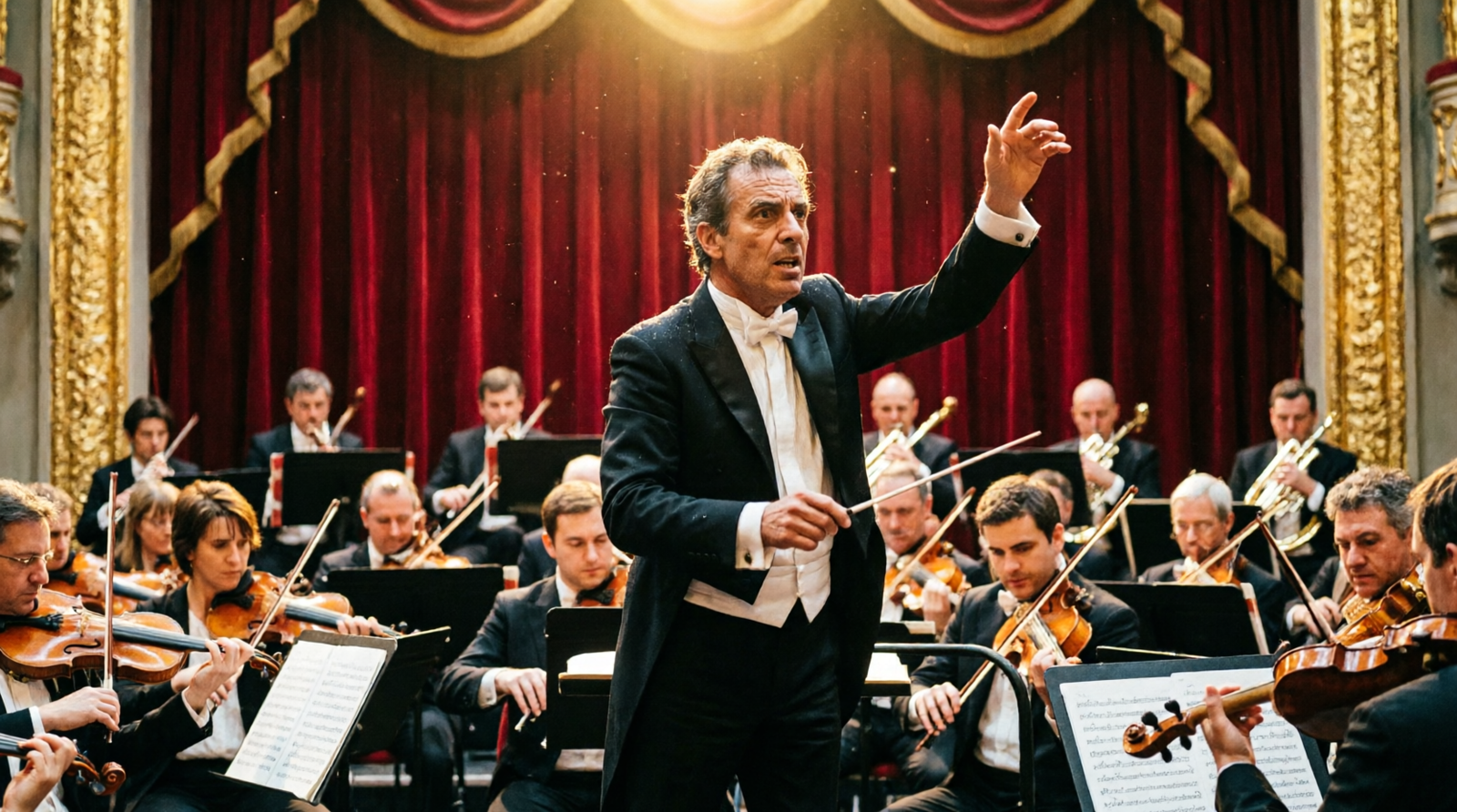
9. A Leader Is a Conductor
Meaning: A leader coordinates different people so they can work together.
Real explanation:
An orchestra has many musicians playing different instruments. The conductor helps them stay together and create one performance.
Sample sentence:
“The project manager acted like a conductor, bringing every department together.”
When to use it:
Use it for coordination and teamwork.
When NOT to use it:
Avoid it if the leadership style you describe is highly independent.
Alternatives:
- A coordinator
- A director
- A team builder
Difficulty: Medium
Tone: Professional
10. A Leader Is a Rudder
Meaning: A leader helps control direction.
Real explanation:
A rudder helps steer a boat. The metaphor focuses on making choices that keep an organization or team moving toward its goal.
Sample sentence:
“Strong leadership acts as a rudder when the company faces uncertainty.”
When to use it:
Use it for strategy and direction.
When NOT to use it:
Don’t use it when describing emotional support.
Alternatives:
- A steering wheel
- A guide
- A navigator
Difficulty: Medium
Tone: Professional
11. A Leader Is a Shepherd
Meaning: A leader protects, guides, and cares for people.
Real explanation:
A shepherd watches over a flock and guides it toward safety. The metaphor often suggests caring or servant leadership.
Sample sentence:
“His leadership style was that of a shepherd: firm, patient, and protective.”
When to use it:
Use it when emphasizing care and responsibility.
When NOT to use it:
Avoid it if the audience may find the image too traditional or religious.
Alternatives:
- A guardian
- A caretaker
- A guide
Difficulty: Medium
Tone: Traditional
12. A Leader Is a Farmer
Meaning: Leadership requires patience and long-term effort.
Real explanation:
A farmer plants seeds and waits for them to grow. Leaders also invest in people and ideas that may take months or years to produce results.
Sample sentence:
“Great leaders think like farmers: they invest today for tomorrow’s harvest.”
When to use it:
Use it for patience, growth, and long-term planning.
When NOT to use it:
Avoid it for short-term emergency situations.
Alternatives:
- A cultivator
- A gardener
- A builder
Difficulty: Easy
Tone: Thoughtful
13. A Leader Is a Mountain Guide
Meaning: A leader helps people navigate difficult challenges.
Real explanation:
A mountain guide understands dangerous paths and helps climbers reach a difficult destination.
Sample sentence:
“Our team leader became a mountain guide during the most difficult phase of the project.”
When to use it:
Use it for complex goals and difficult journeys.
When NOT to use it:
Avoid it for simple daily tasks.
Alternatives:
- A navigator
- A guide
- A pathfinder
Difficulty: Medium
Tone: Inspirational
14. A Leader Is a Pilot
Meaning: A leader navigates people toward a destination while dealing with changing conditions.
Real explanation:
Pilots need a destination, a plan, and the ability to respond when conditions change.
Sample sentence:
“The CEO acted like a pilot, adjusting the company’s course as the market changed.”
When to use it:
Use it for strategy and adaptability.
When NOT to use it:
Don’t use it when emphasizing shared leadership.
Alternatives:
- A navigator
- A captain
- A guide
Difficulty: Easy
Tone: Professional
15. A Leader Is a Foundation
Meaning: A leader provides the stable base on which a team can build.
Real explanation:
A building needs a strong foundation. In the same way, a team needs trust, clear values, and dependable leadership.
Sample sentence:
“Her honesty became the foundation of the organization.”
When to use it:
Use it for trust, values, and stability.
When NOT to use it:
Avoid it when describing a leader who constantly changes direction.
Alternatives:
- A cornerstone
- A base
- A pillar
Difficulty: Easy
Tone: Professional
16. A Leader Is a Pillar
Meaning: A leader supports the people or organization around them.
Sample sentence:
“He has been a pillar of the department for more than a decade.”
When to use it:
For dependable, respected leaders.
When NOT to use it:
Not ideal for describing a new leader.
Alternatives:
- A cornerstone
- A support
- A backbone
Difficulty: Easy
Tone: Formal
17. A Leader Is a North Star
Meaning: A leader represents a clear long-term direction.
Sample sentence:
“Our mission became the North Star that guided every major decision.”
When to use it:
For vision and purpose.
When NOT to use it:
Don’t use it to describe routine supervision.
Alternatives:
- A guiding star
- A vision
- A compass
Difficulty: Easy
Tone: Inspirational
18. A Leader Is a Beacon
Meaning: A leader gives people hope and direction.
Sample sentence:
“She became a beacon of hope for the community.”
When to use it:
For inspiring public or community leadership.
When NOT to use it:
Avoid it for ordinary workplace management.
Alternatives:
- A lighthouse
- A guiding light
- An inspiration
Difficulty: Easy
Tone: Inspirational
19. A Leader Is a Backbone
Meaning: A leader provides strength and support.
Sample sentence:
“Our team leader is the backbone of the operation.”
When to use it:
For dependable leadership.
When NOT to use it:
Avoid it if you want to emphasize creativity rather than support.
Alternatives:
- A pillar
- A foundation
- A support system
Difficulty: Easy
Tone: Informal/Neutral
20. A Leader Is Glue
Meaning: A leader keeps people connected.
Sample sentence:
“Jamal is the glue that holds the team together.”
When to use it:
For teamwork and relationships.
When NOT to use it:
Not ideal for formal academic writing unless explained.
Alternatives:
- A connector
- A unifier
- A bridge
Difficulty: Easy
Tone: Informal
21. A Leader Is a Spark
Meaning: A leader starts energy, enthusiasm, or change.
Sample sentence:
“Her idea was the spark that started the entire project.”
When to use it:
For innovation and motivation.
When NOT to use it:
Avoid it when describing long-term stability.
Alternatives:
- A catalyst
- An inspiration
- A trigger
Difficulty: Easy
Tone: Energetic
22. A Leader Is a Flame
Meaning: A leader keeps passion and purpose alive.
Sample sentence:
“He kept the flame of hope alive when the project faced setbacks.”
When to use it:
For passion, hope, and commitment.
When NOT to use it:
Avoid it for technical leadership descriptions.
Alternatives:
- A light
- A fire
- A source of energy
Difficulty: Easy
Tone: Poetic
23. A Leader Is a Magnet
Meaning: A leader attracts people through personality, vision, or trust.
Sample sentence:
“She has a magnetic leadership style that brings talented people together.”
When to use it:
For charisma and influence.
When NOT to use it:
Avoid it when discussing quiet leadership.
Alternatives:
- An attractor
- A people person
- A charismatic figure
Difficulty: Easy
Tone: Neutral
24. A Leader Is a Mirror
Meaning: A leader reflects the values and behavior of the organization.
Sample sentence:
“A leader is often a mirror of the culture they create.”
When to use it:
For self-awareness and organizational culture.
When NOT to use it:
Avoid it if your main point is strategic direction.
Alternatives:
- A reflection
- An example
- A model
Difficulty: Medium
Tone: Thoughtful
25. A Leader Is a Teacher
Meaning: A leader helps people learn.
Sample sentence:
“The best managers are teachers who help employees solve problems for themselves.”
When to use it:
For mentoring and learning.
When NOT to use it:
Avoid it when emphasizing authority alone.
Alternatives:
- A mentor
- A coach
- An instructor
Difficulty: Easy
Tone: Neutral
26. A Leader Is a Student
Meaning: A good leader keeps learning.
Sample sentence:
“Even after becoming CEO, she remained a student of leadership.”
When to use it:
For humility and lifelong learning.
When NOT to use it:
Avoid it when you need to emphasize authority.
Alternatives:
- A learner
- An explorer
- A lifelong learner
Difficulty: Easy
Tone: Humble
27. A Leader Is a Gardener of Talent
Meaning: A leader develops people’s abilities.
Sample sentence:
“His greatest strength was being a gardener of talent.”
When to use it:
For hiring, mentoring, and employee development.
When NOT to use it:
Avoid it for emergency leadership.
Alternatives:
- Talent builder
- Mentor
- Coach
Difficulty: Medium
Tone: Professional
28. A Leader Is a Mapmaker
Meaning: A leader creates a path toward a goal.
Sample sentence:
“Our founder was a mapmaker who turned a vague idea into a clear plan.”
When to use it:
For planning and strategy.
When NOT to use it:
Avoid it when talking mainly about emotional support.
Alternatives:
- Strategist
- Planner
- Pathfinder
Difficulty: Medium
Tone: Creative
29. A Leader Is a Pathfinder
Meaning: A leader finds a route when no obvious route exists.
Sample sentence:
“She was a pathfinder who helped the company enter a new market.”
When to use it:
For innovation and pioneering work.
When NOT to use it:
Avoid it for routine administration.
Alternatives:
- Pioneer
- Trailblazer
- Explorer
Difficulty: Easy
Tone: Inspirational
30. A Leader Is a Trailblazer
Meaning: A leader creates a new path for others.
Sample sentence:
“He was a trailblazer in modern education.”
When to use it:
For innovation and first movers.
When NOT to use it:
Don’t use it simply because someone is a good manager.
Alternatives:
- Pioneer
- Innovator
- Pathfinder
Difficulty: Easy
Tone: Inspirational
31. A Leader Is a Sail
Meaning: A leader helps turn available energy into movement.
Sample sentence:
“Her leadership became the sail that turned the team’s energy into progress.”
When to use it:
For motivation and momentum.
When NOT to use it:
Avoid it if explaining leadership to very young children.
Alternatives:
- A driving force
- A catalyst
- A source of momentum
Difficulty: Medium
Tone: Creative
32. A Leader Is the Wind in the Sails
Meaning: A leader gives people encouragement and momentum.
Sample sentence:
“His encouragement was the wind in our sails.”
When to use it:
For motivation.
When NOT to use it:
Avoid it when the leader’s role is mainly decision-making.
Alternatives:
- Motivation
- Encouragement
- Driving force
Difficulty: Easy
Tone: Positive
33. A Leader Is a Heartbeat
Meaning: A leader can influence the energy and rhythm of a group.
Sample sentence:
“The founder became the heartbeat of the young organization.”
When to use it:
For culture and team energy.
When NOT to use it:
Avoid it for technical or formal descriptions.
Alternatives:
- Life force
- Pulse
- Energy source
Difficulty: Medium
Tone: Poetic
34. A Leader Is a Pulse
Meaning: A leader can sense and respond to what is happening within a group.
Sample sentence:
“Good leaders keep their finger on the pulse of the team.”
When to use it:
For awareness and communication.
When NOT to use it:
Avoid it if you mean strategic vision.
Alternatives:
- Listener
- Observer
- Barometer
Difficulty: Medium
Tone: Professional
35. A Leader Is a Barometer
Meaning: A leader senses changes in the environment.
Sample sentence:
“She was a barometer for employee morale.”
When to use it:
For awareness and emotional intelligence.
When NOT to use it:
Avoid it when describing direct control.
Alternatives:
- Indicator
- Sensor
- Observer
Difficulty: Medium
Tone: Professional
36. A Leader Is a Shield
Meaning: A leader protects the team from unnecessary pressure or harm.
Sample sentence:
“Our manager acted as a shield when outside criticism became intense.”
When to use it:
For protective leadership.
When NOT to use it:
Avoid it if you want to emphasize independence.
Alternatives:
- Protector
- Defender
- Guardian
Difficulty: Easy
Tone: Strong
37. A Leader Is a Safety Net
Meaning: A leader gives people confidence that support exists when things go wrong.
Sample sentence:
“Her team knew she was a safety net when mistakes happened.”
When to use it:
For supportive leadership.
When NOT to use it:
Avoid suggesting leaders should remove all consequences.
Alternatives:
- Support system
- Backup
- Safety line
Difficulty: Easy
Tone: Friendly
38. A Leader Is a Door Opener
Meaning: A leader creates opportunities for others.
Sample sentence:
“A strong mentor is a door opener who helps young workers find opportunities.”
When to use it:
For mentoring and career development.
When NOT to use it:
Avoid it if discussing strict management.
Alternatives:
- Opportunity maker
- Sponsor
- Advocate
Difficulty: Easy
Tone: Informal
39. A Leader Is a Key
Meaning: A leader can unlock opportunities or solutions.
Sample sentence:
“Her guidance became the key that unlocked the team’s potential.”
When to use it:
For problem-solving and development.
When NOT to use it:
Avoid implying that one leader is solely responsible for success.
Alternatives:
- Solution
- Catalyst
- Unlocking force
Difficulty: Easy
Tone: Neutral
40. A Leader Is a Candle
Meaning: A leader gives light or hope to others.
Sample sentence:
“Even in difficult times, he remained a candle for his students.”
When to use it:
For quiet inspiration.
When NOT to use it:
Avoid it in highly technical business writing.
Alternatives:
- Light
- Beacon
- Guide
Difficulty: Easy
Tone: Poetic
41. A Leader Is a Firefighter
Meaning: A leader responds quickly when problems appear.
Sample sentence:
“Our operations manager became a firefighter whenever a major issue appeared.”
When to use it:
For crisis management.
When NOT to use it:
Don’t suggest that leaders should spend all their time reacting instead of preventing problems.
Alternatives:
- Crisis manager
- Problem solver
- Responder
Difficulty: Easy
Tone: Informal
42. A Leader Is a Gardener of Culture
Meaning: A leader shapes the environment in which people work.
Sample sentence:
“Managers are gardeners of culture because their behavior influences what grows inside a team.”
When to use it:
For workplace culture.
When NOT to use it:
Avoid it for short, simple descriptions.
Alternatives:
- Culture builder
- Culture setter
- Role model
Difficulty: Medium
Tone: Professional
43. A Leader Is a Sculptor
Meaning: A leader helps shape people, teams, or organizations over time.
Sample sentence:
“The principal was a sculptor of young talent.”
When to use it:
For education and long-term development.
When NOT to use it:
Avoid suggesting people can be shaped exactly like objects.
Alternatives:
- Builder
- Developer
- Mentor
Difficulty: Medium
Tone: Creative
44. A Leader Is an Architect
Meaning: A leader designs systems, structures, and plans.
Sample sentence:
“She was the architect of the company’s new leadership program.”
When to use it:
For strategy, systems, and planning.
When NOT to use it:
Avoid it when discussing emotional support.
Alternatives:
- Designer
- Planner
- Strategist
Difficulty: Easy
Tone: Professional
45. A Leader Is a Builder
Meaning: A leader creates something useful and lasting.
Sample sentence:
“He was a builder of strong teams.”
When to use it:
For organizations, teams, trust, and culture.
When NOT to use it:
Avoid it when the point is only vision.
Alternatives:
- Creator
- Founder
- Developer
Difficulty: Easy
Tone: Neutral
46. A Leader Is a Weaver
Meaning: A leader brings different people, skills, and ideas together.
Sample sentence:
“She was a skilled weaver of relationships across departments.”
When to use it:
For collaboration.
When NOT to use it:
Avoid it for direct command-and-control leadership.
Alternatives:
- Connector
- Unifier
- Network builder
Difficulty: Medium
Tone: Creative
47. A Leader Is a Puzzle Solver
Meaning: A leader brings separate pieces together to solve a problem.
Sample sentence:
“Our director is a puzzle solver who sees how small issues connect.”
When to use it:
For problem-solving.
When NOT to use it:
Avoid it when discussing inspiration.
Alternatives:
- Problem solver
- Strategist
- Analyst
Difficulty: Easy
Tone: Friendly
48. A Leader Is a Chess Player
Meaning: A leader thinks several steps ahead.
Sample sentence:
“The CEO played chess with the competition by preparing for changes before they happened.”
When to use it:
For strategy.
When NOT to use it:
Avoid it if you want to emphasize cooperation rather than competition.
Alternatives:
- Strategist
- Planner
- Tactician
Difficulty: Easy
Tone: Strategic
49. A Leader Is a Gardener With a Pruning Shear
Meaning: Leadership sometimes requires removing unhealthy habits, systems, or behaviors.
Sample sentence:
“Good leadership is sometimes gardening: you must remove what prevents healthy growth.”
When to use it:
For organizational change.
When NOT to use it:
Avoid it in sensitive discussions about individual employees.
Alternatives:
- Reformer
- Cleaner
- Change agent
Difficulty: Medium
Tone: Creative
50. A Leader Is a Compass in a Storm
Meaning: A leader provides direction during chaos.
Sample sentence:
“During the merger, our CEO was a compass in a storm.”
When to use it:
For uncertainty and crisis.
When NOT to use it:
Avoid it for ordinary daily leadership.
Alternatives:
- Guiding light
- Steady hand
- Anchor
Difficulty: Easy
Tone: Inspirational
51. A Leader Is a Steady Hand
Meaning: A leader remains calm and sensible under pressure.
Sample sentence:
“We needed a steady hand when the company faced sudden losses.”
When to use it:
For crisis leadership.
When NOT to use it:
Not ideal when describing innovation.
Alternatives:
- Anchor
- Stabilizer
- Calm force
Difficulty: Easy
Tone: Professional
52. A Leader Is a Traffic Controller
Meaning: A leader helps different people and tasks move without crashing into each other.
Sample sentence:
“The project manager became a traffic controller, keeping every team moving in the same direction.”
When to use it:
For coordination.
When NOT to use it:
Avoid it if the leadership role is mostly inspirational.
Alternatives:
- Coordinator
- Organizer
- Manager
Difficulty: Easy
Tone: Informal
53. A Leader Is a Coach on the Sideline
Meaning: A leader supports people while allowing them to perform the work themselves.
Sample sentence:
“Rather than taking over, she stayed on the sideline and coached the team through the problem.”
When to use it:
For empowering leadership.
When NOT to use it:
Avoid it when immediate hands-on action is required.
Alternatives:
- Mentor
- Adviser
- Supporter
Difficulty: Easy
Tone: Friendly
54. A Leader Is a Voice in the Crowd
Meaning: A leader speaks clearly when others are uncertain or silent.
Sample sentence:
“He became a voice in the crowd, speaking up when others were afraid.”
When to use it:
For courage and advocacy.
When NOT to use it:
Avoid it for routine management.
Alternatives:
- Advocate
- Spokesperson
- Champion
Difficulty: Easy
Tone: Inspirational
55. A Leader Is a Trail Marker
Meaning: A leader leaves signs that help others know they are on the right path.
Sample sentence:
“Clear goals are trail markers that help employees know whether they are making progress.”
When to use it:
For goals and milestones.
When NOT to use it:
Avoid it when discussing personality.
Alternatives:
- Milestone
- Signpost
- Guide
Difficulty: Medium
Tone: Neutral
56. A Leader Is a Signpost
Meaning: A leader makes the next direction clear.
Sample sentence:
“Her clear priorities were signposts for the entire department.”
When to use it:
For communication and priorities.
When NOT to use it:
Avoid it if you mean emotional support.
Alternatives:
- Guide
- Marker
- Compass
Difficulty: Easy
Tone: Neutral
57. A Leader Is a Drumbeat
Meaning: A leader creates a steady rhythm that keeps people moving.
Sample sentence:
“His weekly meetings became the drumbeat that kept the project moving.”
When to use it:
For consistency and momentum.
When NOT to use it:
Avoid it when discussing creativity alone.
Alternatives:
- Rhythm
- Routine
- Momentum
Difficulty: Medium
Tone: Creative
58. A Leader Is a Lighthouse Keeper
Meaning: A leader consistently maintains guidance and safety.
Real explanation:
The lighthouse itself gives light, but the keeper maintains it. This metaphor adds the idea of ongoing responsibility.
Sample sentence:
“Her leadership was like that of a lighthouse keeper: quiet, steady, and dependable.”
When to use it:
For consistent leadership.
When NOT to use it:
Avoid it when you need a metaphor for bold innovation.
Alternatives:
- Guardian
- Steward
- Caretaker
Difficulty: Medium
Tone: Thoughtful
59. A Leader Is a Gardener of Seeds
Meaning: Leaders plant ideas that may benefit people later.
Sample sentence:
“Every good lesson is a seed planted by a teacher.”
When to use it:
For education, mentoring, and legacy.
When NOT to use it:
Avoid it for immediate results.
Alternatives:
- Investor
- Mentor
- Teacher
Difficulty: Easy
Tone: Inspirational
60. A Leader Is a Door
Meaning: A leader can provide access to opportunities, knowledge, or resources.
Sample sentence:
“My mentor was a door to opportunities I could not see on my own.”
When to use it:
For mentorship.
When NOT to use it:
Avoid implying that opportunities depend entirely on one person.
Alternatives:
- Gateway
- Bridge
- Access point
Difficulty: Easy
Tone: Creative
61. A Leader Is a North Star in the Fog
Meaning: A leader gives direction when the future is unclear.
Sample sentence:
“Her clear values became a North Star in the fog.”
When to use it:
For uncertainty and vision.
When NOT to use it:
Avoid it for simple management tasks.
Alternatives:
- Guiding light
- Compass
- Beacon
Difficulty: Easy
Tone: Poetic
62. A Leader Is the Rudder, Not the Engine
Meaning: A leader guides the team but does not have to do all the work.
Sample sentence:
“A good manager should be the rudder, not the engine, of the team.”
When to use it:
For delegation and empowerment.
When NOT to use it:
Avoid it when explaining a leader’s role in hands-on emergency work.
Alternatives:
- Guide, not doer
- Strategist
- Direction setter
Difficulty: Medium
Tone: Professional
63. A Leader Is a Campfire
Meaning: A leader can create warmth, connection, and a sense of belonging.
Sample sentence:
“Our team leader created a campfire where everyone felt welcome.”
When to use it:
For culture and belonging.
When NOT to use it:
Avoid it for formal strategic reports.
Alternatives:
- Gathering point
- Community builder
- Center
Difficulty: Medium
Tone: Warm
64. A Leader Is a River Guide
Meaning: A leader helps people navigate changing conditions without controlling every movement.
Sample sentence:
“She guided the team like a river guide, responding to every turn without losing sight of the destination.”
When to use it:
For adaptability.
When NOT to use it:
Avoid it when the leadership situation is completely predictable.
Alternatives:
- Navigator
- Guide
- Pathfinder
Difficulty: Medium
Tone: Inspirational
65. A Leader Is a Gardener, Not a Dictator
Meaning: Strong leadership creates conditions for people to succeed instead of controlling every action.
Sample sentence:
“The best leaders are gardeners, not dictators; they create conditions where people can do their best work.”
When to use it:
For servant leadership and empowerment.
When NOT to use it:
Avoid it if you need a neutral description of leadership.
Alternatives:
- Coach, not controller
- Mentor
- Facilitator
Difficulty: Easy
Tone: Strong
Real-Life Conversations
Conversation 1: Friends
Sam: I don’t know how to describe my team leader.
Alex: What’s she like?
Sam: She doesn’t boss everyone around. She just helps us figure out where we’re going.
Alex: Then say she’s a compass.
Sam: A compass?
Alex: Yes. She gives the team direction without doing everyone’s job.
Sam: That actually fits perfectly.
🎯 Lesson: Use “a compass” when a leader provides direction and vision.
Conversation 2: Student and Teacher
Student: My essay says, “A good leader helps people become better.”
Teacher: That’s true, but you could make the sentence more vivid.
Student: How?
Teacher: Try, “A good leader is a gardener who helps people grow.”
Student: Oh, I like that.
Teacher: It shows that growth takes care and time.
🎯 Lesson: “A gardener” is useful when writing about mentoring and personal growth.
Conversation 3: Office
Employee: Everyone was panicking after the client canceled.
Coworker: What did the manager do?
Employee: She stayed calm, explained the next steps, and protected us from the pressure.
Coworker: Sounds like she was an anchor.
Employee: Exactly. She kept everyone steady.
🎯 Lesson: Use “an anchor” for calm, stable leadership during difficult situations.
Conversation 4: Family
Daughter: Dad, why do people say Grandpa was a great leader?
Father: Because he didn’t just tell people what to do.
Daughter: What did he do?
Father: He taught people, listened to them, and helped them grow.
Daughter: So he was like a coach?
Father: That’s a good way to put it.
🎯 Lesson: “A coach” works well for supportive leadership.
Conversation 5: LinkedIn
Writer: I want to describe my manager in a LinkedIn post.
Friend: What did she do that impressed you?
Writer: She connected people from departments that never worked together.
Friend: Call her a bridge.
Writer: “She was a bridge between teams.”
Friend: Exactly. Short, clear, and memorable.
🎯 Lesson: “A bridge” is excellent for leaders who connect people or groups.
Everyday Usage
Leadership metaphors can appear almost anywhere. The best metaphor depends on the audience and the point you want to make.
In Conversation
Natural speech often uses simple metaphors:
“He was the glue that held us together.”
“We needed someone to steer the project.”
“She’s the backbone of the team.”
These sound more natural than long explanations.
In Writing
Metaphors are especially useful when a writer wants to make an abstract idea visual.
For example:
“Leadership is a journey, and a good leader carries a map without forcing everyone to walk the same way.”
In Books
Authors often use leadership metaphors to develop characters.
A character may be described as:
- A captain
- A shepherd
- A wolf
- A lighthouse
- A king
- A gardener
- A bridge
The metaphor can reveal personality as well as leadership style.
In Movies
Movies often show leadership visually.
A leader standing at the front of a group may represent direction. A character protecting others may represent a shield or anchor.
In Poetry
Poetry allows more imaginative comparisons:
“She carried the team’s flame through the longest winter.”
The point is not literal. The flame represents hope or determination.
In Emails
Professional emails usually need simple metaphors.
Good:
“Your guidance has been a compass throughout this project.”
Less suitable:
“You are the cosmic engine of our corporate universe.”
The second one may sound forced.
In Text Messages
Casual expressions work best:
“You’re the glue of this group 😂”
“We need you as our captain today.”
On Instagram
Short metaphors work well as captions:
“Lead with purpose. Be the compass, not the cage.”
On Facebook
A slightly longer explanation can work:
“Great leaders don’t pull people forward by force. They become a lighthouse and help others find their own way.”
On X
Short metaphors are often stronger:
“A leader is a compass, not a remote control.”
On LinkedIn
Professional metaphors are usually safest:
“The best leaders are gardeners. They create the conditions for people to grow.”
In School Assignments
A student might write:
“A good leader is like a bridge because they connect people and help them work toward the same goal.”
The comparison should always be explained. Don’t simply add a metaphor and move on.
Writing Tips
Choose the metaphor based on the leadership quality
Ask:
What exactly am I trying to show?
If the answer is:
- Direction → compass
- Vision → North Star
- Stability → anchor
- Growth → gardener
- Teamwork → bridge
- Strategy → chess player
- Protection → shield
- Innovation → trailblazer
- Coordination → conductor
- Support → coach
This simple method prevents vague writing.
Formal vs. Informal
For professional writing, choose metaphors such as:
- Architect
- Compass
- Foundation
- Bridge
- Conductor
- Coach
- Navigator
For casual writing, expressions such as these feel more natural:
- Glue
- Backbone
- Spark
- Firefighter
- Door opener
Speaking vs. Writing
In conversation, short metaphors are best.
“She’s the glue.”
In formal writing, explain the comparison.
“She acts as the glue that keeps several departments working toward a shared goal.”
British vs. American Usage
Most leadership metaphors are understood in both American and British English.
Words such as compass, bridge, lighthouse, gardener, captain, coach, anchor, and foundation do not change meaning because of the variety of English.
Some cultural references may feel more natural in one audience than another, but the basic metaphors are widely understood.
Children vs. Adults
For children, choose concrete images:
- Captain
- Coach
- Lighthouse
- Compass
- Gardener
- Bridge
- Builder
For adults, you can use more abstract metaphors:
- Architect
- Barometer
- Rudder
- Catalyst
- North Star
- Cultural gardener
Professional Communication
A professional metaphor should make your message clearer, not make you sound clever.
Instead of:
“Our manager is the cosmic engine of organizational transformation.”
say:
“Our manager has been the compass that keeps the team focused.”
The second sentence is easier to understand and more natural.
Creative Writing
Creative writing allows more freedom.
You can combine metaphors:
“When the company entered the storm, she became both its anchor and its compass.”
This gives the reader two ideas at once: stability and direction.
Pro Tip
Don’t mix unrelated metaphors too heavily.
This sentence is confusing:
“Our captain planted seeds, built a bridge, and played chess with the storm.”
Each image may work separately, but together they compete for attention.
Common Mistakes
| Mistake | Reason | Correct version | Practical explanation |
|---|---|---|---|
| “A leader is literally a compass.” | A metaphor is not literal. | “A leader is like a compass.” | Make the comparison clear. |
| Using five metaphors in one sentence | The images compete. | Use one strong metaphor. | Simplicity improves clarity. |
| “She is a dictator” for every strict leader | It is too negative. | “She has a directive leadership style.” | Use precise language. |
| Using “captain” for every leader | Leadership has many roles. | Match the metaphor to the quality. | Think about your main point. |
| Using “gardener” for crisis response | Gardening suggests patience. | Use “anchor” or “firefighter.” | Match the image to the situation. |
| Saying “leader is glue” in every context | It is informal. | “Leader acts as a bridge.” | Choose a suitable register. |
| Explaining a metaphor too much | The image loses impact. | Explain it in one clear sentence. | Keep the comparison simple. |
| Mixing metaphor and literal meaning | Readers may get confused. | Keep the image consistent. | Don’t switch meanings halfway through. |
| Using a cliché repeatedly | It becomes boring. | Rotate related metaphors. | Use fresh but familiar images. |
| Choosing a metaphor that doesn’t fit | The comparison feels forced. | Pick the image that matches the trait. | Meaning matters more than style. |
Practice Exercise
Rewrite each simple sentence using a suitable leadership metaphor.
1.
Simple:
The leader gives the team direction.
Possible answer:
The leader is a compass for the team.
2.
Simple:
The manager helps employees grow.
Possible answer:
The manager is a gardener who helps employees grow.
3.
Simple:
She keeps everyone calm during difficult times.
Possible answer:
She is an anchor during difficult times.
4.
Simple:
He connects different departments.
Possible answer:
He is a bridge between departments.
5.
Simple:
The CEO creates a long-term vision.
Possible answer:
The CEO is the team’s North Star.
6.
Simple:
The manager coordinates different teams.
Possible answer:
The manager is a conductor bringing different teams together.
7.
Simple:
She protects her employees from unnecessary pressure.
Possible answer:
She acts as a shield for her employees.
8.
Simple:
He creates new opportunities.
Possible answer:
He is a door opener for young professionals.
9.
Simple:
The founder created a strong company culture.
Possible answer:
The founder became a gardener of culture.
10.
Simple:
The leader remains calm when things go wrong.
Possible answer:
The leader is a steady hand when things go wrong.
Multiple Choice Questions
1. Which metaphor best describes a leader who provides direction?
A. Glue
B. Compass
C. Shield
D. Candle
2. Which metaphor best represents employee development?
A. Gardener
B. Anchor
C. Rudder
D. Firefighter
3. Which metaphor focuses on stability?
A. Spark
B. Trailblazer
C. Anchor
D. Magnet
4. Which metaphor best describes a leader who connects groups?
A. Bridge
B. Candle
C. Chess player
D. Farmer
5. Which metaphor suggests long-term vision?
A. North Star
B. Firefighter
C. Glue
D. Shield
6. Which metaphor is most closely linked to coordination?
A. Conductor
B. Seed
C. Candle
D. Mirror
7. Which metaphor describes a leader who protects the team?
A. Shield
B. Spark
C. Mapmaker
D. Sail
8. Which metaphor best fits innovation?
A. Trailblazer
B. Anchor
C. Safety net
D. Foundation
9. Which metaphor suggests strategic thinking?
A. Chess player
B. Campfire
C. Glue
D. Candle
10. Which metaphor best describes a leader who creates opportunities?
A. Door opener
B. Anchor
C. Rudder
D. Barometer
Answer Key
- B — Compass
- A — Gardener
- C — Anchor
- A — Bridge
- A — North Star
- A — Conductor
- A — Shield
- A — Trailblazer
- A — Chess player
- A — Door opener
Related Terms
Leadership metaphors overlap with several related ideas, but they are not identical.
| Concept | Meaning | Example |
|---|---|---|
| Leadership metaphor | A comparison used to explain leadership | “A leader is a compass.” |
| Leadership analogy | A longer comparison used to explain an idea | Comparing a company to a ship |
| Simile | A comparison using “like” or “as” | “A leader is like a compass.” |
| Metaphor | A direct comparison | “A leader is a compass.” |
| Symbolism | An object represents a larger idea | A torch represents hope |
| Leadership style | A person’s general way of leading | Coaching leadership |
| Servant leadership | Leading by serving and supporting others | Helping employees succeed |
| Vision | A picture of a desired future | A clear company goal |
| Influence | The ability to affect people’s actions or thinking | Inspiring a team |
| Authority | Formal power to make decisions | A manager’s role |
| Mentoring | Helping someone develop over time | Senior worker guiding a junior worker |
| Coaching | Helping someone improve performance | Giving feedback and practice |
Metaphor vs. Simile
The difference is simple.
Metaphor:
“A leader is a compass.”
Simile:
“A leader is like a compass.”
Both compare leadership with a compass. The grammar is different.
Metaphor vs. Analogy
A metaphor may be very short:
“A leader is a lighthouse.”
An analogy usually develops the comparison:
“A lighthouse guides ships through dangerous waters, just as a good leader helps a team navigate uncertainty.”
FAQs:
What is a good metaphor for leadership?
A strong general metaphor for leadership is “a compass.” A compass gives direction without physically carrying someone to the destination. This makes it useful for describing leaders who provide vision, set goals, and help people understand where they are going. Other good choices include lighthouse for guidance, anchor for stability, gardener for growth, and bridge for connection.
What is a metaphor for a good leader?
A good leader can be described as a gardener, coach, compass, lighthouse, or bridge, depending on the quality you want to highlight. A gardener develops people, a coach helps them improve, a compass gives direction, a lighthouse provides guidance during difficulty, and a bridge connects people. The best metaphor is the one that matches the leader’s actual behavior.
What is a metaphor for a strong leader?
“An anchor” is a useful metaphor for a strong leader because an anchor represents stability during difficult conditions. “A foundation” is another good choice because it suggests strength and support. If you mean a leader who is strong because of courage and vision, “a lighthouse” or “North Star” may work better.
What is a metaphor for a leader who inspires others?
A leader who inspires people can be described as a torchbearer, beacon, spark, or flame. A torchbearer carries an idea forward, while a beacon gives people hope and direction. A spark suggests that the leader starts enthusiasm or change. A flame often represents passion that continues over time.
What is a metaphor for leadership and teamwork?
“A conductor” is a strong metaphor for leadership and teamwork because an orchestra contains many people with different roles. The conductor helps them work together without playing every instrument. “A bridge” and “glue” are also useful. A bridge emphasizes connection, while glue emphasizes unity.
What is a metaphor for a leader who helps others grow?
“A gardener” is one of the clearest metaphors. A gardener provides good conditions, care, and patience rather than forcing a plant to grow. This works well for teachers, managers, coaches, and mentors who develop people’s skills. It also suggests that growth takes time.
What is a metaphor for leadership in difficult times?
“A lighthouse” and “an anchor” are especially useful. A lighthouse represents guidance when conditions are dangerous or unclear. An anchor represents stability when things feel chaotic. You can combine them when needed: “A good leader can be both a lighthouse and an anchor—showing the way while keeping people steady.”
What is a metaphor for leadership in an essay?
For a school or college essay, choose a metaphor that directly supports your argument. Compass, bridge, gardener, architect, foundation, and coach are strong choices because their meanings are easy to explain. Avoid using a metaphor only because it sounds impressive. State the comparison, then explain what the image teaches about leadership.
Can I use leadership metaphors in professional writing?
Yes. Leadership metaphors are common in professional communication when they make an idea clearer. Expressions such as compass, bridge, foundation, architect, coach, and anchor usually work well. Keep the metaphor simple and explain it if there is any chance of confusion. Avoid overly dramatic or mixed metaphors in formal reports.
Final Thoughts
Leadership is difficult to describe because it is not just one thing. A leader may guide people like a compass protect them like a shield, connect them like a bridge and help them grow like a gardener.
That is why metaphors about leadership are so useful. They turn invisible qualities into pictures that people can understand.
When choosing one, ask yourself what you really want to say. Do you mean direction, courage trust growth teamwork stability, vision, or change? Once you know the quality the right metaphor becomes much easier to choose.
Use the image that fits the message Keep it natural And don’t be afraid to use a simple metaphor clear writing is usually more powerful than complicated writing.

Kiara is a passionate English language writer, vocabulary researcher, and content creator with over 5 years of experience in writing about word meanings, definitions, phrases, expressions, slang, and everyday English. As an experienced writer and researcher, she enjoys turning confusing words and unfamiliar expressions into clear, simple, and easy-to-understand explanations.