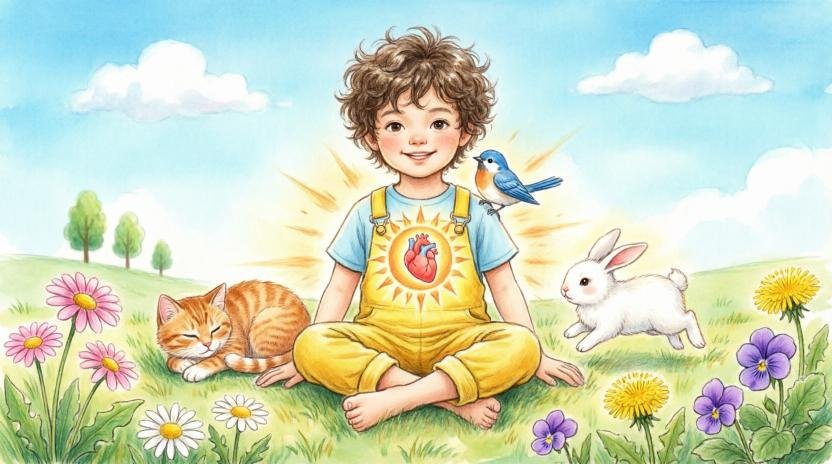
Have you ever heard someone say My teacher is a ray of sunshine or The classroom is a zoo A child might wonder Is the teacher really sunshine? or Did our classroom suddenly become a zoo
No. These are metaphors.
A metaphor is a way of describing one thing by saying it is something else. The two things are not literally the same but they share an idea or quality. For example My brother is a rocket does not mean your brother is a real rocket. It means he is very fast.
People use metaphors in stories poems songs conversations school assignments movies and social media. They help readers and listeners create pictures in their minds instead of hearing only plain facts. Educational resources commonly introduce metaphors to children through familiar objects animals nature emotions and school situations.
This guide, updated for 2026 gives you more than easy examples of metaphors for kids. You will learn what each metaphor means when to use it when not to use it and how to create your own.
Definition & Meaning
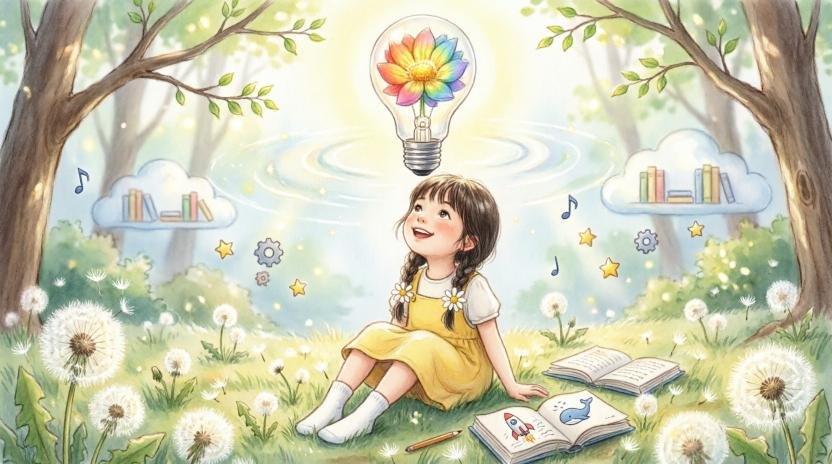
A metaphor is a figure of speech that describes one thing as something else to show a shared quality or idea. It is not meant to be understood literally. For example, “The classroom is a zoo” means the classroom is very noisy or chaotic, not that animals are running around the room.
A Simple Metaphor Definition for Kids
You can explain a metaphor to a child this way:
A metaphor is a creative comparison that says one thing is another thing.
For example:
“Dad is a bear.”
Dad is not actually a bear. The sentence might mean Dad is big, strong, protective, or sometimes grumpy.
The important part is the shared quality.
How Does a Metaphor Work?
Look at this example:
“The baby is a sunshine.”
This sentence is not literally true. A baby is not a ball of hot gas in the sky.
Instead, the speaker is comparing the baby with sunshine because the baby may bring warmth, happiness, and joy.
Here is another:
“Her smile is sunshine.”
The smile is not actually sunlight. It means the smile is bright, warm, cheerful, or comforting.
Quick Summary Table
| Term | Simple Meaning | Example |
|---|---|---|
| Metaphor | Says one thing is another | “He is a lion.” |
| Simile | Compares using “like” or “as” | “He is like a lion.” |
| Literal language | Means exactly what it says | “The lion is in the zoo.” |
| Figurative language | Uses imaginative meaning | “She has a heart of gold.” |
| Comparison | Shows how two things are similar | A brave person compared with a lion |
The Easy Trick
A simple way to remember the difference is:
Metaphor:
“The boy is a rocket.”
Simile:
“The boy is like a rocket.”
The first directly makes the comparison. The second uses like.
That distinction is commonly used in elementary figurative-language lessons.
Quick Tip: When you see a strange sentence such as “Her voice was music,” ask, “Could this literally be true?” If the answer is no, look for the hidden comparison.
Why We Use Examples of Metaphors for Kids
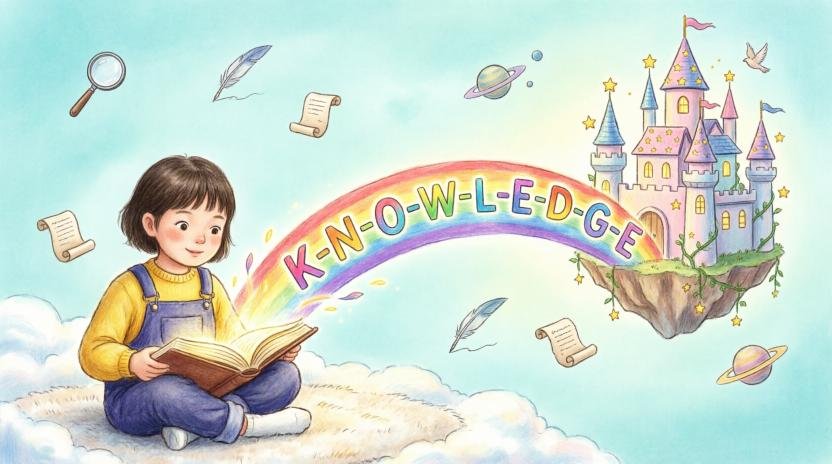
Metaphors help children turn difficult or ordinary ideas into pictures they can imagine. They make writing more colorful, help children describe feelings, and give readers a clearer sense of what a person, place, or experience feels like. They are useful in speaking, reading, creative writing, poetry, and classroom work.
1. Metaphors Make Ideas Easier to Imagine
Compare:
The classroom was very noisy.
with:
The classroom was a zoo.
The second sentence gives the reader a stronger picture.
You can almost imagine children talking, moving around, laughing, and making noise.
2. Metaphors Help Kids Describe Feelings
Feelings can be hard to explain.
A child might say:
“I was really scared.”
A metaphor can make the feeling clearer:
“Fear was a shadow following me.”
The shadow gives the reader an image of something that seems impossible to escape.
3. Metaphors Make Stories More Interesting
A story filled only with plain descriptions can feel flat.
Compare:
The sun was bright.
with:
The sun was a golden lamp in the sky.
The second sentence creates a picture.
4. Metaphors Help With School Writing
Children may use metaphors in:
- Stories
- Poems
- Descriptive paragraphs
- Personal narratives
- Book reports
- Creative writing
- Classroom presentations
- Journal entries
Teachers also use metaphors when teaching difficult ideas because a familiar image can make an unfamiliar concept easier to understand.
5. Metaphors Make Conversations More Expressive
Adults use metaphors all the time.
You may hear:
- “I’m drowning in homework.”
- “He’s a night owl.”
- “She’s a busy bee.”
- “My stomach is a knot.”
- “That test was a nightmare.”
Children hear figurative language long before they know the formal term metaphor.
6. Metaphors Make Social Media Posts More Creative
A short metaphor can make a caption memorable.
For example:
“My little brother is a tornado today!”
The writer does not mean the child is actually a tornado. The metaphor suggests that he is moving around quickly and causing lots of activity.
60+ Easy Examples of Metaphors for Kids
The examples below move from very easy comparisons to slightly more creative ones. They cover animals, nature, school, emotions, people, food, time, friendship, and everyday life.
Each example includes its meaning, a sample sentence, suitable situations, and alternatives.
1. “He Is a Lion.”
Meaning: He is very brave.
Real explanation: Lions are often used as symbols of courage and strength. Calling a brave person a lion creates a strong picture of courage.
Sample sentence:
“Marcus was a lion when he stood up for his little sister.”
When to use it: Stories, creative writing, or conversations about courage.
When NOT to use it: Do not use it when you literally mean that someone is an animal.
Alternatives:
- He is very brave.
- He has great courage.
- He is fearless.
Difficulty: Easy
Tone: Neutral
2. “She Is a Busy Bee.”
Meaning: She is very busy or hardworking.
Real explanation: Bees spend much of their time working, collecting food, and helping their colony. The metaphor connects that busy activity with a hardworking person.
Sample sentence:
“Mom was a busy bee getting everyone ready for school.”
When to use it: Everyday conversation and informal writing.
When NOT to use it: Avoid it in highly formal reports where a precise description is better.
Alternatives:
- She works hard.
- She is very busy.
- She has lots to do.
Difficulty: Easy
Tone: Informal
3. “My Brother Is a Rocket.”
Meaning: My brother is extremely fast.
Real explanation: Rockets move at very high speeds, so this metaphor creates a picture of someone moving quickly.
Sample sentence:
“When the race began, Jake was a rocket.”
When to use it: Sports, races, stories, and playful conversations.
When NOT to use it: Do not use it if the reader needs an exact speed.
Alternatives:
- He is very fast.
- He races quickly.
- He moves like lightning.
Difficulty: Easy
Tone: Informal
4. “The Classroom Is a Zoo.”
Meaning: The classroom is very noisy, busy, or disorderly.
Real explanation: A zoo can contain many animals making different sounds and moving around. The metaphor uses that busy image to describe a chaotic classroom.
Sample sentence:
“After lunch, the classroom was a zoo.”
When to use it: Informal speech and humorous writing.
When NOT to use it: Avoid it when describing a classroom in a formal school report.
Alternatives:
- The classroom is noisy.
- The room is chaotic.
- Everyone is running around.
Difficulty: Easy
Tone: Informal
5. “Her Smile Is Sunshine.”
Meaning: Her smile makes people feel happy and warm.
Real explanation: Sunshine is associated with brightness and warmth. The metaphor transfers those qualities to a person’s smile.
Sample sentence:
“Her smile is sunshine on a cloudy day.”
When to use it: Stories, poems, cards, and personal writing.
When NOT to use it: Avoid it if you need a completely literal description.
Alternatives:
- Her smile is bright.
- Her smile is cheerful.
- Her smile makes people happy.
Difficulty: Easy
Tone: Neutral
6. “My Mind Is a Sponge.”
Meaning: I learn or absorb information quickly.
Real explanation: A sponge absorbs water. The metaphor compares the mind to a sponge that absorbs knowledge.
Sample sentence:
“After reading the book twice, my mind was a sponge for new facts.”
When to use it: School writing and conversations about learning.
When NOT to use it: Do not use it to claim that a person’s memory always works perfectly.
Alternatives:
- I learn quickly.
- I absorb information.
- I remember new ideas easily.
Difficulty: Easy
Tone: Neutral
7. “The Snow Is a White Blanket.”
Meaning: Snow covers the ground like a blanket.
Real explanation: A blanket spreads over a surface and covers it. Fresh snow can create the same visual effect.
Sample sentence:
“By morning, the snow was a white blanket across the yard.”
When to use it: Descriptive writing, stories, and poetry.
When NOT to use it: Avoid it when giving weather information that must be exact.
Alternatives:
- The snow covered the ground.
- The ground looked white.
- Snow covered everything.
Difficulty: Easy
Tone: Neutral
8. “The Moon Is a Silver Ball.”
Meaning: The moon looks round and bright like a silver ball.
Real explanation: The metaphor focuses on the moon’s shape and shining appearance.
Sample sentence:
“The moon was a silver ball above the trees.”
When to use it: Poetry and creative writing.
When NOT to use it: Not suitable for scientific writing.
Alternatives:
- The moon was bright.
- The moon looked round.
- The moon shone above us.
Difficulty: Easy
Tone: Neutral
9. “The Stars Are Diamonds.”
Meaning: The stars look bright and sparkling.
Real explanation: Diamonds sparkle and catch light. Stars can look like tiny shining gems in the night sky.
Sample sentence:
“The stars were diamonds scattered across the sky.”
When to use it: Stories and poetry.
When NOT to use it: Not for literal astronomy.
Alternatives:
- The stars were bright.
- The stars sparkled.
- The night sky glittered.
Difficulty: Easy
Tone: Neutral
10. “His Words Were Daggers.”
Meaning: His words were very hurtful.
Real explanation: A dagger can cause physical pain. The metaphor transfers that idea of pain to cruel or hurtful words.
Sample sentence:
“His angry words were daggers to her heart.”
When to use it: Creative writing.
When NOT to use it: Avoid it when a simple description would be clearer for a young reader.
Alternatives:
- His words hurt.
- His words were cruel.
- His comments were painful.
Difficulty: Medium
Tone: Neutral
11. “Time Is a Thief.”
Meaning: Time seems to take moments away from us.
Real explanation: A thief takes something that belongs to someone. This metaphor describes how time passes and removes moments we cannot get back.
Sample sentence:
“Time is a thief when you’re having fun.”
When to use it: Stories, poems, and reflective writing.
When NOT to use it: Avoid it in simple factual writing.
Alternatives:
- Time passes quickly.
- Moments disappear.
- Time slips away.
Difficulty: Medium
Tone: Neutral
12. “Life Is a Roller Coaster.”
Meaning: Life has many exciting, difficult, happy, and sad moments.
Real explanation: A roller coaster goes up, down, fast, and slow. The metaphor compares those changes with the ups and downs of life.
Sample sentence:
“Life is a roller coaster, but every turn teaches us something.”
When to use it: Stories, personal writing, and conversations.
When NOT to use it: It may be too general for formal writing.
Alternatives:
- Life has ups and downs.
- Life changes often.
- Life can be unpredictable.
Difficulty: Easy
Tone: Neutral
13. “Her Voice Is Music.”
Meaning: Her voice sounds beautiful or pleasant.
Real explanation: Music can be enjoyable to hear. The metaphor gives the person’s voice that same quality.
Sample sentence:
“Her voice was music during the quiet evening.”
When to use it: Poetry, stories, and creative descriptions.
When NOT to use it: Avoid it when you need to describe the actual pitch or volume of a voice.
Alternatives:
- Her voice is beautiful.
- Her voice sounds pleasant.
- Her voice is soothing.
Difficulty: Easy
Tone: Neutral
14. “His Heart Is Stone.”
Meaning: He seems emotionally cold or unwilling to show feelings.
Real explanation: Stone is hard and does not feel. The metaphor transfers that hardness to someone’s emotional behavior.
Sample sentence:
“After years of anger, his heart seemed like stone.”
When to use it: Character descriptions and stories.
When NOT to use it: Do not use it as a factual statement about someone’s feelings.
Alternatives:
- He seems cold.
- He hides his feelings.
- He is emotionally distant.
Difficulty: Medium
Tone: Neutral
15. “She Has a Heart of Gold.”
Meaning: She is kind, generous, and caring.
Real explanation: Gold is valuable. The metaphor treats a person’s kindness as something precious.
Sample sentence:
“Grandma has a heart of gold.”
When to use it: Everyday speech, cards, stories, and personal writing.
When NOT to use it: Avoid it when you need a specific description of someone’s actions.
Alternatives:
- She is very kind.
- She is generous.
- She cares about others.
Difficulty: Easy
Tone: Neutral
16. “The Baby Is a Little Angel.”
Meaning: The baby is sweet, gentle, or well-behaved.
Sample sentence:
“Our little brother was an angel during the long car ride.”
Alternatives: sweet child, good baby, gentle child
Difficulty: Easy
Tone: Informal
17. “The Wind Was a Whisper.”
Meaning: The wind was very soft and quiet.
Sample sentence:
“At night, the wind was a whisper through the trees.”
Alternatives: soft breeze, quiet wind, gentle breeze
Difficulty: Easy
Tone: Poetic
18. “The River Is a Silver Ribbon.”
Meaning: The river looks long, narrow, and shiny.
Sample sentence:
“The river was a silver ribbon winding through the valley.”
Alternatives: shining river, bright stream, winding water
Difficulty: Medium
Tone: Poetic
19. “The Sun Is a Golden Coin.”
Meaning: The sun looks round and golden.
Sample sentence:
“The sun was a golden coin above the hills.”
Alternatives: golden ball, bright sun, glowing sun
Difficulty: Easy
Tone: Poetic
20. “My Backpack Is a Treasure Chest.”
Meaning: The backpack contains many valuable or exciting things.
Sample sentence:
“My backpack was a treasure chest full of pencils, books, and snacks.”
Alternatives: bag of treasures, useful bag, packed bag
Difficulty: Easy
Tone: Playful
21. “The Library Is a Treasure Chest.”
Meaning: The library contains many valuable books and ideas.
Sample sentence:
“Our school library is a treasure chest of stories.”
Alternatives: world of books, book treasure, learning center
Difficulty: Easy
Tone: Neutral
22. “Books Are Windows.”
Meaning: Books allow us to see other places, people, ideas, and experiences.
Sample sentence:
“Books are windows into worlds we have never visited.”
Alternatives: books are doors, books open worlds, books reveal new places
Difficulty: Medium
Tone: Neutral
23. “Knowledge Is a Key.”
Meaning: Knowledge can help us solve problems and open new opportunities.
Sample sentence:
“Knowledge is a key that can open many doors.”
Alternatives: learning is power, education opens doors, knowledge helps us grow
Difficulty: Easy
Tone: Neutral
24. “Curiosity Is a Flashlight.”
Meaning: Curiosity helps us explore and discover things.
Sample sentence:
“Curiosity is a flashlight that helps us find answers.”
Alternatives: curiosity guides us, questions lead the way, curiosity opens doors
Difficulty: Medium
Tone: Neutral
25. “Homework Is a Puzzle.”
Meaning: Homework can involve solving problems step by step.
Sample sentence:
“Math homework is a puzzle, and each answer gives me another piece.”
Alternatives: homework is a challenge, schoolwork is a problem to solve, learning is a game
Difficulty: Easy
Tone: Neutral
26. “The Playground Is a Jungle.”
Meaning: The playground is busy, exciting, or full of movement.
Sample sentence:
“At recess, the playground became a jungle of running children.”
Alternatives: busy playground, wild playground, noisy playground
Difficulty: Easy
Tone: Informal
27. “The Test Was a Mountain.”
Meaning: The test felt difficult and challenging.
Sample sentence:
“The science test was a mountain, but I climbed it one question at a time.”
Alternatives: difficult challenge, huge task, hard problem
Difficulty: Easy
Tone: Neutral
28. “Courage Is a Shield.”
Meaning: Courage helps protect us when we face fear.
Sample sentence:
“Courage was her shield when she spoke in front of the class.”
Alternatives: bravery protects us, courage gives strength, bravery is armor
Difficulty: Medium
Tone: Neutral
29. “Hope Is a Light.”
Meaning: Hope gives people a positive feeling during difficult times.
Sample sentence:
“Her hope was a small light in a difficult week.”
Alternatives: hope is a spark, hope is sunshine, hope guides us
Difficulty: Easy
Tone: Neutral
30. “Anger Is a Volcano.”
Meaning: Anger can build up and suddenly explode.
Sample sentence:
“His anger was a volcano ready to erupt.”
Alternatives: anger is a storm, anger is fire, anger is a boiling pot
Difficulty: Medium
Tone: Neutral
31. “Fear Is a Shadow.”
Meaning: Fear can follow someone and be difficult to escape.
Sample sentence:
“Fear was a shadow behind her as she walked onto the stage.”
Alternatives: fear follows me, fear is a cloud, fear is a dark storm
Difficulty: Medium
Tone: Neutral
32. “Happiness Is Sunshine.”
Meaning: Happiness feels warm, bright, and uplifting.
Sample sentence:
“Her happiness was sunshine in the room.”
Alternatives: joy is light, happiness is a rainbow, joy is warmth
Difficulty: Easy
Tone: Neutral
33. “Sadness Is a Cloud.”
Meaning: Sadness can make everything feel dark or gloomy.
Sample sentence:
“Sadness was a gray cloud over his day.”
Alternatives: sadness is a storm, sadness is darkness, sadness hangs over me
Difficulty: Easy
Tone: Neutral
34. “Friendship Is a Bridge.”
Meaning: Friendship connects people.
Sample sentence:
“Friendship is a bridge between two people who care about each other.”
Alternatives: friendship connects us, friendship is a bond, friendship is a link
Difficulty: Easy
Tone: Neutral
35. “My Best Friend Is My Anchor.”
Meaning: A best friend can provide stability and support.
Sample sentence:
“When I feel nervous, my best friend is my anchor.”
Alternatives: my friend supports me, my friend keeps me steady, my friend is my support
Difficulty: Medium
Tone: Neutral
36. “Their Friendship Is a Garden.”
Meaning: Friendship needs care and attention to grow.
Sample sentence:
“Their friendship was a garden that grew stronger every year.”
Alternatives: friendship grows, friendship needs care, friendship is a growing bond
Difficulty: Medium
Tone: Poetic
37. “The City Is a Jungle.”
Meaning: The city is busy, crowded, noisy, or difficult to navigate.
Sample sentence:
“The city was a jungle of cars and people.”
Alternatives: busy city, crowded city, noisy streets
Difficulty: Easy
Tone: Informal
38. “The Road Was a Snake.”
Meaning: The road twisted and turned.
Sample sentence:
“The road was a snake winding through the mountains.”
Alternatives: winding road, twisting road, curving road
Difficulty: Medium
Tone: Poetic
39. “The Clouds Were Cotton.”
Meaning: The clouds looked soft and fluffy.
Sample sentence:
“The clouds were cotton floating across the blue sky.”
Alternatives: fluffy clouds, soft clouds, white clouds
Difficulty: Easy
Tone: Poetic
40. “The Garden Was a Rainbow.”
Meaning: The garden had many bright colors.
Sample sentence:
“In spring, the garden became a rainbow of flowers.”
Alternatives: colorful garden, bright garden, garden full of color
Difficulty: Easy
Tone: Poetic
41. “The Ocean Is a Giant Blanket.”
Meaning: The ocean spreads across a huge area like a blanket.
Sample sentence:
“At sunset, the ocean looked like a giant blue blanket.”
Alternatives: endless blue, wide sea, vast ocean
Difficulty: Medium
Tone: Poetic
42. “The Waves Were Dancers.”
Meaning: The waves moved in a flowing, lively way.
Sample sentence:
“The waves were dancers spinning toward the shore.”
Alternatives: moving waves, dancing water, rolling waves
Difficulty: Medium
Tone: Poetic
43. “The Stars Were Tiny Lanterns.”
Meaning: The stars looked like small lights in the dark sky.
Sample sentence:
“The stars were tiny lanterns above our campsite.”
Alternatives: little lights, glowing stars, sky lights
Difficulty: Easy
Tone: Poetic
44. “The Forest Was a Green Cathedral.”
Meaning: The forest felt huge, beautiful, quiet, and impressive.
Sample sentence:
“Tall trees surrounded us like a green cathedral.”
Alternatives: giant forest, green world, peaceful woods
Difficulty: Challenging
Tone: Poetic
45. “The Clock Is a Racehorse.”
Meaning: Time seems to move very quickly.
Sample sentence:
“The clock was a racehorse on the morning of the test.”
Alternatives: time flies, time races, time moves quickly
Difficulty: Medium
Tone: Creative
46. “My Stomach Is a Washing Machine.”
Meaning: My stomach feels uncomfortable or full of nervous movement.
Sample sentence:
“Before the big game, my stomach was a washing machine.”
Alternatives: my stomach was nervous, butterflies filled my stomach, my stomach felt strange
Difficulty: Medium
Tone: Informal
47. “My Room Is a Disaster Zone.”
Meaning: My room is extremely messy.
Sample sentence:
“I need to clean my room. It is a disaster zone!”
Alternatives: messy room, huge mess, complete chaos
Difficulty: Easy
Tone: Informal
48. “My Little Sister Is a Tornado.”
Meaning: My sister is moving around quickly and causing lots of activity.
Sample sentence:
“After breakfast, my little sister was a tornado.”
Alternatives: very energetic, full of energy, moving everywhere
Difficulty: Easy
Tone: Informal
49. “Dad Is a Walking Dictionary.”
Meaning: Dad knows many words and facts.
Sample sentence:
“Ask Dad. He is a walking dictionary.”
Alternatives: very knowledgeable, knows many words, full of information
Difficulty: Easy
Tone: Playful
50. “My Teacher Is a Lighthouse.”
Meaning: My teacher guides and helps me.
Sample sentence:
“My teacher is a lighthouse when I get lost in a difficult lesson.”
Alternatives: my teacher guides me, my teacher is a guide, my teacher helps me find my way
Difficulty: Medium
Tone: Neutral
51. “The Coach Is a General.”
Meaning: The coach leads the team firmly.
Sample sentence:
“Our coach was a general during the final minutes of the game.”
Alternatives: strong leader, team leader, strict coach
Difficulty: Medium
Tone: Informal
52. “The Baby Is a Butterfly.”
Meaning: The baby moves lightly or is changing and growing.
Sample sentence:
“My baby sister is a butterfly, always exploring something new.”
Alternatives: gentle child, little explorer, growing child
Difficulty: Medium
Tone: Poetic
53. “He Has a Golden Voice.”
Meaning: His voice is beautiful or impressive.
Sample sentence:
“The young singer has a golden voice.”
Alternatives: beautiful voice, powerful voice, wonderful singing voice
Difficulty: Easy
Tone: Neutral
54. “She Is a Star.”
Meaning: She is excellent, talented, successful, or admired.
Sample sentence:
“Mia was a star during the school play.”
Alternatives: she is talented, she did wonderfully, she is excellent
Difficulty: Easy
Tone: Informal
55. “He Is a Computer.”
Meaning: He remembers or understands information very quickly.
Sample sentence:
“Ask Noah about the planets. He is a computer when it comes to science facts.”
Alternatives: very smart, remembers everything, knows a lot
Difficulty: Easy
Tone: Informal
56. “Her Ideas Are Seeds.”
Meaning: Her ideas can grow into something bigger.
Sample sentence:
“Her ideas were seeds that became a wonderful story.”
Alternatives: ideas can grow, ideas are beginnings, ideas can develop
Difficulty: Medium
Tone: Neutral
57. “Learning Is a Journey.”
Meaning: Learning takes time and involves many steps.
Sample sentence:
“Learning is a journey, so you do not need to know everything on the first day.”
Alternatives: learning takes time, education is a process, learning is an adventure
Difficulty: Easy
Tone: Neutral
58. “Success Is a Ladder.”
Meaning: Success often comes through several steps.
Sample sentence:
“Success is a ladder, and every small improvement is another step.”
Alternatives: success takes steps, progress builds, achievement takes effort
Difficulty: Easy
Tone: Neutral
59. “Kindness Is a Seed.”
Meaning: A small act of kindness can grow into something bigger.
Sample sentence:
“Kindness is a seed that can grow into friendship.”
Alternatives: kindness spreads, kindness grows, good actions matter
Difficulty: Easy
Tone: Neutral
60. “Patience Is a Tree.”
Meaning: Patience takes time to grow and become strong.
Sample sentence:
“Patience is a tree that grows slowly but gives shade.”
Alternatives: patience takes time, patience grows, patience brings rewards
Difficulty: Medium
Tone: Poetic
61. “Dreams Are Seeds.”
Meaning: Dreams can grow into real goals when people work on them.
Sample sentence:
“Dreams are seeds, and hard work helps them grow.”
Alternatives: dreams can grow, goals are beginnings, dreams need action
Difficulty: Easy
Tone: Neutral
62. “The Computer Is a Helpful Robot.”
Meaning: The computer can perform useful tasks quickly.
Sample sentence:
“My computer is a helpful robot when I need to organize my homework.”
Alternatives: useful tool, helpful machine, digital assistant
Difficulty: Easy
Tone: Playful
63. “The Internet Is an Ocean of Information.”
Meaning: The internet contains a huge amount of information.
Sample sentence:
“The internet is an ocean of information, but we still need to choose trustworthy sources.”
Alternatives: huge information source, vast library, enormous collection of information
Difficulty: Medium
Tone: Neutral
64. “The Story Is a Door.”
Meaning: A story can take the reader into another world or experience.
Sample sentence:
“This book is a door to a magical kingdom.”
Alternatives: story opens a world, book is a gateway, reading takes us somewhere new
Difficulty: Easy
Tone: Neutral
65. “My Imagination Is a Playground.”
Meaning: Imagination gives us space to explore many ideas.
Sample sentence:
“My imagination is a playground where anything can happen.”
Alternatives: imagination is a world, imagination is a garden, imagination is a creative space
Difficulty: Medium
Tone: Creative
66. “Words Are Paint.”
Meaning: Writers can use words to create pictures in the reader’s mind.
Sample sentence:
“A good writer knows that words are paint for the imagination.”
Alternatives: words create pictures, writing paints images, language creates scenes
Difficulty: Medium
Tone: Creative
67. “Her Laugh Was a Bell.”
Meaning: Her laugh was clear, bright, and pleasant.
Sample sentence:
“Her laugh was a bell ringing across the playground.”
Alternatives: bright laugh, cheerful laugh, clear laugh
Difficulty: Medium
Tone: Poetic
68. “The Night Was a Blanket.”
Meaning: Darkness covered everything.
Sample sentence:
“The night was a blanket over the sleeping town.”
Alternatives: darkness covered the town, night covered everything, dark sky
Difficulty: Easy
Tone: Poetic
69. “The Classroom Was a Garden of Ideas.”
Meaning: Many students were sharing and growing new ideas.
Sample sentence:
“Our classroom became a garden of ideas during the group project.”
Alternatives: creative classroom, room full of ideas, place for learning
Difficulty: Medium
Tone: Neutral
70. “A Good Friend Is a Safe Harbor.”
Meaning: A good friend gives comfort, safety, and support.
Sample sentence:
“When I was worried, my best friend was a safe harbor.”
Alternatives: trusted friend, source of comfort, safe person
Difficulty: Medium
Tone: Poetic
Real-Life Conversations
Kids understand metaphors more easily when they hear them in normal situations rather than seeing isolated sentences. Short conversations show how figurative language actually works in speech. The examples below use family, school, friendship, sports, and texting situations so children can see when a metaphor sounds natural.
Conversation 1: Two Friends
Maya: Why are you smiling so much?
Liam: I got an A on my science test!
Maya: Nice! You studied all weekend.
Liam: Yeah. My brain was a sponge.
Maya: And now?
Liam: Now my brain wants a vacation.
Maya: Fair enough!
🎯 Lesson: “My brain was a sponge” means Liam absorbed lots of information.
Conversation 2: Parent and Child
Child: Mom, why is Dad so busy?
Mom: He’s getting ready for the party.
Child: He’s been running around all morning.
Mom: Yep. He’s a busy bee today.
Child: Does that mean he is a real bee?
Mom: No! It means he is working very hard.
Child: Oh. I get it now.
🎯 Lesson: A metaphor can sound funny when taken literally. The child learns to look for the intended meaning.
Conversation 3: Teacher and Student
Teacher: How did the story make you feel?
Student: The scary part made me nervous.
Teacher: Can you describe your fear with a metaphor?
Student: Hmm… fear was a shadow.
Teacher: Great. Why?
Student: Because it kept following the character.
Teacher: Exactly.
🎯 Lesson: Good metaphors connect an emotion with something children can imagine.
Conversation 4: Before a Soccer Game
Alex: Are you nervous?
Ben: A little.
Alex: Me too.
Ben: Coach is a general today.
Alex: What do you mean?
Ben: He’s giving everyone instructions and making sure we follow the plan.
Alex: So he’s acting like a strong leader?
Ben: Exactly.
🎯 Lesson: “Coach is a general” is an informal metaphor for strong leadership.
Conversation 5: A Text Message
Sara: How was your first day at your new school?
Nina: Weird at first.
Sara: Better now?
Nina: Yeah. My new teacher is a lighthouse.
Sara: 😂 A lighthouse?
Nina: She keeps helping me when I don’t understand something.
Sara: Ohhh, I get it.
🎯 Lesson: Metaphors can work well in text messages because they make short messages more expressive.
Everyday Usage of Metaphors for Kids
Kids encounter metaphors in much more than English class. They appear in conversations, books, poems, movies, songs, emails, text messages, captions, and school assignments. The best way to learn them is to notice the comparison, ask what quality the two things share, and then explain the intended meaning.
Metaphors in Conversation
People often use short metaphors without thinking about them.
Examples:
“I’m drowning in homework.”
I have a lot of homework.
“He’s a night owl.”
He likes staying awake late.
“She’s a busy bee.”
She’s working hard.
Metaphors in Writing
Metaphors can make descriptive writing stronger.
Plain:
The rain covered the town.
More imaginative:
The rain was a curtain covering the town.
The second version gives the reader something to picture.
Metaphors in Books
Authors use metaphors to describe:
- Characters
- Places
- Emotions
- Weather
- Relationships
- Time
- Experiences
When children find a metaphor in a book, ask:
- What two things are being compared?
- What do they have in common?
- What does the metaphor mean?
- Why did the writer choose that comparison?
That simple three- or four-question routine can turn reading into a useful figurative-language exercise.
Metaphors in Movies
Movies use visual and spoken metaphors.
A character might say:
“I’m trapped in a storm.”
The storm might represent a difficult situation rather than actual weather.
Children can practice by asking:
“Does the character mean this literally, or is the character describing a feeling?”
Metaphors in Poetry
Poetry is especially useful for learning metaphors because poets often use imaginative language to create strong pictures.
For example:
“Hope is a tiny candle.”
The writer connects hope with a candle because both can provide light in darkness.
“The moon is a silver boat.”
The writer uses the shape and position of the moon to create an imaginative picture.
Metaphors in Emails
Metaphors are possible in emails, but they should match the situation.
A teacher might write:
“Your hard work is opening doors.”
That sounds encouraging.
A professional email might say:
“We have reached a crossroads.”
That means the group needs to make an important decision.
Metaphors in Text Messages
Text messages often use playful metaphors:
“My homework is a mountain 😭”
“My little brother is a tornado today.”
“That test was a monster.”
Because texting is informal, playful comparisons often sound natural.
Metaphors on Instagram
A child or teenager might write:
“Sunset = nature’s painting.”
Or:
“My summer was a roller coaster.”
The metaphor adds emotion without requiring a long caption.
Metaphors on Facebook
Longer posts can use metaphors to describe experiences:
“Parenting is a road full of surprises.”
The metaphor gives readers a picture of changing experiences.
Metaphors on X
Short platforms make concise metaphors useful:
“Monday is a mountain.”
“My inbox is a storm.”
The comparison quickly communicates an idea.
Metaphors on LinkedIn
Professional writing can also use metaphors, but they should be clear.
Examples:
“Learning is a long-term investment.”
“Good teamwork is the engine behind a strong project.”
For professional communication, avoid metaphors that are so unusual that readers have to guess what you mean.
Metaphors in School Assignments
A student might write:
“The old house was a sleeping giant.”
This tells the reader that the house looked large, quiet, and perhaps mysterious.
A teacher may ask students to identify the metaphor and explain what quality is being transferred from one thing to another.
Writing Tips for Kids, Parents, and Teachers
The strongest metaphor is not necessarily the fanciest one. For children, a good metaphor should be easy to picture, connected to the subject, and clear enough that the reader can work out its meaning. Start with familiar objects such as animals, food, weather, toys, school items, and nature.
1. Start With Something Kids Know
Instead of:
“His sadness was an existential abyss.”
try:
“His sadness was a dark cloud.”
The second comparison is easier for a young child to understand.
2. Think About the Shared Quality
Ask:
“What do these two things have in common?”
For:
“She is a butterfly.”
Possible shared qualities include:
- Grace
- Light movement
- Change
- Beauty
- Exploration
A metaphor works best when the connection makes sense.
3. Keep the Comparison Focused
Don’t mix several unrelated images in one sentence.
Confusing:
“His anger was a volcano racing down a highway with wings.”
That creates too many pictures.
Better:
“His anger was a volcano.”
One strong image is usually enough.
4. Formal vs. Informal Metaphors
Some metaphors sound casual:
“My room is a disaster zone.”
Others can fit school writing:
“Learning is a journey.”
Highly formal writing may need a clear factual explanation rather than a metaphor.
5. Speaking vs. Writing
In conversation, unusual metaphors can be funny.
In school writing, make sure the reader can understand the comparison.
A child might say:
“My backpack is a black hole.”
That’s playful speech.
In an assignment, the student could write:
“My backpack seemed like a black hole because everything disappeared inside it.”
The second version explains the image.
6. British vs. American English
The basic idea of a metaphor is the same in British and American English.
For example:
“He is a lion.”
works in both varieties.
Differences may appear in the surrounding vocabulary, spelling, or cultural examples, but the basic concept of metaphor does not change.
7. Children vs. Adults
Young children usually benefit from concrete comparisons:
- “Her smile is sunshine.”
- “He is a rocket.”
- “The snow is a blanket.”
Older children can handle more abstract ideas:
- “Hope is a light.”
- “Knowledge is a key.”
- “Memory is a photograph.”
Start simple, then gradually introduce abstract metaphors.
8. Professional Communication
Adults should use metaphors carefully in work settings.
Good:
“We need to build a bridge between the two teams.”
Less clear:
“Our project is a purple dragon eating the calendar.”
The first has an understandable meaning. The second is imaginative but confusing.
9. Creative Writing
Creative writing is where children can have the most fun.
Start with a noun:
Fear
Then ask:
“What does fear remind you of?”
Possible answers:
- Shadow
- Storm
- Monster
- Cage
- Cloud
Now create sentences:
“Fear is a shadow.”
“Fear is a storm.”
“Fear is a monster hiding under the bed.”
Each one creates a different feeling.
Pro Tip: Don’t tell children that there is always only one “correct” metaphor. If the comparison makes sense and the writer can explain it, it may be a perfectly good creative choice.
Common Mistakes With Metaphors
| Mistake | Why It Happens | Correct Version | Practical Explanation |
|---|---|---|---|
| “He is like a lion” called a metaphor | The student sees a comparison | “He is a lion” | The first is a simile; the second is a direct metaphor. |
| Taking every metaphor literally | Children naturally think concretely | Explain the hidden meaning | Ask what quality is shared. |
| Using “like” in every metaphor | Students confuse similes and metaphors | “The classroom is a zoo.” | “Like” often signals a simile. |
| Making a comparison with no connection | The writer focuses only on being creative | Choose a related image | A metaphor needs a clear shared quality. |
| Mixing too many metaphors | The writer adds every idea | Use one main image | One strong comparison is easier to understand. |
| Using difficult words | The metaphor becomes harder than the idea | Use familiar images | Children learn better from concrete comparisons. |
| Using a metaphor in factual instructions | Figurative language may confuse readers | Use literal language | Instructions need clarity. |
| Explaining the metaphor incorrectly | The writer guesses the meaning | Look at context | The surrounding sentence often reveals the meaning. |
| Overusing metaphors | Every sentence becomes figurative | Mix literal and figurative language | Good writing needs balance. |
| Choosing a cliché every time | The writing sounds predictable | Create a fresh comparison | Original images can make writing more memorable. |
A Common Confusion: Metaphor vs. Simile
This is one of the biggest problems beginners have.
Simile:
“The boy runs like a cheetah.”
Metaphor:
“The boy is a cheetah.”
Both compare the boy’s speed with a cheetah’s speed.
The difference is how the comparison is expressed.
Practice Exercise: Create Your Own Metaphors
Try turning each plain sentence into a metaphor. The goal is not to find one perfect answer. Think about what image could show the same quality.
1. The child is very fast.
Possible answer:
The child is a rocket.
2. The classroom is very noisy.
Possible answer:
The classroom is a zoo.
3. She is very kind.
Possible answer:
She has a heart of gold.
4. He is very brave.
Possible answer:
He is a lion.
5. The snow covers the ground.
Possible answer:
The snow is a white blanket.
6. Learning takes time.
Possible answer:
Learning is a journey.
7. She gives good advice.
Possible answer:
She is a lighthouse.
8. The test was difficult.
Possible answer:
The test was a mountain.
9. The stars were bright.
Possible answer:
The stars were diamonds.
10. My friend helps me when I am worried.
Possible answer:
My friend is an anchor.
Bonus Challenge
Create your own metaphor for:
- Happiness
- Anger
- Friendship
- School
- Homework
- Summer
- Your favorite animal
- Your favorite book
- Your best friend
- Your imagination
There is no single correct answer. The important thing is to explain why your comparison makes sense.
Multiple Choice Questions
1. What is a metaphor?
A. A question
B. A direct comparison between different things
C. A spelling mistake
D. A punctuation mark
Answer: B
2. Which sentence is a metaphor?
A. The dog is brown.
B. The dog runs quickly.
C. The dog is a rocket.
D. The dog is in the yard.
Answer: C
3. What does “She is a busy bee” mean?
A. She owns a bee.
B. She is very hardworking or busy.
C. She studies insects.
D. She is afraid of bees.
Answer: B
4. Which sentence is a simile?
A. He is a lion.
B. He is like a lion.
C. He became a lion.
D. Lions are animals.
Answer: B
5. What does “The classroom is a zoo” usually mean?
A. Animals entered the classroom.
B. The classroom is inside a zoo.
C. The classroom is noisy or chaotic.
D. Students are studying animals.
Answer: C
6. What does “Knowledge is a key” suggest?
A. Knowledge is made of metal.
B. Knowledge can open opportunities.
C. Keys contain information.
D. Knowledge should be locked away.
Answer: B
7. Which metaphor describes bravery?
A. He is a lion.
B. He is a cloud.
C. He is a pillow.
D. He is a spoon.
Answer: A
8. What does “Time is a thief” suggest?
A. Someone steals clocks.
B. Time takes moments away.
C. Thieves control time.
D. Time is illegal.
Answer: B
9. Which metaphor describes a helpful teacher?
A. The teacher is a lighthouse.
B. The teacher is a sandwich.
C. The teacher is a shoe.
D. The teacher is a pencil.
Answer: A
10. What should you ask when interpreting a metaphor?
A. Is this literally true?
B. What two things are being compared?
C. How many letters are in the sentence?
D. Is the sentence a question?
Answer: B
Related Terms: Metaphor vs. Other Figurative Language
Metaphor is only one type of figurative language. Children may also learn similes, personification, idioms, hyperbole, and symbolism. Understanding the differences helps students identify what an author is doing with words instead of treating every imaginative sentence as a metaphor.
| Term | Simple Meaning | Example |
|---|---|---|
| Metaphor | Direct comparison | “He is a lion.” |
| Simile | Comparison using like/as | “He is like a lion.” |
| Personification | Gives human qualities to nonhuman things | “The wind whispered.” |
| Hyperbole | Deliberate exaggeration | “I have a million books.” |
| Idiom | Expression with a meaning different from its literal words | “Break the ice.” |
| Symbolism | Something represents a larger idea | A dove can represent peace. |
| Literal language | Words mean exactly what they say | “The lion is sleeping.” |
Metaphor vs. Simile
This is the comparison children most often need to learn first.
Metaphor:
The classroom is a zoo.
Simile:
The classroom is like a zoo.
Both can describe a noisy classroom.
Metaphor vs. Personification
A metaphor compares one thing with another.
“The moon is a silver ball.”
Personification gives a nonhuman thing a human action or quality.
“The moon watched over the town.”
The moon is not literally watching. The sentence gives it a human action.
Metaphor vs. Hyperbole
A metaphor makes a comparison.
“My backpack is a mountain.”
Hyperbole exaggerates something.
“My backpack weighs a thousand pounds.”
A sentence can sometimes contain both figurative devices, but they are not the same thing.
FAQs:
1. What is a metaphor for kids?
A metaphor is a creative way to compare two different things by saying one thing is another. For example, “The classroom is a zoo” does not mean there are actual animals in the room. It means the classroom is very noisy or busy. Metaphors help children understand ideas by creating pictures in their minds.
2. What is an easy metaphor example for a child?
A very easy example is “He is a lion.” It does not mean the person is literally a lion. It means he is brave or strong. Another simple example is “Her smile is sunshine,” which means her smile is bright, warm, or makes people happy.
3. What is the difference between a metaphor and a simile for kids?
A metaphor makes a direct comparison: “He is a rocket.” A simile compares things using words such as like or as: “He is like a rocket.” Both sentences suggest that the boy is very fast, but they use different forms of figurative language.
4. Why do teachers use metaphors with children?
Teachers use metaphors because they can make abstract ideas easier to picture. A child may struggle with the idea of courage, but “Courage is a shield” creates a concrete image. Metaphors also support creative writing, reading comprehension, vocabulary development, and discussion about an author’s word choices.
5. At what age can kids learn metaphors?
Children can encounter simple figurative language at a young age, but the level of explanation should match their development. Younger children usually do best with concrete images such as animals, food, toys, and nature. Older elementary students can explore abstract metaphors about emotions, learning, friendship, time, and life.
6. How can I teach a child to understand metaphors?
Start with a familiar example. Say, “The classroom is a zoo.” Then ask, “Is the classroom really a zoo?” After the child says no, ask, “What is similar about them?” This moves the child from literal thinking to figurative thinking. Teaching resources commonly recommend identifying metaphors, interpreting their meaning, and eventually creating original ones.
7. Can a metaphor use the word “like”?
A traditional direct metaphor usually does not need like or as. For example, “Her smile is sunshine” is a metaphor. “Her smile is like sunshine” is a simile. However, children may encounter many types of figurative comparisons in real writing, so it is useful to teach the difference rather than treating one word as the only test.
8. What are good metaphor topics for kids?
Good topics include animals, weather, school, friendship, family, emotions, sports, food, nature, books, imagination, and learning. These subjects work well because children already have experiences with them. For example, “Homework is a puzzle” is easy to understand because most children know what homework and puzzles are.
9. Should kids use metaphors in school assignments?
Yes, when the assignment allows creative or descriptive language. A metaphor can make a story, poem, or personal narrative more vivid. Children should still use literal language when giving instructions, reporting exact facts, or explaining scientific information. The goal is not to replace every plain sentence with a metaphor.
10. How can a child make a good metaphor?
Start with the thing you want to describe. Then ask, “What does this remind me of?” and “What quality do they share?” For example, if you want to describe a difficult test, you might think of a mountain. That leads to “The test was a mountain.” The comparison works because both can feel challenging to climb.
Final Thoughts:
Metaphors may seem tricky at first because they say something that is not literally true. A child who hears My teacher is a lighthouse may first wonder how a teacher could possibly be a building. Once the child looks for the shared idea the meaning becomes much easier: the teacher gives guidance.
The easiest way to learn metaphors is to picture the comparison. Ask what two things are being connected and what they have in common. Start with familiar images such as lions rockets sunshine clouds gardens books and bridges.
From real-life conversations to school assignments metaphors are everywhere. The more children notice them the easier it becomes to understand what writers mean and create imaginative comparisons of their own.
Luna is a passionate writer, researcher, and content creator with over 5 years of experience in creating clear, engaging, and reader-friendly content. She has a natural talent for turning confusing words, ideas, meanings, and everyday questions into simple explanations that anyone can understand.
As a dedicated author at Definzo, Luna focuses on creating helpful and well-researched articles designed to give readers accurate information while keeping the reading experience simple, enjoyable, and easy to follow. Her writing combines careful research with a warm, conversational style, helping readers quickly find the answers they are looking for.